A chronological record of overheard and collected remarks, from movie quotes to elevator chats This artist’s book by New York–based artist Lutz Bacher (born 1962) is a chronological record of remarks collected by Bacher from a variety of sources, including cable television advertisements, movies, news broadcasts, radio, novels, airplanes, subways, sidewalks and elevators between 2013 and 2018.
Ausst. Kat. Afterall, Central Saint Martins University of the Arts, London
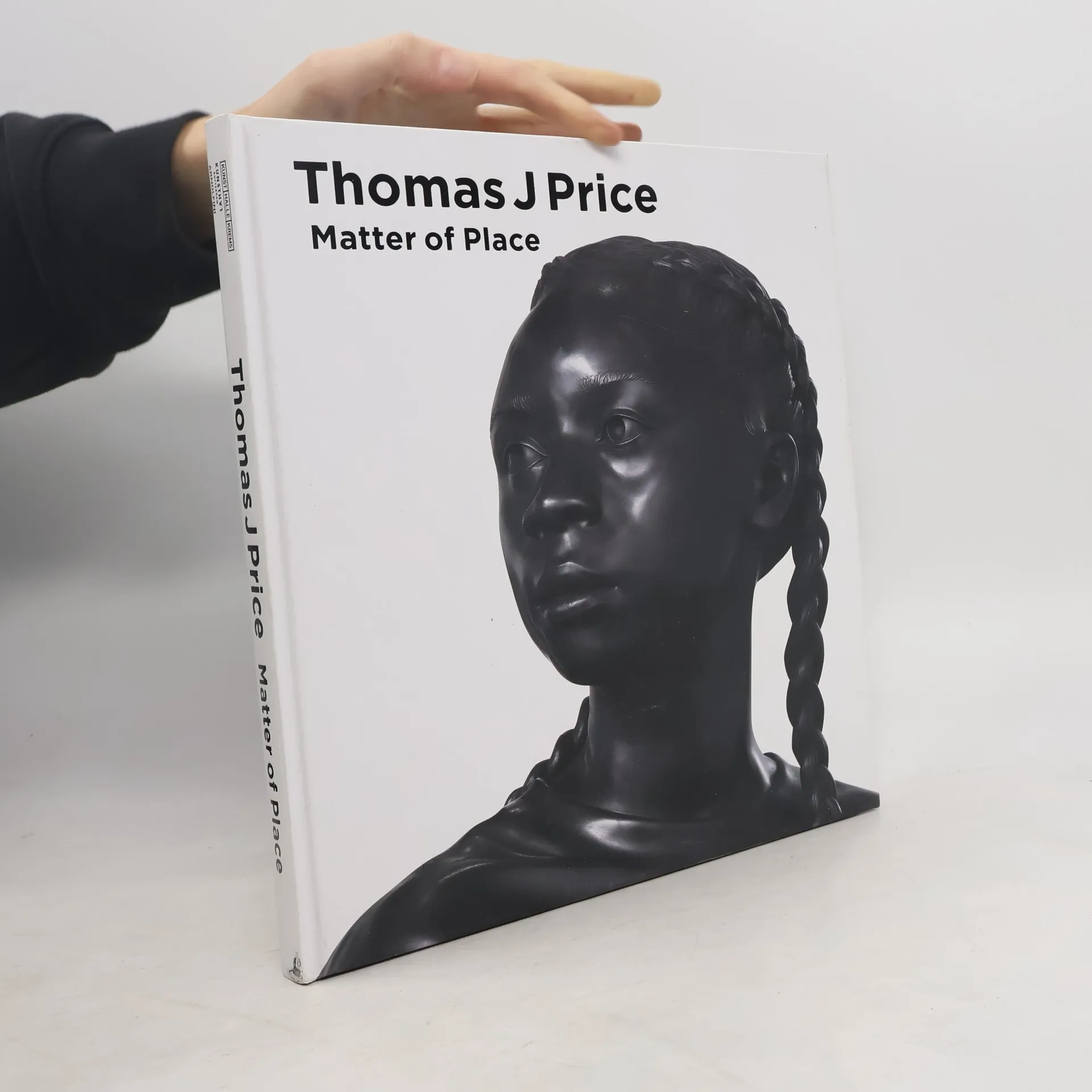
"In 1903 W. E. B. Du Bois's text The Souls of Black Folk made history as a work of sociological thought, and would go on to become a cornerstone of African American literature. In it, Du Bois combined music, history and memoir to advance a vital message of resistance in the uniquely dehumanising context of the so-called 'Jim Crow' era. It was in this collection that Du Bois, in 'Of Our Spiritual Strivings', wrote of the 'double consciousness' experienced by the Black subject -- a 'sense of always looking at one's self through the eyes of others, of measuring one's soul by the tape of a world that looks on in amused contempt and pity'. Refusing this fate, Du Bois passionately and creatively makes the case for the rights of Black people of the South to be treated with equality and justice. Over a century later, artist Christina Quarles brings new energy to Du Bois's unfinished project, speaking to his melodious text with her own distinctive visual poetics, testing and inverting the 'double consciousness' idea. Quarles, whose work is informed by her own daily experience with ambiguity, engages with the world from a position that is multiply situated."-- Provided by publisher
An ethereal late work by the Smithsons, hidden in a German forest In 1984, German furniture-maker Axel Bruchhäuser reached out to architectural duo Alison (1928–93) and Peter Smithson (1923–2003) with a playful letter ostensibly written by his cat and addressed to theirs. The letter between cats inquired about commissioning the Smithsons to build several lookouts on Bruchhäuser’s home, known locally as the “Hexenhaus” (the “Witches’ House”―a common name in the area where the Brothers Grimm wrote their fairy tales). Started in 1986 and completed in 2001, and located in a dense forest in Hessen, the renovation that the Smithsons undertook constituted an example of what they called “law of the conglomerate.” Step by step, the house was expanded and opened to admit the light as well the trees, which became part of the interior. The house’s primary materials are wood and glass, providing a poetic example of latticework and a stunning use of natural light.
The publication is thought as a guide to the work of Katarzyna Kobro (1898-1951), a Polish avant-garde sculptor. 0She is a prominent representative of the Constructivist movement in Poland. 00Through essays, as well as descriptions of some of her pieces and projects, readers will understand her work as an example of avant-garde experiments with space, which are eagerly evoked in contemporary artistic practices
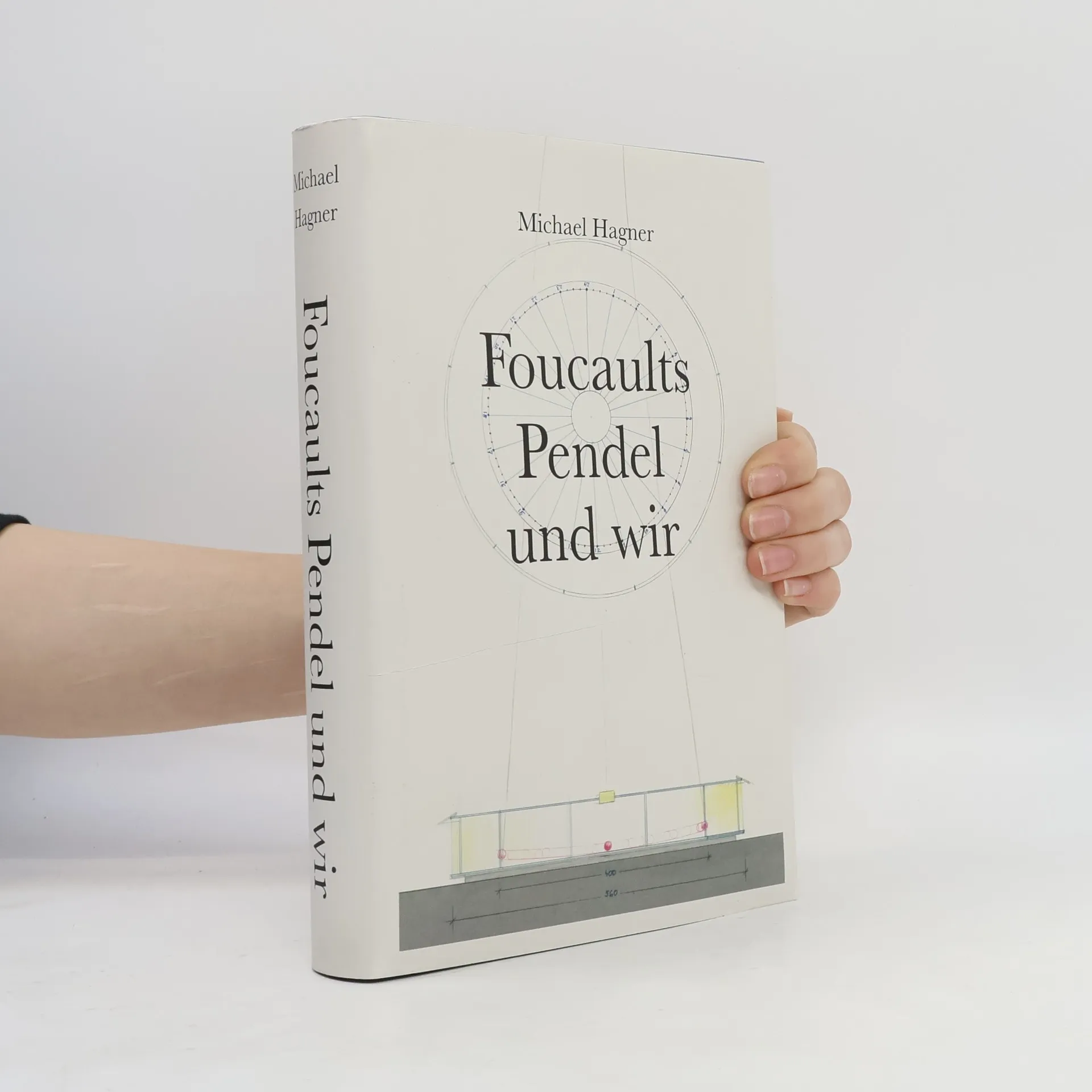
Das Pendel-Experiment des Physikers Léon Foucault gilt bis heute als eines der berühmtesten in der Geschichte der Wissenschaften. Hat also Foucaults Pendel immer noch mit uns zu tun? In seinem Buch geht Michael Hagner dieser Frage nach und erschließt die wissenschaftlichen, politischen, religiösen und ästhetischen Kontexte des vielfach wiederholten Versuchs. Dabei zeigt sich, wie die Frage nach dem Zusammenhang von kosmischen Vorgängen und menschlichen Belangen vom 19. Jahrhundert bis heute in immer neuen Konstellationen aufgeworfen wird.
Jeff Koons engages with distinguished art curator Sir Norman Rosenthal resulting in a revealing portrait of the life and art of the most foremost international working artist today Here is what happens when Jeff Koons, one of the most important and controversial artists of the twenty-first century, sits down with distinguished art curator Sir Norman Rosenthal. Published to coincide with his 2014–2015 retrospective, this new book provides the most revealing portrait that exists of Jeff Koons’ singular personality and artistic vision as he discusses works across his thirty-five -year career with his long-time friend and collaborator Rosenthal. Rosenthal’s masterful interviews, conducted over three years, give unparalleled access to the thoughts of one of the most influential minds in contemporary culture, disclosing the artist undistorted and in his own words. As well as examining all his major series in depth, from his first inflatables to his latest series on antiquities, the interviews shed new light on the artist’s interest in other artists’ works, reveal the significance of his youth and family life on his art, and explain the key concepts of his practice, such as his ideas on self-acceptance, ecstasy and sex. A book of historic importance, extensively and comprehensively illustrated throughout, it will become the reference point for all who want to understand Koons and creativity in the twenty-first century.
Ljubow Popowa gehört zu den ?Amazonen± der russischen Avantgarde. Ihr grandioses Werk entstand in der kurzen Zeitspanne zwischen 1908 und 1924. Trotz ihres frühen Todes mit fünfunddreißig Jahren arbeitete die Künstlerin in praktisch allen Genres der bildenden Kunst und hinterließ ein kolossales Erbe: Landschaften und Stillleben, Aktstudien und Zeichnungen von Bäumen, kubistische Bilder und Zeichnungen, suprematistische0Arbeiten, konstruktivistische Kompositionen, Entwürfe für das Theater, Schriftplakate, Buchillustrationen und Stoffdesigns.0Ljubow Popowa verstand es, die unterschiedlichsten Kunstrichtungen zu atemberaubenden Innovationen zu verbinden. Doch als Meisterin mit unbändigem malerischem Talent blieb sie sich stets selber treu.0Die Sammlung der Werke von Ljubow Popowa in der SEPHEROT Foundation (Liechtenstein) repräsentiert den gesamten Entwicklungsweg dieser brillanten Vertreterin der russischen Avantgarde und offenbart die Originalität und Vielschichtigkeit ihres Werks
Ausst. Kat. Leopold-Hoesch-Museum, Düren, Museum für Neue Kunst, Städtische Museen, Freiburg
The ?Pictograms, Signs of Life, Emojis: The Society of Signs? catalogue explores the questions: What objectives, and hopes are linked to the development of the modern language of images, including emojis? To which issues of their time are they each reacting to? Do they expand our possibilities of expression or do they limit them by defining stereotypes? The focus of this catalogue is on lexicons and systems of pictorial signs devised by designers and artists like Gerd Arntz, Marie and Otto Neurath, Otl Aicher,0Yukio ?ta or Wolfgang Schmidt and others. How functional or engaging do the designers consider their pictorial signs to be? Are they interested in universal forms of communication or personal spaces of retreat, rapid transmission of information or complex or poetic forms of language, abstraction or individualisation?00Exhibition: Leopold-Hoesch-Museum, Düren, Germany (24.09.2020 - 11.04.2021) / Museum für Neue Kunst, Freiburg, Germany (07.05. - 12.09.2021).
"In seiner konzeptionellen Arbeit greift Joerg Waehner auf ein umfangreiches Archiv zurück, das er als Entgegnung auf die Sammelwut des DDR-Staates und seiner Sicherheitsorgane, mal in innerer Abwehr und mal zur äußeren Verteidigung, gar zu einer parallelen Entleerung der Allmacht eines Staates angelegt hat, 'denn auch er beobachtete, notierte, sammelte - die Beweise für das, was unglaublich, ja, absurd wäre, wenn er es nicht getan hätte', wie Katja Lange-Müller Waehners Arbeitsweise beschrieb. Die Aufbereitung seines Archivmaterials ist für Waehner künstlerische Strategie und Methode, um sich in der Gegenwart mit der Vergangenheit auseinanderzusetzen und für den Betrachter eine Möglichkeit zur sinnlichen Wahrnehmung zeitgeschichtlicher Momente zu schaffen."-- Velagshomepage
An artist's book-cum-diaristic account of one frenetic year in Murillo's life This publication presents a year in the life of Colombian artist Oscar Murillo (born 1986), whose work spans many mediums, exploring cross-cultural ties in the globalized economy. Following him from Croatia to New York to Berlin and beyond, By Means of a Detourchronicles a single year of the artist's life. The year chosen, 2019, also serves as the culmination of the first ten years of Murillo's much-acclaimed career--of constant travel, research and making work. The book's form--printed on mock loose-leaf paper and scattered with iPhone screenshots and frenzied doodles--reflects the frenetic nature of Murillo's life and the year he chose to document. The book's inconsistencies and rough, unfinished appearance are the product of a collaboration with Olu Odukoya, whose anarchic and anti-authoritarian--or "primitive," as he calls it--spirit have helped to produce a volume with particular design flair.
"2020 lud Juliette Blightman Dorothy Iannone zu einer Zusammenarbeit im Rahmen einer gemeinsamen Ausstellung für den Kölnischen Kunstverein ein. Die Arbeit (Ta)Rot Pack (1968-69) von Iannone ist Ursprung für das dreiteilige Projekt: "Liebe ist die Inspiration für meine Arbeit. Ich schuf (Ta)Rot Pack, eine Serie von 27 Karten, die das Leben Dieter Roths - meines Geliebten und meiner Muse - darstellen, während der ersten Phase unserer Beziehung." Dorothy Iannones (Ta)Rot Pack führte Juliette Blightman zur Idee einer weiteren Version der Tarot-Karten: ihrer Serie Stages of Seed Development (2020). "Ich bildete die Original-Tarotkarten nach, indem ich jede Arbeit nach einer Karte der Großen Arkana benannte und darauf verschiedene Motive meiner eigenen Arbeiten zeige."Die Publikation ist die zeitlose Manifestation dieses Ausstellungsprojekts in der Nebeneinanderstellung der Tarot-Karten beider Künstlerinnen."
Ausst. Kat. MAK Museum für Angewandte Kunst, Frankfurt 2022
118 pages
5 hours of reading
Die Bonsais auf Norbert Schoerners Fotografien sind aus der Aufzucht der Familie Abe, die in der Nähe von Fukushima lebt. Seit drei Generationen ziehen diese Meister - Kurakichi, sein Sohn Kenichi und sein Enkelsohn Daiki - Bonsai aus Samen. Dabei handelt es sich ausschließlich um Samen von Baumarten, die im Schatten des Vulkanberges Azuma-Kofuji zu finden sind. Für seine Fotografien stieg Schoerner auf den Berg und nahm eine Reihe von Landschaftsbildern auf. Davon ließ er Abzüge so großformatig anfertigen, dass wenn die Bonsais der Familie Abe davor aufgestellt und im richtigen Licht fotografiert wurden, die Miniaturkiefern aussahen wie ausgewachsene Bäume. Es entstehen konstruierte dioramahafte Umgebungen. Angesichts der Auswirkungen des nuklearen Desasters des Kernkraftwerks Fukushima Daiichi 2011 auf die Ökologie der Region unmöglich, diese Werke unabhängig von dieser Katastrophe zu betrachten. Der Betrachter der Bilder wird unmittelbar mit den zerstörerischen Folgen dieses Ereignisses und den Versuchen der Menschheit, die Natur für ihre eigene Zwecke zu nutzen und zu beherrschen, konfrontiert.
'K.H. Hödicke: Malerei 1961-2015' is published on occasion of the exhibition of work from Karl Horst Hödicke, Hall Art Foundation, Germany, 2020/22.A pioneering figure of 1980s neo-expressionism and an important inspiration for the Neue Wilde painters, Hödicke is best known for his variegated depictions of Berlin, where people, landscapes, and architecture take on an almost folkloric quality.This catalogue comprises approximately 40 paintings and sculptures produced between the mid-1960s and the mid -1990s, including works in which Hödicke portrays West Berlin during the separation.English and German text.Published on occasion of the exhibition 'Karl Horst Hödicke: Berlin kommt nach Niedersachsen', 6 Sep 2020 - 20 Mar 2022, Hall Art Foundation, Kunstmuseum Schloss Derneburg, Germany.