

Beeswing is the autobiography from world-renowned artist Richard Thompson, co- founder of the legendary folk rock group Fairport Convention.
Richard Thompson Book order (chronological)
Richard Thompson is a public historian and consultant whose work delves into the rich history of Oregon's street railways. His deep engagement with industrial heritage is rooted in his family's legacy and his academic background in history. This passion for trolleys has cultivated a significant personal archive, which has informed numerous publications and historical entries. Thompson's diverse career includes extensive experience in archival work and museum management.



Slabtown Streetcars
- 130 pages
- 5 hours of reading
The historical significance of Slabtown in Northwest Portland is highlighted through its pivotal role in the development of street railway systems. Home to the West Coast's first streetcar manufacturing factory, it was integral to the early streetcar network, with local production dominating until the 1910s. By 1950, Slabtown residents were among the last to use the dwindling streetcar lines, marking the end of an era in public transportation. The narrative captures the evolution of urban transit and the community's connection to this transformative period.
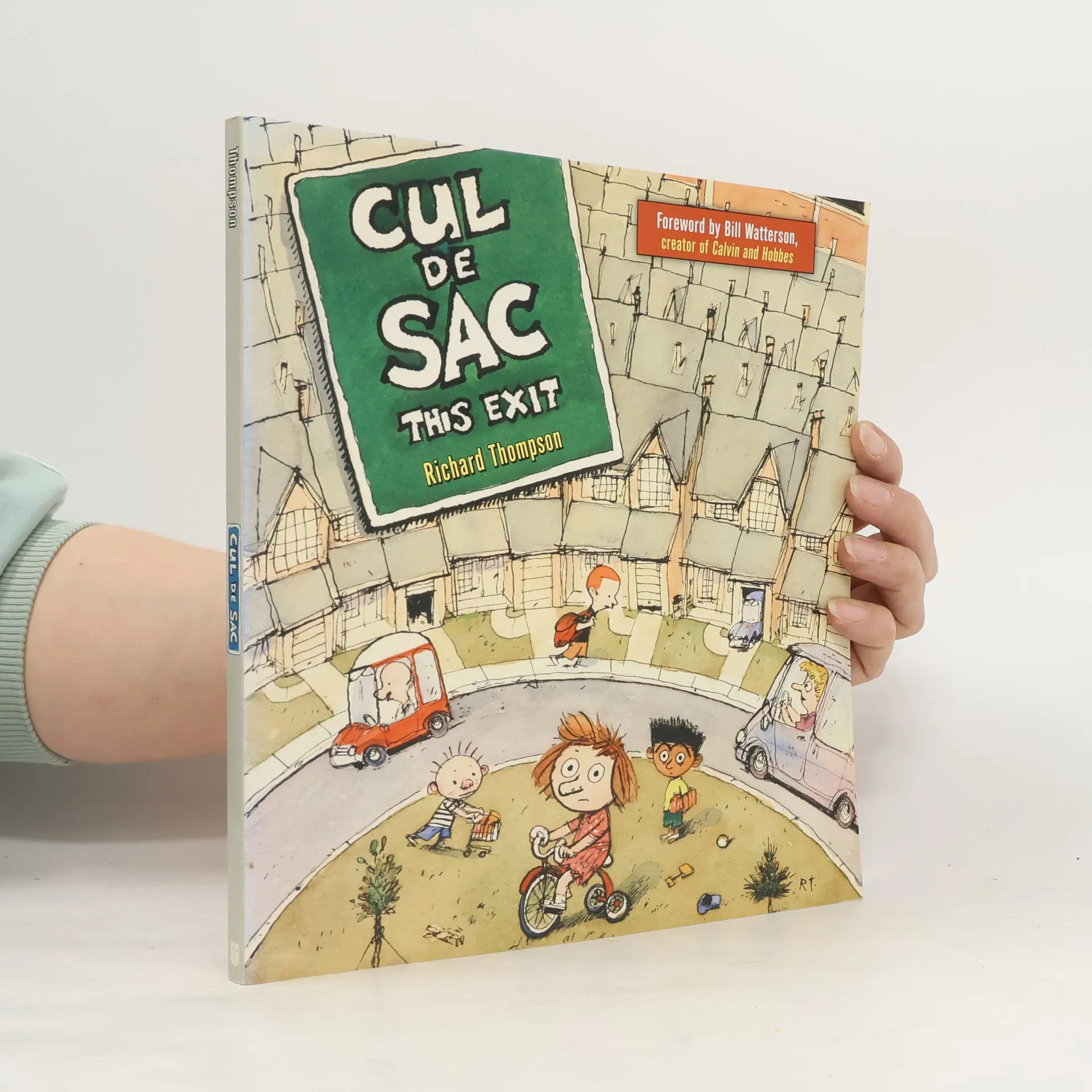
Richard Thompson’s wonderful watercolor and fun, imaginative drawings have garnered the attention of highly-acclaimed illustrators all over the world, including Bill Waterson and Mo Willems, who have each written the forewords for his first two collections. Richard Thompson's Cul de Sac follows the antics of four-year-old Alice Otterloop as she navigates her way through her suburban town and life's ups and downs at Blisshaven Preschool. More than half of our nation's population resides in the burbs, and suburbanites everywhere will easily recognize Cul de Sac's tree-lined streets, big-box retail stores, and kiddy crunchy cereals, along with the revealing backseat conversations between Alice and her brother. Thompson's paintbrush captures humorously poignant and reflectively thoughtful watercolor scenes that offer commentary on life and how we choose to live it. Appearing in more than 100 newspapers, Cul de Sac has garnered Thompson critical praise from both the National Cartoonists Society and the Society of Illustrators.
Portland's Streetcar Lines
- 128 pages
- 5 hours of reading
The history of Portland's neighborhoods is intricately linked to the streetcar system, a 19th-century innovation that shaped the city's layout and growth. The carlines facilitated not only daily commutes but also recreational outings, connecting residents to parks, shopping, and social activities. The peak of trolley use occurred in the 1910s, followed by a gradual decline leading to the end of streetcars in 1950, when buses took over. This book delves into the legacy of these classic streetcar lines and their influence on the city's development.
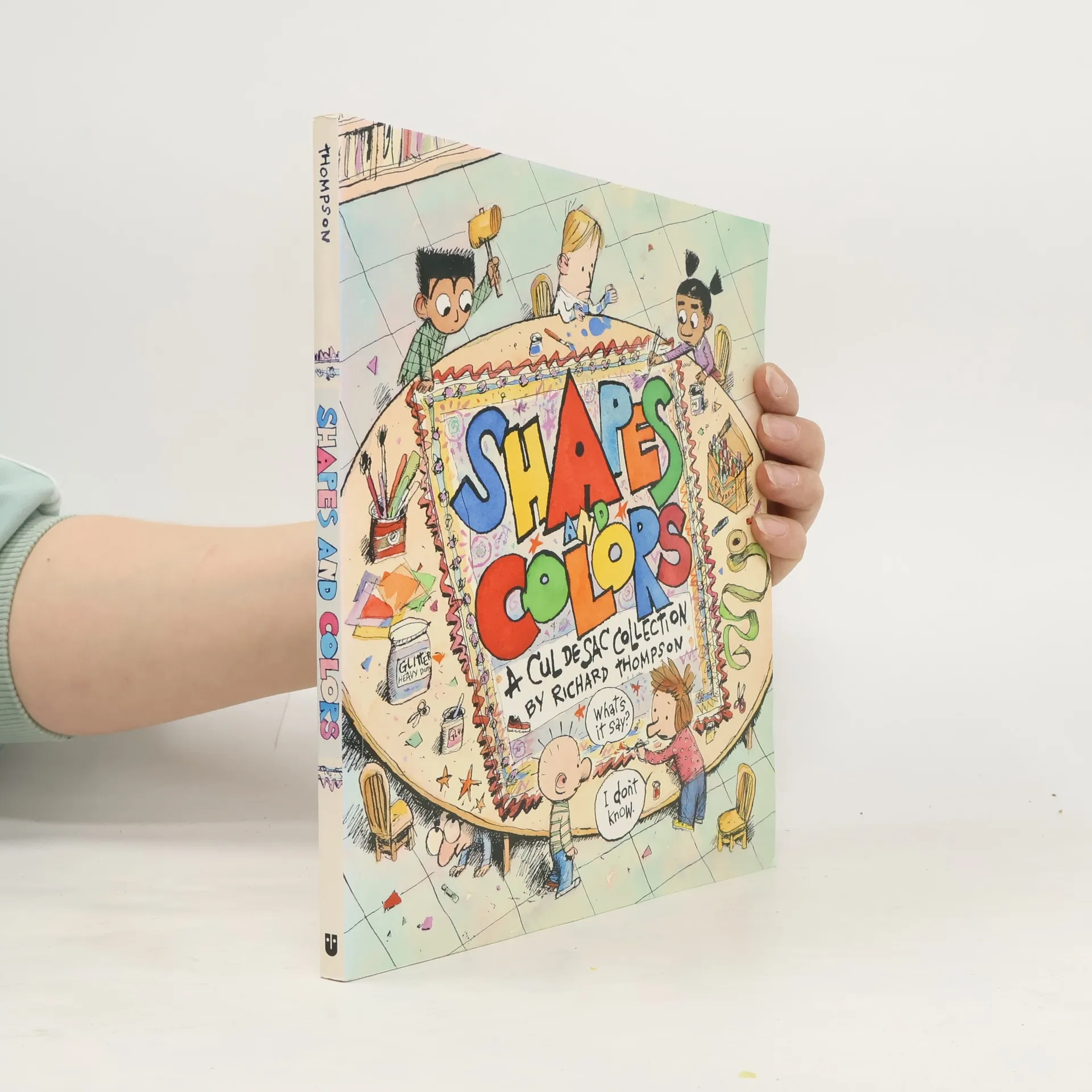
Richard Thompson reminds us that being a 40-year-old isn't hard, but being a four-year-old is. His warm, welcoming reminders are wonderfully lighthearted and funny as he brings home Alice's life in a fun, new Cul de Sac collection.Alice and her Blisshaven Preschool classmates charm fans of all ages. Their adventures ring alarmingly true to parents of little ones, too. From doing projects in a whirlwind of crayons and markers to their nonstop chatter to trying to comprehend a completely incomprehensible world, Thompson's characters make Children at Play a must-read. The little boxes crammed together, the shopping malls, and the insane traffic systems set the scene for the storylines and adventures that only suburban life can provide.Thompson's witty dialogue meets comically unique drawings to make Cul de Sac a place worthy of visiting on a daily basis."I thought the best newspaper comic strips were long gone, and I've never been happier to be wrong. Richard Thompson's Cul de Sac has it all--intelligence, gentle humor, a delightful way with words, and, most surprising of all, wonderful, wonderful drawings." --Bill Watterson, creator of Calvin and Hobbes
"I hope you enjoy Cul de Sac as much as I do. I think you're in for a real treat." --Bill Watterson, creator of Calvin and Hobbes, 2008. "One of the five best features in any newspaper, period." --The Comics Reporter. "One of the few strips around where nearly every individual panel is stand-alone delight." --The Onion. "It really seems like the inheritor of 'Calvin and Hobbes.'" --Art Spiegelman. "I can't say enough in his favor, so much is my admiration for his work." --Pat Oliphant. More than half of the nation's population resides in the suburbs, and Richard Thompson's work captures this world through the eyes of four-year-old Alice Otterloop, who navigates life at Blisshaven Preschool, "the scene of [her] daily toil." Suburban readers will recognize the quirks of house-lined streets, sidewalk canvases, and magnetized refrigerator art. Under the guidance of the proper Miss Bliss, Alice faces challenges like napping, speaking out of turn, and identifying shapes, while her eight-year-old brother Petey, Dad (Peter), Mom (Madeline), and Mr. Danders, the preschool's pompously pedantic guinea pig, support her through life's ups and downs. This collection features over a year's worth of strips since the cartoon's 2007 debut, showcasing Thompson's talent for commenting on social issues with humor and unexpected insight.
United States Postage Stamps, 1902-1935
Regular Issues, Parcel Post, Airmails
- 566 pages
- 20 hours of reading
United States Postage Stamps 1902-1935, Regular Issues, Parcel Post, Airmails by Max G. Johl. Published by Quaterman Publications, Inc., 1976. HB w/intact DJ, 566pp, b/w illust. Never used condition.