

Explore the latest books of this year!
Bookbot

Francoise Waquet

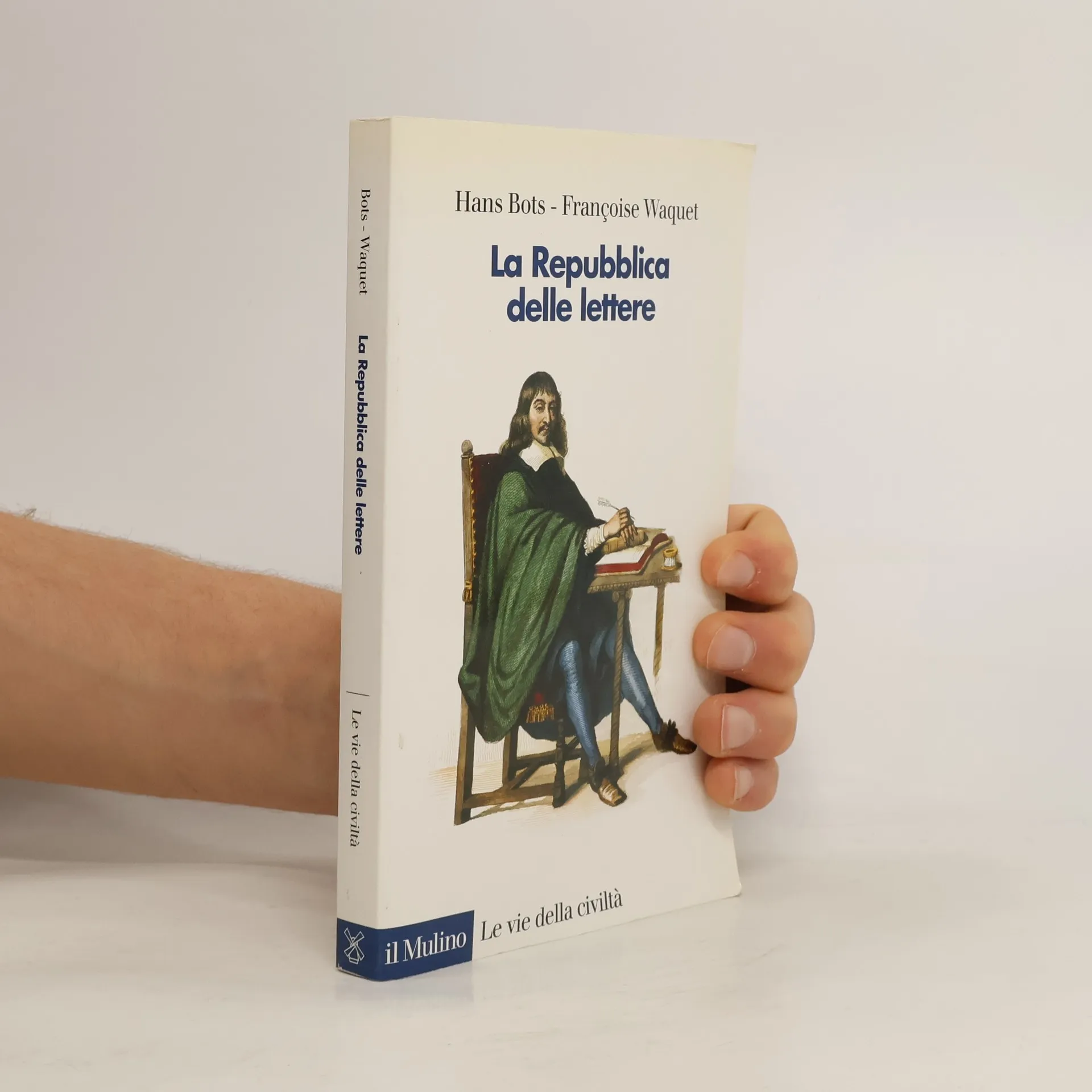
    Le vie della civiltà: La Repubblica delle Lettere
    Emocjonalna historia wiedzy (XVII-XXI wiek)
    Latin
    Latin or the Empire of a Sign
    • A wide-ranging & highly readable history of Latin between the sixteenth & twentieth centuries - a period when it dominated the civic & sacred worlds of Europe and, arguably, the entire western world. Latin explores the institutional contexts in which the language was adopted & transmitted as well as the privilege it came to confer on those that studied it. Annotation. Though the once burning question of Latin's place in school curricula has been overshadowed by other issues, Waquet (Centre National de la Recherche Scientifique, Paris) feels the need for a resolutely historical account of the language that is not a pamphlet or an exercise in special pleading. She writes a social history of Latin in the modern era, analyzing the uses made of it and the discourses concerning it. The 1998 Le latin ou l'empire d'un signe, published by Editions Albin Michel, is translated by John Howe.

      Latin or the Empire of a Sign
    • Latin

      • 368 pages
      • 13 hours of reading

      Acclaimed cultural history of Latin's rise and fall

      Latin
    • Pierwszy polski przekład książki autorstwa jednej z najważniejszych na świecie badaczek zajmujących się historią nauki i historią wiedzy. Franoise Waquet pisze o znaczeniu emocji w tworzeniu nauki, a zarazem o nauce ukontekstowionej medialnie, materialnie, cieleśnie, przestrzennie. Autorka śledzi rozterki, nadzieje i obawy naukowców towarzyszące im w ich codziennej pracy badawczej na przestrzeni wieków i dowodzi, że nie sposób zrozumieć historii nauki i praktyk badawczych bez uwzględnienia osoby badacza, postrzeganego nie tyle jako podmiot w pełni racjonalny, ile nieustannie targany sprzecznymi emocjami oraz pragnieniami.

      Emocjonalna historia wiedzy (XVII-XXI wiek)
    • Fra il Rinascimento e l'Illuminismo gli uomini di cultura ebbero il sentimento di formare una comunità, una sorta di stato la Repubblica delle lettere. Questa espressione, nata nel Quattrocento in Italia e poi diffusa largamente in Europa a partire dal primo Cinquecento soprattutto con Erasmo da Rotterdam, dava forma a un' che la sfera della cultura potesse essere un mondo autonomo, indipendente dalle divisioni nazionali e religiose e fondato sull'uguaglianza e l'universalità. Hans Bots e Françoise Waquet ripercorrono la storia di questa utopia fra Cinque e Settecento.

      Le vie della civiltà: La Repubblica delle Lettere