

Explore the latest books of this year!
Bookbot

Edward Elgar

    June 2, 1857 – February 23, 1934

    Edward Elgar was an English composer whose works have become integral to the British and international classical concert repertoire. His music is characterized by profound emotion and melodic richness, often drawing inspiration from the English landscape and history. Elgar masterfully weaves orchestral colors, creating monumental symphonic works as well as intimate chamber pieces. His compositional style, full of grandeur and sentiment, continues to captivate audiences today with its timeless beauty.

    Cockaigne
    Sea Pictures
    Pomp and Circumstance March No. 1 for Band: Conductor Score & Parts
    Introduction and Allegro, Op. 47: Score
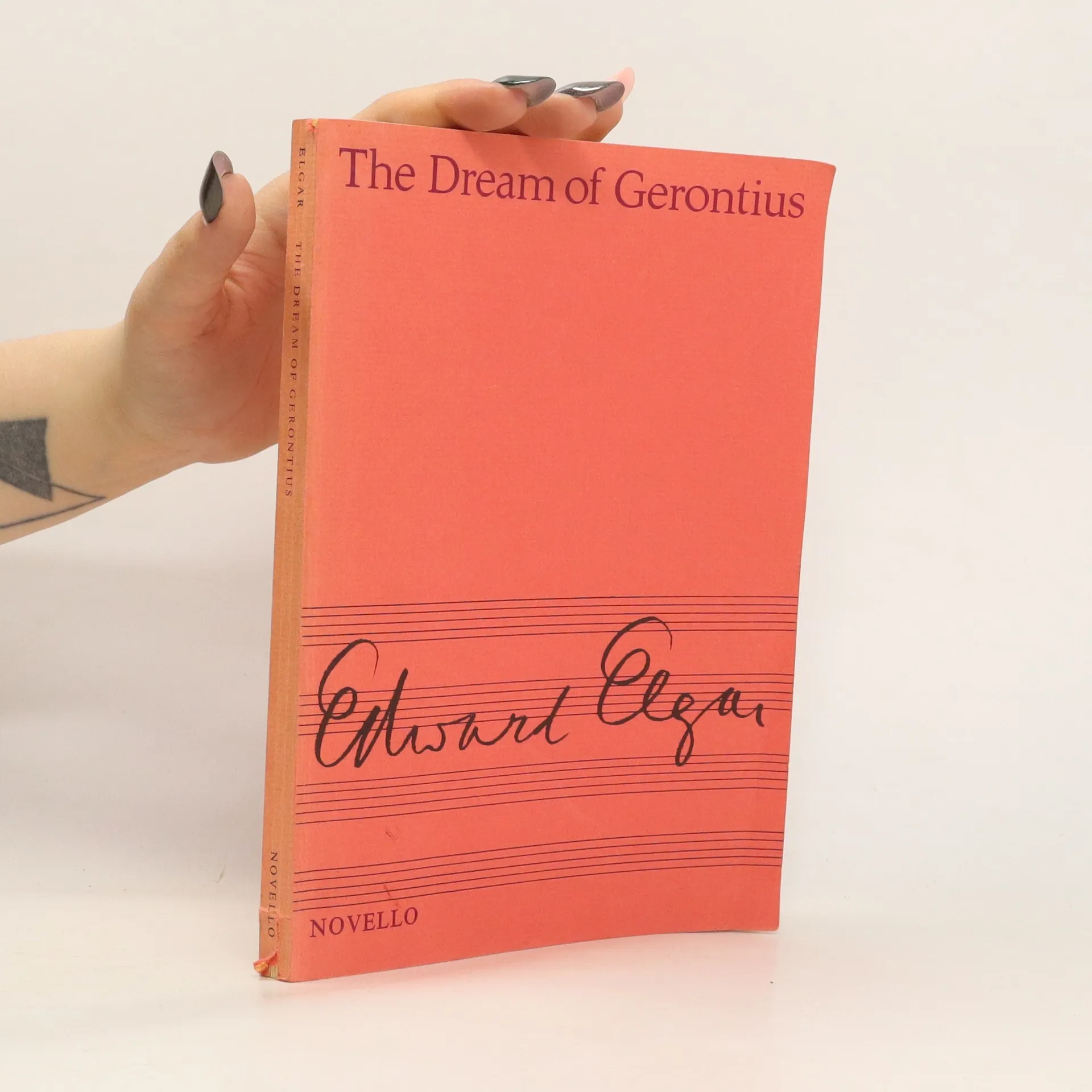
    The Dream of Gerontius
    Cello Concerto, Op.85: Study score
    • Cello Concerto, Op.85: Study score

      • 108 pages
      • 4 hours of reading

      This work showcases the cello's expressive capabilities, blending rich melodies with orchestral textures. It highlights the instrument's versatility, allowing for both lyrical passages and dynamic interplay with the orchestra. The composition emphasizes emotional depth and technical prowess, making it a captivating piece for both performers and audiences. The orchestration complements the cello, creating a harmonious dialogue that enhances the overall musical experience.

      Cello Concerto, Op.85: Study score
    • Introduction and Allegro, Op. 47: Score

      • 999 pages
      • 35 hours of reading

      Sir Edward Elgar's Introduction and Allegro for Strings, Op. 47, was composed in 1905 for performance in an all-Elgar concert by the newly formed London Symphony Orchestra. Scored for string quartet and string orchestra, Elgar composed it to show off the players' virtuosity.

      Introduction and Allegro, Op. 47: Score