

A guide to literary theory explores such topics as reception theory, biopolitics, feminist criticism, postmodernism, and aesthetics.
Hans Bertens Book order (chronological)
Hans Bertens is a Dutch academic author and professor emeritus who specialized in American studies and comparative literature. His work delved into the complexities of modern and postmodern literature, examining its formal aspects and ideological implications. Bertens analyzed how literary techniques and styles reflect and shape our understanding of the world, offering insightful perspectives on the evolution of literary thought. His approach emphasizes the interconnectedness of literary theory and critical analysis.

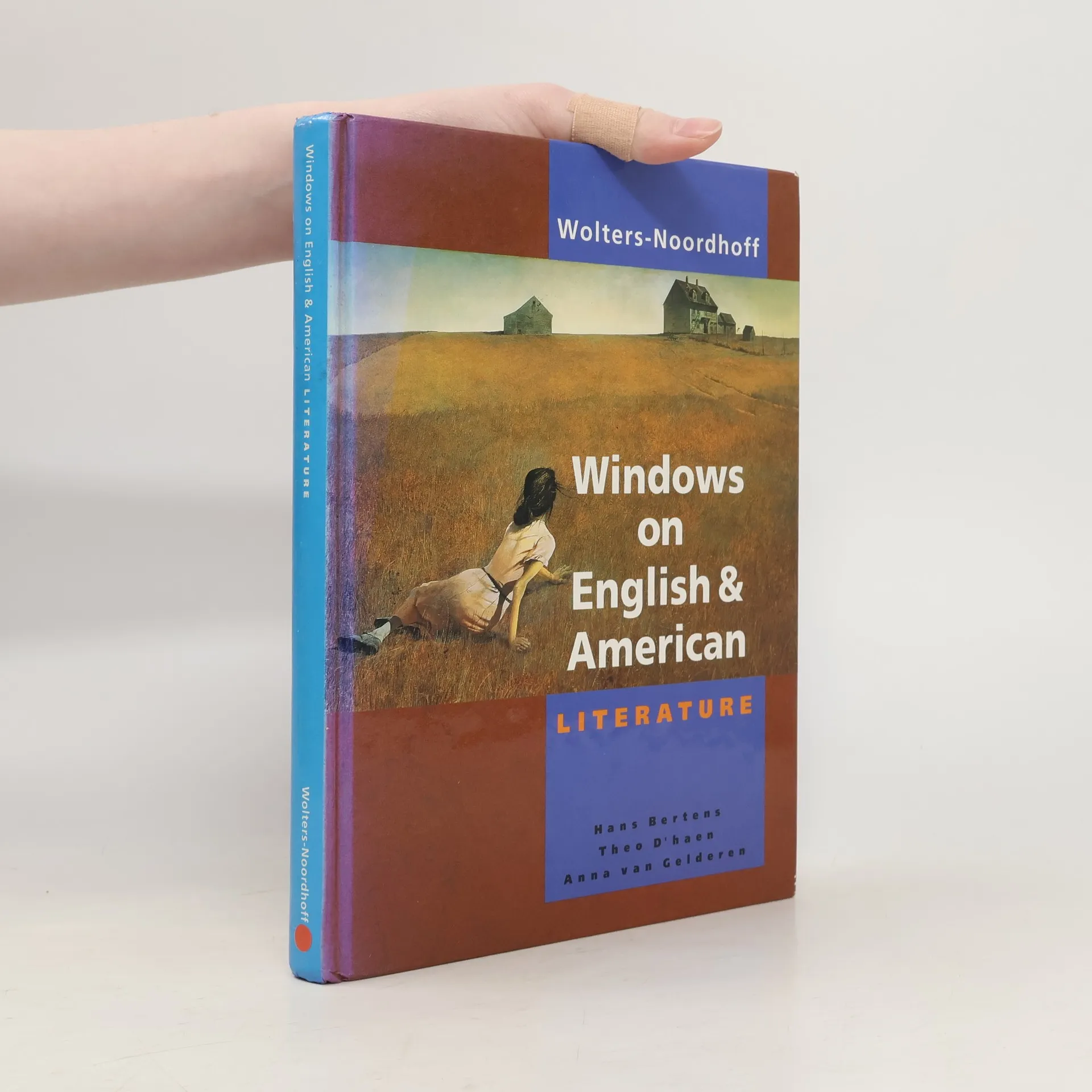
Windows on English and American Literature
- 204 pages
- 8 hours of reading
Inleidend overzicht van de Engelse en Amerikaanse literatuurgeschiedenis, met name van de 20e eeuw.
Approaching Postmodernism
- 310 pages
- 11 hours of reading
The essays in this collection address key theoretical issues surrounding Postmodernism, including its evolving definition, periodization, and historicity. Some pieces provide readings of Postmodernist texts, linking practical criticism to theoretical frameworks. Hans Bertens outlines the historical evolution of Postmodernism in American criticism, clarifying various definitions proposed over the past twenty-five years to enhance understanding and discussion. Brian McHale and Douwe Fokkema present models for analyzing Postmodernist texts, while Richard Todd argues that Postmodernism is more prevalent in contemporary British fiction than previously recognized. Herta Schmid makes a similar case regarding Russian avant-garde theater. Elrud Ibsch contrasts Thomas Bernhard and Robert Musil, and Ulla Musarra explores Italo Calvino's work. Gerhard Hoffman examines the relationship between Existentialism and Postmodernism, while Theo D'haen identifies parallels between Postmodernism in literature and visual arts. Matei Calinescu connects literary Postmodernism to broader cultural shifts, challenging Foucault's idea of an epistemic break and advocating for both continuity and discontinuity. Finally, Helmut Lethen and Susan Suleiman critically assess the concept of Postmodernism, with Suleiman suggesting that the alleged reaction against Modernism may be a critical myth or limited to the American context.