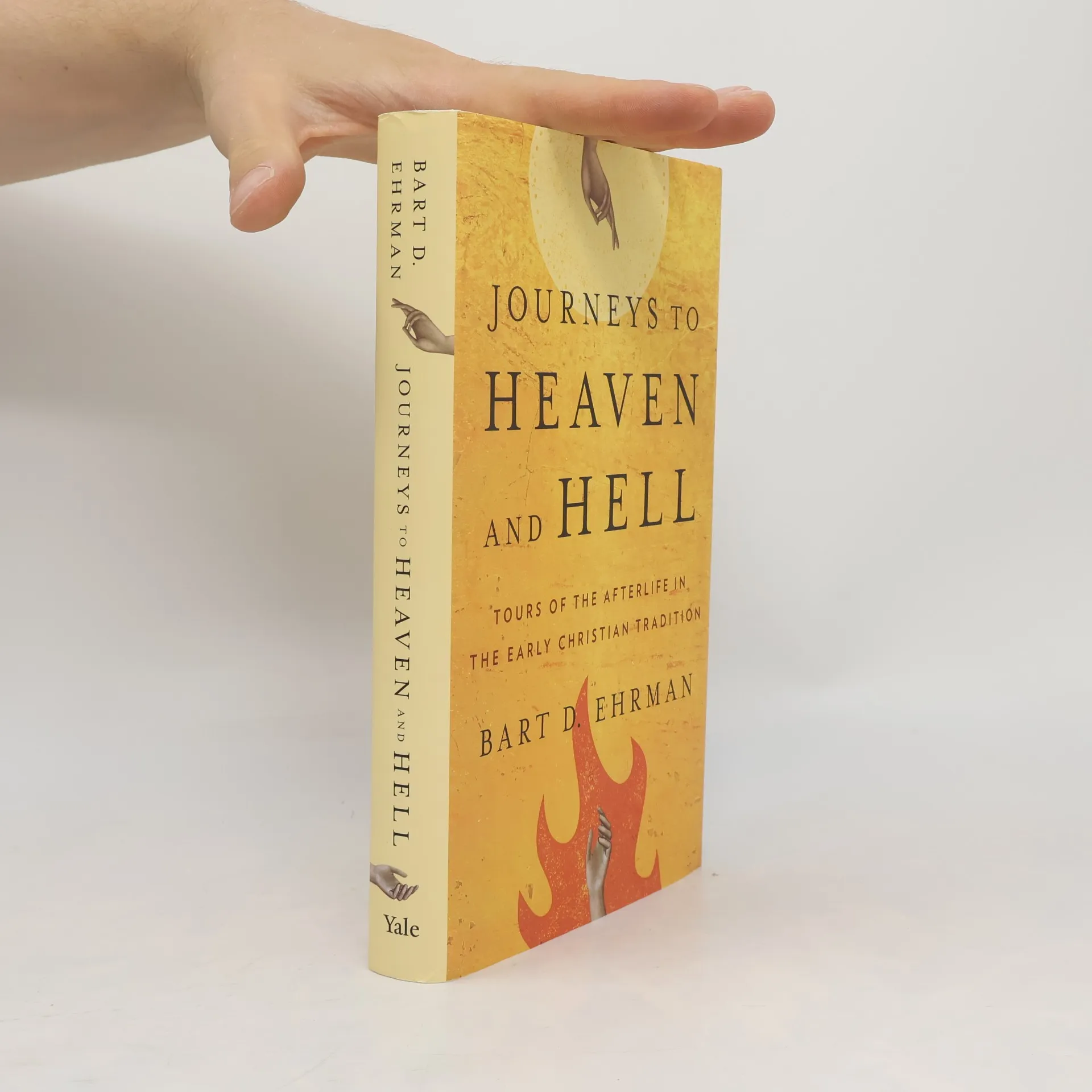
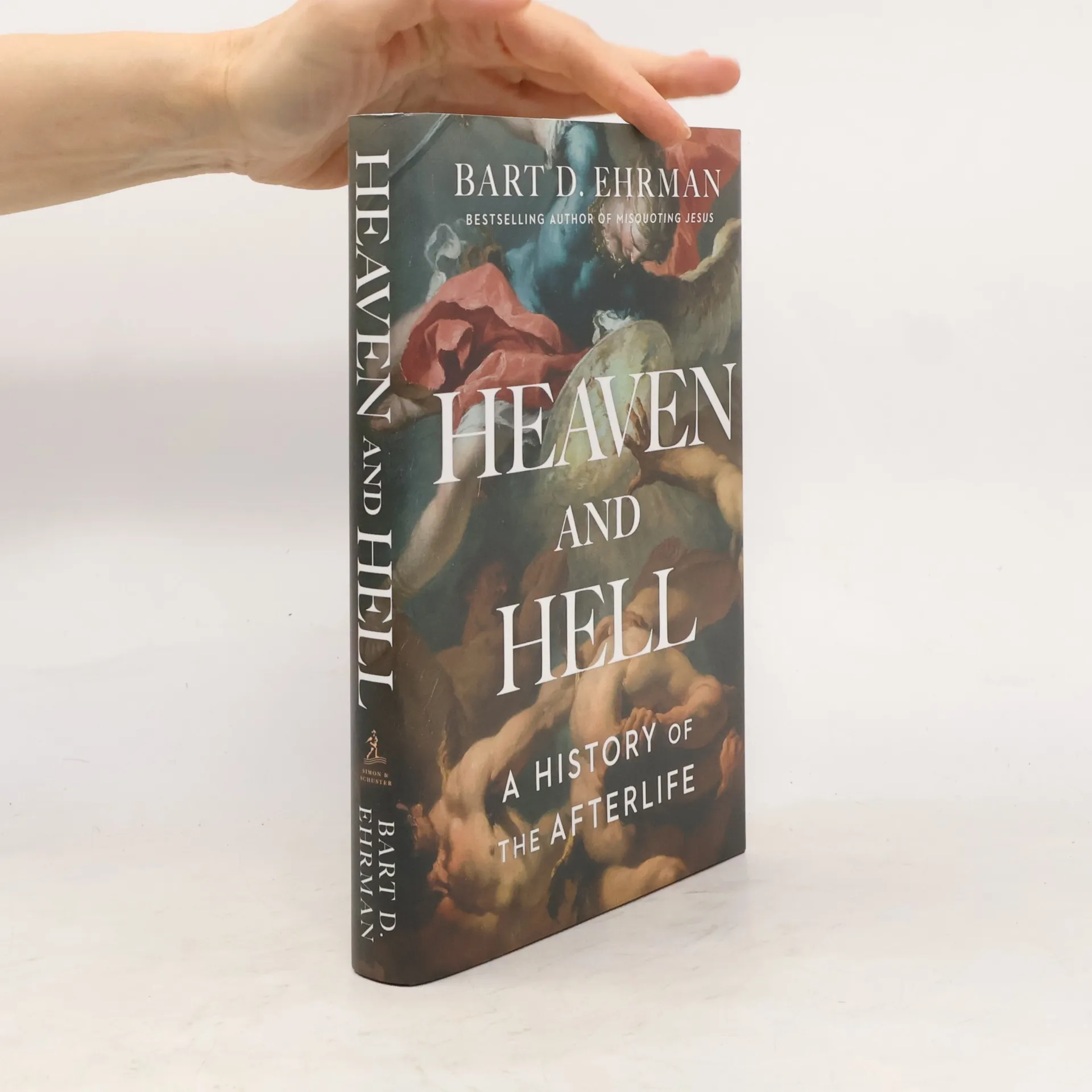
A bestselling historian of early Christianity explores two fundamental questions: the origins of heaven and hell, and their enduring presence in human thought. A recent Pew Research poll indicates that 72% of Americans believe in a literal heaven and 58% in a literal hell, with many attributing these beliefs to age-old Biblical teachings. However, concepts of eternal rewards and punishments are absent from the Old Testament and were not part of Jesus' teachings. In clear terms, the author traces the history of afterlife beliefs from The Epic of Gilgamesh to Augustine, emphasizing Jesus and his early followers. He examines ancient narratives of guided tours through heaven and hell, where the living witness the joys of salvation and the horrors of damnation, including early near-death experiences that echo modern accounts. A key conclusion is that there was never a singular Greek, Jewish, or Christian view of the afterlife; instead, there were multiple, competing perspectives shaped by their cultural and historical contexts. These ideas evolved over time into the widely accepted notions of eternal bliss and damnation. While the author cannot definitively answer what happens after death, he encourages reflection on the origins of our beliefs, suggesting that while there may be hope after death, there is nothing to fear.
Bart D. Ehrman Books
Bart D. Ehrman is a leading scholar on the New Testament and early Christianity, focusing on the historical background and evolution of early Christian texts. His work is characterized by a deep knowledge of ancient manuscripts and a meticulous examination of how biblical texts were transmitted and influenced over centuries. Ehrman primarily investigates the variations found in surviving copies of the New Testament and the role of scribes in their production. His critical approach illuminates the complexities of early Christianity and the textual traditions of the Bible.




Armageddon
- 272 pages
- 10 hours of reading
A New York Times bestselling Biblical scholar reveals why our popular understanding of the Apocalypse is all wrong--and why that matters. You'll find nearly everything the Bible has to say about the end in the Book of a mystifying prophecy filled with bizarre symbolism, violent imagery, mangled syntax, confounding contradictions, and very firm ideas about the horrors that await us all. But whether you understand the book as a literal description of what will soon come to pass, interpret it as a metaphorical expression of hope for those suffering now, or only recognize its highlights from pop culture, what you think Revelation reveals...is almost certainly wrong. In Armageddon , acclaimed New Testament authority Bart D. Ehrman delves into the most misunderstood--and possibly the most dangerous--book of the Bible, exploring the horrifying social and political consequences of expecting an imminent apocalypse and offering a fascinating tour through three millennia of Judeo-Christian thinking about how our world will end. By turns hilarious, moving, troubling, and provocative, Armageddon presents inspiring insights into how to live our lives in the face of an uncertain future and reveals what the Bible really says about the end.
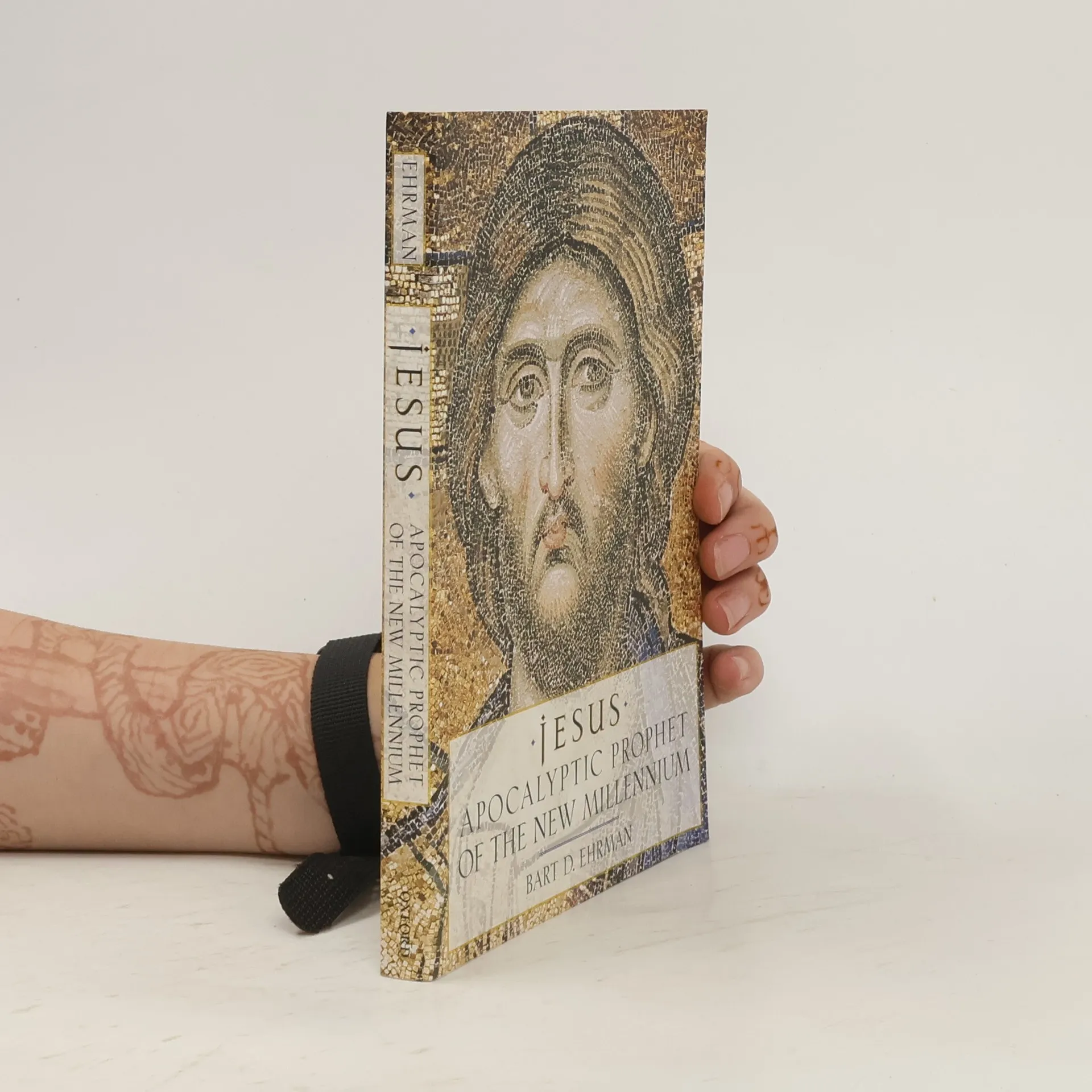
Jesus
- 288 pages
- 11 hours of reading
Argues that Jesus, like many of his later followers, proclaimed that God was soon to intervene in human affairs and bring all of history to a screeching halt. Through a careful evaluation of the New Testament Gospels and other sources, the author shows why Jesus should be understood as an apocalyptic prophet. schovat popis
The New Testament
- 592 pages
- 21 hours of reading
This new edition of Bart Ehrman's highly successful introduction approaches the New Testament from a comparative historical perspective, emphasizing the rich diversity of the earliest Christian literature. Ehrman shows why scholars continue to argue over such significant issues as how the books of the New Testament came into being, who produced them, what they mean, how they relate to contemporary Christian and non-Christian literature, and how they came to be collected into a canon of Scripture. Ehrman also discusses works by other Christian writers who were roughly contemporary with the New Testament.
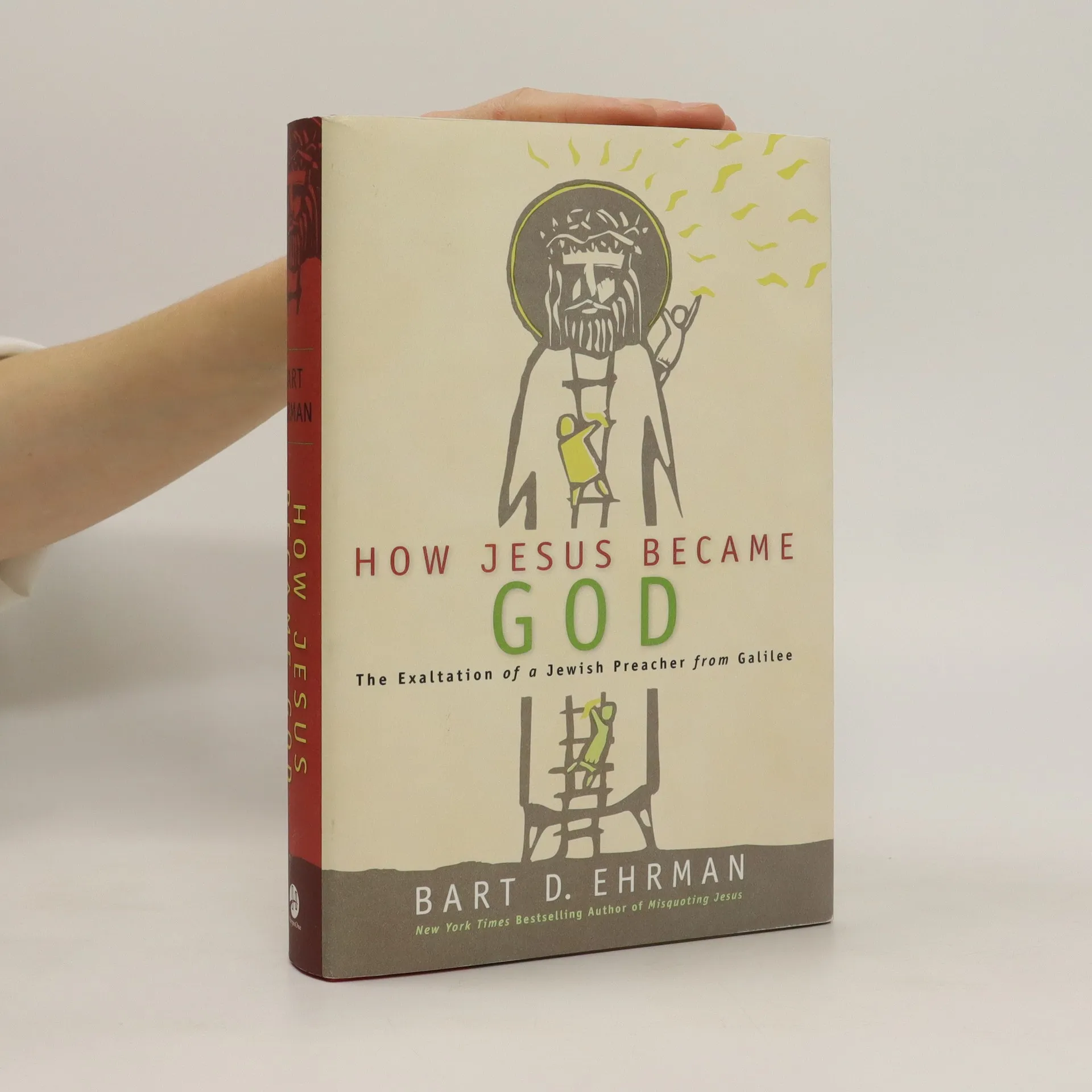
How Jesus became God : the exaltation of a Jewish preacher from Galilee
- 416 pages
- 15 hours of reading
In a book that took eight years to research and write, leading Bible scholar Bart D. Ehrman explores how an apocalyptic prophet from the backwaters of rural Galilee crucified for crimes against the state came to be thought of as equal with the one God Almighty Creator of all things. Ehrman sketches Jesus's transformation from a human prophet to the Son of God exalted to divine status at his resurrection. Only when some of Jesus's followers had visions of him after his death—alive again—did anyone come to think that he, the prophet from Galilee, had become God. And what they meant by that was not at all what people mean today. As a historian—not a believer—Ehrman answers the questions: How did this transformation of Jesus occur? How did he move from being a Jewish prophet to being God? The dramatic shifts throughout history reveal not only why Jesus's followers began to claim he was God, but also how they came to understand this claim in so many different ways. Written for secular historians of religion and believers alike, How Jesus Became God will engage anyone interested in the historical developments that led to the affirmation at the heart of Christianity: Jesus was, and is, God.
The remarkable diversity of Christianity during the formative years before the Council of Nicea has become a plain, even natural, "fact" for most ancient historians. Until now, however, there has been no sourcebook of primary texts that reveals the many varieties of Christian beliefs,practices, ethics, experiences, confrontations, and self-understandings. To help readers recognize and experience the rich diversity of the early Christian movement, After the New Testament provides a wide range of texts from the second and third centuries, both "orthodox" and "heterodox," includingsuch works as the Apostolic Fathers, the writings of Nag Hammadi, early pseudepigrapha, martyrologies, anti-Jewish tractates, heresiologies, canon lists, church orders, liturgical texts, and theological treatises. Rather than providing only fragments of texts, this collection prints largeexcerpts--entire documents wherever possible--organized under social and historical rubrics.This unique reader's concise and informative introductions and clear and up-to-date English translations make it ideal for courses on the New Testament, Christian Origins, Early Church History, or Late Antiquity. It will also be of interest to anyone--student, scholar, and general readeralike--interested in the entire range of early Christian literature from the period after the New Testament up to the writings of the so-called father of church history, Eusebius.
Lost Christianities
- 309 pages
- 11 hours of reading
The early Christian Church was a chaos of contending beliefs. Some groups Christians claimed that there was not one God but two, or twelve, or thirty. Certain sects maintained that Jesus was human but not divine; others that he was divine but not human. Eherman offers an enlightening study of these early forms of Christinaity, and how they came to be suppressed, reformed, or forgotten.
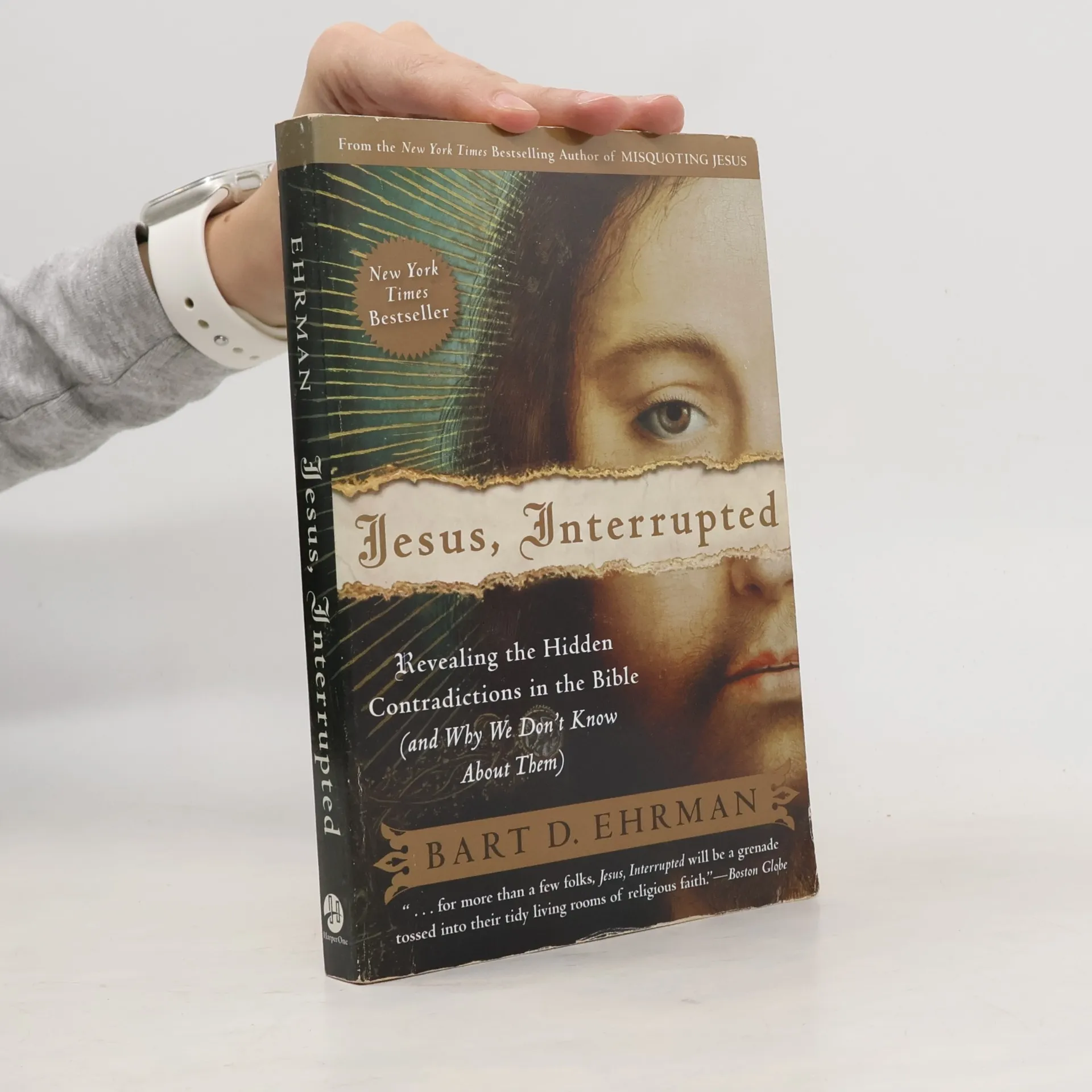
Jesus, Interrupted
- 304 pages
- 11 hours of reading
The Human Story Behind the Divine Book In this New York Times bestseller, leading Bible expert Bart Ehrman skillfully demonstrates that the New Testament is riddled with contradictory views about who Jesus was and the significance of his life. Ehrman reveals that many of the books were written in the names of the apostles by Christians living decades later, and that central Christian doctrines were the inventions of still later theologians. Although this has been the standard and widespread view of scholars for two centuries, most people have never learned of it. Jesus, Interrupted is a clear and compelling account of the central challenges we have when attempting to reconstruct the life and meaning of Jesus.
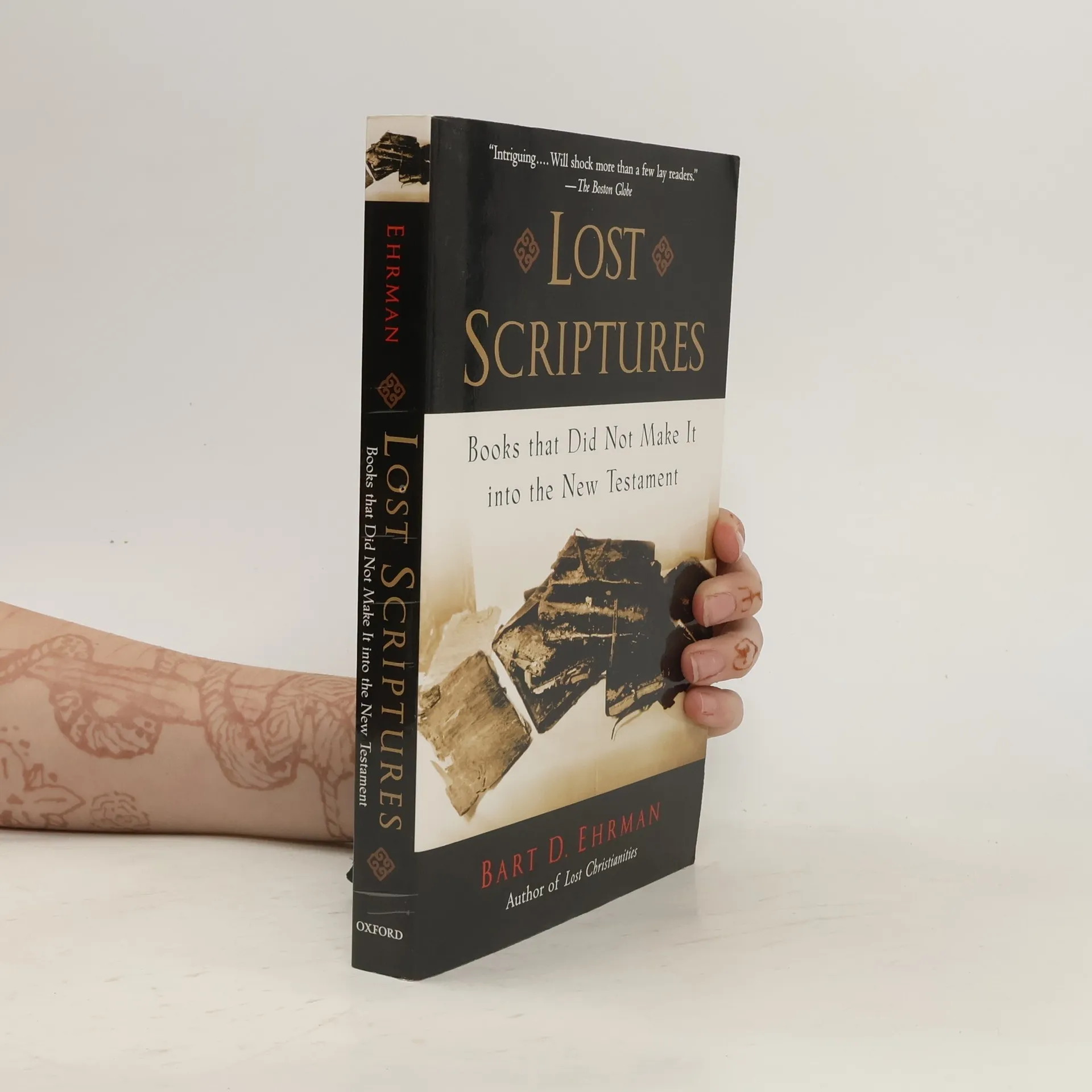
We may think of the twenty-seven books of the New Testament as the only sacred writings of the early Christians, but this is not the case. Lost Scriptures offers an anthology of up-to-date and readable translations of many of non- canonical writings from the centuries after Christ-texts that have for the most part been neglected or lost for nearly two millennia.
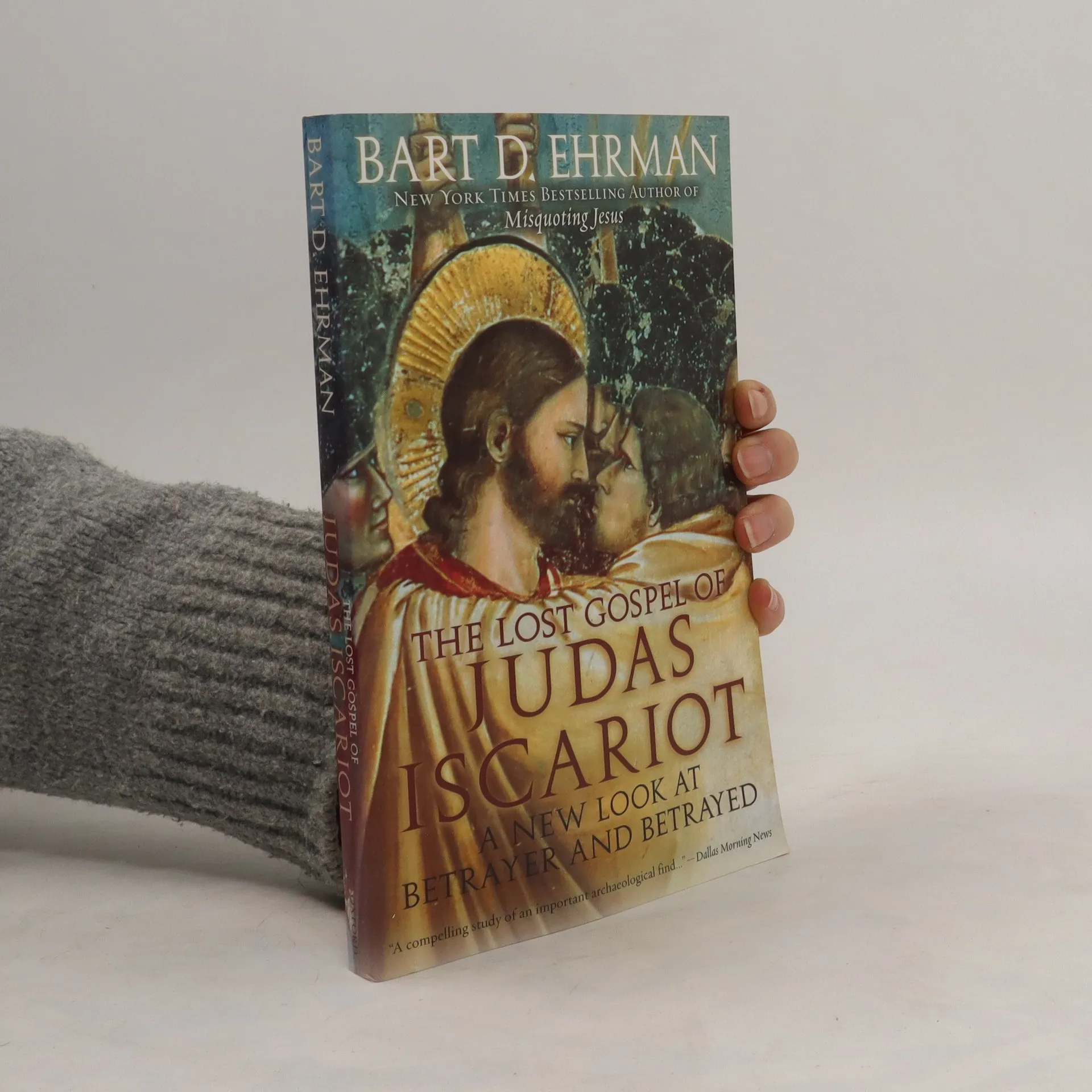
The Lost Gospel of Judas Iscariot
- 198 pages
- 7 hours of reading
The biblical scholar recounts the events surrounding the discovery and handling of the Gospel of Judas, and provides an overview of its content, in which Judas is portrayed as a faithful disciple.
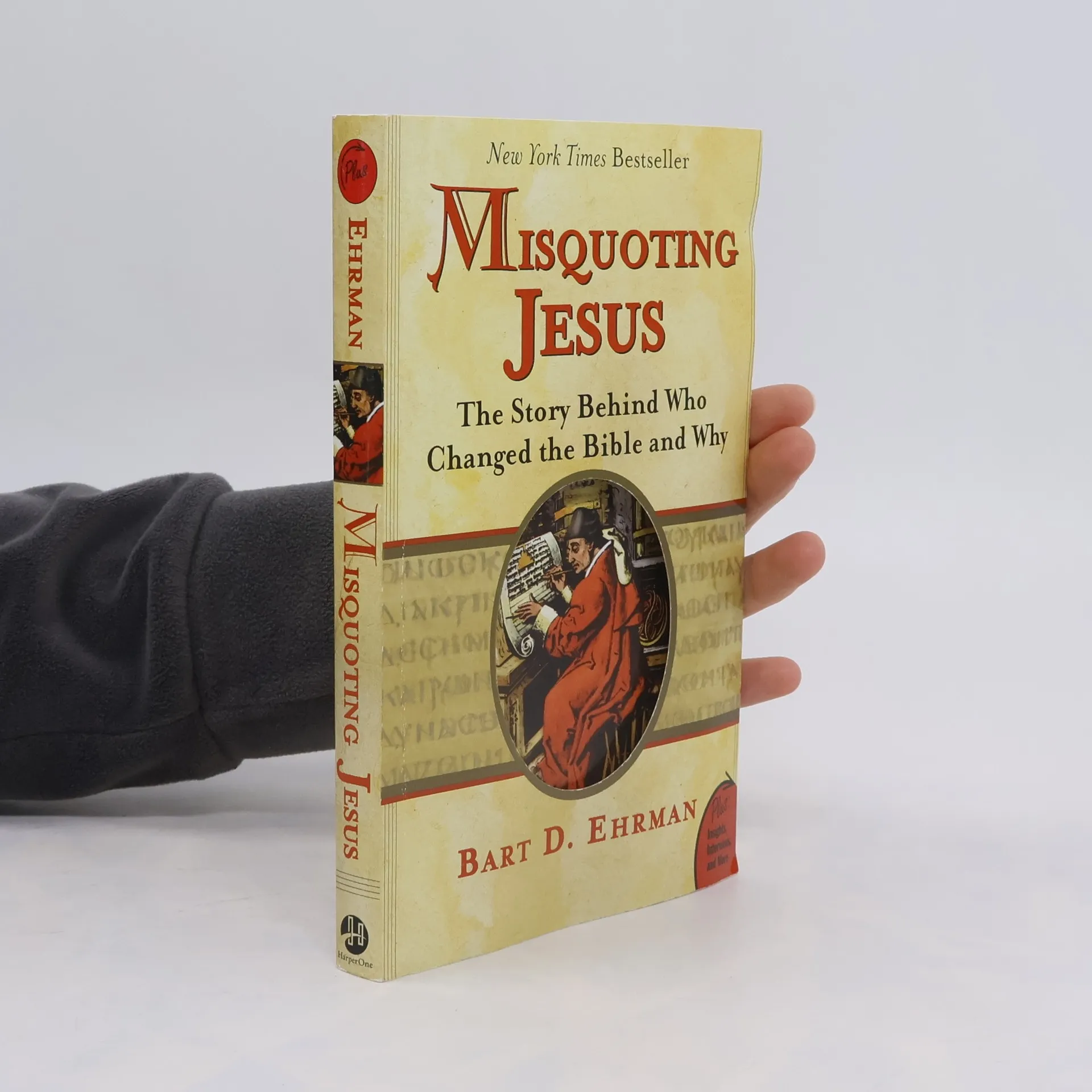
Misquoting Jesus
- 272 pages
- 10 hours of reading
For almost 1,500 years, the New Testament manuscripts were copied by hand––and mistakes and intentional changes abound in the competing manuscript versions. Religious and biblical scholar Bart Ehrman makes the provocative case that many of our widely held beliefs concerning the divinity of Jesus, the Trinity, and the divine origins of the Bible itself are the results of both intentional and accidental alterations by scribes. In this compelling and fascinating book, Ehrman shows where and why changes were made in our earliest surviving manuscripts, explaining for the first time how the many variations of our cherished biblical stories came to be, and why only certain versions of the stories qualify for publication in the Bibles we read today. Ehrman frames his account with personal reflections on how his study of the Greek manuscripts made him abandon his once ultra–conservative views of the Bible.
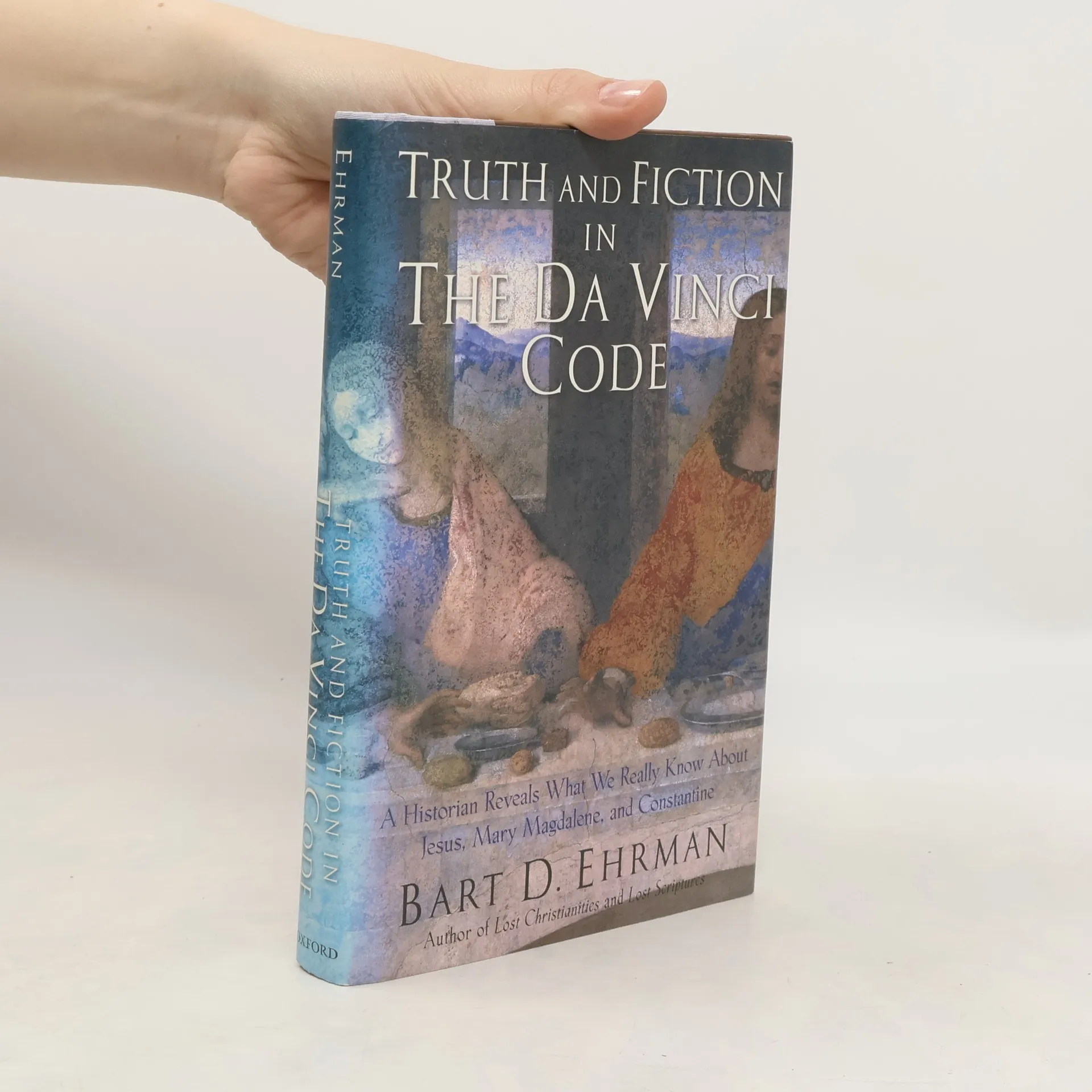
A biblical historian examines the history of the early Christian church that forms the background for "The Da Vinci Code," pointing out inaccuracies in the novel and providing an introduction to biblical scholarship.
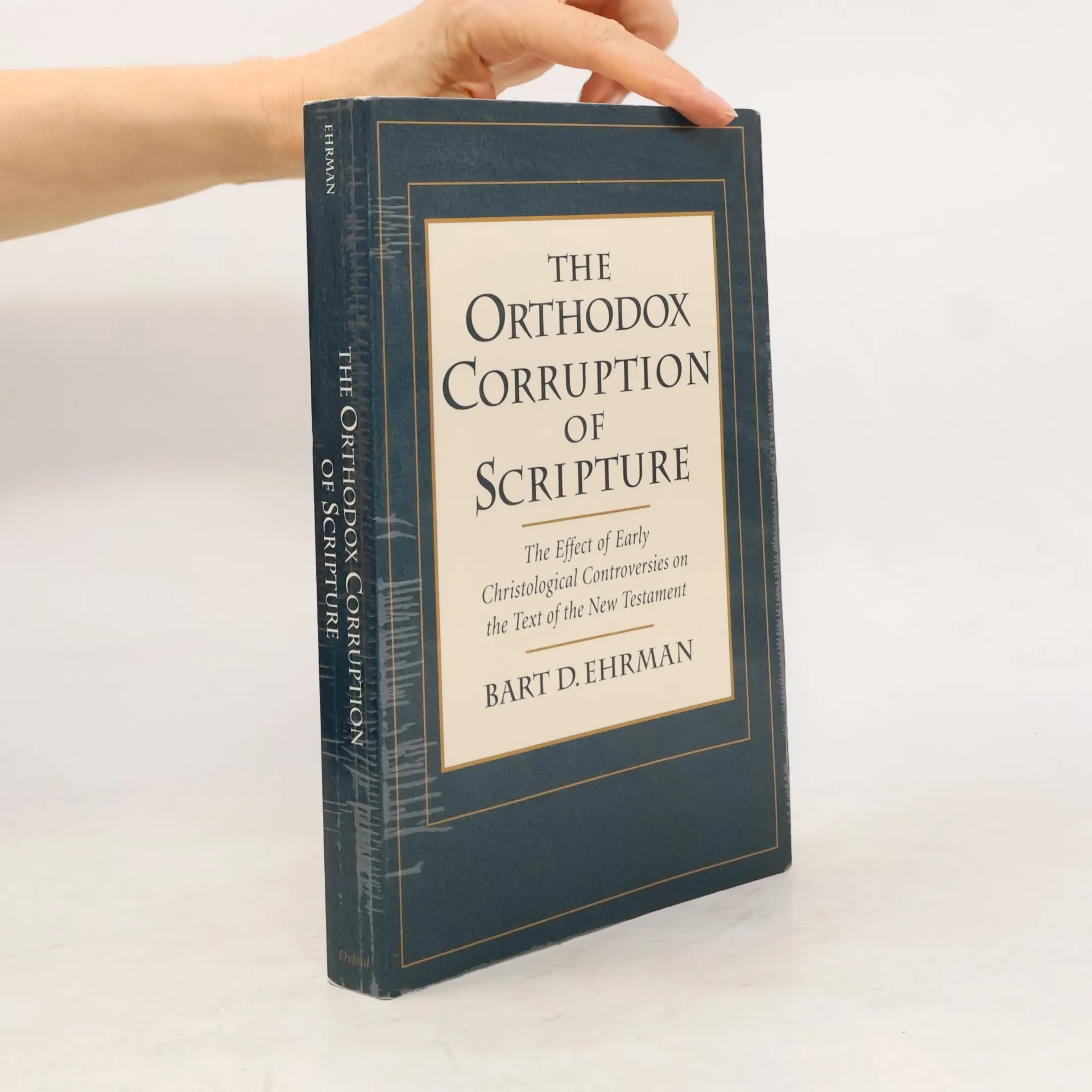
The Orthodox Corruption of Scripture
The Effect of Early Christological Controversies on the Text of the New Testament
- 314 pages
- 11 hours of reading
Victors not only write they also reproduce the texts. Bart Ehrman explores the close relationship between the social history of early Christianity and the textual tradition of the emerging New Testament, examining how early struggles between Christian "heresy" and "orthodoxy" affectedthe transmission of the documents over which many of the debates were waged. He makes a crucial contribution to our understanding of the social and intellectual history of early Christianity and raises intriguing questions about the relationship of readers to their texts, especially in an age whenscribes could transform the documents they reproduced. This edition includes a new afterword surveying research in biblical interpretation over the past twenty years.
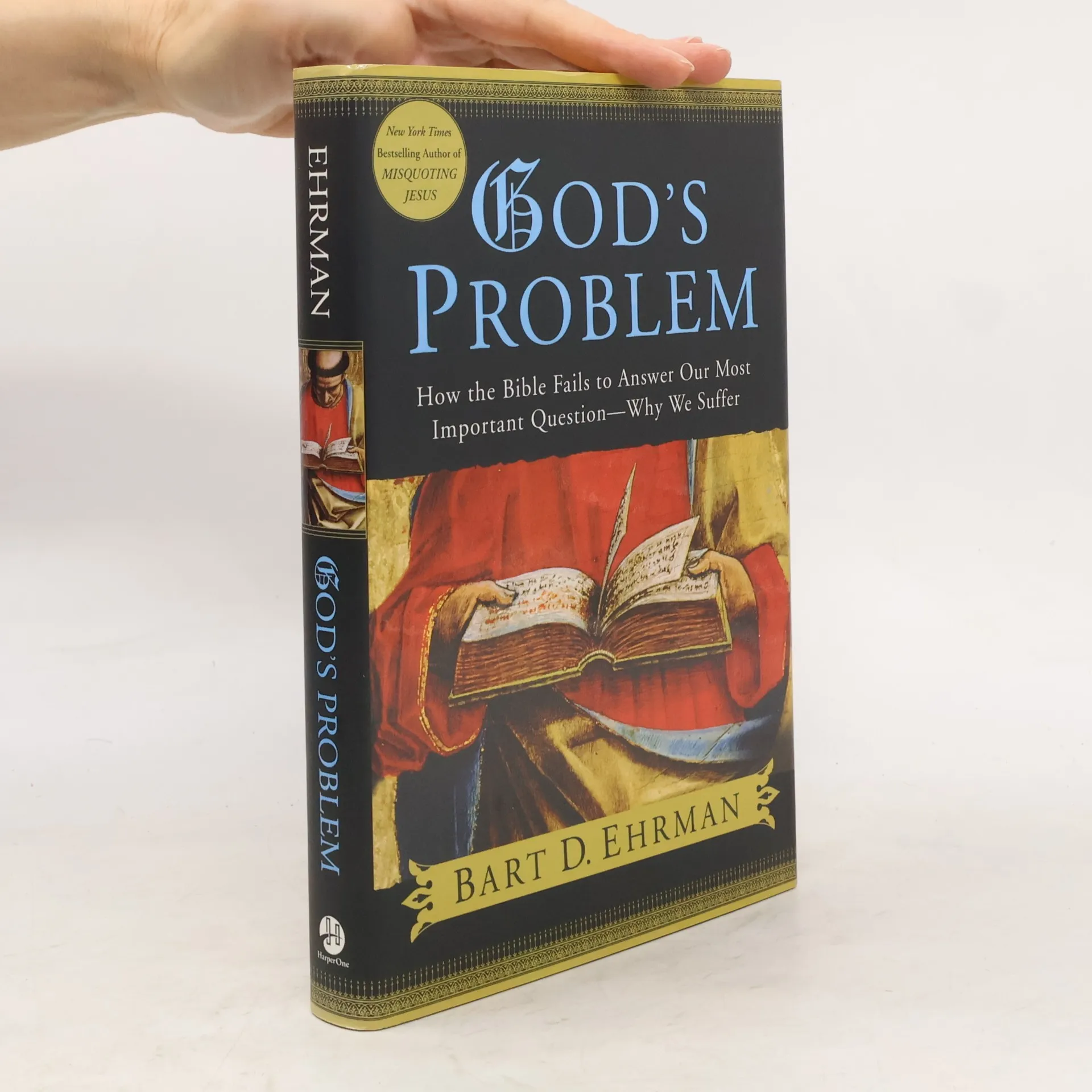
God's Problem
How The Bible Fails To Answer Our Most Important Question - Why We Suffer
- 304 pages
- 11 hours of reading
In times of questioning and despair, people often quote the Bible to provide answers. Surprisingly, though, the Bible does not have one answer but many "answers" that often contradict one another. Consider these competing explanations for suffering put forth by various biblical writers:The prophets: suffering is a punishment for sinThe book of Job, which offers two different answers: suffering is a test, and you will be rewarded later for passing it; and suffering is beyond comprehension, since we are just human beings and God, after all, is GodEcclesiastes: suffering is the nature of things, so just accept itAll apocalyptic texts in both the Hebrew Bible and the New Testament: God will eventually make right all that is wrong with the worldFor renowned Bible scholar Bart Ehrman, the question of why there is so much suffering in the world is more than a haunting thought. Ehrman's inability to reconcile the claims of faith with the facts of real life led the former pastor of the Princeton Baptist Church to reject Christianity.In God's Problem, Ehrman discusses his personal anguish upon discovering the Bible's contradictory explanations for suffering and invites all people of faith—or no faith—to confront their deepest questions about how God engages the world and each of us.
Journeys to Heaven and Hell
Tours of the Afterlife in the Early Christian Tradition
- 344 pages
- 13 hours of reading
A New York Times bestselling scholar's illuminating exploration of the earliest Christian narrated journeys to heaven and hell "[An] illuminating deep dive . . . An edifying origin story for contemporary Christian conceptions of the afterlife."--Publishers Weekly From classics such as the Odyssey and the Aeneid to fifth-century Christian apocrypha, narratives that described guided tours of the afterlife played a major role in shaping ancient notions of morality and ethics. In this new account, acclaimed author Bart Ehrman contextualizes early Christian narratives of heaven and hell within the broader intellectual and cultural worlds from which they emerged. He examines how fundamental social experiences of the early Christian communities molded the conceptions of the afterlife that eventuated into the accepted doctrines of heaven, hell, and purgatory. Drawing on Greek and Roman epic poetry, early Jewish writings such as the Book of Watchers, and apocryphal Christian stories including the Acts of Thomas, the Gospel of Nicodemus, and the Apocalypse of Peter, Ehrman demonstrates that ancient tours of the afterlife promoted reflection on matters of ethics, faith, ambition, and life's meaning, the fruit of which has been codified into Christian belief today.
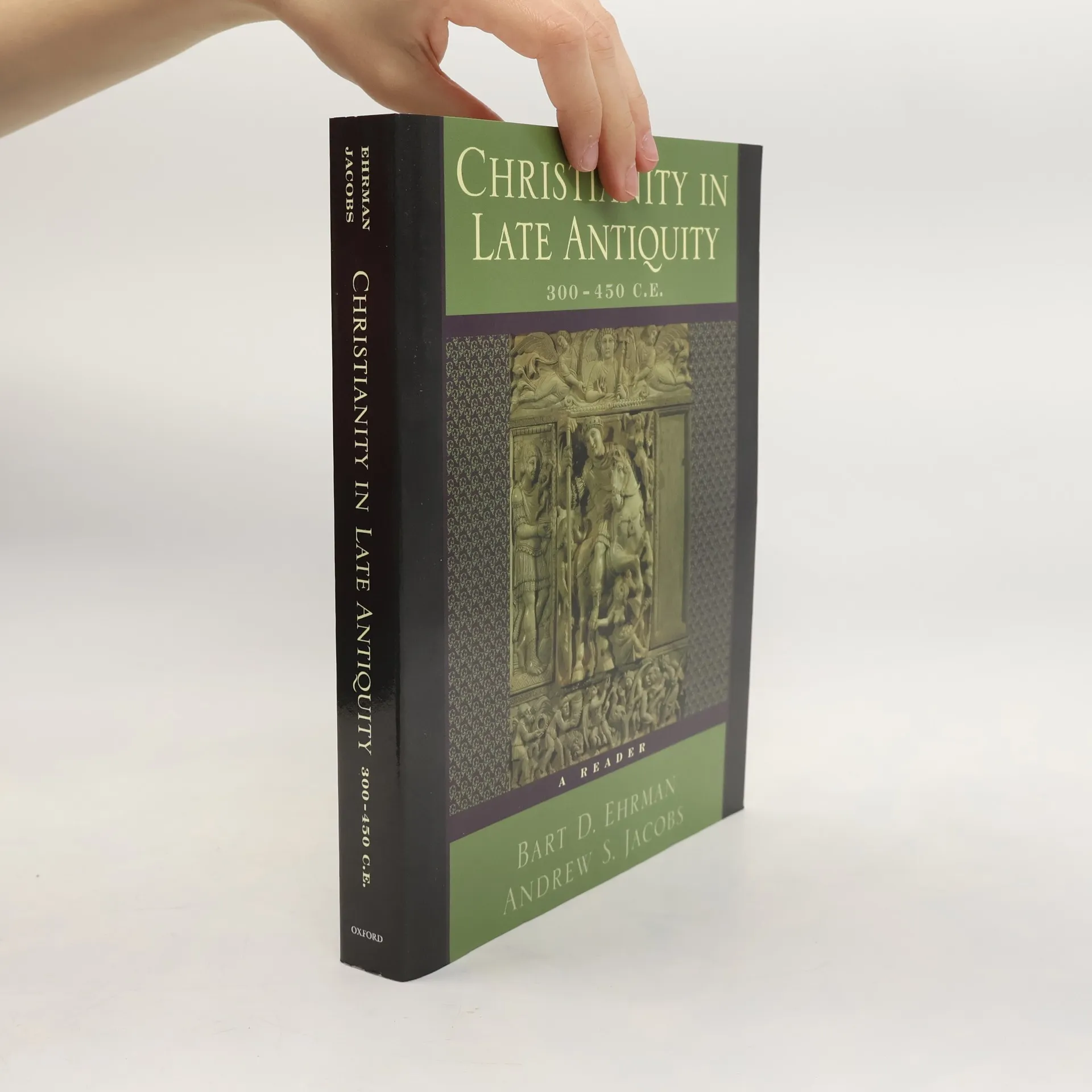
Christianity in Late Antiquity, 300-450 A Reader collects primary sources of the early Christian world, from the last "Great Persecution" under the Emperor Diocletian to the Council of Chalcedon in the mid-fifth century. During this period Christianity rose to prominence in the Roman Empire, developed new notions of sanctity and heresy, and spread beyond the Mediterranean world. This reader incorporates standard texts--from authors such as Athanasius, Augustine, and Eusebius--in the most recent translations and also includes less familiar texts, some of which appear in English translation for the first time. Presented in their entirety or in long excerpts, the texts are arranged thematically and cover such topics as orthodoxy, conversion, asceticism, and art and architecture. The editors provide introductions for each chapter, text, and image, situating the selections historically, geographically, and intellectually.Christianity in Late Antiquity, 300-450 A Reader highlights the ways in which religion and culture were mutually transformed during this crucial historical period. Ideal for courses in Early Christianity, Christianity in Late Antiquity, and History of Christianity, this reader is an excellent companion to Bart D. Ehrman's After the New Testament (OUP, 1998) and an exceptional resource for scholars.
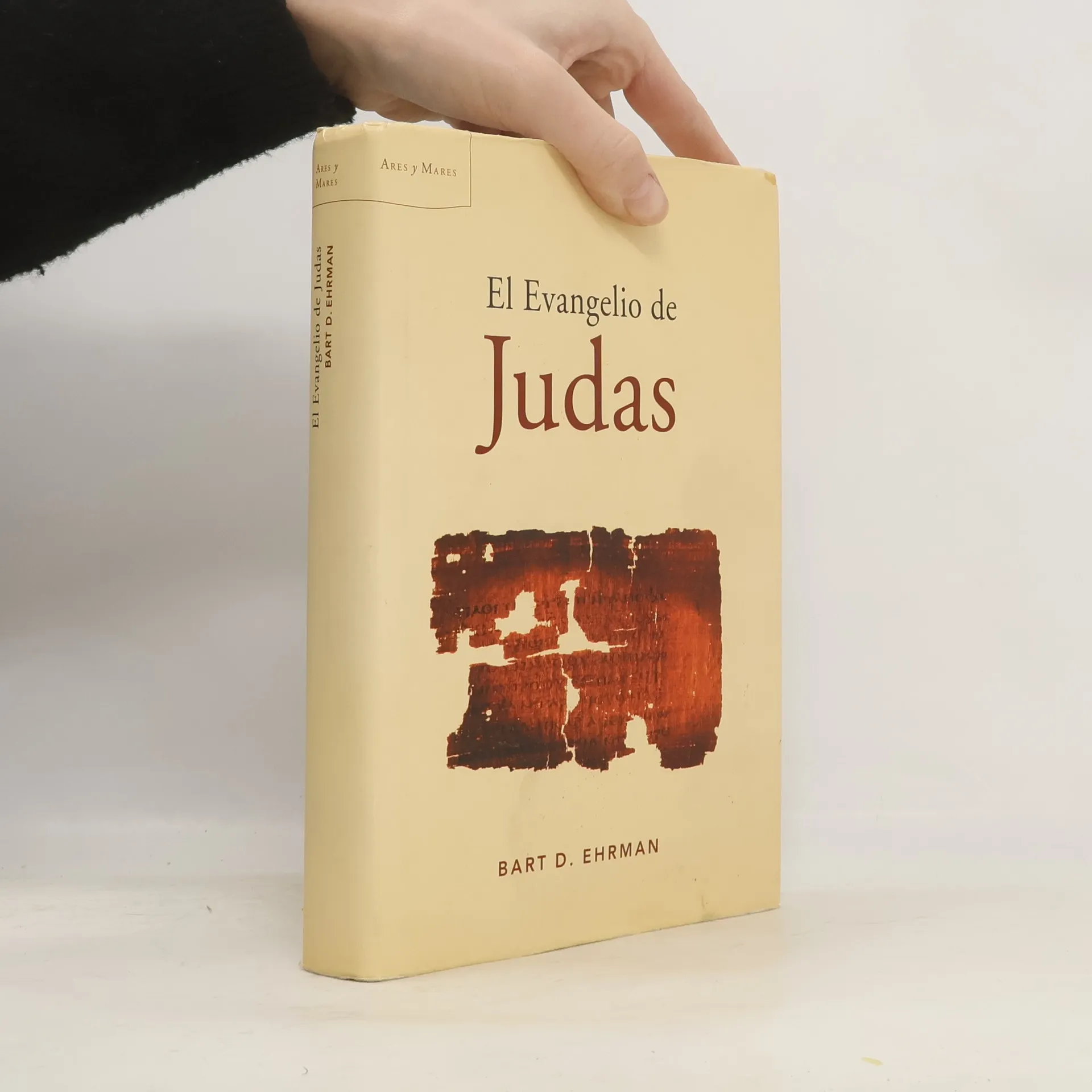
Ares y Mares - 1: El evangelio de Judas
- 320 pages
- 12 hours of reading
El descubrimiento del Evangelio perdido de Judas Iscariote ha venido no sólo a enriquecer nuestro conocimiento de la vida de Jesús y de los primeros tiempos del cristianismo, sino también a plantearnos nuevos problemas, que obligan a reconsiderar mucho de lo que se consideraba admitido. Nadie podía enfrentarse a estas complejas cuestiones mejor que Bart D. Ehrman, profesor de la Universidad de North Carolina y uno de los más prestigiosos expertos en la historia de los orígenes del cristianismo, que fue precisamente escogido para examinar el manuscrito original antes de su adquisición. Ehrman nos cuenta en este libro –del que el profesor Marvin Meyer ha dicho que es «una joya: inteligente, lleno de vida y de atractivo»– la historia de este Evangelio perdido y nos descubre su significado real, para mostrarnos lo que aporta de nuevo, no sólo acerca de la figura de Judas Iscariote, sino también sobre la vida de Jesús, sobre sus discípulos y sobre la historia de los primeros tiempos del cristianismo.
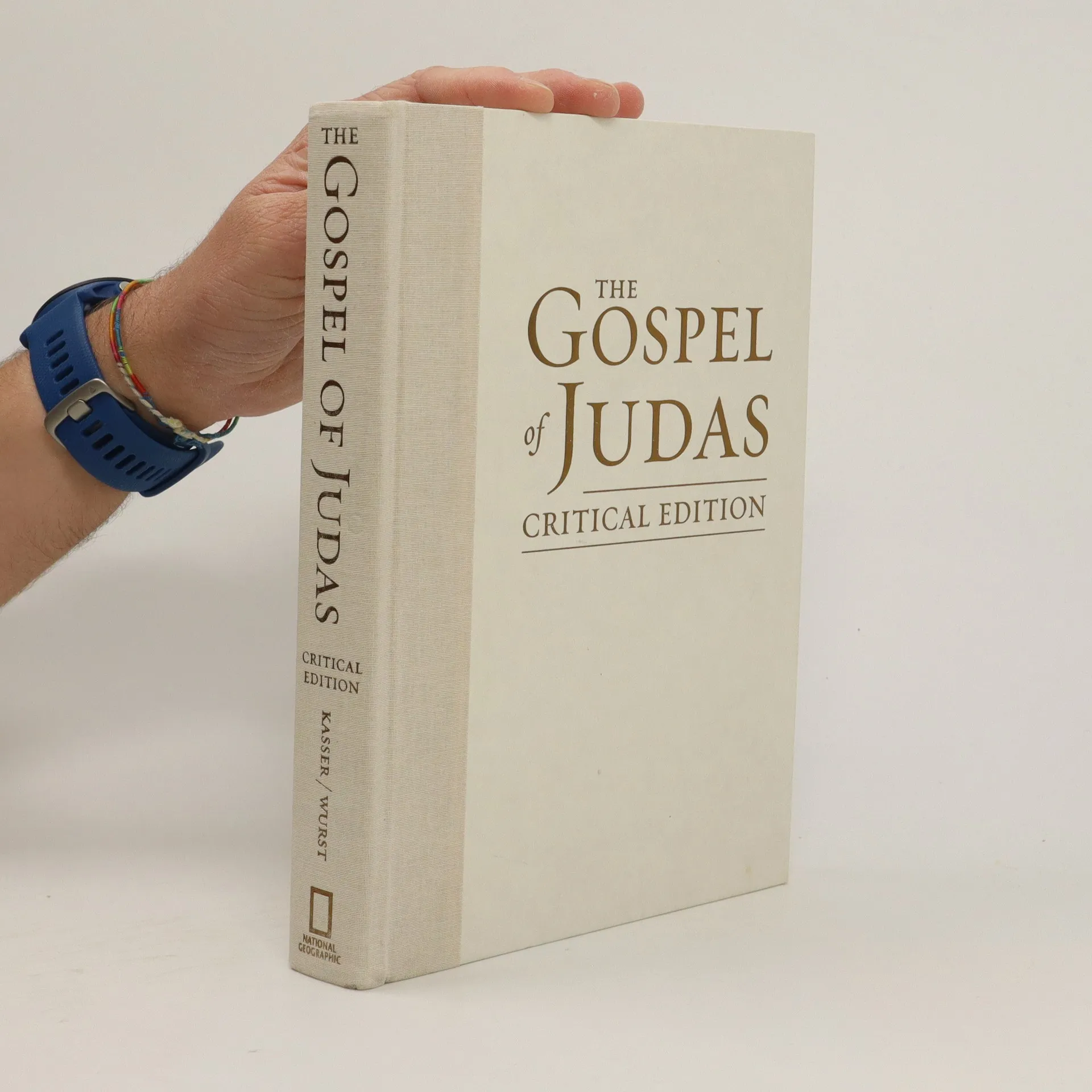
Sheds new light on the ancient world and the beginnings of Christianity. Featuring full-color photographs of the original papryus pages alongside the Coptic text and its English translation, this book provides a mystical, gnostic picture of Jesus. [from publisher description].
Widersprüche und Merkwürdigkeiten des neuen Testaments aufs Korn genommen - Eine kurzweilige Analyse der Ursprünge und Entstehungsgeschichte der biblischen Texte Die Bibel ist nicht vom Himmel gefallen, sondern in einem langen Prozess nach und nach entstanden. Und die, die die Geschichten und Texte weitergegeben haben, waren nicht immer die Sorgfältigsten und die Uneigennützigsten. Da wurde mitunter geschlampt und - wenn's denn der höheren Wahrheit oder dem, was man dafür hielt, diente - auch schon mal dezent verändert. Bart D. Ehrman beschreibt an vielen Beispielen, wie die Bibel wurde, was sie heute ist. Und wer wo wann und warum die Finger im Spiel hatte. Ein kurzweiliges, unterhaltsames und sehr lehrreiches Buch.
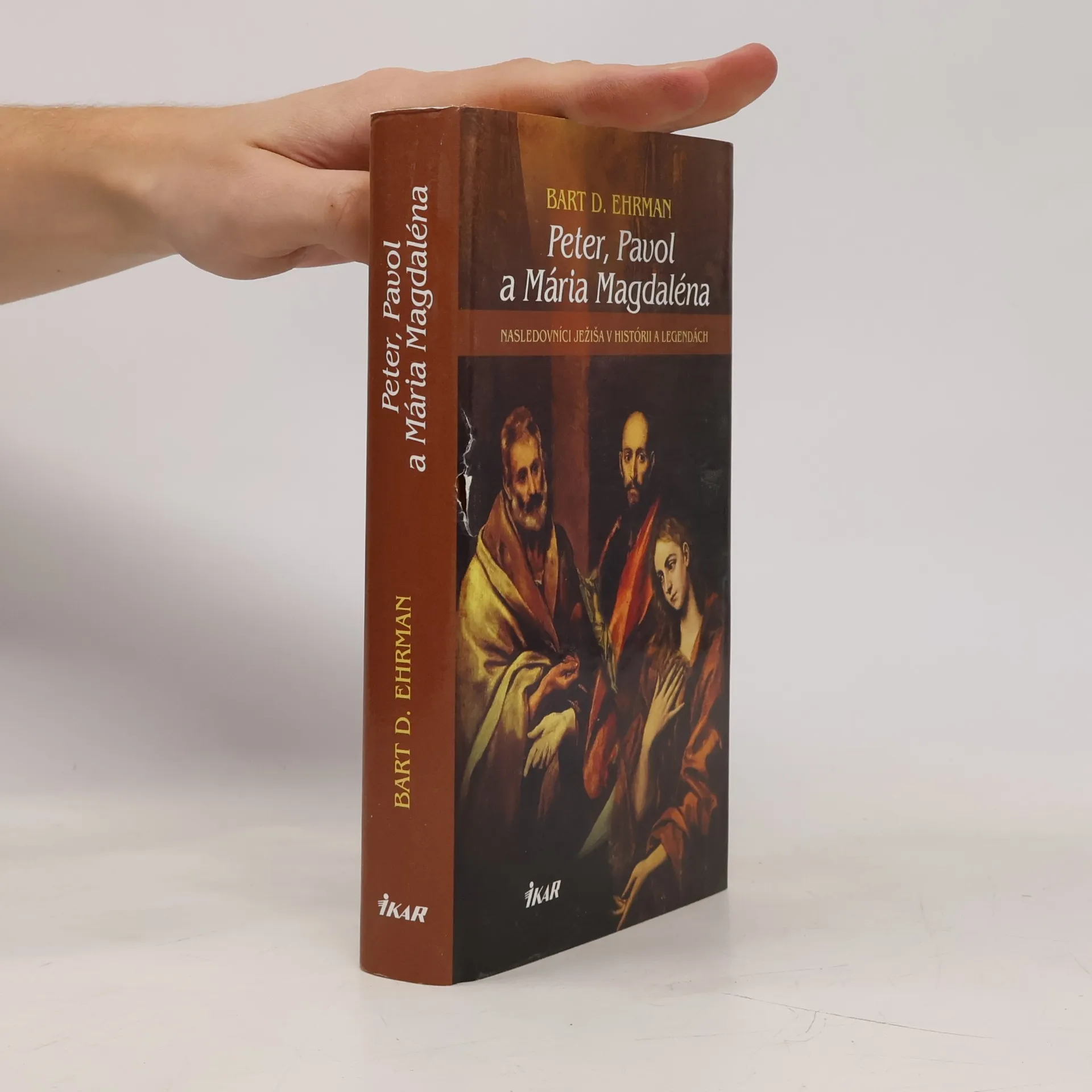
Petr, Pavel a Marie Magdalena Ježíšovi následovníci v dějinách a legendách Tato kniha se soustřeďuje na tři osobnosti, které přispěly ke vzniku nejdůležitější kulturní, společenské, politické a náboženské instituce v dějinách západní civilizace: křesťanské církve. O Ježíšových následovnících, apoštolech Petrovi, Pavlovi a Marii Magdaleně, odedávna kolovalo mnoho nejrůznějších příběhů. Autor na základě bible i legendárních vyprávění odhaluje, co tyto tři významné osobnosti křesťanství skutečně vykonaly a co jsou jenom smyšlenky, jimiž je obestřela pozdější staletí.
Mal apoštol Pavol nohy skrivené do O a bol plešatý? Ukrižovali Petra dole hlavou? Bola Mária Magdaléna prostitútkou? Autor oddeľuje skutočnosť od fikcie a približuje historické okolnosti. Historicko-náboženský guláš s autorovými vlastnými myšlienkami a dedukciami - ale prima čítanie na dovolenku pre milovníkov detektiviek, ktorý nechcú hľadať pre tento krát vraha, ale "pravdu"...
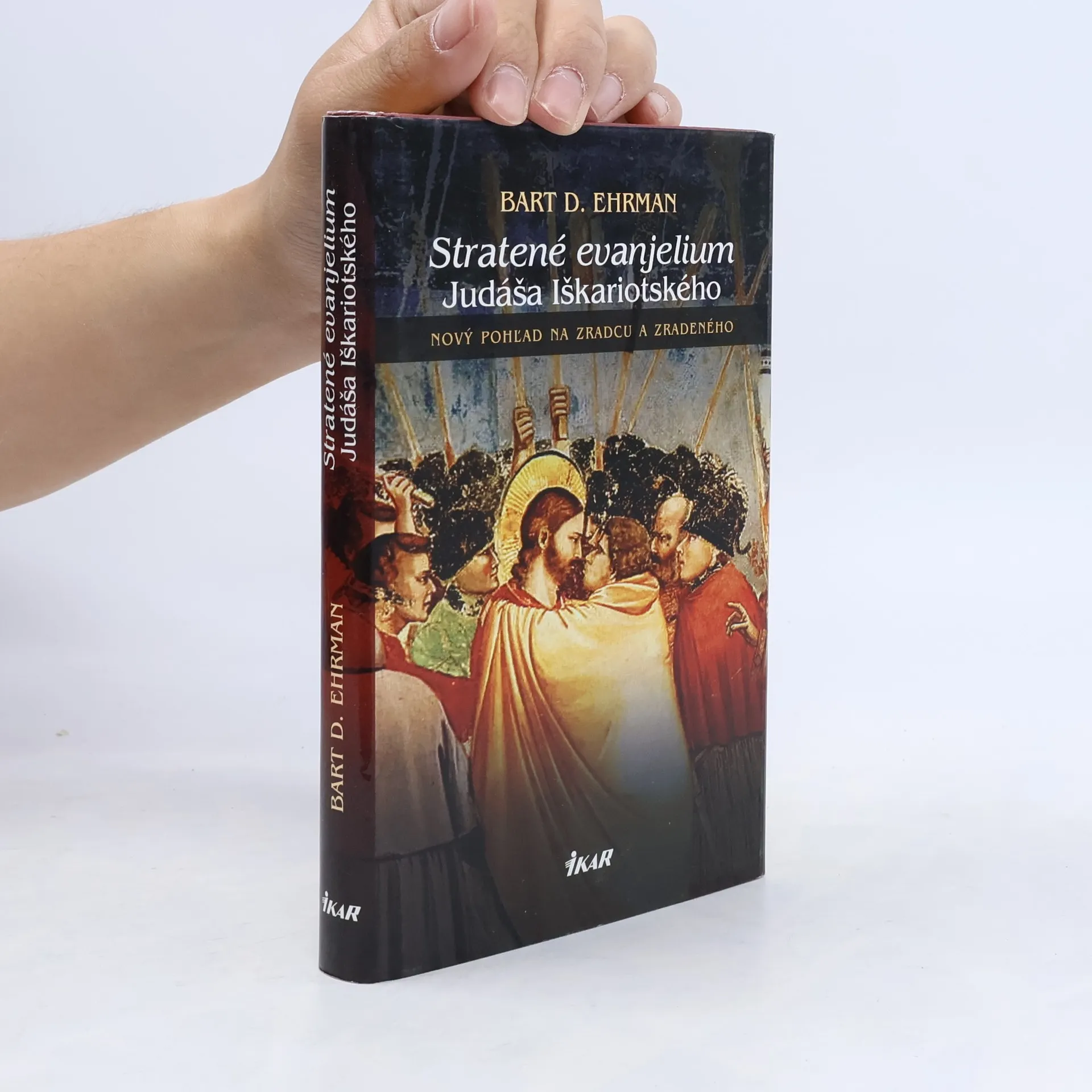
Stratené evanjelium Judáša Iškariotského
- 280 pages
- 10 hours of reading
V roku 2006 časopis National Geographic uverejnil reportáž o jednom z najdôležitejších biblických objavov modernej doby – o Judášovom evanjeliu. Bart Ehrman, autor historických bestsellerov, teraz odhaľuje, čo nám môže toto legendárne stratené evanjelium prezradiť o človeku, ktorý údajne zradil Krista. Judášovo evanjelium predstavuje úplne nový pohľad na Ježiša, jeho učeníkov a jedného z najviac zlorečených ľudí, Judáša Iškariotského. Toto evanjelium vyvoláva množstvo otázok a Bart Ehrman na ne podáva jasné odpovede.