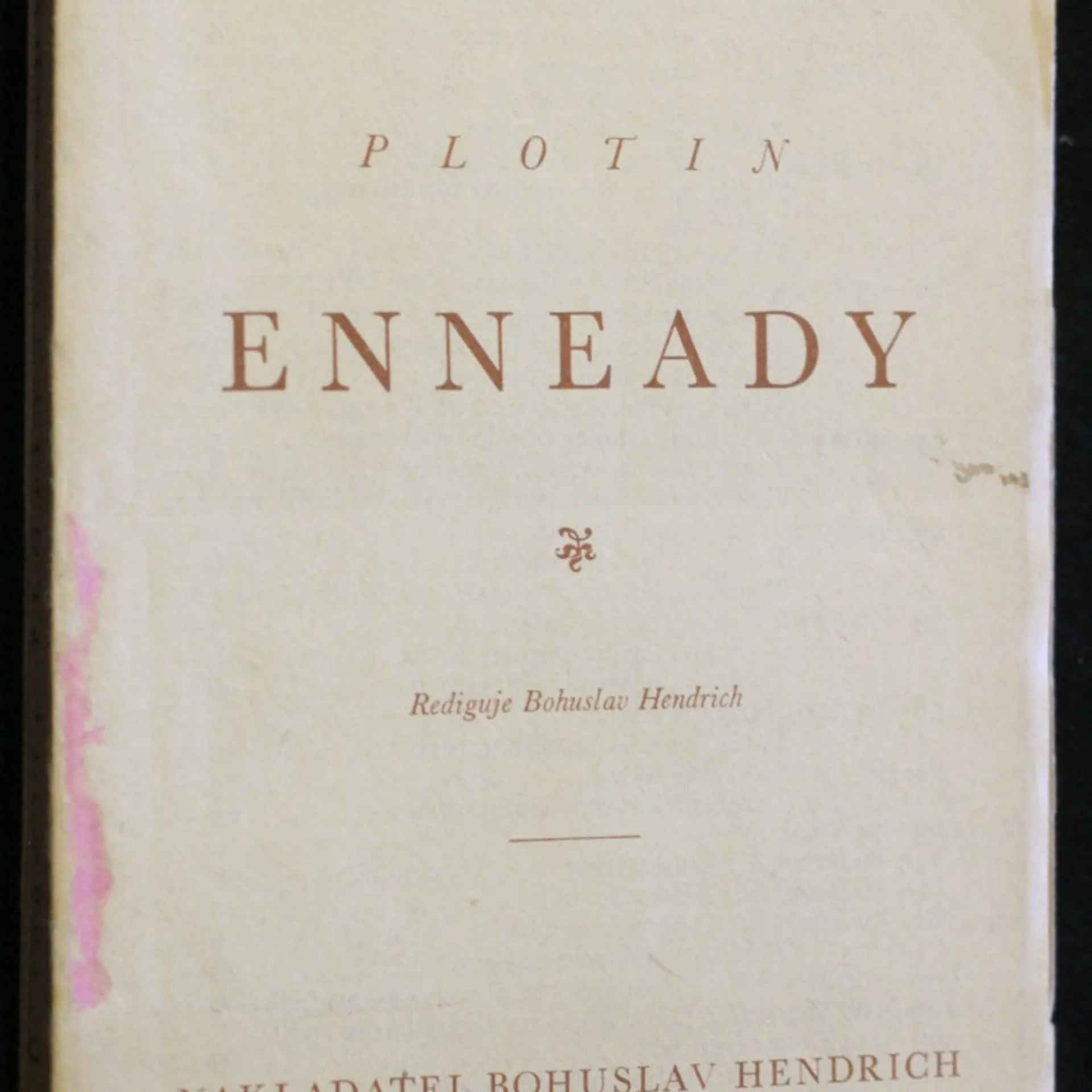
Plotin Books


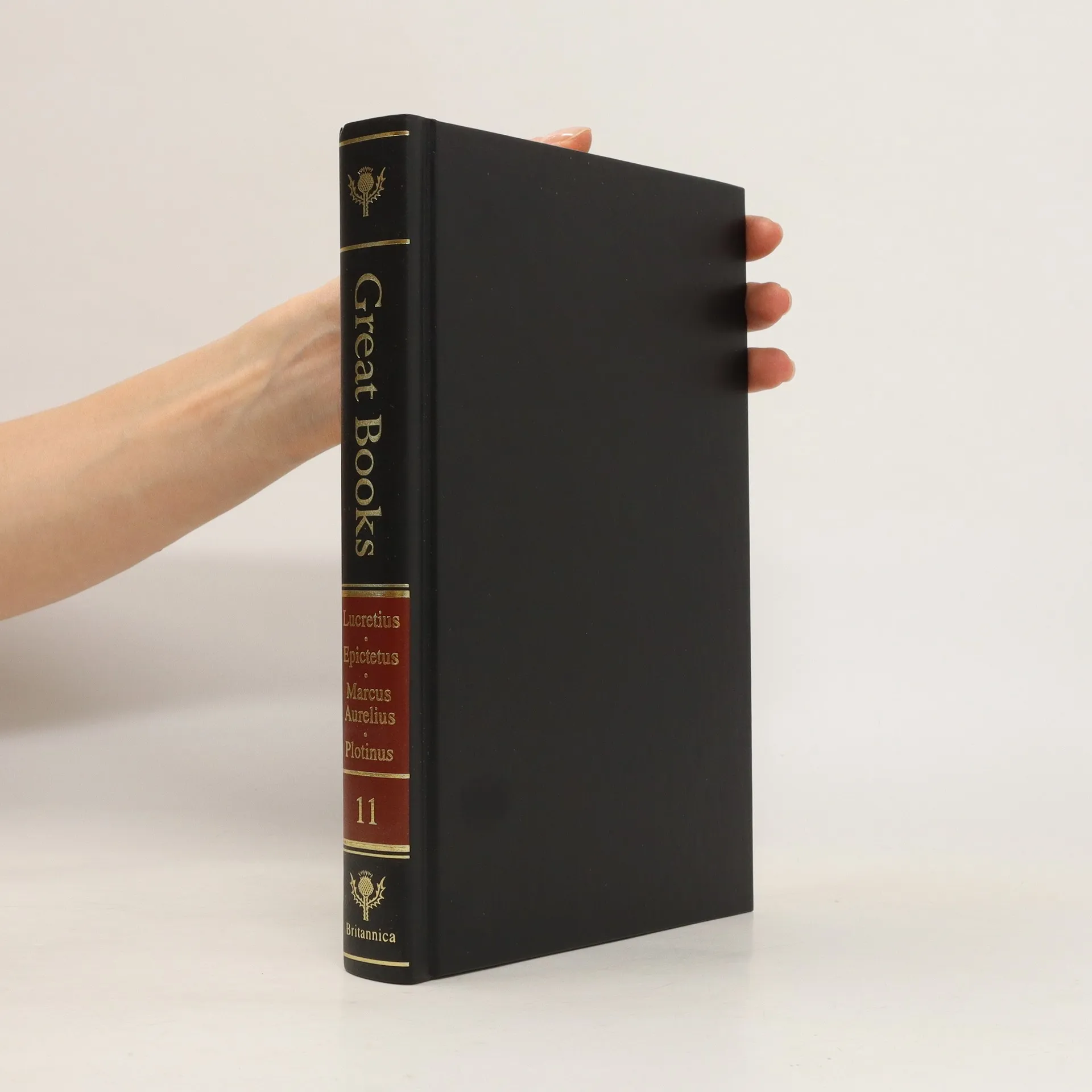
Plotinus (204/5 270 CE) was the first and greatest of Neoplatonic philosophers. His writings were edited by his disciple Porphyry, who published them sometime between 301 and 305 CE in six sets of nine treatises each (Enneads), with a biography of his master in which he also explains his editorial principles.
This book is a reproduction of a pre-1923 publication and may contain imperfections like missing pages or poor images. Despite these flaws, it is considered culturally significant, and efforts have been made to preserve it for future readers. Your understanding of these imperfections is appreciated.
The Enneads
- 688 pages
- 25 hours of reading
This massive work of synthesis is one of the classics of Western mysticism. Plotinus was the main expositor of neo-platonism, the last great movement of classical Greek philosophy. Plotinus's work blends Plato, Aristotle and earlier Greek philosophy into a new religious formulation.
The Essential Plotinus
- 236 pages
- 9 hours of reading
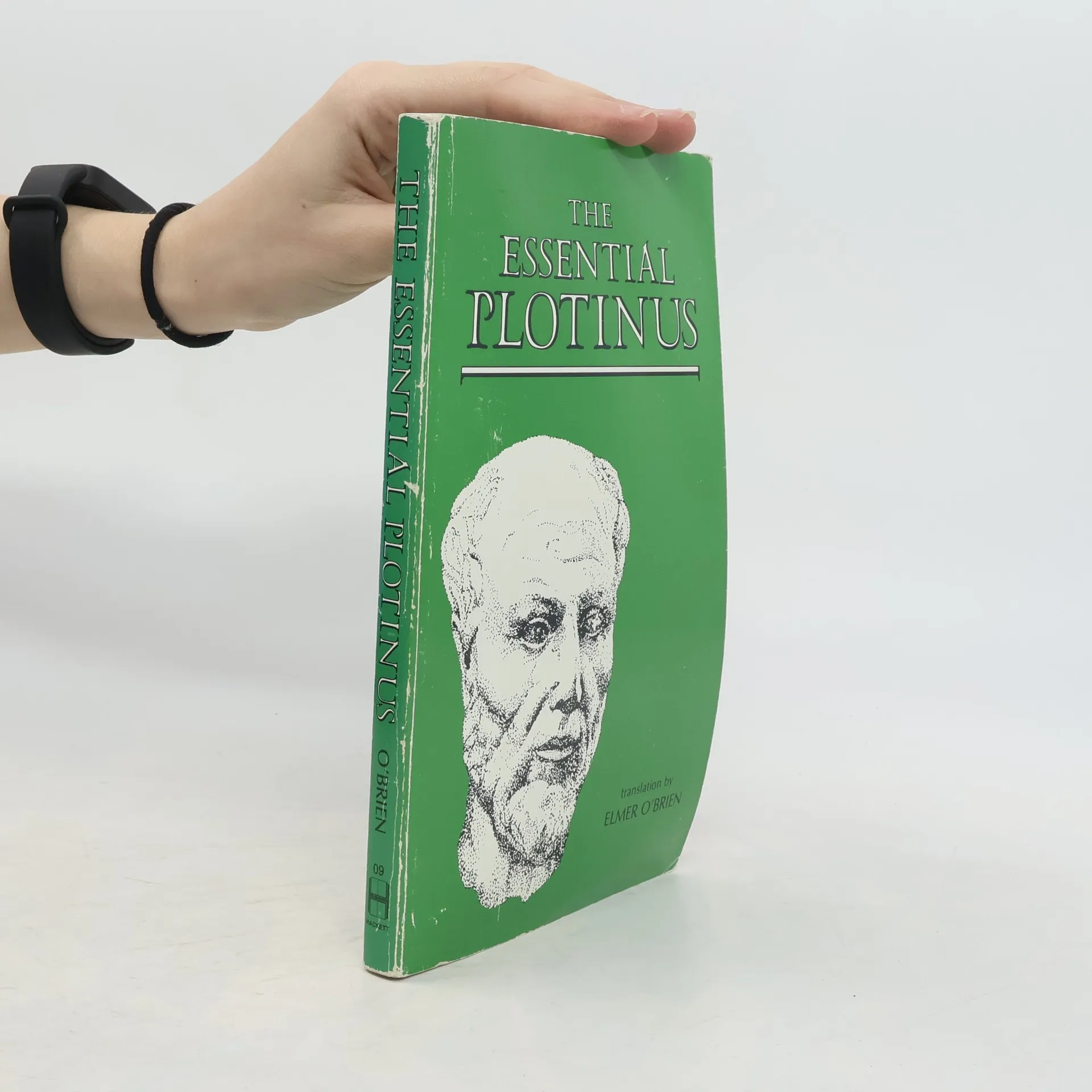
The Essential Plotinus is a lifesaver. For many years my students in Greek and Roman Religion have depended on it to understand the transition from antiquity to the Middle Ages. The translation is crisp and clear, and the excerpts are just right for an introduction to Plotionus's many-layered view of the world and humankind's place in it. --F. E. Romer, University of Arizona
Enneads; Volume 5
- 272 pages
- 10 hours of reading
Enneads is the seminal work by the philosopher Plotinus, examining the nature of being and the universe through a Neoplatonic lens. This translation by Stephen Mackenna is widely considered the most authoritative and readable version of the text.
Enneads; Volume 1
- 178 pages
- 7 hours of reading
Enneads Of Plotinus V1
The Ethical Treatises And Psychic And Physical Treatises
- 420 pages
- 15 hours of reading
The book is a facsimile reprint of a scarce antiquarian work, preserving its historical significance despite potential imperfections like marks and flawed pages. It aims to protect and promote cultural literature by providing modern editions that remain faithful to the original. This commitment highlights the importance of accessibility to classic texts while maintaining their authenticity.
Translations From The Greek Of The Following Treatises Of Plotinus
Viz. On Suicide (1834)
- 146 pages
- 6 hours of reading
Focusing on the philosophical exploration of suicide, this book presents translations of Plotinus' treatises, offering a deep dive into his perspectives on the subject. The translations remain faithful to the original Greek, supplemented by insightful commentary and analysis to enhance understanding. Additionally, it includes notes from Porphyry and Proclus, enriching the context. This work serves as a significant resource for those interested in the philosophy surrounding suicide and Plotinus' contributions to the field, while also preserving important literary heritage.
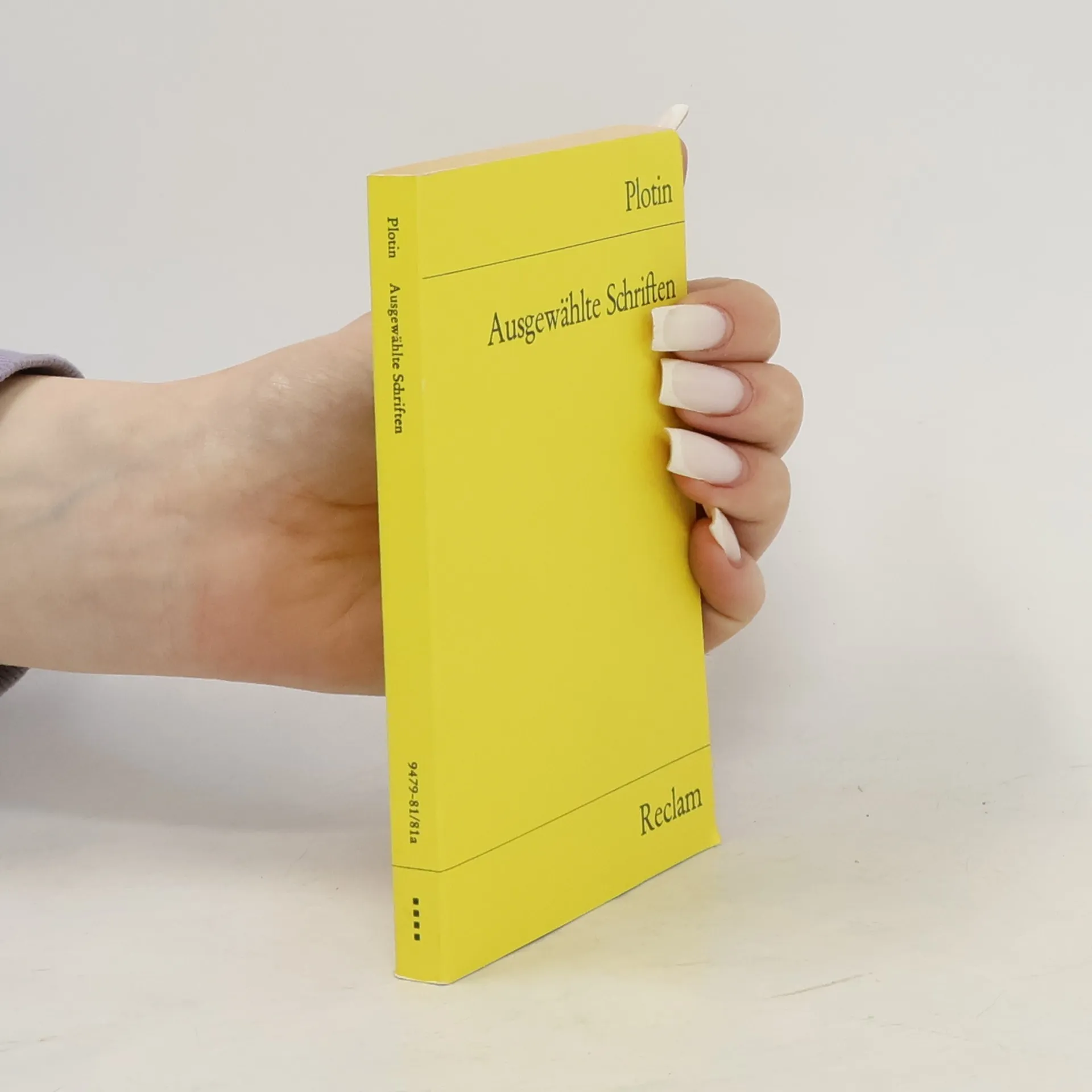
Ausgewählte Schriften
- 270 pages
- 10 hours of reading
Plotin ist der intensivste und kraftvollste Denker im Kontext spätantiker Philosophie, von großer unmittelbarer und geschichtlich weitreichender Ausstrahlung. Er kann als ein Paradigma metaphysischen Denkens gelten, welches nicht nur die in sich differenzierte Wirklichkeit im ganzen aus einem Ursprung entfaltet, sondern Philosophie ebenso sehr als die bestimmend-bewegende und heilende" Lebensform vorstellt. Beginnend in der sinnlichen Erfahrung und im Begreifen der Vielheit der Phänomene soll sich das Denken - durch Rückwendung ins Innere - seiner selbst und seines eigenen Grundes bewusst werden. Ziel dieses denkenden, das eigene Sein in immer klarere Formen der Einheit verwandelnden Bewegung ist es, aus dem Vollzug eines mit sich selbst identisch gewordenen Denkens sich selbst zu überschreiten und sich mit dem Ursprung, dem Einen selbst, zu einen: Plotin erweist sich darin auch als Paradigma einer philosophischen Mystik
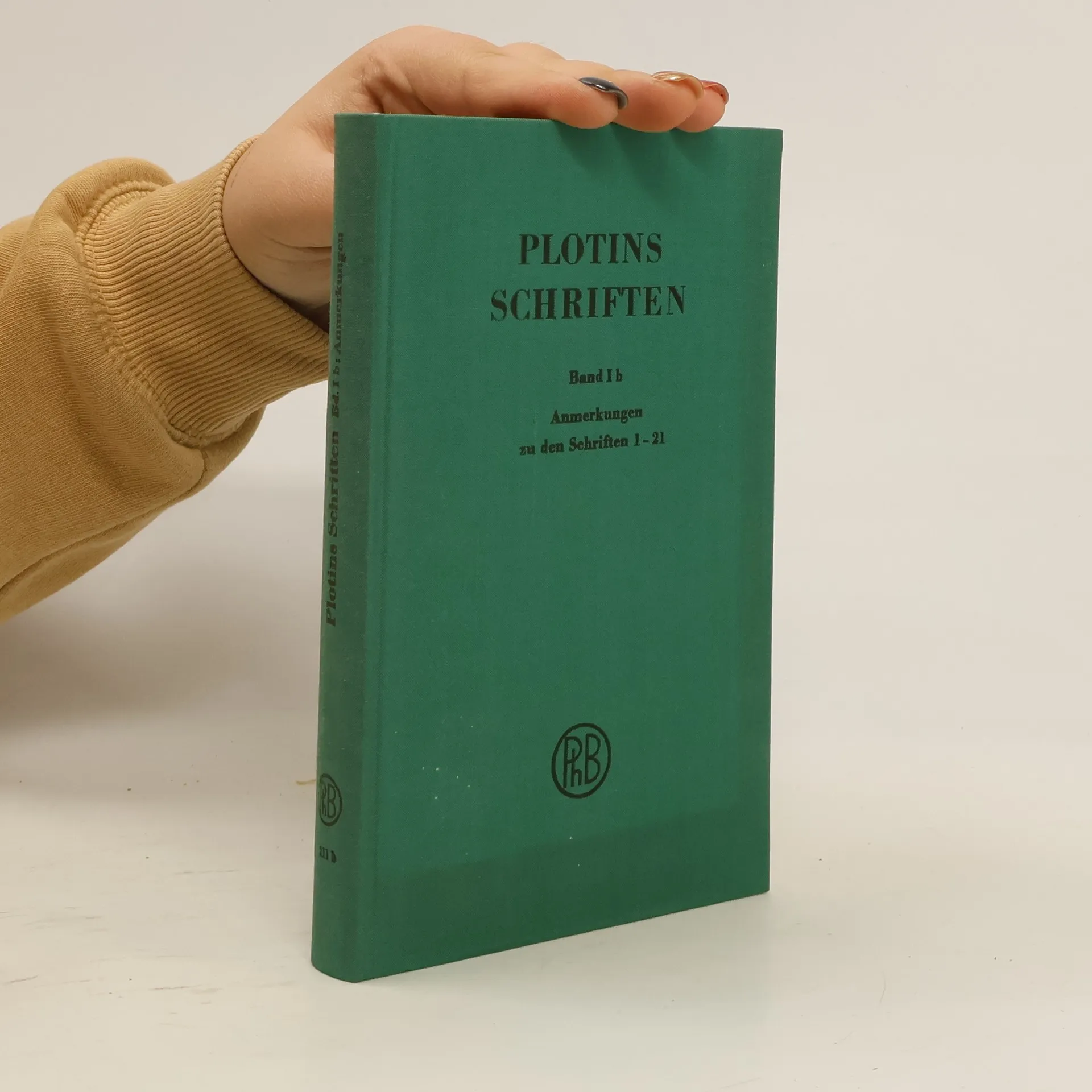
Schriften in deutscher Übersetzung
Die Schriften 1–54 der chronologischen Reihenfolge
- 928 pages
- 33 hours of reading
Plotin gilt als bedeutender Denker der spätantiken Philosophie, der metaphysisches Denken verkörpert und Philosophie als heilende Lebensform darstellt. Seine Schriften, ursprünglich für Schüler gedacht, wurden von Porphyrios geordnet und in Neunergruppen ('Enneaden') veröffentlicht. Eine biographische Skizze von Porphyrios ergänzt die Sammlung.
Plotin: Enneaden
- 432 pages
- 16 hours of reading
Plotin vertrat einen idealistischen Monismus, der alle Phänomene auf ein immaterielles Grundprinzip zurückführt. Sein Ziel war die Erfahrung der Vereinigung mit dem "Einen". Er unterschied drei Bereiche der Wirklichkeit: das Eine, den überindividuellen Geist und das Seelische. Plotin gilt als Mystiker und Begründer des Neuplatonismus.
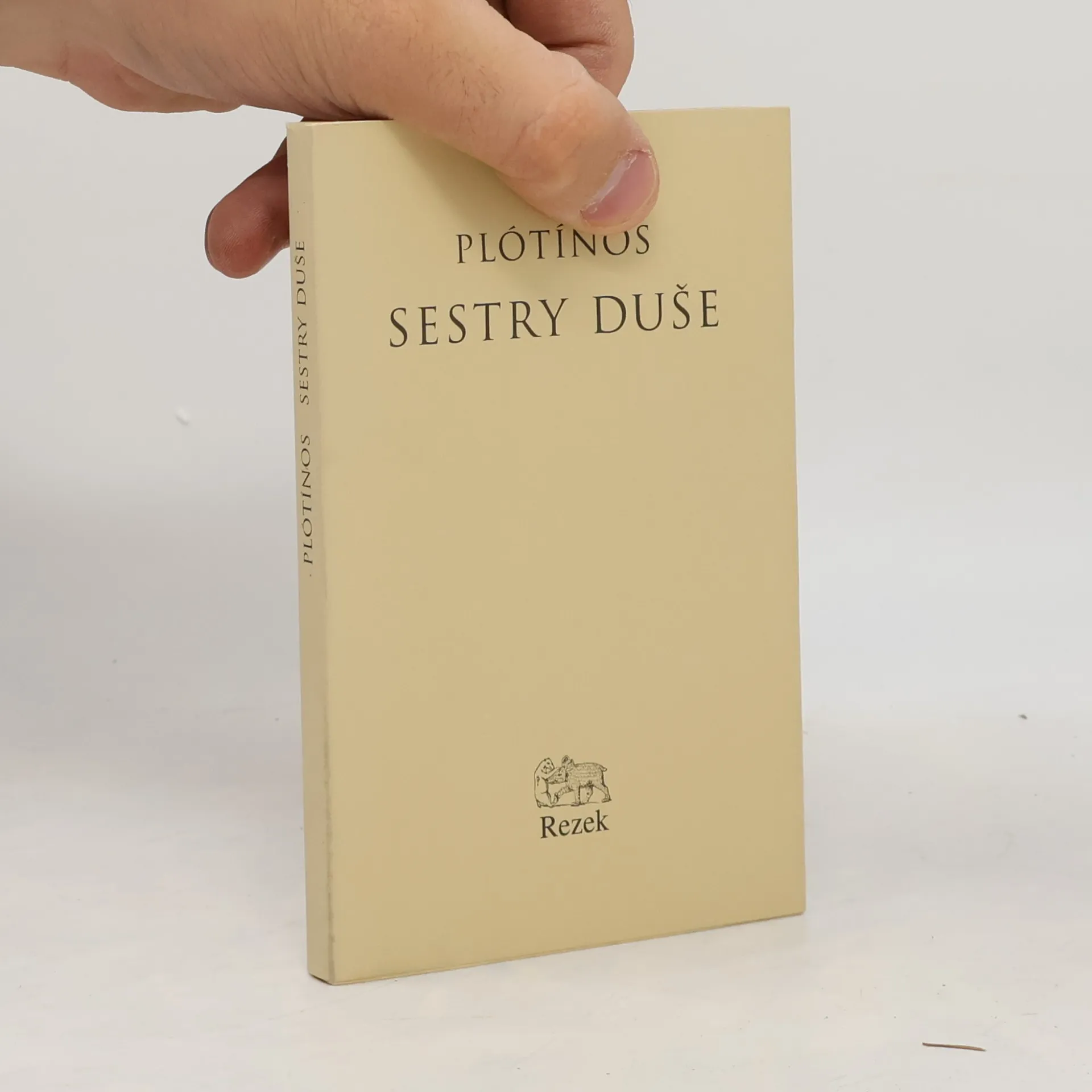
Řecko-český text. Výklad vztahu části duše, duše a těla a duší navzájem. Obsahuje následující čtyři pojednání: „O jsoucnosti duše I“ (Enn. IV 2), „O sestupu duše do těl“ (Enn. IV 8), „Zda jsou všechny duše jednou duší“ (Enn. V 9) a „Obtíže týkající se duše I“ (Enn. IV 3). Přeložil a poznámkami opatřil Petr Rezek.
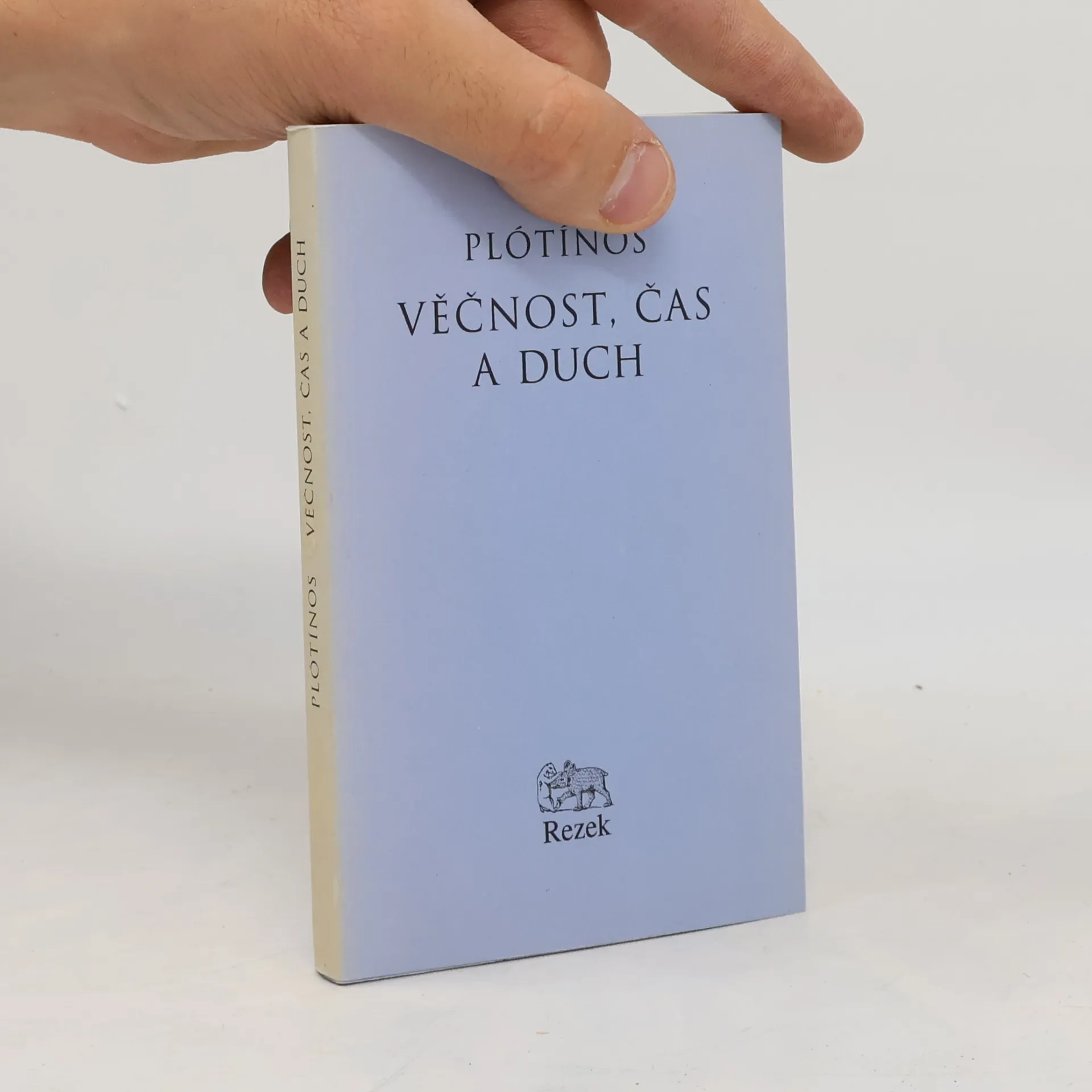
Řecko-český text dvou vrcholných Plótínových pojednání: „O duchu, idejích a jsoucnu" (Enn. V 9) a „O věčnosti a čase" (Enn. III 7). Přeložil a poznámkami opatřil Petr Rezek.
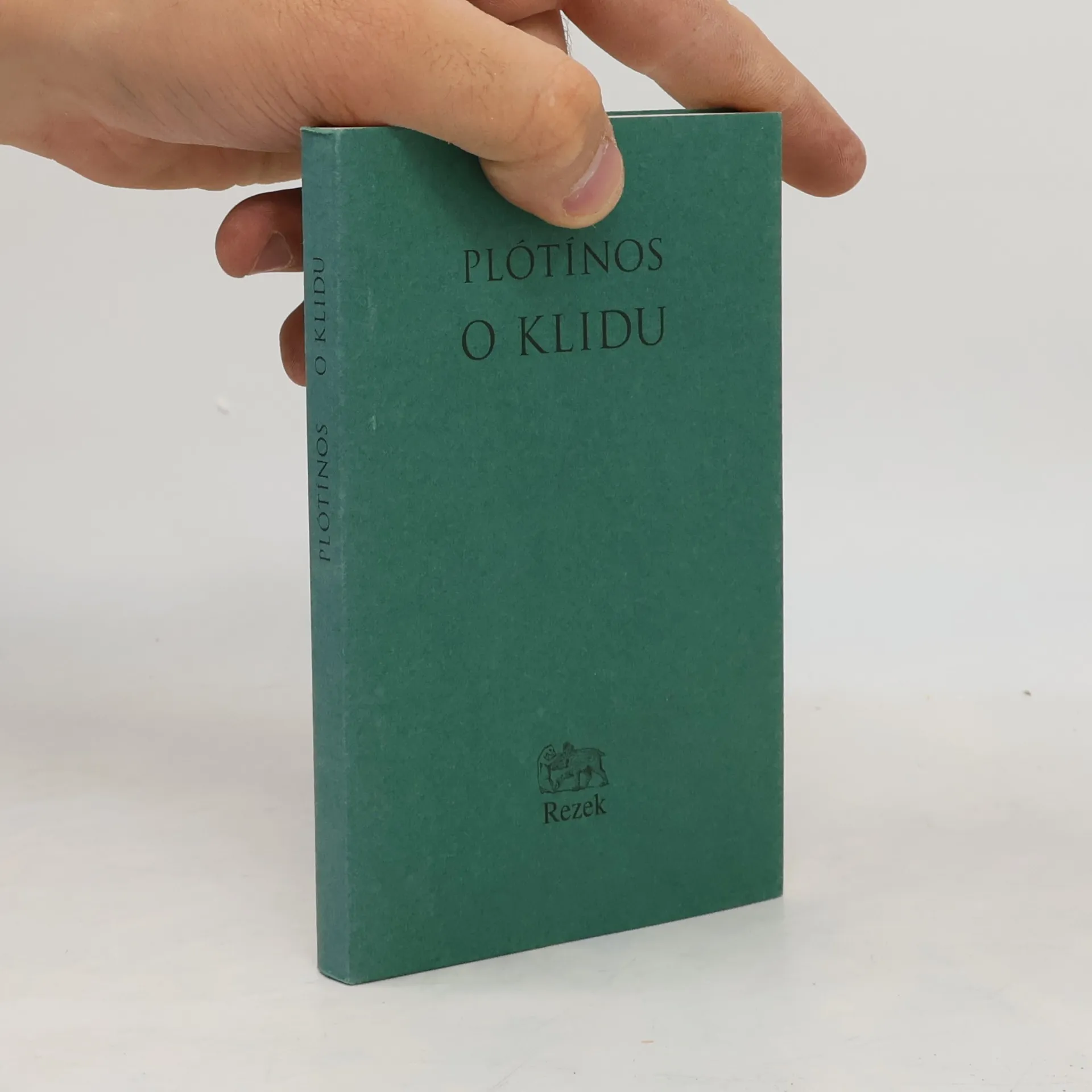
Řecko-český text. Základní Plótínovy texty dokládající jeho mysticismus. Stručný komentář, data Plótínova života, konkordace. Kniha obsahuje čtyři pojednání: „Jak to, co následuje po Prvním, z Prvního pochází a o Jednu“ (Enn. V 4), „O Dobru neboli o Jednu“ (Enn. VI 9), „O třech původních stupních jsoucnosti“ (Enn. V 1) a „O vzniku a řádu věcí, které následují po Prvním“ (Enn. V 2).
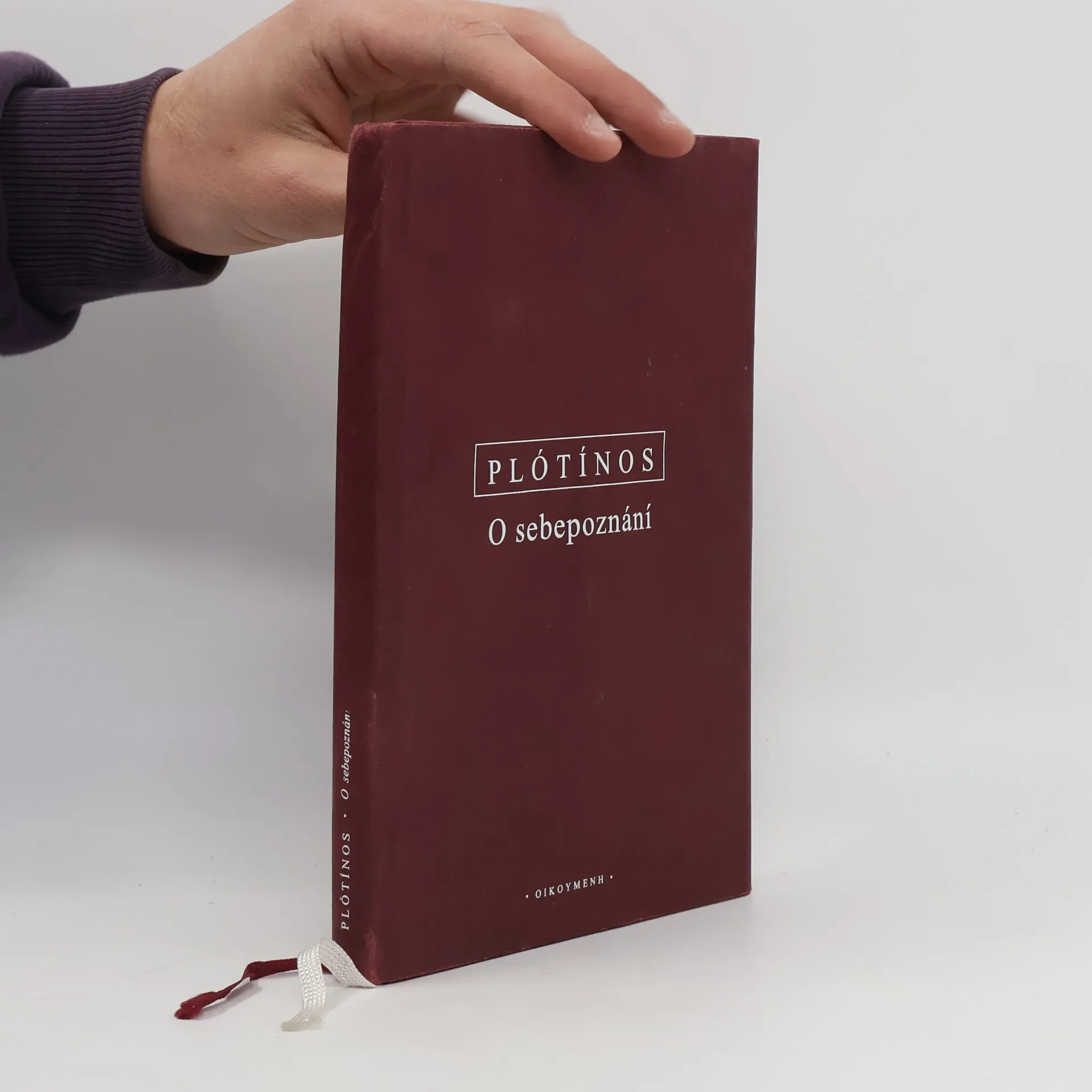
O sebepoznání
- 169 pages
- 6 hours of reading
Pojednání V,3 je posledním Plotinovým pokusem představit trojí ontologickou úroveň jeho universa. Vychází ze zkušenosti sebepoznání jednotlivé duše, která může sama sebe pochopit jako trvale zakořeněnou v božském Intelektu, a dokonce se dotknout Jedna, vyvýšeného počátku, který Intelektu dává jeho jednotu.
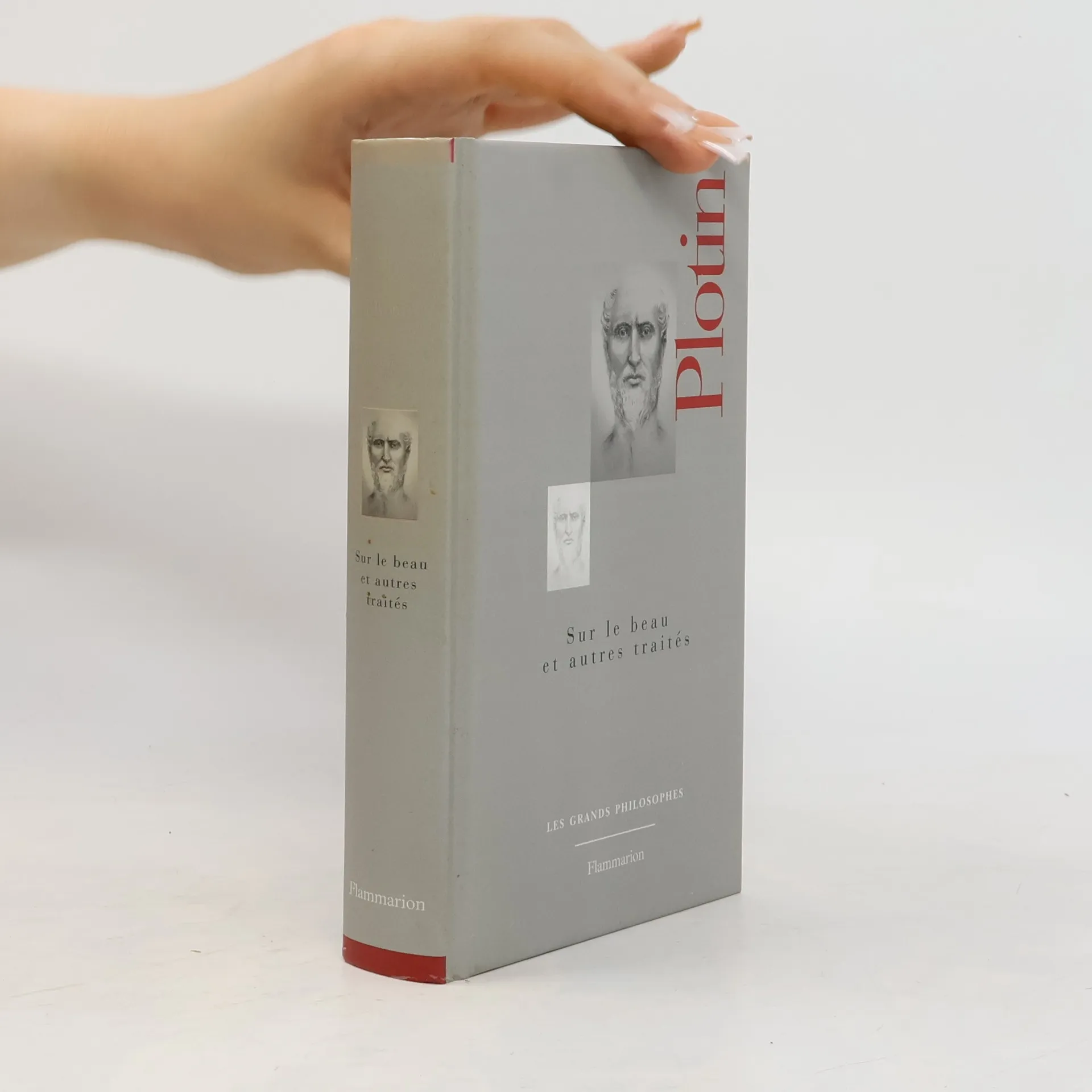
Řecko-český text. Dvě novoplatónská pojednání, „O krásném“ (Enn. I 6) a „O duchovní kráse“ (Enn. V 8) náleží mezi klasické texty estetiky a filosofie umění.
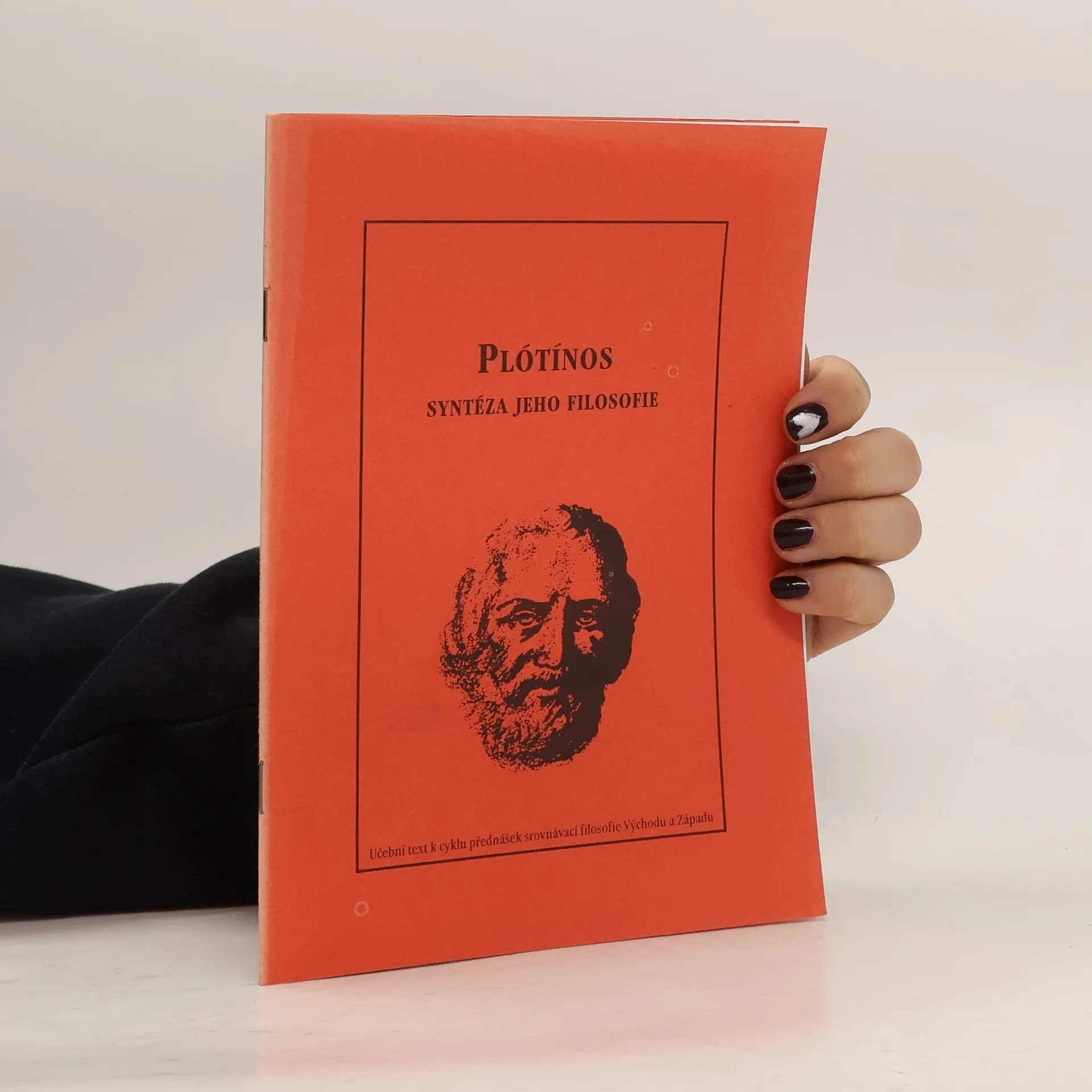
Syntéza jeho filosofie
- 11 pages
- 1 hour of reading