

Essays on the nature, production, and presentation of art, craft, and architecture in Japan, inspired by the author's experiences in Kyoto. Illusory Dwellings is not a guide concerning what to see in Kyoto, but a philosophical meditation on how to travel and observe in this capital of traditional Japanese art. Both intimate and scholarly, the book accompanies the reader on visits to famed gardens like Ryōan-ji, investigates the complex symbolism of the tea ceremony and the important role of the tea room, reveals the beauty of Japanese cuisine, and delves into the world of contemporary ceramics. It also provides context for the tensions and harmony between traditional and modern forms of art and craft in Kyoto and throughout Japan, and contrasts these with how they are received at home versus their treatment by Western museums in modernist contexts. Altogether this is an erudite and provocative analysis of artist and observer, a book to shape the reader's aesthetic worldview and provide numerous oc
Allen S. Weiss Books

The Imagines: Édition Bilingue (Anglais / Allemand)
- 144 pages
- 6 hours of reading
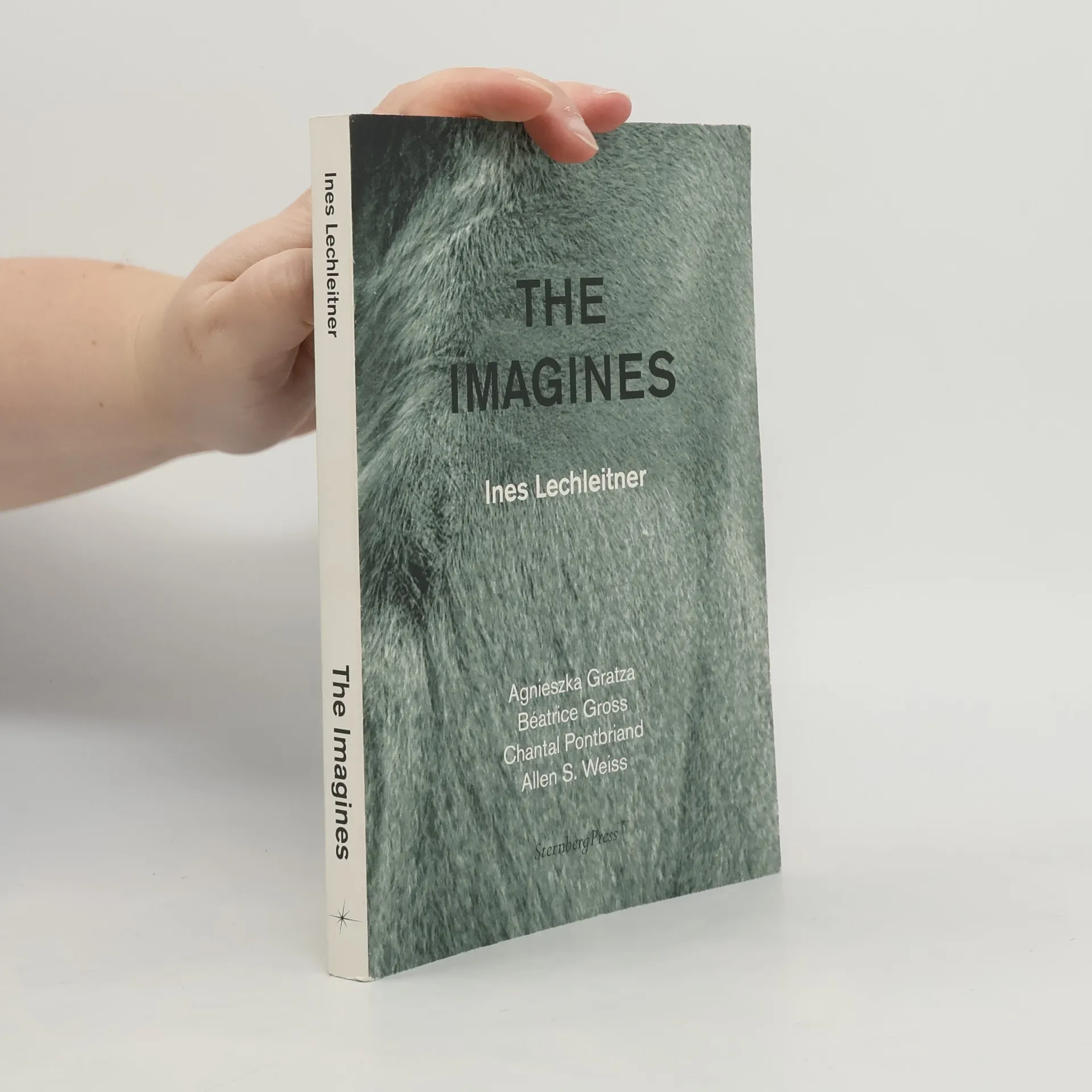
Part monograph and part artist book, The Imagines started with an invitationto its writers to respond to four recent art installations by Berlin-based artistInes Lechleitner. Lechleitner furthers her artistic explorations in perception andlanguage by utilizing the Greek notion of ekphrases (vivid textual descriptionsof visual artworks). In the original Roman text, paintings (which may never haveexisted) are described in such a detailed and sensory manner that the reader canimagine standing in front of them. Employing this notion, Lechleitner collaborateswith writer/curator Agnieszka Gratza, Béatrice Gross, Chantal Pontbriand andAllen S. Weiss to build up narratives within the space of the book utilizing a varietyof visual and textual elements. The resulting collaborations invite the reader/viewer to reflect upon the intertwining of verbal and nonverbal communicationand the nature of dialogic exchange in contemporary art.
On the Nature of Things
- 176 pages
- 7 hours of reading
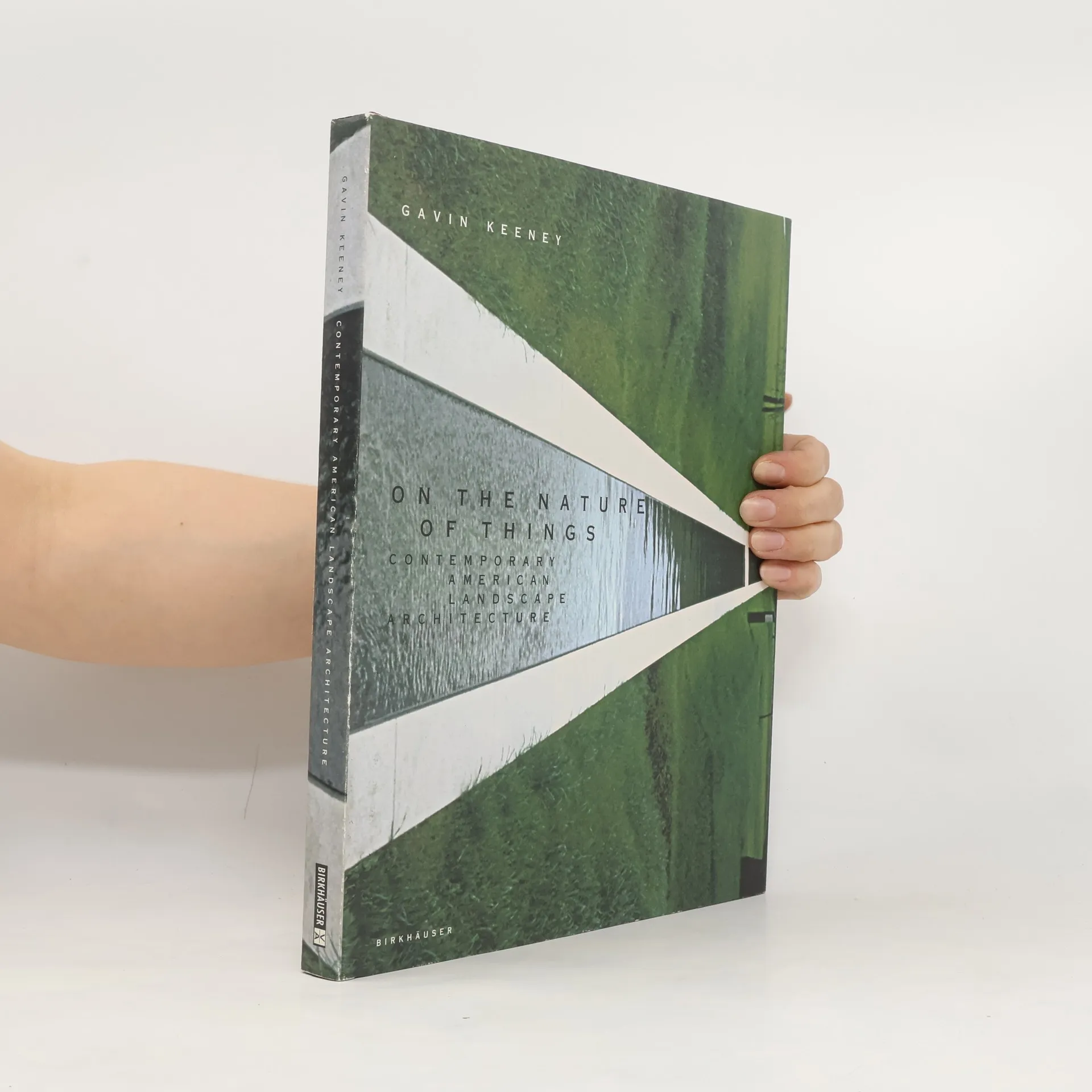
Landscape architecture is a unique discipline where art, nature and the city converge and enter into an exciting dialogue. In the USA, the country of vast open plains and spacious towns, the great tradition of life in confrontation with nature plays an equally important role in landscape architecture as the acute problems of the built environment or social problems within the community. Design methods and practise in landscape architecture form the focus of this book, complemented by an analysis of the theoretical aspects of the subject. Perceptive portraits of 13 offices span the whole breadth of landscape design, from the post-ecological utopia of Michael Sorkin (New York/Vienna) to the urban pragmatism of the Roma Design group (San Francisco), from the ecological approach of the Philadelphia group Andropogon, also active in Japan, to the minimalist landscape art of Kathryn Gustafson (Seattle/London/Paris). The author is a freelance landscape architect in New York. His detailed knowledge of the contempo
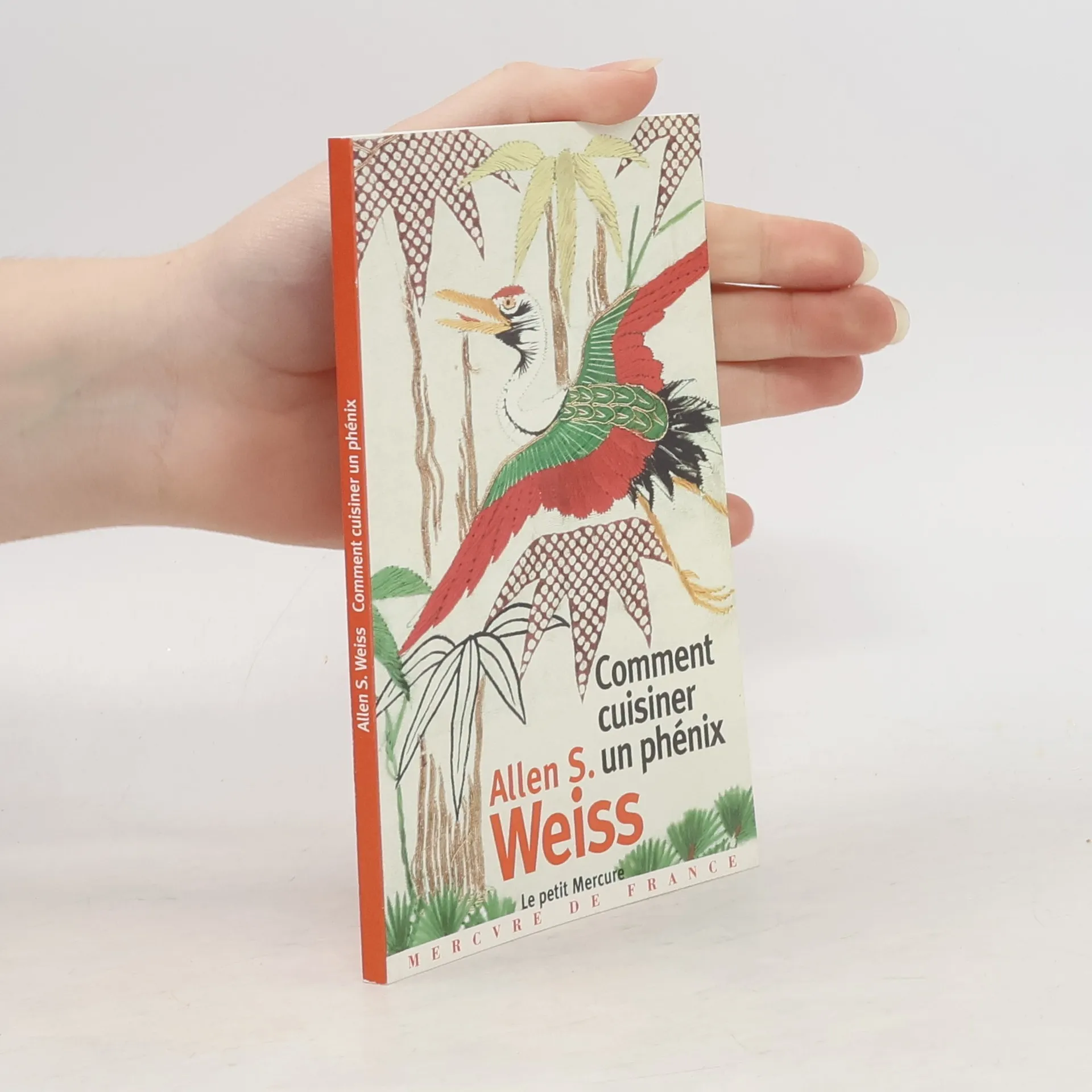
L'imagination gastronomique est aussi complexe que celle de tous les autres arts. C'est pourquoi, pour l'approcher, tous tes moyens esthétiques sont appropriés : littéraires, mythologiques iconographiques, psychologiques, historiques... Et si l'on peut songer à des recettes pour le phénix - ce magnifique oiseau légendaire qui se consume dans un nid-brasier d'aromates pour ensuite renaître de ses propres cendres - on peut sûrement en trouver pour n'importe quel autre aliment. Pour le cuisiner ainsi que pour le poète, comme l'écrit Gaston Bachelard, " la flamme nous force à imaginer. "