'All Sorts of Lives is a beautiful, fastidiously researched and fascinating exploration of Mansfield's life and work' A.L. KENNEDY Restless outsider, masher-up of form and convention, Katherine Mansfield’s career was short but dazzling. She was the only writer Virginia Woolf admitted being jealous of, yet by the 1950s was so undervalued that Elizabeth Bowen was moved to ask, 'Where is she – our missing contemporary?' In this inventive and intimate study, Claire Harman takes a fresh look at Mansfield’s life and achievements, through the form she did so much to revolutionise: the short story. Exploring ten pivotal works, we watch how Mansfield’s desire to grow as a writer pushed her art into unknown territory, and how illness sharpened her extraordinary vitality: ‘Would you not like to try all sorts of lives – one is so very small.’ ‘What a gift to the biographer, this life of adventure and sickness and sex and celebrity… Brilliant’ Sunday Times ‘A searching, incisive and compulsive book. A lesson in how to read and connect and understand’ Sunjeev Sahota

Claire Harman Books
Claire Harman brings a sharp, analytical focus to literary biography, blending critical insight with compelling narrative. Her work delves into the lives and oeuvres of notable writers, exploring the intricate connections between their personal experiences and their creative output. Harman is adept at uncovering the complexities of authorship and tracing how literary legacies evolve and permeate culture. Her thoughtful prose offers readers a fresh perspective on enduring literary figures.


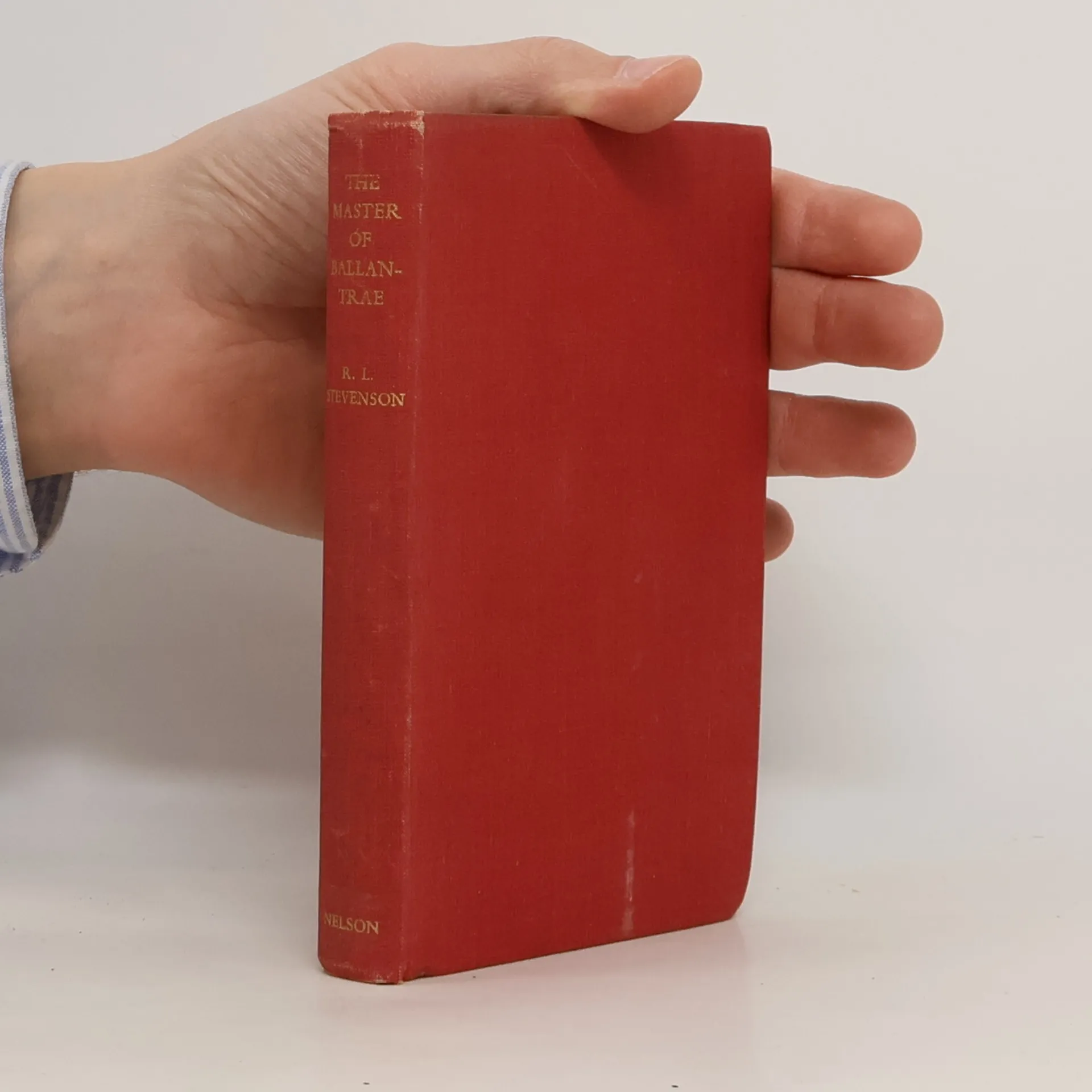
Set in 18th-century Scotland, this brooding historical romance unfolds amid the Jacobite Rebellion. A struggle between good and evil begins in the old Scottish castle of Durrisdeer — the ancestral home of the Durie clan — where James Durie, Master of Ballantrae, persists in his lifelong rivalry with his younger brother as well as his relentless quest for the family fortune. From Durrisdeer, the fast-paced adventure shifts to sea voyages and encounters with pirates, intrigue at the French court and in India, and an attempt to recover buried treasure in New York's Adirondack Mountains — all leading to a shocking climax in the American wilderness. An engrossing tale played out against the backdrop of three continents, The Master of Ballantrae stands among the most vivid and exciting of Robert Louis Stevenson' tales.
Murder by the Book
- 224 pages
- 8 hours of reading
On a spring morning in 1840, on an ultra-respectable Mayfair street, a household of servants awoke to discover that their unobtrusive master, Lord William Russell, was lying in bed with his throat cut so deeply that the head was almost severed. The whole of London, from monarch to maidservants, was scandalized by the unfolding drama of such a shocking murder, but behind it was another story, a work of fiction. For when the culprit eventually confessed, he claimed his actions were the direct result of reading the best-selling crime-novel of the day. This announcement amazed the key literary figures of the time, from Thackeray to Dickens, and posed the question- can a work of fiction do real harm?
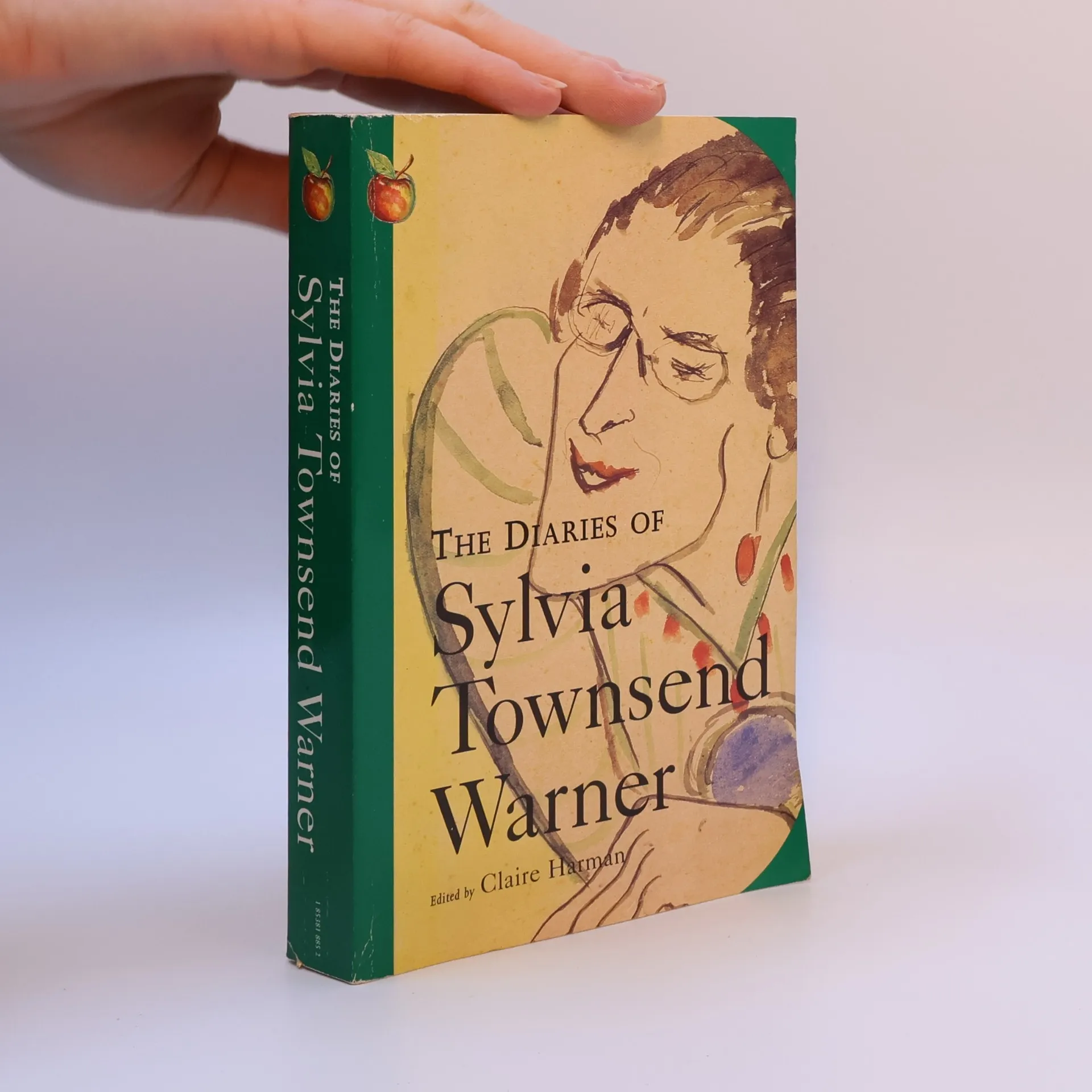
Virago Classic Non-Fiction: The Diaries of Sylvia Townsend Warner
- 384 pages
- 14 hours of reading
In October 1927, Sylvia Townsend Warner was given a new notebook. At the end of the month, she began to write the diary which she was to keep until her death in 1978. Written for her own eye, rich in description and observation, her diary contains the details of her life, from the antics of her cats and plans for her garden, to her thoughts on friendship, writing and death. From the anecdotal early years to her love for her lifelong companion Valentine Ackland, through World War II and her traumatic near breakdown in 1949, to the final strange "double life" of her bereavement, the diary paints a striking picture of the writer's life, of the workings of her mind and the making of her art.
Charlotte Brontë famously lived her entire life in an isolated parsonage on a remote English moor with a demanding father and siblings whose astonishing creativity was a closely held secret. The genius of Claire Harman's biography is that it transcends these melancholy facts to reveal a woman for whom duty and piety gave way to quiet rebellion and fierce ambition. Drawing on letters unavailable to previous biographers, Harman depicts Charlotte's inner life with absorbing intensity. Brontë's blazingly intelligent female characters brimming with hidden passions transformed English literature, even as a heartrending series of personal losses followed the author's literary success. This biography offers a groundbreaking view of the beloved writer as a young woman ahead of her time.