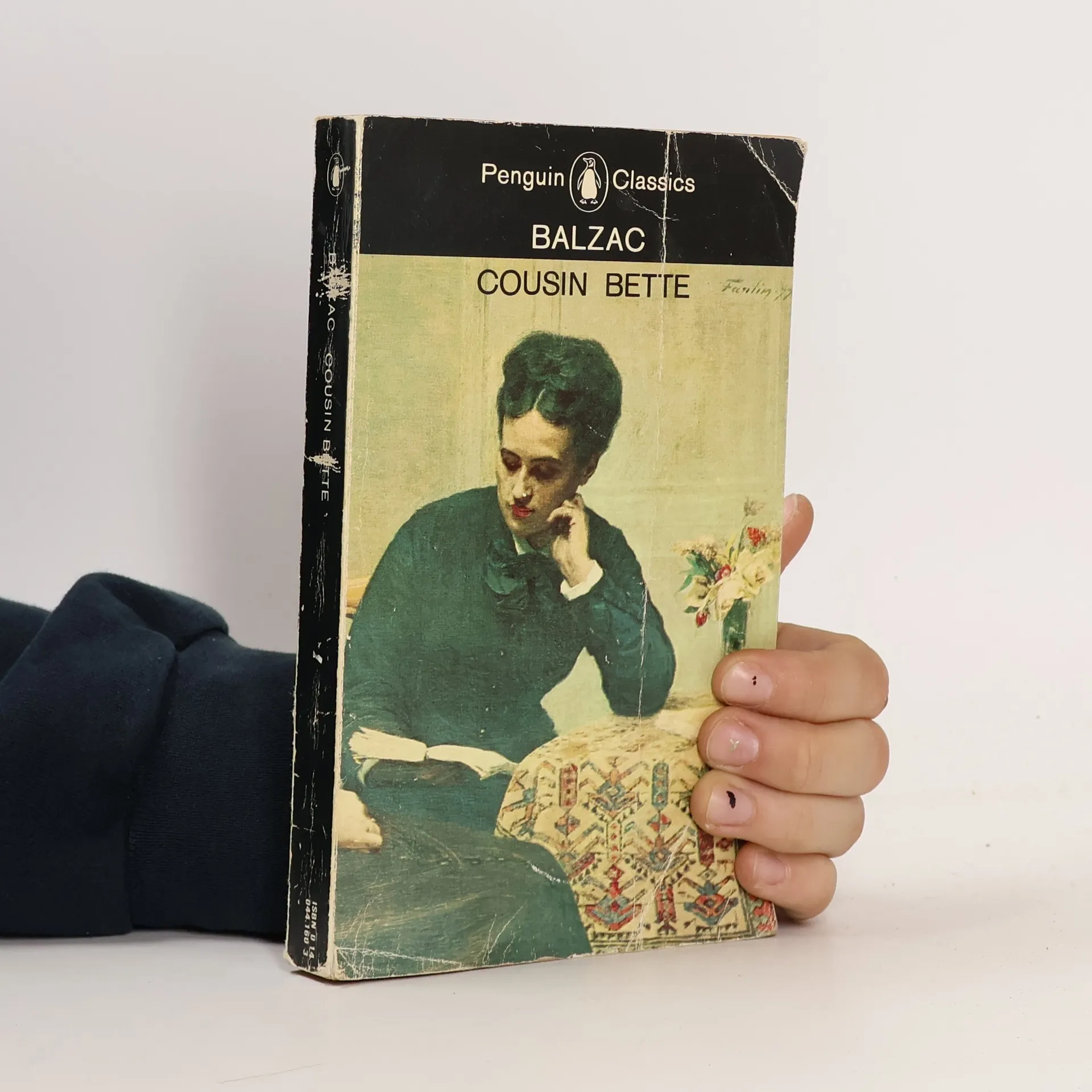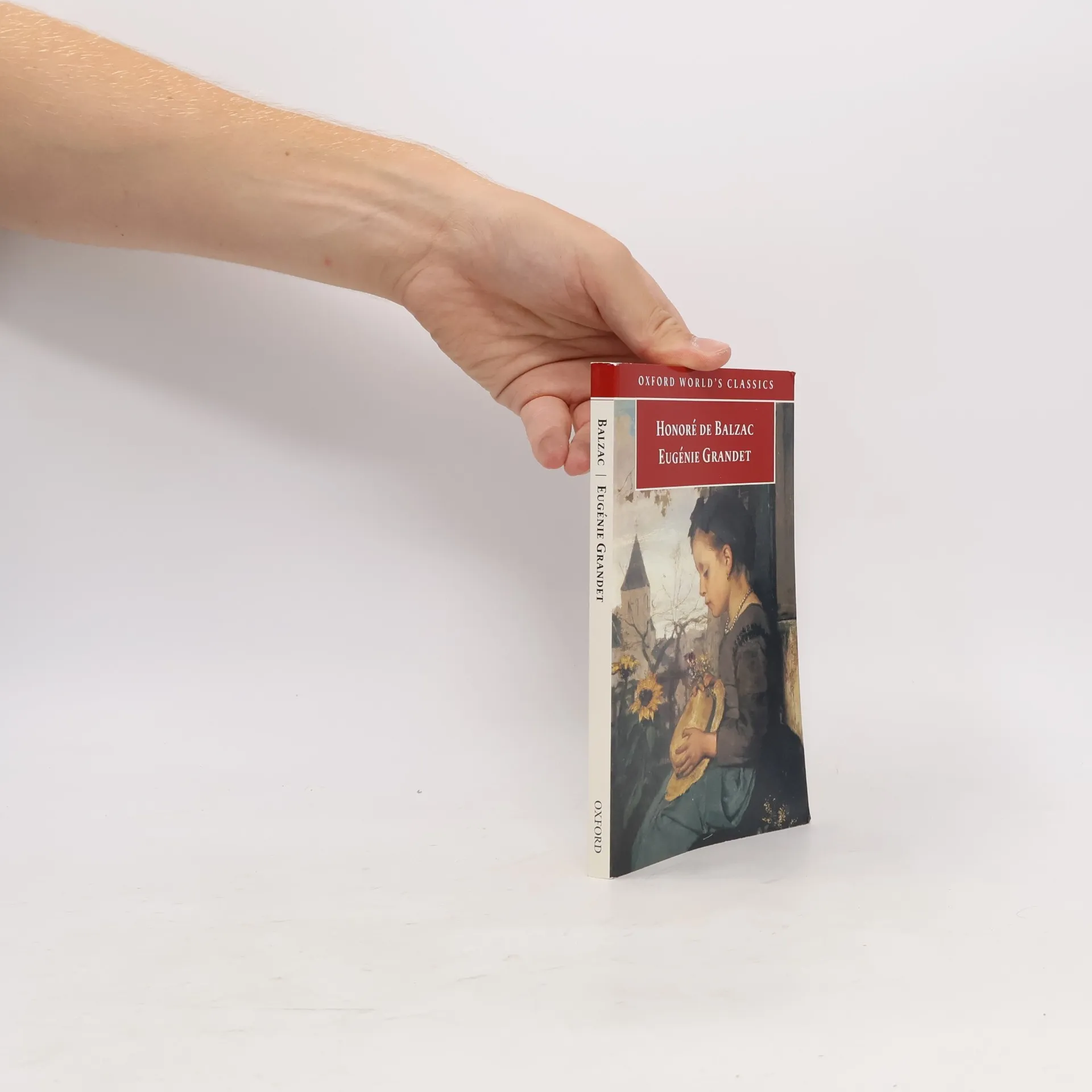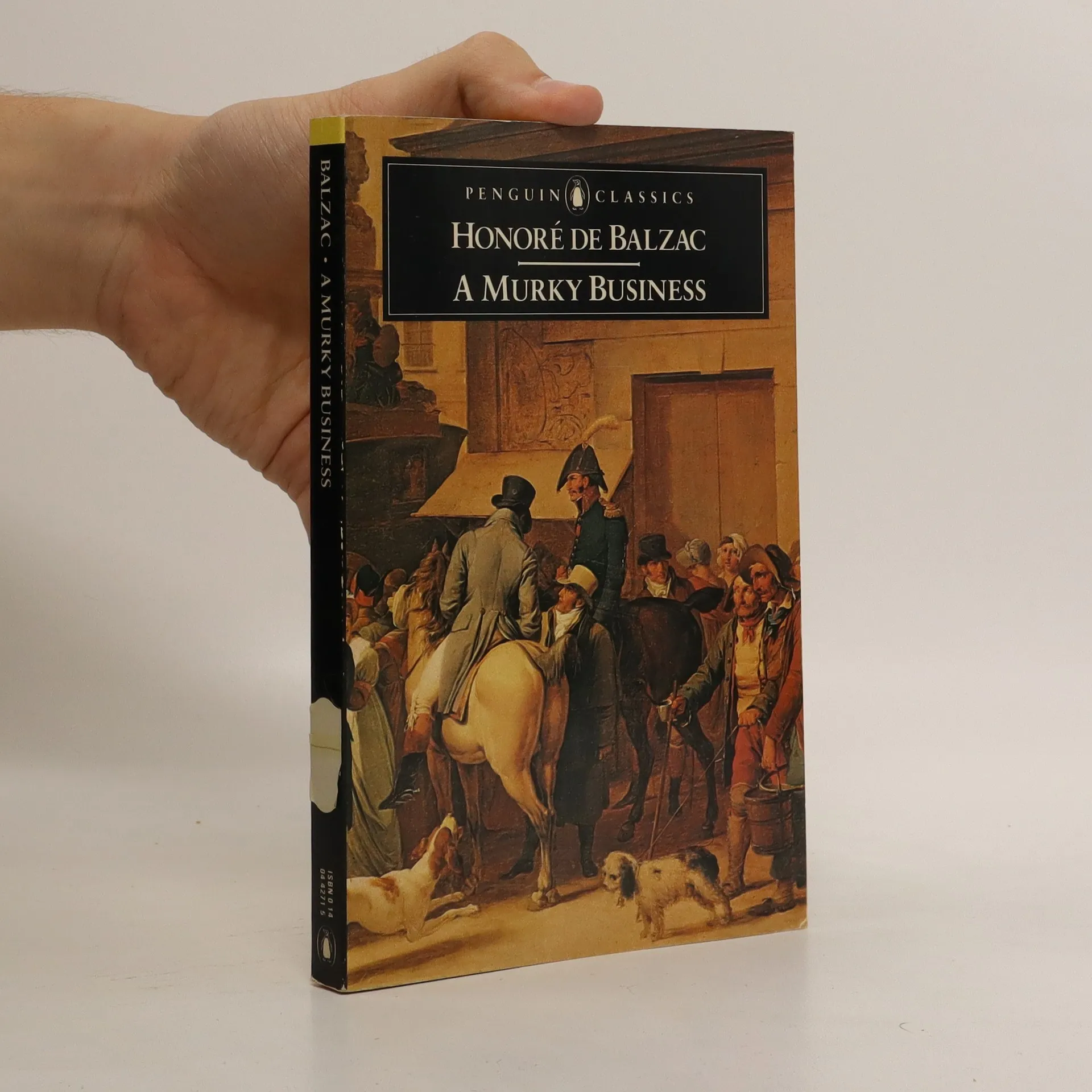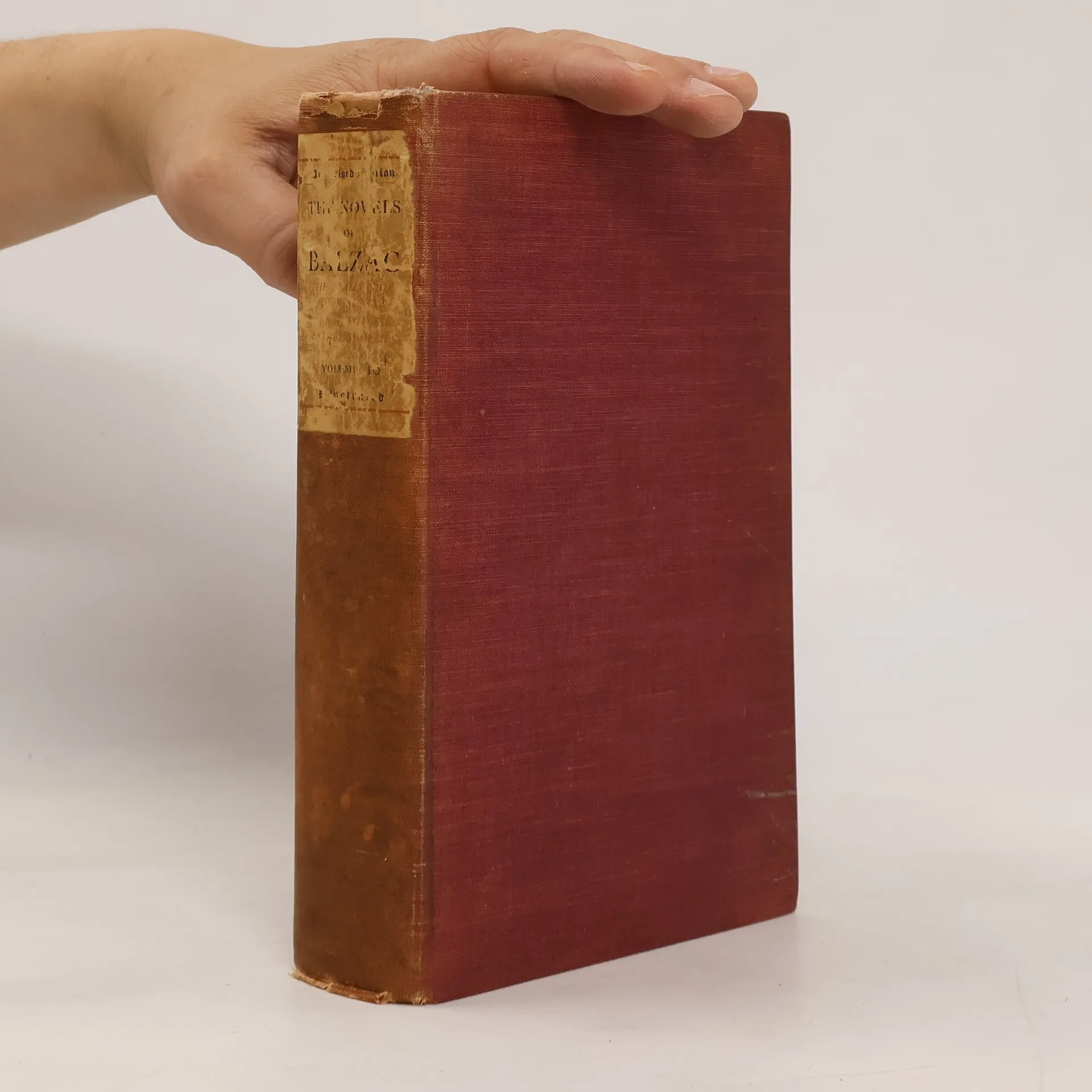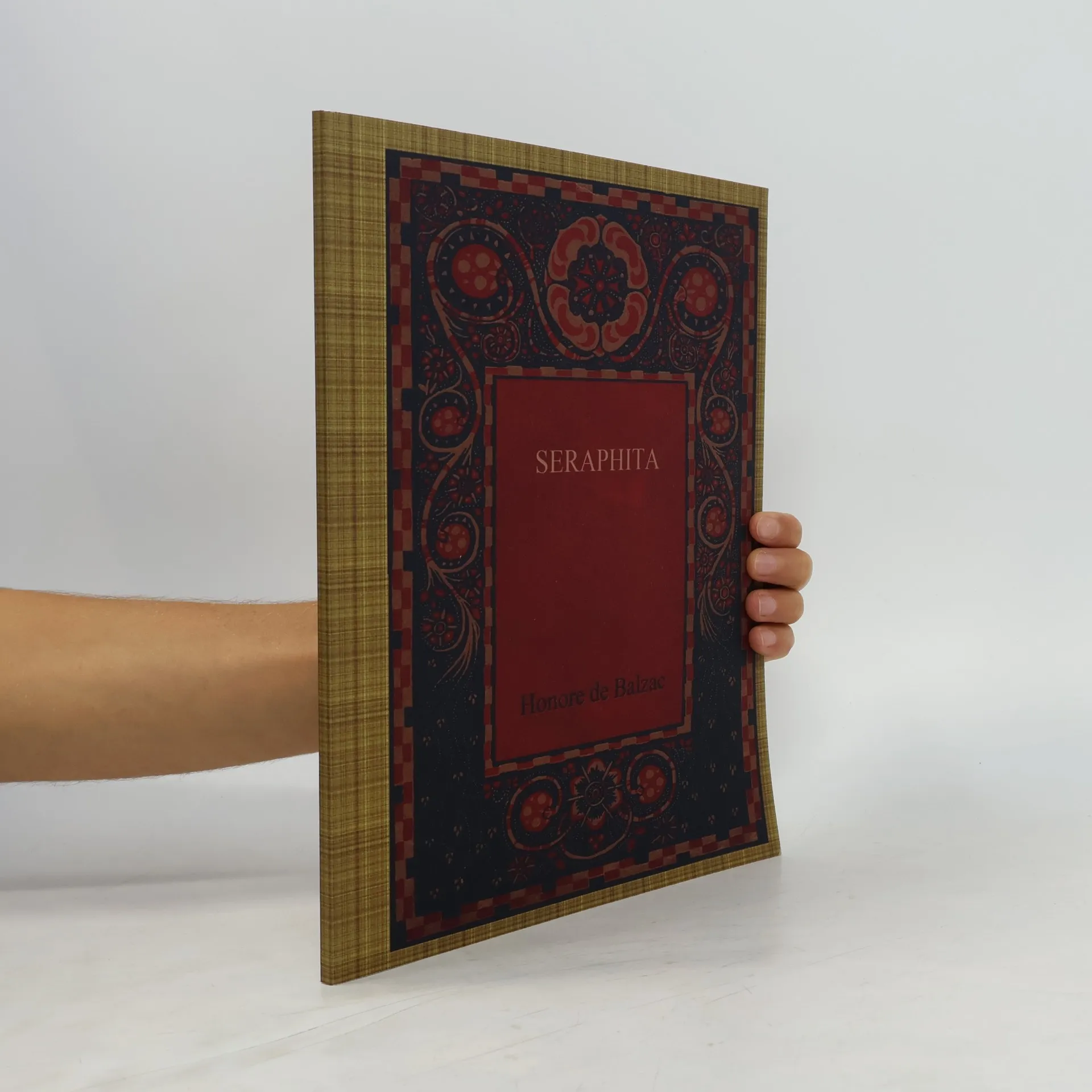
The novel sequence La Comédie humaine offers a detailed exploration of post-Napoleonic French society through Balzac's keen observation and unfiltered realism. His characters, rich in complexity and moral ambiguity, reflect the intricacies of human nature, while even inanimate objects gain personality, particularly the vibrant city of Paris. Balzac's influential style has left a lasting impact on notable writers and filmmakers, cementing his status as a foundational figure in European literature.
Honoré de Balzac Books
Honoré de Balzac was a nineteenth-century French novelist and playwright whose extensive body of work presents a panorama of French life in the era following Napoleon Bonaparte's fall. He is recognized as a founder of European literary realism for his keen observation of detail and unflinching depiction of society. Balzac is celebrated for his multi-faceted characters, who are complex, morally ambiguous, and fully human, and his writing often imbues even inanimate objects and the city of Paris with lifelike qualities. His literary influence extended to numerous famous authors and continues to inspire writers today.


Set against the backdrop of post-Napoleonic France, the story follows Colonel Chabert, a distinguished cavalry officer who is mistakenly declared dead after a battle. Upon returning to life, he discovers his wife, Rose Chapotel, has moved on, prompting a poignant exploration of identity and social status. Balzac's novella delves into themes of love, loss, and the struggles of reintegration into society, all while reflecting the complexities of French society during the Restoration and July Monarchy. It has inspired multiple film adaptations.
Set against the backdrop of 19th-century France, the novel explores the lives of characters inspired by real literary and musical figures. The story revolves around Béatrix de Rochefide and her complex relationships, particularly with the musician Gennaro Conti, reflecting themes of love, ambition, and artistic passion. Balzac intricately weaves the personal narratives of celebrated individuals like Félicité des Touches and Claude Vignon, offering a rich tapestry of social and cultural commentary within the framework of his broader work, La Comédie humaine.
The Physiology of Marriage
- 324 pages
- 12 hours of reading
Balzac's work offers a detailed portrayal of post-Napoleonic French society through his extensive sequence, La Comédie humaine. His characters, rich in complexity and moral ambiguity, reflect a deep understanding of human nature. Notably, even inanimate objects and settings, like Paris, are infused with personality, enhancing the narrative's realism. This keen observation and representation of life have established Balzac as a pivotal figure in European literature, influencing notable writers and filmmakers alike.
Tales of the Napoleonic Era
1-The Chouans, Juana, An Episode Under the Terror & The Napoleon of the People
- 348 pages
- 13 hours of reading
Set against the backdrop of the Revolution, Consulate, and Empire, this collection features four pivotal stories that capture the essence of the era. Through authentic narratives, the book explores the tumultuous social and political landscapes, offering insights into the lives and struggles of individuals during this transformative period. Each tale reflects the complexities of the time, highlighting themes of resilience, ambition, and the quest for identity amidst chaos.
The novel sequence La Comédie humaine offers a detailed exploration of post-Napoleonic French life, showcasing Balzac's mastery of realism through intricate character development and societal observation. His characters, even minor ones, exhibit moral complexity, while inanimate objects and settings, particularly Paris, are infused with personality. Balzac's profound influence on literature is evident in the works of renowned authors such as Émile Zola and Charles Dickens, as well as filmmakers like François Truffaut, marking him as a pivotal figure in European literary history.
Balzac's work is celebrated for its intricate portrayal of post-Napoleonic French society, showcasing a rich tapestry of characters, each with moral complexity and depth. His ability to infuse inanimate objects, especially the city of Paris, with human traits enhances the realism in his narratives. As a pivotal figure in the development of realism in literature, his influence extends to notable authors and filmmakers, marking him as a key contributor to European literary tradition.
The novel explores the complexities of marriage through the story of Paul de Manerville, a wealthy Parisian gentleman who chooses to abandon his bachelor lifestyle at twenty-seven to marry Natalie Evangelista, a stunning but spoiled Spanish heiress. Set against the backdrop of Bordeaux, the narrative delves into the tensions between love and societal expectations, as Paul's decision faces opposition from his cynical friend de Marsay and highlights the challenges posed by Natalie's family's diminishing fortune.
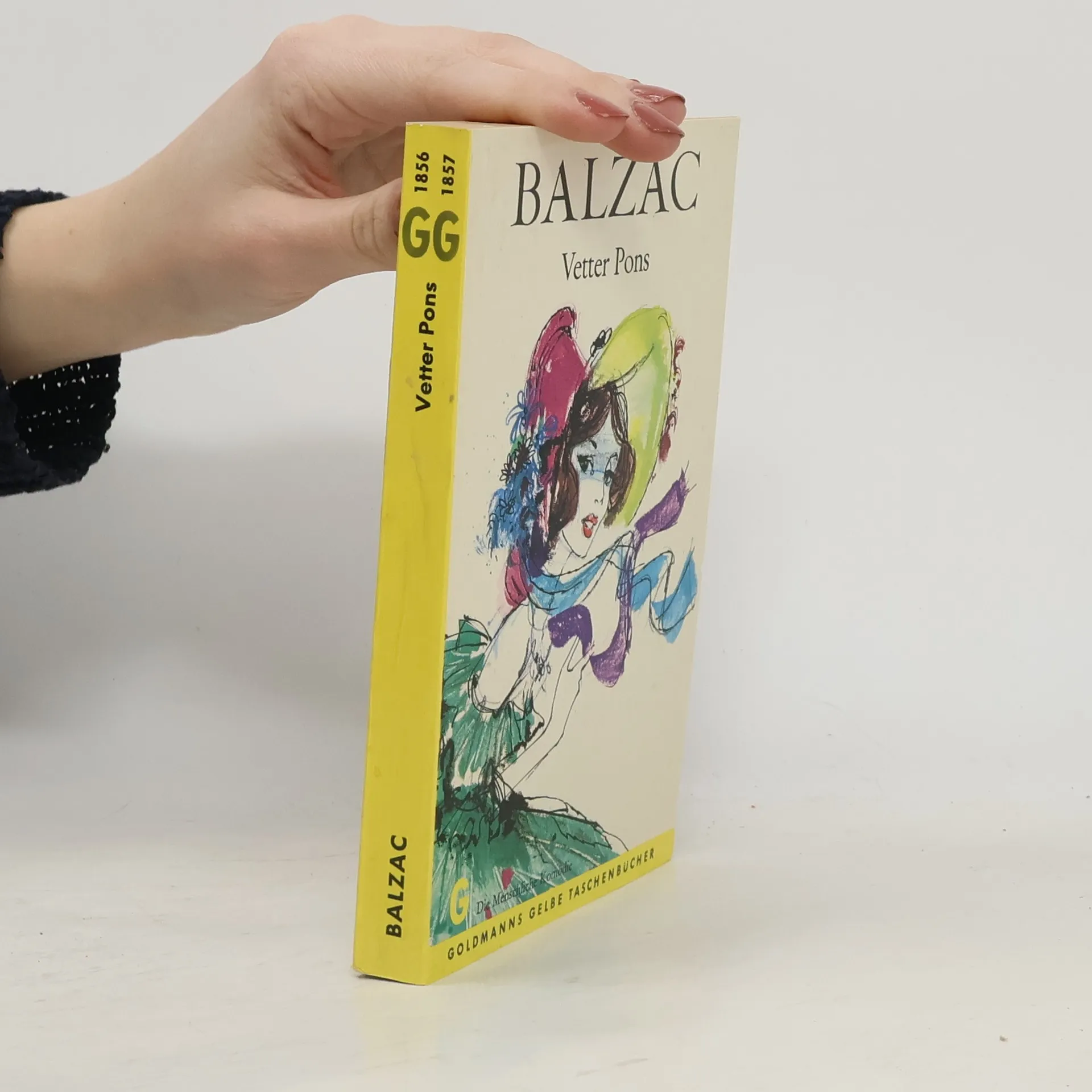
Cousin Pons
- 365 pages
- 13 hours of reading
In the sitting-room La Cibot explained her position with regard to the pair of nutcrackers at very considerable length. She repeated the history of her loan with added embellishments, and gave a full account of the immense services rendered during the past ten years to MM. Pons and Schmucke.
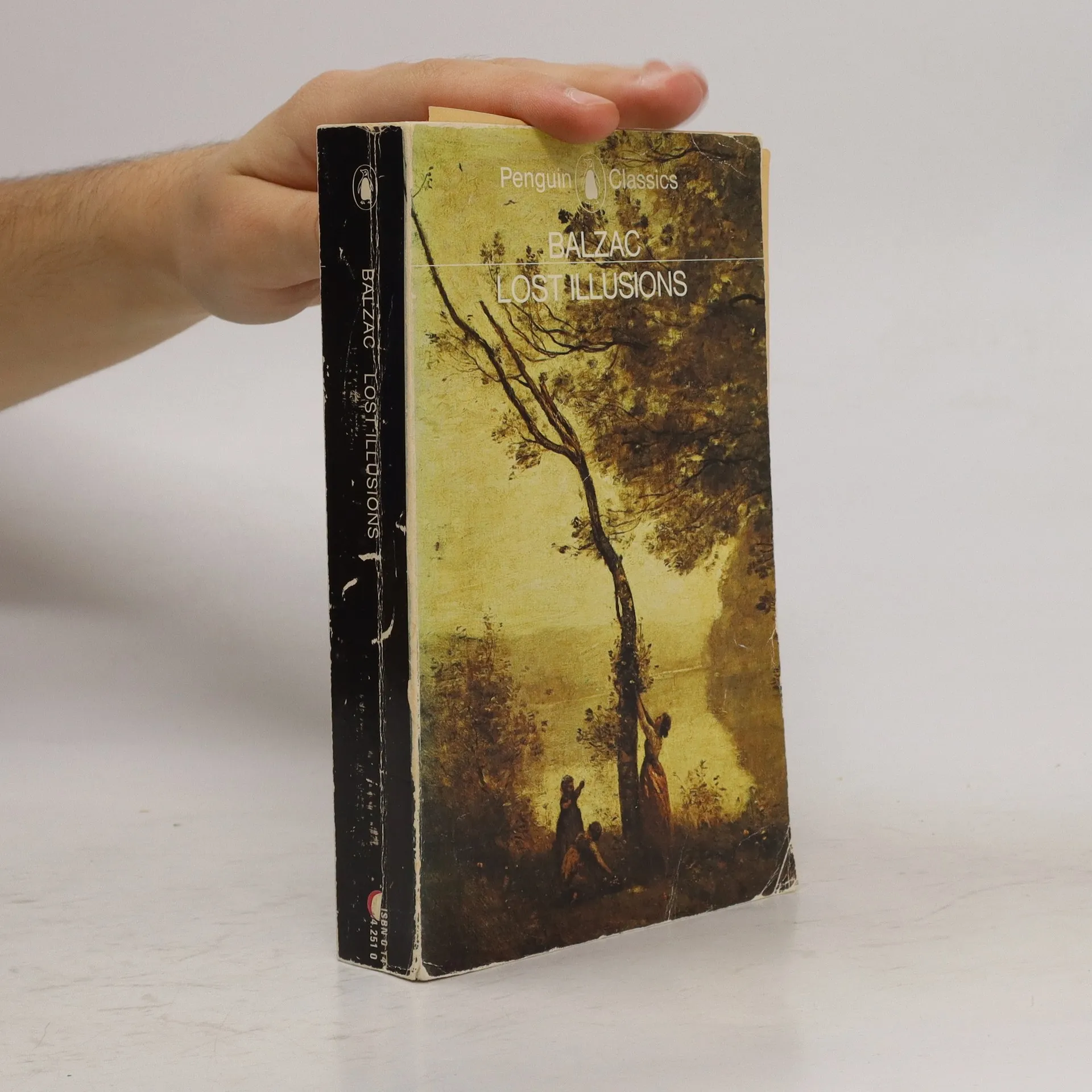
Lost Illusions
- 704 pages
- 25 hours of reading
Handsome would-be poet Lucien Chardon is poor and naïve, but highly ambitious. Failing to make his name in his dull provincial hometown, he is taken up by a patroness, the captivating married woman Madame de Bargeton, and prepares to forge his way in the glamorous beau monde of Paris. But Lucien has entered a world far more dangerous than he realized, as Madame de Bargeton's reputation becomes compromised and the fickle, venomous denizens of the courts and salons conspire to keep him out of their ranks. Lucien eventually learns that, wherever he goes, talent counts for nothing in comparison to money, intrigue and unscrupulousness. Lost Illusions is one of the greatest novels in the rich procession of the Comédie humaine, Balzac's panoramic social and moral history of his times. For more than seventy years, Penguin has been the leading publisher of classic literature in the English-speaking world. With more than 1,700 titles, Penguin Classics represents a global bookshelf of the best works throughout history and across genres and disciplines. Readers trust the series to provide authoritative texts enhanced by introductions and notes by distinguished scholars and contemporary authors, as well as up-to-date translations by award-winning translators.