

Explore the latest books of this year!
Bookbot

Ben White

    Apartheid izraelski
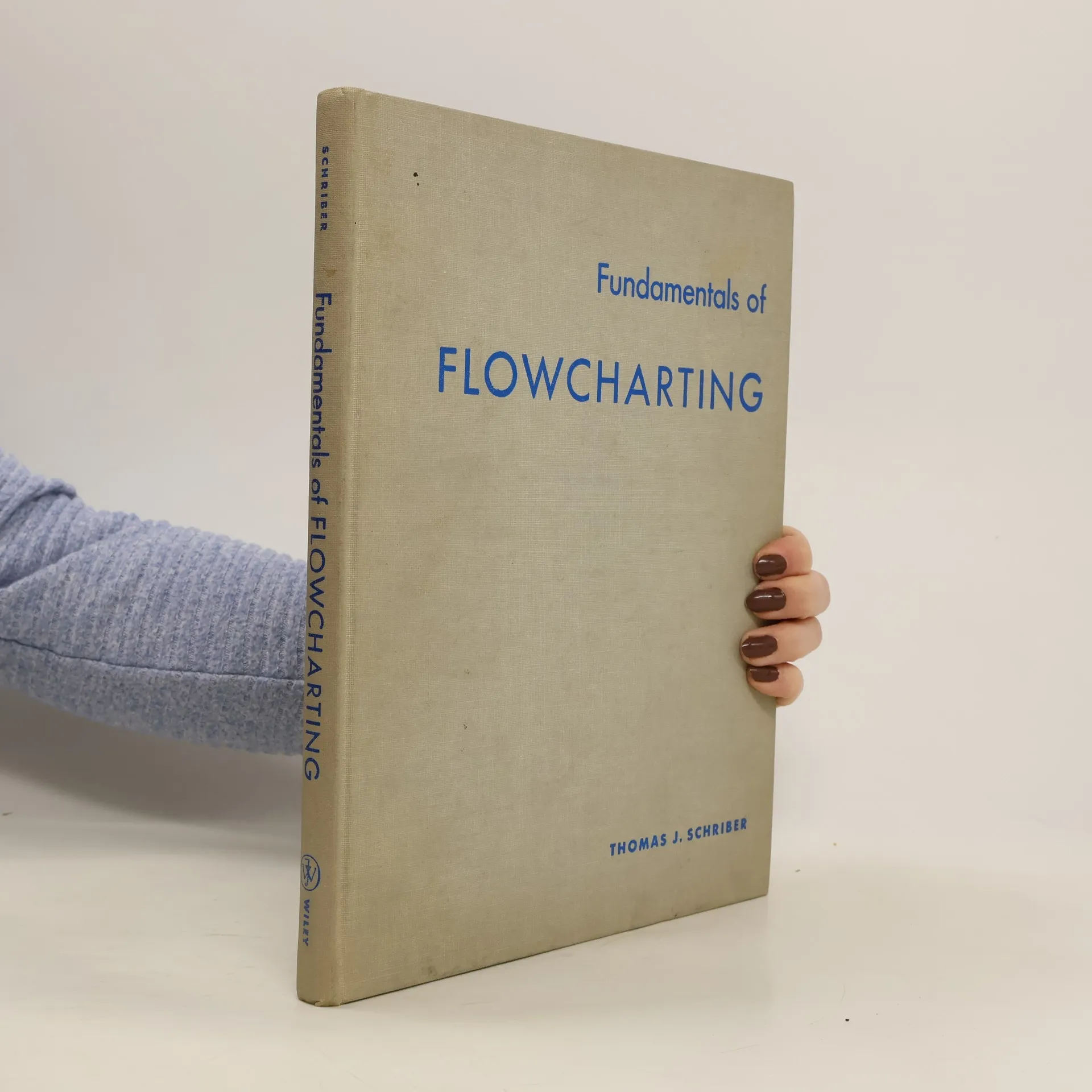
    Flowcharting
    The Next Big Thing in School Improvement
    21 Waves of Pure Emotion
    Alone Like Me
    • In this beautiful, heartfelt picture book, a young girl moves from a small village to a big city in China, where she longs to find a friend...and ultimately meets someone very much like her.Liling and her family have moved from their rural farm to an overwhelming urban city. Because of Chinese law, Liling can't go to school and spends her days with Mama or Baba at work. At the playground, the other children throw sand at her and tease her old red coat and dirty shoes.But after she shares a smile with a girl in a bright yellow jacket who lives in an apartment beneath hers, Liling has a big idea! She draws a picture and lowers it down to the girl--Qiqi--who returns it with a drawing of her own. When the new friends meet face to face, Liling takes Qiqi's hand, and they walk bravely into the park--together.With luscious watercolor illustrations and lovely poetic text, this achingly beautiful story is about our universal desire for connection, and the comfort we feel when we find a true friend.

      Alone Like Me
    • Exploring the depths of human emotion, the narrative delves into the protagonist's inner turmoil as they confront profound wounds from the past. The story promises a powerful journey through the complexities of feelings, revealing how unresolved pain can lead to a cathartic release. With evocative language, it invites readers to experience the tidal wave of emotions that accompany healing and self-discovery.

      21 Waves of Pure Emotion
    • The Next Big Thing in School Improvement brings together the unique perspectives of a policy analyst, a headteacher, and a classroom teacher, to explain why it is that the school system often resists our attempts to improve it. This is a book about educational fads, why they arise, and how we might learn to live with them.

      The Next Big Thing in School Improvement
    • Flowcharting

      From Abstractionism to Algorithmics in Art and Architecture

      By the time the computer entered the architectural scene, its place had been prepared by decades of avant-gardist experimentation. The modernist programme of rationalising creative practice took a decidedly bureaucratic turn between the 1930s and 1960s. While attempting to crack the code of artistic genius in hopes of democratising the creation of better environments, a repertoire of algorithmic techniques emerged. Matthew Allen shows how, by reformulating their disciplines in terms of flowcharting procedures developed for scientific management, artists and architects enacted a paradigm shift, replacing composition with organisation as the basis for design.

      Flowcharting