
Psychology of Financial The Practitioner’s Guide to Money and Behavior In PSYCHOLOGY OF FINANCIAL The Practitioner’s Guide to Money and Behavior, distinguished authors Drs. Brad Klontz, CFP®, Charles Chaffin, and Ted Klontz deliver a comprehensive overview of the psychological factors that impact the financial planning client. Designed for both professional and academic audiences, PSYCHOLOGY OF FINANCIAL PLANNING is written for those with 30 years in practice as well as those just beginning their journey. With a focus on how psychology can be applied to real-world financial planning scenarios, PSYCHOLOGY OF FINANCIAL PLANNING provides a much-needed toolbox for practicing financial planners who know that understanding their client’s psychology is critical to their ability to be effective. The PSYCHOLOGY OF FINANCIAL PLANNING is also a much-needed resource for academic institutions who now need to educate their students in the CFP Board’s newest category of learning psychology of financial planning. Topics PSYCHOLOGY OF FINANCIAL PLANNING goes beyond just theory to show how practitioners can use psychology to better serve their clients. The accompanying workbook provides exercises, scripts, and workshop activities for firms and practitioners who are dedicated to engaging and implementing the content in meaningful ways.
Brad Klontz Books


This practical companion resource enhances the authors' previous work by providing assessments, reflections, and exercises that help financial planners understand their own biases and behaviors, as well as those of their clients. It includes exercises aligned with the learning objectives found in the Psychology of Financial Planning relevant to the CFP® Exam. The toolkit offers a variety of tools designed to deepen the concepts explored in the companion book, facilitating discussions and interactions between planners and clients. Readers will find strategies to comprehend client and planner attitudes, values, and biases, alongside explorations of multicultural competence and behavioral finance. It also addresses how to help clients navigate crises and resolve common money conflicts, encouraging action, goal-setting, and effective communication. This resource is aimed at current and aspiring financial planning professionals and educators across various roles and business models. The Psychology of Financial Practitioner’s Toolkit is an essential addition to the bookshelves of practitioners in firms of all sizes.
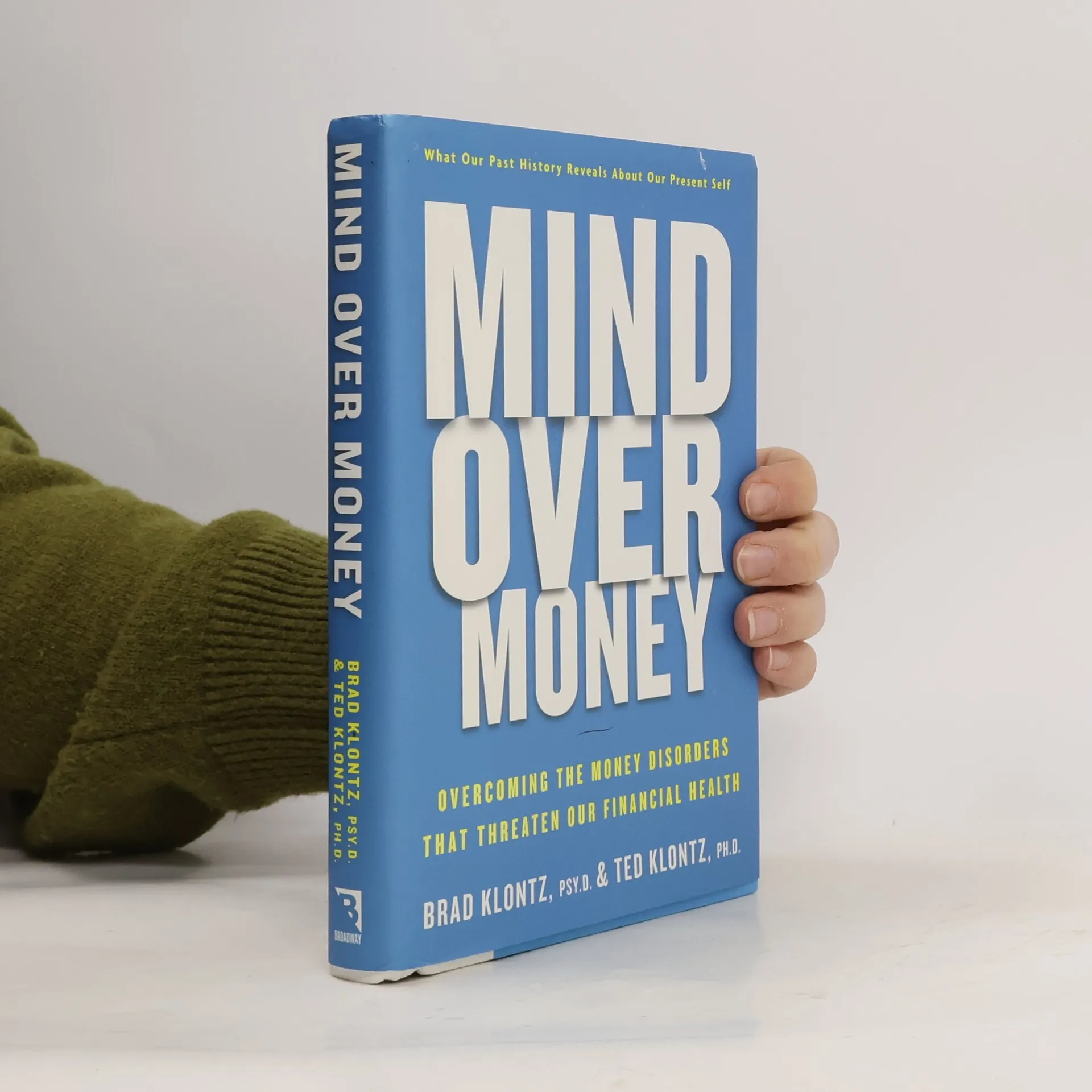
Mind Over Money
Overcoming the Money Disorders That Threaten Our Financial Health
- 308 pages
- 11 hours of reading
Do you overspend? Undersave? Keep secrets about money from a spouse or family member? Are you anxious about dealing with your finances? If so, you are not alone. Let's face it–just about all of have complicated, if not downright dysfunctional, relationships with money. As Drs. Brad and Ted Klontz, a father and son team of pioneers in the emerging field of financial psychology explain, our disordered relationships with money aren’t our fault. They don’t stem from a lack of knowledge or a failure of will. Instead, they are a product of subconscious beliefs and thought patterns, rooted in our childhoods, that are so deeply ingrained in us, they shape the way we deal with money our entire adult lives. But we are not powerless. By looking deep into ourselves and our pasts, we can learn to recognize these negative and self-defeating patterns of thinking, and replace them with better, healthier ones. Drawing on their decades of experience helping patients resolve their troubling issues with money, the Klontzes and describe the twelve most common “money disorders” - like financial infidelity, money avoidance, compulsive shopping, financial enabling, and more — and explain how we can learn to identify them, understand their root causes, and ultimately overcome them. So whether you want to learn how to make better financial decision, have more open communication with your spouse or kids about the family finances, or simply be better equipped to deal with the challenges of these tough economic times, this book will help you repair your dysfunctional relationship with money and live a healthier financial life.