
Explore the latest books of this year!
Bookbot

Leslie Stephen

    November 28, 1832 – February 22, 1904

    Sir Leslie Stephen was an English author, critic, and mountaineer whose essays delved into the depths of Victorian society and intellectual life. With tireless curiosity, he examined the works of other authors, often engaging with the moral and philosophical quandaries of his era. His style, marked by keen intellect and persuasive argument, offered readers an immersive look into the complexities of human existence and social norms.

    Selected Writings in British Intellectual History
    Studies of a Biographer I.
    Hours in a Library I.-III.
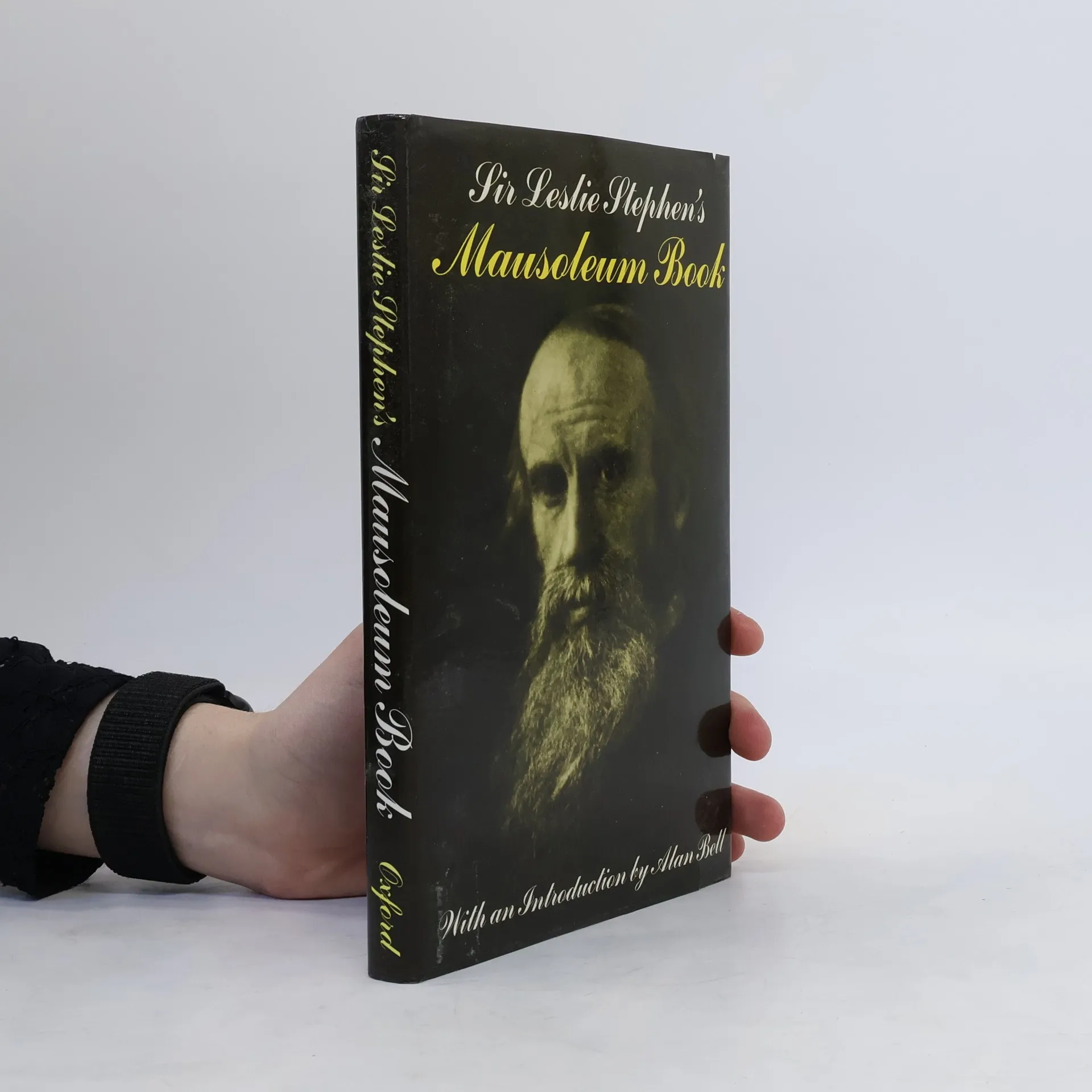
    Sir Leslie Stephen's Mausoleum Book
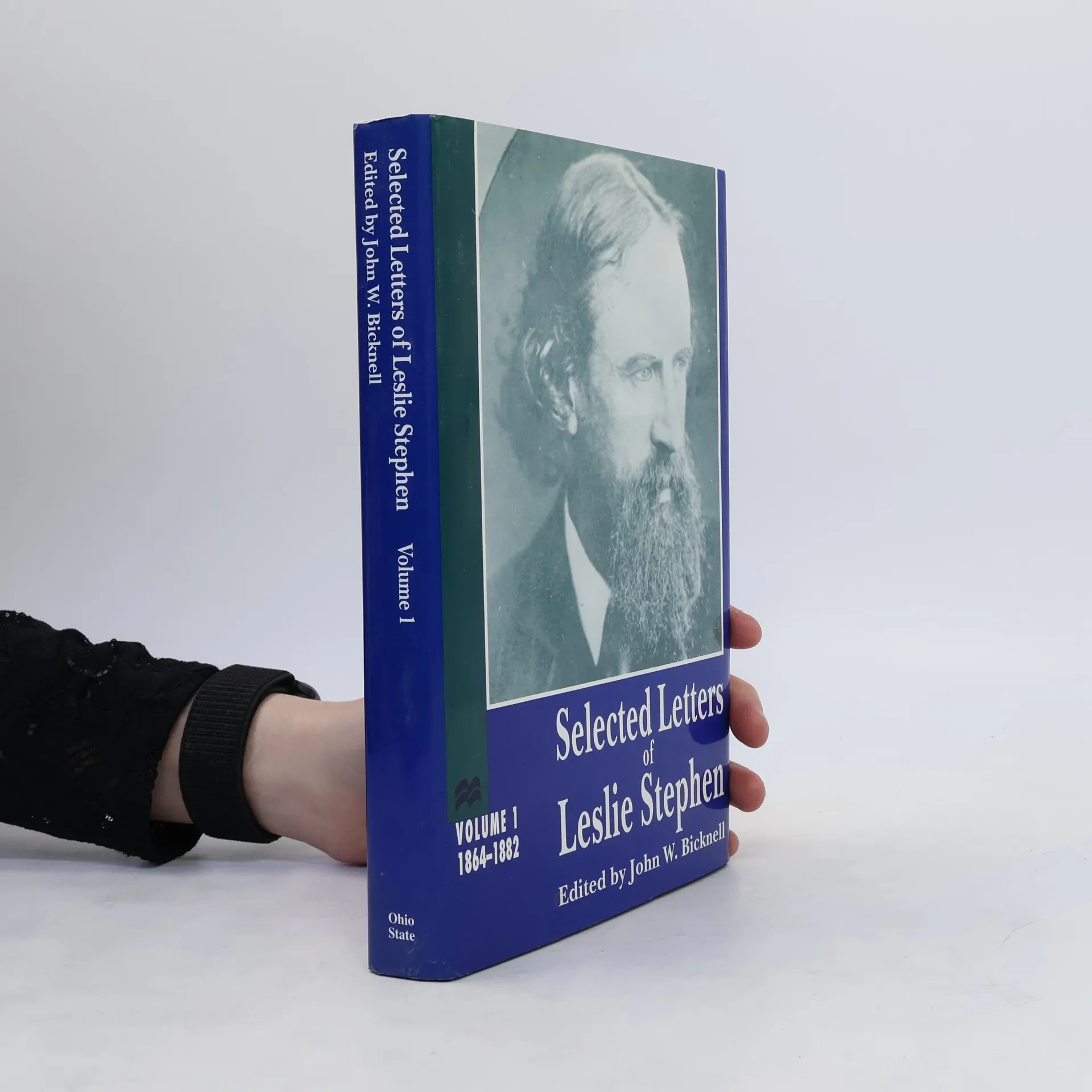
    Selected Letters of Leslie Stephen
    Horse-Powered Farming for the 21st Century
    • Horse-Powered Farming for the 21st Century

      A Complete Guide to Equipment, Methods, and Management for Organic Growers

      • 416 pages
      • 15 hours of reading

      Featuring insights from over 60 modern farmers and equipment makers, this book explores the resurgence of draft-animal power in agriculture. It highlights innovative practices and sustainable farming techniques that prioritize animal welfare and environmental stewardship. The contributors share their experiences and expertise, providing a rich tapestry of knowledge for those interested in integrating traditional methods into contemporary farming. This work serves as both a practical guide and an inspirational resource for farmers and enthusiasts alike.

      Horse-Powered Farming for the 21st Century
    • An intimate autobiography about the public and private life of Sir Leslie Stephen. It also discusses the influence he had on his daughters Vanessa Bell and Virginia Woolf. Includes introduction by Alan Bell. Illustrated and indexed. xxxiii, 118 pages. cloth, dust jacket.. small 8vo..

      Sir Leslie Stephen's Mausoleum Book
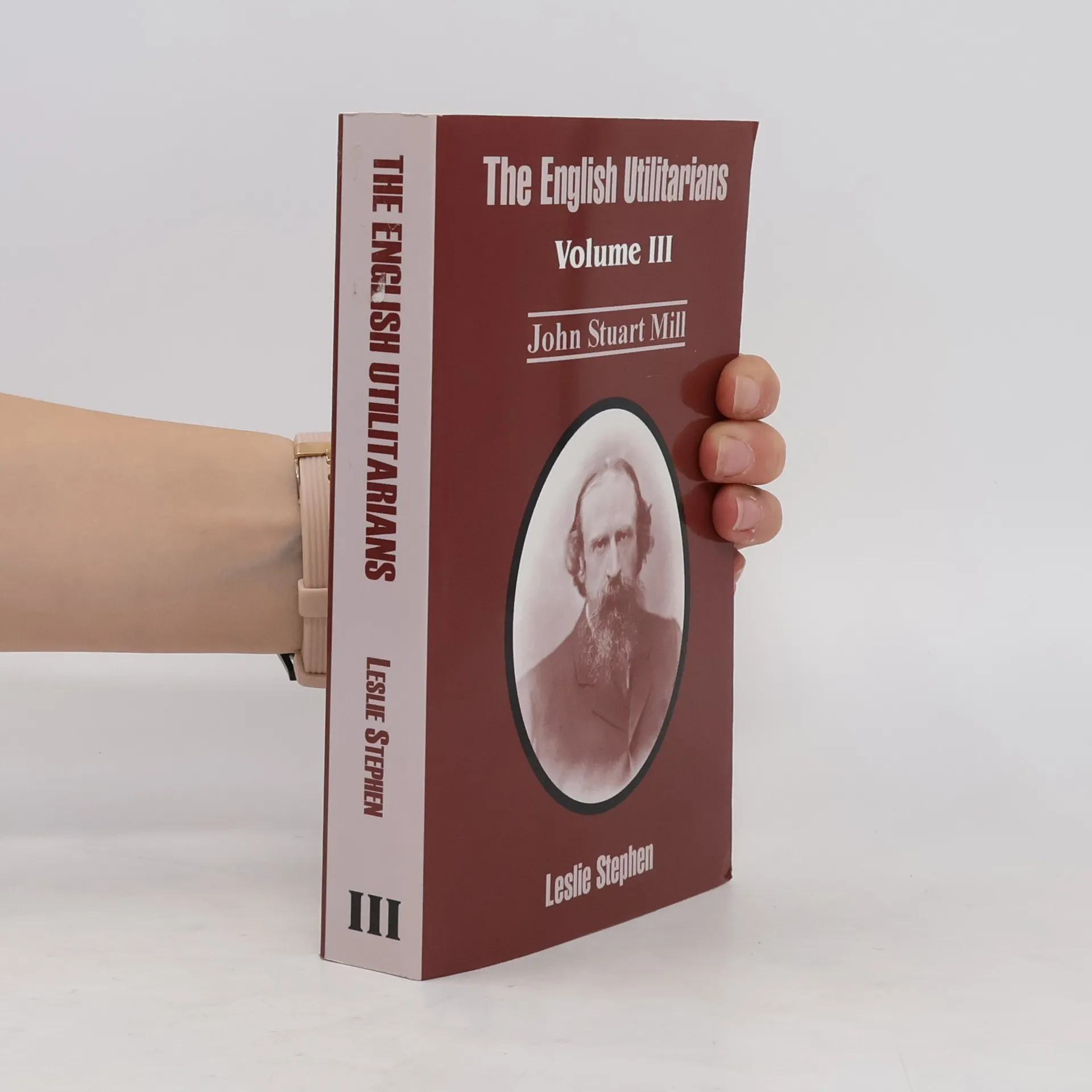
    • The English Utilitarians. Volume III

      John Stuart Mill

      • 532 pages
      • 19 hours of reading

      The Utilitarians, Stephen argues, were social reformers first and philosophers second, if at all. The history of philosophy is not an isolated domain governed by the unfolding of a timeless inner logic; rather it is an integral part of the history of humanity. "The English Utilitarians of whom I am about to give some account were a group of men who for three generations had a conspicuous influence upon English thought and political action. Jeremy Bentham, James Mill, and John Stuart Mill were successively their leaders; and I shall speak of each in turn." Sir Leslie Stephen was the first serious critic of the novel, and he was also editor of the great Dictionary of National Biography from its beginning in 1882 until 1891. In 1859 he was ordained a minister. As a tutor at Cambridge his philosophical readings led him to skepticism, and later he relinquished his holy orders. He wrote several essays defending his agnostic position. Throughout his life Stephen was a prominent athlete and mountaineer. Virginia Woolf was the younger of his two daughters by his second wife. His first wife was Harriet Marian Thackeray, daughter of the novelist. This is volume three of a three volume set.

      The English Utilitarians. Volume III