
Explore the latest books of this year!
Bookbot

Angie Debo

    Angle Debo dedicated her life to examining the historical implications of American settlement for Native Americans. Her work focuses on critically assessing this era and its profound impacts. Through her writings, she sought to illuminate the complexities and often overlooked facets of American history and its consequences for indigenous peoples.

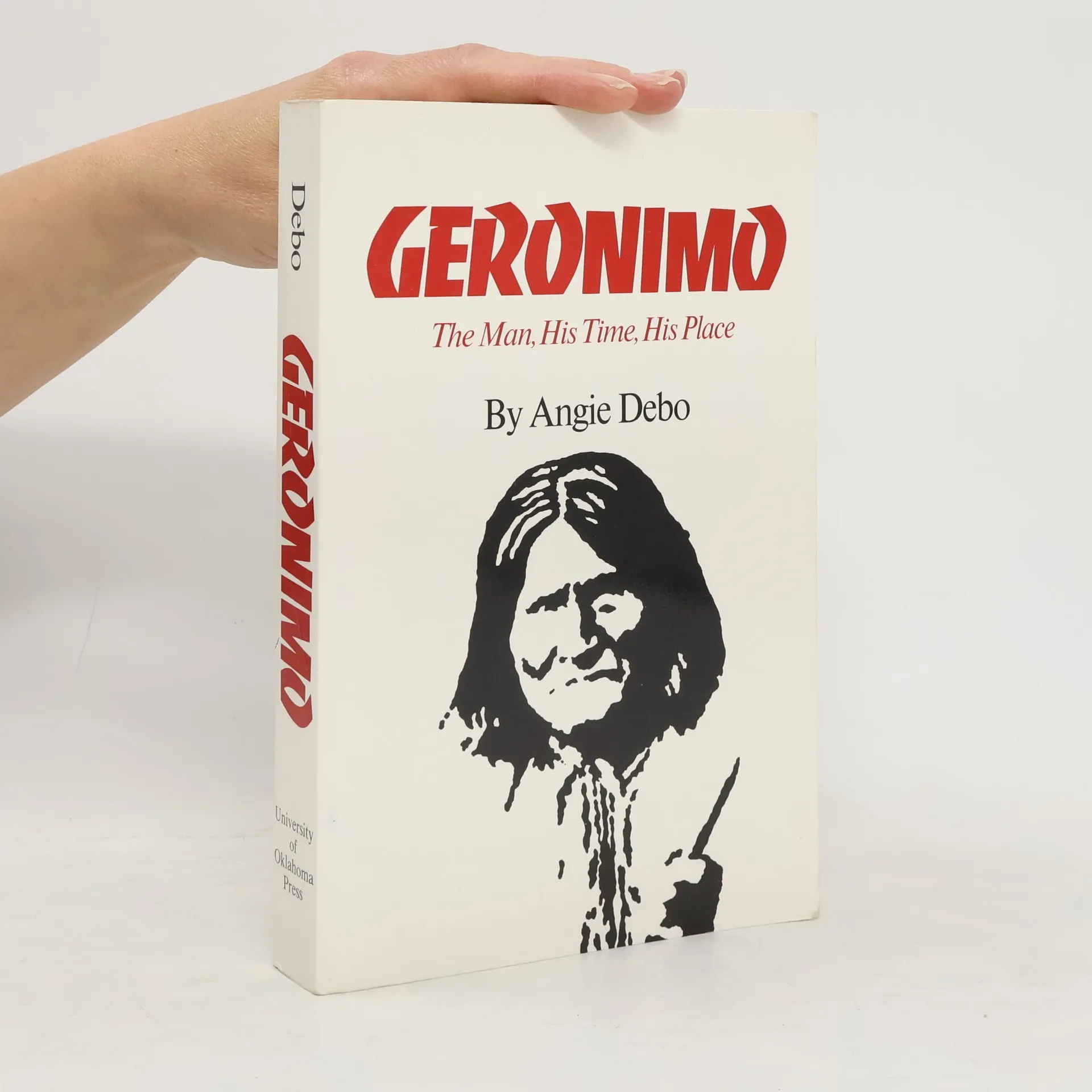
    Geronimo
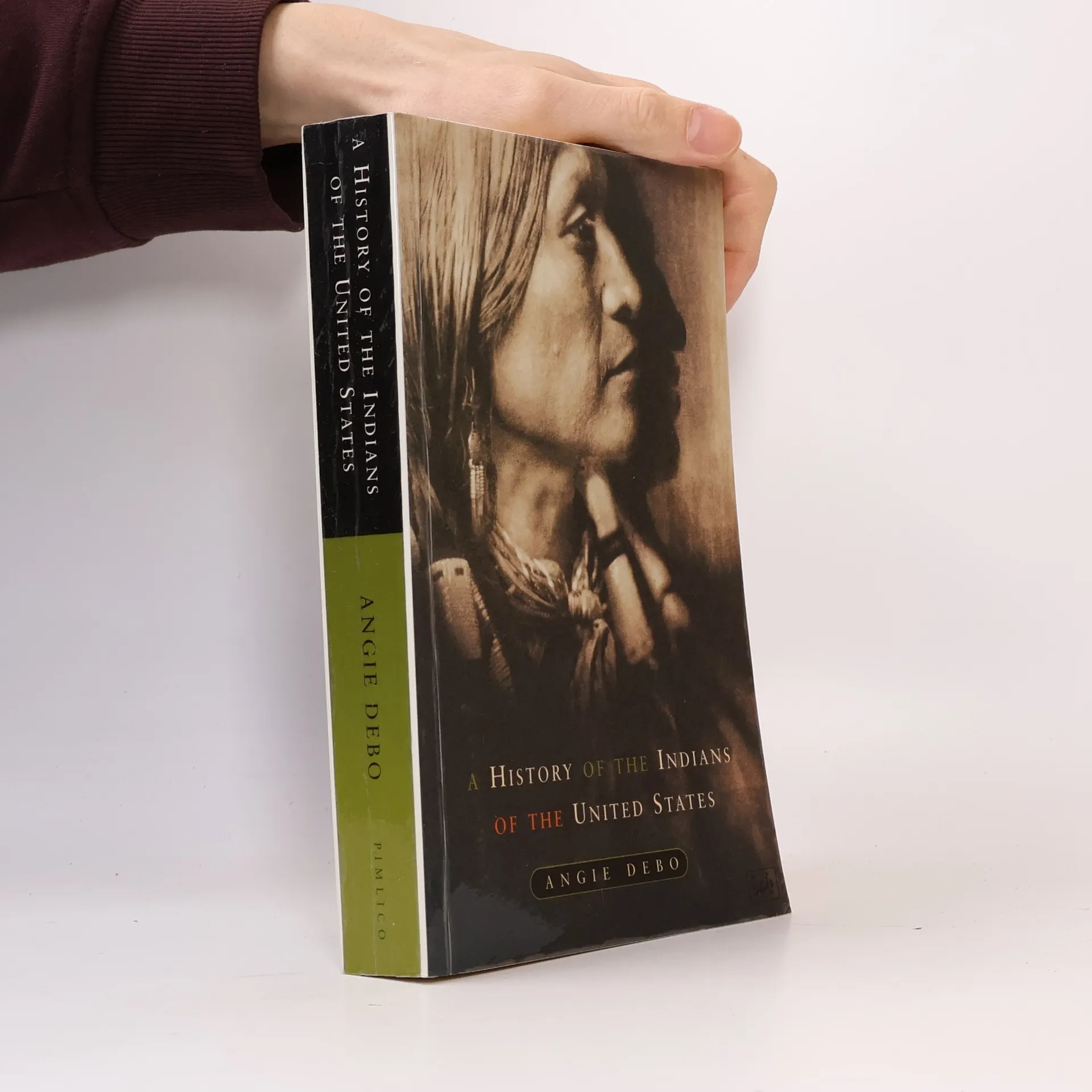
    A History of the Indians of the United States
    And Still the Waters Run
    • And Still the Waters Run

      • 504 pages
      • 18 hours of reading

      The classic book that exposed the scandal of the dispossession of native land by American settlers And Still the Waters Run tells the tragic story of the liquidation of the independent Indian republics of the Choctaws, Chickasaws, Cherokees, Creeks, and Seminoles, known as the Five Civilized Tribes. At the turn of the twentieth century, the tribes owned the eastern half of what is now Oklahoma, a territory immensely wealthy in farmland, forests, coal, and oil. Their political and economic status was guaranteed by the federal government—until American settlers arrived. Congress abrogated treaties that it had promised would last “as long as the waters run,” and within a generation, the tribes were systematically stripped of their holdings, and were rescued from starvation only through public charity. Called a “work of art” by writer Oliver La Farge, And Still the Waters Run was so controversial when it was first published that Angie Debo was banned from teaching in Oklahoma for many years. Now with an incisive foreword by Amanda Cobb-Greetham, here is the acclaimed book that first documented the scandalous founding of Oklahoma on native land.

      And Still the Waters Run
    • Set against the backdrop of the 1906 protests led by Creek Indian Chitto Harjo, the narrative delves into the historical struggles of Native Americans, beginning with the era of Columbus. Harjo emphasizes the importance of understanding the deep-rooted history of indigenous peoples in the context of their ongoing fight against the U.S. government's land policies. The book highlights the persistent gap in knowledge among non-Indian Americans regarding Indian history and the implications of this ignorance on contemporary issues.

      A History of the Indians of the United States
    • Geronimo

      The Man, His Time, His Place

      • 504 pages
      • 18 hours of reading
      3.9(67)Add rating

      The surrender of Apache war leader Geronimo on September 5, 1886, marked a pivotal moment in American history, celebrated nationwide. Accompanied by Chief Naiche, warriors, women, and children, Geronimo's capitulation followed intense military efforts involving 5,000 troops and numerous broken promises. This event highlights the complexities of Native American resistance and the U.S. military's strategies during this tumultuous period.

      Geronimo