Mapped to the 2018 NMC Standards and filled with real life scenarios and
activities, this book develops students' competence and confidence in managing
the care of critically and acutely ill patients.
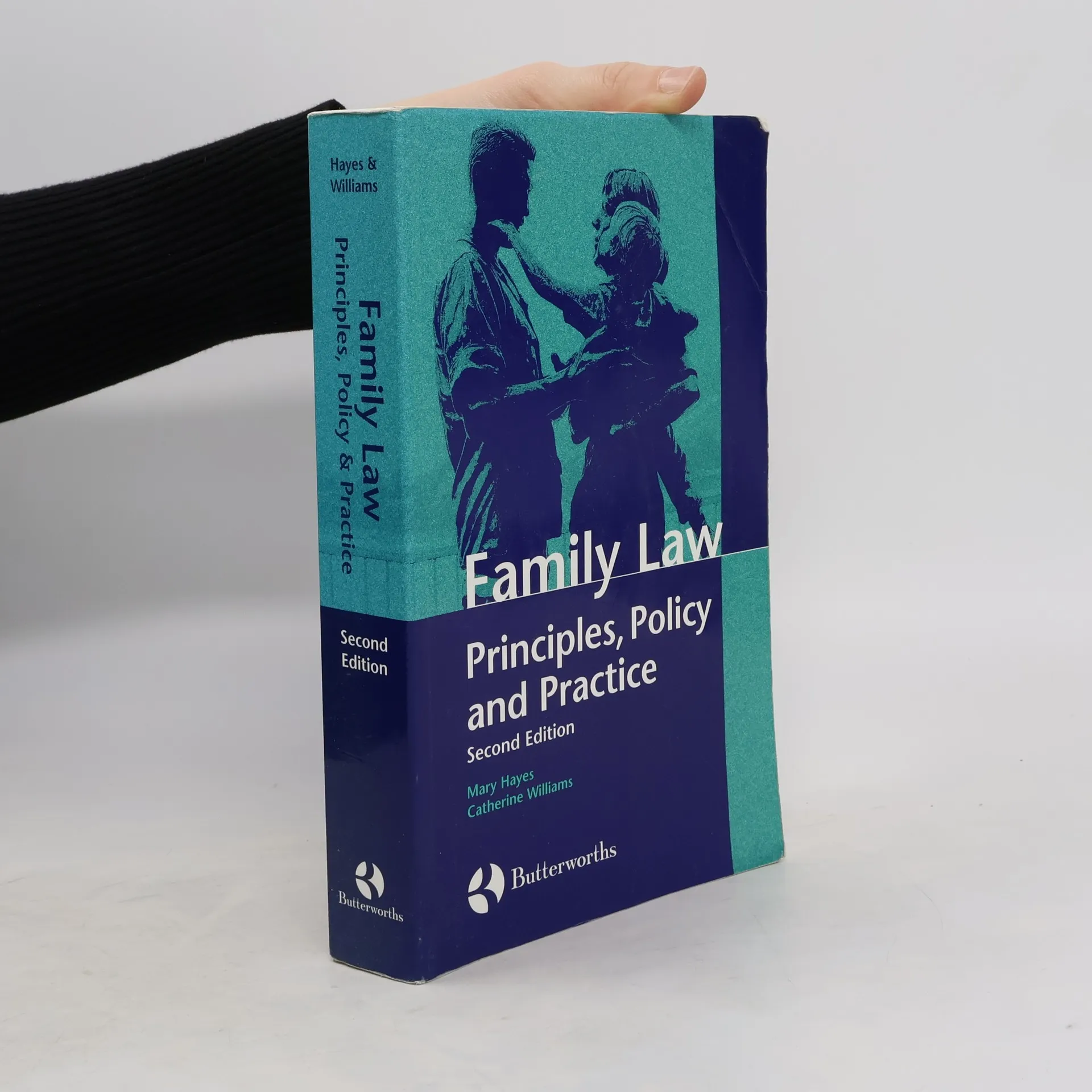
Family law is increasingly seen as a pivotal area of legal scholarship and this authoritative text guides students and practitioners through the legislation and case law in a stimulating and thought-provoking manner. It analyses fully those matters which occur frequently in practice and those which confront legislators, judges and practitioners with a special challenge. International conventions are having a growing impact on the shape and content of legal rules, therefore a new chapter devoted entirely to child abduction has been included.

Two lives become as one when a young doctor and academic lawyer meet and, almost immediately get married. Many years later during the Covid lockdown, they write the story of their lives for their grandchildren. But the stories that are told are of much wider interest, particularly for anyone interested in medicine, social history and law. In the first half of the book Leonard Williams describes his experiences practicing and researching medicine in various parts of the world. He undertakes research into Kuru, a form of CJD, amongst cannibals in New Guinea; he fishes for Bilharzia infected snails in crocodile infested rivers in Ethiopia; he sees sufferers of a mysterious disease in Zambia-early victims of AIDS. Then, after being appointed as Consultant Paediatrician at Bassetlaw District Hospital in Worksop England, Dr Williams embarks on what is perhaps his toughest challenge, using his role to spearhead much needed reforms in the care of sick children. In the second half of the book, Catherine Williams gives a charming account as being raised as the youngest of a family of six children in Merstham near London in the 1950s and 1960s, before embarking on a university career as a law student in Newcastle and lecturer in Leeds and Sheffield.