

A probing, witty, and deeply insightful history of blindness--in Western culture and literature, and in the author's own experience--that ranges from Homer and Milton to Louis Braille, Helen Keller, and Stevie Wonder M. Leona Godin begins her fascinating, wide-ranging study with an exploration of how the idea of sight is inextricably linked with knowledge and understanding; how "blindness" has, for millennia, been used as a metaphor for ignorance; and how, in metaphorical terms, blindness can also be made to suggest a door to artistic or spiritual transcendence. And she makes clear how all of this has obscured the reality of blindness, as a consequence of which many blind people have to deal not just with their disability but also with expectations that they possess "superpowers." Godin illuminates the often surprising history of both the physiological condition and the ideas that have attached to it. She incorporates an analysis of blindness in art and literature (from King Lear to Star Wars) and culture (assumptions of the blind as pure and magically wise) with a study of the science of blindness and key developments in accessibility (the white cane, embossed printing, digital technology) and a recounting of her own experience of gradually losing sight over the course of three decades. Altogether, Godin gives us a revelation of the centrality of blindness and vision to humanity's understanding of itself and the world.
M. Leona Godin Books
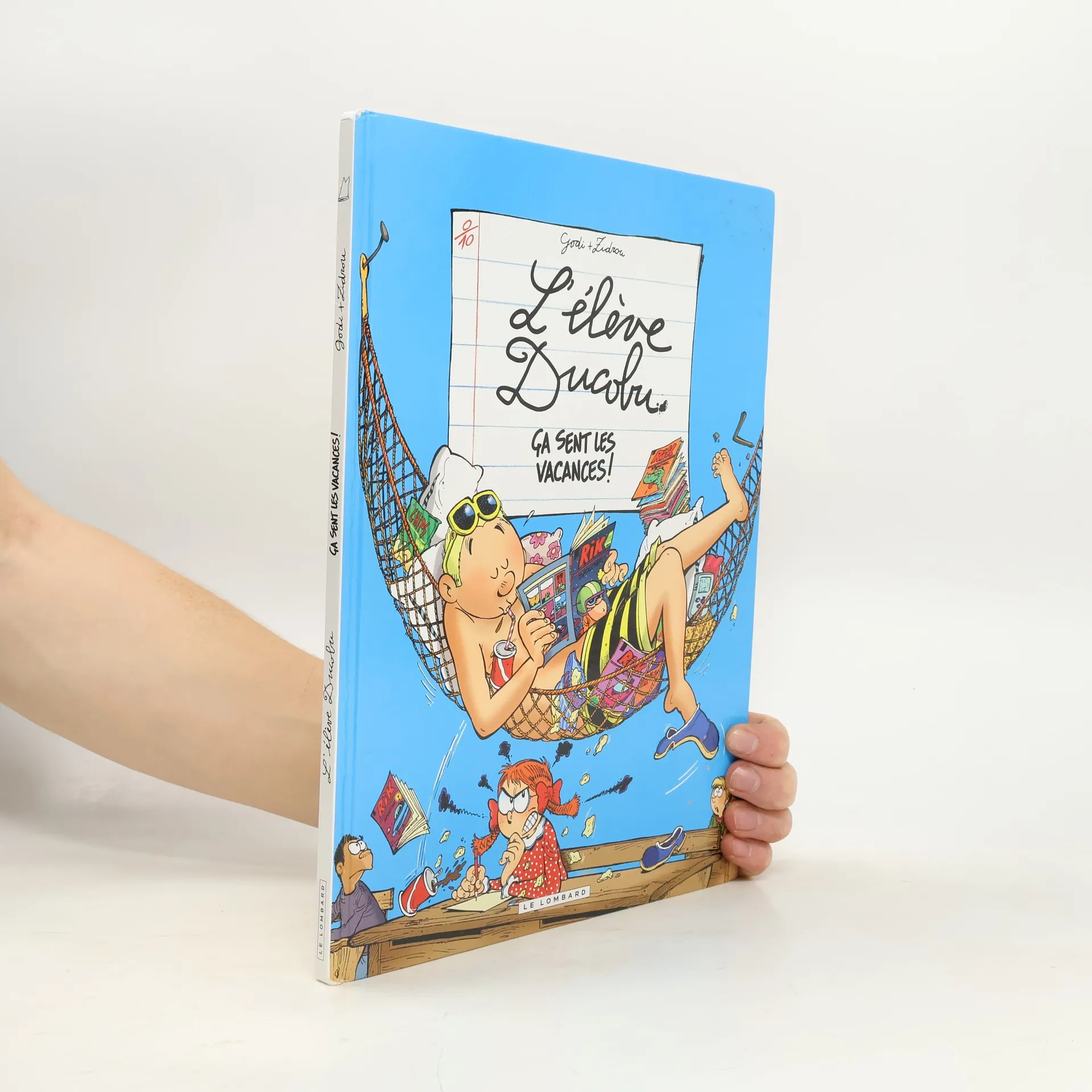

Ducobu rêve de voyager dans le temps pour retrouver Charlemagne et l'empêcher d'inventer l'école. Son imagination est toujours sans limites lorsqu'il s'agit d'inventer de nouvelles manières de tricher.