
Explore the latest books of this year!
Bookbot

Waal Edmund

    Edmund de Waal describes himself as a 'potter who writes.' His porcelain works are displayed in numerous museum collections globally, and he recently created a significant installation for the dome of London's Victoria and Albert Museum. De Waal trained as a potter, studied in Japan, and read English Literature at Cambridge University. His most personal book, 'The Hare with Amber Eyes,' offers a journey through family history via objects.

    Biały szlak
    Zając o bursztynowych oczach
    Edmund de Waal
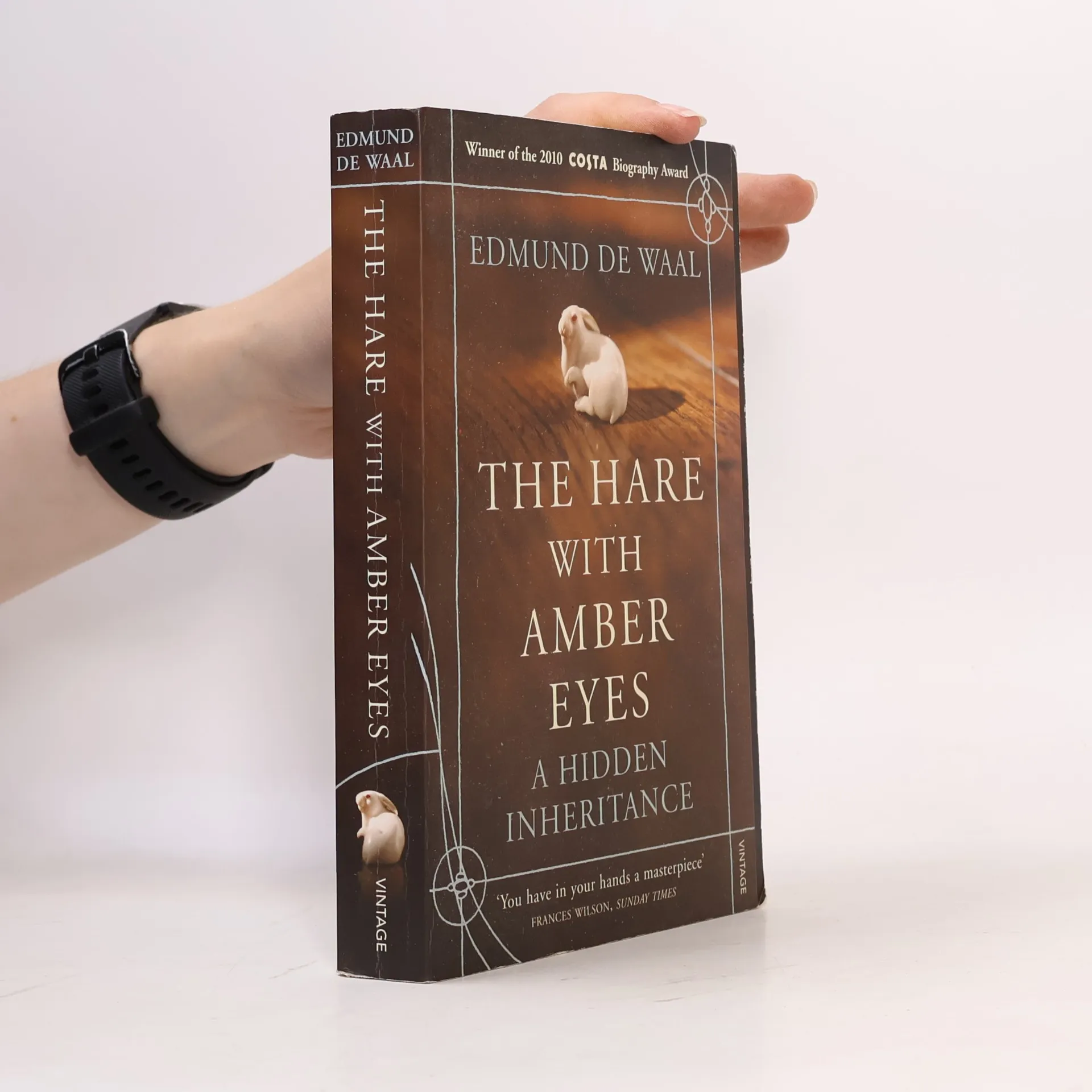
    The Hare With Amber Eyes
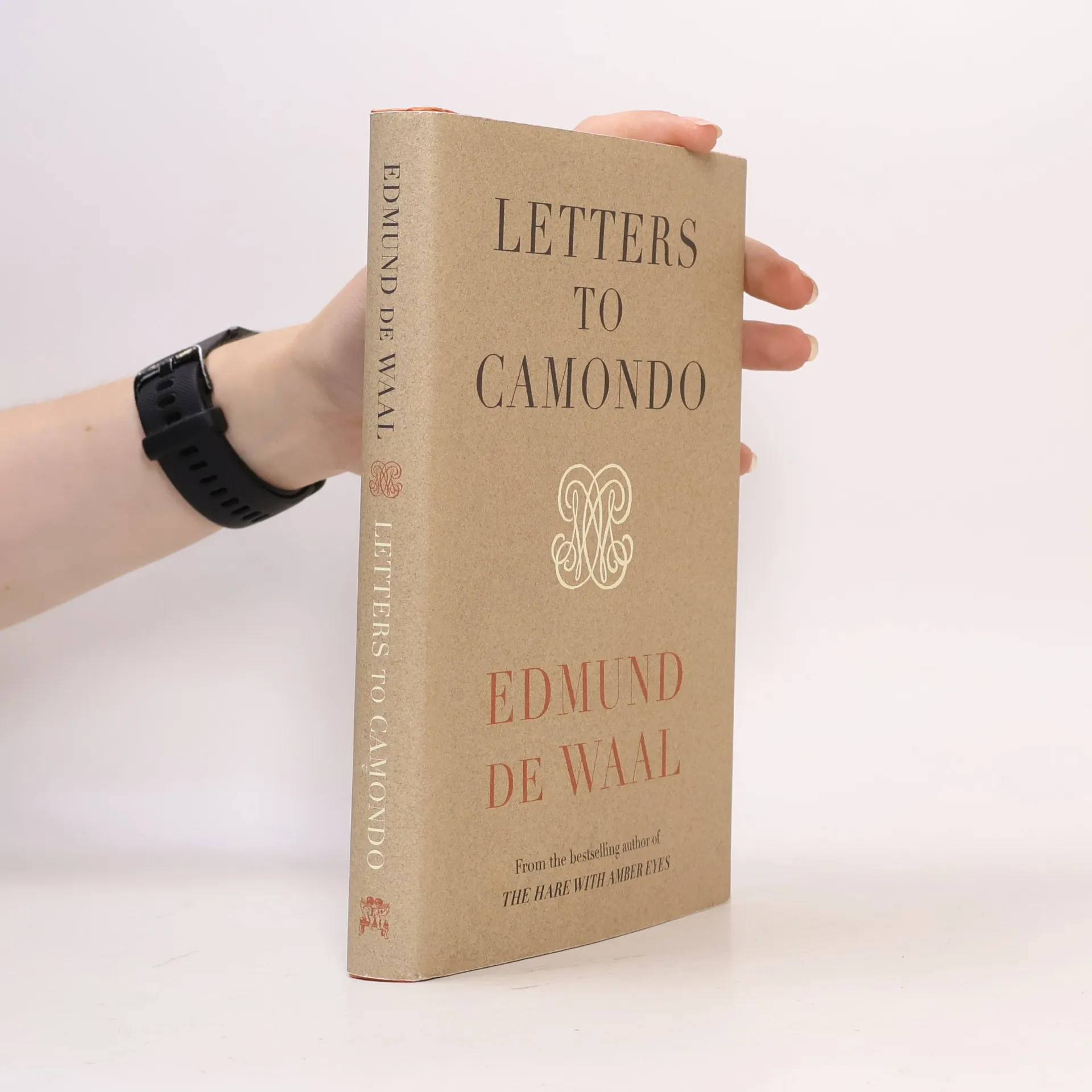
    Letters to Camondo
    • Count Moïse de Camondo lived a few doors away from Edmund de Waal's forebears, the Ephrussi, first encountered in his bestselling memoir The Hare with Amber Eyes. Like the Ephrussi, the Camondos were part of belle époque high society. They were also targets of anti-semitism. Camondo created a spectacular house and filled it with the greatest private collection of French eighteenth-century art for his son to inherit. But when Nissim was killed in the First World War, it became a memorial and, on the Count's death, was bequeathed to France. The Musée Nissim de Camondo has remained unchanged since 1936. Edmund de Waal explores the lavish rooms and detailed archives and uncovers new layers to the family story. In a haunting series of letters addressed to the Count, he tells us what happened next.

      Letters to Camondo
    • Presents photographs of the celebrated netsuke collection - 264 Japanese wood and ivory carvings, none of them bigger than a matchbox. From a burgeoning empire in Odessa to fin de siecle Paris, from occupied Vienna to post-war Tokyo, the author traces the netsuke's journey through generations of his family.

      The Hare With Amber Eyes
    • Edmund de Waal

      • 80 pages
      • 3 hours of reading

      Published to mark the display of library of exile at the British Museum, this beautifully produced new book reflects on the themes raised by de Waal's thought-provoking work of art. A preface by Booker Prize-nominated author Elif Shafak reflects on the importance of literature and its capacity to transcend language and borders. The introduction from Hartwig Fischer, Director of the British Museum, positions the artwork within the wider context of the Museum's collection, highlighting the dialogue between objects from across time and throughout history and the contemporary. Finally, de Waal concentrates on the work itself, its journey to the British Museum via Venice and Dresden, and its future role in the foundation of the New University Library in Mosul.

      Edmund de Waal
    • Zając o bursztynowych oczach to synteza powieści detektywistycznej, rodzinnych wspomnień i historii sztuki. Autor, odziedziczywszy po wujecznym dziadku zbiór 264 japońskich figurek, rozpoczyna fascynujące śledztwo, odkrywając historię swojej arystokratycznej rodziny Ephrussich. Zastanawia się, jak te delikatne przedmioty przetrwały kataklizmy XX wieku. Książka zdobyła liczne nagrody, w tym Literacką Nagrodę Costa oraz Nagrodę Galaxy, a także była nominowana do wielu prestiżowych wyróżnień. De Waal wyrusza w podróż, która prowadzi go do zaskakujących miejsc i wydarzeń, takich jak sprawa Dreyfusa, narodziny antysemityzmu, Anschluss oraz wybuch wojny. Ostatecznie trafia do zrujnowanego Tokio, gdzie staje się świadkiem odrodzenia miasta i Japonii. Książka ukazuje nie tylko losy rodziny Ephrussich, ale także szerszy kontekst historyczny. De Waal, uznany ceramik, w mistrzowski sposób łączy mikrohistorie z makrohistorią, tworząc piękny obraz dawnego świata. To nie tylko historia rodziny, lecz także głęboka refleksja nad upływem czasu, bogactwem i stratami. Wartościowe dzieło, które zachwyca zarówno literackim stylem, jak i emocjonalną głębią.

      Zając o bursztynowych oczach
    • Edmund de Waal, brytyjski ceramik i pisarz, zaprasza czytelników w intymną podróż po świecie porcelany, swojej wielkiej fascynacji. Jego poszukiwania „białego złota” zaczynają się od wizyt w „trzech białych wzgórzach”: Chinach, Niemczech i Anglii, ale szybko przeradzają się w globalną eksplorację. De Waal odwiedza warsztaty, fabryki oraz komnaty alchemików, odkrywając nie tylko losy filiżanek, ale także ludzkie pragnienia bogactwa i doskonałości. Jego dar odnajdywania piękna w przedmiotach i słowach sprawia, że książka staje się plastycznym, lirycznym zapisem poszukiwania estetyki. W swojej pierwszej książce de Waal rekonstruował rodzinną historię, a w tej prowadzi nas do źródeł porcelany, bliskiej jego sercu. Opowieść zaczyna się i kończy w Jingdezhen, chińskiej kolebce porcelany, nawiązując do kształtu garncarskiego koła. Autor, będący fachowcem i pasjonatem, pisze w sposób bezpretensjonalny i żywy, budząc wspomnienia o własnych podróżach. Książka jest polecana miłośnikom porcelany, minimalizmu w sztuce oraz entuzjastom rzemiosła. De Waal, z głębokim zmysłem moralnym, z pasją opowiada o małych dziełach porcelanowych, łącząc sztukę, rzemiosło i historię w lirycznym stylu.

      Biały szlak