

Explore the latest books of this year!
Bookbot

Šojat Ivana

    This author delves into the depths of human emotion and interpersonal connections, often infusing her work with a melancholic undertone. Her writing is distinguished by its poetic language and penetrating insights into life's complexities. She employs rich metaphorical imagery, drawing readers into the intimate worlds of her characters. Themes of solitude, the search for meaning, and transience are consistently explored with sensitivity and profound understanding.

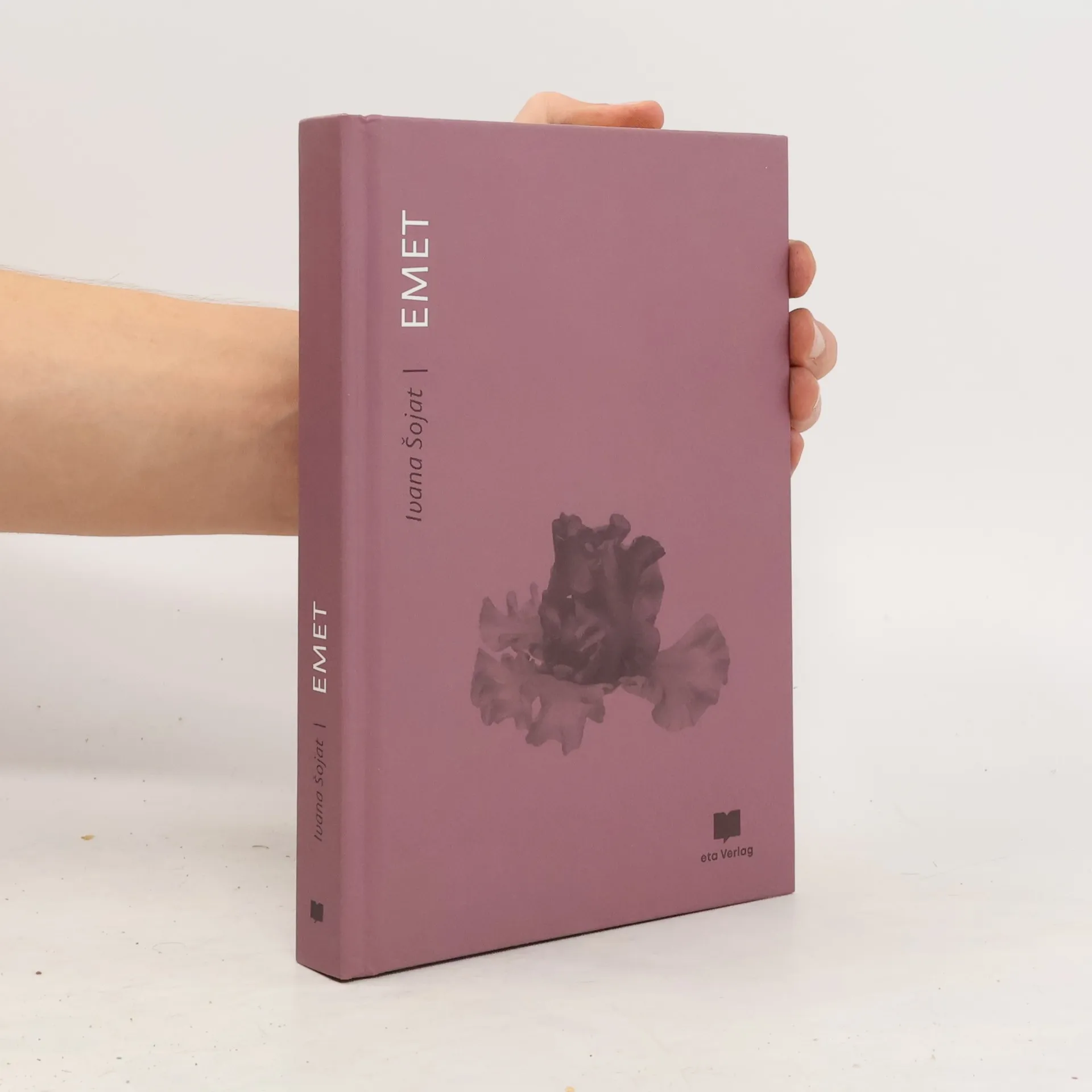
    EMET und andere Geschichten
    Unterstadt
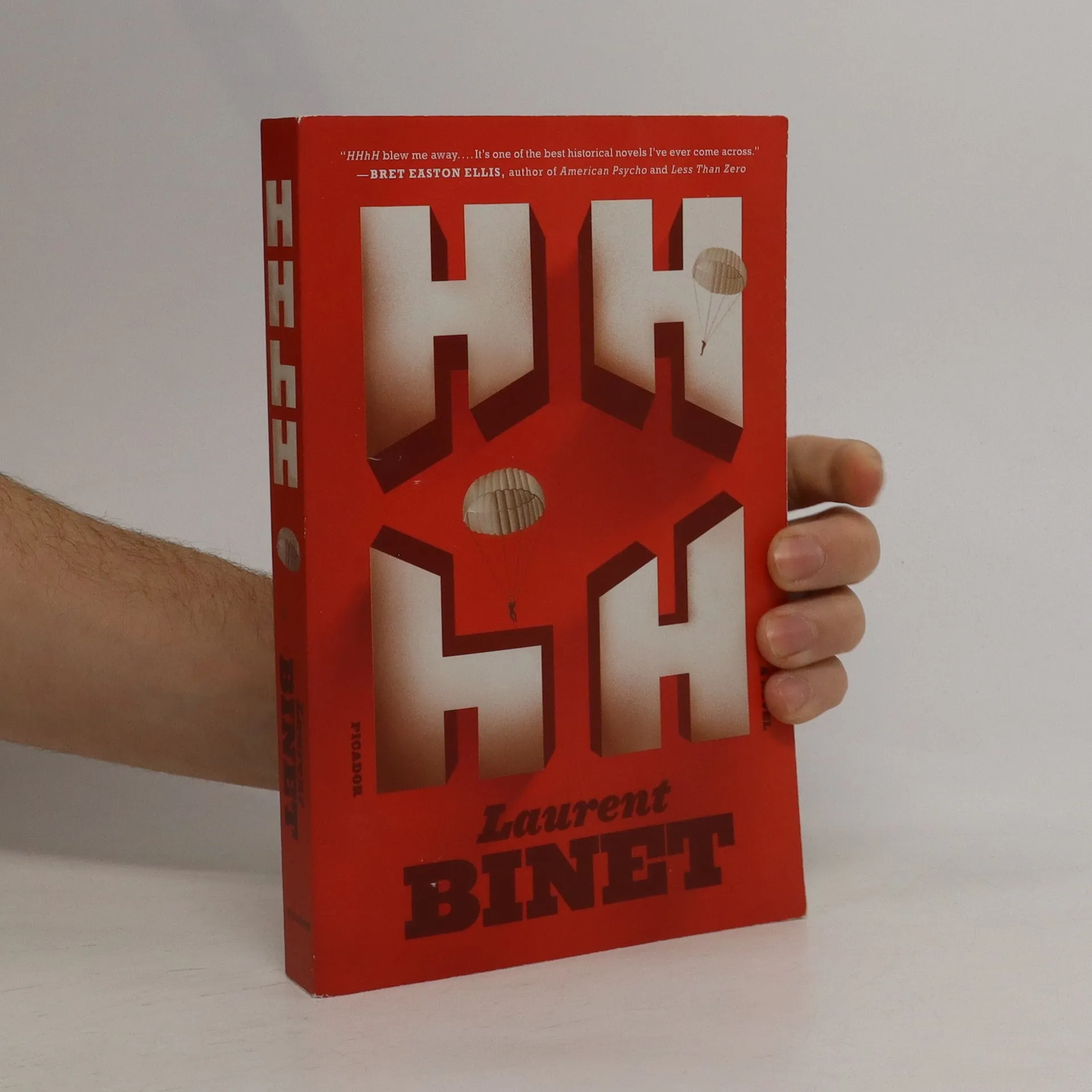
    HHhH
    • HHhH

      • 336 pages
      • 12 hours of reading

      “Captivating . . . [HHhH] has a vitality very different from that of most historical fiction.” —James Wood, The New Yorker The basis for the major motion picture, "The Man with the Iron Heart " available on streaming and home video. HHhH: "Himmlers Hirn heisst Heydrich," or "Himmler's brain is called Heydrich." The most lethal man in Hitler's cabinet, Reinhard Heydrich seemed indestructible—until two exiled operatives, a Slovak and a Czech, killed him and changed the course of history. In Laurent Binet's mesmerizing debut, we follow Jozef Gabcík and Jan Kubiš from their dramatic escape from Nazi-occupied Czechoslovakia to their fatal attack on Heydrich and their own brutal deaths in the basement of a Prague church. A seamless blend of memory, actuality, and Binet's own remarkable imagination, HHhH is at once thrilling and intellectually engrossing—a fast-paced novel of the Second World War that is also a profound meditation on the debt we owe to history. A Finalist for the National Book Critics Circle Award for Fiction A Financial Times Best Book of the Year A New York Times Book Review Editors' Choice

      HHhH
      4.1
    • Unterstadt

      • 428 pages
      • 15 hours of reading

      Powieść osadzona w wielokulturowym Osijeku opowiada o rodzinie o niemieckich korzeniach w XX wieku, ukazując historyczne zawirowania, tożsamość oraz sprawiedliwość i niesprawiedliwość. Historia jednej rodziny, miasta i kraju przedstawiona jest przez cztery pokolenia kobiet, które cierpią z powodu historii i chronią przeszłość, podczas gdy mężczyźni prowadzą daremne bitwy. Autorka ukazuje świat, w którym dziwaczne zbiegi okoliczności prowadzą do najgorszych wydarzeń. Głównym motywem jest ukrywanie się przed przeszłością, co prowadzi do traumy i nieporozumień, a cień przeszłości wpływa na teraźniejszość i przyszłość. Świat powieści, pełen emocji i zwrotów akcji, dotyka uniwersalnych tematów rodzinnych. Ivana Šojat, urodzona w 1971 roku w Osijeku, jest autorką i tłumaczką, która rozpoczęła studia dziennikarskie, ale przerwała je z powodu wojny w 1991 roku. Po wojnie pracowała jako korespondent w Belgii i od ponad dwudziestu lat zajmuje się tłumaczeniem literatury. Opublikowała zbiory poezji, opowiadania oraz powieści, a jej prace zostały przetłumaczone na wiele języków. Powieść zdobyła popularność w Chorwacji, otrzymując liczne nagrody, a także doczekała się adaptacji teatralnej w Chorwackim Teatrze Narodowym oraz w Londynie.

      Unterstadt
      3.0
    • EMET und andere Geschichten

      • 208 pages
      • 8 hours of reading

      Von der Wahrheit zum Tod durch das Wegwischen eines Durch dieses Wortspiel im Hebräischen wird angedeutet, dass wir nichts als Staub sind und nur durch die Tatsachen zum Leben erweckt werden, da sich zwischen Wahrheit und Tod nur eine dünne Linie befindet.Alle Geschichten im Buch handeln von der Wahrheitssuche, denn ohne Wahrheit gibt es kein Leben, ohne sie sind wir hohl, erbärmlich und ungerecht.Die Titelgeschichte beschreibt den Kindesmissbrauch innerhalb der Familie, ein verheimlichtes Verbrechen. Es ist eine extrem finstere Geschichte, erzählt von einem zur Malerin herangewachsen Mädchen. Durch das Malen von Engeln durchforstet sie ihre eigene Familiengeschichte und deckt dabei grausame Wahrheiten auf.Auch die anderen Geschichten dringen in die Untiefen des menschlichen Unterbewusstseins vor. Zentrale Themen des Buches sind seelische Kriegstraumata – nicht nur auf dem Balkan – und die daraus entstandenen Rachegelüste. Wo große historischen Themen und Traumata in Form literarischer Gestalten personalisiert werden, kann man sich in sie hineinfühlen und die Sinnlosigkeit von Rache, Hass und weiterem Blutvergießen erkennen.

      EMET und andere Geschichten