Exploring the intersection of art and urban life, this book delves into the nature of street art, its creators, and the legal implications surrounding it. By examining the histories and motivations behind street art, it reveals how these artistic expressions shape new forms of citizenship in modern cities. The narrative addresses the experiences of both artists and viewers in public spaces, making it a compelling read for those interested in art, culture, law, and urban studies.
Alison Young Books


Parliamentary Sovereignty and the Human Rights Act
- 198 pages
- 7 hours of reading
The book critically examines the Human Rights Act 1998, arguing that parliamentary legislative supremacy, often seen as a limitation, can actually allow for a more robust protection of human rights. It contends that the Act, when interpreted correctly, fosters democratic dialogue, enabling courts to safeguard rights while allowing the legislature to address the balance of rights within society. Additionally, it offers a fresh perspective on the importance of maintaining Dicey's view of parliamentary sovereignty within the UK Constitution.
This fearless, deeply reported book about laboratory accidents asks the haunting question some elite scientists don't want the public to entertain: Did the COVID-19 pandemic start with a lab leak in Wuhan, China?
Imagining Crime
- 240 pages
- 9 hours of reading
The book presents a unique analysis of the 'crimino-legal complex' by intertwining criminology, criminal justice, and criminal law with insights from cultural studies and feminist theory. It challenges conventional understandings and explores how these fields intersect with media representations and everyday experiences, offering a fresh perspective on societal issues related to crime and justice.
Focusing on the intersection of law and culture, the book explores how legal practices are represented and understood through film. It challenges traditional interpretations that rely solely on institutional sources of legal tradition, instead examining the cultural implications and narratives that shape legal identification and processes. This unique perspective highlights the influence of cinematic portrayals on public perceptions of law and its functions within society.
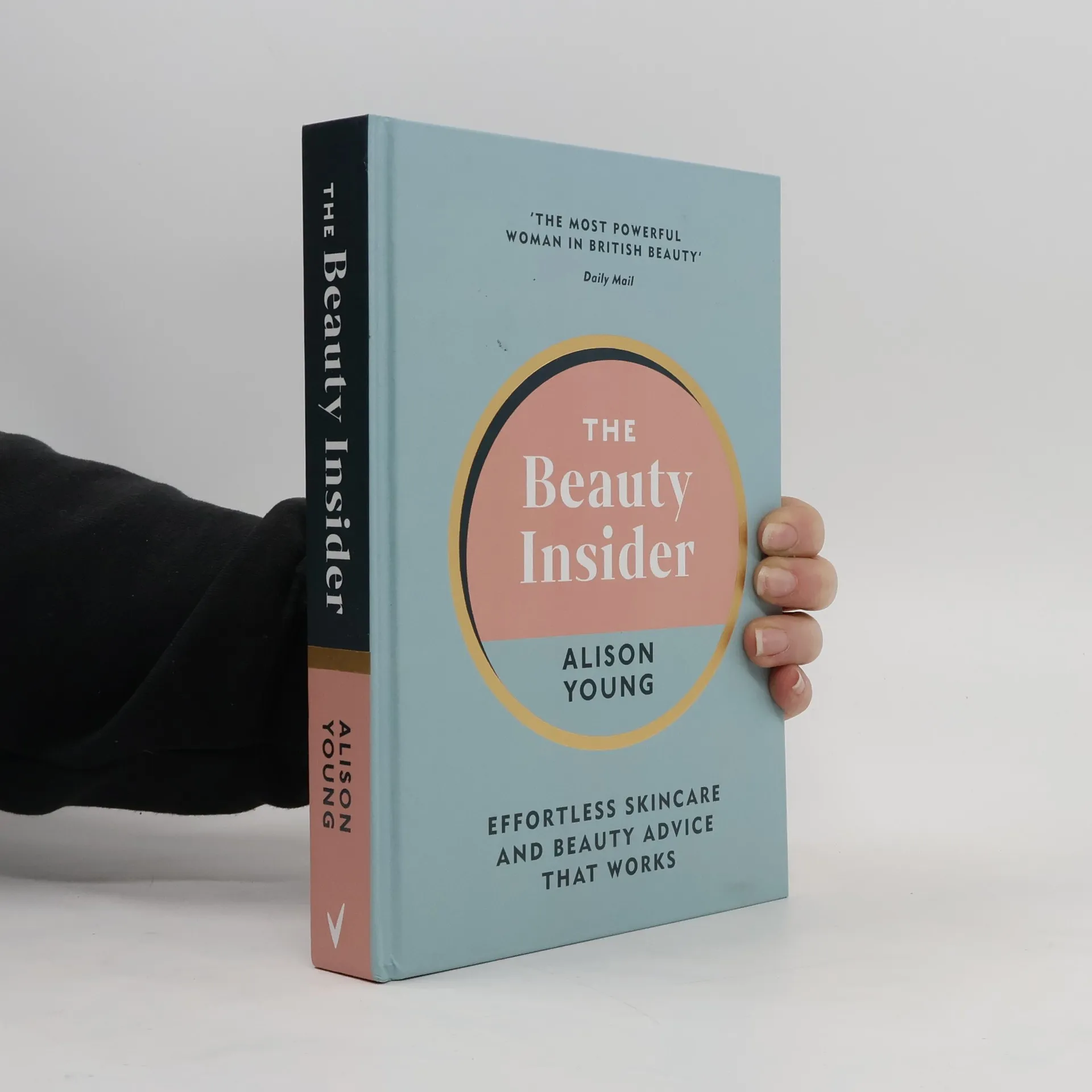
'The most powerful woman in British beauty' Daily Mail'This woman is the best advert for the advice she gives to all of us' Ruth LangsfordIf there is one thing my experience in the beauty industry has taught me, it's that a beauty regime should be as individual as you are.
This book, first published in 1990, examines the images constructed by the Press of women's political protest. Focusing on the peace camp at Greenham Common, it analyses the way in which women protestors are represented in the press as deviant and criminal.