This magisterial study tells the story of a new way of doing ethics, starting
in the seventeenth century, that was based on secular ideas of human
psychology and universal accountability. It also shows that this modern
approach remains relevant to us today and that it has a vibrant future.
Exploring ethics through a philosophical lens, Stephen Darwall challenges students to engage with fundamental questions relevant to human existence. Key themes include the essence of value and moral duty, the concepts of freedom and choice, and the pursuit of human flourishing. The text also delves into critiques of morality and emphasizes the significance of relationships in shaping a meaningful life.
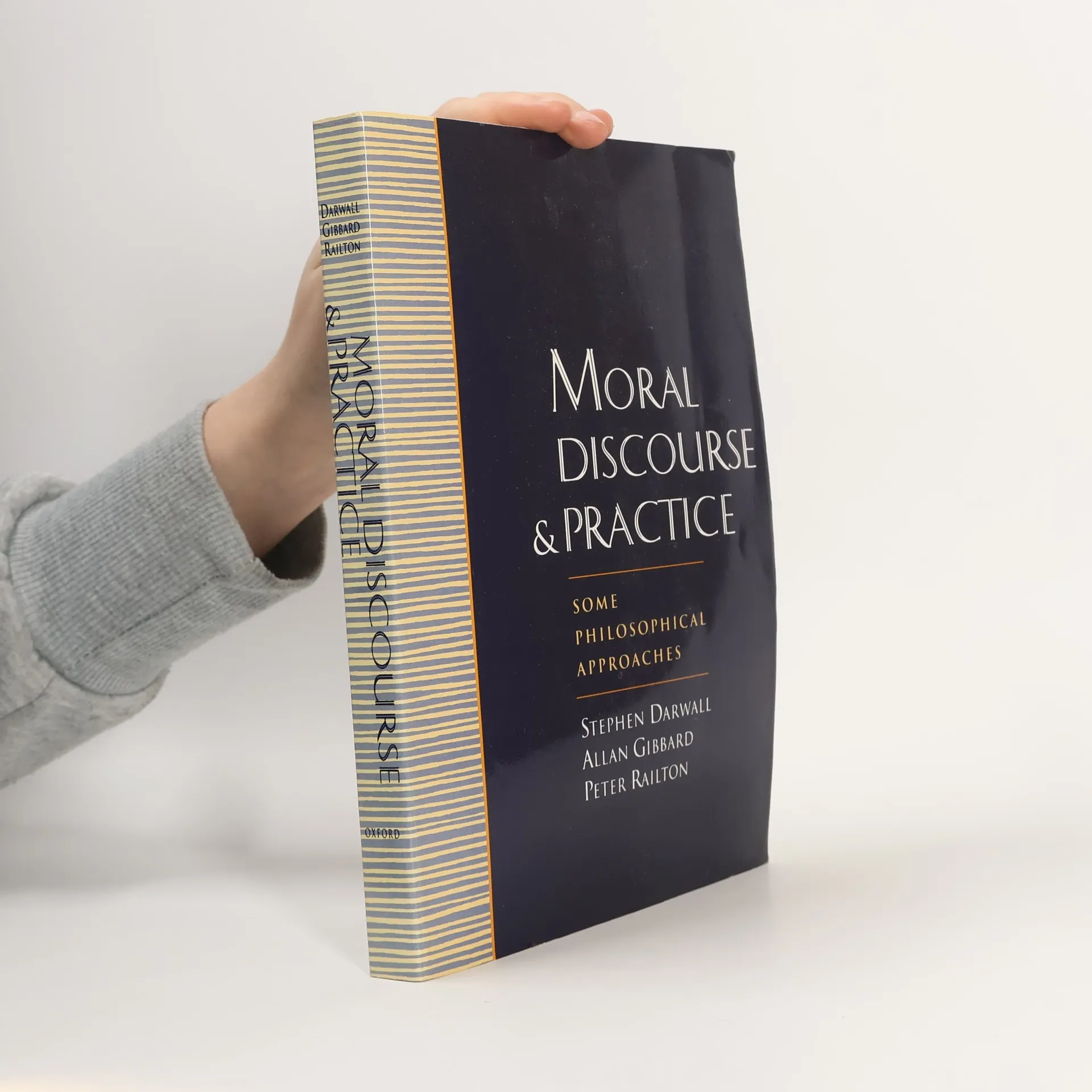
What are ethical judgments about, and how do they relate to practice? Can ethical judgment aspire to objectivity? Recent years have seen renewed interest in metaethics, placing these questions at the forefront of moral philosophy. This anthology gathers significant recent work on core metaethical issues, much of which is not easily accessible. Naturalist moral realism, previously challenged by the "naturalistic fallacy," has been revitalized, alongside moral realism that emphasizes the distinction between ethics and science. Irrealist and expressivist approaches have evolved, suggesting that a noncognitivist perspective might explain ethical judgments' quest for objectivity. Additionally, neo-Kantian constructivist theories have emerged, proposing that morality can be grounded in a reasonable conception of conduct. The essays collected here reflect these developments, presenting a diverse range of approaches to the fundamental debates in contemporary moral philosophy. An extensive introduction by Darwall, Gibbard, and Railton enhances the volume, making it the most comprehensive and current work in the field. This anthology is well-suited for courses in contemporary ethics, ethical theory, and metaethics.