

Ernest Thomas Lawson is widely recognized as the founder of the cognitive science of religion field. His work delves into the intricate connections between cognitive processes and the cultural expressions of religion. Lawson's research emphasizes the psychological foundations of ritual forms and explores how religion transforms across diverse cultures. His approach integrates anthropology, psychology, and religious studies to uncover the universal mechanisms that shape human religious beliefs and practices.
The volume delves into the cognitive science of religion through Thomas Lawson's essays, examining theoretical frameworks surrounding cultural phenomena like religion. It highlights the significance of imagination in understanding these concepts and discusses various experiments that stem from these theories, offering insights into the interplay between cognitive processes and cultural practices.
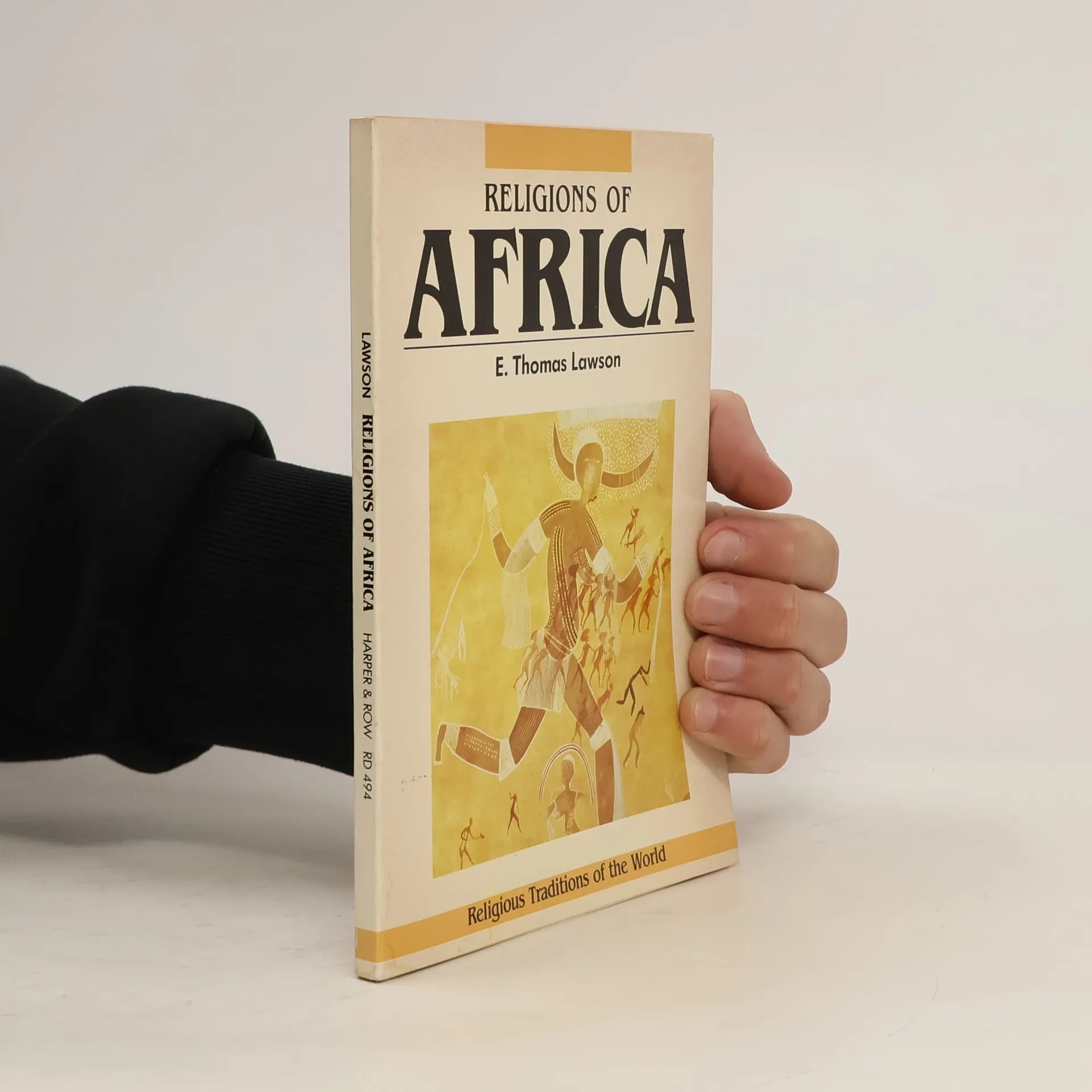
A solid basis for understanding the whole spectrum of the religions of Africa! Concise, expert, and fully accessible, this is an excellent introduction to the complex, diverse religious traditions of Africa practiced by peoples with vastly different cultures and languages. Religions of Africa outlines and clarifies the historical development of indigenous African belief systems, discusses the impact of colonization, Christianity, Islam, and liberation movements on the continent's religious evolution, and examines the interaction between time-honored customs and new worlds of thought to "illustrate the process of traditions in transformation and transformations in tradition." Lawson presents the history, myths, rituals, institutions, and sociocultural patterns of two representative groups: the Yoruba of Nigeria and the Zulu of South Africa. Through understanding the religious worlds in which these groups live, the reader gains a solid basis for understanding the whole spectrum of the religions of Africa.
Kniha přináší zasvěcený a podrobný pohled na dvě z mnoha afrických náboženství. Oba systémy - zulský a jorubský - existovaly v takzvané anglofonní Africe, tj. na území bývalých britských kolonií. Jsou dobrým příkladem systémů, z nichž jeden je výrazně polyteistický a druhý animistický. Africká náboženství jsou silně spjata s uměleckou produkcí svých nositelů, a tak valná většina toho, co Evropané označují jako „tradiční", „kmenové" či „etnické" umění, jsou nejrůznější kultovní předměty. Význam mnohých z nich neznáme a asi už také nepoznáme, protože příslušný náboženský systém zanikl anebo se pozměnil, aniž někdo zaznamenal jaho historickou podobu.