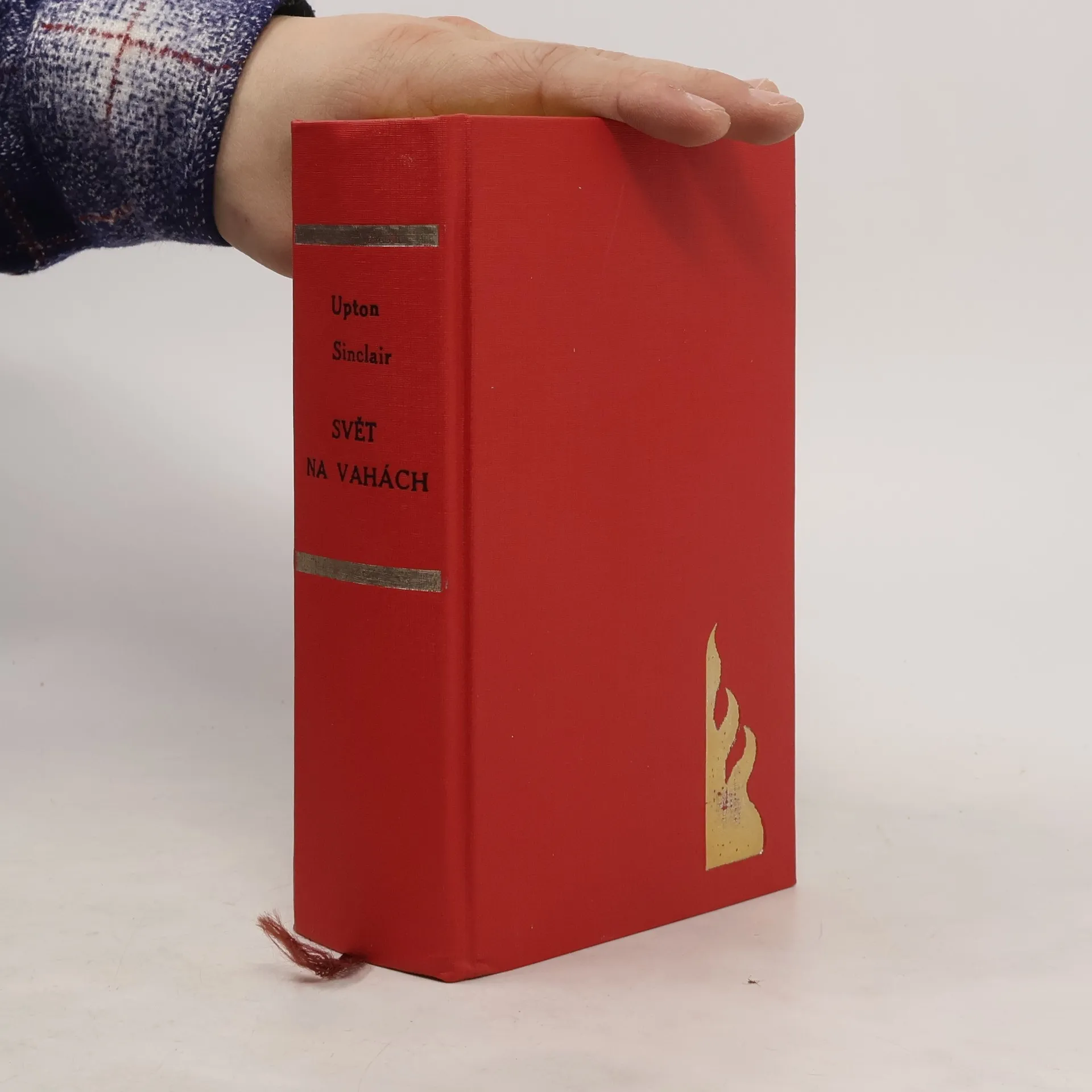
The Upton Sinclair Collection
Including The Jungle, Oil! & The Moneychangers
- 952 pages
- 34 hours of reading


This American author is renowned as a master of muckraking journalism, who fearlessly exposed the pressing social ills of his era. His works, often driven by a profound commitment to social justice, keenly dissect the machinations of power and corruption. Sinclair wielded his literary talents to provoke public discourse and incite reform through compelling narratives. His style is marked by a raw realism and urgency, establishing him as a significant voice for societal change.


Including The Jungle, Oil! & The Moneychangers
Upton Sinclair presents a compelling exploration of health and wellness through the lens of fasting, drawing from two influential articles originally published in Cosmopolitan Magazine. The book includes a rich collection of newspaper comments, personal letters, and responses from Physical Culture Magazine, showcasing the public's fascination with his ideas. Sinclair's insights not only highlight the benefits of fasting but also reflect the broader cultural conversations of his time, making this volume a significant contribution to discussions on health.
The narrative reflects on a transformative illness experienced during college, marking a significant moment after a long period of health. The protagonist recalls a pivotal encounter with a physician, where a potentially life-altering proposition was made. This moment serves as a catalyst for introspection about choices and the impact of health on one's future. The story intertwines themes of illness, missed opportunities, and the complexities of communication in pivotal life moments.
Set against the backdrop of 1920s Southern California, particularly Hollywood, the novel employs Jesus, referred to as Carpenter, as a central literary figure to explore and critique the emerging culture of the era. Upton Sinclair weaves a narrative that reflects the social and moral dynamics of the time, using Carpenter's character to challenge contemporary values and highlight the spiritual and ethical dilemmas faced by society.
The autobiography offers a significant insight into the life of Upton Sinclair, a key figure in American literature and social reform. After being out of print for decades, this newly republished edition ensures that Sinclair's experiences and perspectives are preserved for contemporary and future readers. The text has been carefully reformatted and retyped for clarity, providing an accessible reading experience without relying on scanned copies. This effort highlights the enduring relevance of Sinclair's contributions to history and literature.
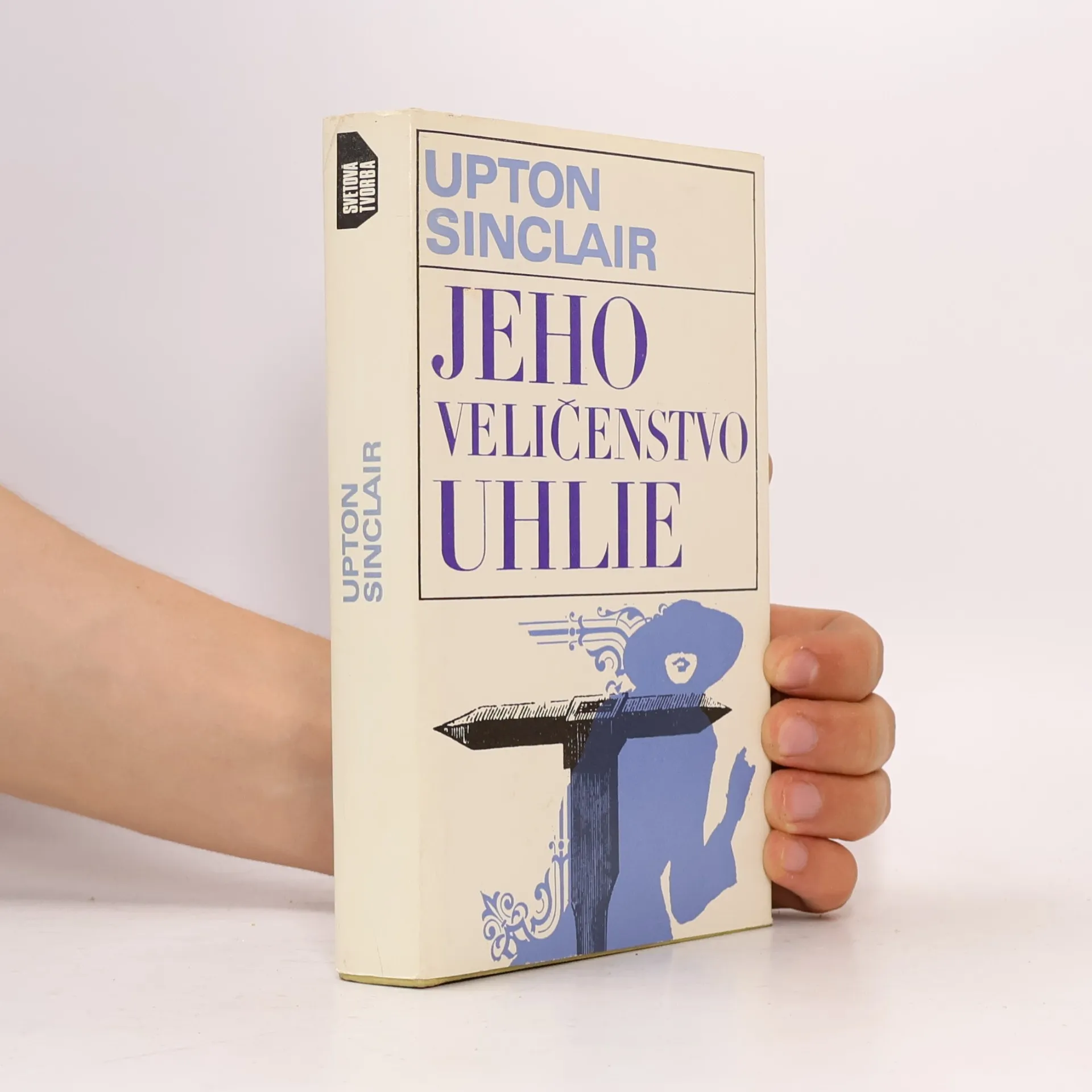
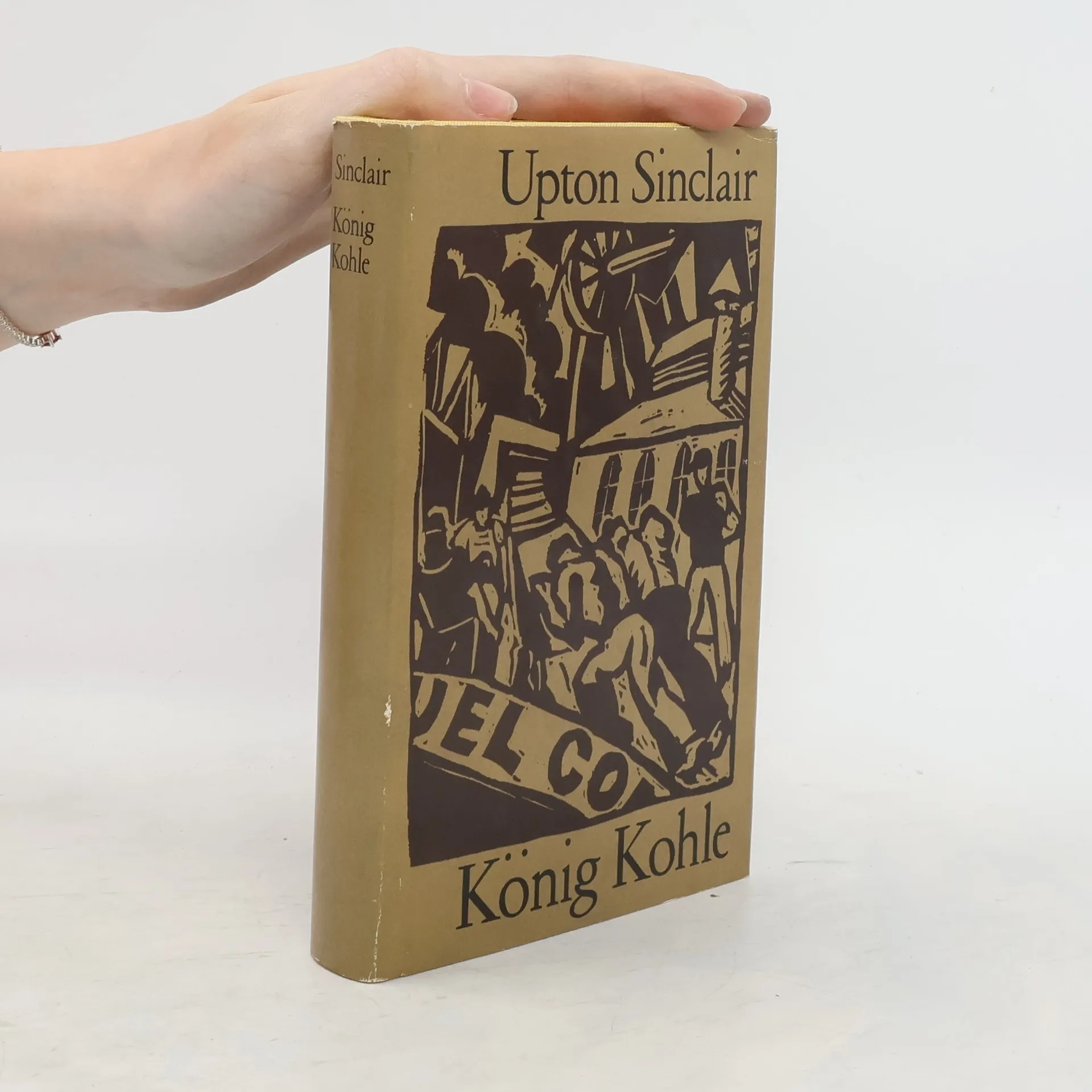
Set in early 20th-century America, this novel explores the harsh realities of coal mining, highlighting the exploitation and corruption faced by laborers. Through vivid storytelling, it reveals the stark economic inequality and social injustice driven by capitalism. The narrative follows workers confronting brutal conditions and ruthless capitalist tactics, while also advocating for socialism and political activism. It serves as a powerful testament to the fight for workers' rights and social reform, making it a poignant reminder of the ongoing struggle for justice in industrialized society.
* Beautifully illustrated with atmospheric paintings by renowned artists, The Moneychangers is a gripping critical account of the Wall Street panic of 1907, a financial disaster that he felt was deliberately caused by corrupt capitalists. * Just as accessible and enjoyable for today's readers as it would have been when first published over a century ago, the novel is one of the great works of American literature and continues to be widely read throughout the world. * This meticulous digital edition from Heritage Illustrated Publishing is a faithful reproduction of the original text.
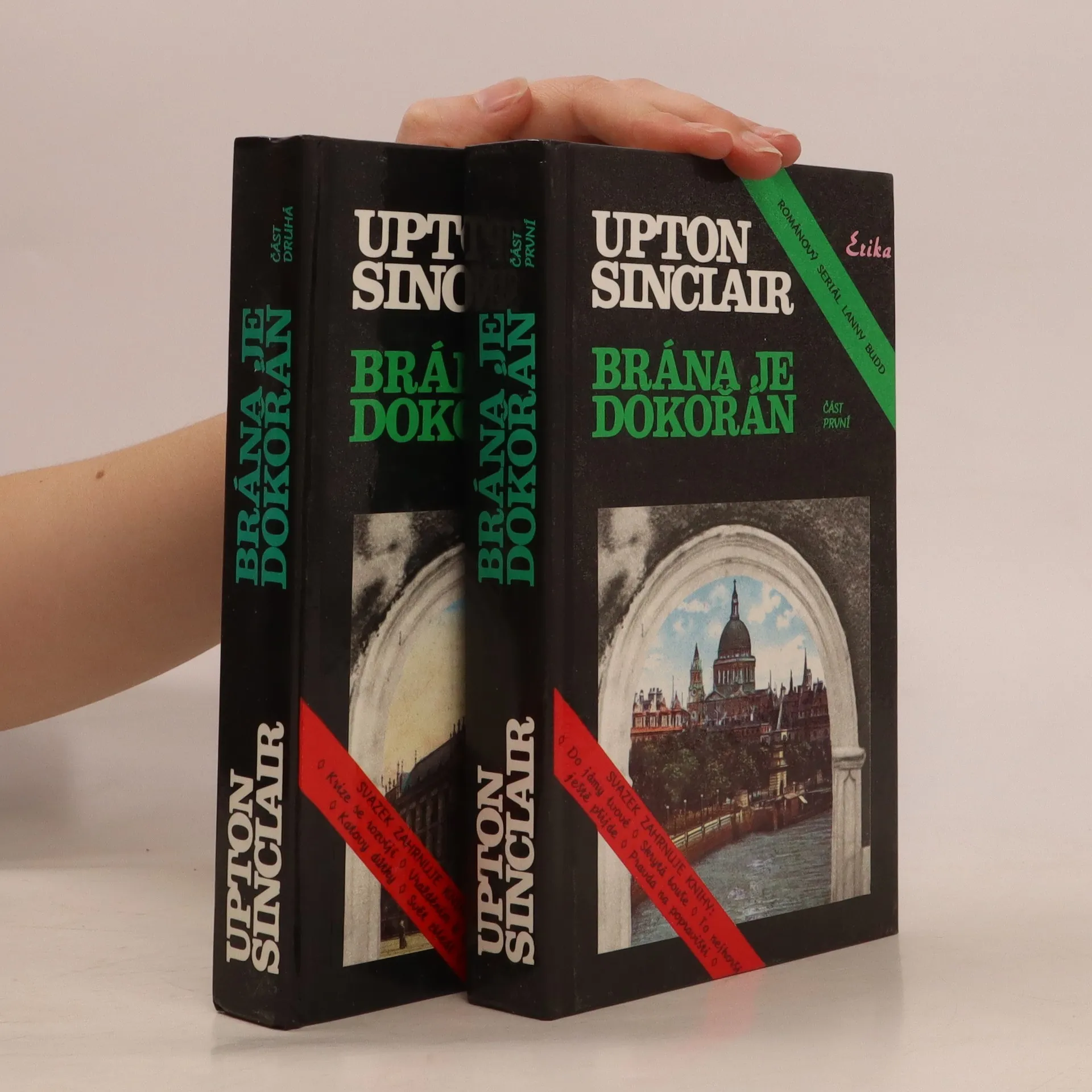
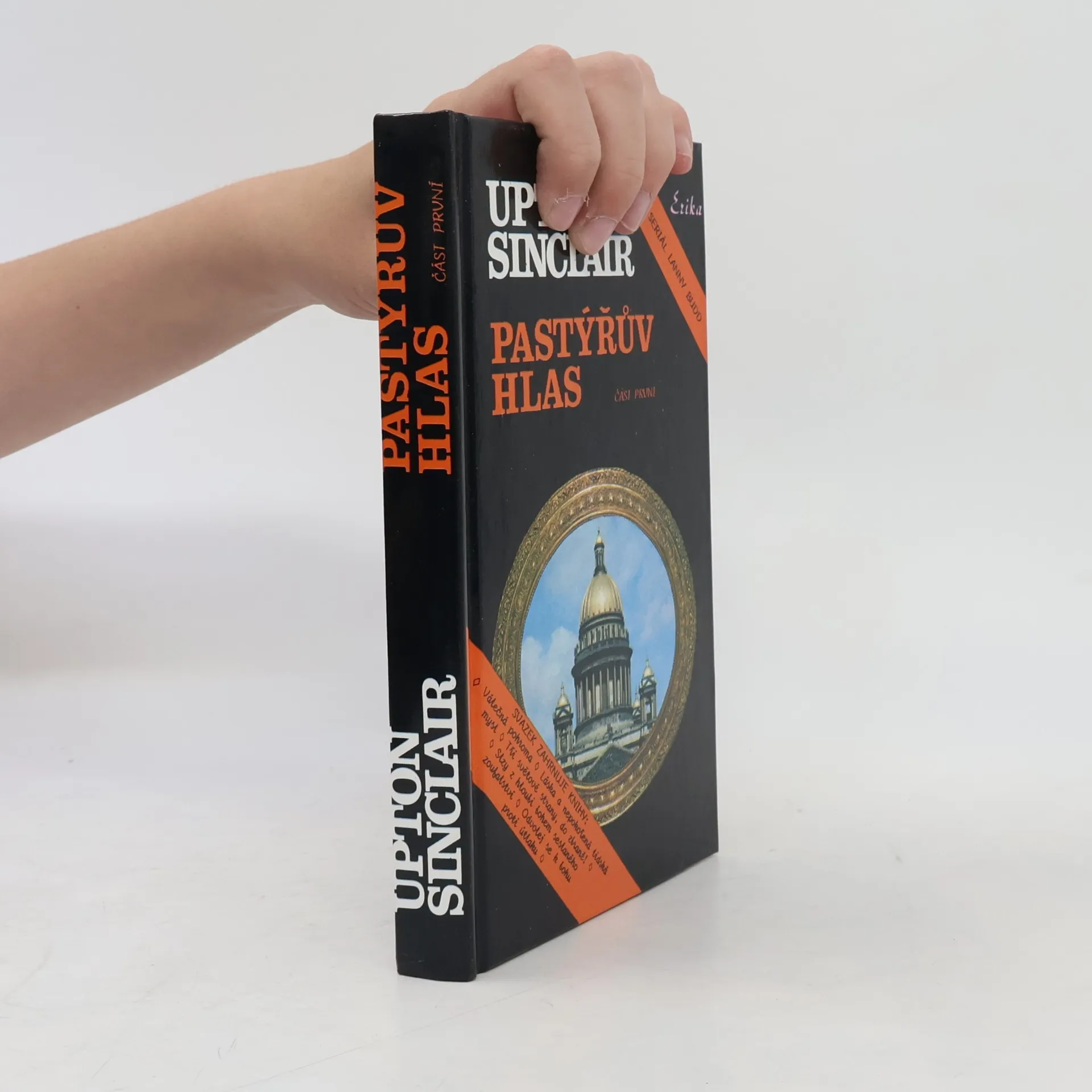
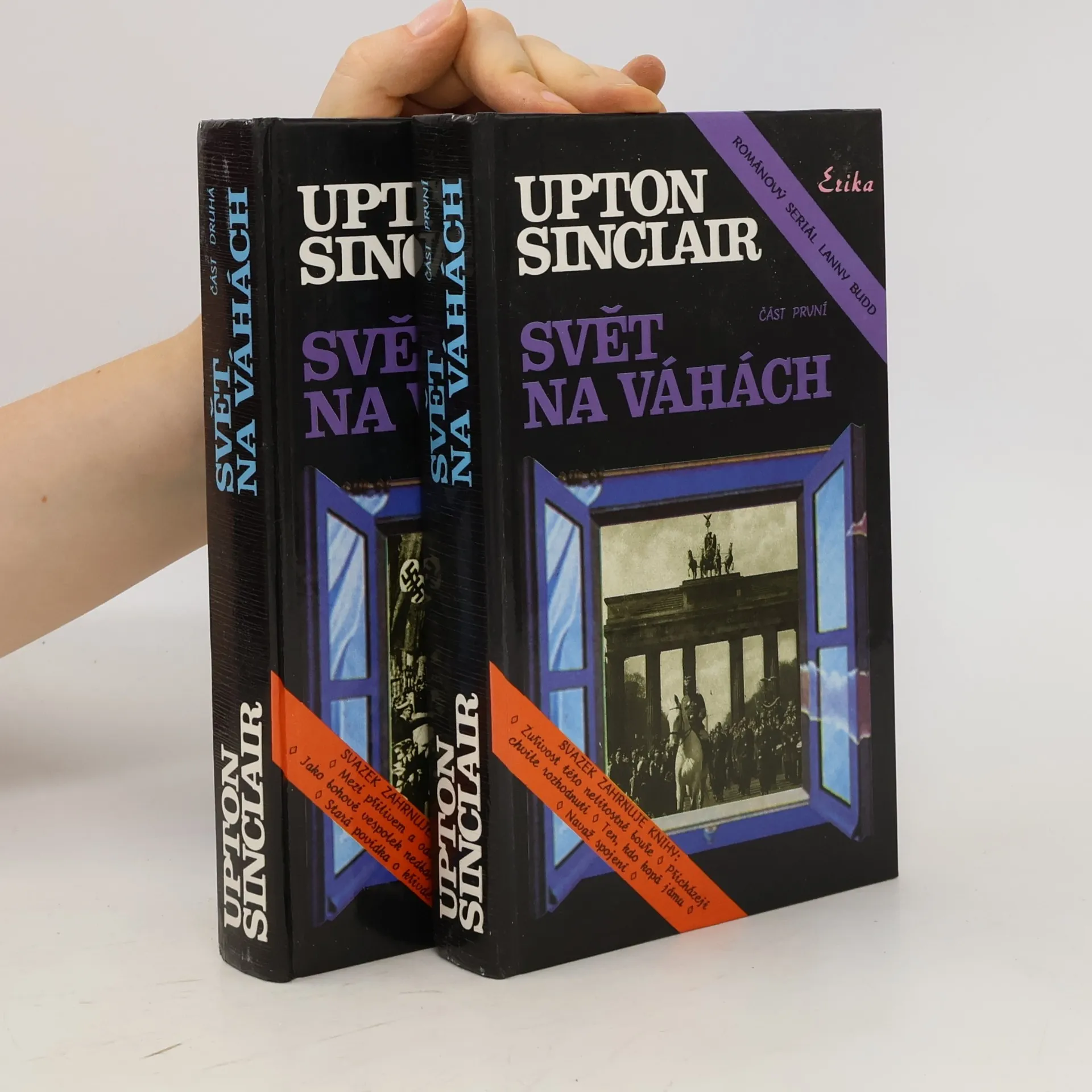
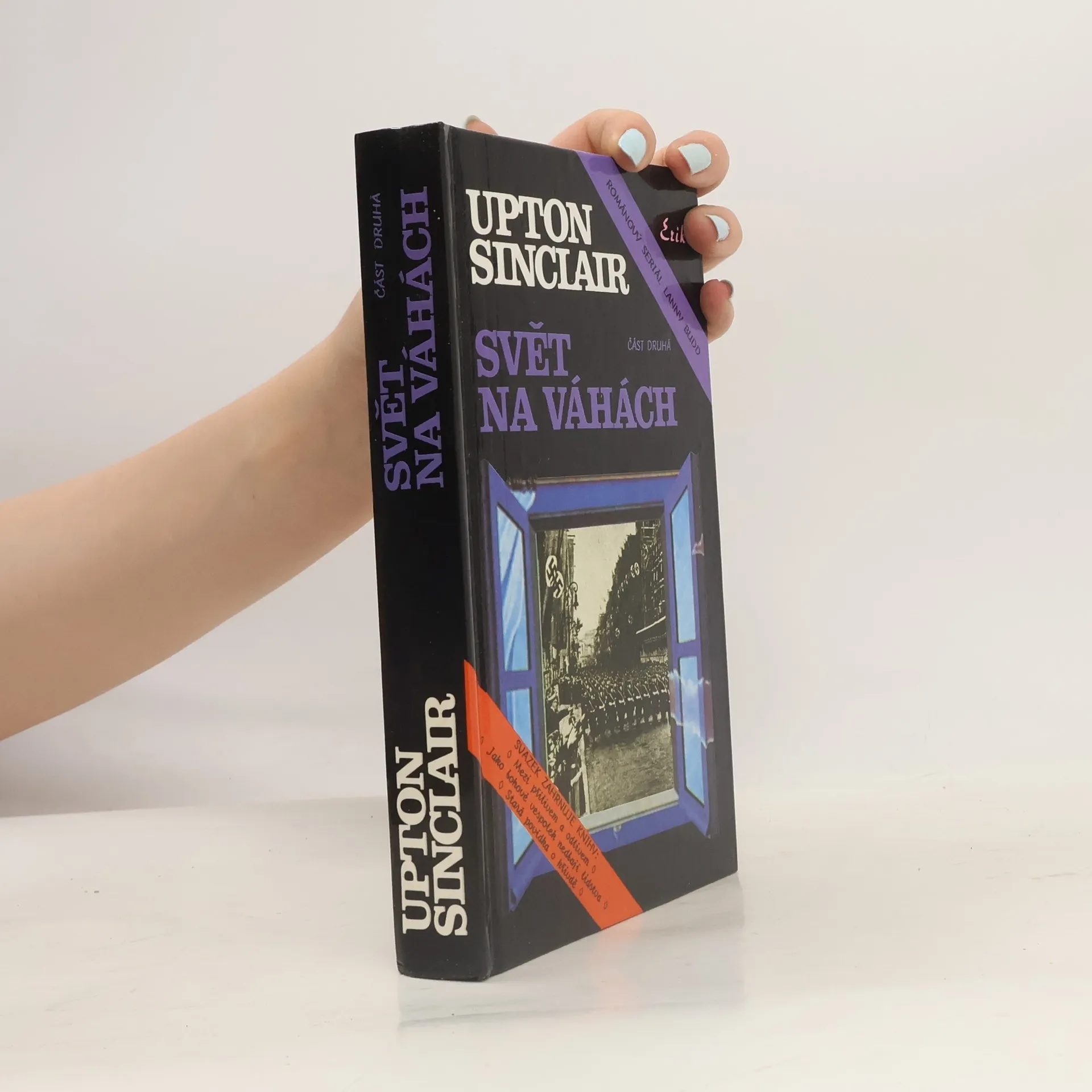
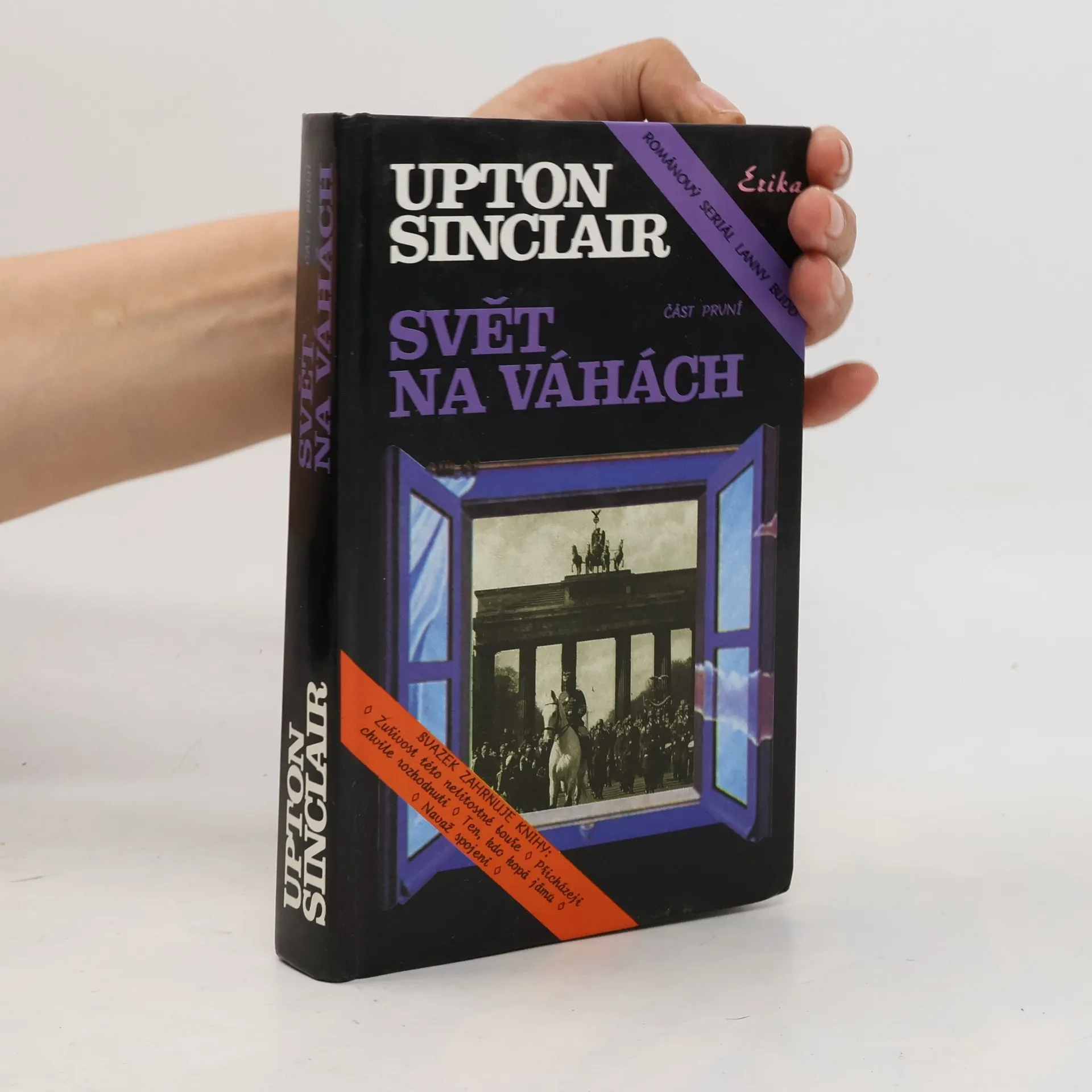
Set between 1934 and 1937, this installment of the Lanny Budd Series features the protagonist as a secret double agent opposing the Nazis. As a supporter of the resistance movement in Germany, Lanny navigates the complexities of espionage and political intrigue during a tumultuous era. The narrative explores themes of bravery and moral conviction against the backdrop of rising fascism, following the critically acclaimed Dragon's Teeth.
Istorija amerikanskogo neftepromyshlennika nachala proshlogo veka - sil`nogo cheloveka, ne ostanavlivajuzchegosja ni pered chem radi dostizhenija mechty... Istorija "neftjanyh vojjn" na JUgo-Zapade SSHA, prevzoshedshih svoejj zhestokost`ju dazhe legendarnye "rancherskie vojjny" Dikogo Zapada... Istorii nefti, deneg i krovi, ljubvi i nenavisti, povedannaja klassikom amerikanskojj literatury EHptonom Sinklerom, legla v osnovu scenarija potrjasajuzchego fil`ma Pola Tomasa Andersona. Kartina byla vydvinuta v vos`mi pominanijah na premiju "Oskar" i udostoilas` dvuh zolotyh statuehtok...
Exploring the multifaceted topic of fasting, this book delves into its health benefits, psychological impacts, and dietary considerations before and after the practice. Key sections address the relationship between fasting and medical perspectives, as well as personal experiences shared in letters from fasters. The appendix includes discussions on specific diets, like the Fruit and Nut Diet, and notable cases, providing a comprehensive view of fasting's significance. This republished edition preserves the original text and artwork, making it accessible to modern readers.
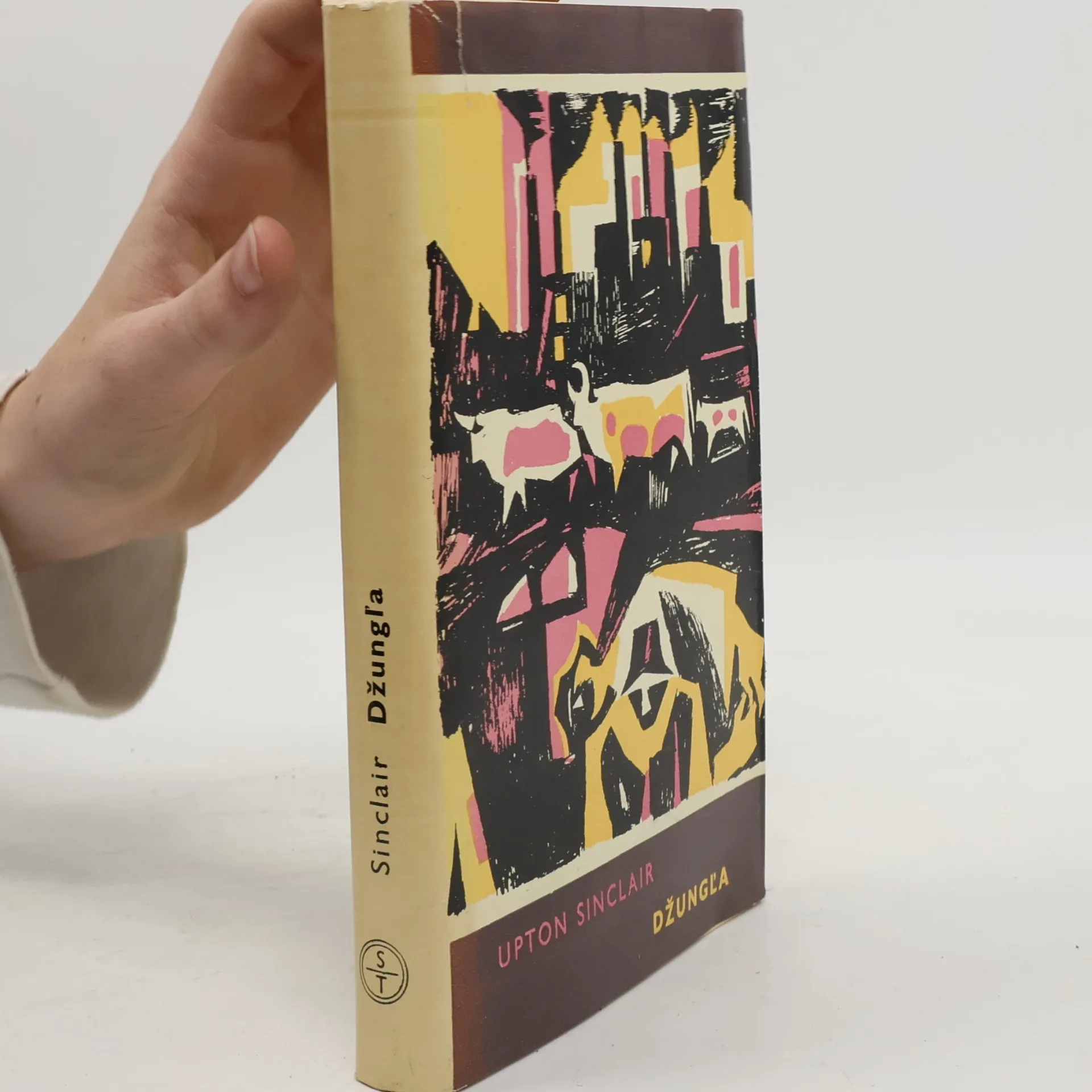
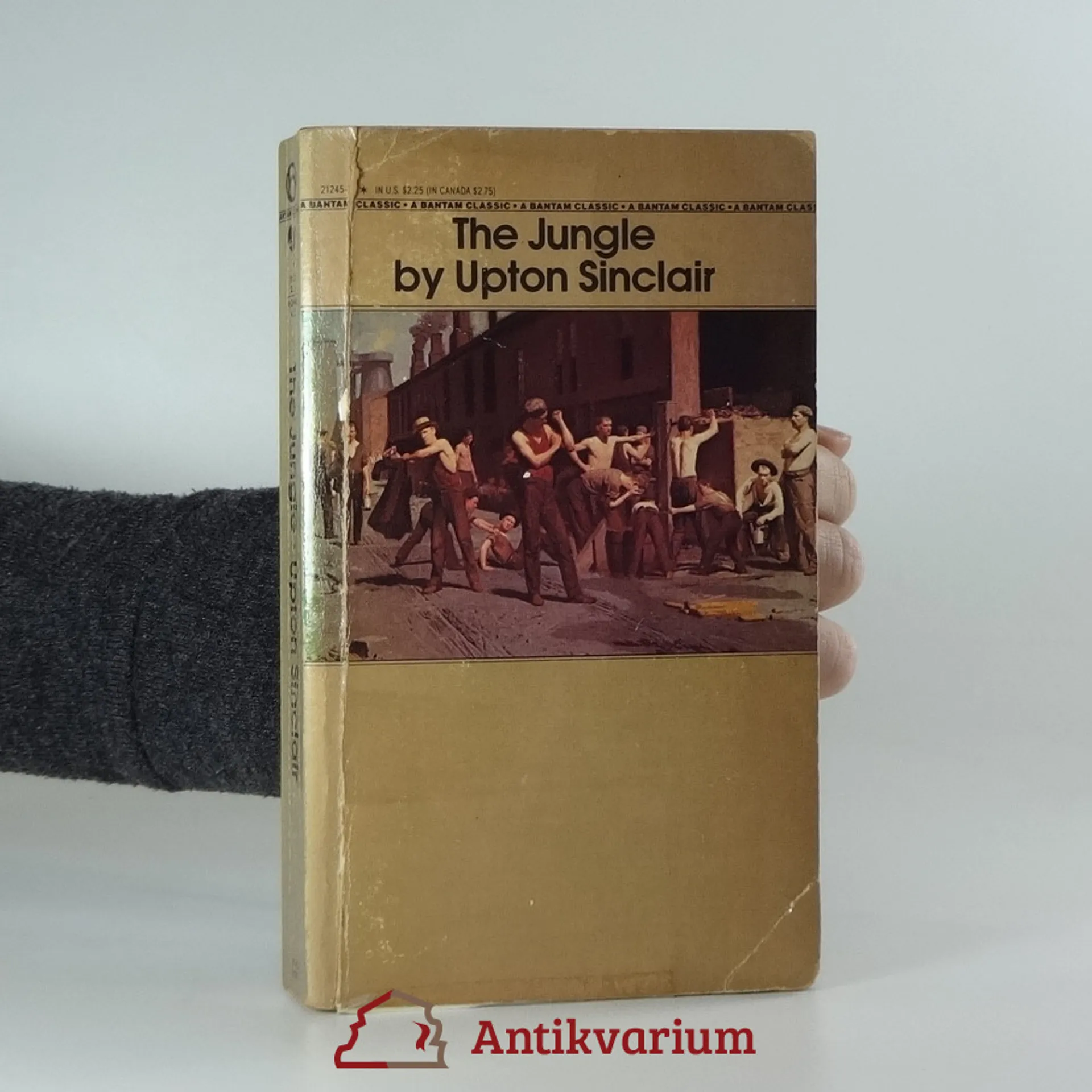
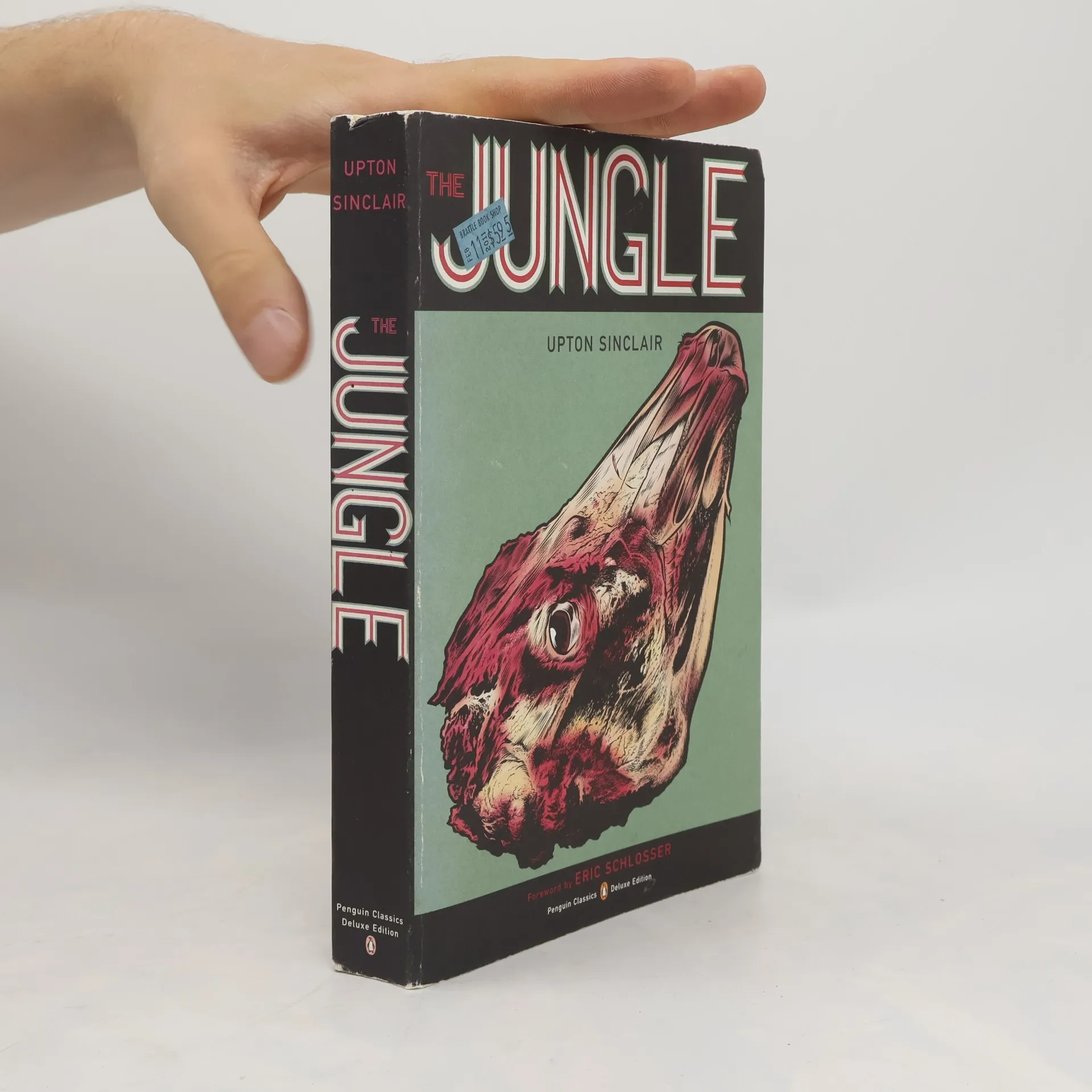
The horrifying conditions of the Chicago stockyards are revealed through this narrative of a young immigrant's struggles in America.
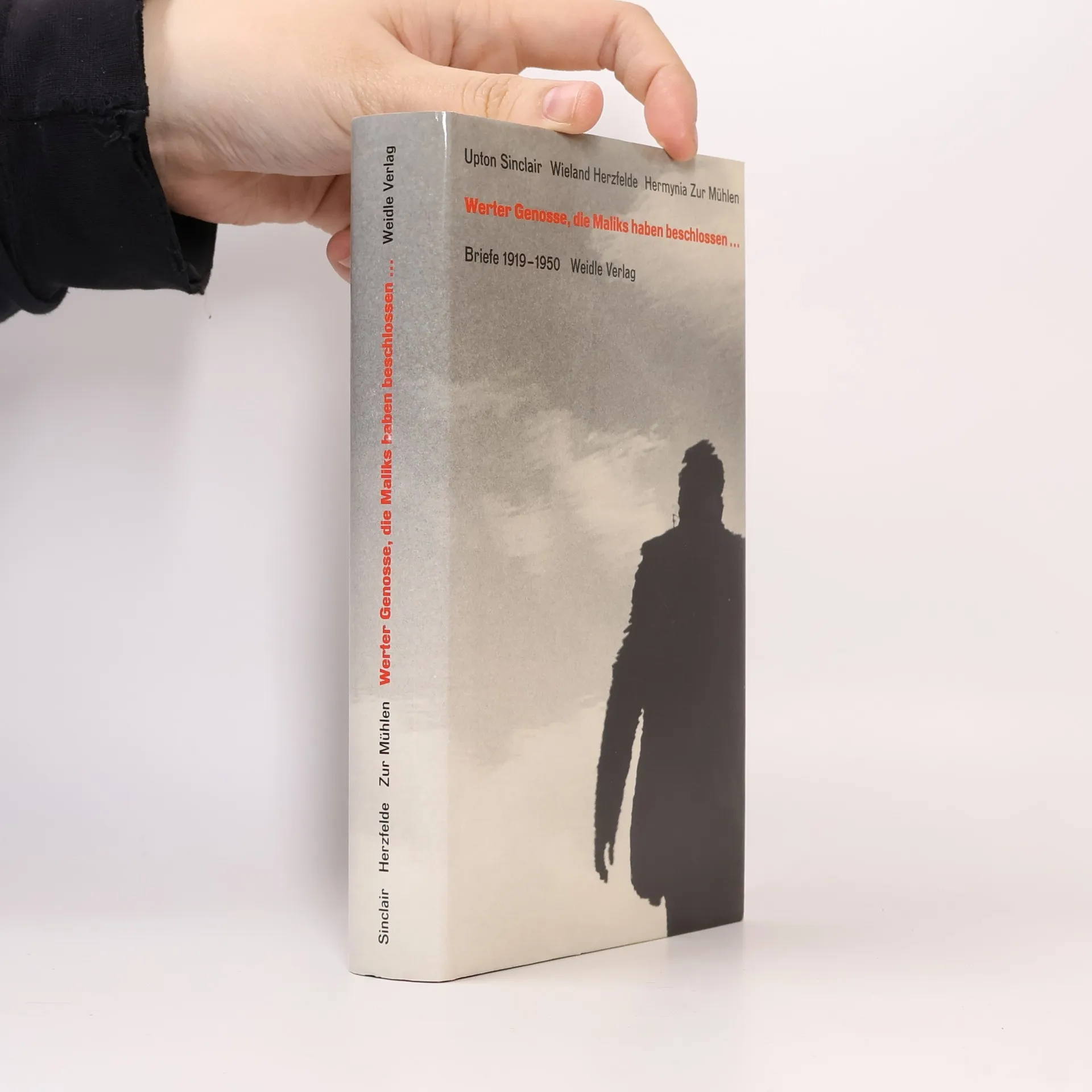
Der Briefwechsel zwischen Upton Sinclair, seiner Übersetzerin Hermynia Zur Mühlen und dem Malik-Verleger Wieland Herzfelde gewährt faszinierende Einblicke in das Verlagsleben der Weimarer Republik und des Exils. Es geht nicht nur um Literatur, sondern zunehmend um politisches Engagement und die ideologische Bedeutung von Sinclairs Werken. Seine Romane, die Missstände wie die Schmutzigkeiten der Schlachthäuser und die Voreingenommenheit der Justiz anprangern, werden zum Dynamit auf dem Buchmarkt und machen Sinclair zum Zugpferd des Malik-Verlages. Die kommunistische Zur Mühlen und der moderatere Herzfelde feilschen um jedes politisch relevante Wort des Schriftstellers. Sinclair sieht sich gezwungen, Stellung zu aktuellen politischen Themen zu beziehen, was 1927 zum Bruch mit Zur Mühlen führt. Ab 1933 rücken die Rettung von Büchern vor Beschlagnahme und die Gründung einer Exilfirma in Prag in den Vordergrund. Die Briefe berichten von den existenziellen Schwierigkeiten des Exilantendaseins und der Gründung des Aurora-Verlags, einer Genossenschaft, die von bedeutenden Schriftstellern ins Leben gerufen wird und von Herzfelde geleitet wird. Sinclair, Zur Mühlen und Herzfelde werden durch ihre politischen Überzeugungen und das Verlagswesen miteinander verbunden, während sie sich den Herausforderungen des Exils stellen.
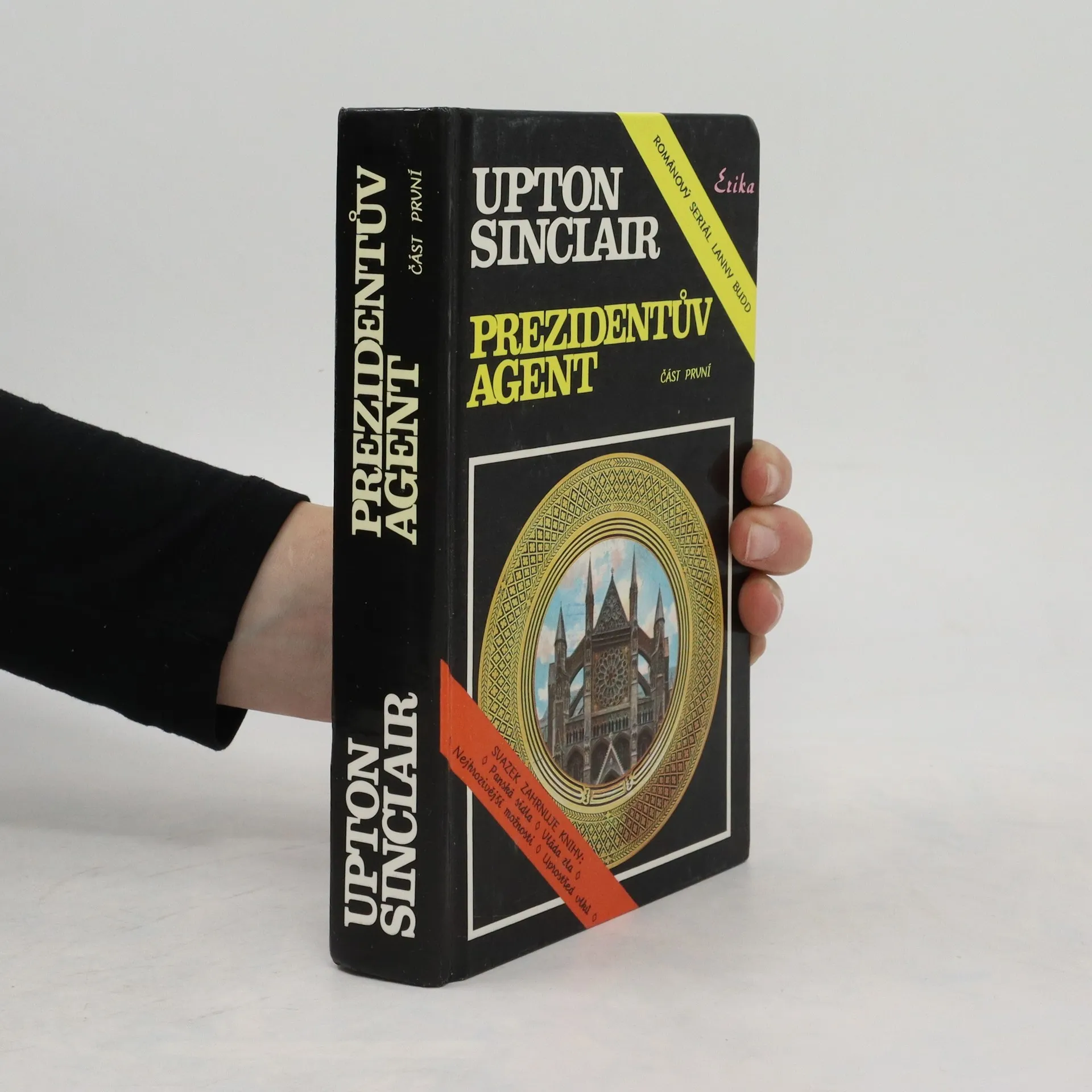
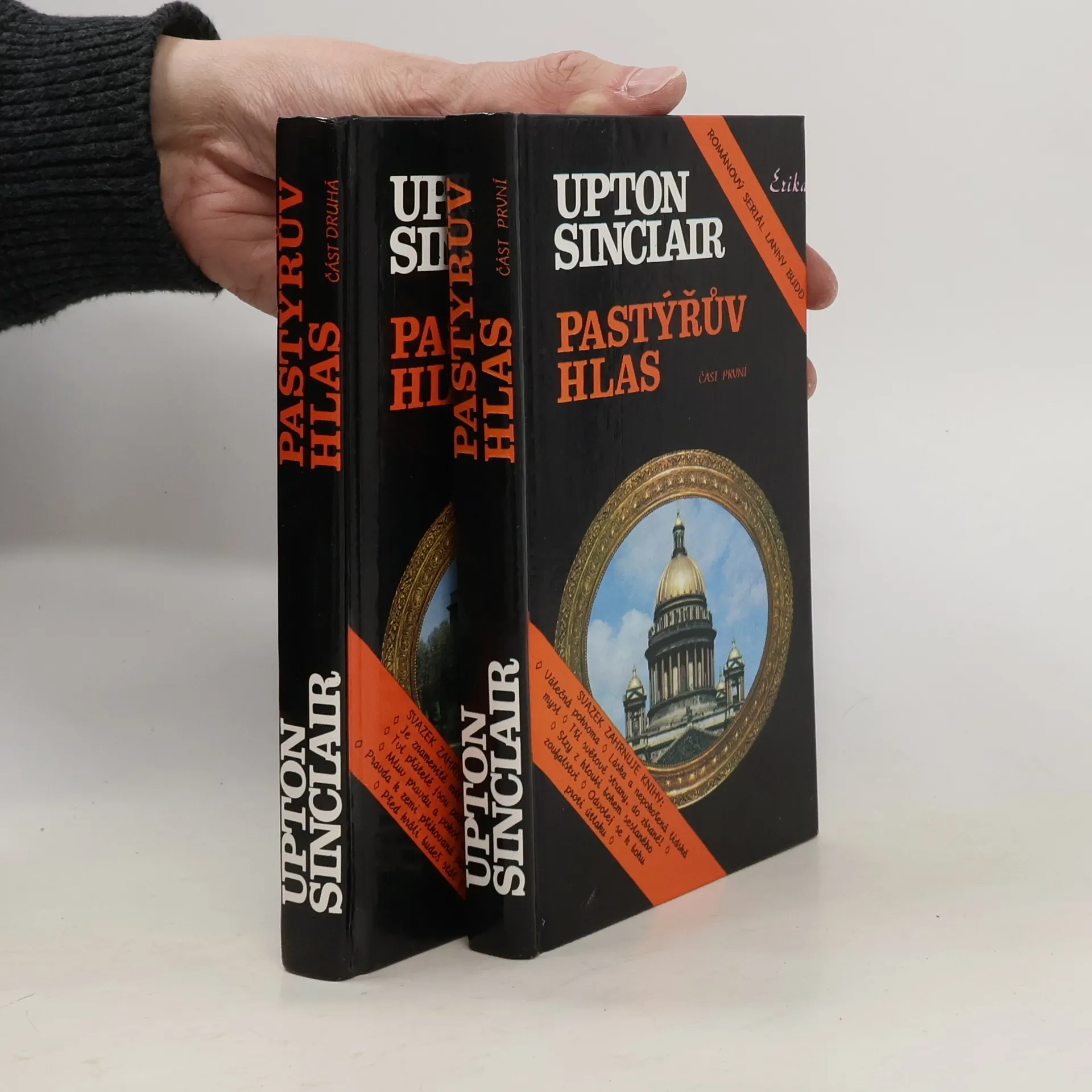
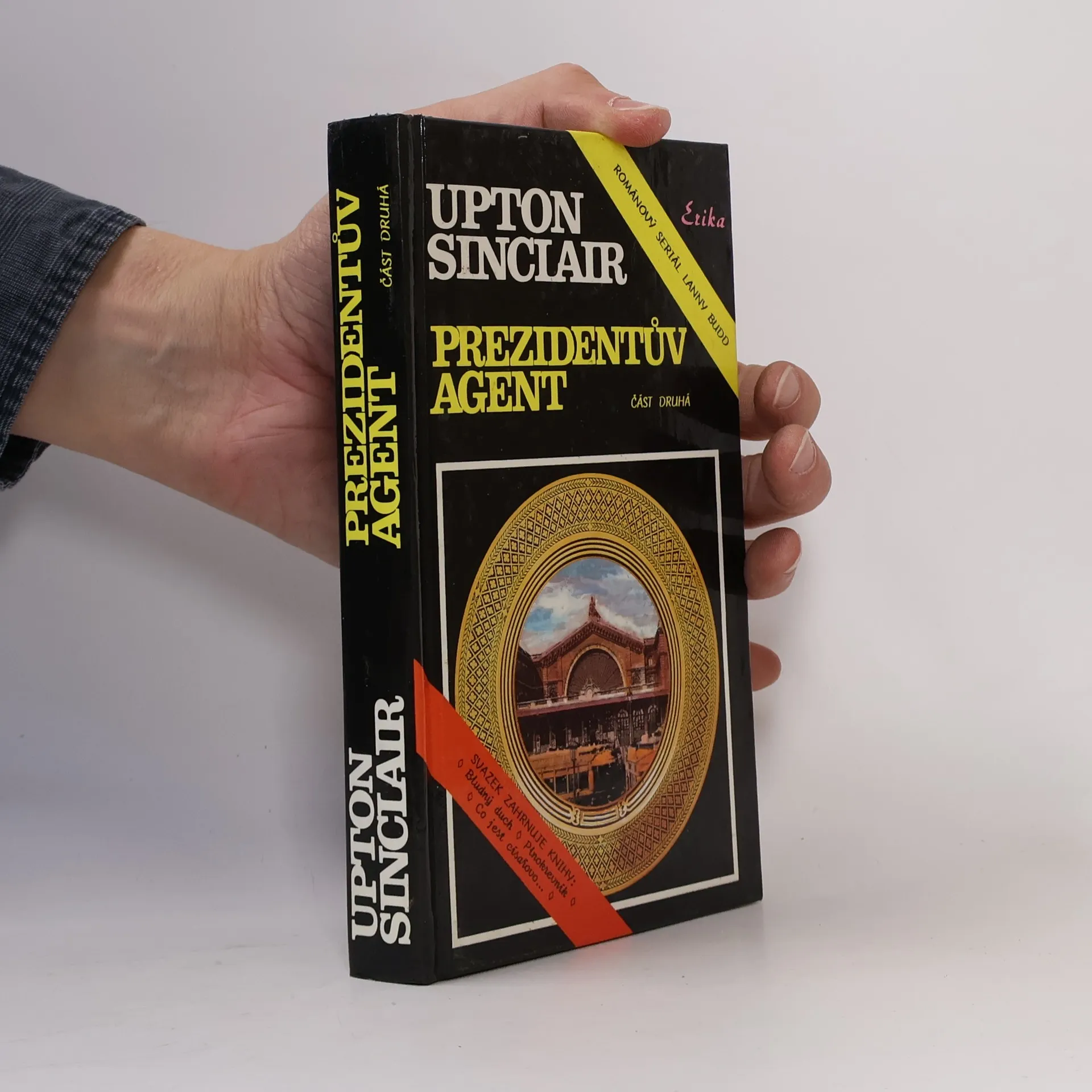
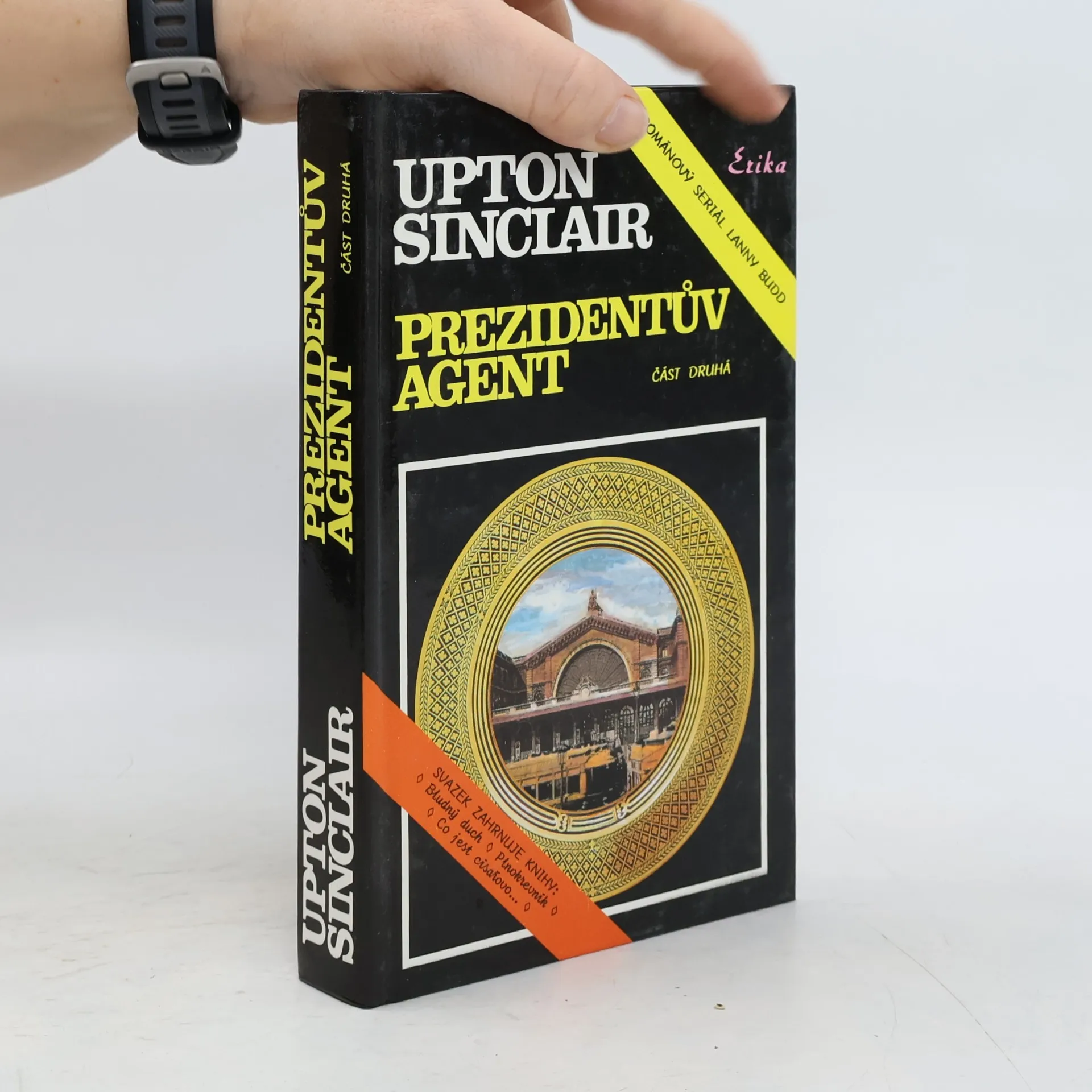
Pokračování románového seriálu, v němž agent amerického prezidenta provádí riskantní špionáž ve fašistické Itálii v předvečer útoku na Sicílii.
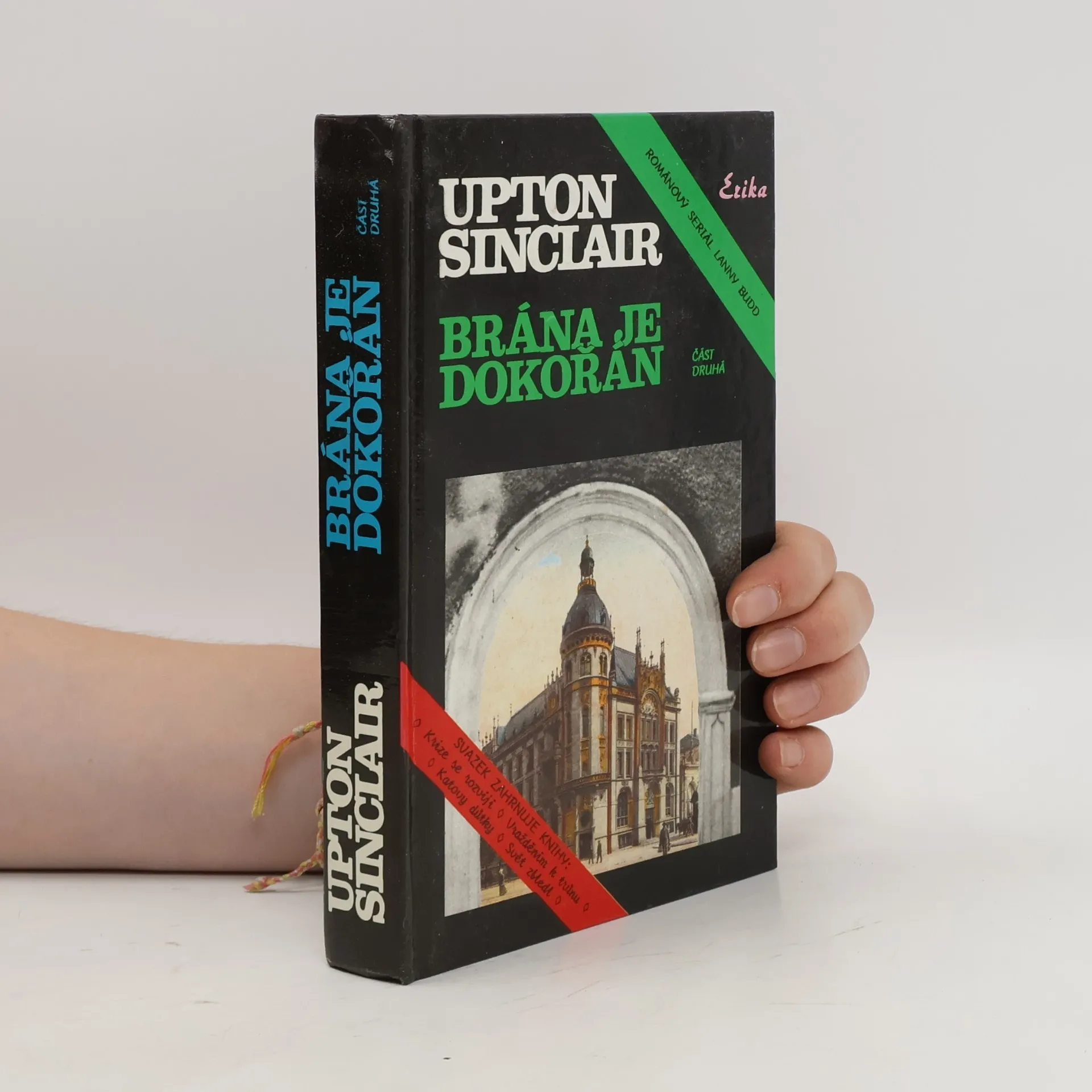
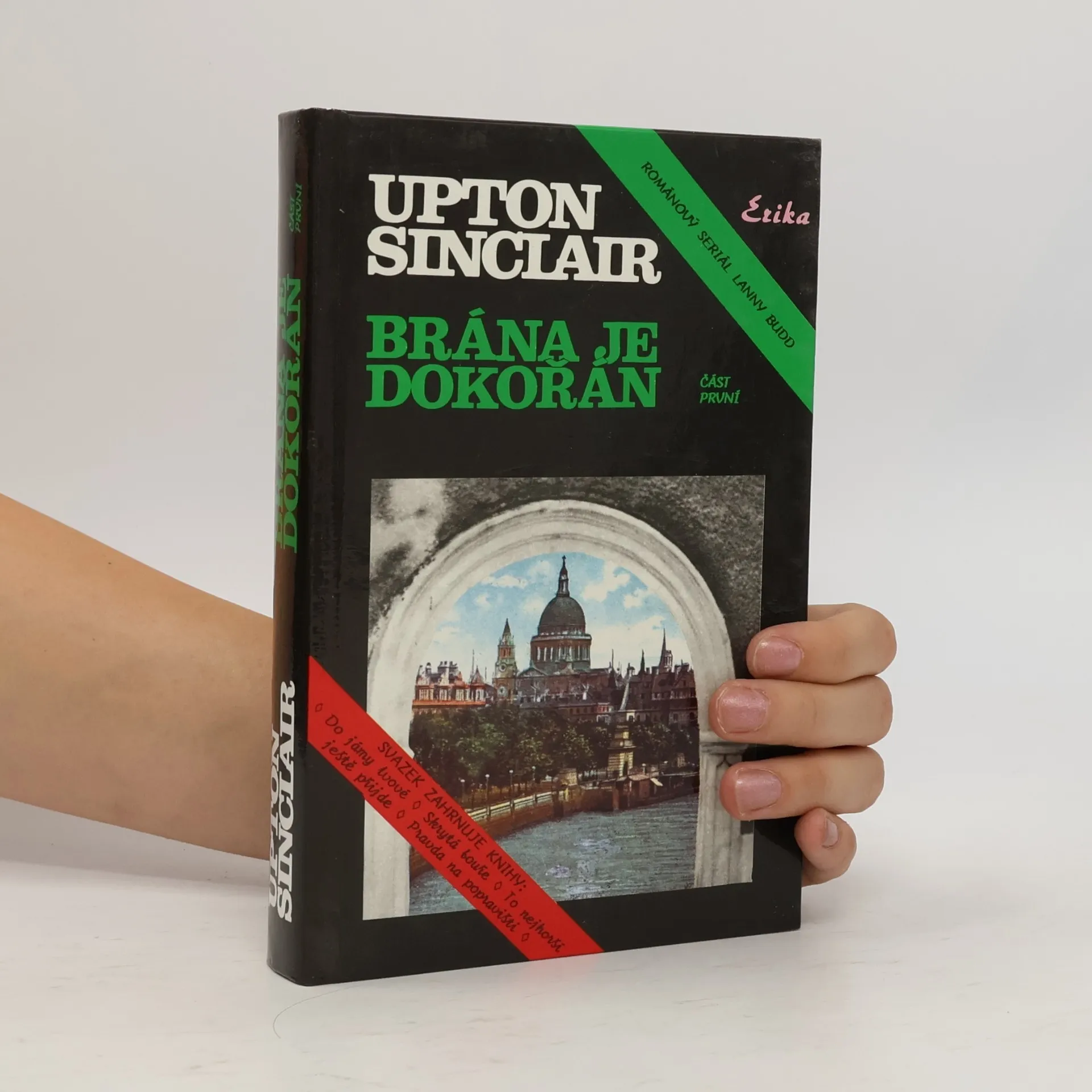
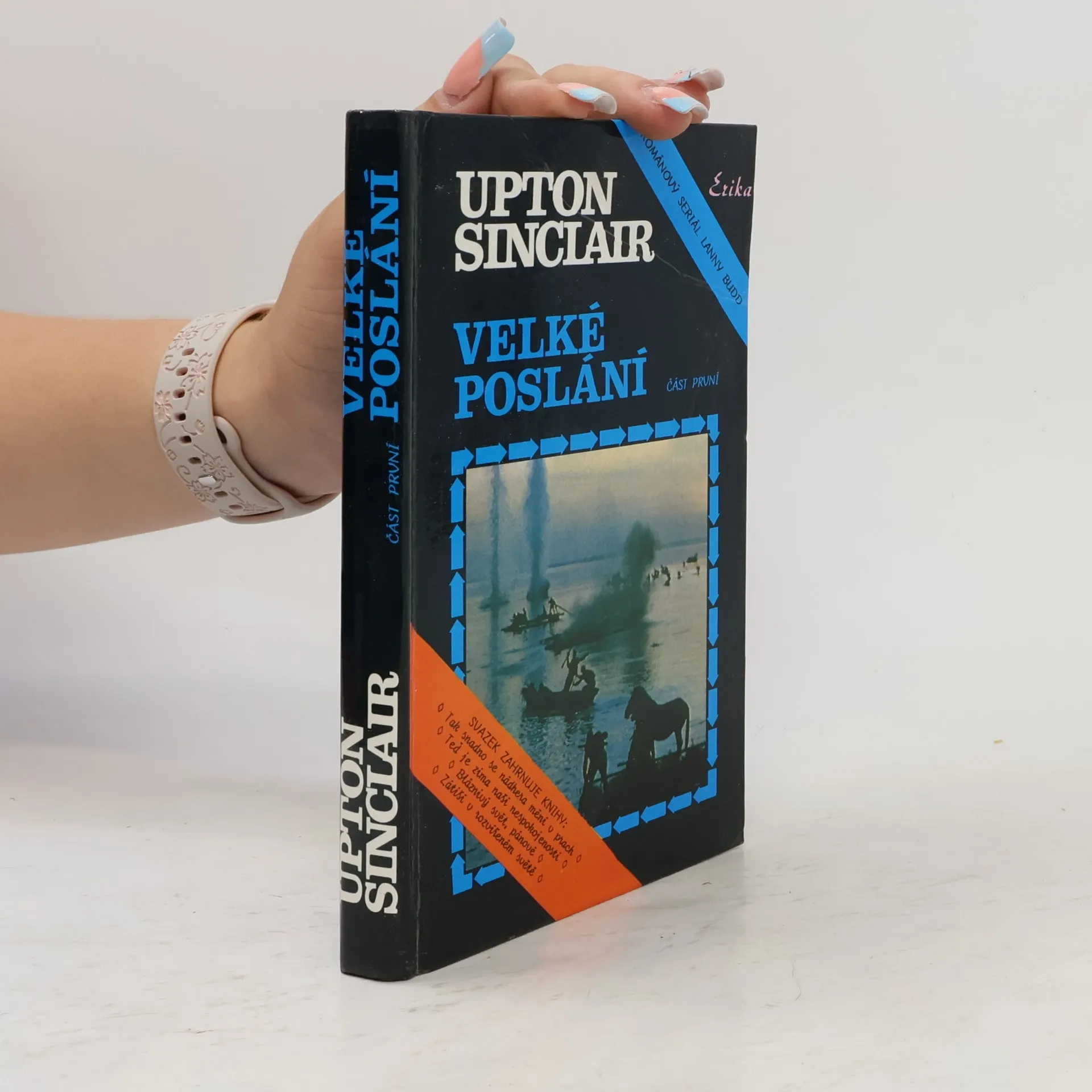
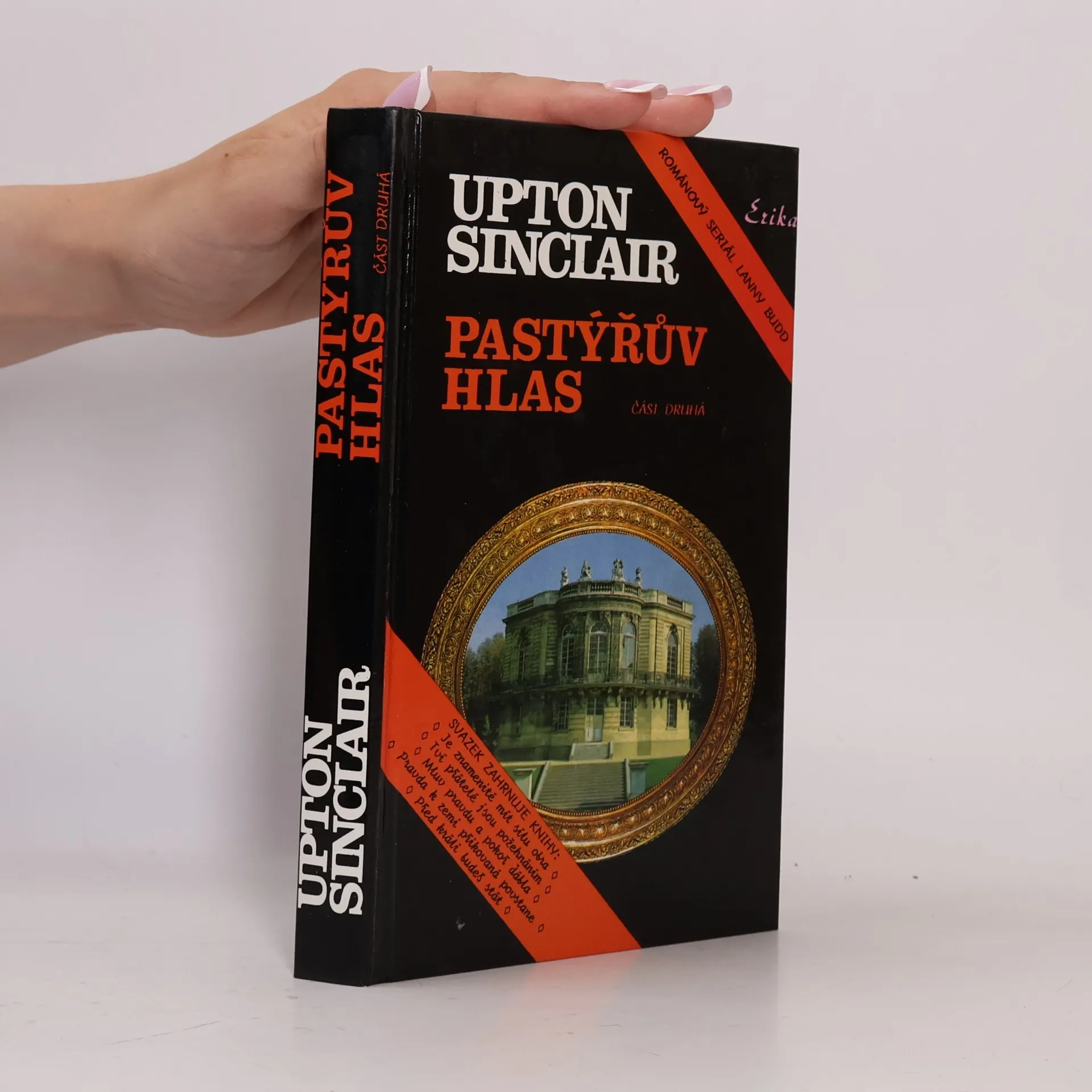
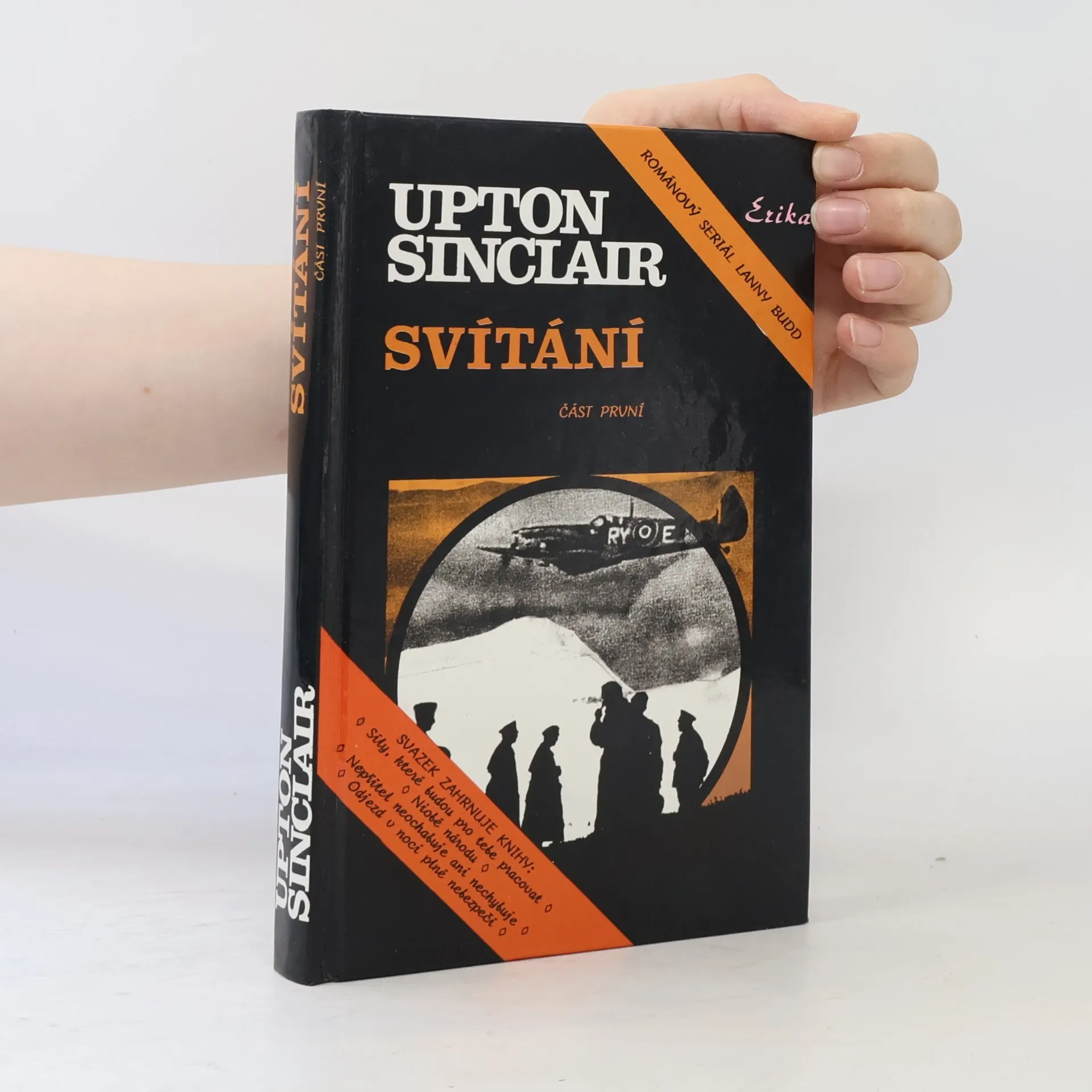
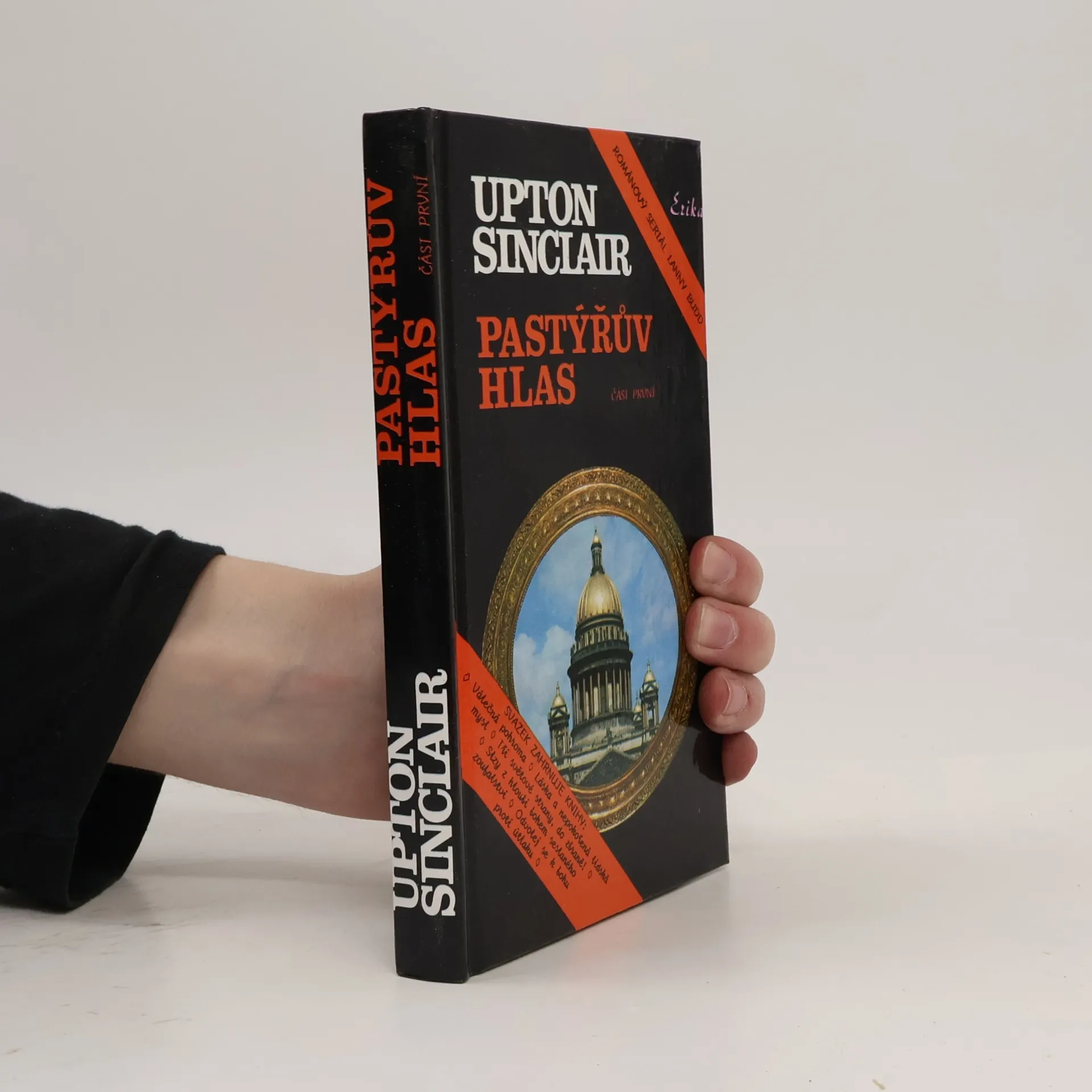
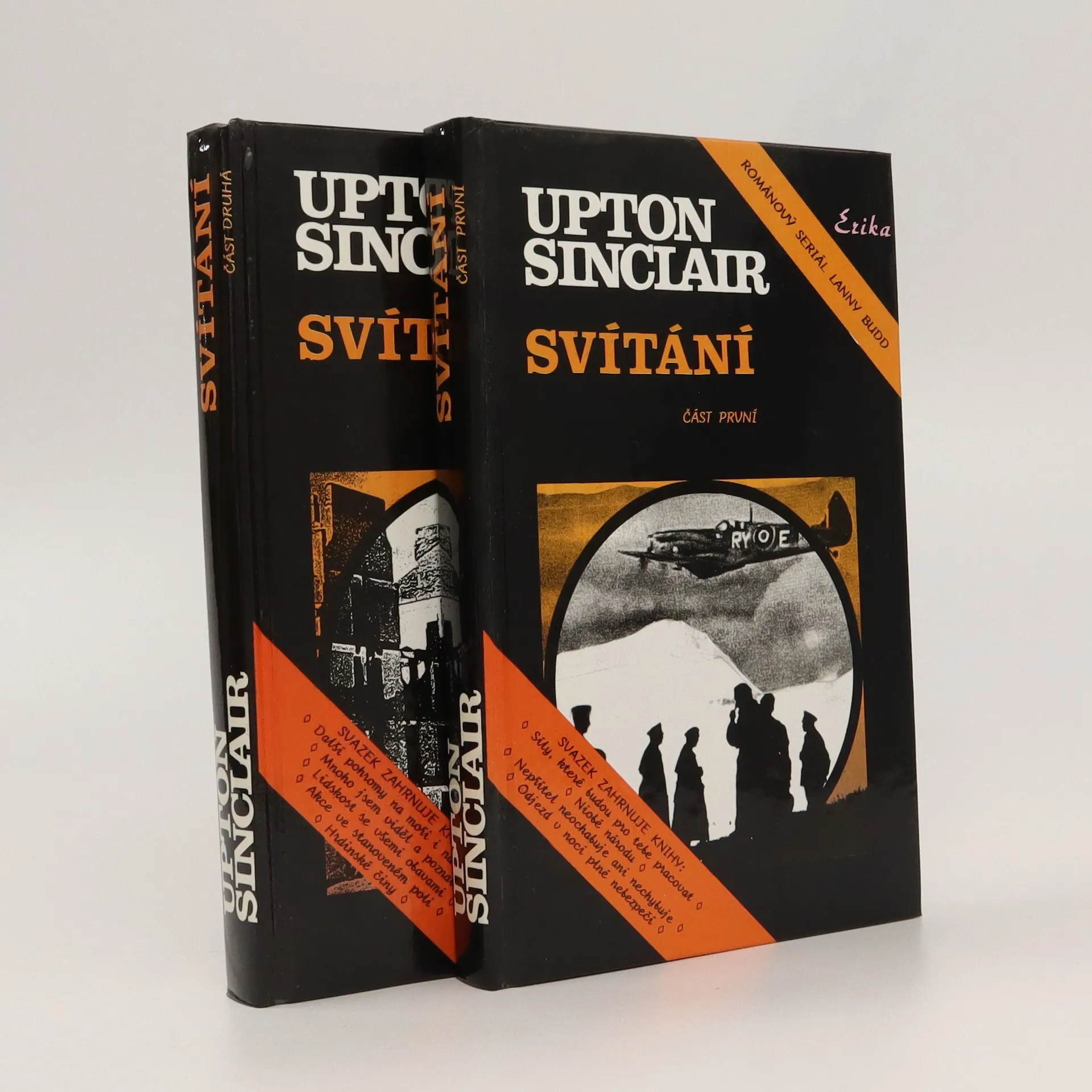
Románový seriál, zahrnuje další knihy: Síly, které budou pro tebe pracovat, Niobě národu, Nepřítel neochabuje ani nechybuje, Odjezd v noci plné nebezpečí.
Desáté pokračování románové série Lanny Budd.
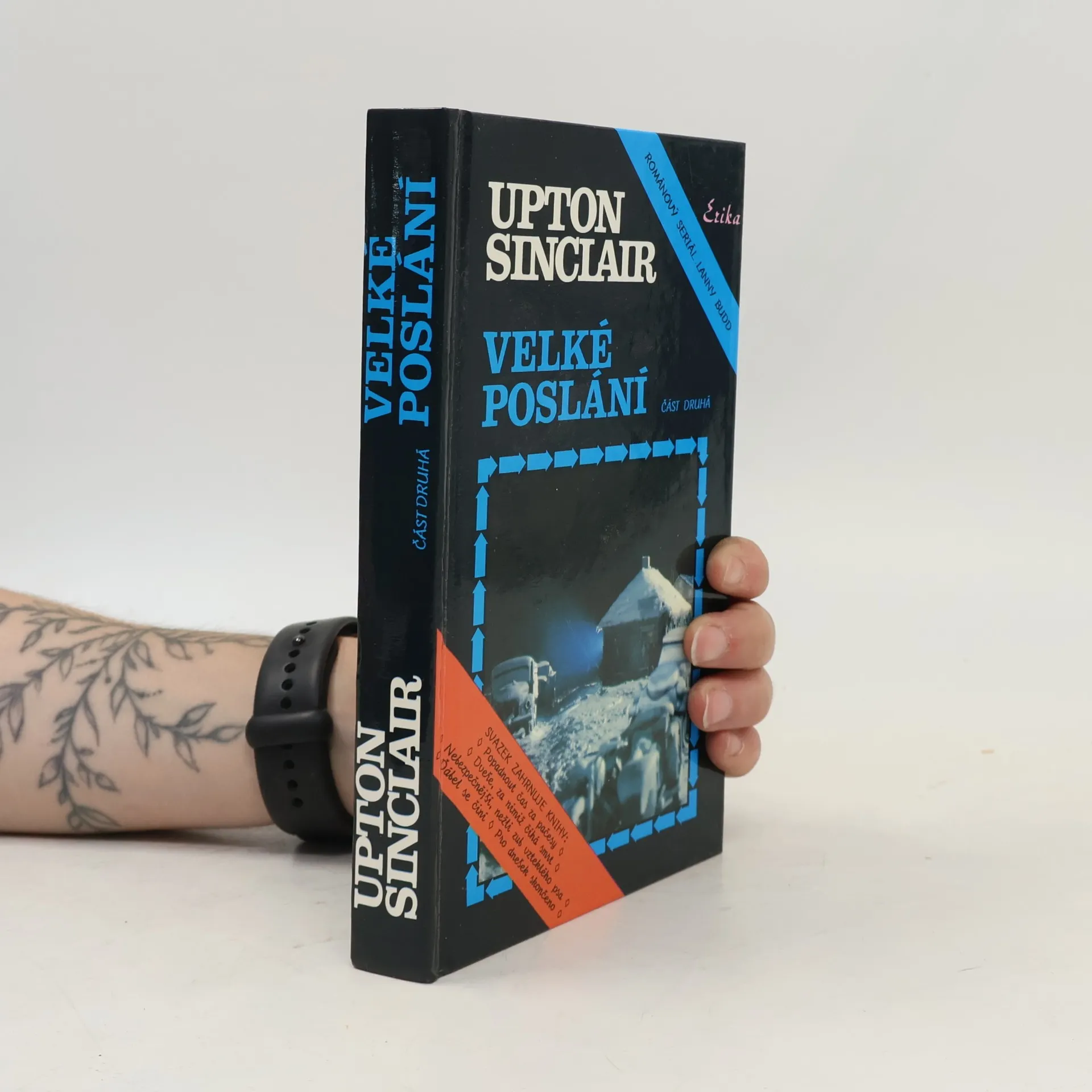
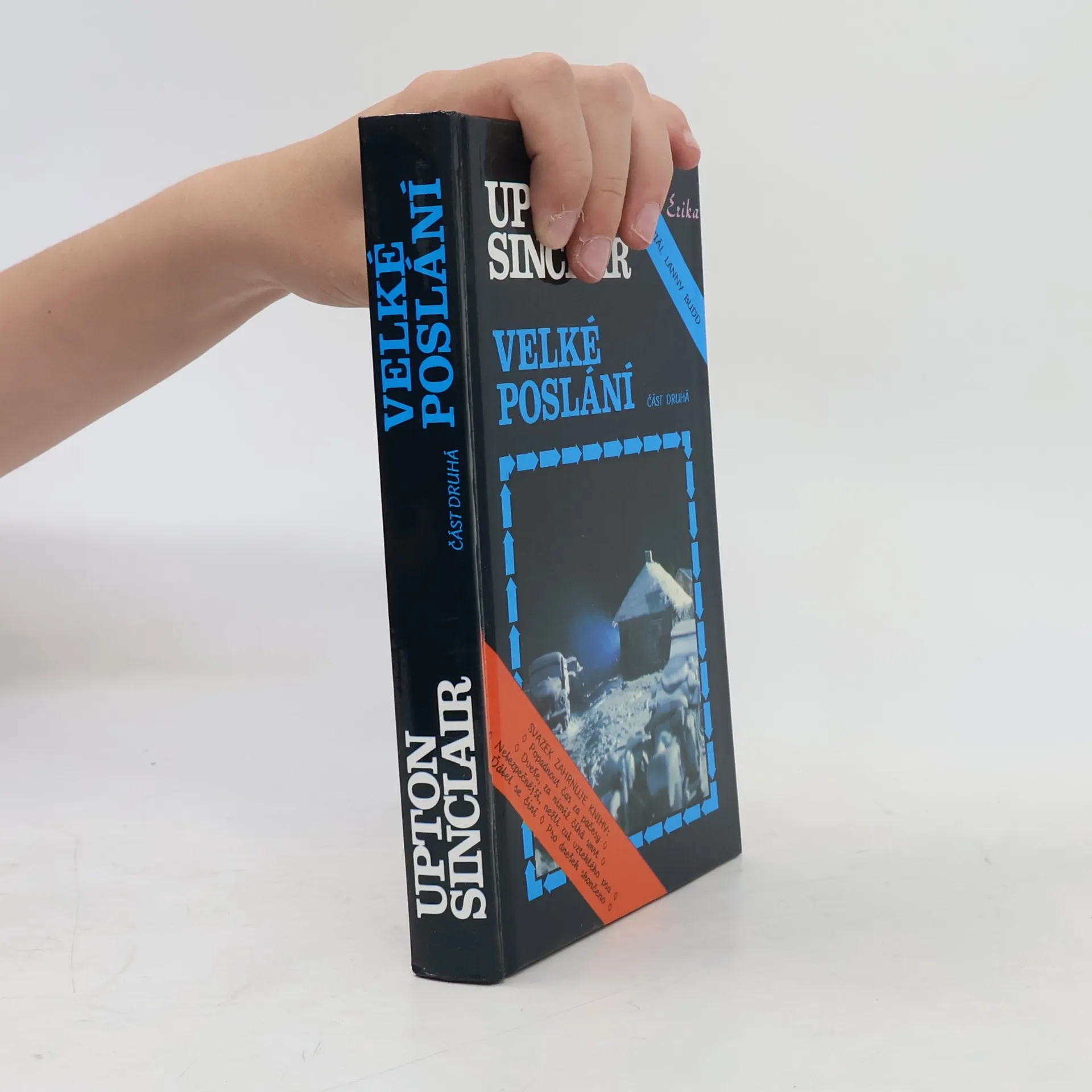
Dobrodružství tajného amerického agenta za 2.svět. války, který je po Teheránské konferenci vyslán svým prezidentem do Palestiny a posléze ke Třetí armádě.
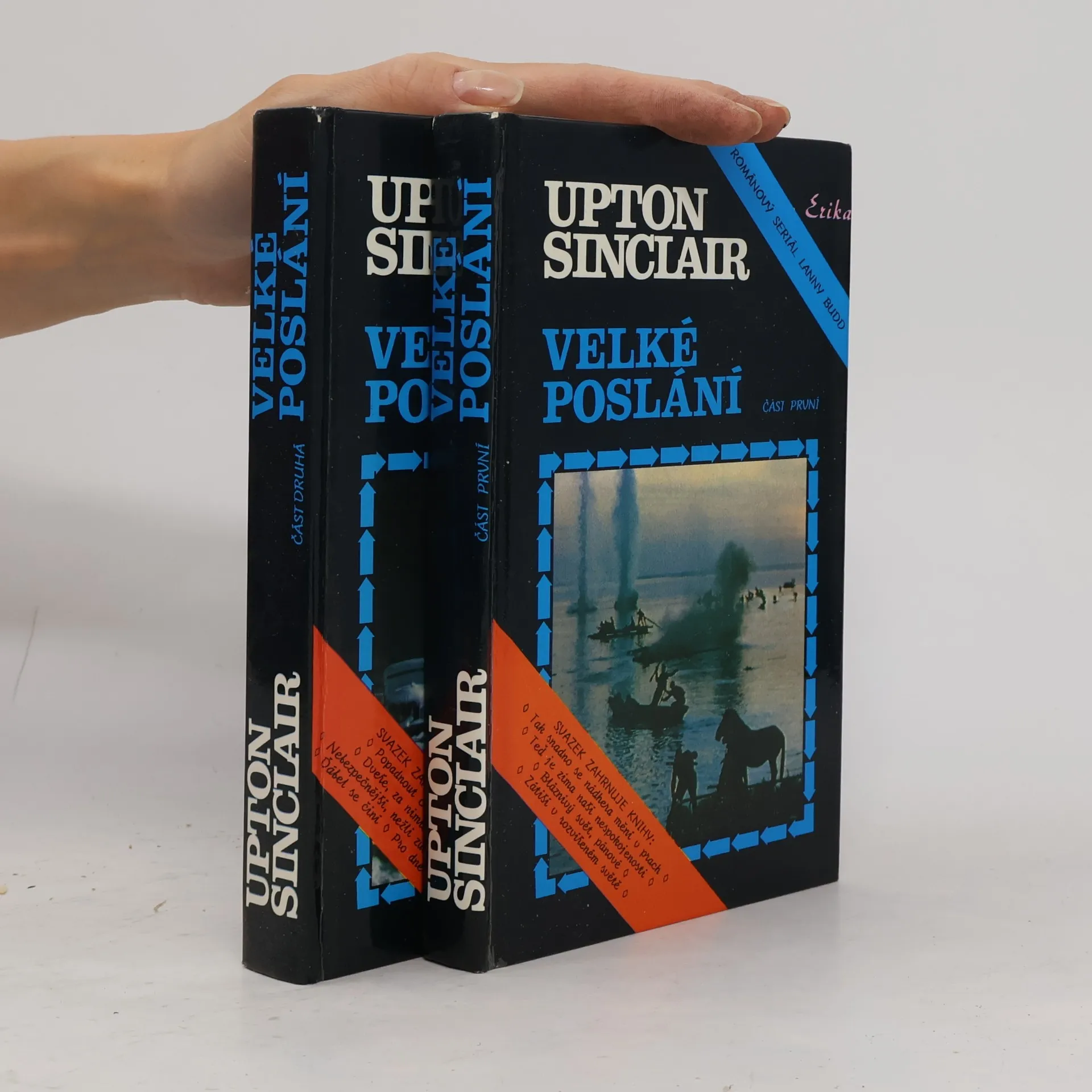
Románový seriál zahrnuje další knihy: Kdo seje v potu a slzách, Chladný lesklý žlutý kov,Komu pravda dává křídla, Peklo jež nemá obdoby,Přátelé jsou tvým požehnáním.
Pokračování románového seriálu, v němž agent amerického prezidenta provádí riskantní špionáž ve fašistické Itálii v předvečer útoku na Sicílii.
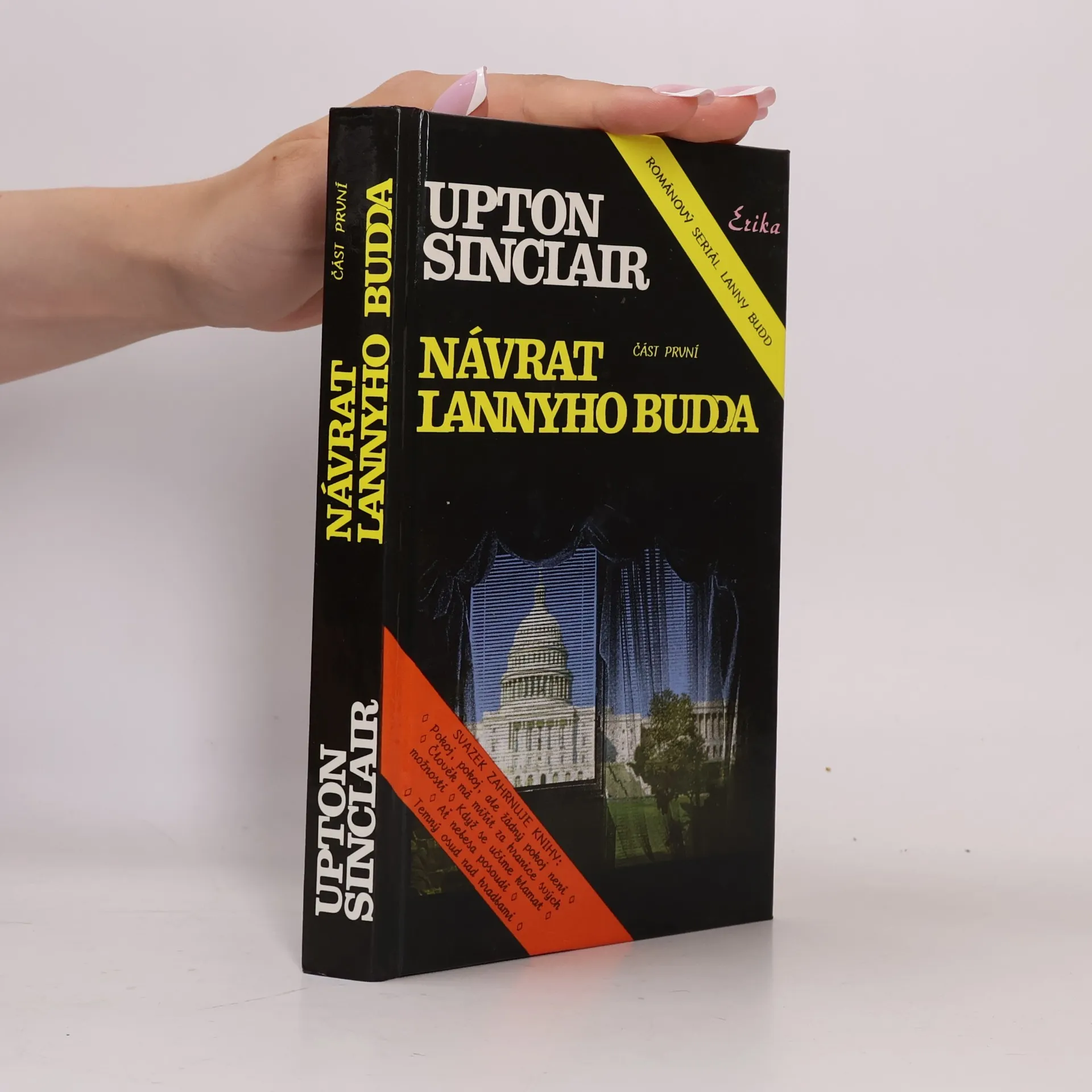
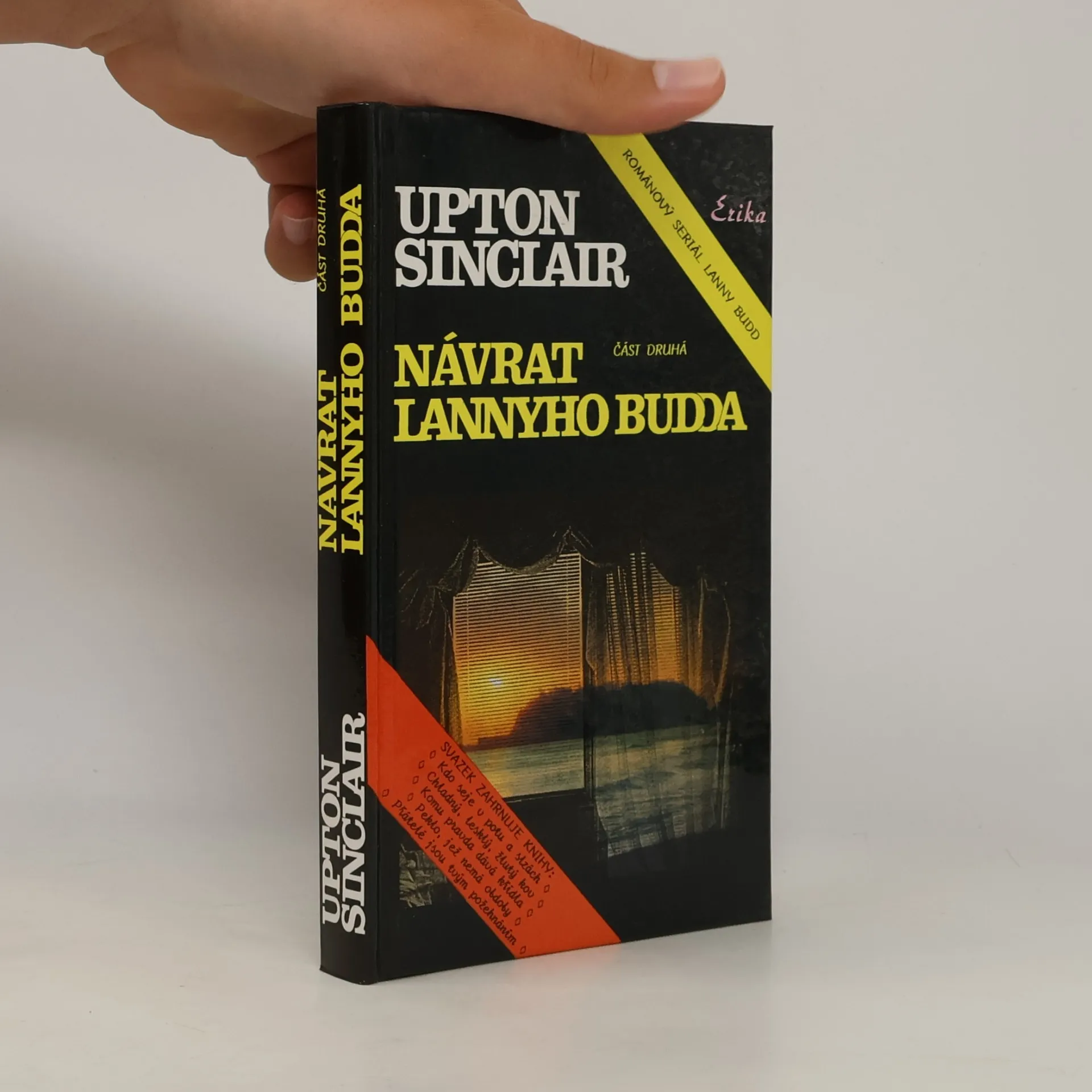
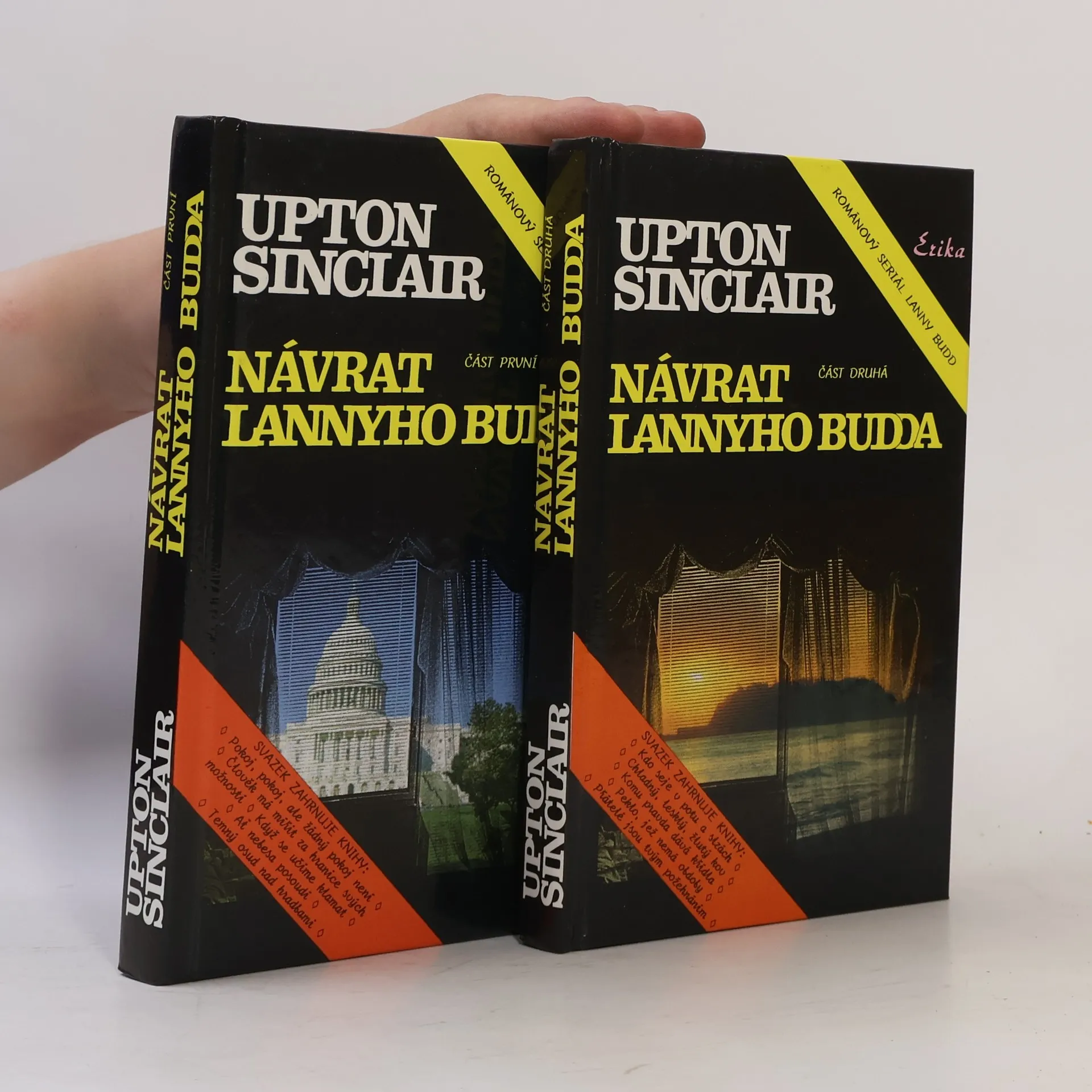
Návrat Lannyho Budda 1-2 je soubor dvou svazků, které sledují osudy hlavního hrdiny Lannyho Budda, umělce a idealisty, v turbulentních časech 20. století. Příběh se odehrává v kontextu politických a sociálních změn, které ovlivňují životy jednotlivců i celých národů. Lanny, jakožto protagonisté, se snaží najít smysl a místo ve světě, který je poznamenán válkami, ekonomickými krizemi a ideologickými konflikty. Kniha se zaměřuje na témata jako je umění, politika, morální dilemata a osobní odpovědnost. Lannyho cesta je poznamenána jeho interakcemi s různými postavami, které reprezentují různé pohledy na život a společnost. Mezi klíčové postavy patří jeho přátelé a protivníci, kteří mu pomáhají utvářet jeho názory a postoje. Děj se prolíná s historickými událostmi, což čtenářům poskytuje širší kontext a hlubší porozumění situacím, které Lanny prožívá. Celkově se jedná o komplexní a mnohovrstevnatý příběh, který zkoumá vztah jednotlivce k širšímu světu a jeho schopnost ovlivnit realitu kolem sebe.
Dílo Uptona Sinclaira se zaměřuje na sociální a ekonomické problémy raného 20. století v Americe, přičemž klade důraz na podmínky práce a životní situace dělnické třídy. Hlavní postava, Jurgis Rudkus, je imigrant z Litvy, který se snaží vybudovat lepší život pro svou rodinu v Chicagu. Příběh sleduje jeho cestu od naděje a optimismu k frustraci a zoufalství, když se setkává s krutou realitou průmyslového světa, korupcí a vykořisťováním. Témata jako sociální spravedlnost, lidská důstojnost a morální úpadek jsou v díle prominentní. Sinclair odhaluje nehumánní podmínky v masném průmyslu a kritizuje kapitalistický systém, který upřednostňuje zisk před lidmi. Kromě Jurgise se v příběhu objevuje řada dalších postav, které ilustrují různé aspekty života v městské společnosti, včetně jeho rodiny a přátel, kteří se také snaží přežít v těžkých podmínkách. Celkově dílo poskytuje kritický pohled na sociální a ekonomické nerovnosti a vyzývá čtenáře k zamyšlení nad hodnotami a etickými otázkami, které jsou stále aktuální.
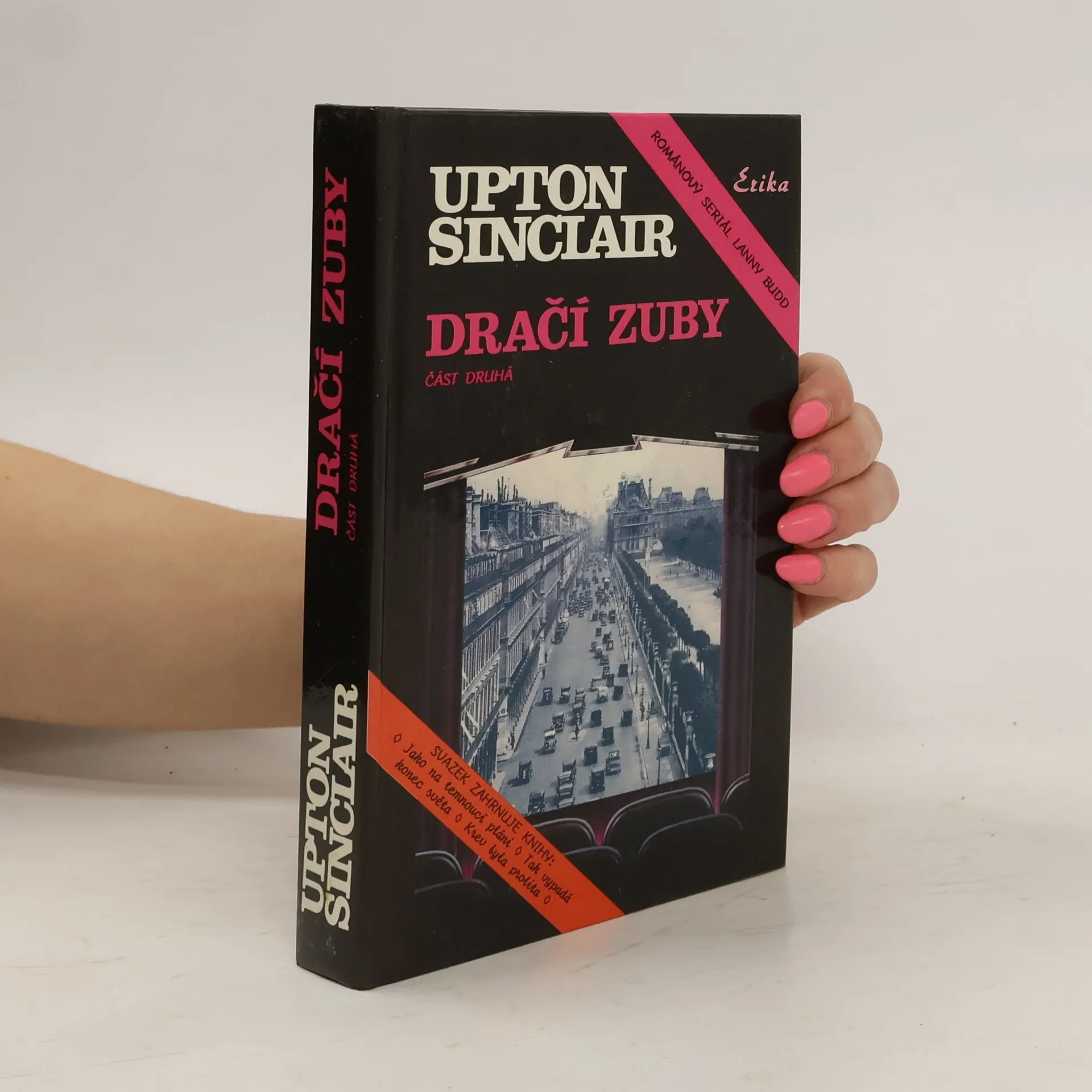
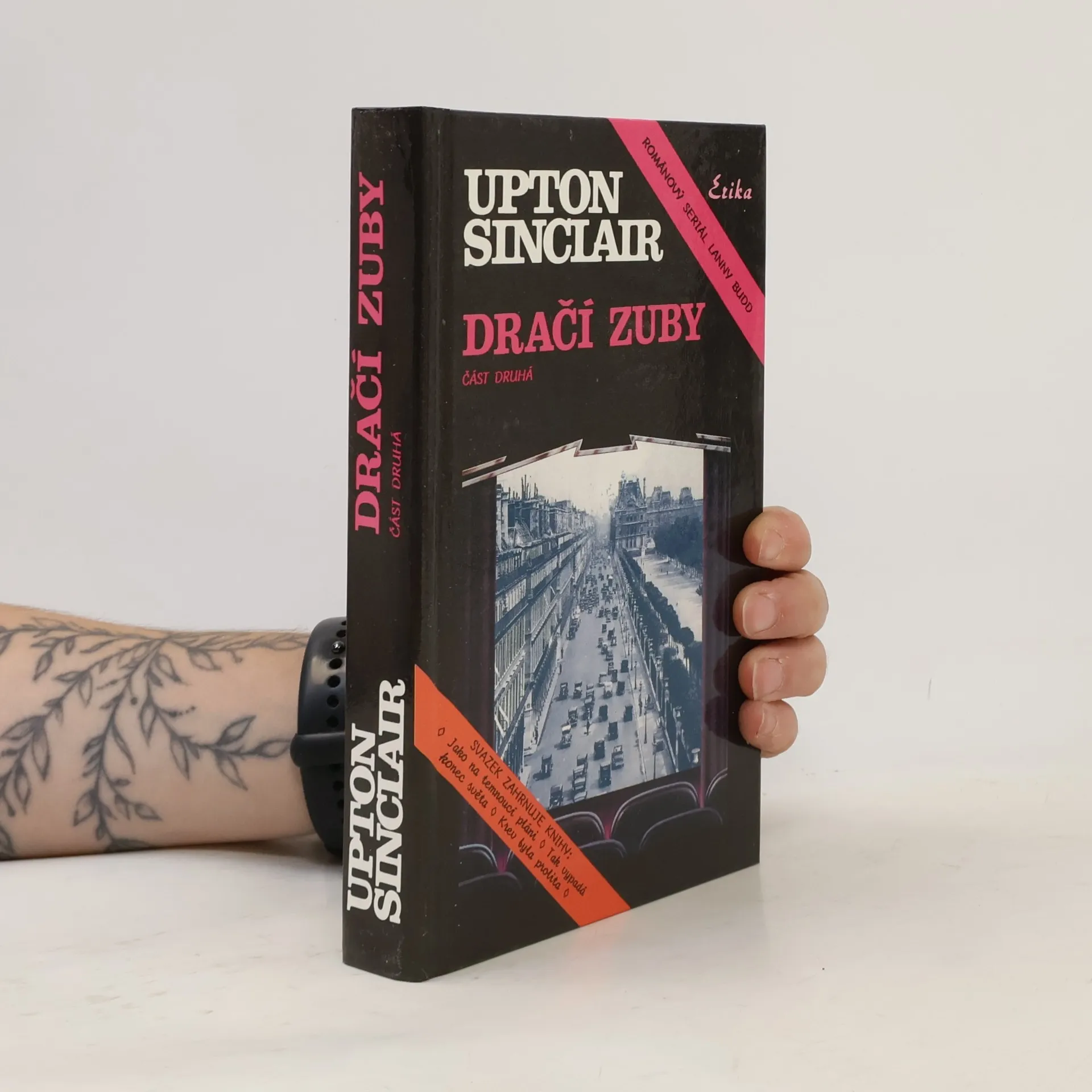
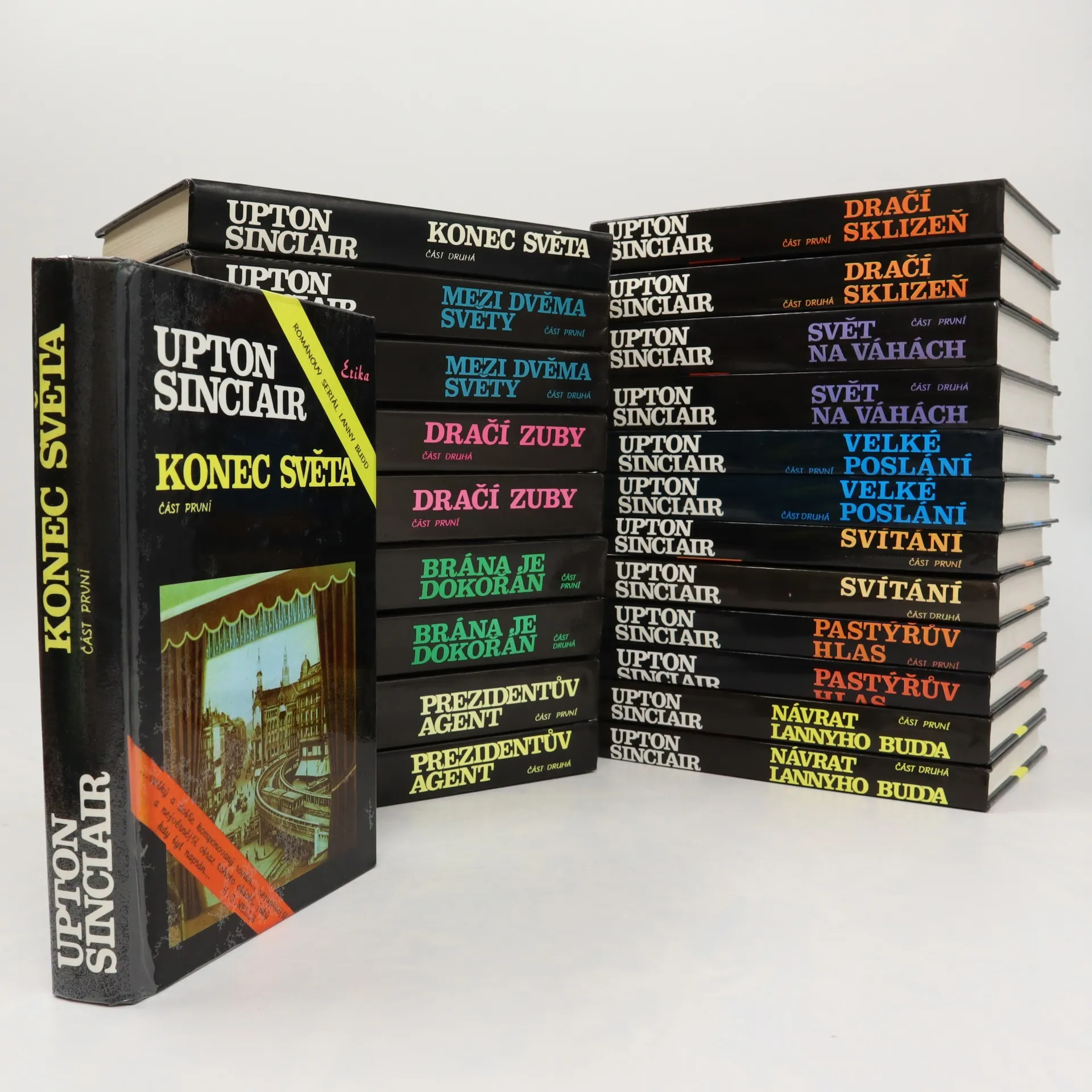
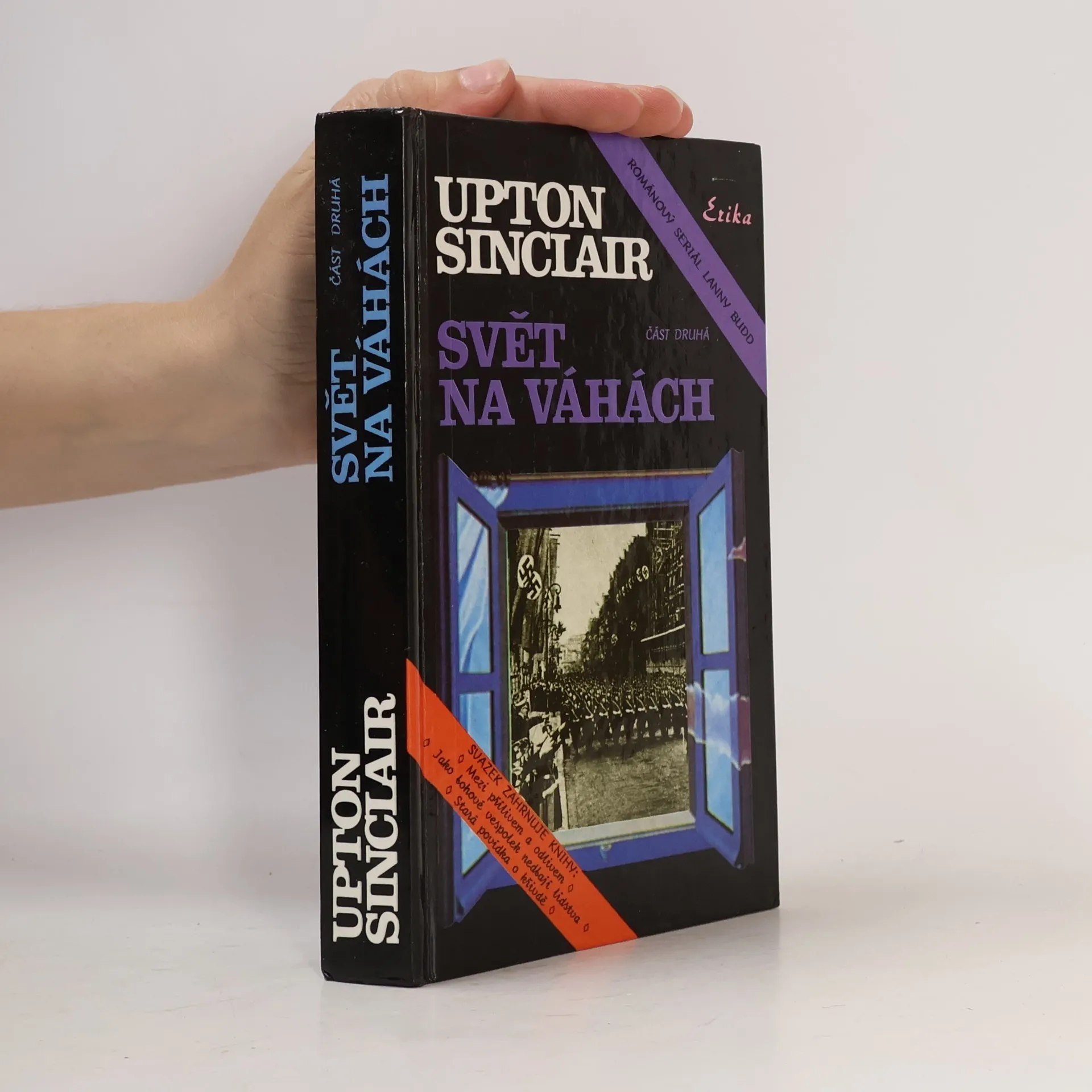
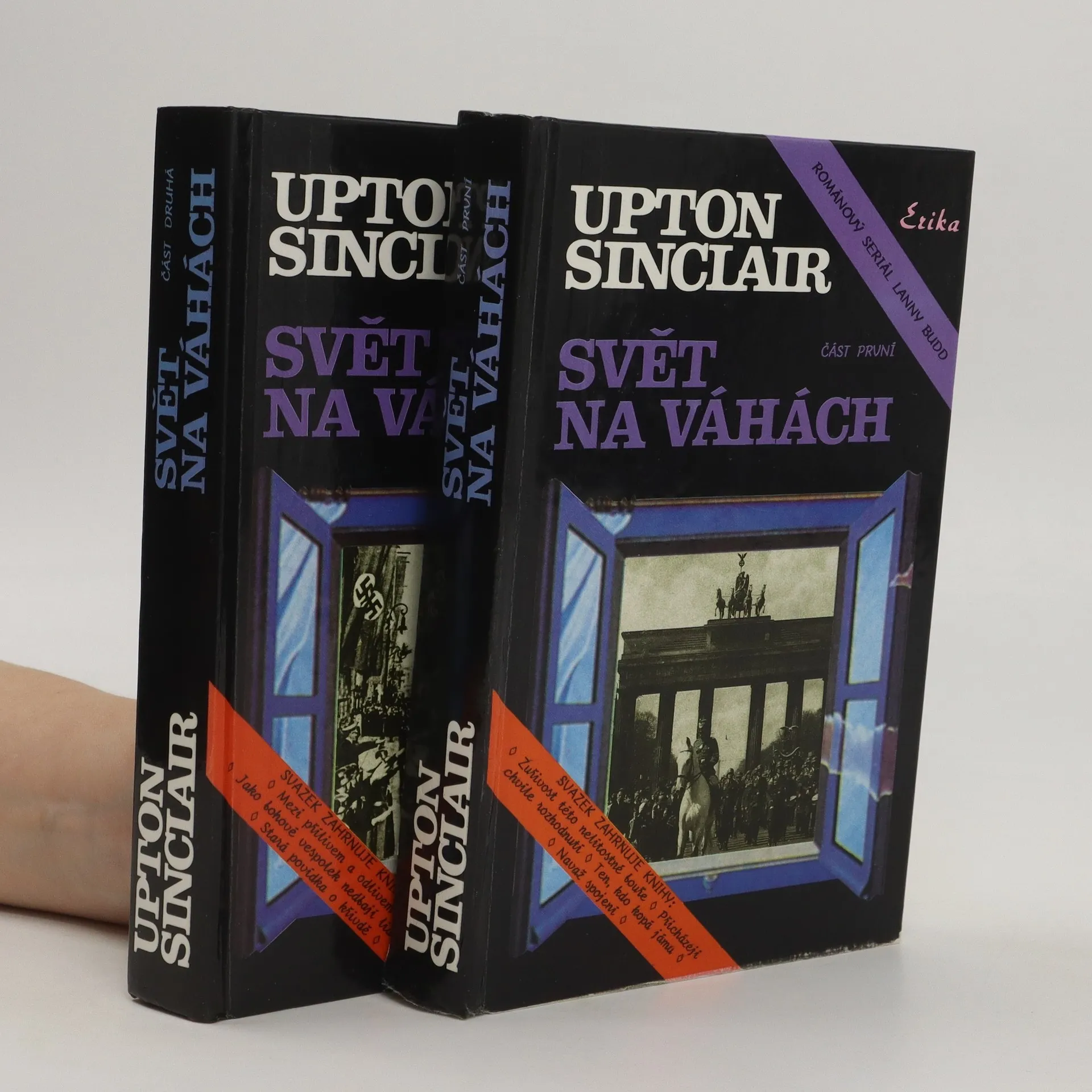
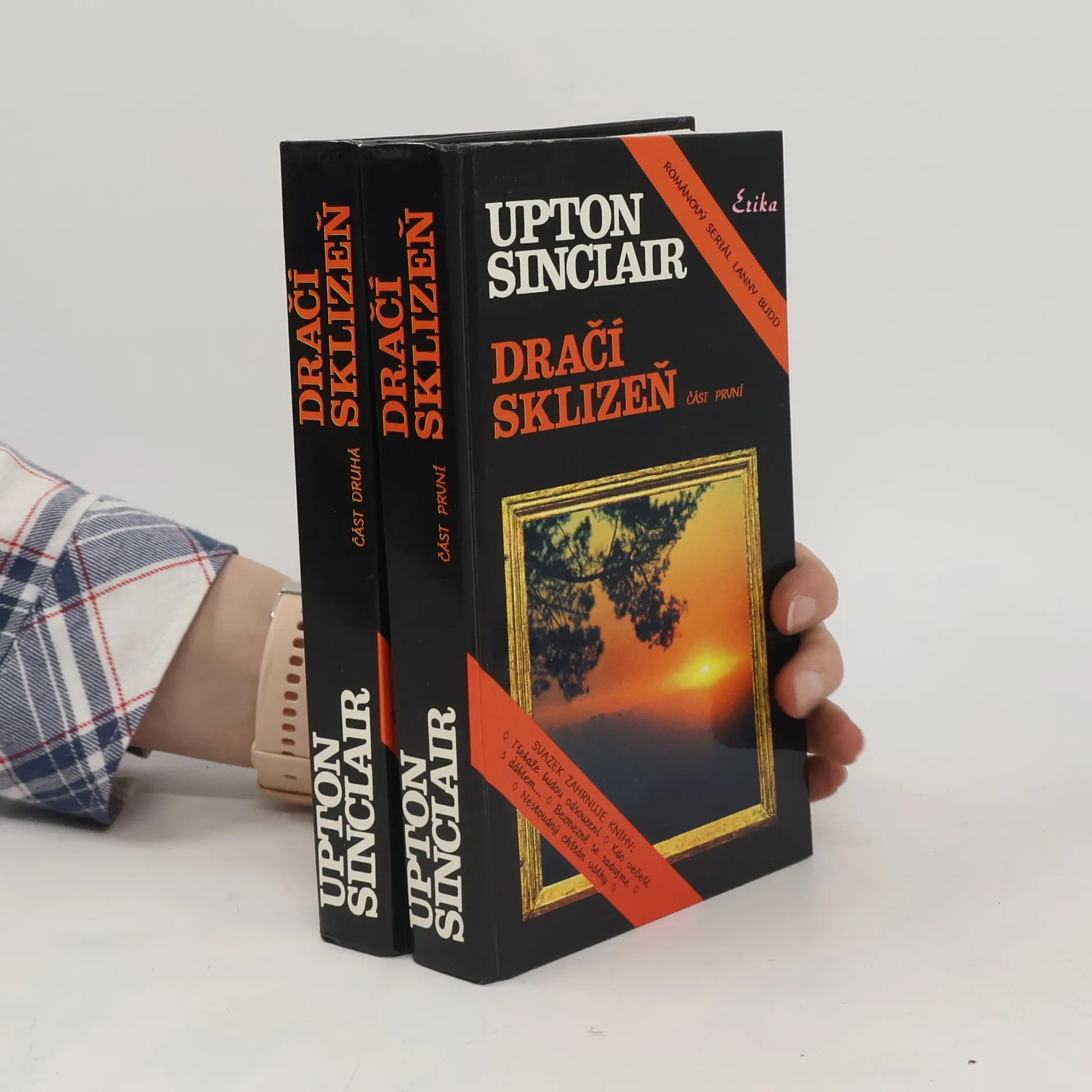
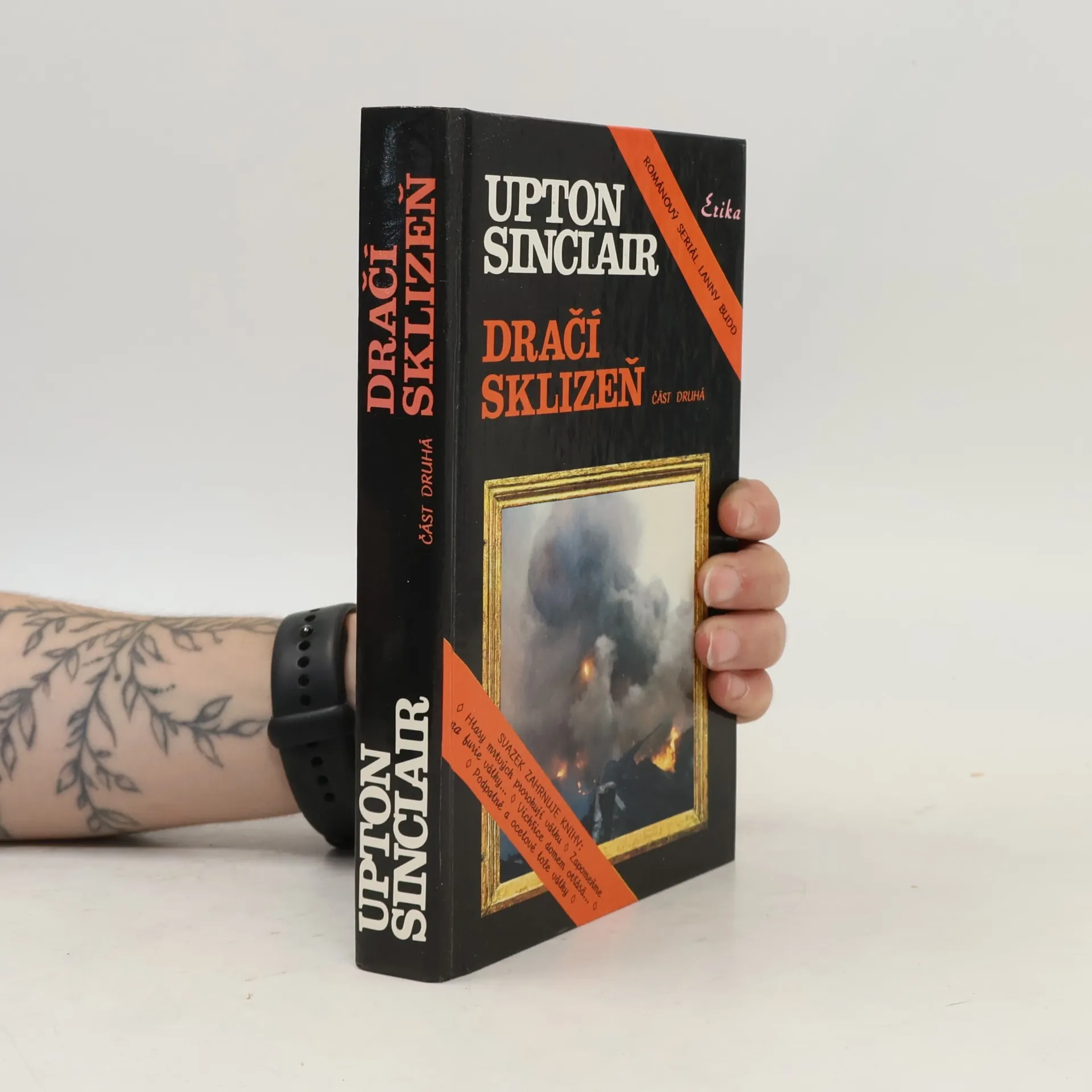
Soubor dvou knih. Další pokračování příběhu zachycuje období od napadení Polska po vítězný Hitlerův vstup do Paříže. Jeho prostřednictvím se setkáváme s výraznými historickými postavami od Hitlera po Chamberlaina, i s postavami, které ze zákulisí politiku řídí, s finančníky, zbrojaři i ženami, ovlivňující činy těchto mužů. Dějiny kultivovaně, zábavnou formou s trochou nadsázky - tak lze charakterizovat pokračování rozsáhlé románové fresky o osudech světa v 1. pol. 20. stol.
V pokračování románového seriálu o Lannym Buddovi sledujeme rozbouřený svět uprostřed druhé světové války. Spolu s ním sleduje také nejvýraznější působení a činy výrazných světových osobností, s nimiž se jako agent a kosmopolita stýká.
Soubor dvou knih. Další pokračování příběhu zachycuje období od napadení Polska po vítězný Hitlerův vstup do Paříže. Jeho prostřednictvím se setkáváme s výraznými historickými postavami od Hitlera po Chamberlaina, i s postavami, které ze zákulisí politiku řídí, s finančníky, zbrojaři i ženami, ovlivňující činy těchto mužů. Dějiny kultivovaně, zábavnou formou s trochou nadsázky - tak lze charakterizovat pokračování rozsáhlé románové fresky o osudech světa v 1. pol. 20. stol.
Lanny Budd se setkává s prezidentem Rooseveltem a stává se jeho agentem. Lanny marně pátrá po své ženě, které se zmocnilo gestapo a odvleklo ji z Francie do Německa. I v této části nás autor zavádí do prostředí evropské společenské smetánky, mezi politiky nejrůznějších smýšlení. Hrdina obratně využívá svého jména a postavení k získání co nejvíce informací pro prezidenta, ale také jako doposud finančně podporuje různé levicové a komunistické aktivity....
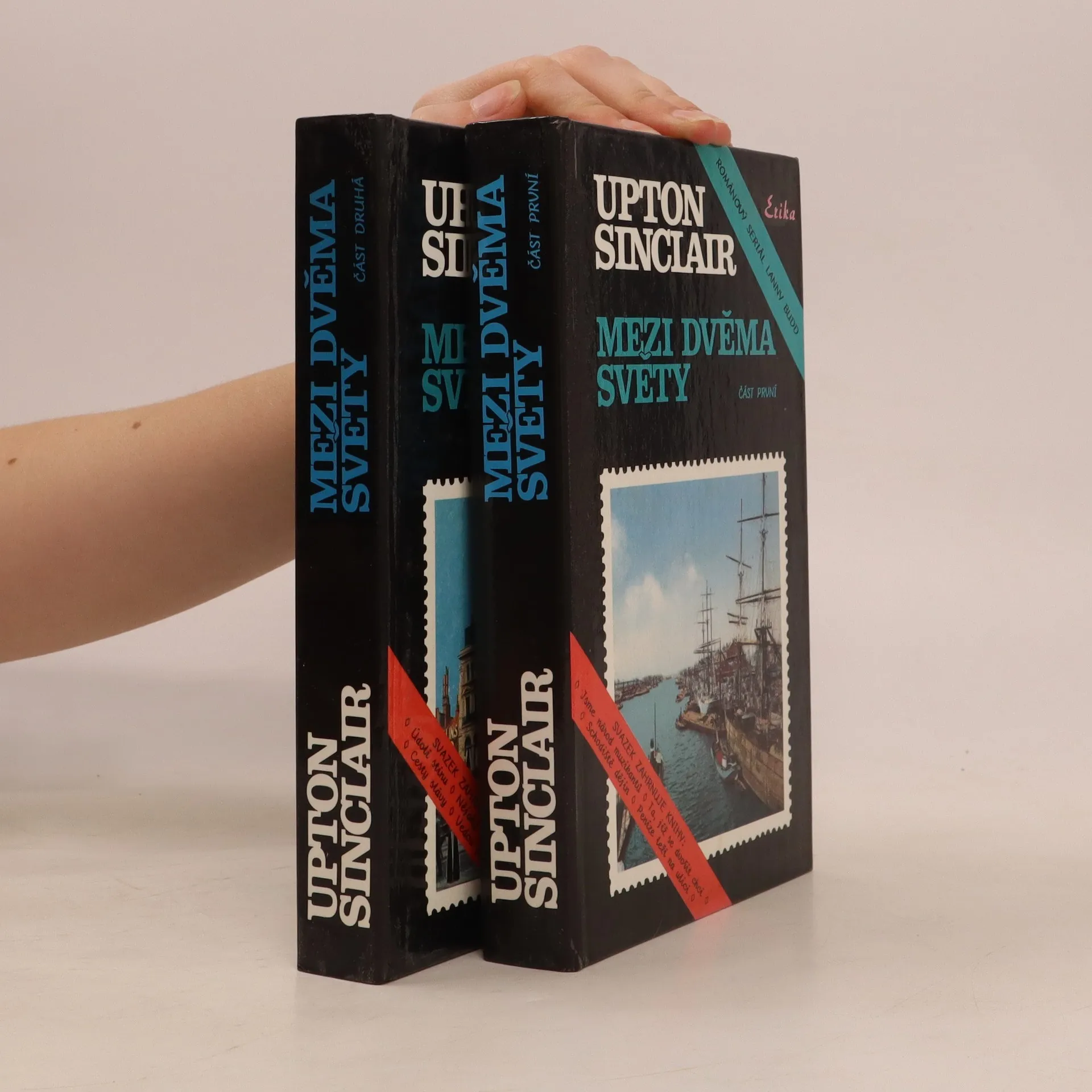
První část románového cyklu o Lanny Buddovi navazuje na svazky Konec světa. Zobrazuje život Evropy a Ameriky ve 20. letech 20. století.
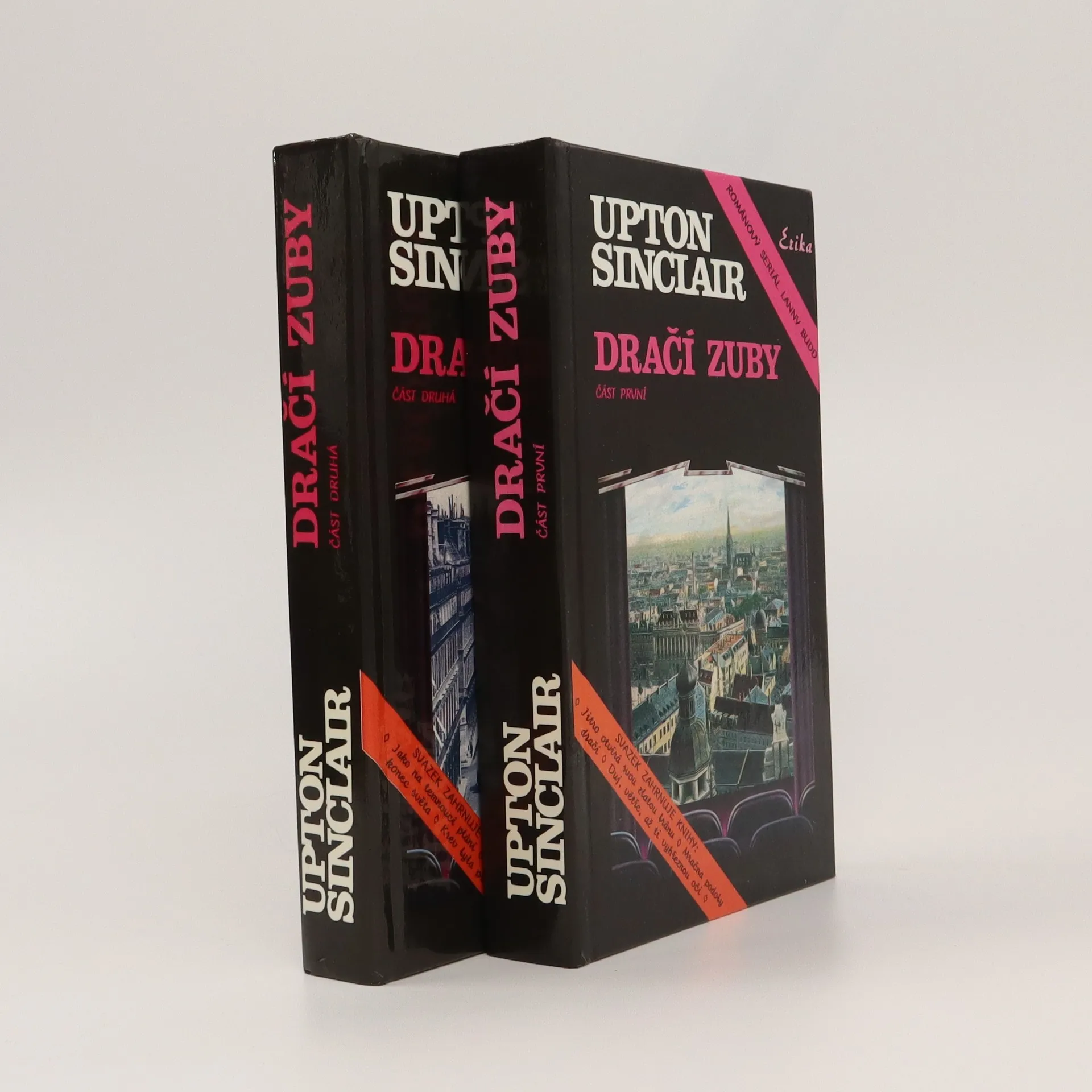
Třetí část románového seriálu o Lanny Buddovi se odehrává v 30. letech, kdy se Lanny ožení s americkou milionářkou a kdy se v Německu a Itálii rozmáhá fašismus.
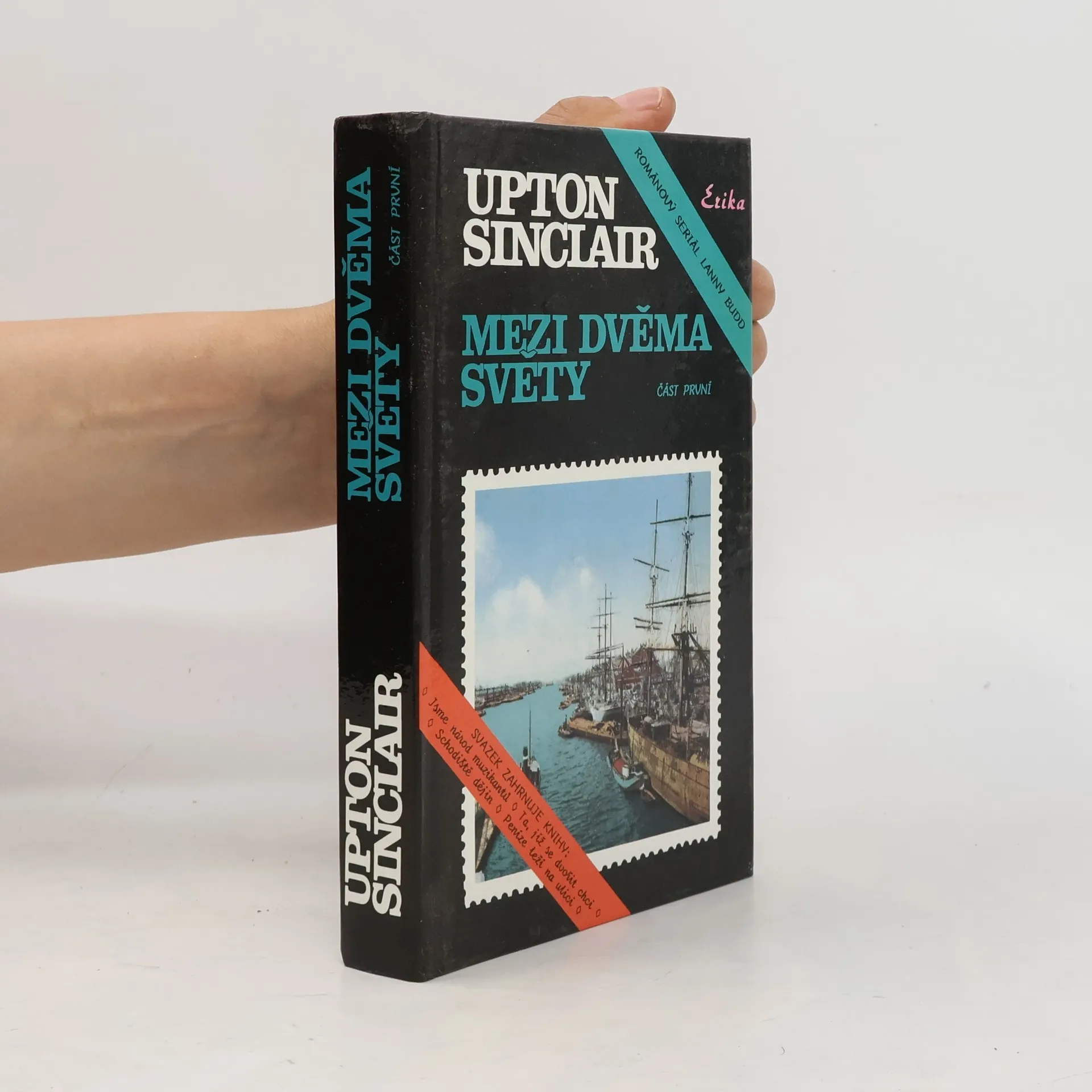
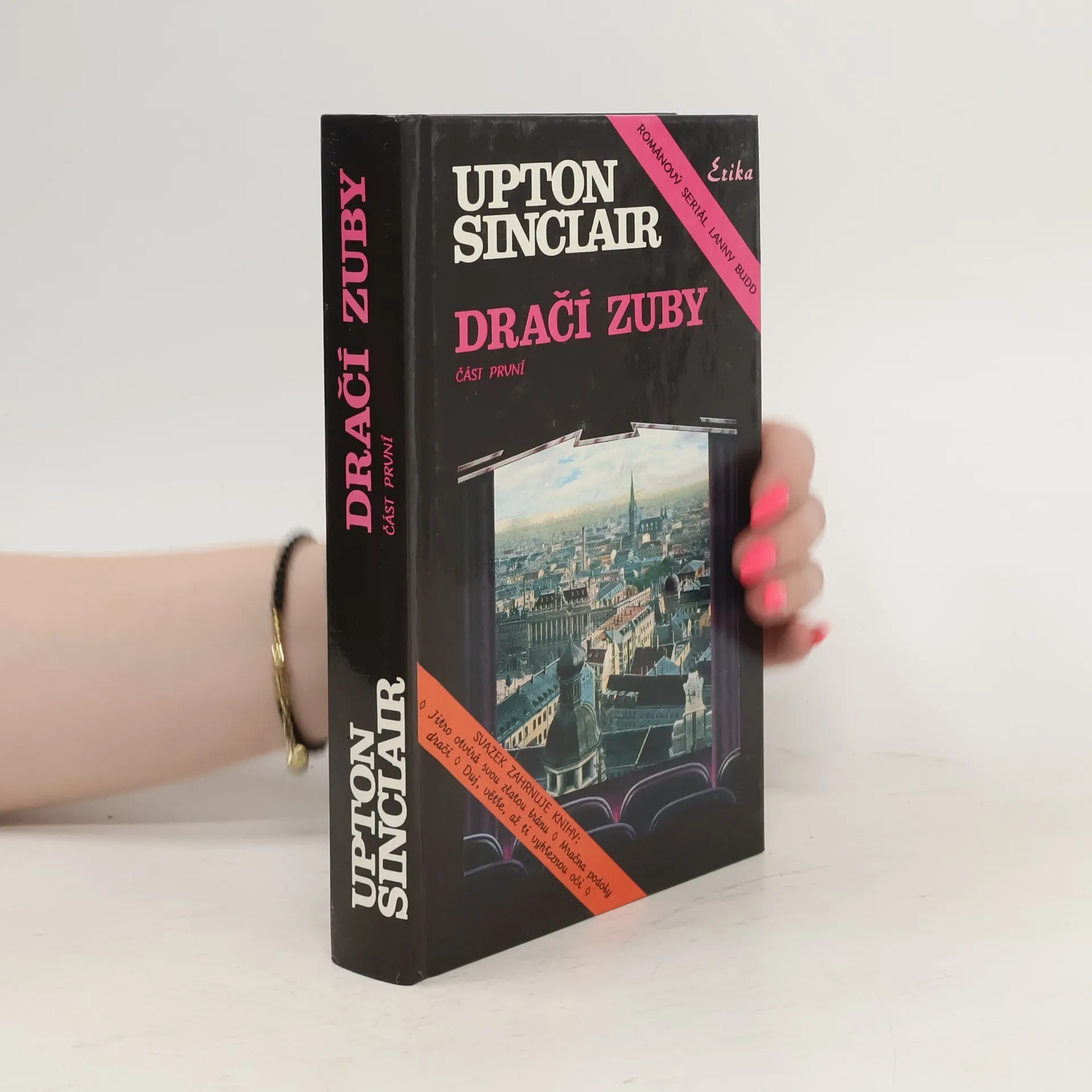
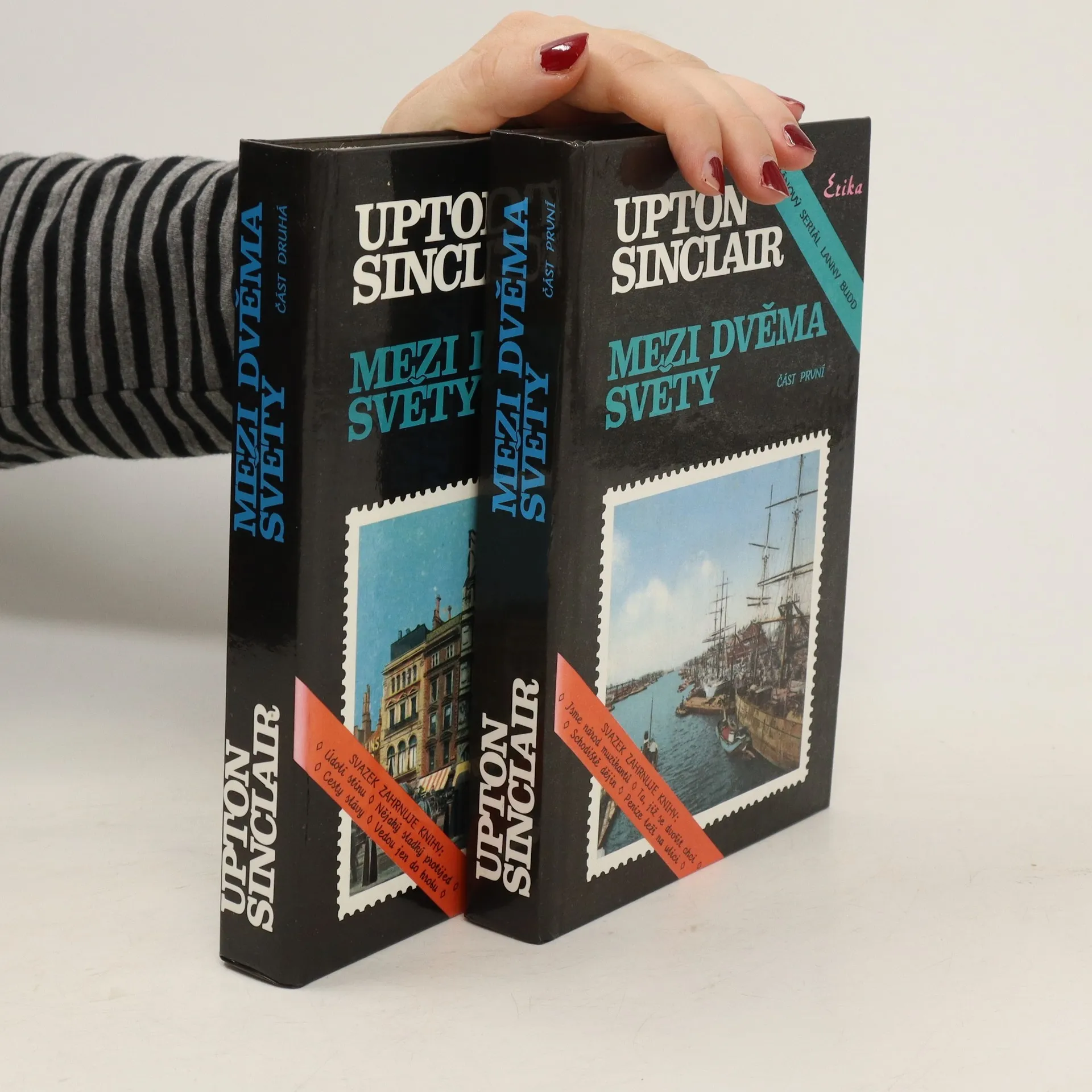
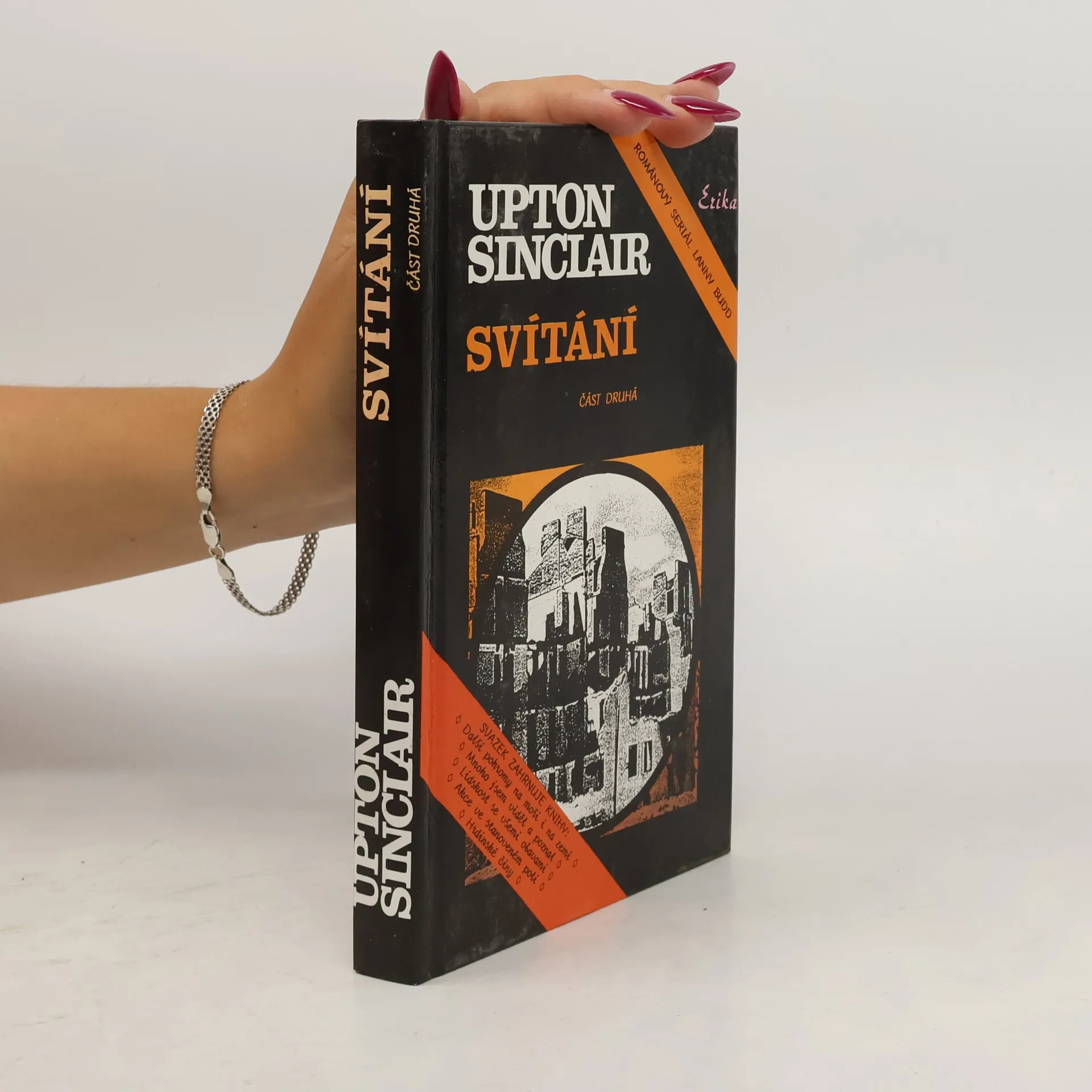
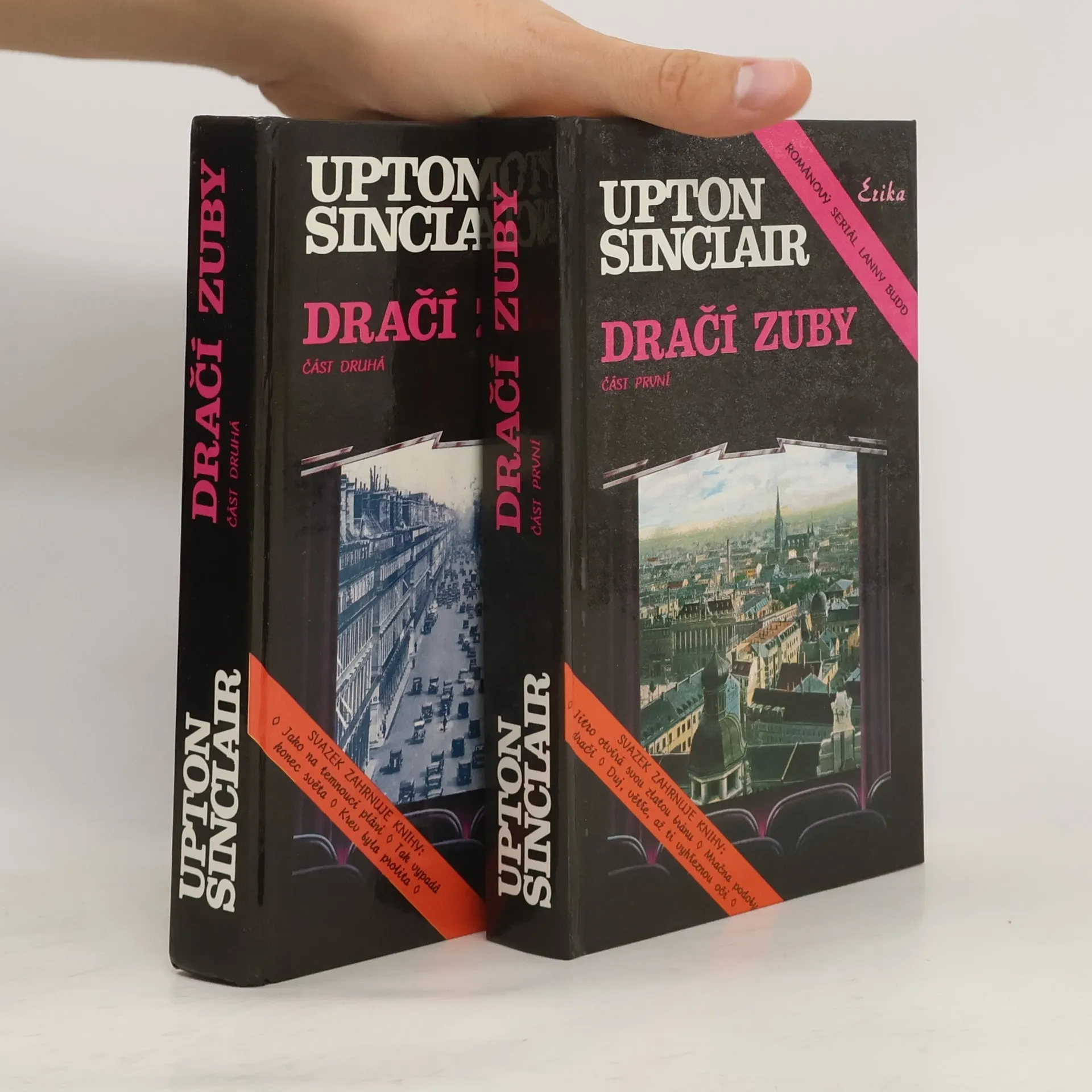
Další část románového cyklu, v němž autor líčí životní osudy mladého světoběžníka z vysoké americké společnosti v době do počátků fašismu a hospodářské krize v Evropě. 1. část románu má čtyři knihy - Kniha první: Jsme národ muzikantů. Kniha druhá:Ta, jíž se dvořit chci. Kniha třetí: Schodiště dějin. Kniha čtvrtá: Peníze leží na ulici.
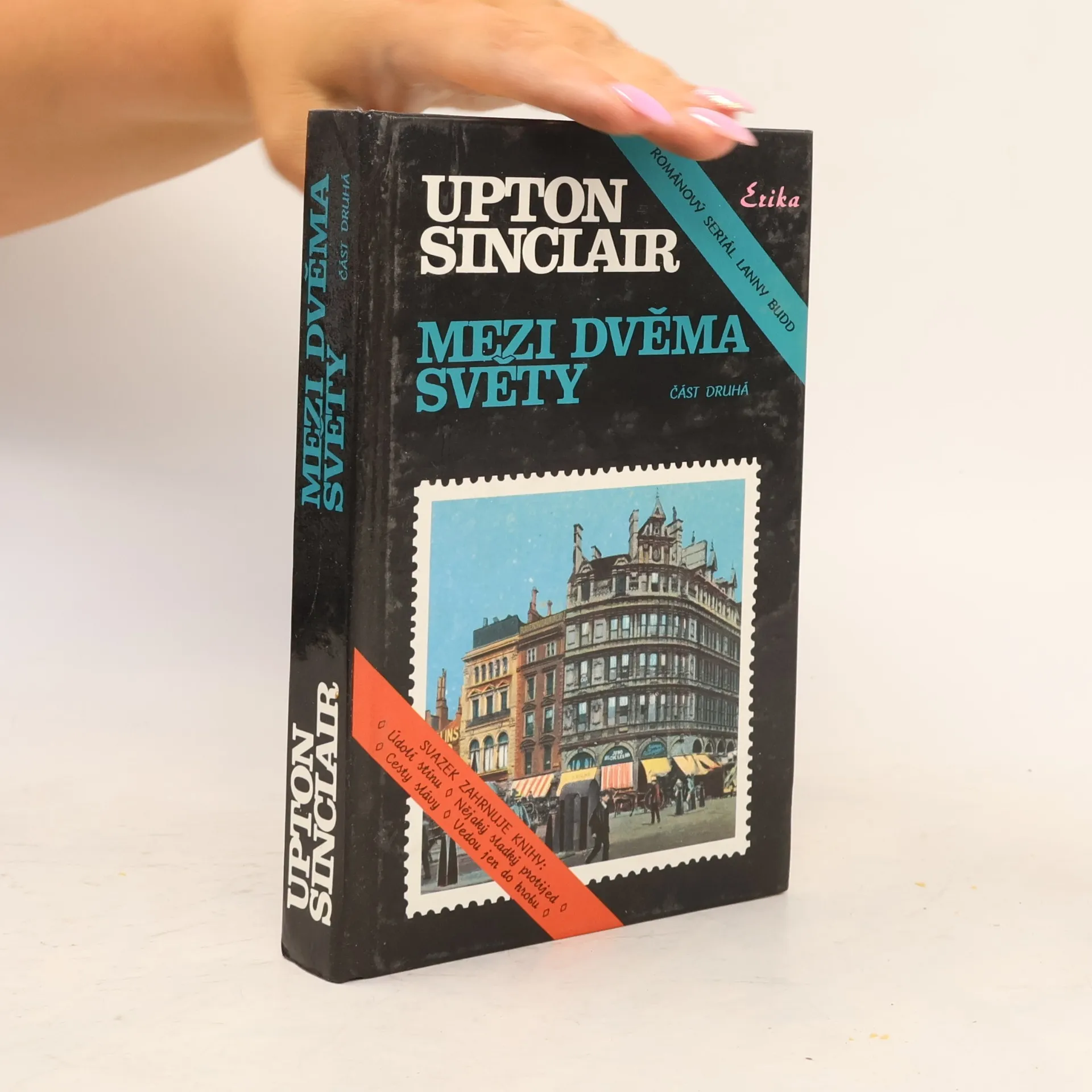
Další část románového cyklu, v němž autor líčí životní osudy mladého světoběžníka z vysoké americké společnosti v době do počátků fašismu a hospodářské krize v Evropě. 2. část románu má čtyři knihy - Kniha pátá: Údolí stínů Kniha šestá: Nějaký sladký protijed Kniha sedmá: Cesty slávy Kniha osmá: Vedou jen do hrobu...
Dílo Uptona Sinclaira se zaměřuje na sociální a ekonomické problémy americké společnosti na přelomu 19. a 20. století. Hlavní postavou je Jurgis Rudkus, litvínovský imigrant, který se snaží vybudovat lepší život pro svou rodinu v Chicagu. Příběh zachycuje jeho boj s těžkými podmínkami v masném průmyslu, korupcí a nespravedlností, které postihují dělnickou třídu. Sinclair detailně popisuje životní podmínky, pracovní vykořisťování a morální úpadek, s nímž se postavy setkávají. Kromě Jurgise se v příběhu objevují i další významné postavy, které ilustrují různé aspekty života v industriální společnosti. Tematicky se kniha zaměřuje na otázky sociální spravedlnosti, etiky podnikání a vliv kapitalismu na jednotlivce a rodiny. Sinclairova práce vyvolává otázky o lidských právech a důstojnosti, přičemž čtenářům poskytuje hluboký pohled na realitu doby. Dílo je významné nejen literárně, ale i historicky, neboť přispělo k reformám v oblasti pracovních podmínek a sociální politiky.
První část románového cyklu o Lanny Buddovi navazuje na svazky Konec světa. Zobrazuje život Evropy a Ameriky ve 20. letech 20. století.
První část románového cyklu o Lanny Buddovi navazuje na svazky Konec světa. Zobrazuje život Evropy a Ameriky ve 20. letech 20. století.
První část románového cyklu o Lanny Buddovi navazuje na svazky Konec světa. Zobrazuje život Evropy a Ameriky ve 20. letech 20. století.
Další část románového cyklu, v němž autor líčí životní osudy mladého světoběžníka z vysoké americké společnosti v době do počátků fašismu a hospodářské krize v Evropě.
Dílo Uptona Sinclaira se zaměřuje na sociální a ekonomické problémy americké společnosti na přelomu 19. a 20. století. Hlavní postava, Jurgis Rudkus, je imigrant z Litvy, který se snaží najít lepší život v Chicagu. Příběh sleduje jeho cestu od naděje a optimismu po zklamání a beznaděj, když se setkává s krutou realitou pracovních podmínek v masném průmyslu. Sinclair detailně popisuje korupci, vykořisťování a nehumánní zacházení s dělníky, což odhaluje širší systémové problémy kapitalismu. Kromě Jurgise se v příběhu objevují i další postavy, které ilustrují různé aspekty života v průmyslovém městě, včetně jeho rodiny a přátel, kteří čelí podobným výzvám. Tematicky se kniha zabývá otázkami sociální spravedlnosti, lidských práv a etiky v podnikání. Sinclairova práce je významná nejen pro svou literární hodnotu, ale také pro její vliv na veřejné mínění a reformní hnutí v USA. Celkově se jedná o kritickou analýzu společnosti, která zůstává relevantní i v současnosti.
Příběh světoběžníka a obchodníka s obrazy zavádí čtenáře do Evropy 30.let; Lanny Budd podporuje různá sociální hnutí, pokusy o protinacistický odpor v Německu a pomáhá komunistům ve Španělsku.
Sinclairs Selbstporträt ist fast heiter, doch zwischen den Zeilen spricht ein tapferer, unbestechlicher Mensch. Er selbst gesteht im Geleitwort der amerikanischen Ausgabe, dass er lange Zeit Aufforderungen erhielt, seine Lebensgeschichte zu schreiben, dies jedoch für die Aufgabe eines alten Mannes hielt. Nach einer Phase harter Arbeit fühlt er sich nun alt und sehnt sich nach einer leichten Beschäftigung. Er vergleicht sich mit einem Veteranen, der jungen Menschen von seinen Ängsten und Qualen erzählt, die sie nicht mehr nachvollziehen können. Die neue Generation verlangt Unterhaltung, weshalb er sich einen heiteren Stil wünscht. Dennoch gibt es auf dieser Seite viele ernsthafte Bücher von ihm, und das Werk „Schalle Laterais“ ist weniger leicht und heiter. Dieser Widerspruch zwischen Stil und Inhalt verleiht dem Buch seinen besonderen Reiz. Es zeigt einen Menschen, der die Abgründe der Schwachen kennt und trotz seiner Kämpfe die vielen anderen würdigt, die ohne Ruhm und Dank denselben Kampf führen. Sinclairs Hingabe und Ermutigung spiegeln wider, wie Menschen lernen, sich anzupassen und zu verstehen. Er steht für die Kunst und die Menschheit ein.
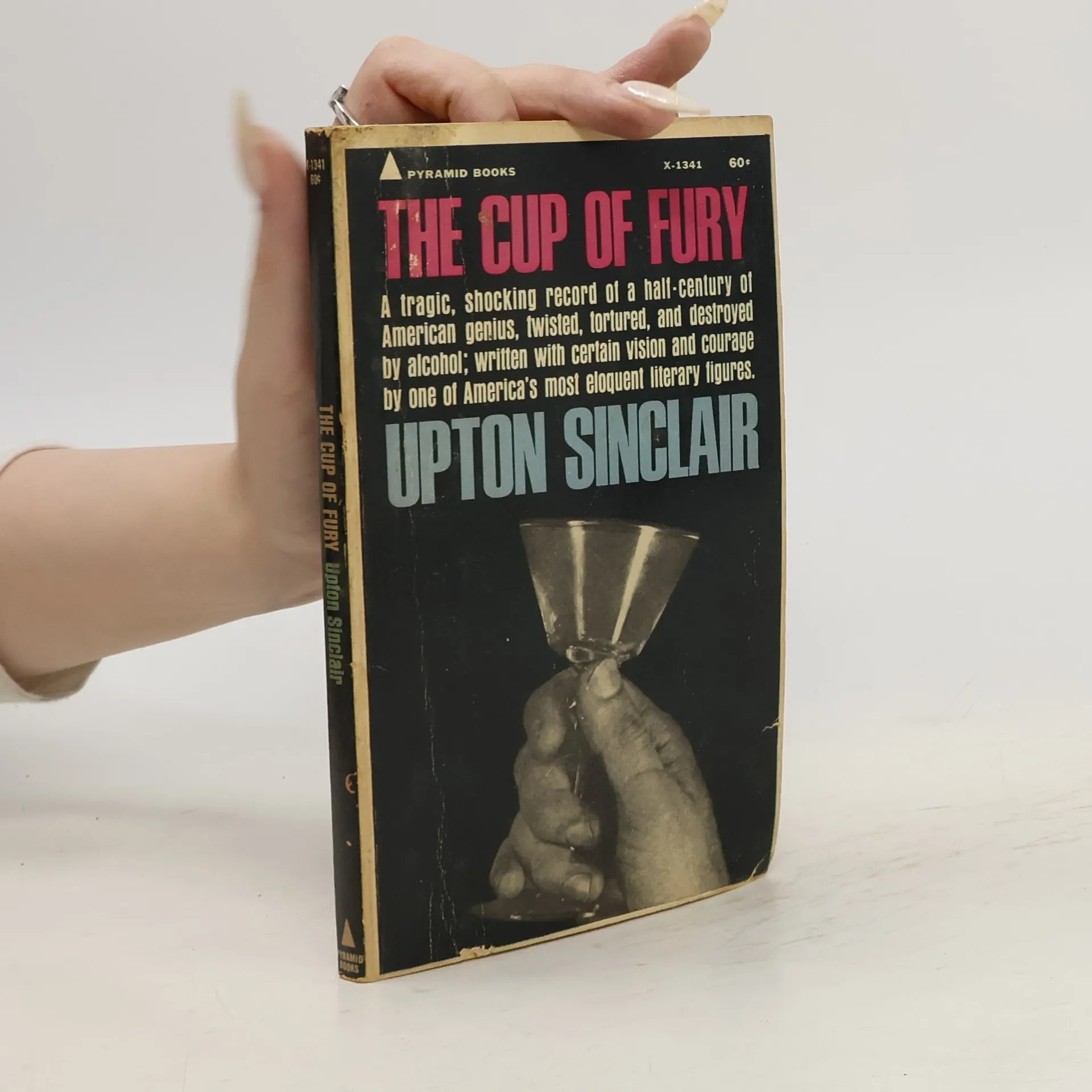
Excerpt from The Cup of Fury I also want to thank the publishers of the following periodicals for permission to quote from the indicated articles: Atlantic Monthly, The Incorruptible Sinclair Lewis, by Perry Miller (april, 1951) New York Times, obituary on Maxwell Bodenheim (pebru ary 8, 1954) New Republic, The Violence of Dylan Thomas, by Hans Meyerhoff (july II, I 955) The Reporter, A Luncheon With Dylan Thomas, by Mary Ellin Barrett (april 27, 1954) About the Publisher Forgotten Books publishes hundreds of thousands of rare and classic books. In rare cases, an imperfection in the original, such as a blemish or missing page, may be replicated in our edition. We do, however, repair the vast majority of imperfections successfully; any imperfections that remain are intentionally left to preserve the state of such historical works.
Sinclair v románe predkladá obraz života coloradských baníkov, ich štrajku z roku 1913, svojvôľu polície, bezohľadnosť podnikateľov, systém úplatkov. Hrdina románu - syn boháča, uhoľného magnáta - sa podoberie zorganizovať odbory. Keď jeho plán zlyhá, nahovorí robotníkov na štrajk. V románe pútavo zobrazuje citové vzťahy mladých ľudí z nerovnakých spoločenských vrstiev, ktorí si bolestne uvedomujú svoju nerovnocennosť a nerovnoprávnosť.
The book chronicles Upton Sinclair's intriguing experiment to validate his second wife's claimed psychic abilities during her struggle with depression and interest in the occult. It details her attempts to replicate 290 drawings made by her brother, with Sinclair reporting 65 accurate duplications, 155 partial successes, and 70 failures. Accompanied by original illustrations and extensive commentary, this edition also includes a new biographical preface about Sinclair, originally praised by his friend Albert Einstein in its German release.
The horrifying conditions of the Chicago stockyards and the meatpacking industry are revealed through this narrative of a young immigrant's struggles in America.
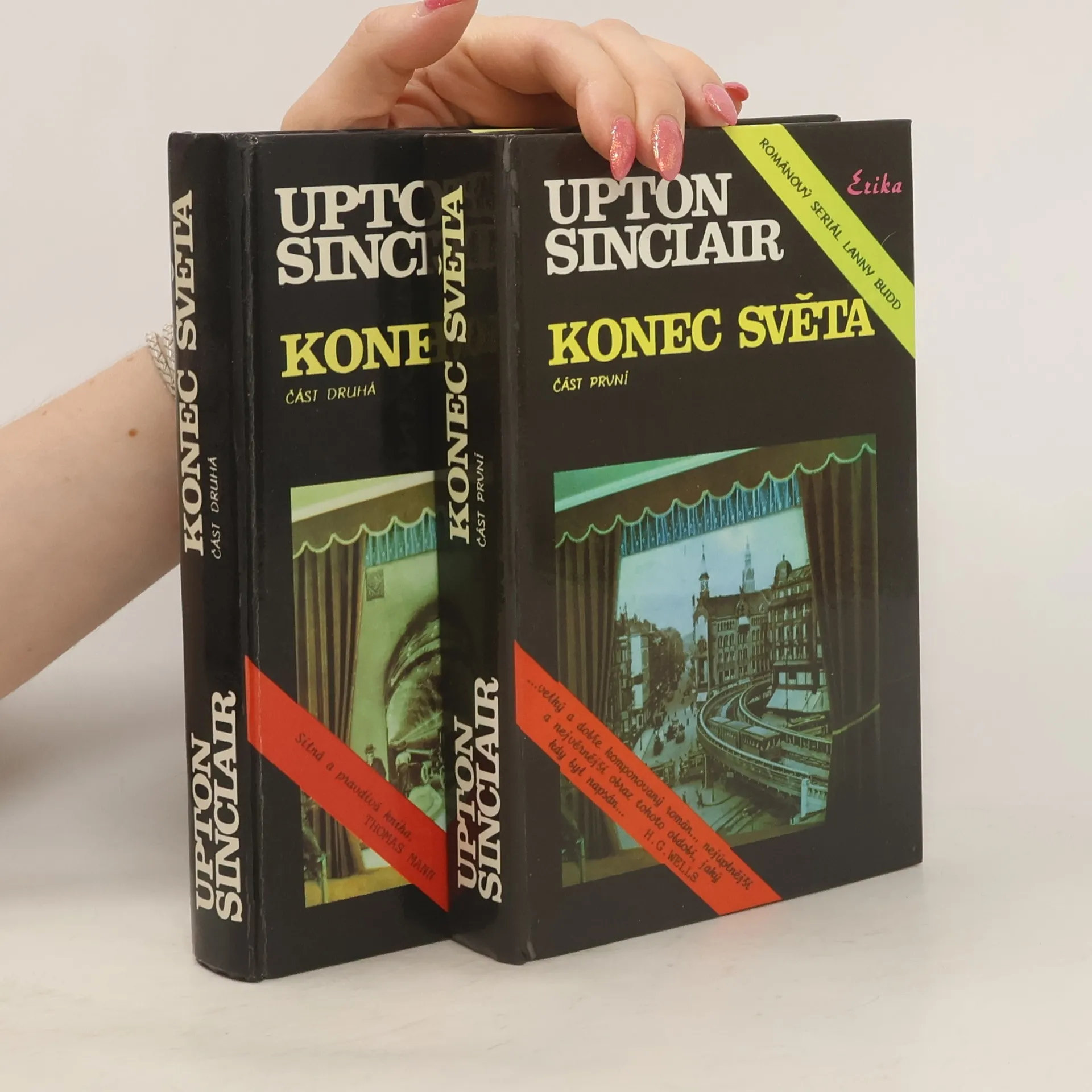
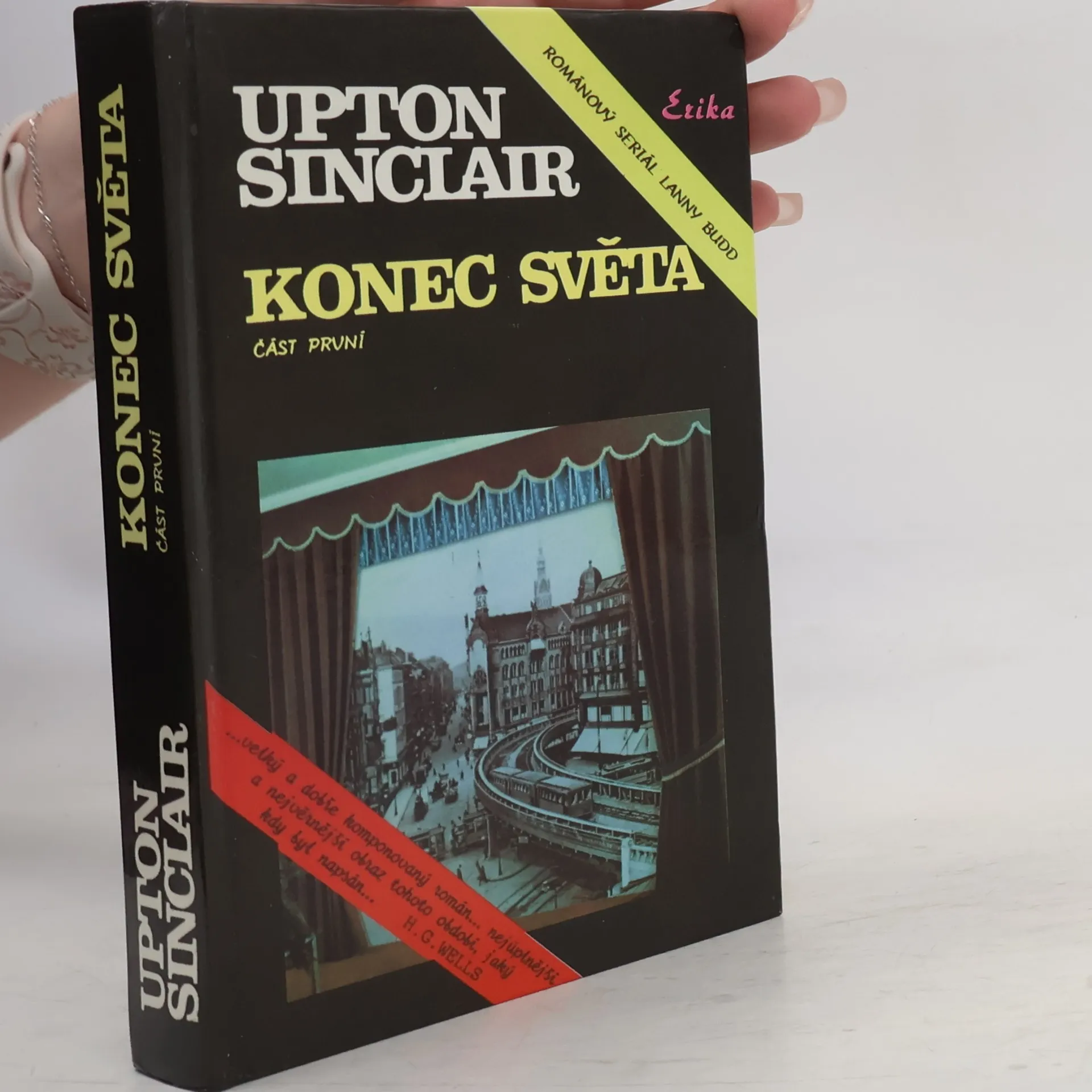
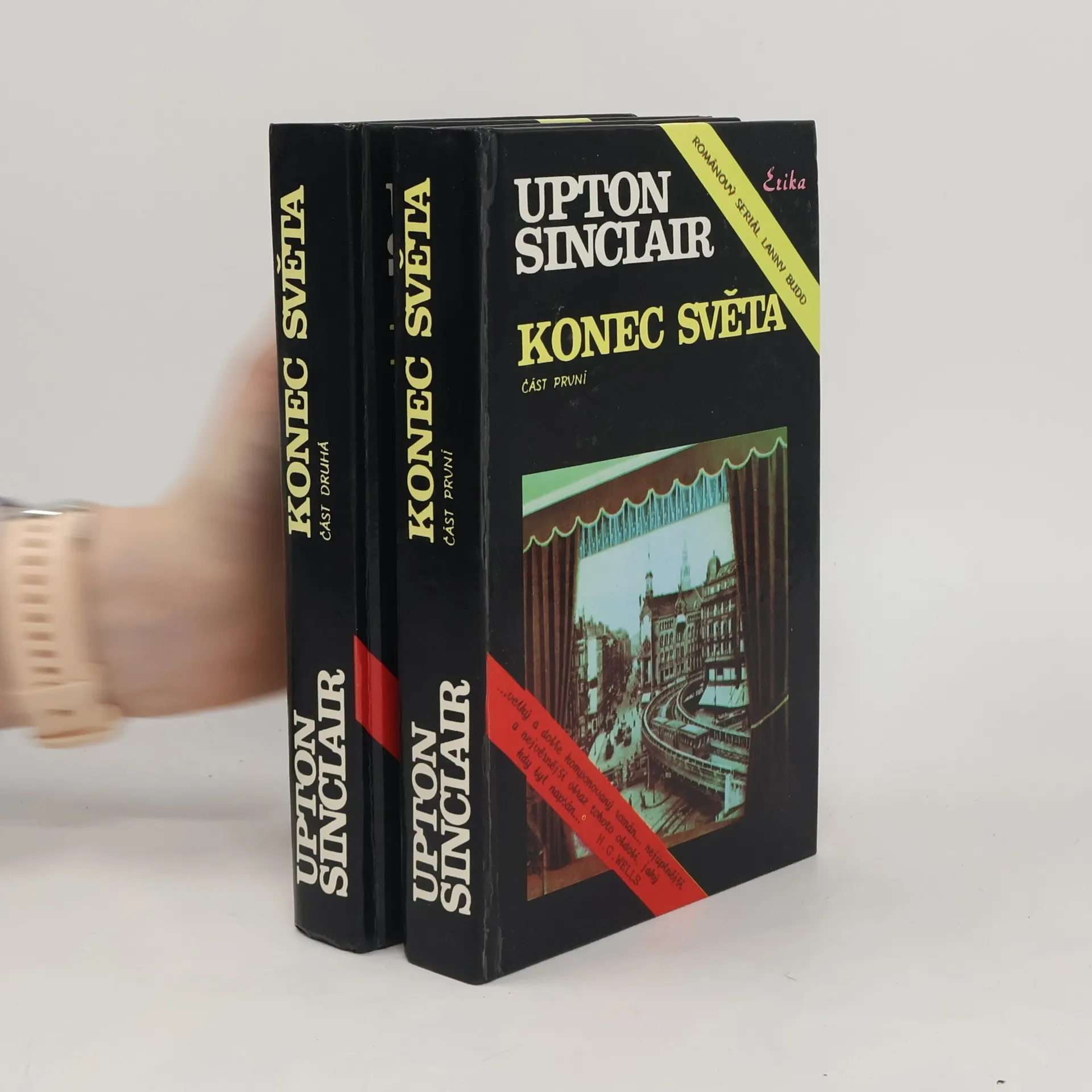
Románová freska o osudech Evropy a Ameriky v první třetině 20. století. V 1. části jsou osudy dospívajícího chlapce, posléze mladého muže Lannyho Budda, jeho matky a četných postav mezinárodní kosmopolitní společnosti dovedeny do konce 1. světové války Románová freska o osudech Evropy a Ameriky v první třetině 20. století. Příběh Lannyho Budda, jeho matky a ostatních dalších postav pokračuje po 1. světové válce První část románového cyklu o Lanny Buddovi navazuje na svazky Konec světa. Zobrazuje život Evropy a Ameriky ve 20. letech 20. století Druhá část románového cyklu o Lanny Buddovi navazuje na svazky Konec světa. Zobrazuje život Evropy a Ameriky ve 20. letech 20. století Třetí část románového seriálu o Lanny Buddovi se odehrává v 30. letech, kdy se Lanny ožení s americkou milionářkou a kdy se v Německu a Itálii rozmáhá fašismus
Románová freska o osudech Evropy a Ameriky v první třetině 20. století. V 1. části jsou osudy dospívajícího chlapce, posléze mladého muže Lannyho Budda, jeho matky a četných postav mezinárodní kosmopolitní společnosti dovedeny do konce 1. světové války Románová freska o osudech Evropy a Ameriky v první třetině 20. století. Příběh Lannyho Budda, jeho matky a ostatních dalších postav pokračuje po 1. světové válce První část románového cyklu o Lanny Buddovi navazuje na svazky Konec světa. Zobrazuje život Evropy a Ameriky ve 20. letech 20. století Druhá část románového cyklu o Lanny Buddovi navazuje na svazky Konec světa. Zobrazuje život Evropy a Ameriky ve 20. letech 20. století Třetí část románového seriálu o Lanny Buddovi se odehrává v 30. letech, kdy se Lanny ožení s americkou milionářkou a kdy se v Německu a Itálii rozmáhá fašismus
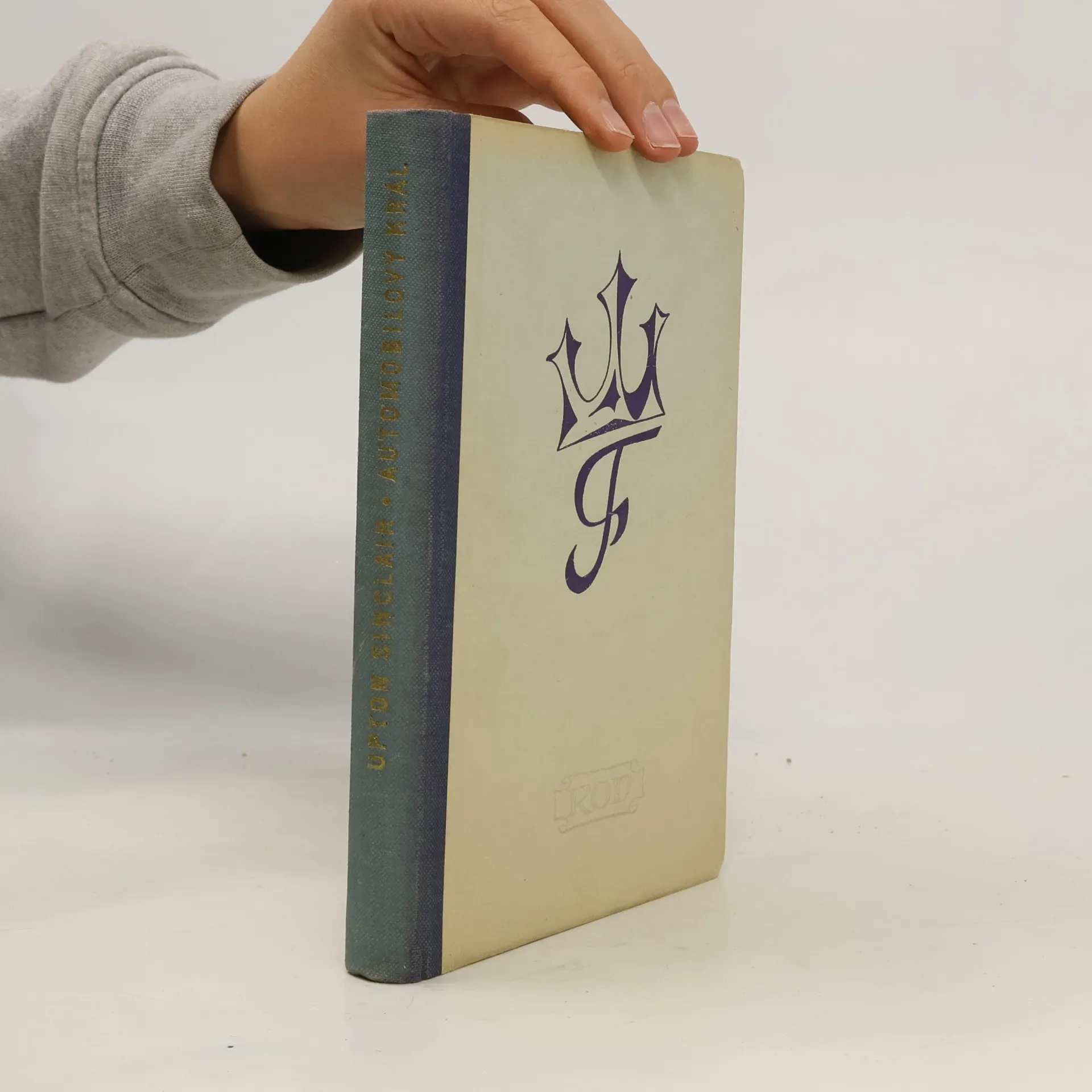
Prolínající se životní osudy dvou mužů, Henri Forda a Abnera Shutta, jednoho z jeho zaměstnanců: typického kapitalisty a typického amerického dělníka. Je tu zachycen rozmach automobilismu a kapitalistická Amerika bez pozlátka. Básnická zkratka vrcholícího třídního boje.


![Dračí zuby : [románový seriál Lanny Budd]. Část 1](https://rezised-images.knhbt.cz/1920x1920/88840502.webp)