

Focusing on the interdisciplinary nature of Critical Data Studies, this comprehensive A-Z guide offers succinct definitions and descriptions of over 400 key terms related to data's production, governance, and usage. It explores the implications of data-driven systems and whose interests they serve. Designed for students, scholars, and professionals, the book enhances comprehension of the field and provides resources for further exploration, making it an essential tool for anyone looking to deepen their understanding of data's role in society.
Rob Kitchin Books
August 4, 1970
This author delves into social issues through compelling crime novels and short story collections. Their literary focus is on the crime genre, where they blend suspenseful plots with insightful commentary on society. Through their creative writing and academic research, they seek to illuminate the complexities of human nature and societal structures. Their work is rooted in keen observation and a desire to understand the world around us.

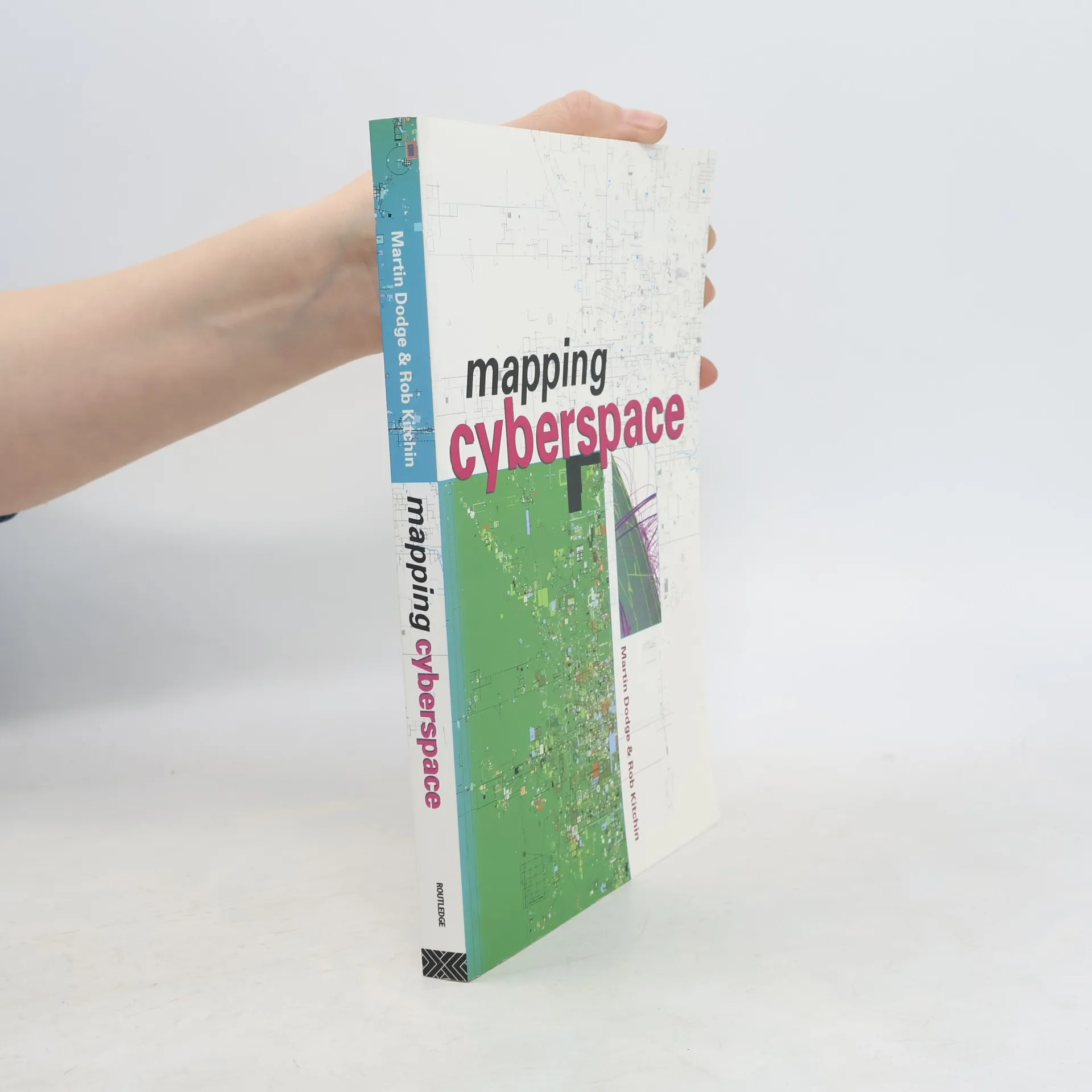
Mapping Cyberspace
- 272 pages
- 10 hours of reading
Mapping Cyberspace is a ground-breaking geographic exploration and critical reading of cyberspace, and information and communication technologies.
The SAGE Handbook of Human Geography, 2v
- 840 pages
- 30 hours of reading
"Superb! How refreshing to see a Handbook that eschews convention and explores the richness and diversity of the geographical imagination in such stimulating and challenging ways." - Peter Dicken, University of Manchester. "Stands out as an innovative and exciting contribution that exceeds the genre." - Sallie A. Marston, University of Arizona. "Captures wonderfully the richness and complexity of the worlds that human beings inhabit... This is a stand-out among handbooks!" - Lily Kong, National University of Singapore. "This wonderfully unconventional book demonstrates human geography's character and significance not by marching through traditional themes, but by presenting a set of geographical essays on basic ideas, practices, and concerns." - Alexander B. Murphy, University of Oregon. "This SAGE Handbook stands out for its capacity to provoke the reader to think anew about human geography ... essays that offer some profoundly original insights into what it means to engage geographically with the world." - Eric Sheppard, UCLA. Published in association with the journal Progress in Human Geography, this Handbook showcases the impact of geographical thinking on understanding the world. Each section delves into how human geography shapes, interrogates, and intervenes in our environment. It features a major retrospective and prospective introductory essay, along with three substantive sections: Imagining, Practicing, and Living
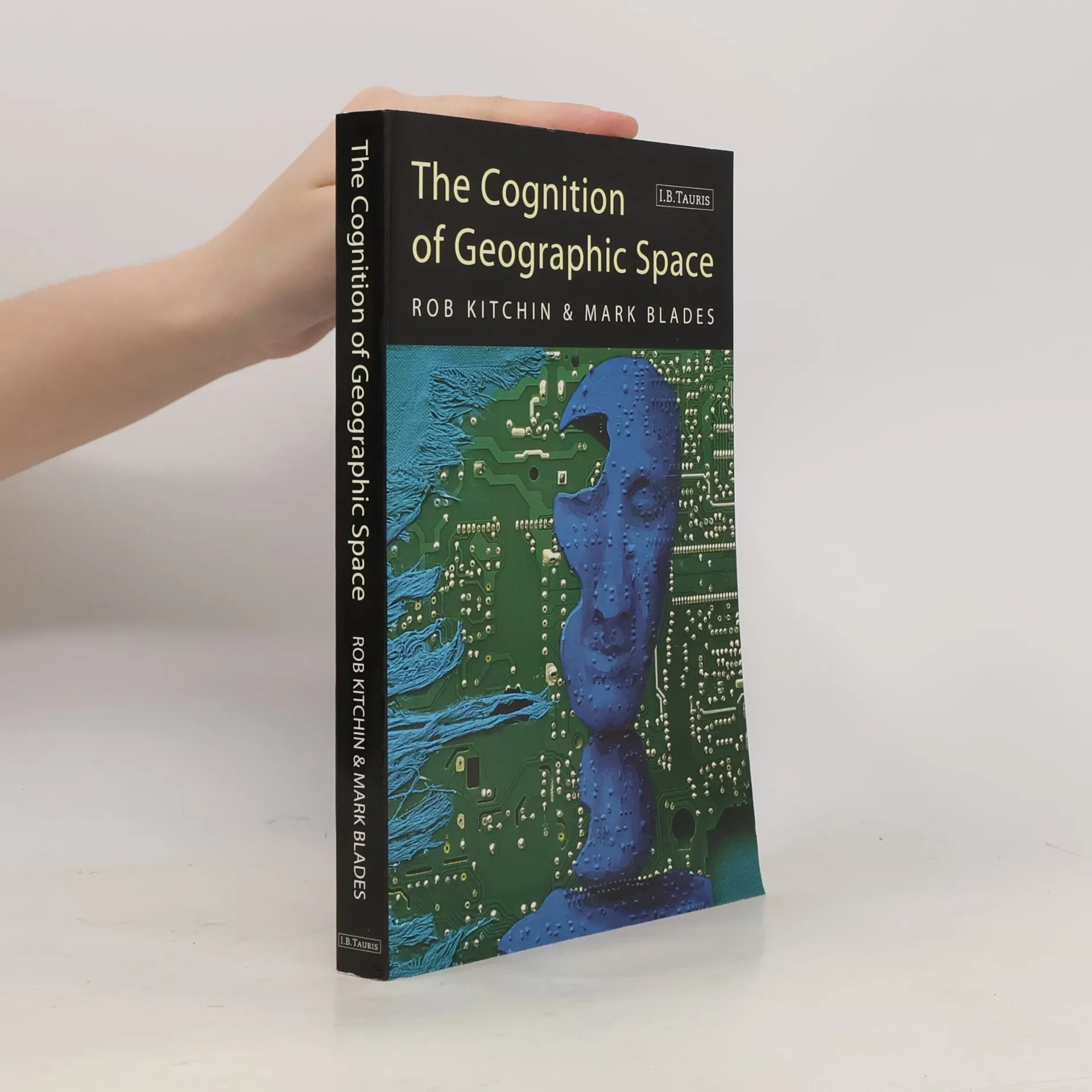
International Library of Human Geography: The Cognition of Geographic Space
- 272 pages
- 10 hours of reading
How do humans think and behave in geographic space? The authors analyze what people know about spatial geographical relationships, and how this knowledge is used in everyday life. They synthesize a variety of perspectives from various disciplines, providing a critical appraisal of geographic space. In doing so, the authors put forth new ideas and theories concerning cognitive mapping, and outline an agenda for future research.
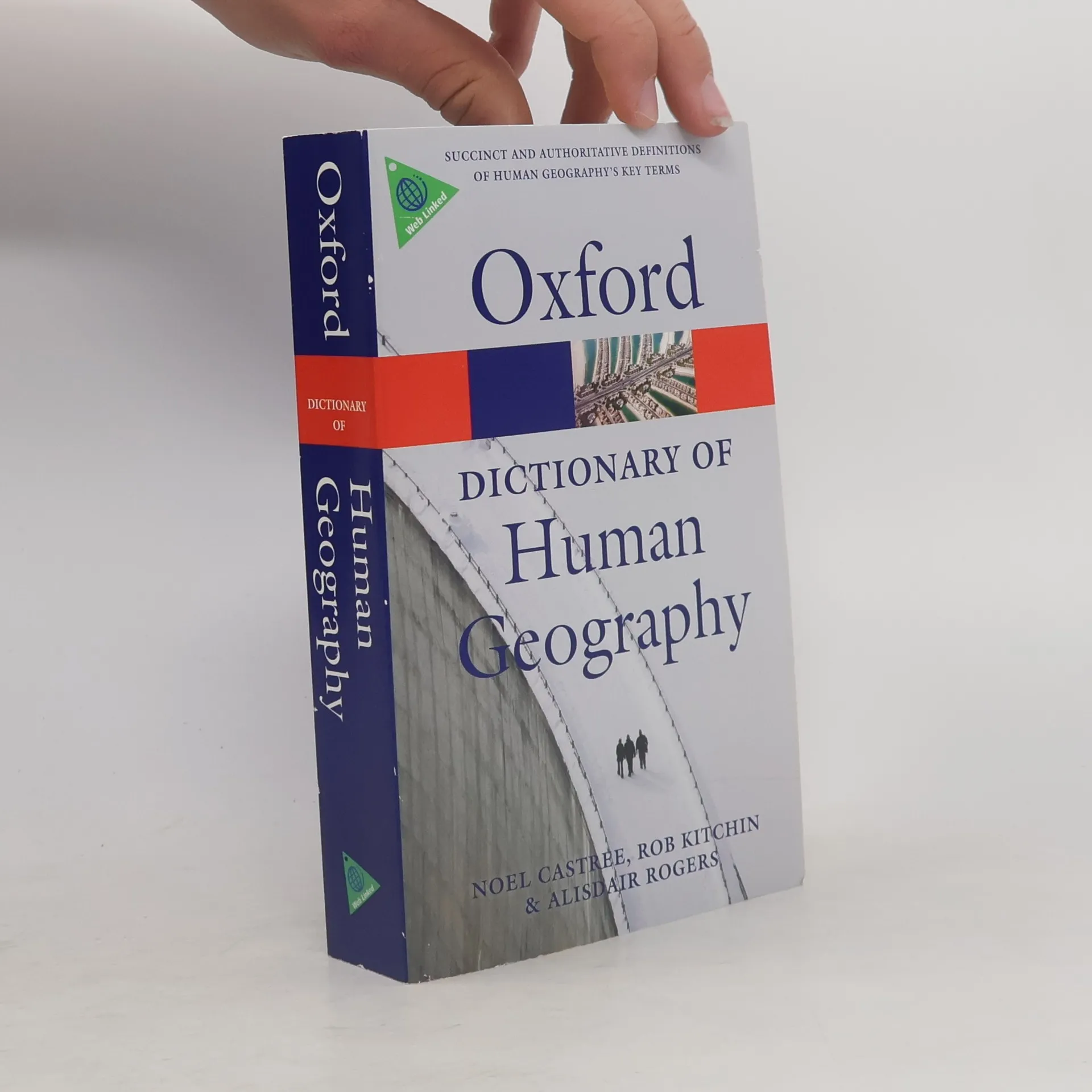
A Dictionary of Human Geography
- 581 pages
- 21 hours of reading
This new dictionary provides over 2,000 clear and concise entries on human geography, covering basic terms and concepts as well as biographies, organisations, and major periods and schools. Authoritative and accessible, this is a must-have for every student of human geography, as well as for professionals and interested members of the public.