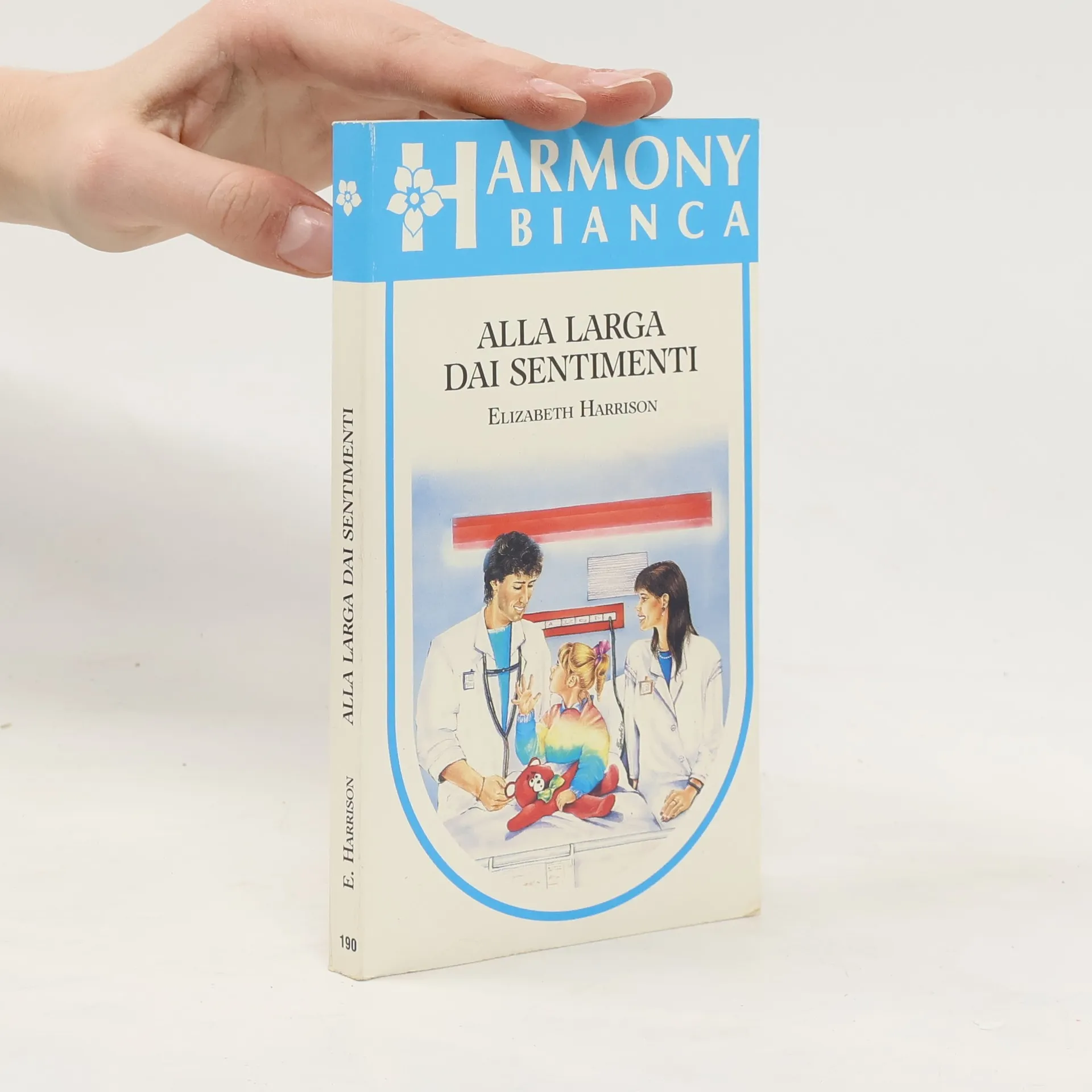
Immerse yourself in the enchanting spirit of the holiday season, where the magic of Christmas unfolds in a heartwarming narrative. The story captures the essence of joy, love, and the transformative power of the holidays, inviting readers to experience the warmth and wonder that comes with this special time of year. Elizabeth Harrison weaves a tale that celebrates the beauty of Christmas traditions and the connections that bring people together.
Elizabeth Harrison Book order


- 2023
- 2023
In Story land
- 84 pages
- 3 hours of reading
The enchanting realm of imagination unfolds in this whimsical journey through various stories filled with magical characters and moral lessons. Readers are invited to experience the power of storytelling as they explore imaginative settings that come to life, making it a delightful adventure for all ages.
- 2022
Christmas Tide
- 122 pages
- 5 hours of reading
The enchanting spirit of the holiday season comes alive in this collection of stories, poems, and reflections that celebrate Christmas. It highlights the rich traditions and joys of the season while exploring the deeper meanings behind them, inviting readers to embrace the magic and warmth of Christmas.
- 2021
Roberta, Rosie, Sandra and Linda meet at college in the 70s and remain constant friends, despite life's up and downs. The sudden death of one of the friends leads the others to suspect that a slimming drug she had been taking was perhaps to blame.
- 1998
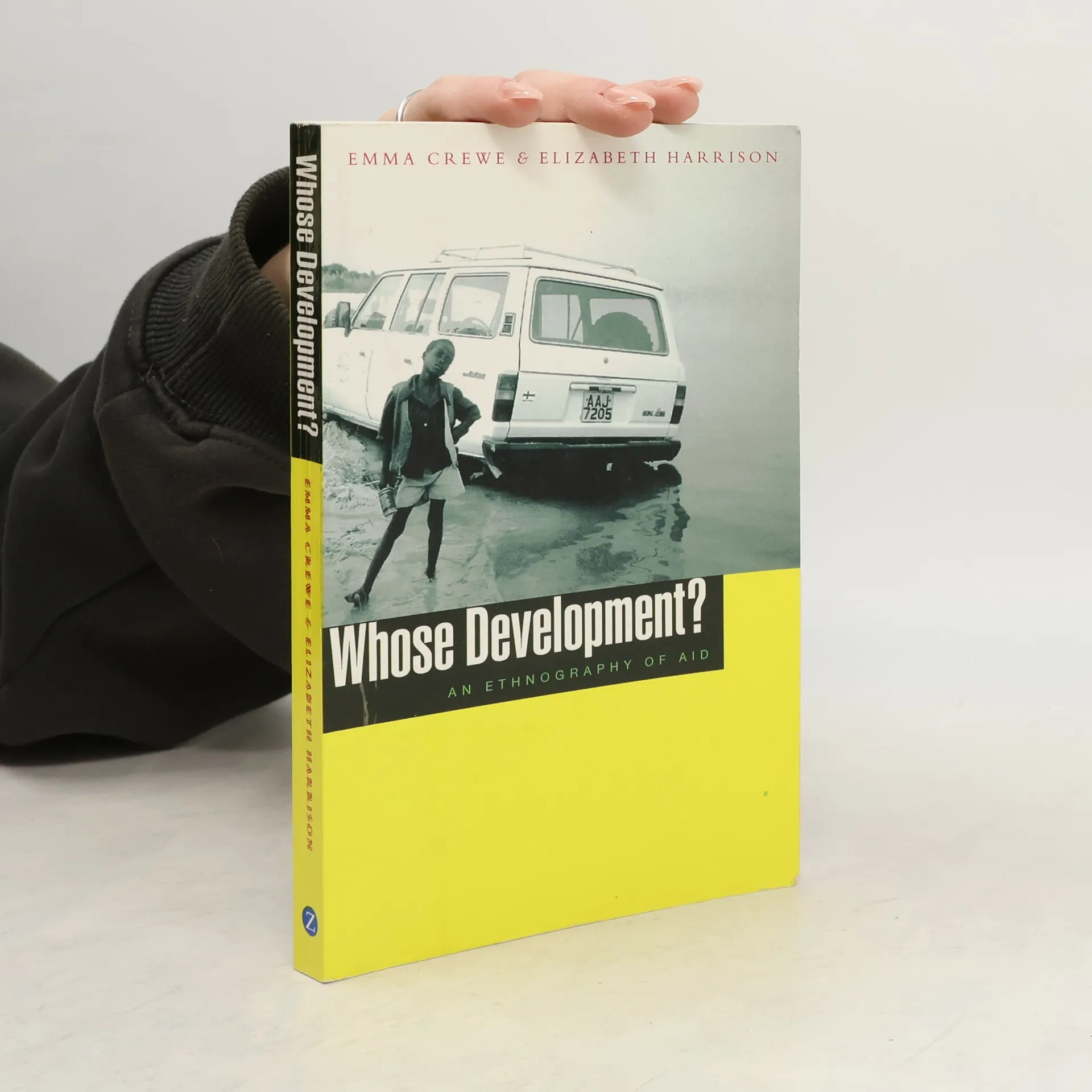
The 'anthropology of development' is already challenging the received wisdom of development thought and practice. In this book, Crewe and Harrison build on existing work by using their own experience of aid projects in Africa and Asia to examine a number of deep-seated assumptions in the minds of 'developers'. Flawed notions about progress, gender, technology, partnership, motivation, culture and race persist, and there are yawning gaps between these and the policies and actual practices of development.Through ethnographic case material from two different organizations - one an international NGO, the other a multilateral agency - the authors explore what actually happens when expatriate development personnel, local government officials and the intended beneficiaries of aid interact with one another. They describe how power inequalities based on race, class and gender are reflected in the processes of aid.This is a work of considerable subtlety. The authors find the dichotomies between 'us', the 'developers', and 'them', the 'beneficiaries' of development, inadequate. They question the apparently monolithic power of the developers, and show the need for a more nuanced, contextual account of the complex and often ambiguous relationships that exist within the aid industry. And while it refuses to provide simple answers, this book greatly enriches our understanding of the cultural and structural dynamics of the development process.