

This guide offers comprehensive insights into the world of pet trains, covering essential topics such as selection, care, and training techniques. It provides practical advice for potential owners on how to find the perfect pet train, maintain its well-being, and effectively train it for companionship and enjoyment. With a focus on building a strong bond, the book emphasizes the unique aspects of pet train ownership, making it an invaluable resource for enthusiasts and newcomers alike.
Jason Carter Eaton Books
Jason Carter Eaton crafts children's stories with a unique blend of humor and the absurd. His narratives are characterized by unexpected twists and playful linguistic inventions that captivate young readers and adults alike. Eaton often explores themes of friendship, imagination, and the magic found in everyday life, frequently imbuing his tales with a subtle layer of poignancy beneath their cheerful exteriors. His distinctive voice and witty storytelling have established him as a standout contemporary author in children's literature.
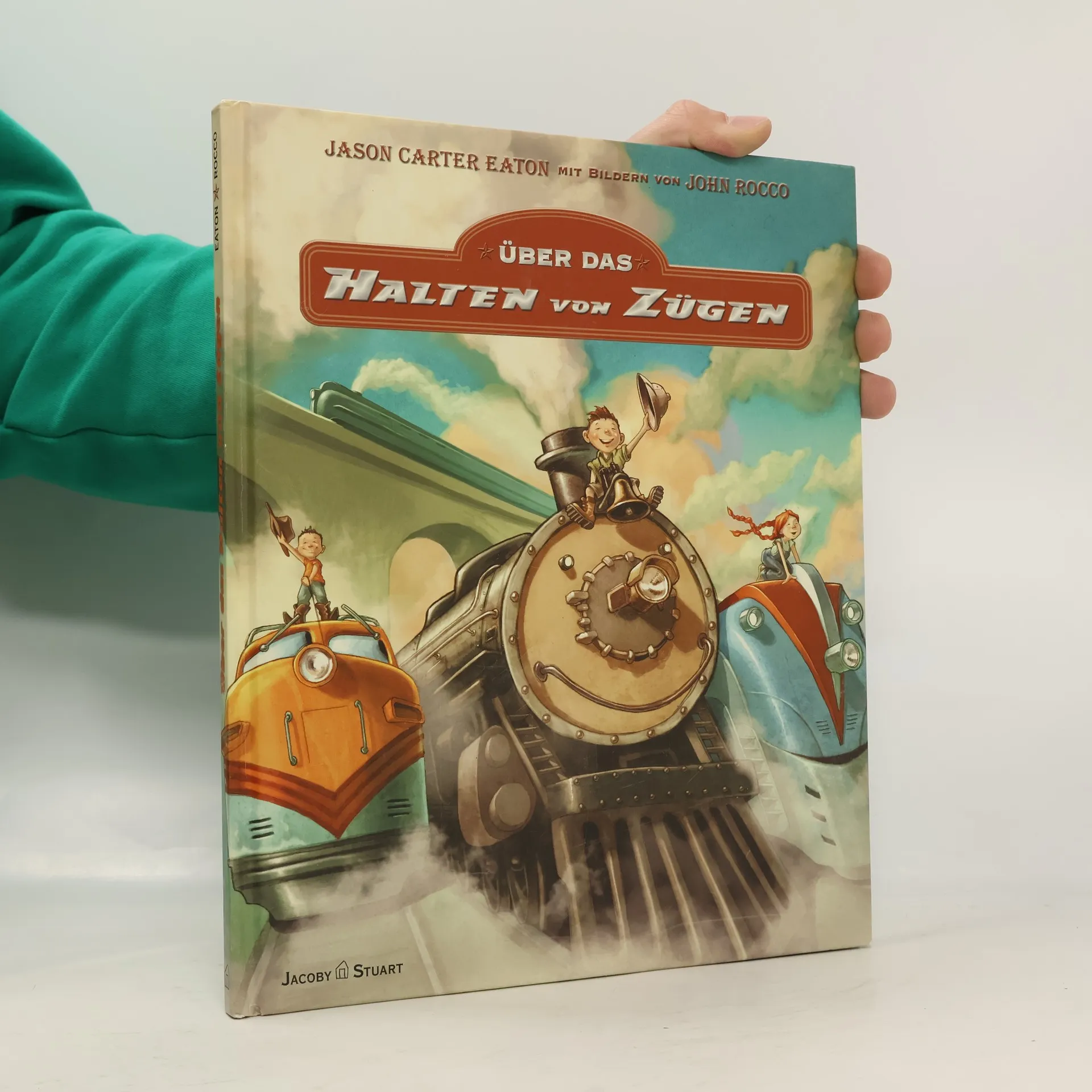
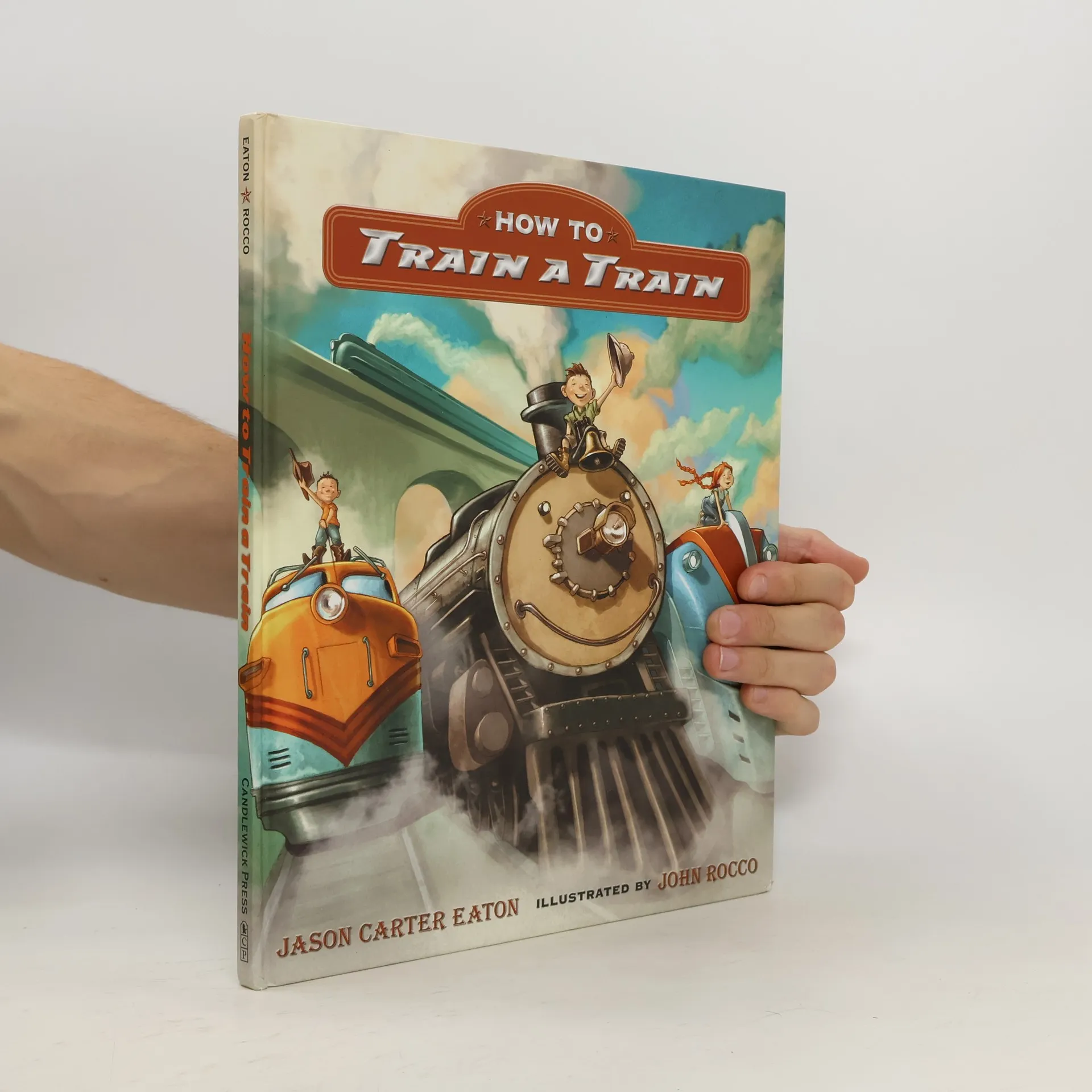
Über das Halten von Zügen
- 40 pages
- 2 hours of reading