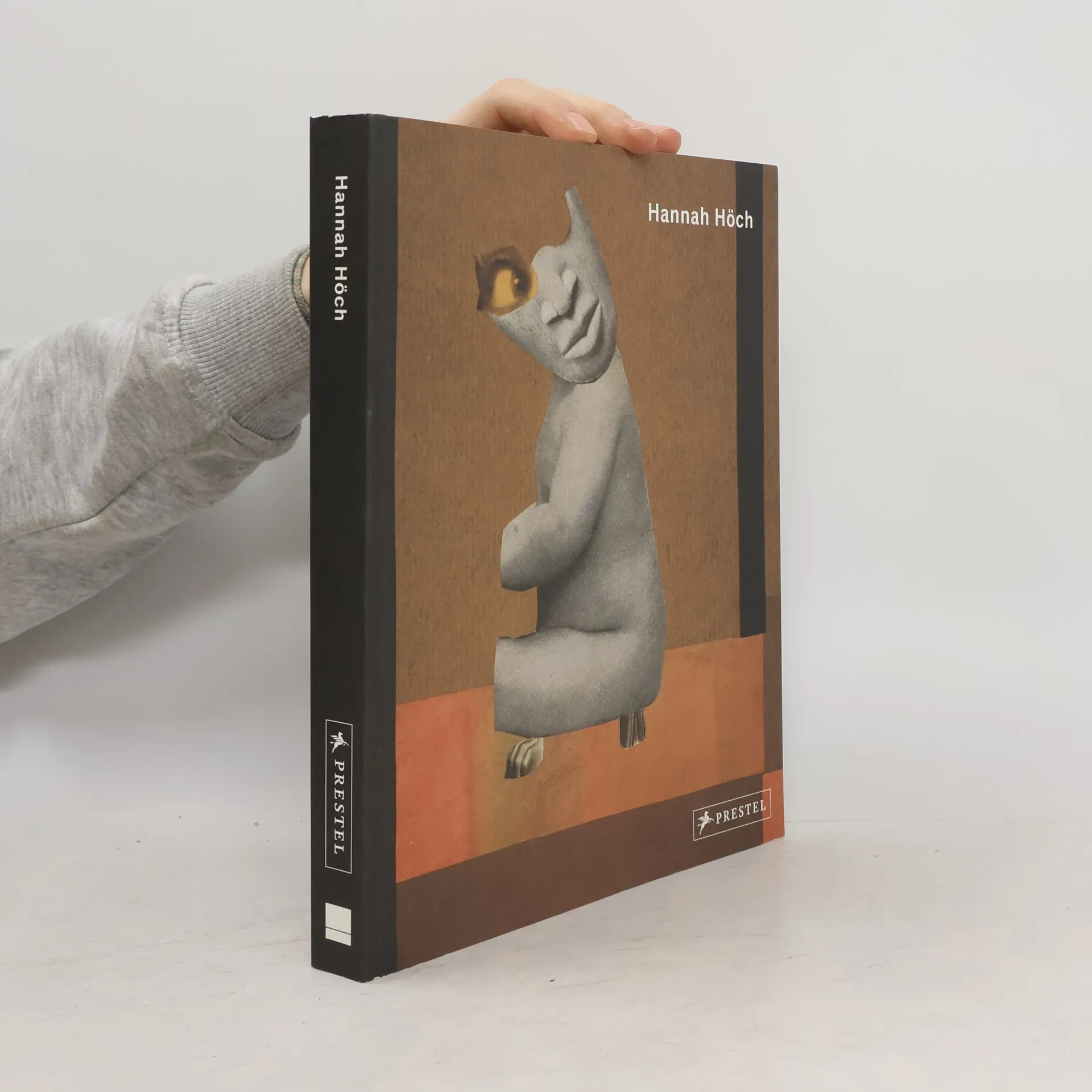
Now available in paperback, this book on the celebrated Dada artist Hannah Höch explores her use of collage as the artistic medium of choice for both satire and poetic beauty. World-renowned for her work during the Weimar period, Hannah Höch was a pioneer in many aspects, both artistic and cultural. She was the lone woman of the Berlin Dada movement — the riotous form of art that deconstructed sound, language, and images to re-assemble them into new objects, texts and meanings. A determined believer in women’s rights, Höch questioned conventional concepts of partnership, beauty and the making of art, her work presenting acute critiques of racial and social stereotypes, particularly that of her native Germany. Focusing on Höch’s collages, this book examines the artist’s career from the 1920s to the 1970s, charting her oeuvre from early works influenced by fashion and mass media, through to her later compositions of lyrical abstraction. It reveals her rapid development of a personal style, which was both humorous and often moving. Included are essays that examine themes such as the concept of the »New Woman« and the legacy of German colonialism. Featuring international scholarship on a groundbreaking artist, this volume brings together important source texts and reference material, which were first translated into English for the original edition of this book.
Dawn Adès Book order (chronological)

Paul Klee: 1939
- 144 pages
- 6 hours of reading
In a tumultuous year marked by personal and global challenges, Paul Klee produced some of his most innovative art before his death in 1940. This book explores his inventive works from 1939, showcasing a variety of media that create visually striking and tactile surfaces. Klee's drawings serve as meditative reflections on life's complexities, with titles revealing his inner struggles. Art historian Dawn Ades contextualizes these pieces within their historical significance, while artist Richard Tuttle responds creatively, highlighting Klee's lasting influence on post-war artists.
Marcel Duchamp (World of Art)
- 240 pages
- 9 hours of reading
Genius. Anti-artist. Charlatan. Impostor! Since 1914 Marcel Duchamp has been called all of these. No artist of the 20th century has aroused more passion and controversy, nor exerted a greater influence on art, the very nature of which Duchamp challenged and redefined as concept rather than product by questioning its traditionally privileged optical nature. At the same time, he never ceased to be engaged, openly or secretly, in provocative activities and works that transformed traditional artmaking procedures. Written with the enthusiastic support of Duchamp's widow, this is one of the most original and important books ever written on this enigmatic artist, and challenges received ideas, misunderstanding and misinformation
Enchanted Ground is about the challenge to modernist criticism by Surrealist writers-mainly André Breton but also Louis Aragon, Pierre Mabille, René Magritte, Charles Estienne, René Huyghe and others-who viewed the same artists in terms of magic, occultism, precognition, alchemy and esotericism generally. It introduces the history of the ways in which those artists who came after Impressionism-Paul Cézanne, Pierre-Auguste Renoir, Georges Seurat, Paul Gauguin, Vincent van Gogh-became canonical in the 20th century through the broad approaches we now call modernist or formalist (by critics and curators such as Alfred H. Barr, Roger Fry, Robert Goldwater, Clement Greenberg, John Rewald and Robert L. Herbert), and then unpacks chapter-by-chapter, for the first time in a single volume, the Surrealist positions on the same artists. To this end, it contributes to new strains of scholarship on Surrealism that exceed the usual bounds of the 1920s and 1930s and that examine the fascination within the movement with magic.
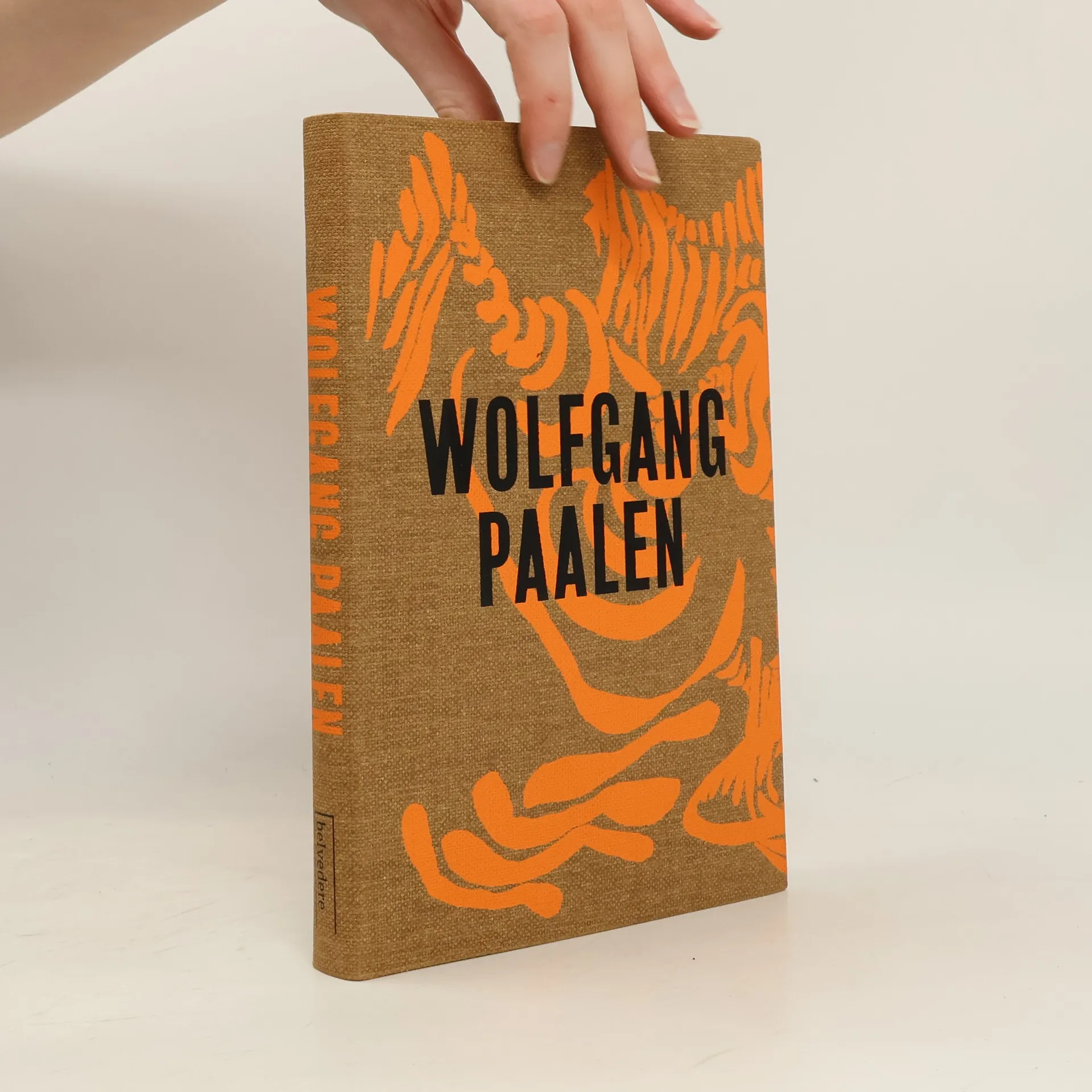
Wolfgang Paalen
Der österreichische Surrealist in Paris und Mexiko
The first publication to explore the friendship between Marcel Duchamp and Salvador Dali, two of the most important artists of the twentieth century. The book features previously unpublished material and accompanies a ground- breaking exhibition at the Royal Academy of Arts, London.
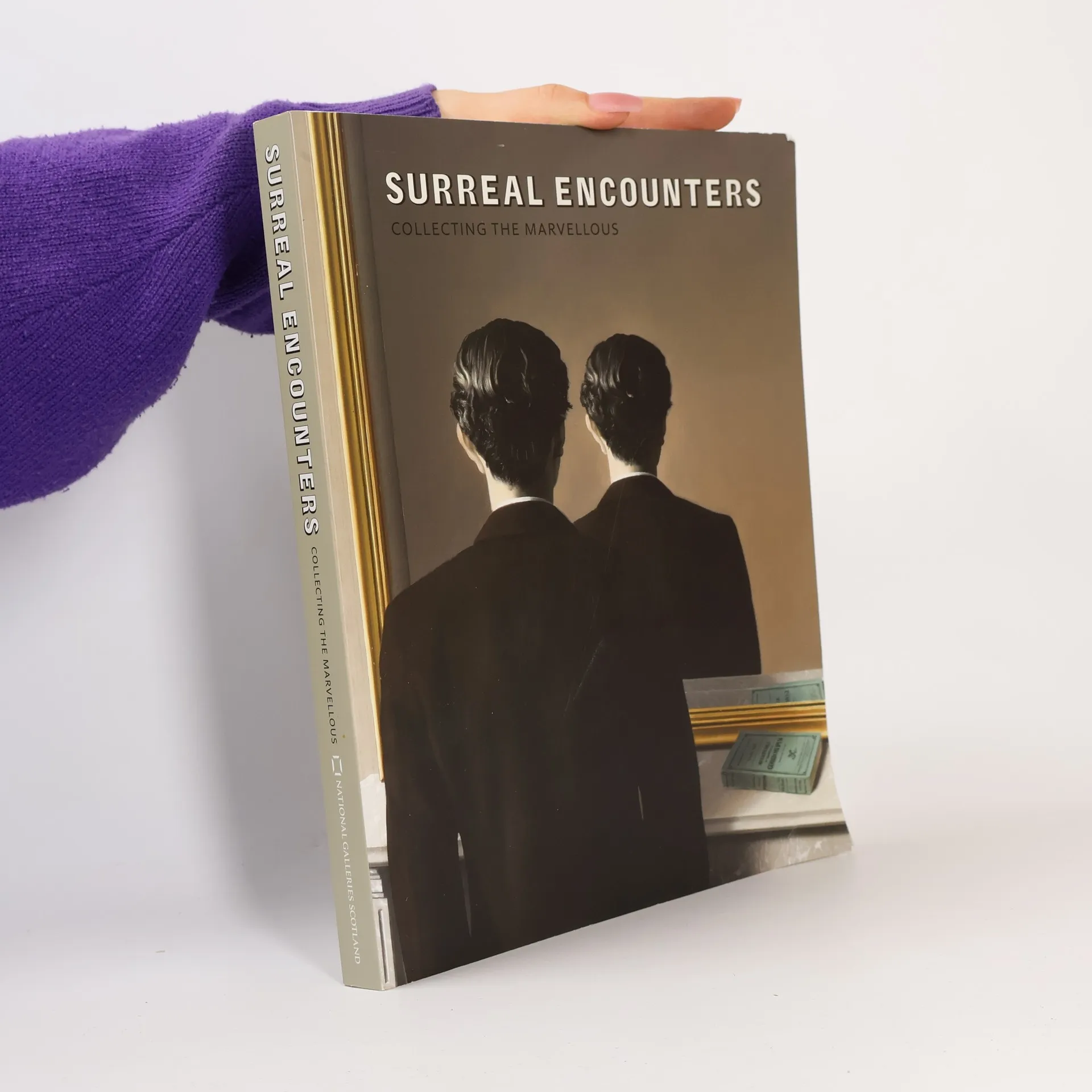
Surreal Encounters
- 264 pages
- 10 hours of reading
Résumé en 4ème de couverture: "The essays, written by leading scholars such as Dawn Ades and Elizabeth Cowling, provide an insight into the way that four key collections of surrealist art were formed and the motivations behind their creation. It is not surprising that the ways in which surrealist art has been collected display many of the idiosyncratic passions of Surrealism itself. The four collections shown in this book -- those formed by Roland Penrose (1900-84), Edward James (1907-84), Gabrielle Keiller (1908-95) and Ulla and Heiner Pietzsch (who have been collecting Surrealism since the 1970s) -- have different origins, trajectories, and historical contexts and come out of different creative urges. When these four collections are brought together, they create a many-faceted glimpse of the 'marvellous', which André Breton, the chief theorist of the movement, defined in his first surrealist manifesto of 1924 as follows: 'The marvellous is always beautiful, anything marvellous is beautiful, in fact only the marvellous is beautiful.'"
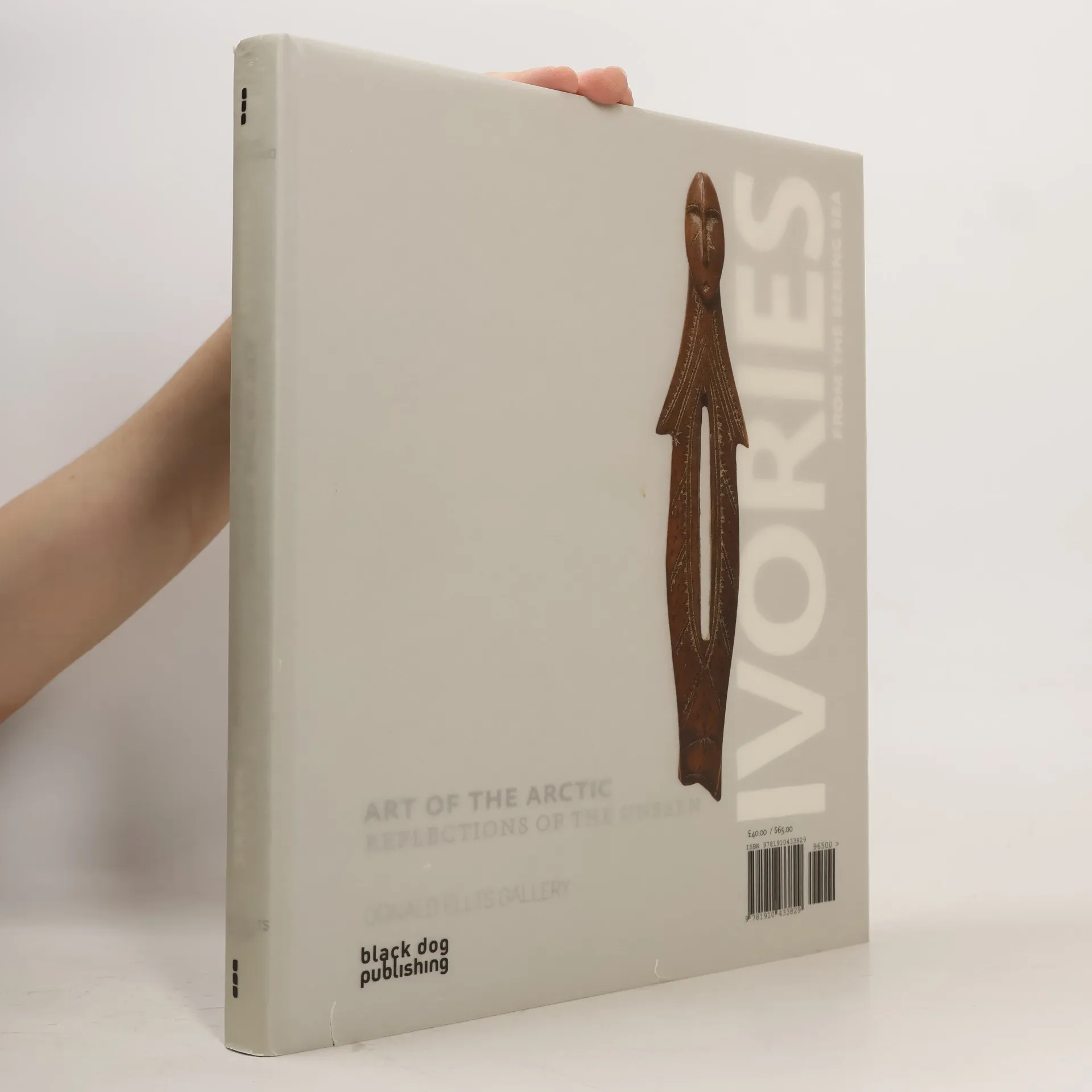
Art of the Arctic: Reflections of the Unseen is a remarkable and unique publication that examines the history and artistic influence of Inuit masks and ivories.
Surrealism and Dream
- 368 pages
- 13 hours of reading
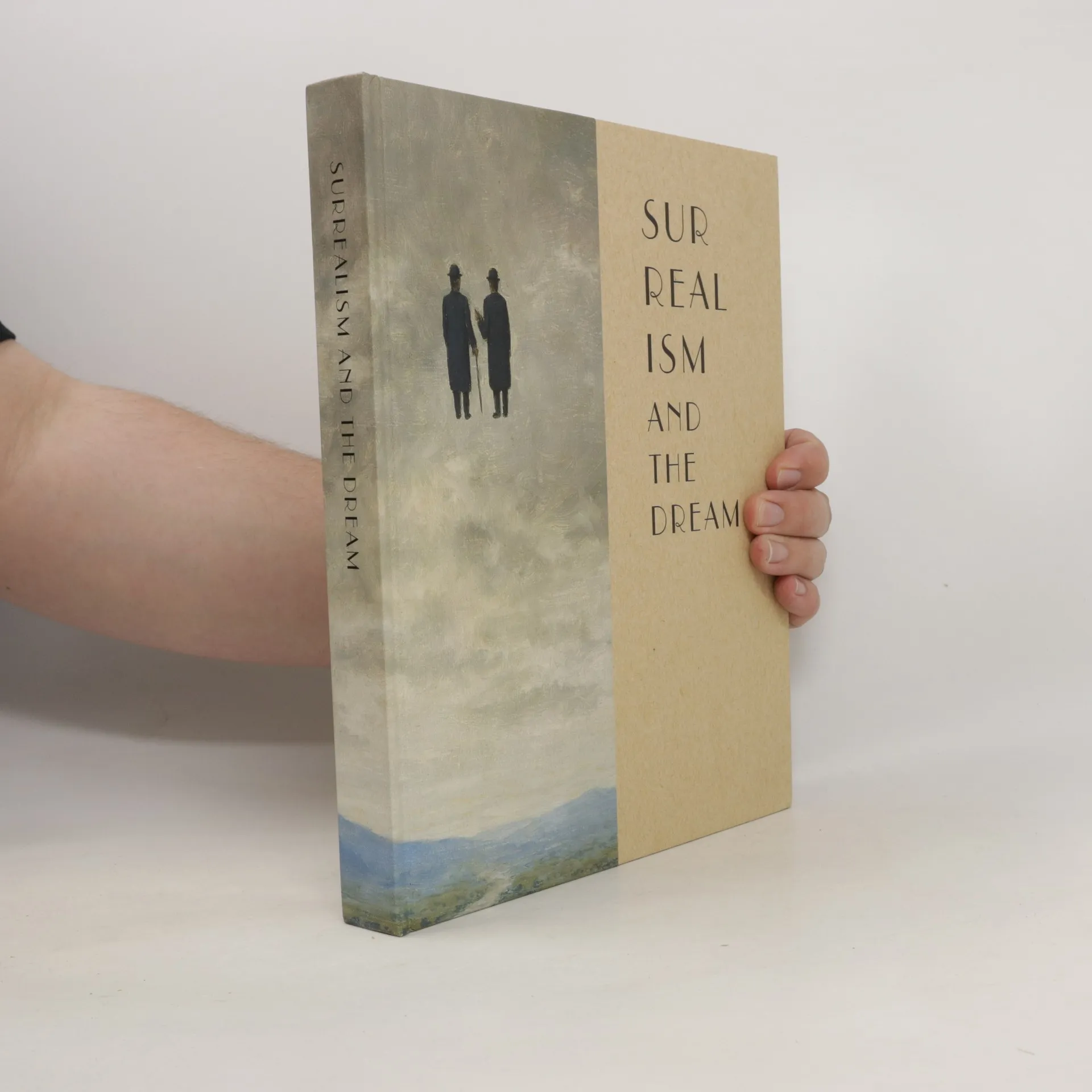
"Can’t the dream be used in solving the fundamental problems of life?" asked André Breton, in the First Surrealist Manifesto . For the Surrealists, dreams were the ultimate site of possibility, the realm in which the artist and writer might be liberated from his or her rationality, moral judgment and taste. This beautifully designed volume offers, for the first time, a thorough account of the centrality of dreams to the Surrealist project. It includes paintings, drawings, collages, sculptures and photographs by Jean Arp, Brassaï, Victor Brauner, André Breton, Claude Cahun, Leonora Carrington, Salvador Dalí, Paul Delvaux, Max Ernst, René Magritte, André Masson, Dora Maar, Paul Nougé, Karel Teige and Yves Tanguy, among others. A special section on "Those Who Paved the Way (of Dreams)" includes works by J.J. Grandville, Odilon Redon and Henri Rousseau. Critical texts by Dawn Ades and Geroges Sebbag examine the history and philosophy of dreams within the Surrealist movement.
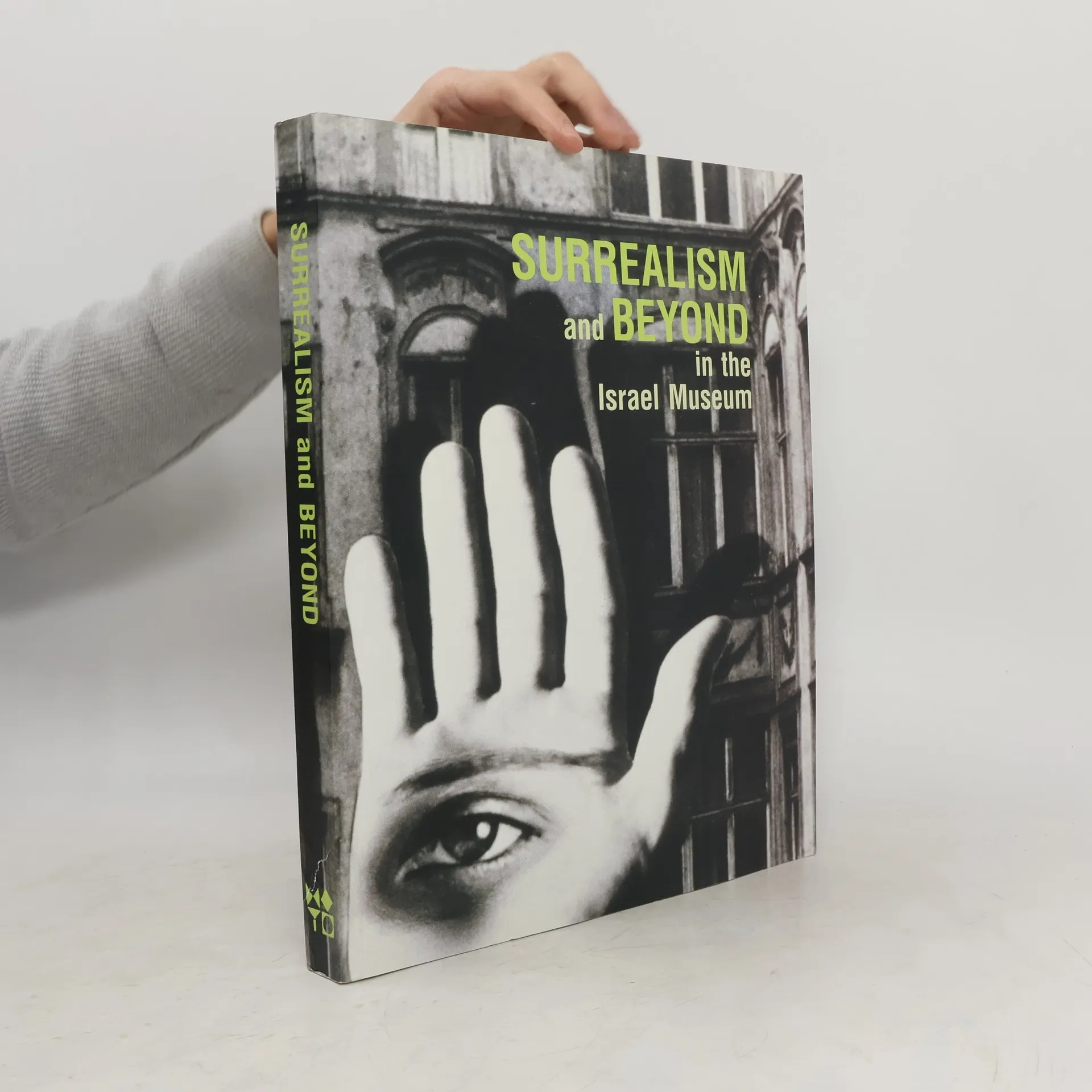
Surrealism and Beyond in the Israel Museum
- 287 pages
- 11 hours of reading
12.2?X?9.8Inch Hebrew,English By Adina kamien-Kazhdan 2007 288 pp. Richly Illustrated
Published to accompany an exhibition held at Tate Modern, London, 1 June - 9 September 2007, Los Angeles County Museum of Art, Los Angeles, 14 October 2007 - 6 January 2008, Salvador Dali Museum, St Petersburg, Florida, 1 February - 1 June 2008, The Museum of Modern Art, New York, 29 June - 15 September 2008
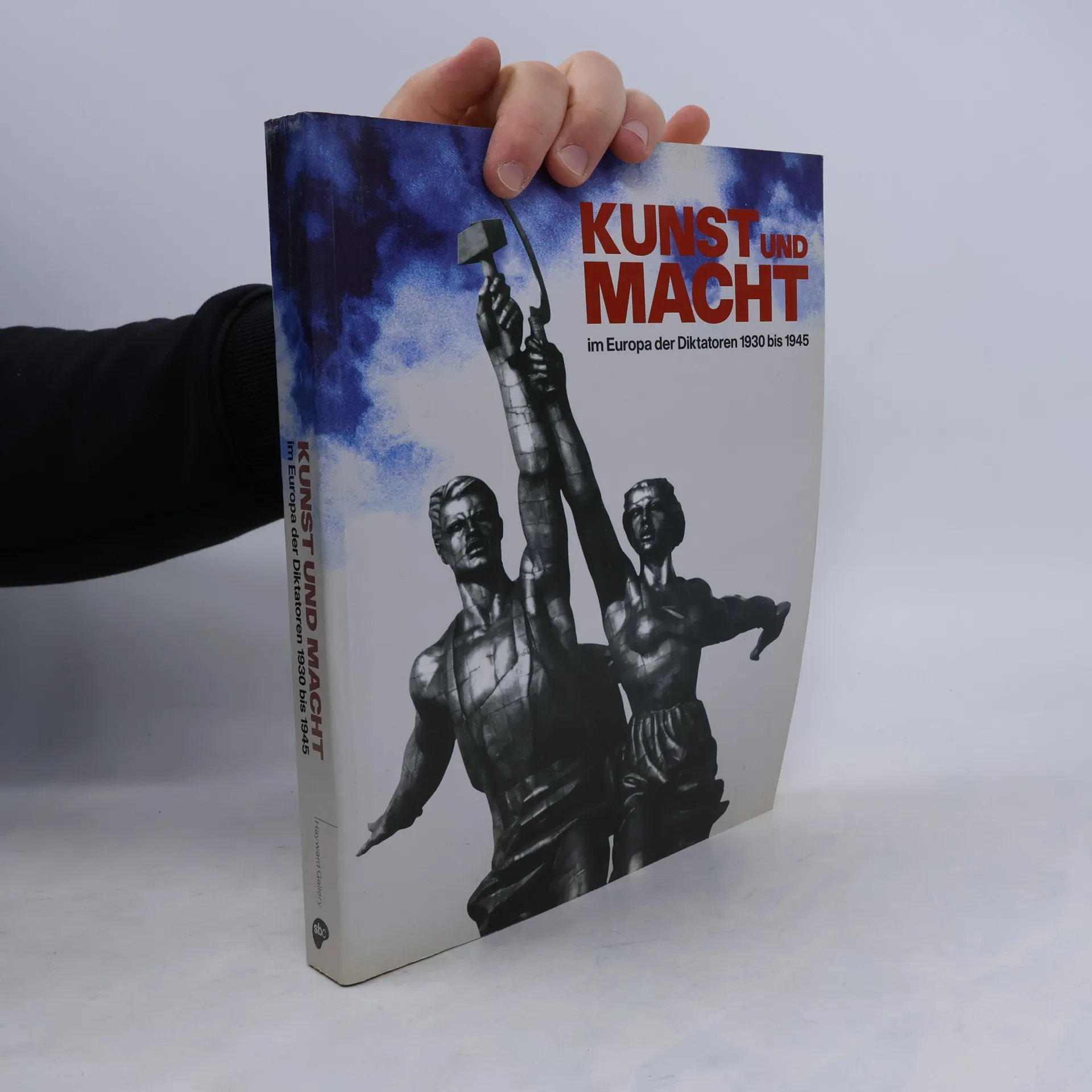
Kunst und Macht im Europa der Diktatoren 1930 bis 1945
- 360 pages
- 13 hours of reading
This survey provides an in-depth study of the relationship of art and power in what has been called the "Europe of the Dictators", between 1930 and 1945 - published as the catalogue for a major exhibition at the Hayward Gallery which opened in late 1995. In Hitler's Germany, Stalin's USSR and Mussolini's Italy, art was used to reinforce the strength of the political rulers, to shape and influence, to celebrate and demonstrate the seductive nature of power. But despite the ambitious architectural projects and public monuments, the grand portraits and gigantic sculptures, artistic freedom was restricted under these regimes. Art movements that had flourished pre-1930 were suppressed, and efforts were channelled into new, populist forms that expressed the ideals of the state. With over 450 illustrated examples, ranging from painting and sculpture to large-scale architecture, from cinema and photography to literature, this volume examines in essays, by some of today's leading art historians, the often uneasy relationship between art and power. Including biographies of all the artists and architects, an illustrated chronology, and extracts from contemporary reviews and journals, this text should be a valuable resource for students and art historians, and an important study for anyone interested in the history of the period. An afterword is included by Neal ascherson.
Surrealist art : the Lindy and Edwin Bergman collection at the Art Institute of Chicago
- 246 pages
- 9 hours of reading
One of the finest and most famous collections of Surrealist art ever assembled now housed at the Art Institute of Chicago is that of Chicago philanthropists Lindy and Edwin A. Bergman. Artists represented include Salvador Dali and Pablo Picasso, among many others. Noted critic and art historian Dawn Ades has written an absorbing account of the Bergman collection. All the 118 works are reproduced in full color. 180 illus. 120 in color.
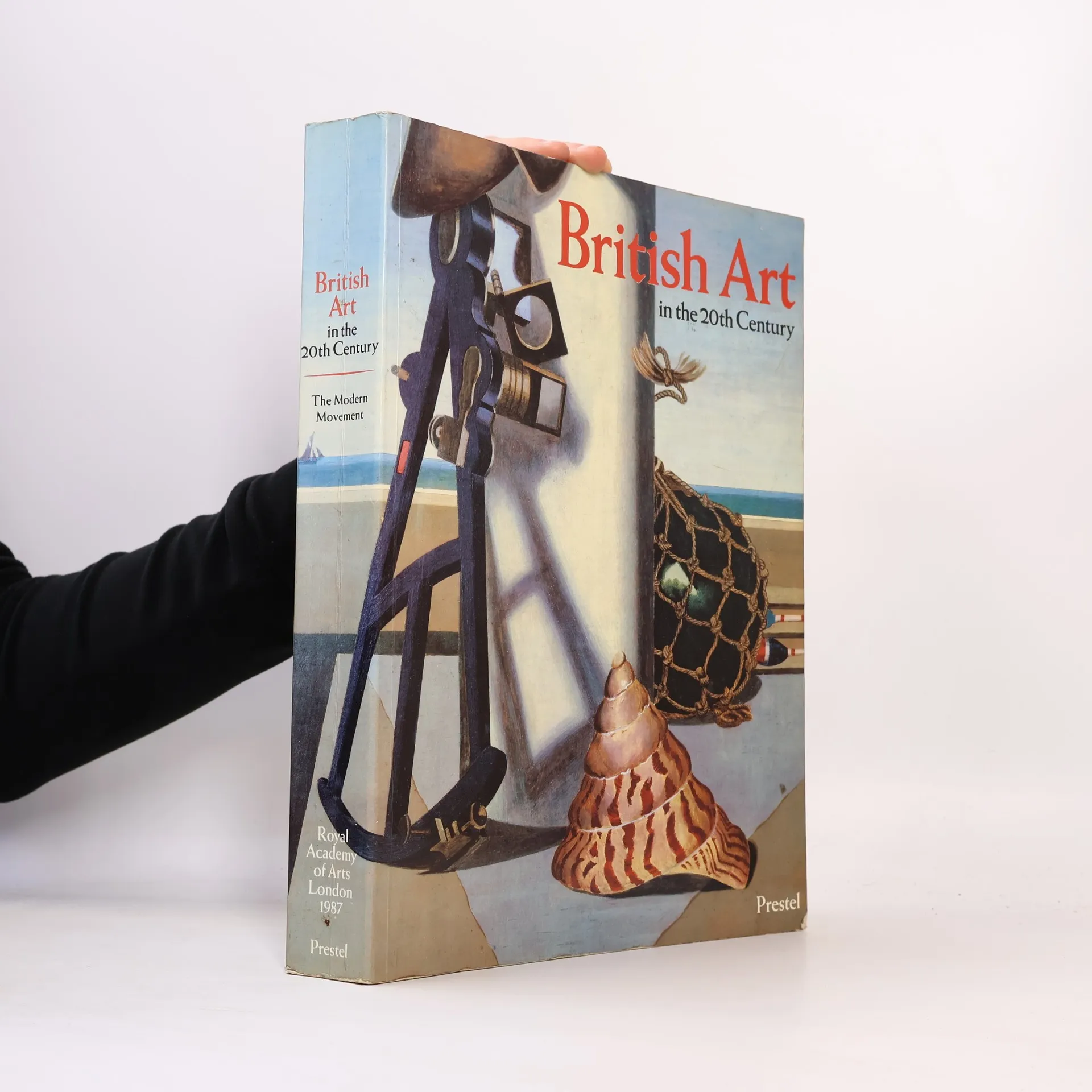
Physical description; 457 p. : ill. (chiefly col.), ports. ; 30 cm. Subject; Art, Modern -- 20th century -- Great Britain -- Exhibitions.
Text in German, English. 246 p. : chiefly ill. (some col. ); 31 cm. Includes Illustrations. Exhibition held in the Staatsgalerie Stuttgart, Oct. 19, 1985-Jan. 5, 1986 and in the Nationalgalerie Berlin, Feb. 7-March 31, 1986.
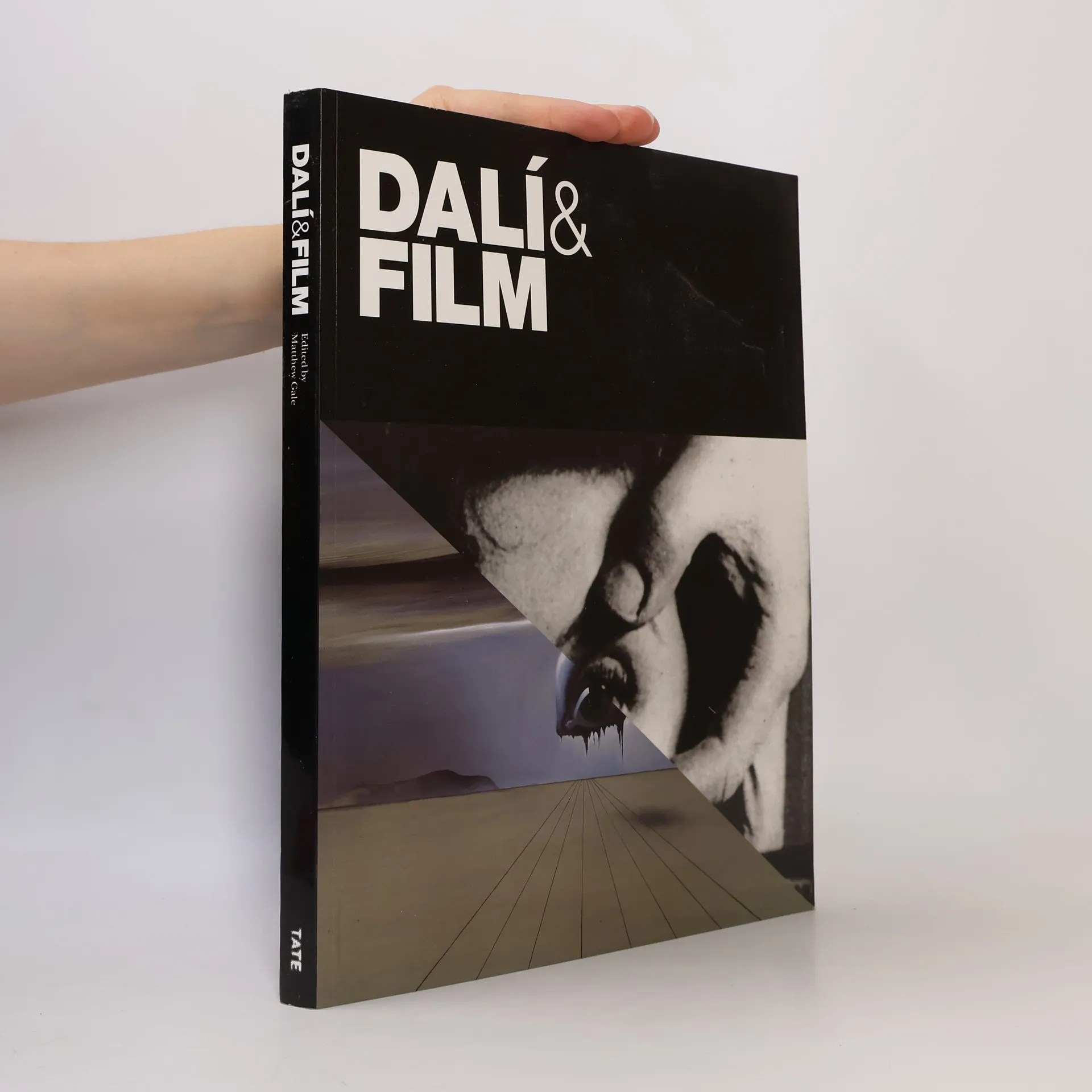
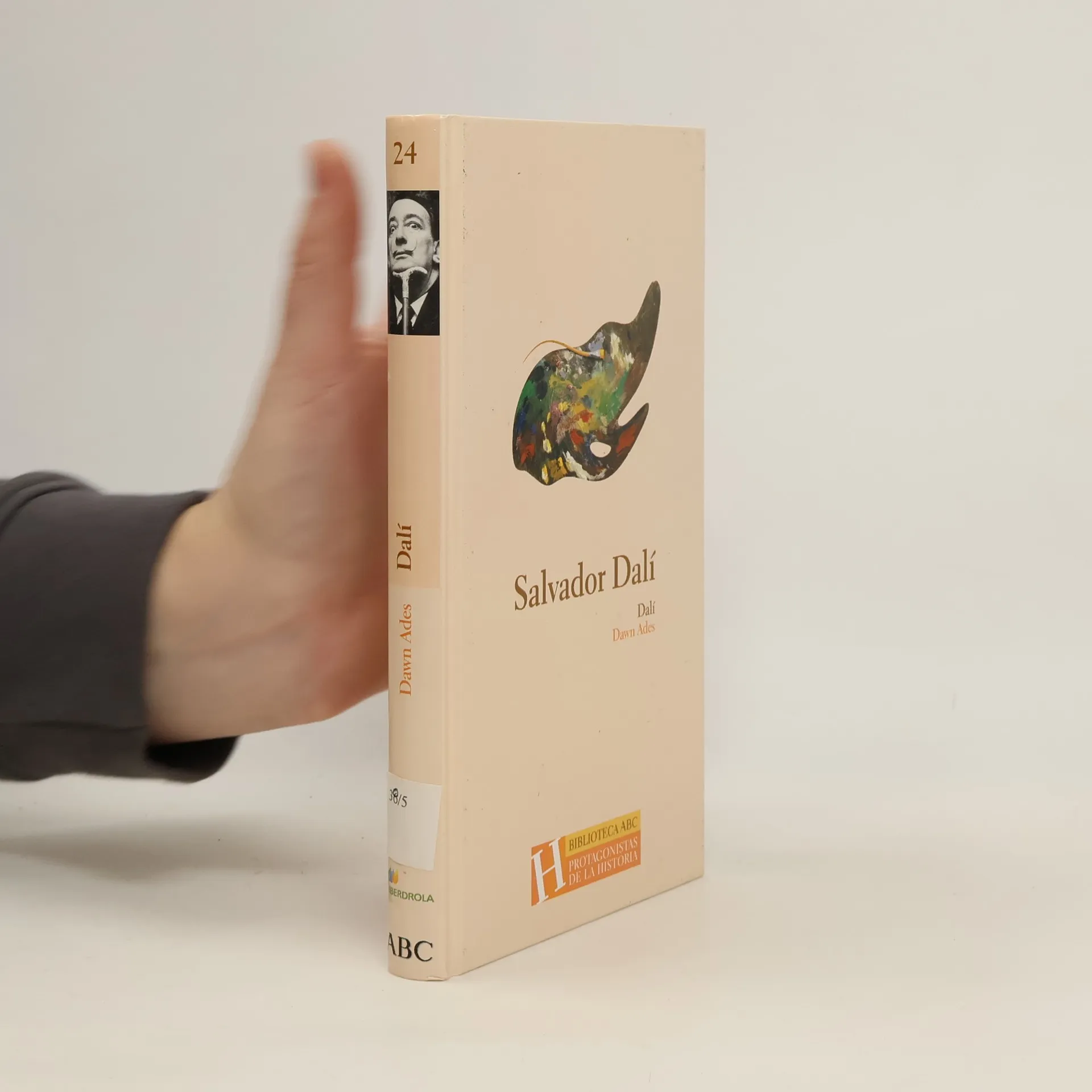
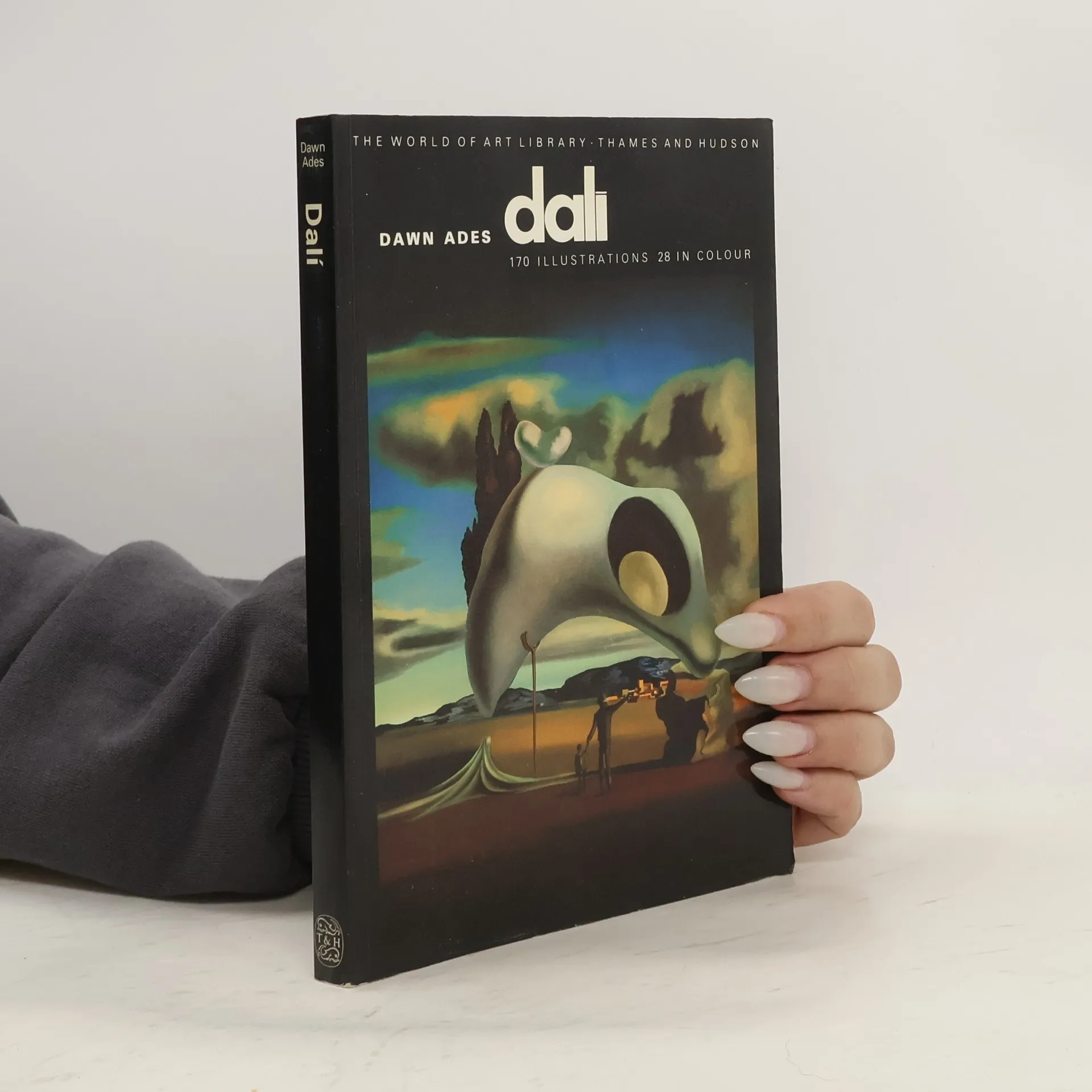
Dalí
- 216 pages
- 8 hours of reading
The volume contains an introductory essay by Dawn Ades, with scholarly research incorporated in a 'Dali Dictionary' in the entries on individual works, and in the chronology, which includes a quantity of new material.
Joseph Cornell
- 295 pages
- 11 hours of reading
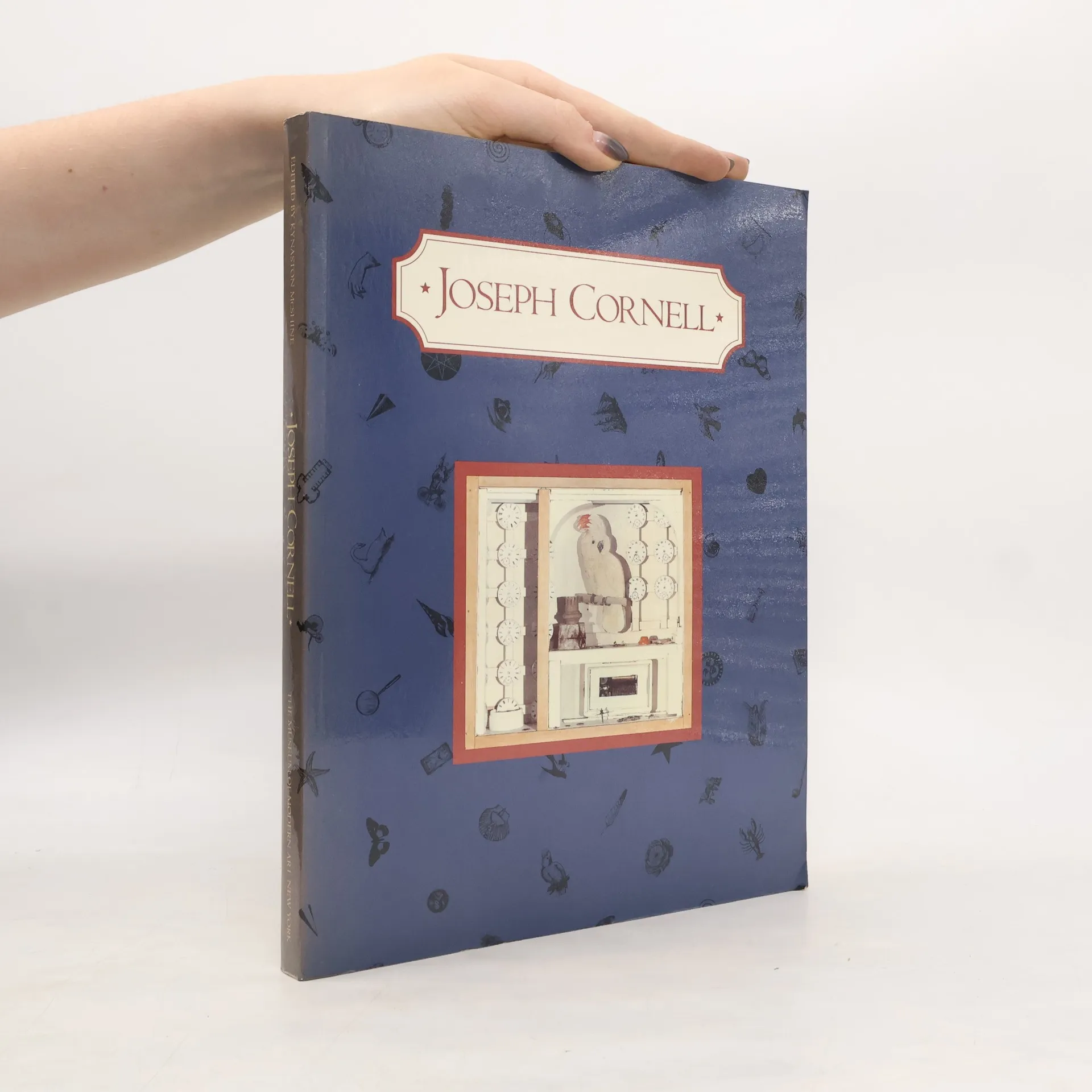
The most comprehensive survey of Cornell's work with detailed biography. --alibris.comEssays originally published on the occasion of the exhibition Joseph Cornell, November 17, 1980 - January 20, 1981, The Museum of Modern Art, New York.
Photomontage
- 176 pages
- 7 hours of reading
One hundred seventy-one monochromes are reproduced in an overview of the nature and evolution of photomontage
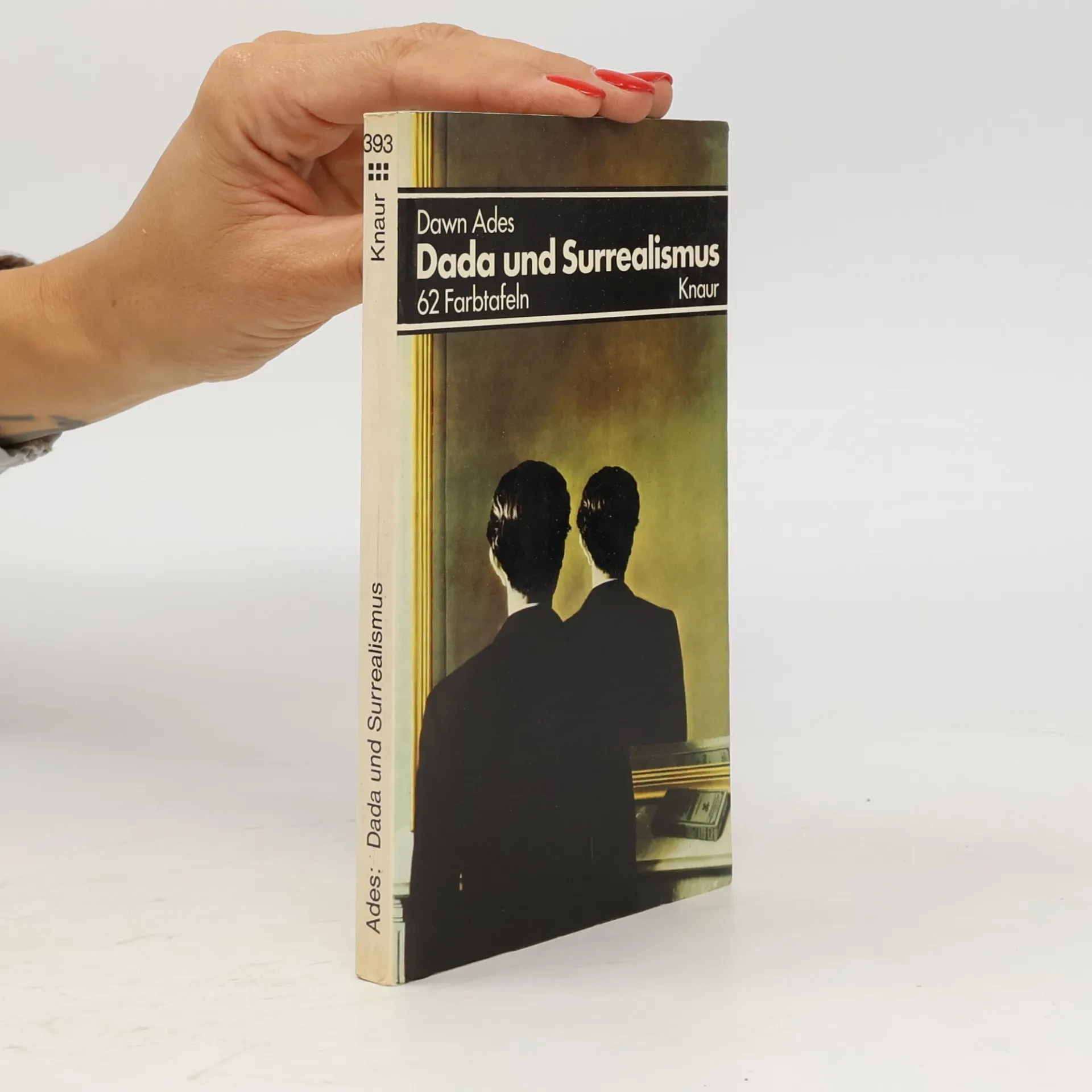
Dada und Surrealismus
- 64 pages
- 3 hours of reading
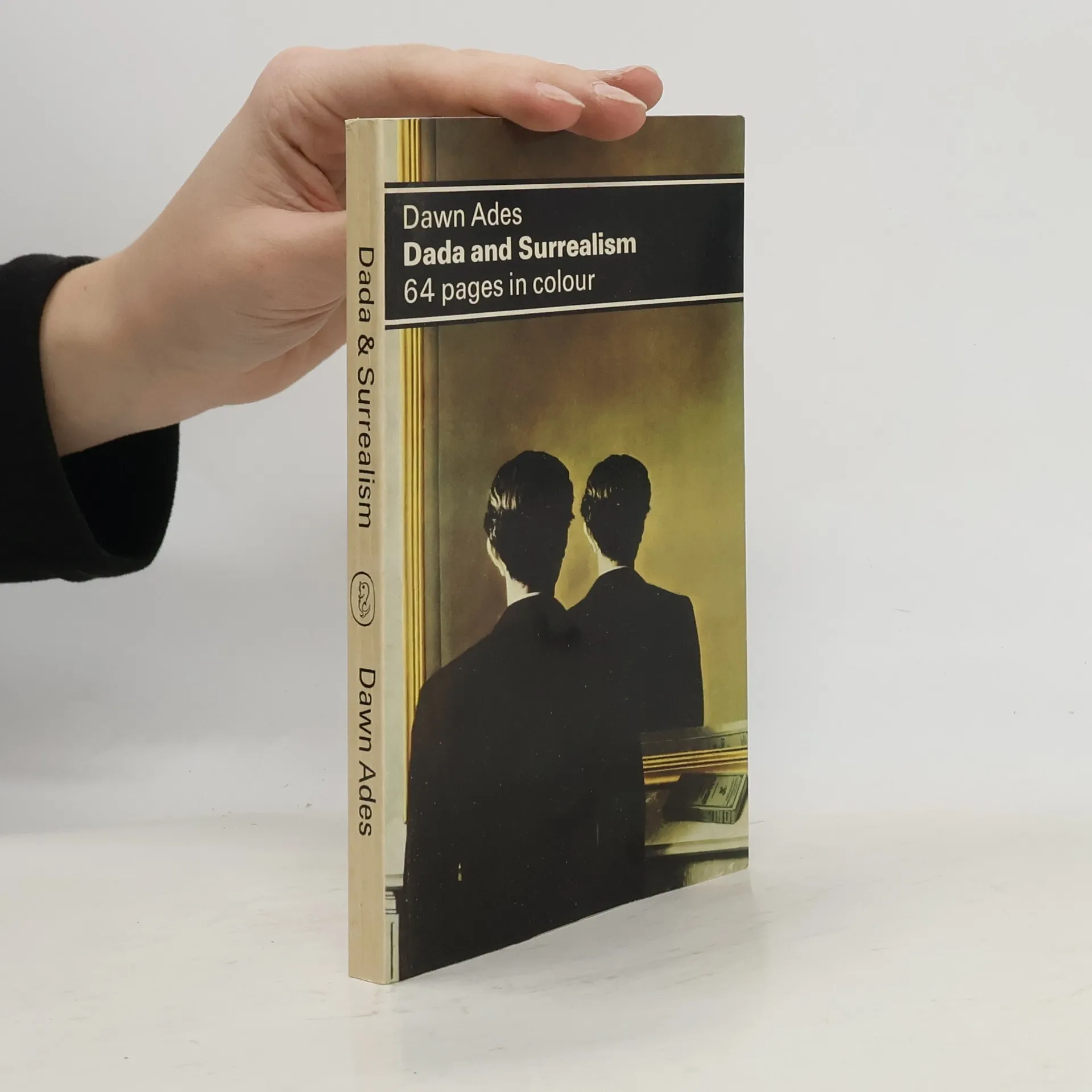
Dolphin Art Books: Dada and Surrealism
- 64 pages
- 3 hours of reading
The Dadaists rejected existing culture on the grounds, largely, that it belonged to the same society that had produced the First World War. The Surrealists embarked on a systematic exploitation of dreams and involuntary imagery in literature and art. The essence of these wildly variable movements is the power of the imagination, and this book provides an excellent look at them. Illustrated.