

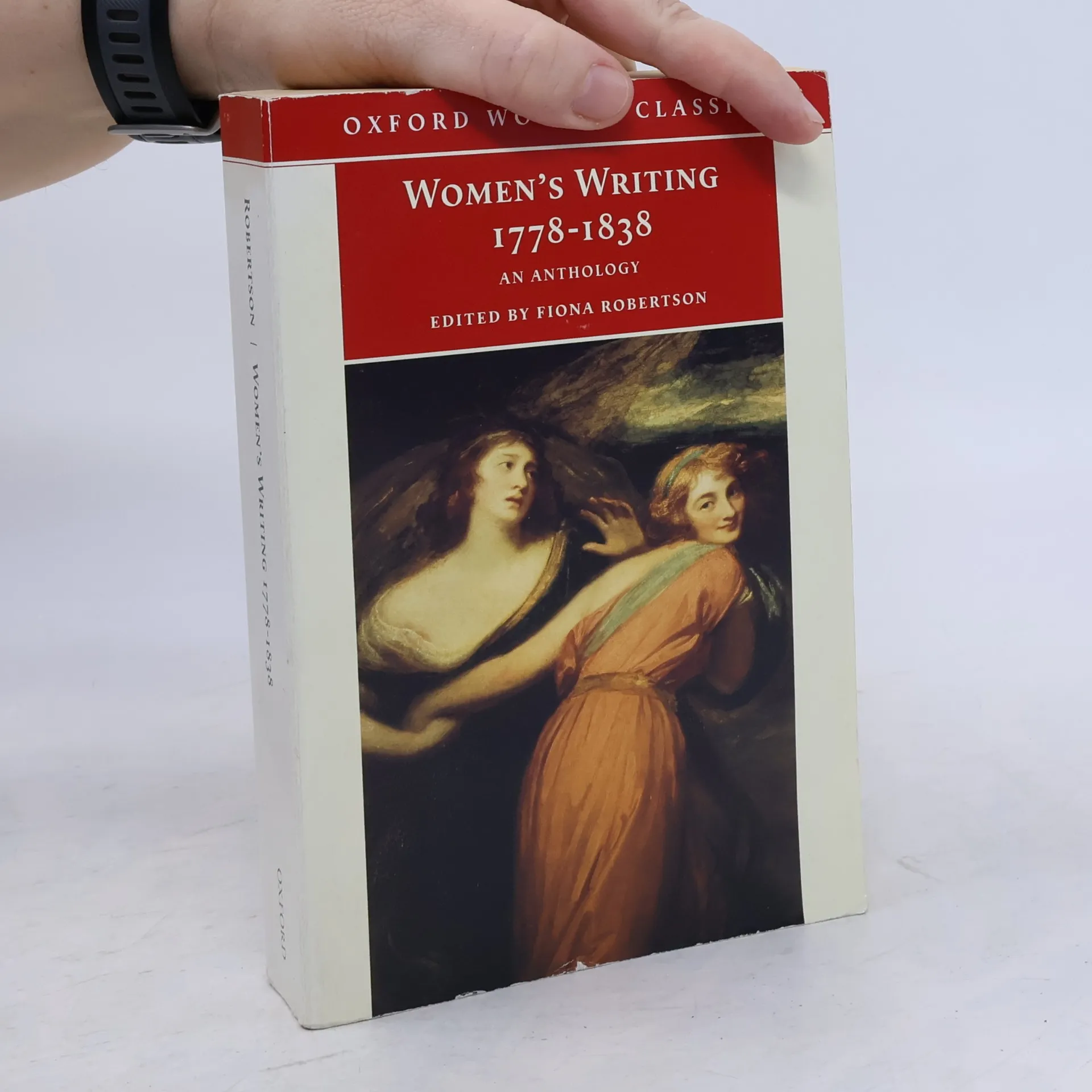
This anthology brings together for the first time the work of over forty women writers in a period marked by rapid social change, intense intellectual and political debate, and a sharpened focus on the rights and wrongs of women. Covering a wide range of writing in a variety of literary and non-literary genres, it represents women's contributions to economics, the physical sciences, literature for children, social geography, history, and religion, as well as poetry, the novel, drama, and criticism. Some of the writers included are familiar names - Jane Austen, Mary Shelley, Elizabeth Barrett - but many others are new.Controversial figures such as the prophet Joanna Southcott and the first female historian, Catharine Macaulay, come back into view, along with strikingly inventive work in all the genres represented, including, for the first time, women's contributions to domestic economy in the age before Mrs Beeton. The significance of women's writing in the public arena of the time has often been underestimated, and what emerges from the pages of this anthology is a female intellectual culture that is diverse, impassioned, contentious, and very much alive.
Fiona Robertson Books
Fiona Robertson is a facilitator and teacher of embodied inquiry, guiding individuals through profound inner explorations. She journeys with people, many experiencing a dark night of the soul, into their interior landscapes. Her work illuminates the discovery of light within darkness, and darkness within light, often revealing entirely unexpected truths. As a perceptive soul friend, she supports people globally in reconnecting with and deepening their relationship to their true selves, finding mutual support in this continuous process of growth.
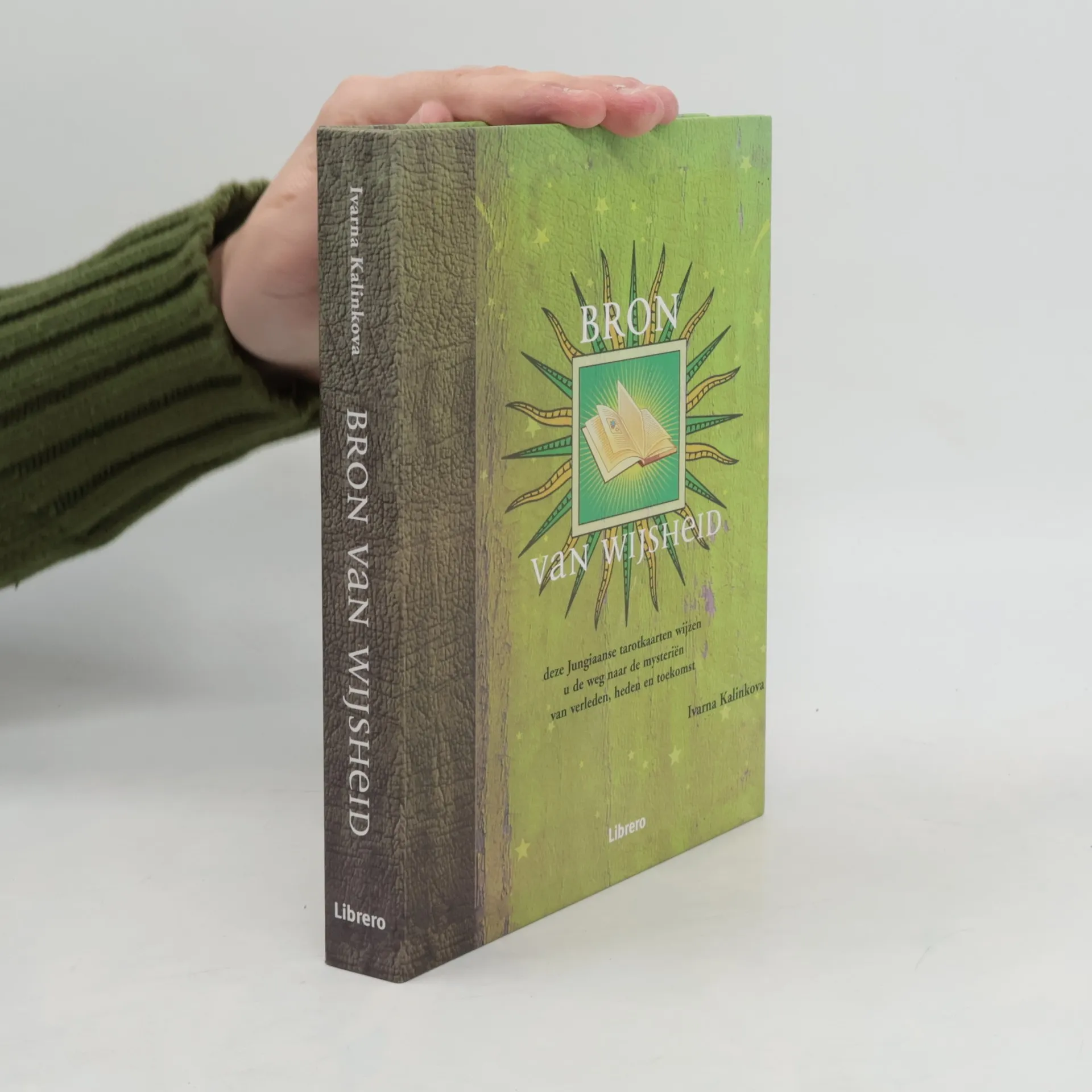
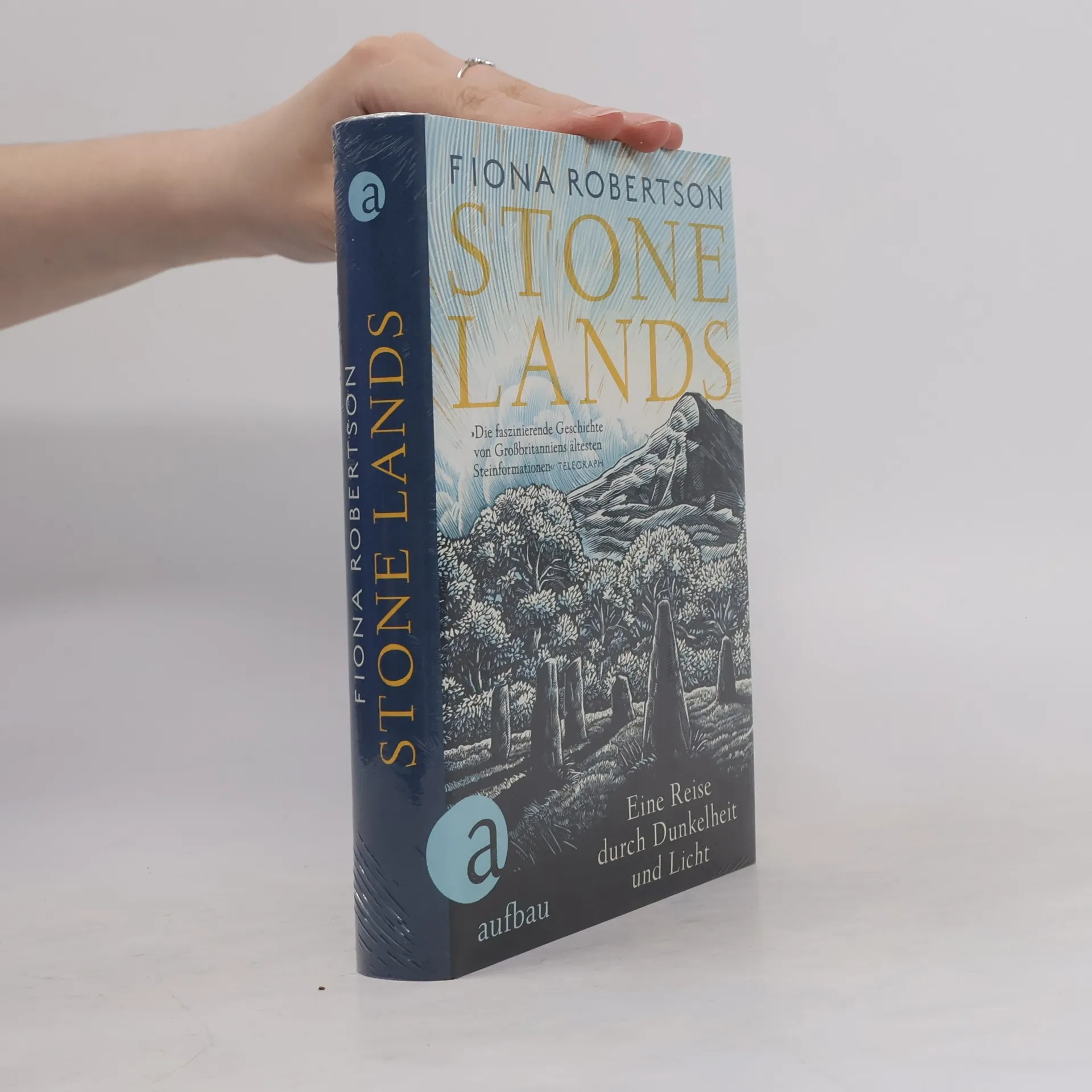
Eine außergewöhnliche Kombination aus Nature Writing, Memoir und einer ungewöhnlichen Leidenschaft Als Fiona Robertson ihren Mann an den Krebs verliert, begibt sie sich auf eine Reise durch Großbritannien zu den großen prähistorischen Menhiren des Landes. Die alten Steine werden für die langjährige Megalith-Enthusiastin in der schweren Zeit des Abschieds und des Verlusts wichtiger denn je. Und führen sie von West Penwith über Avebury bis zum Lake District und Orkney. Aufgerichtet vor Tausenden von Jahren, sind die Megalithen Symbole für Beständigkeit und Überdauern. Durchdrungen von Legenden und Geheimnissen verzaubern sie die Landschaft. In »Stone Lands« lässt uns Robertson in die reiche Geschichte Großbritanniens eintauchen und teilt die Freude und den Trost, der von diesen Stätten ausgeht. Dabei entsteht ein berührendes Werk, das feinfühlig von Trauer erzählt, vor allem aber vom Staunen, Erinnern und der Schönheit des Lebens.
Bron van wijsheid
Deze Jungiaanse tarotkaarten wijzen u de weg naar de mysteriën van verleden, heden en toekomst
- 96 pages
- 4 hours of reading