
Designed to enable non-native English speakers to write science research for publication in English, this book is intended as a do-it-yourself guide for those whose English language proficiency is above intermediate. It guides them through the process of writing science research and also helps with writing a Master's or Doctoral thesis in English.
Hilary Glasman-Deal Books
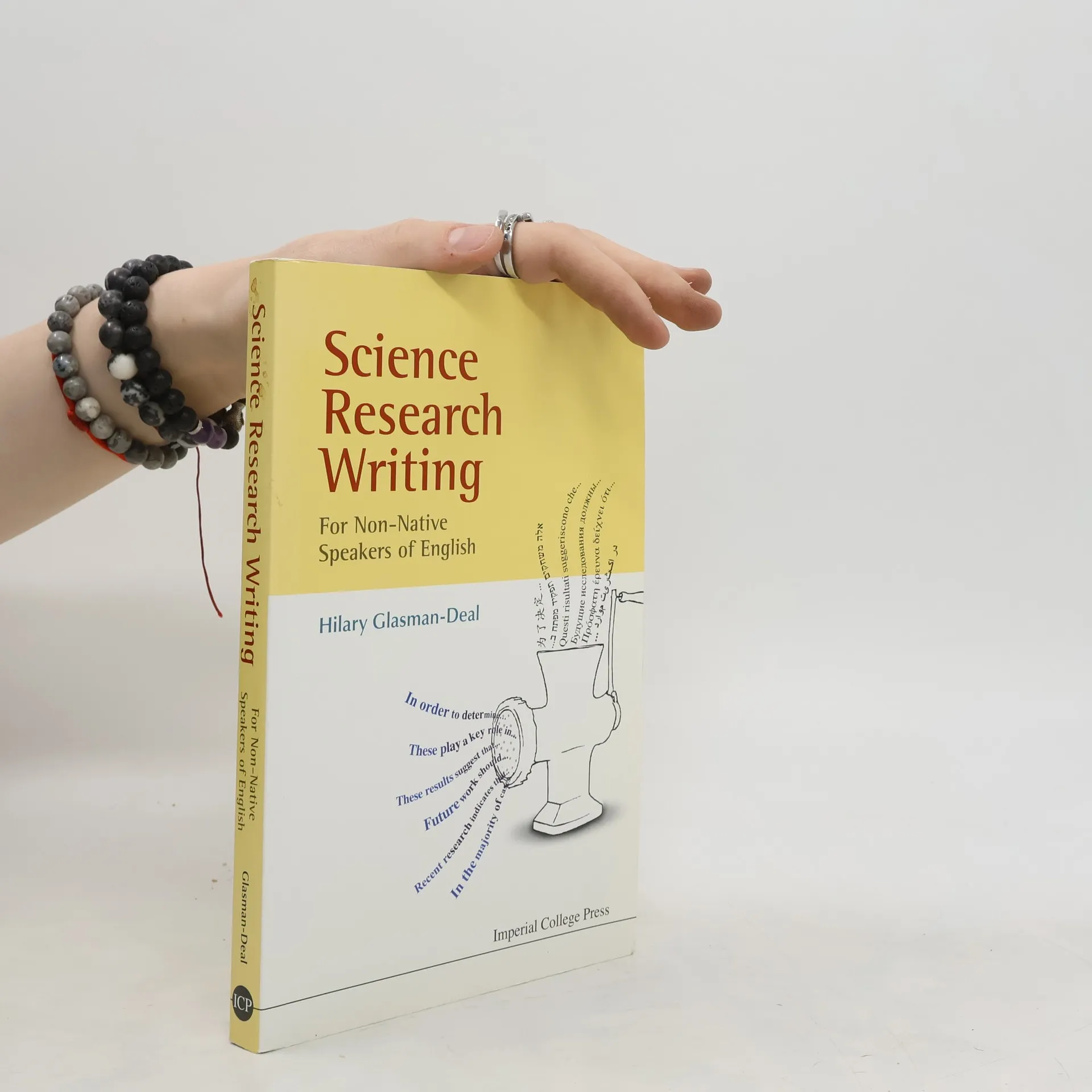


This book assists STEMM researchers in crafting effective papers for publication and other research-related documents, including doctoral theses, technical reports, and conference abstracts. It employs a reverse-engineering approach to writing, developed from extensive collaboration with STEMM researchers at Imperial College London. This method dissects current models of STEMM research writing, equipping writers with the necessary tools to effectively apply these models in their fields. Additionally, it fosters the development of adaptable strategies that will keep pace with evolving research communication platforms. The extensively revised Second Edition addresses the writing needs of both early-stage doctoral STEMM researchers and seasoned professionals, regardless of their English proficiency. Maintaining a practical, user-friendly format, it features seven units focusing on key components of STEMM research communication: Introduction, Method, Results, Discussion, Conclusion, Abstract, and Title, along with comprehensive FAQ responses and a new Checklist and Tips section. Each unit includes analyses of recent published STEMM journal papers, guiding researchers on what to write and, importantly, how to write it. The book serves as a clear, do-it-yourself guide to enhance the effectiveness of STEMM research writing in a global context, ensuring the fast and accurate communication of complex information.
SCIENCE RESEARCH WRITIN (2ND ED)
- 386 pages
- 14 hours of reading
Focused on enhancing writing skills for STEMM researchers, this guide provides practical strategies for crafting impactful papers and research documents. It covers various formats, including doctoral theses, technical reports, and conference abstracts, equipping readers with the tools needed to communicate their findings effectively and meet publication standards.