Michael D. O’Brien is an author, artist, and frequent essayist and lecturer on faith and culture. His works are imbued with a profound Catholic worldview, exploring the intricate relationship between spiritual life and contemporary society. O’Brien masterfully blends artistic beauty with philosophical depth, offering readers a unique perspective on the search for meaning in the modern world.
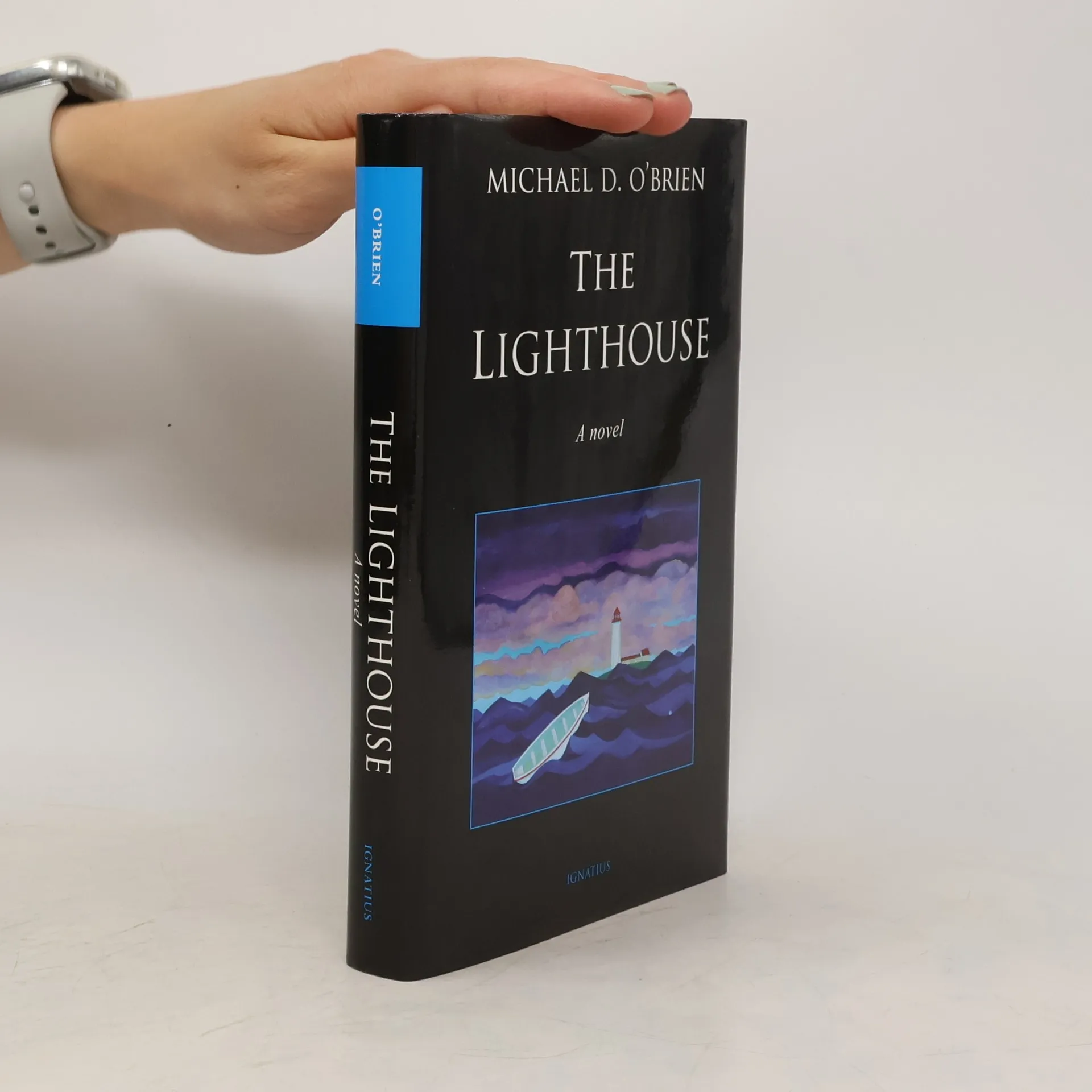
Ethan McQuarry serves as a dedicated lighthouse keeper on a remote island off Cape Breton, embodying solitude and commitment. With no family ties, he embraces his role with courage and a strong sense of duty, ensuring the safety of those at sea. The story explores themes of isolation, responsibility, and the quiet strength of a man devoted to his work in the face of nature's challenges.
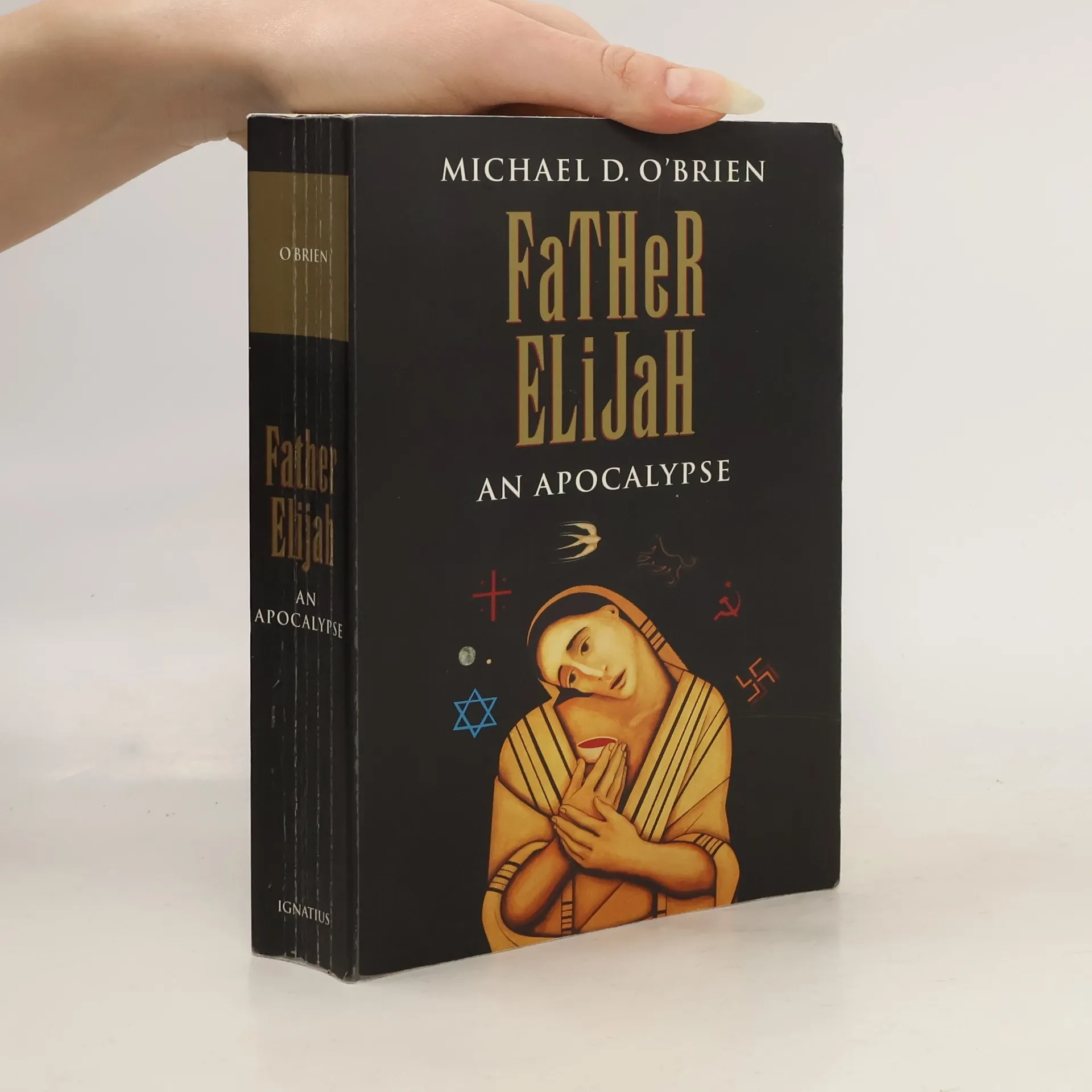
Michael O'Brien presents a thrilling apocalyptic novel about the condition of the Roman Catholic Church at the end of time. It explores the state of the modern world, and the strengths and weaknesses of the contemporary religious scene, by taking his central character, Father Elijah Schafer, a Carmelite priest, on a secret mission for the Vatican which embroils him in a series of crises and subterfuges affecting the ultimate destiny of the Church.Father Elijah is a convert from Judaism, a survivor of the Holocaust, a man once powerful in Israel. For twenty years he has been buried in the dark night of Carmel on the mountain of the prophet Elijah. The Pope and the Cardinal Secretary of State call him out of obscurity and give him a task of the highest sensitivity: to penetrate into the inner circles of a man whom they believe may be the Antichrist. Their purpose: to call the Man of Sin to repentance, and thus to postpone the great tribulation long enough to preach the Gospel to the whole world.In this richly textured tale, Father Elijah crosses Europe and the Middle East, moves through the echelons of world power, meets saints and sinners, presidents, judges, mystics, embattled Catholic journalists, faithful priests and a conspiracy of traitors within the very House of God. This is an apocalypse in the old literary sense, but one that was written in the light of Christian revelation.
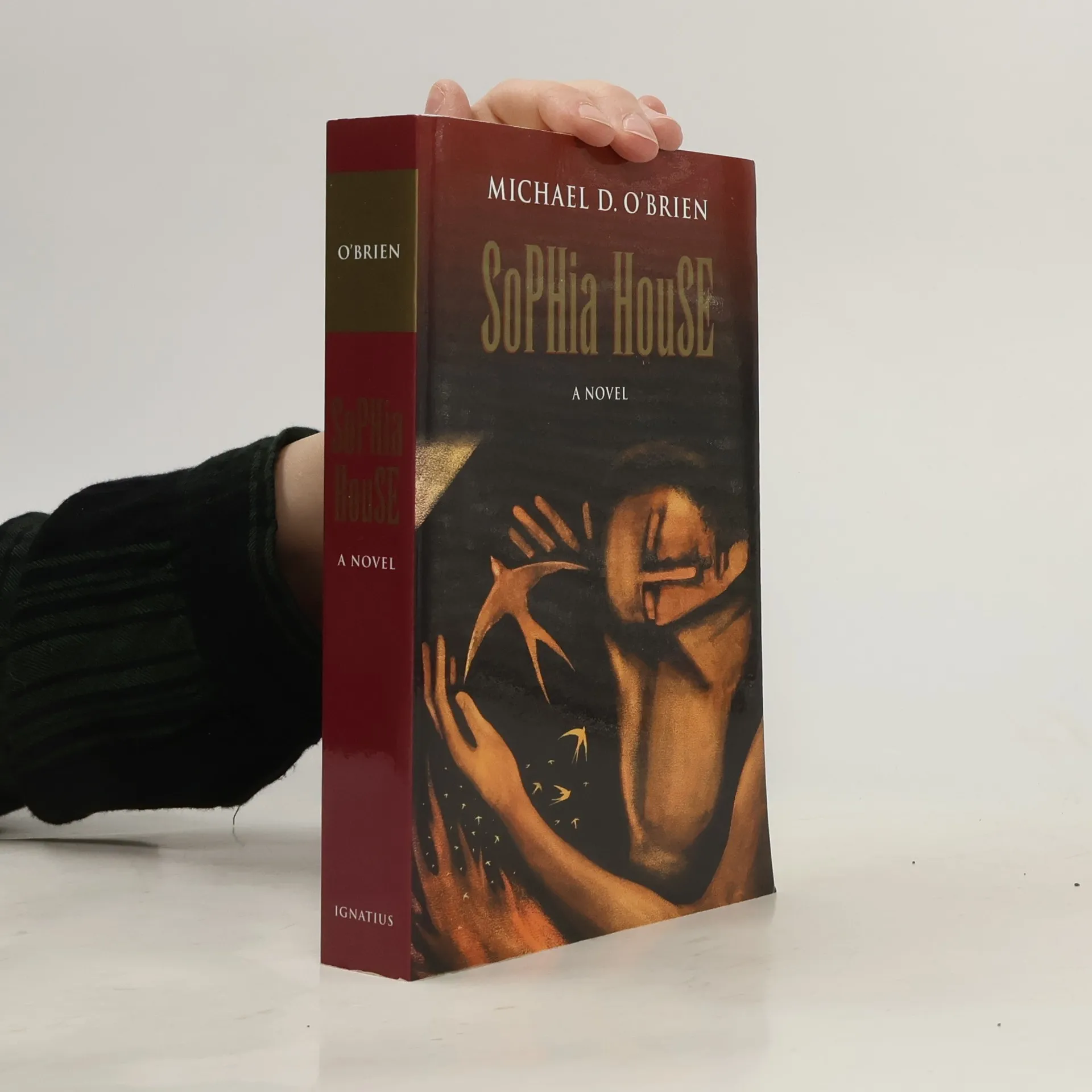
Sophia House is set in Warsaw during the Nazi occupation. Pawel Tarnowski, a bookseller, gives refuge to David Schäfer, a Jewish youth who has escaped from the ghetto, and hides him in the attic of the book shop. Throughout the winter of 1942-43, haunted by the looming threat of discovery, they discuss good and evil, sin and redemption, literature and philosophy, and their respective religious views of reality. Decades later, David becomes a convert to Catholicism, and is the Carmelite priest Fr. Elijah Schäfer called by the Pope to confront the Anti-Christ in Michael O'Brien's best-selling novel, Father Elijah: an Apocalypse. In this "prequel", the author explores the meaning of love, religious identity, and sacrifice viewed from two distinct perspectives. The cast of characters also includes the notorious Count Smokrev, a literate Nazi Major, a French novelist, a terrifying Polish bear, the Russian icon painter Andrei Rublev, and Pawel's beloved Kahlia, the elusive figure who moves through the story as an unseen presence. As the story unfolds, the loss of spiritual fatherhood in late Western society is revealed as a problem of language in the heart and soul, and as one of the gravest crises of our times. The story points the way to rediscovery of our Father in heaven, and also shows us the path to renewal of human fatherhood. This is a novel about small choices that shift the balance of the world.
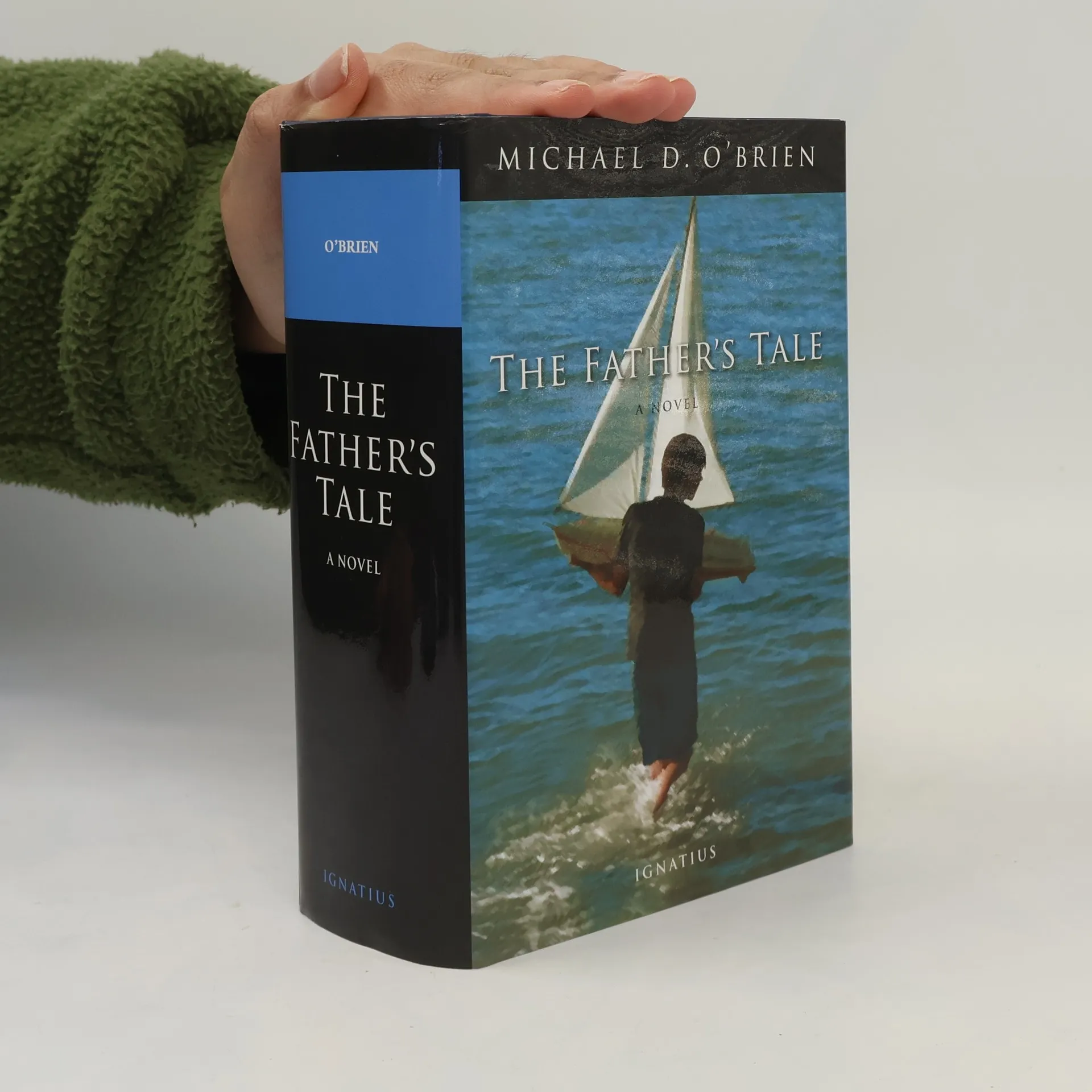
Canadian bookseller Alex Graham is a middle-age widower whose quiet life is turned upside down when his college-age son disappears from school in England. Leaving his safe and orderly world for the first time in his life, Graham travels to Oxford, Russia and beyond in search of his lost son who might have become involved with a high-brow, New Age group. The father's odyssey leads him to fascinating and sometimes frightening people, places and perils - including imprisonment and torture for being mistaken as a spy.Through the uncertainty and the anguish, the loss and the longing, Graham considers his past - youth, marriage, and fatherhood. Apart from childhood illness and the loss of his beloved wife, the bookseller's life had gone rather smoothly within the confines of his small hometown, or so he had once believed.Pulled ever deeper into conflicts between nations, as well as the eternal conflict between good and evil, Graham is stretched nearly to the breaking point by the inexplicable suffering he witnesses and experiences. Struggling to overcome fear and discouragement, he discovers unexpected sources of strength as he presses onward in the hope of recovering his son--and himself.
Theophilos, a Greek agnostic, is worried about his son Loukas, a follower of Christ, and determined to bring him home, he embarks on a long journey. A physician deeply committed to reason as the guiding principle of his life, Theophilos leaves Crete, where he lives, to verify for himself what is said about Christ, his theories, and what is happening. Despite his investigations, he finds nothing conclusive: convinced that Loukas has been ensnared by a new religion, he returns to Crete only to realize that he himself is the one imprisoned, imprisoned by "reason." Through conflicts between nations, myth and truth, good and evil, Theophilos undergoes an inner journey into a spiritual dimension he never imagined he possessed. The reader, propelled into ancient civilizations—Roman, Jewish, and Greek—encounters, along with the protagonist, the first Christians, men who believed from the beginning that Christ was the Messiah. Although Theophilos is a man of his time, it is not difficult to empathize with him in this story that speaks of the mysterious relationship between faith and reason and the power of love over death.
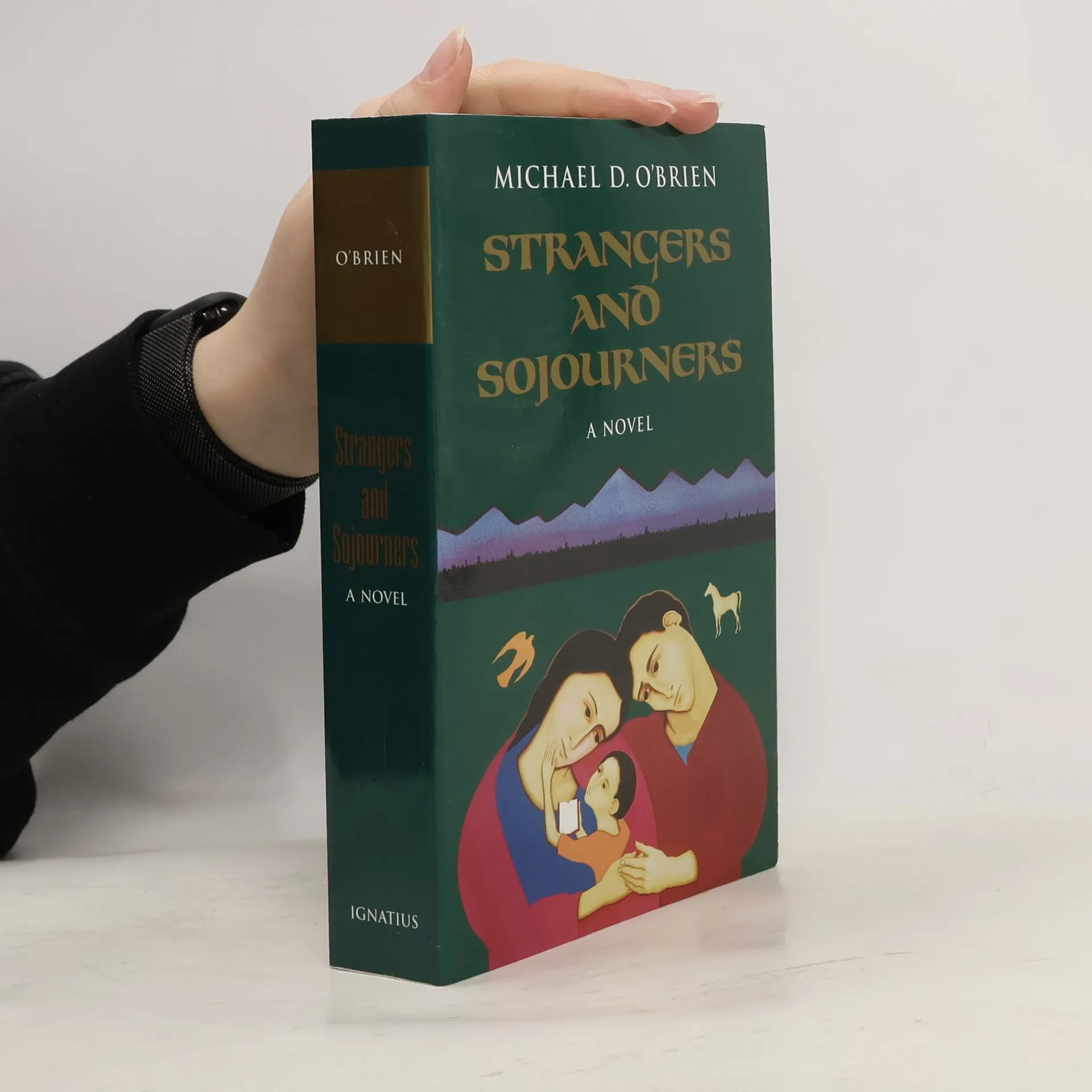
An epic novel set in the rugged interior of British Columbia, the first volume of a trilogy which traces the lives of four generations of a family of exiles. Beginning in 1900, and concluding with the climactic events leading up to the Millennium, the series follows Anne and Stephen Delaney and their descendants as they live through the tumultuous events of this century. Anne is a highly educated Englishwoman who arrives in British Columbia at the end of the First World War. Raised in a family of spiritualists and Fabian socialists, she has fled civilization in search of adventure. She meets and eventually marries a trapper-homesteader, an Irish immigrant who is fleeing the "troubles" in his own violent past. This is a story about the gradual movement of souls from despair and unbelief to faith, hope, and love, about the psychology of perception, and about the ultimate questions of life, death and the mystery of being. Interwoven with scenes from Ireland, England, Poland, Russia, and Belgium during the War, Strangers and Sojourners is a tale of the extraordinary hidden within the ordinary. It is about courage and fear, and the triumph of the human spirit.
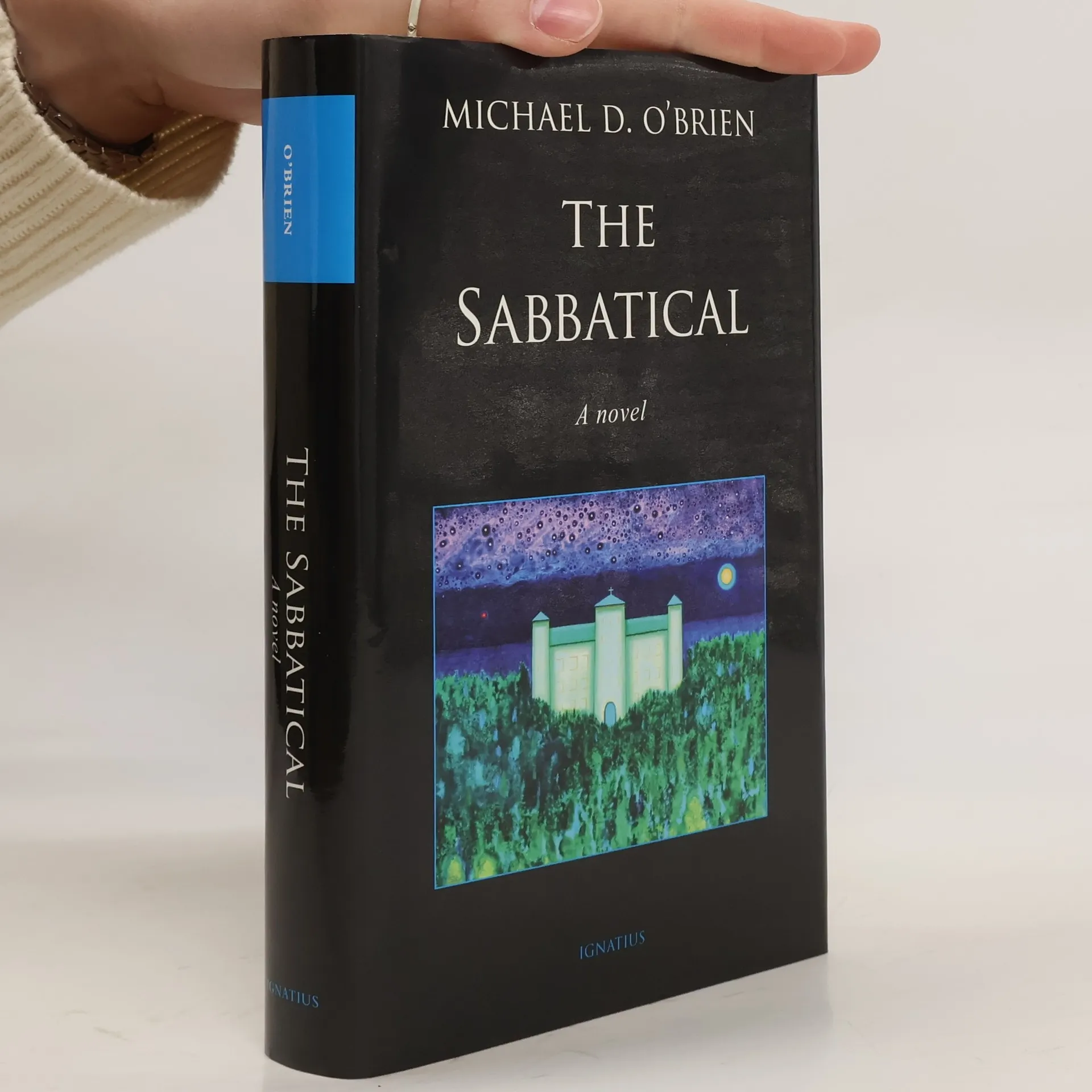
Set against the backdrop of a sabbatical year, an elderly Oxford history professor finds his peaceful plans disrupted by a web of coincidences that lead him into a dangerous situation involving a family targeted by assassins. As he travels to Romania, the narrative explores profound themes of fatalism versus providence, highlighting the courage and love needed to decipher the chaos around him. The story ultimately champions the victory of faith and reason over destructive forces, intertwining personal and historical struggles in a gripping journey.
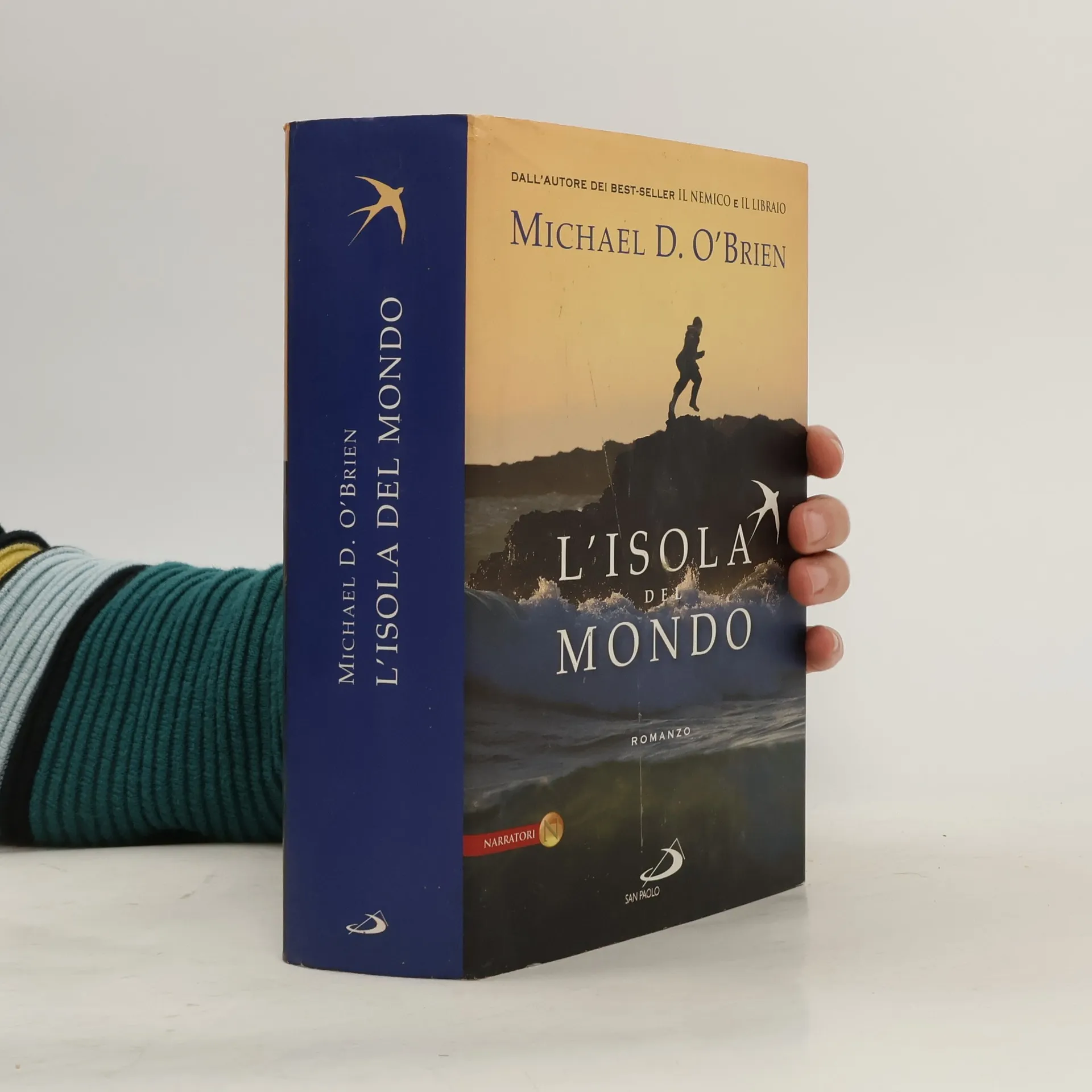
Josip Lasta è un bambino capace di intuire il mistero del mondo - contemplando l'azzurro del mar Adriatico - e di parlare il linguaggio del cuore, silenzioso e profondo. Nato in un piccolo villaggio sui monti della Croazia ove regnano l'armonia, la solidarietà e il gusto delle cose semplici, Josip viene educato alla fede e alla vita da un padre amorevole e una mamma generosa. Nel caos politico precedente l'affermazione al potere di Tito, la violenza sconvolge la vita del piccolo paese, da cui Josip fugge - unico superstite del massacro. Inizia così il pellegrinaggio di una vita intera,misurata sulle numerose perdite di affetti e sicurezza, sugli attacchi incessanti del Male e sull'esperienza del dolore - ma anche sulla poesia, l'amore fedele, l'amicizia accogliente e la redenzione ad opera di un Cristo bambino, con le mani piagate.