
Explore the latest books of this year!
Bookbot

Micheline R. Ishay

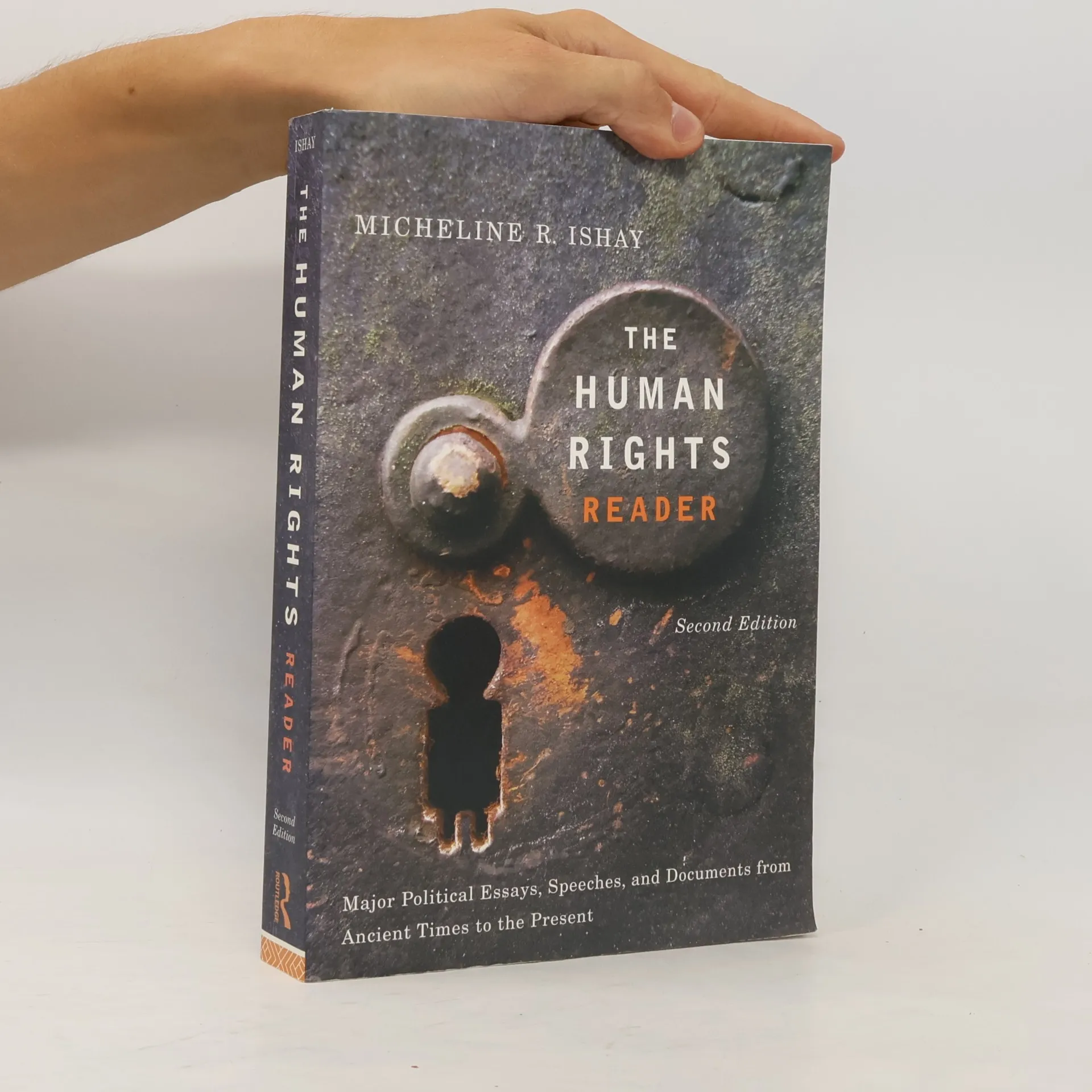
    The Human Rights Reader
    The History of Human Rights
    • The Human Rights Reader

      Major Political Essays, Speeches, and Documents from Ancient Times to the Present - Second Edition

      • 592 pages
      • 21 hours of reading

      The second edition of The Human Rights Reader presents a dramatically revised organization and updated selections, including pieces on globalization and the war on terrorism. Each part of the Reader corresponds to five historical phases in the history of human rights and explores for each the arguments, debates, and issues of inclusiveness central to those eras. This edition is the most comprehensive and up-to-date collection of essays, speeches, and documents from historical and contemporary sources, all of which are now placed in context with Micheline Ishay's substantial introduction to the reader as a whole and valuable introductions to each part and chapter.

      The Human Rights Reader2007
    • The History of Human Rights

      From Ancient Times to the Globalization Era

      • 459 pages
      • 17 hours of reading

      Micheline Ishay recounts the dramatic struggle for human rights throughout history, synthesizing developments from the Mesopotamian Codes of Hammurabi to the current era of globalization. She chronicles the clash of social movements, ideas, and armies that have shaped this struggle, illustrating the evolution of human rights through texts, cultural traditions, and creative expression. With verve and extraordinary range, Ishay develops a framework for understanding contemporary issues, including globalization debates, the intervention in Kosovo, and the climate for human rights post-September 11, 2001. This comprehensive history of human rights is essential for anyone invested in the quest for justice and dignity. Ishay organizes her chapters around six core questions that have influenced the human rights debate: What are the origins of human rights? Why did the European vision prevail over others? Has socialism contributed to the legacy of human rights? Are human rights universal or culturally bound? Must they be sacrificed for national security? Is globalization eroding or advancing human rights? In exploring these questions, Ishay incorporates significant documents—writings, speeches, and political statements—from activists, writers, and thinkers throughout history.

      The History of Human Rights2004
      3.7