

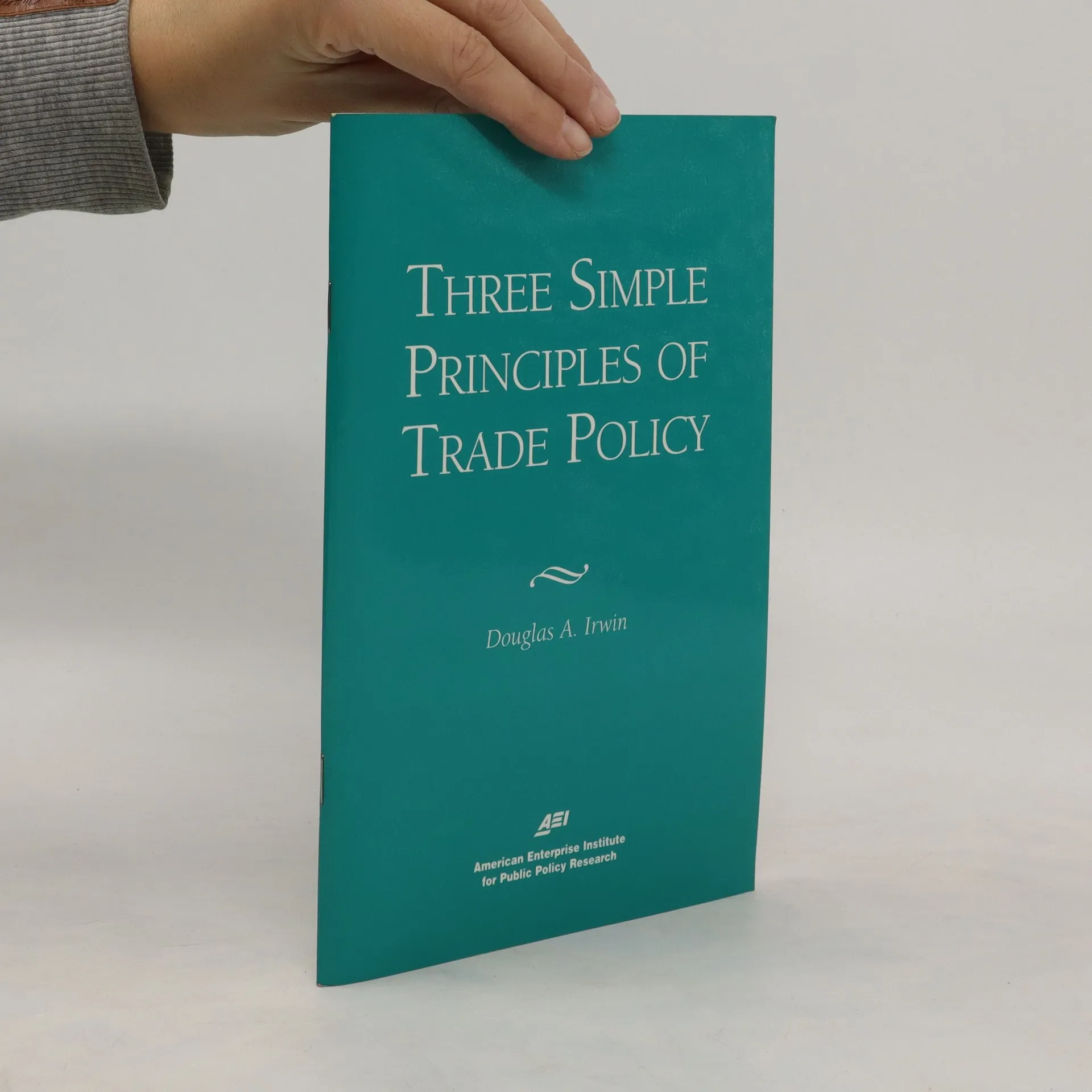



Clashing Over Commerce
- 862 pages
- 31 hours of reading
Should the United States embrace commerce with other nations or shield domestic industries from foreign competition? This question has fueled intense political conflict throughout American history. James Madison noted in The Federalist Papers that trade policy inevitably involves conflicting economic interests. The struggle between those who benefit from trade and those who do not has always been fierce, as it directly impacts jobs and industries. Douglas A. Irwin's comprehensive history of US trade policy offers a clear view of the economic and political forces that have shaped it. From the outset, trade policy has divided the nation—beginning with Thomas Jefferson's embargo on foreign trade and South Carolina's secession threats over import taxes. The Civil War marked a shift toward protectionism, which faced ongoing political challenges. The Smoot-Hawley tariff during the Great Depression sparked a move toward freer trade, leading to agreements that eventually established the World Trade Organization. Irwin explains how different economic interests are often geographically aligned, resulting in clear champions and opponents for proposed policy changes in Congress. As the Trump administration considers significant shifts in US trade policy, Irwin's historical perspective sheds light on the current debate, providing valuable insights into the evolution of trade policy.