A scholar and literary critic, Samuel Lynn Hynes Jr. deeply explored the subject of World War II. His writing is characterized by profound insights into the human psyche in the face of conflict, examining the experiences of soldiers and their impact on society. Hynes approaches this subject with the precision of a scholar and the sensitivity of a storyteller, offering readers penetrating perspectives on wartime experiences.
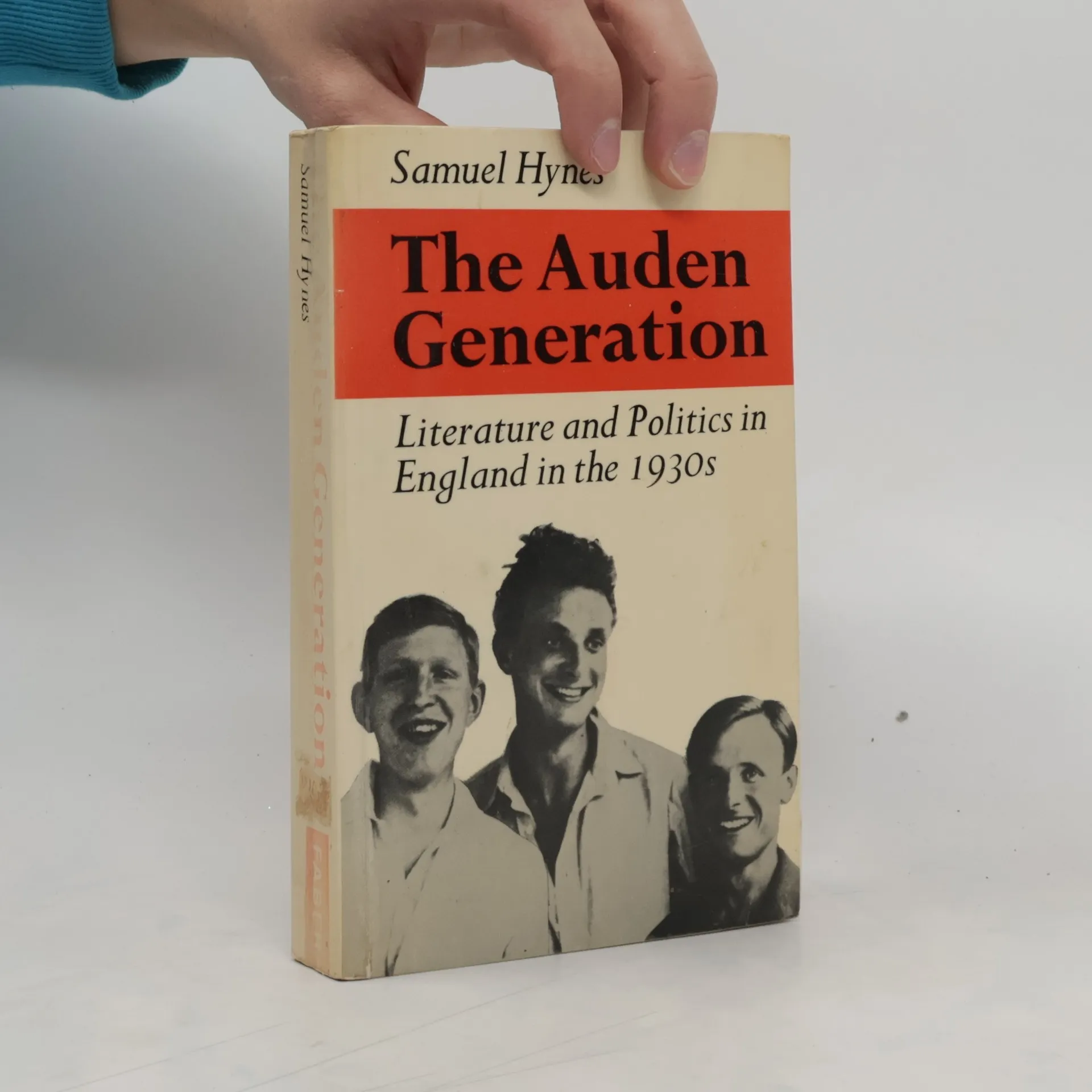
This is a study of a literary generation writing in a period of expanding fears and ever more urgent political and social crises. The pace of the time itself, the sense of time passing and an end approaching gave a special quality to the Thirties. The public world pressed insistently on the private world. For those who came of literary age - Auden, Day Lewis, MacNeice, Spender, Graham Greene, Isherwood and Orwell among them - writing became a form of action. In the process a generation discovered itself and found its own expression.
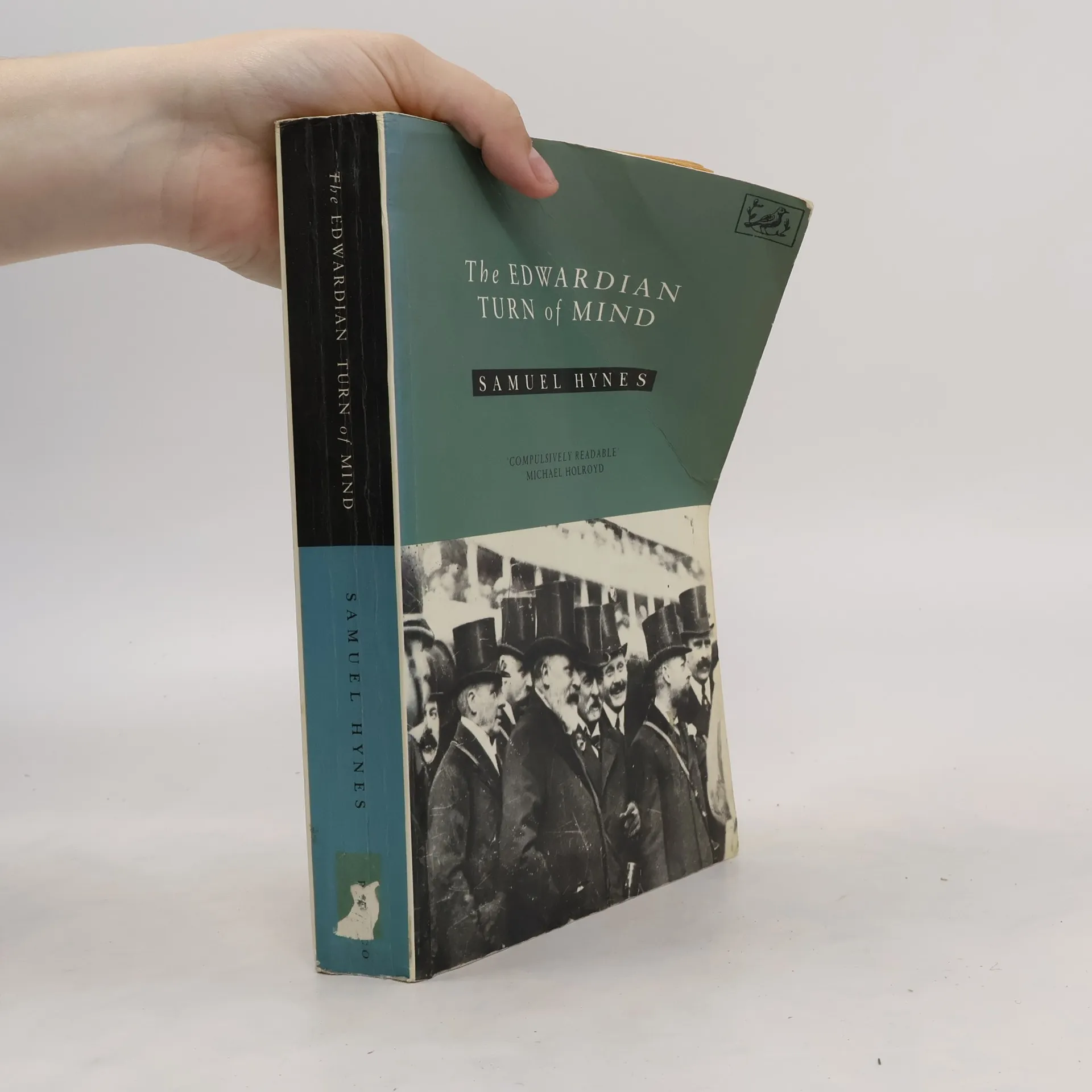
Samuel Hynes considers the principal areas of conflict - politics, science, the arts and the relations between men and women - and fills them with a wide-ranging cast of characters: Tories, Liberals and Socialists, artists and reformers, psychoanalysts and psychic researchers, sexologists, suffragettes and censors.
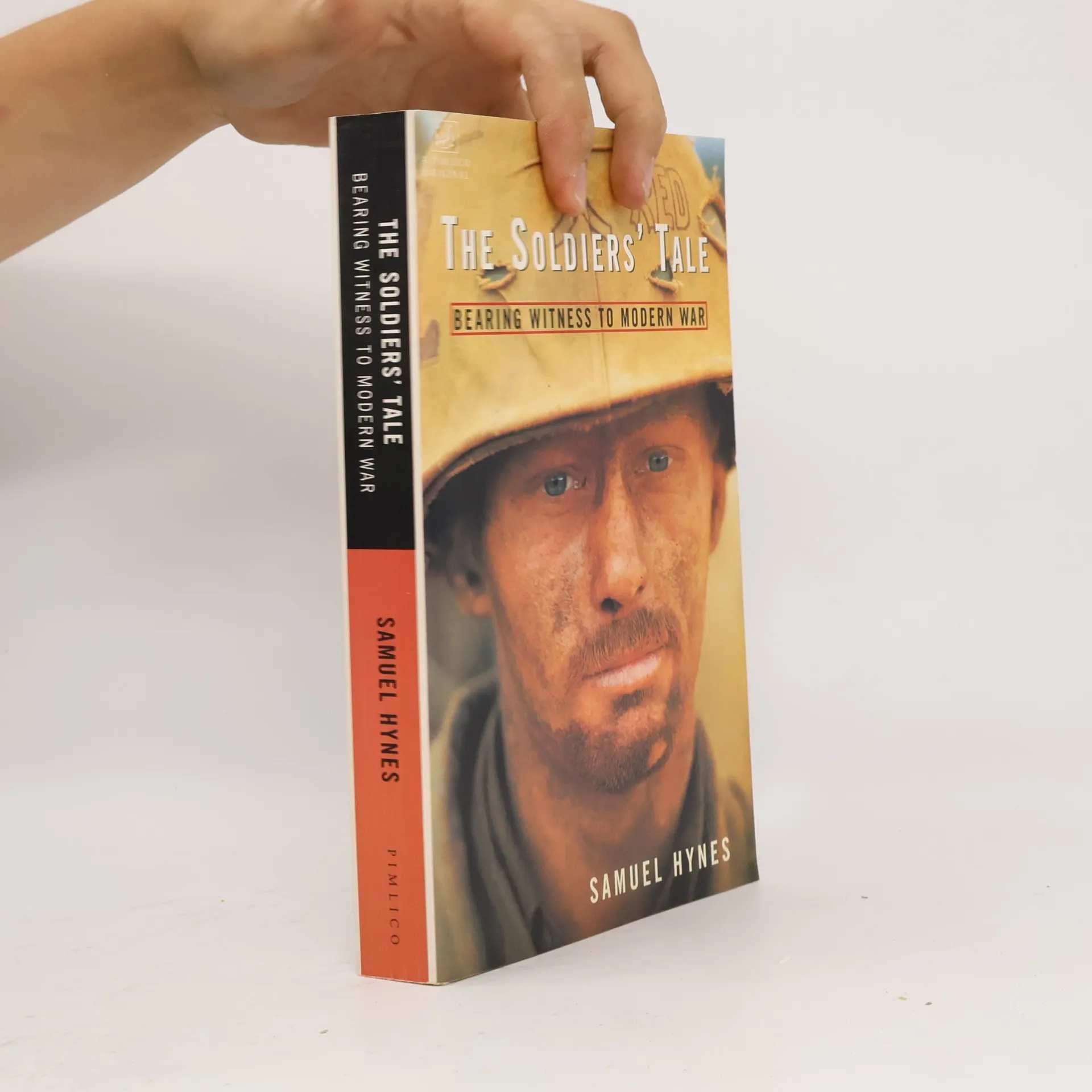
The Soldier's Tale is the story of modern wars as told by the men who did the actual fighting. Hynes examines the journals, memoirs, and letters of men who fought in the two World Wars and in Vietnam, and also the wars fought against the weak and helpless in concentration camps, prisoner-of-war camps, and bombed cities. Interweaving his own reflections on war with brilliantly chosen passages from soldiers' accounts, he offers vivid answers to the question we all ask of men who have fought: What was it like? In these powerful pages the experiences of modern war, which seem unimaginable to those who weren't there, become comprehensible and real. The wide range of writers examined includes both famous literary memoirists like Robert Graves, Tim O'Brien, and Elie Wiesel, and unknown soldiers who wrote only their war stories. Using these testimonies, Hynes considers each war in terms of its special circumstances and its effects on men who fought. His understanding of the psychology of warfare--and of each war's role in history--gives this study its intellectual authority; the voices of the men who were there, and wrote about what they saw and felt, give it its powerful dramatic impact.
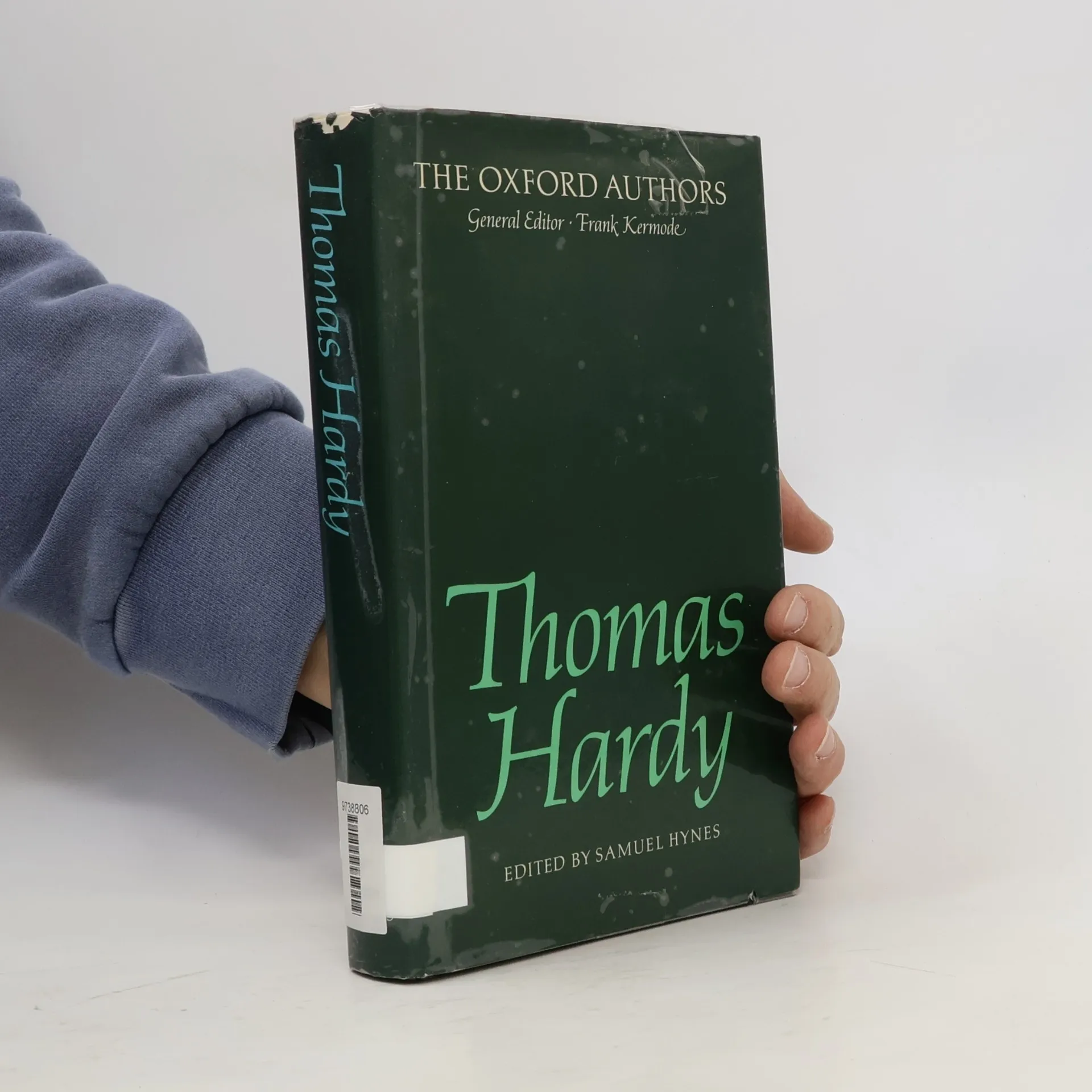
Sam Hynes was a young Marine bomber pilot in World War II. He flew more than 100 missions against the Japanese. He was just 18 when he left home to learn to fly and 21 at the war's end. In this memoir, he remembers the sensations he experienced in his rites of passage from untrained cadet to war-weary aviator, from innocence to manhood. He presents portraits of his fellow aviators, of the wonder of flying and of the madness of war. Samuel Hynes is author of "The Auden Generation" and "Edwardian Occasions" and editor of the three volume "Complete Poetical Works of Thomas Hardy"