

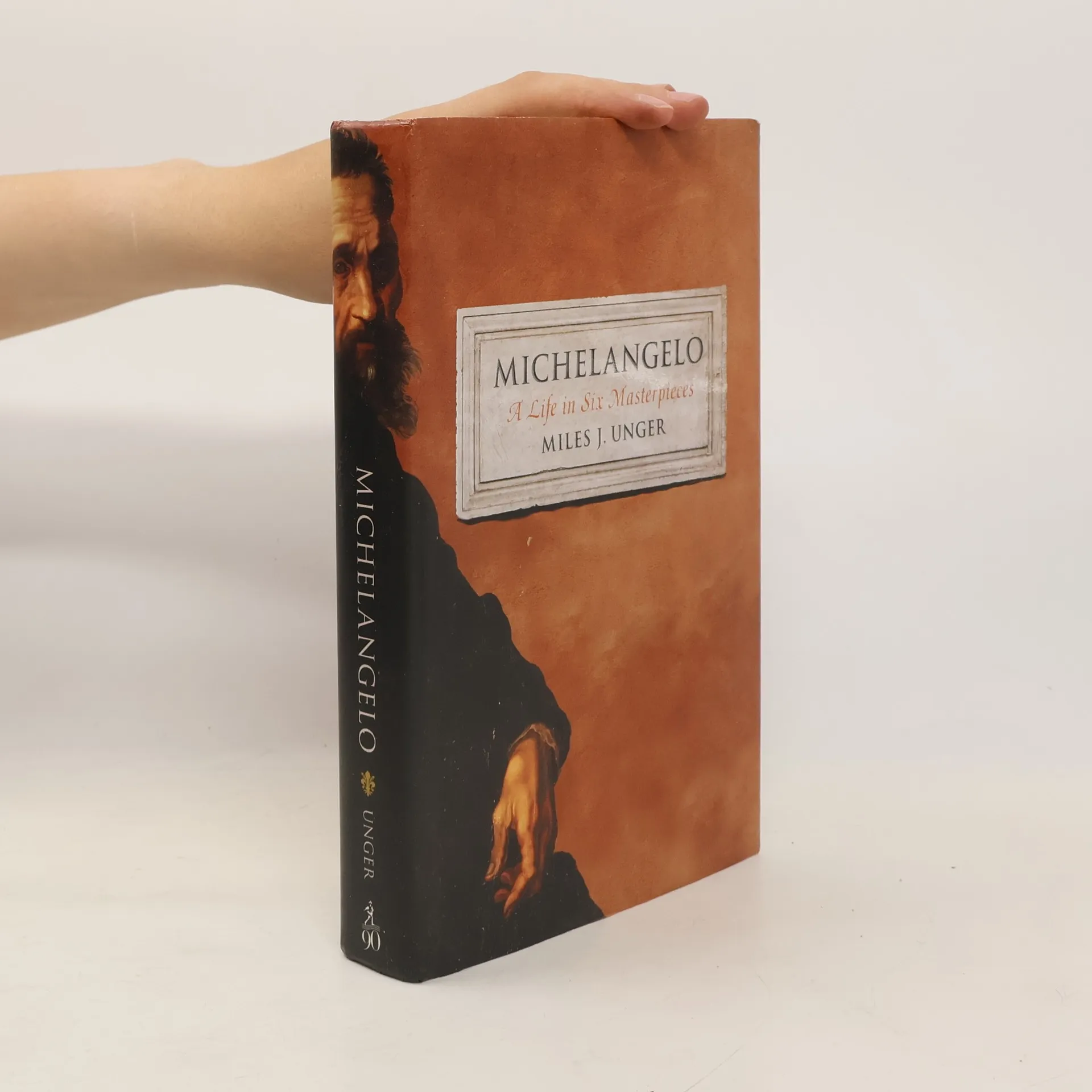
The life of one of history's most revolutionary artists is explored through six of his masterpieces. Michelangelo stands out among giants like Leonardo and Rembrandt as a master of painting, sculpture, and architecture. He not only redefined art but also insisted that the artist, not the patron, is the true creative force behind the work. Miles Unger narrates the life of this complex man through six significant pieces. Each masterpiece expanded the expressive potential of its medium, from the youthful "Pieta" to the apocalyptic "Last Judgment," reflecting the artist's personal trials. In the monumental "David," he captures the glory of youth, while the Medici tombs offer profound reflections on death and the afterlife. The Sistine Chapel ceiling tells the grand story of Creation, illustrating the perfection of God's initial act and the subsequent corruption by humanity. In his later years, as his physical abilities waned, he focused on the architectural marvels of St. Peter's, culminating in a tribute to his faith. Unger's work provides deep artistic insight into the irascible, egotistical, and undeniably brilliant man whose legacy continues to inspire and amaze us after five centuries.
Miles J. Unger Book order (chronological)
Drawing from a lifelong passion for Italian art and culture, deeply rooted in childhood experiences in Florence, this author delves into the Renaissance. His work centers on biographies of pivotal figures from this era, with his latest piece celebrating the life and legacy of Michelangelo. He explores the transcendent, unpredictable, and often challenging nature of genius. This literary approach is profoundly shaped by personal fascination and dedicated scholarship of Italian history and culture.
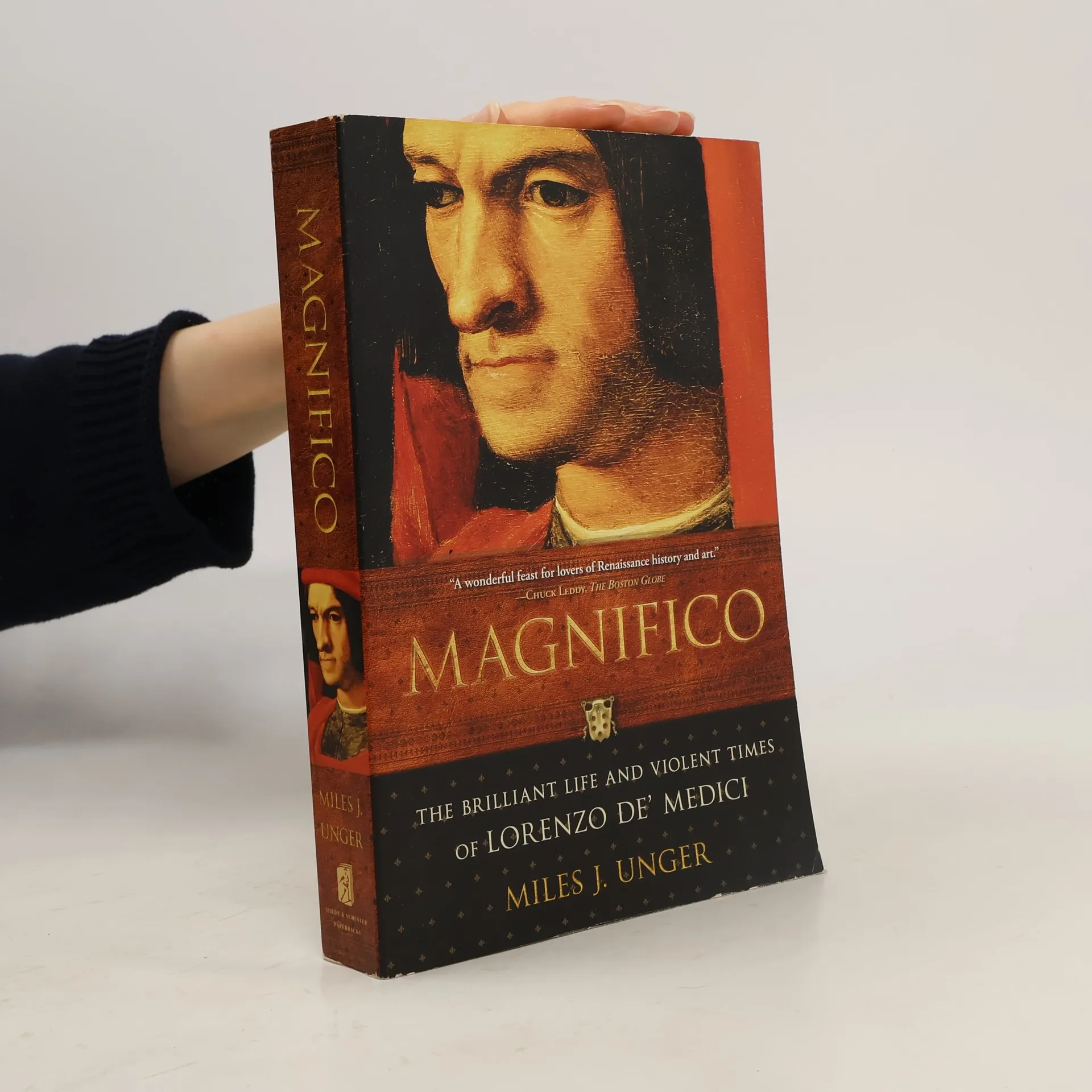
"Magnifico is a vividly colorful portrait of Lorenzo de' Medici, the uncrowned ruler of Florence during its golden age. A true "Renaissance man," Lorenzo dazzled contemporaries with his prodigious talents and magnetic personality. Known to history as Il Magnifico (the Magnificent), Lorenzo was not only the foremost patron of his day but also a renowned poet, equally adept at composing philosophical verses and obscene rhymes to be sung at Carnival. He befriended the greatest artists and writers of the time - Leonardo, Botticelli, Poliziano, and, especially, Michelangelo, whom he discovered as a young boy and invited to live at his palace - turning Florence into the cultural capital of Europe. He was the leading statesman of the age, the fulcrum of Italy, but also a cunning and ruthless political operative. Miles Unger's biography of this complex figure draws on primary research in Italian sources and on his intimate knowledge of Florence, where he lived for several years."--Jacket