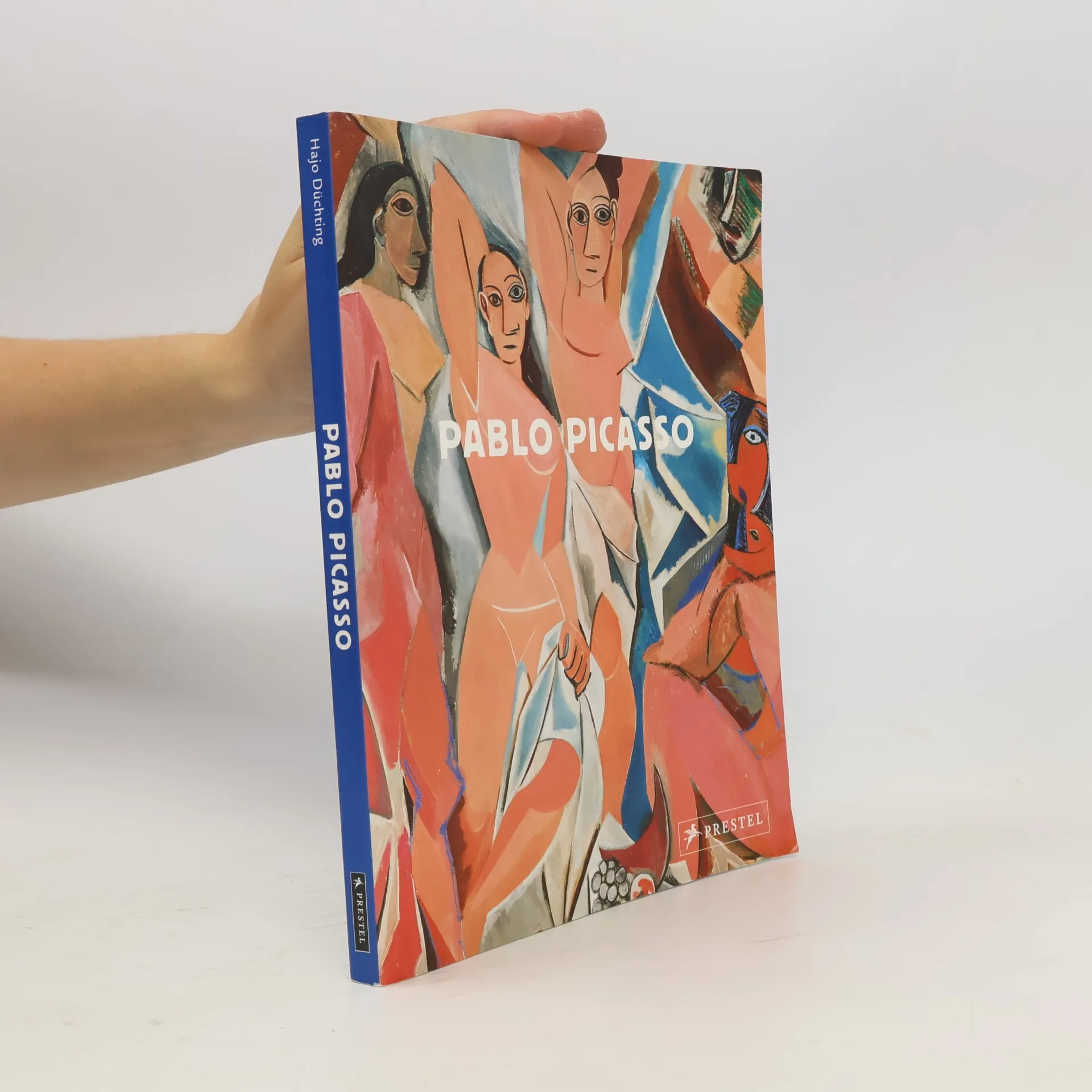
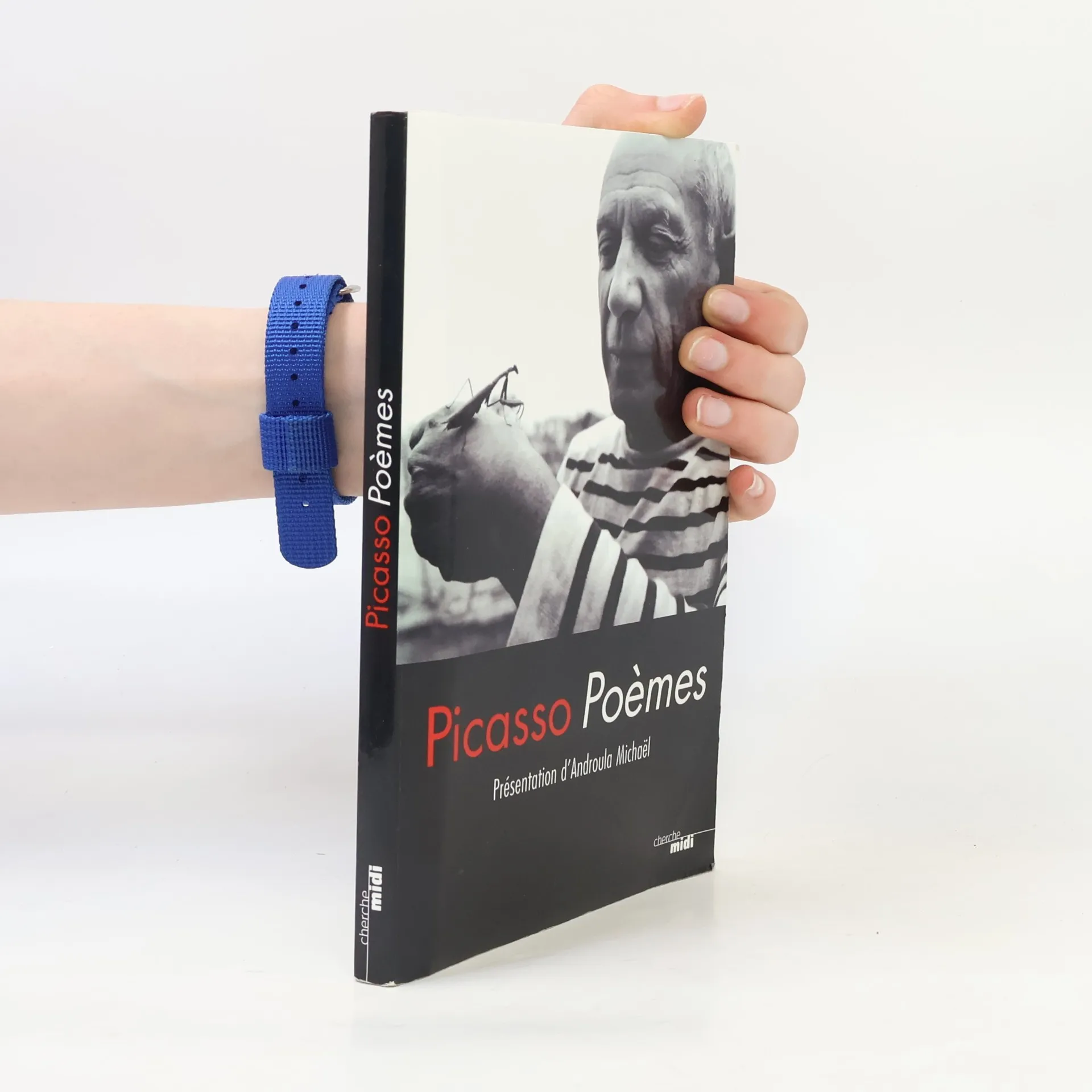
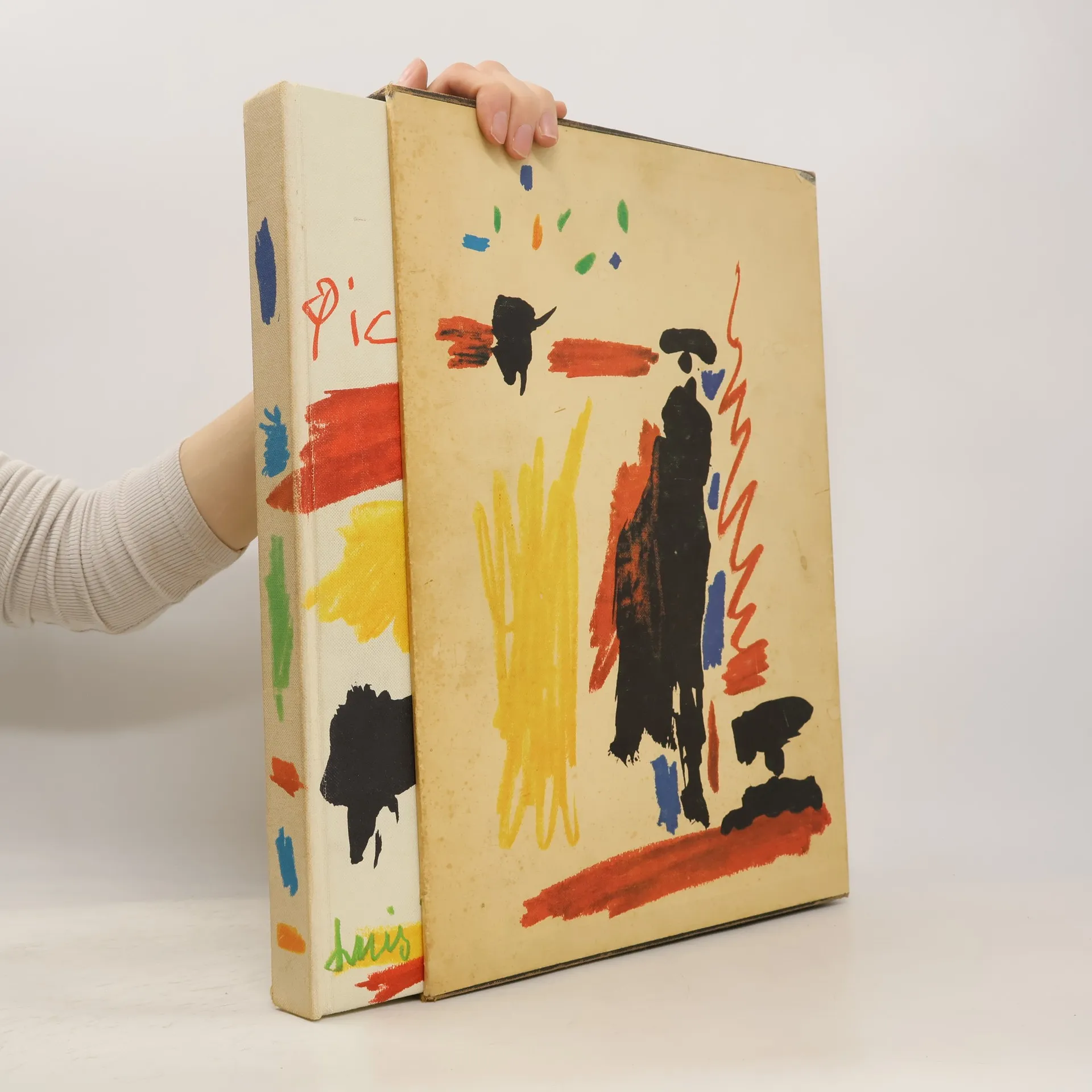
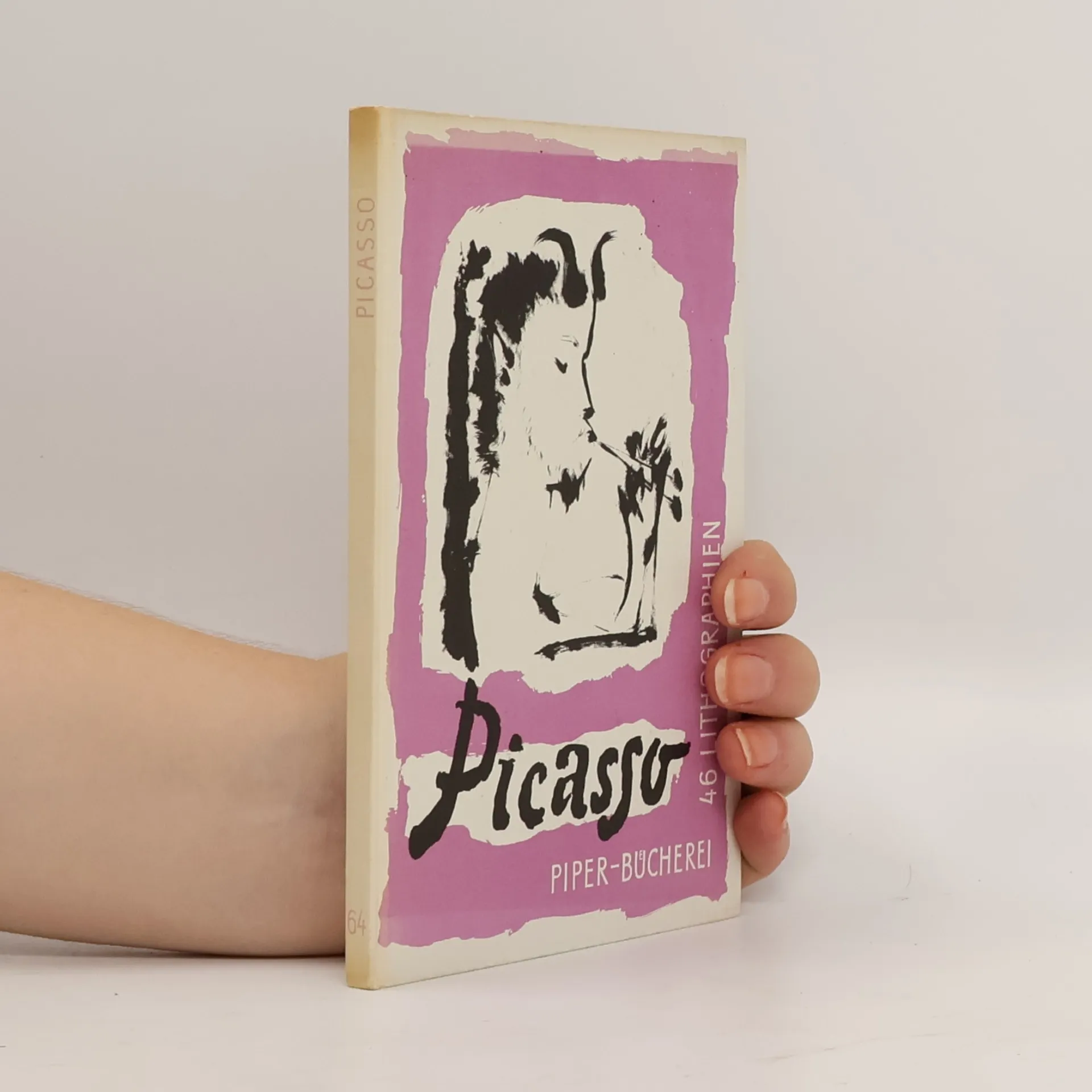
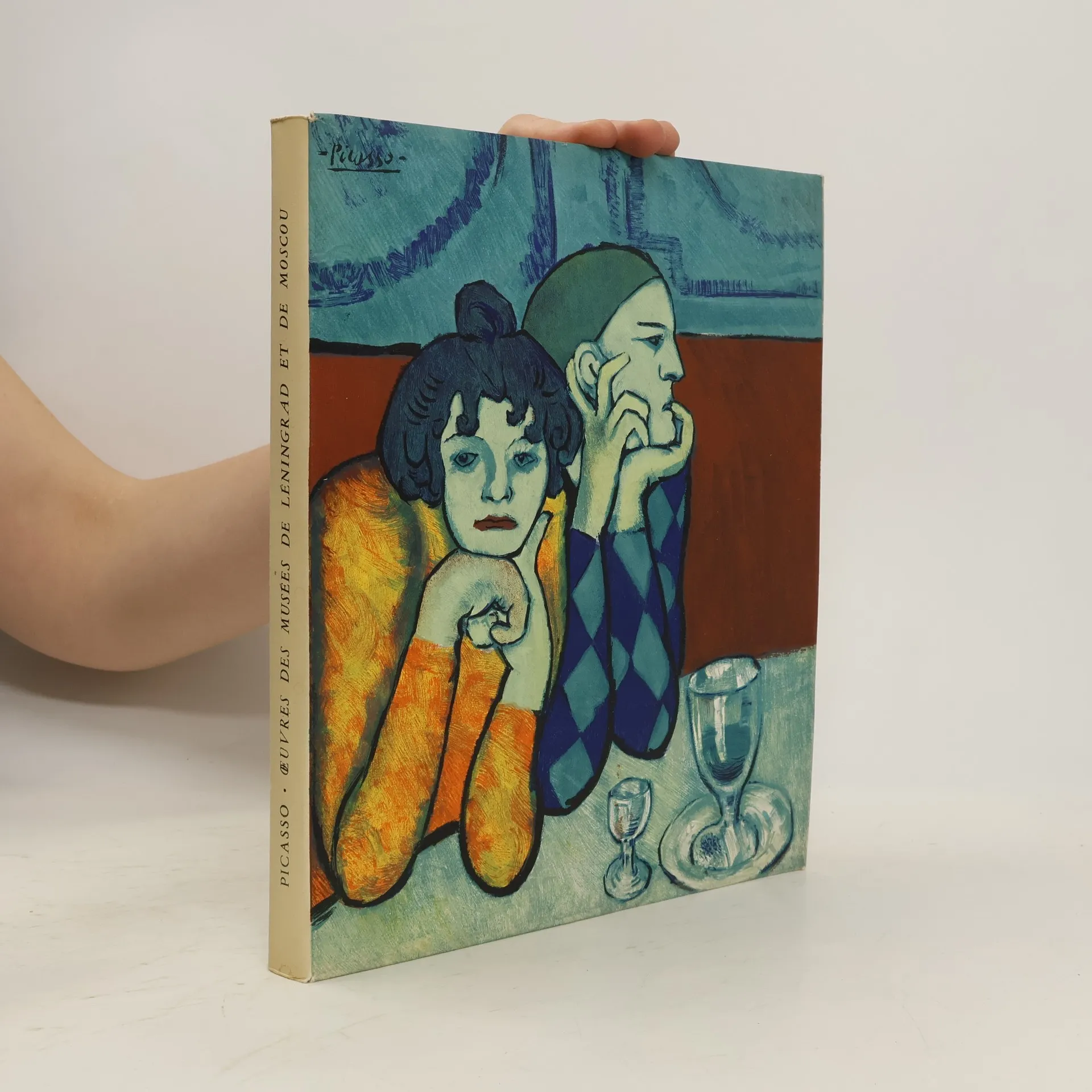
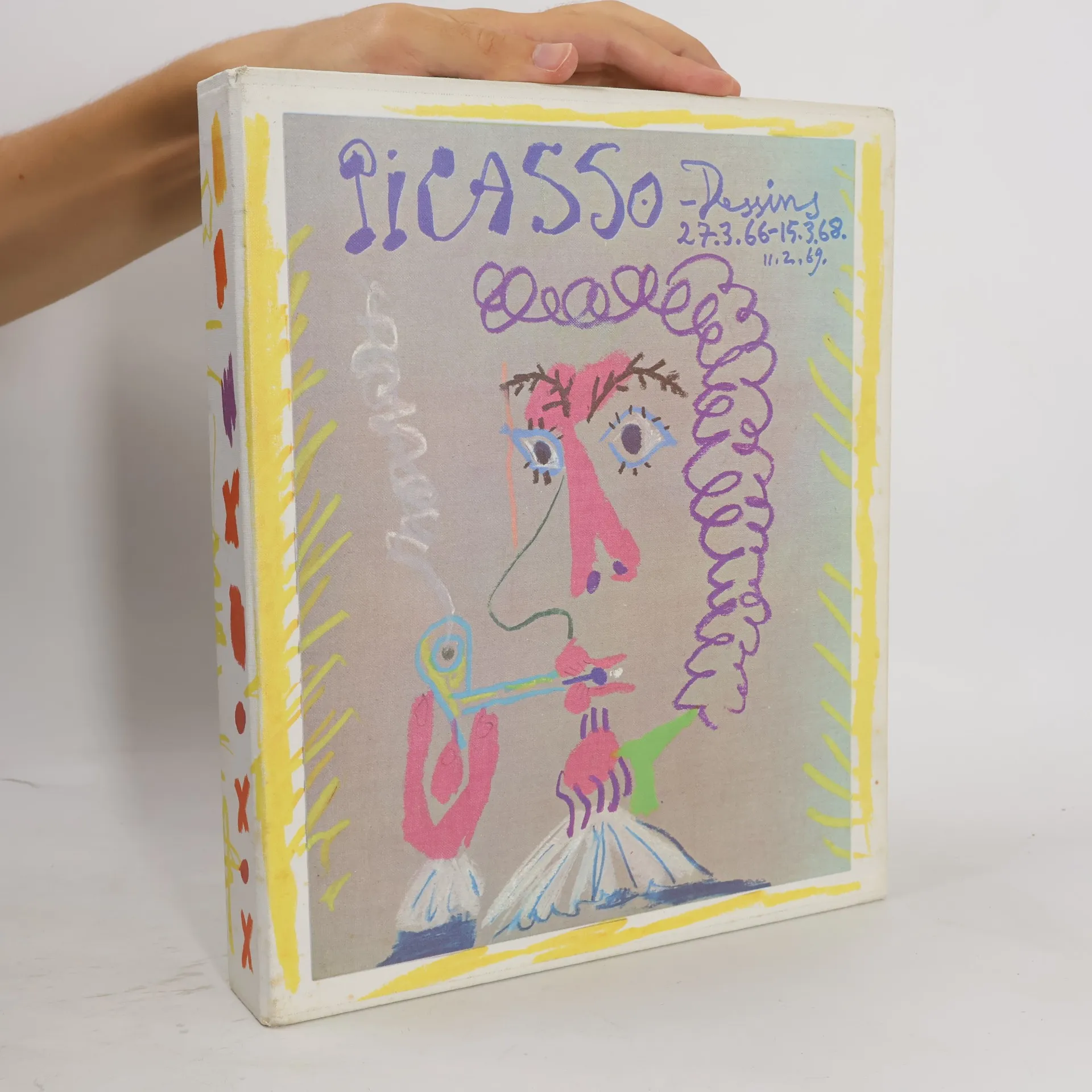
Pablo Picasso - Lithographs
- 368 pages
- 13 hours of reading
Artwork by Pablo Picasso. Contributions by Felix Reusse. Text by Erich Franz, Henri Deschamps.


Pablo Picasso was a Spanish painter and sculptor, one of the most prominent figures in 20th-century art. He is recognized as the co-founder of Cubism, an artistic movement that profoundly influenced modern art. His innovative approach to visual representation and constant experimentation with form and technique established him as a pivotal figure in art history. Picasso's work is characterized by its unconventional perspective on reality and a persistent ability to challenge and redefine artistic conventions.

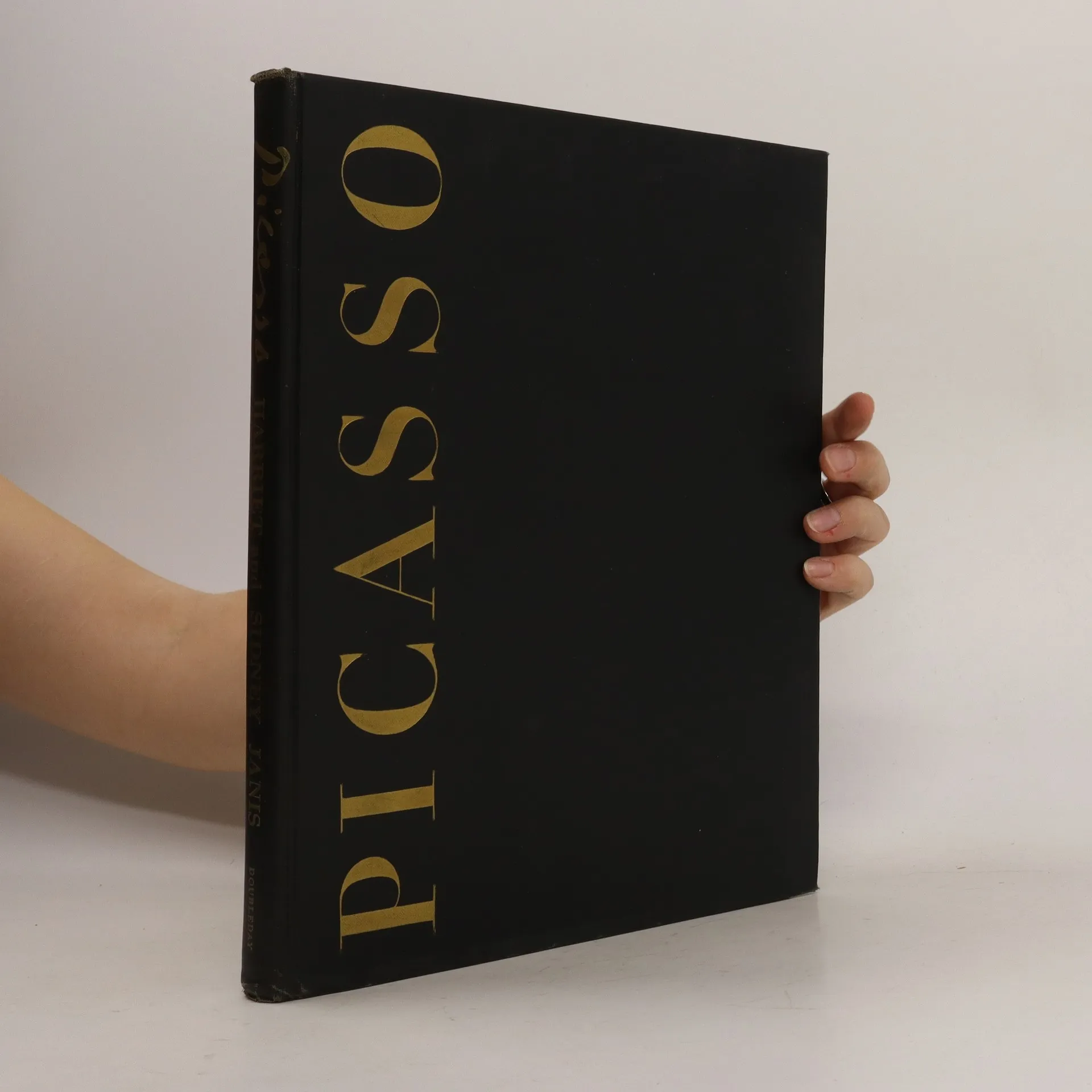
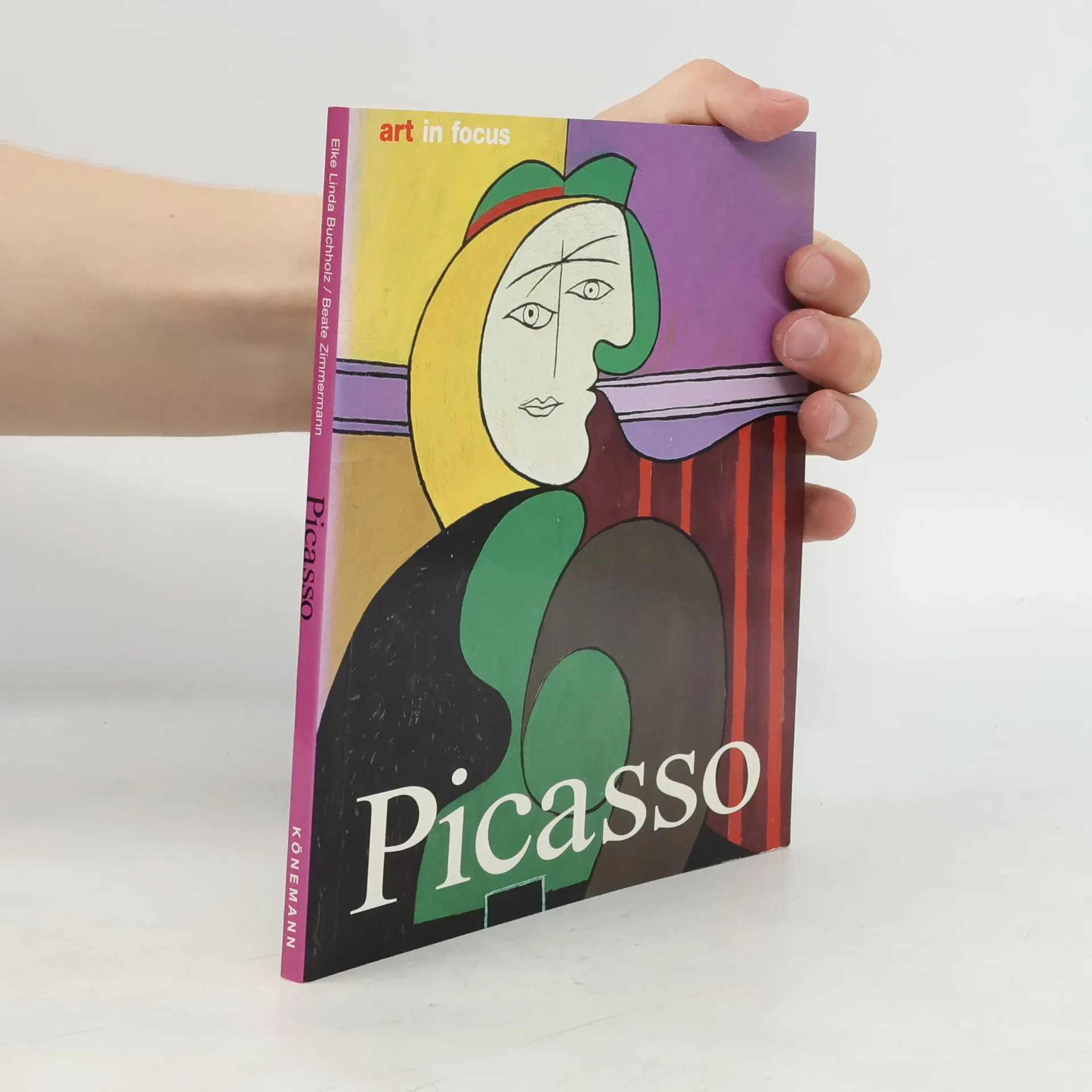

Artwork by Pablo Picasso. Contributions by Felix Reusse. Text by Erich Franz, Henri Deschamps.
Art in Hand series An emotional crisis in 1935 caused Pablo Picasso to temporarily halt all painting and devote himself to writing. This collection has been culled from the startling twenty-four year stream of prose poetry that resulted. Reading like a hallucinatory journal, it provides a seismeographic slice of an unknown Picasso, a visceral stew of sensory pleasure and madness that matches his visual work.
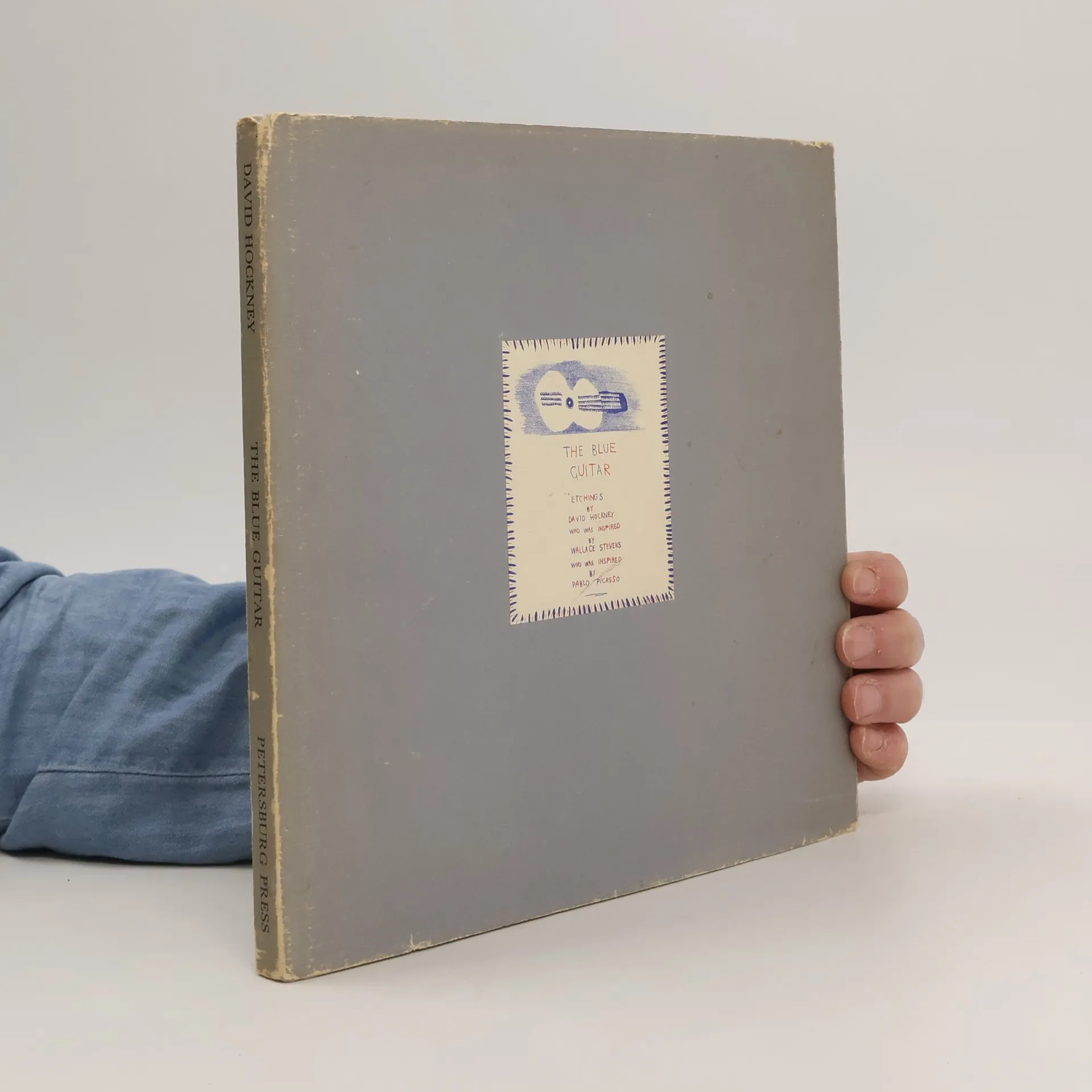
Etchings by David Hockney Who Was Inspired by Wallace Stevens Who Was Inspired by Pablo Picasso
"This catalogue documents the publication of "The Blue Guitar"' a group of etchings by David Hockney. accompanied here by the poem of Wallace Stevens "The Man with the Blue Guitar. The portfolio contains twenty etchings drawn by the artist in London in the Autumn of 1976 and Spring of 1977.
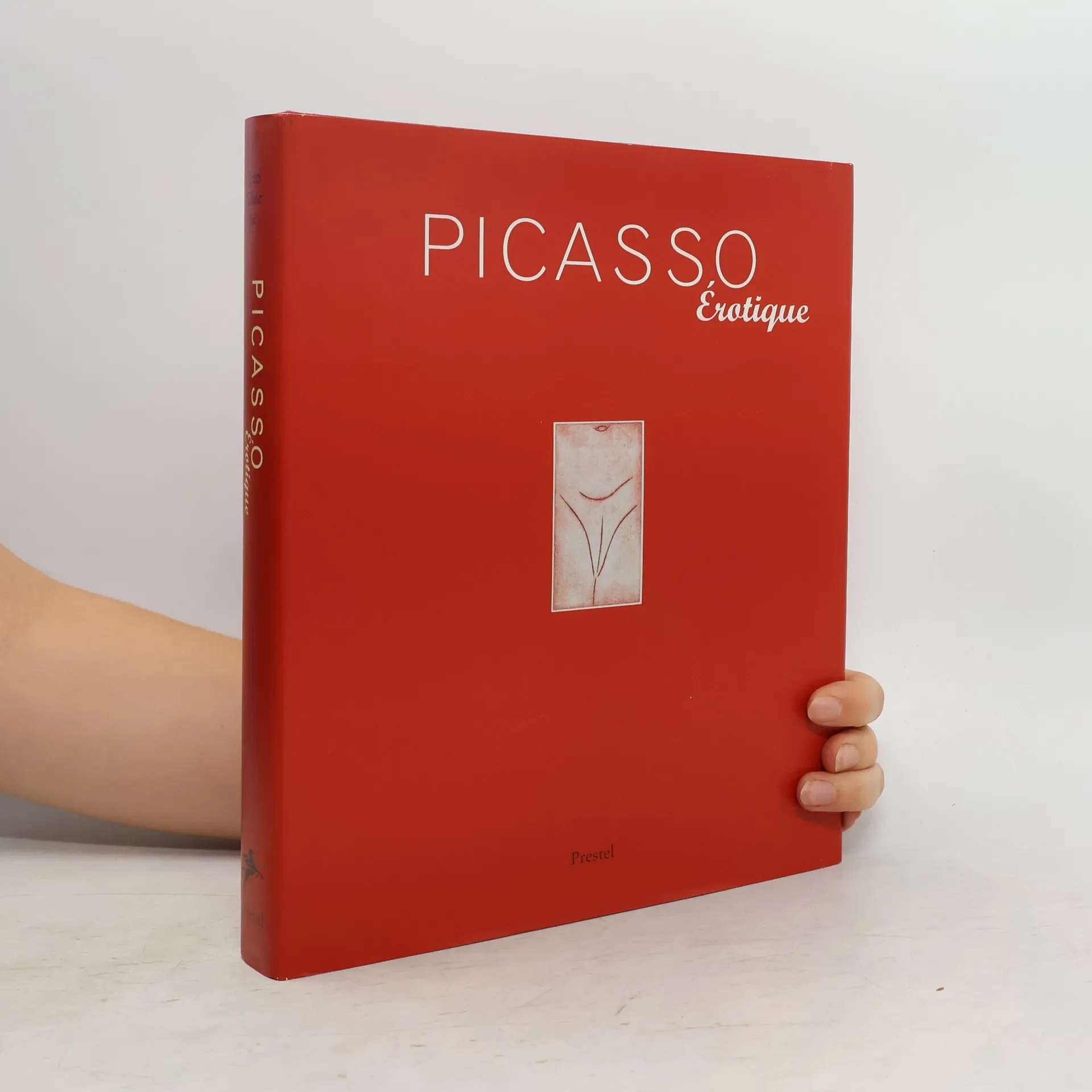
The career of the greatest painter of the twentieth century was played out in the shadow of Eros -- and of Thanatos. At the age of eight Picasso's first drawings already displayed a precocious interest in the female form, and in the days leading up to his death he was still working obsessively on sketches of the female sex. At the turn of the century the young Picasso created drawings and watercolors inspired by the bordellos of Barcelona which he frequented. These works mix desire, fascination, but also comedy and the grotesque alongside the ever-present fear of disease. They would result, seven years later, in his masterpiece, Les Demoiselles d'Avignon. The works in this ground-breaking book include erotic drawings formal and informal, sketches in notebooks hidden in drawers and private collections, and occasionally paintings and sculptures. Through all these works the essays by an international team of scholars, analyse the primeval notion of desire in Picasso's work, as well as his relation to voyeurism and exhibitionism, to artist and model. Whether through playful or hallucinatory forms, Picasso's representation of the desiring and desired body has become a pivotal moment in the history of twentieth-century art. Produced to accompany a major exhibition in Paris, Montreal and Barcelona, Picasso Erotique is a unique examination of the central theme in Picasso's work.
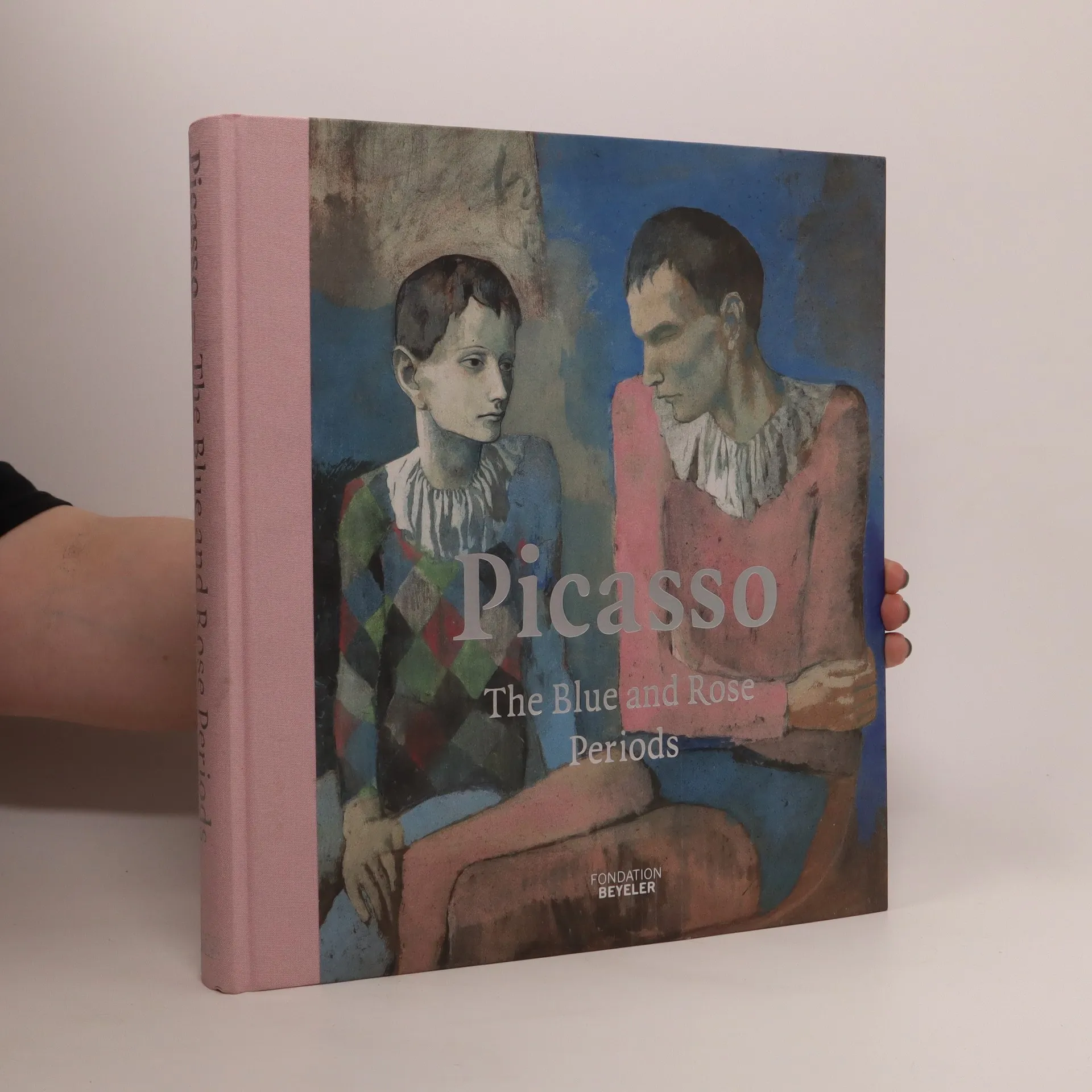
In its most prestigious exhibition to date, the Fondation Beyeler has devoted itself to the early paintings and sculptures of Pablo Picasso (1881-1973) that date from his so-called Blue and Pink periods to early Cubism. The paintings from this stage of his career, all produced between 1901 and 1907, are milestones on the road Picasso took to becoming the most famous artist of the twentieth century. They can be counted among modernism’s most beautiful and most emotional works, and are also some of the most precious works of art ever to exist. This comprehensive exhibition and its companion catalogue feature around eighty masterpieces, most of which are only rarely loaned out by famous museums and private collections around the world. EXHIBITION February 3 – June 16, 2019 Fondation Beyeler, Riehen/Basel PABLO PICASSO (1881–1973) is regarded as the epitome of the twentieth-century artist. In addition to his paintings and sculptures, his graphic works also enjoy special fame.
Picasso’s granddaughter introduces readers to a sublime selection of the artist’s erotic masterpieces, brought together in this lush and elegant volume. Pablo Picasso lived life as he painted it—with sensual energy and abandon. Nearly every woman whom he loved has been immortalized in his work, from the playful nudes of his early years to the classical representations twenties and the more frankly sexual paintings that crowned his career. With mesmerizing color and an appealing design, this chronologically arranged volume follows Picasso’s artistic development as expressed in more than ninety erotically charged works. Exquisitely reproduced paintings and etchings such as Salomé Dancing Nude in Front of Herod, Demoiselles d’Avignon, and the famous Pisseuse are displayed alongside fragments from Picasso’s love letters and his revealing observations about the role of sensuality in his life. Diana Widmaier Picasso comments on her grandfather’s amorous adventures, offering intimate revelations and insights that transform this beautiful book into a personal reflection of one man’s consuming passion.
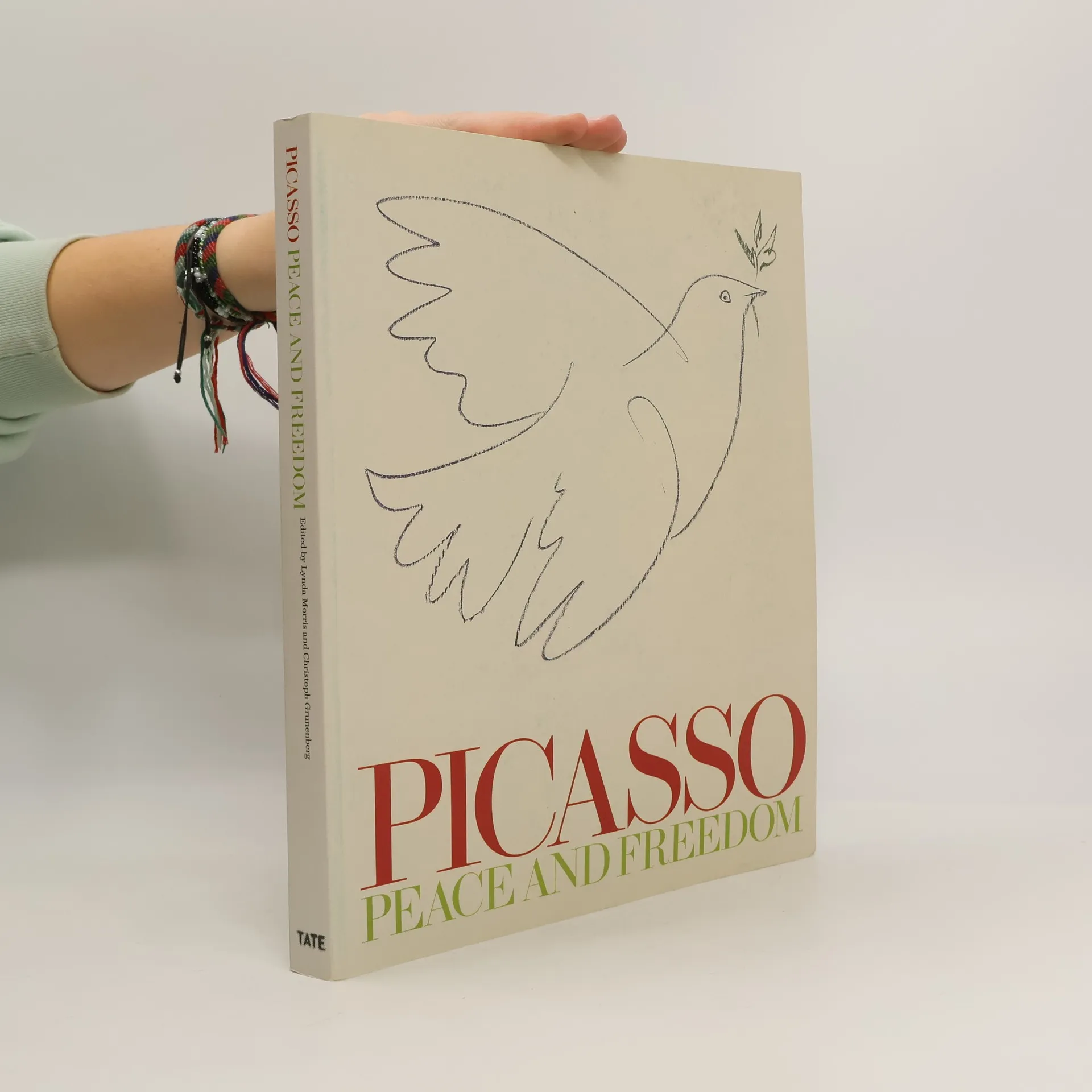
Picasso Peace and Freedom is the first in-depth examination of Picasso as a politically and socially engaged artist, from the 1940s, when he defiantly remained in Paris during the Nazi occupation, through the Cold War period. Picasso was a member of, and a huge financial donor to, the Communist Party from 1944 until his death in 1973. Both the FBI and MI5 held substantial files on him. Picasso’s political commitment and its implications for his work represent the last undiscovered territory in the study of the artist. Rather than treating him as an isolated titan of modern art, this book considers Picasso as a history painter and looks at key works from 1944 to 1973. Precisely dated, the works can be connected to world events of the time, from Franco’s activities in Spain to the Cuban missile crisis. A key image is the Dove of Peace , which became the emblem of the Peace Movement in the 1960s. This important book reinstates a key element in our understanding of Picasso.
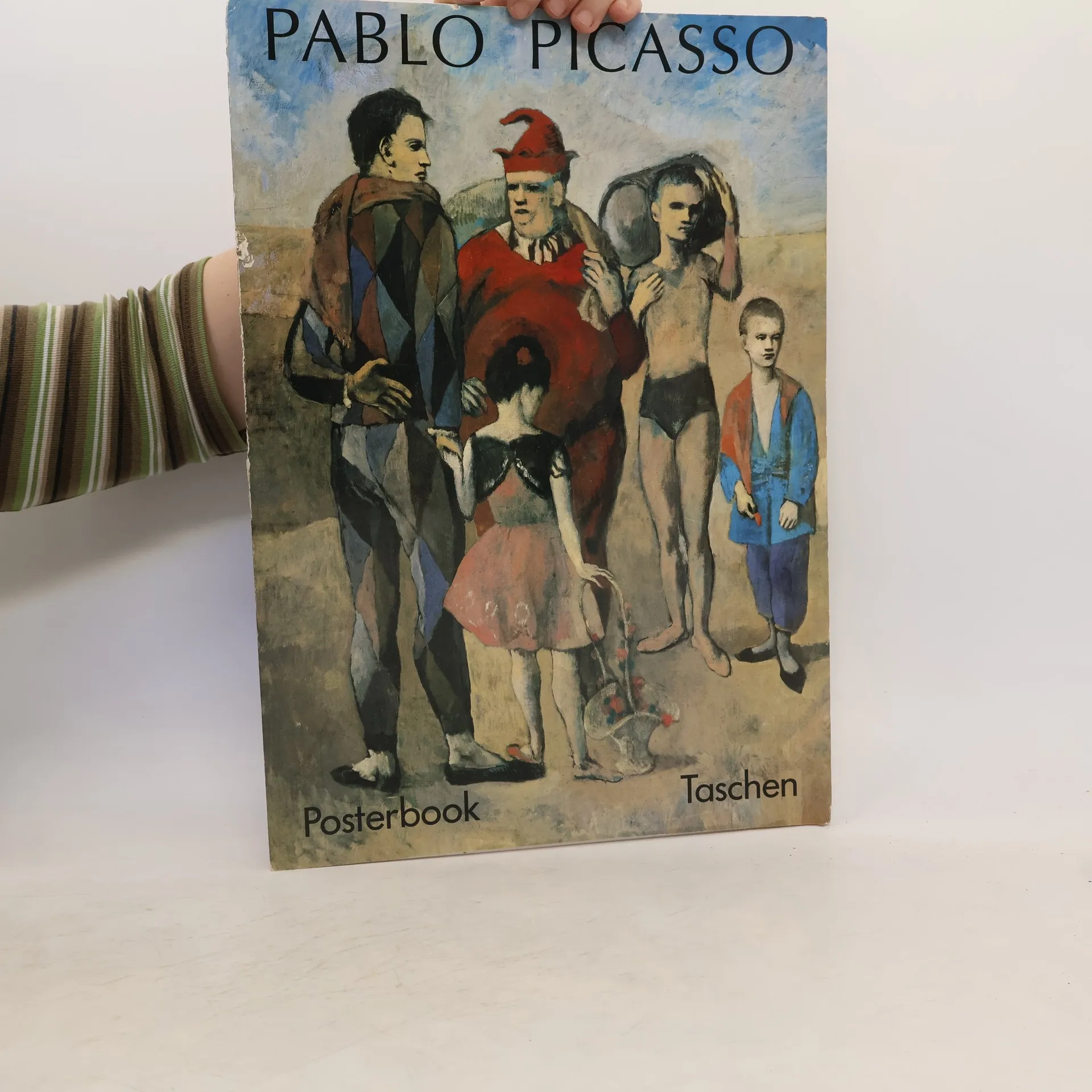
14 high quality prints suitable for framing; each with a brief description
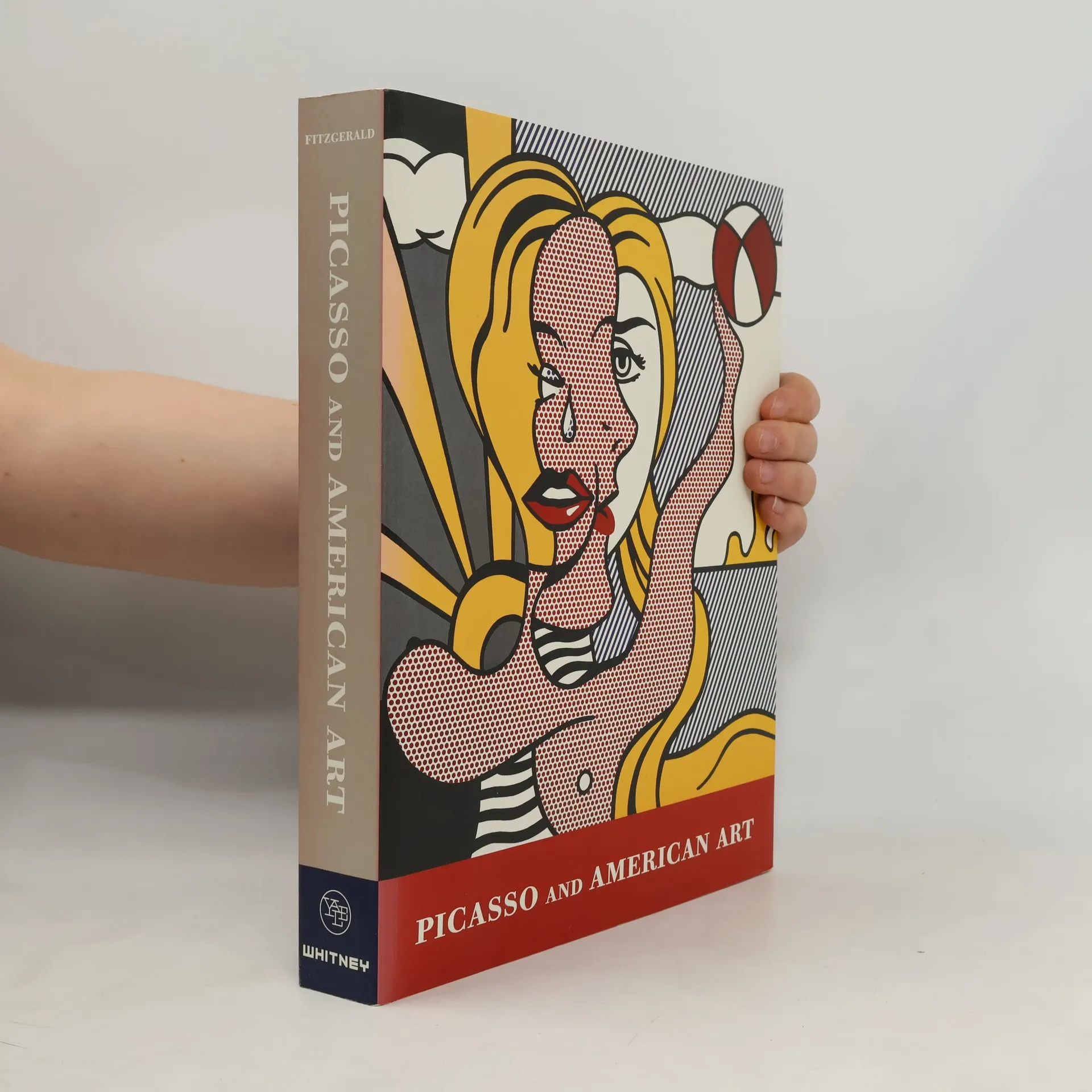
Many American artists throughout the 20th century designated Pablo Picasso as the central figure of the modern movement and defined their own artistic achievements through their absorption, critique, or rejection of his example. Picasso and American Art is a groundbreaking publication juxtaposing works by Picasso with the paintings, sculptures, and drawings created in response by an extremely diverse group of his contemporaries and successors, including Max Weber, Stuart Davis, Arshile Gorky, John Graham, Willem de Kooning, Jackson Pollock, David Smith, Roy Lichtenstein, and Jasper Johns. Based on extensive research, Michael FitzGerald's text provides valuable new information on the fundamental role that Picasso played in the development of modern American art--both through his friendships with individual artists and through the dissemination of his evolving work. This book also documents, for the first time, the accessibility of Picasso's work in the United States between 1911 and 1957 in exhibitions, collections, and publications through a comprehensive chronology. This unique book is essential for anyone interested in either Picasso or American art of the 20th century.
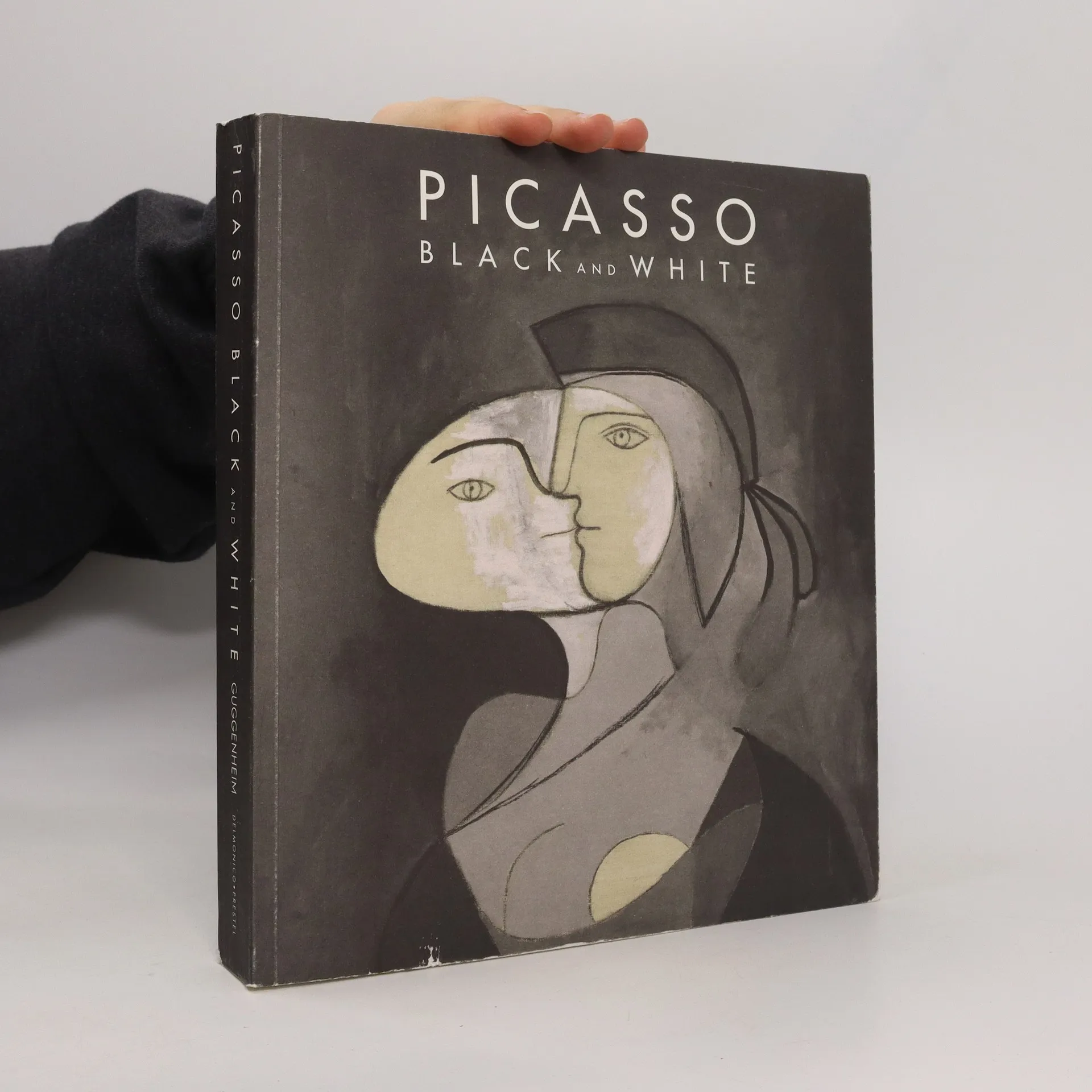
Picasso Black and White: Examines the artist's lifelong exploration of a black-and-white leitmotif through paintings and a selection of sculptures and works on paper. Picasso continued the tradition of engaging the color black that had been employed throughout a centuries-long history of Spanish painting by fellow artists José de Ribera, Diego Velázquez, Francisco de Zurbarán, and Francisco de Goya. Moreover, he made highly effective use of isolated black, white, and gray hues in a nod to monochromatic grisaille painting and to drawing, line, and form. As this volume attests, the recurrent motif of black and white appears throughout Picasso's oeuvre, including his blue and rose periods, his investigations into Cubism and Surrealism, his interpretations of historical subject studies for his celebrated painting 'Guernica', World War II, and an homage to old masters, as well as the powerful paintings of his last years. Featuring reproductions of more than 150 works, this book examines the extraordinary complexity and power of these expressive artworks, which purge color in order to highlight their formal structure. Including essays by leading Picasso scholars, this book is a unique and coherent perspective on one of the world's most innovative and influential artists.
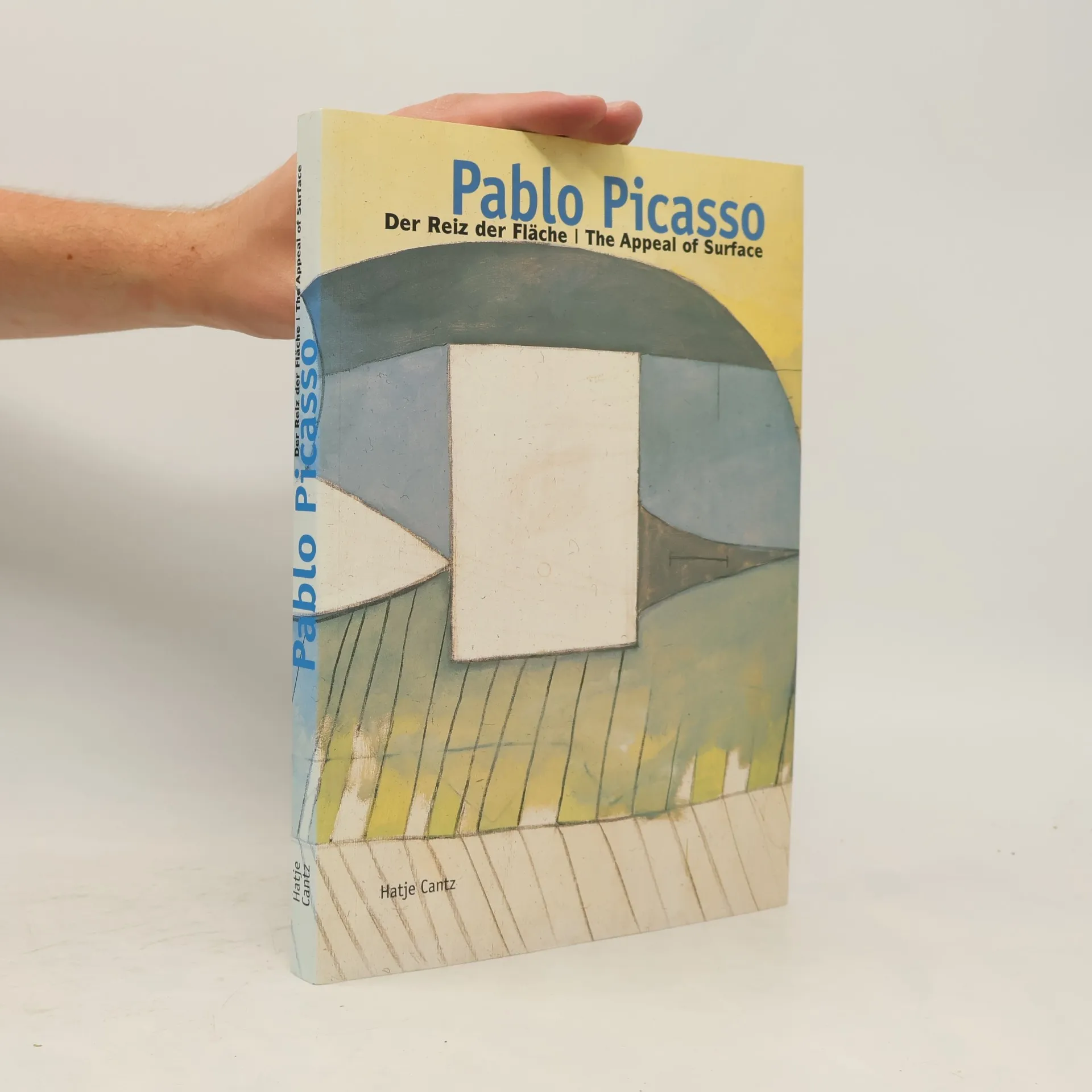
This work reveals Picasso as an innovator and conceptualist, illustrating his works from Cubism via abstraction to his late sculptures. It focuses in particular on Picasso's game with surfaces and lines in the various phases of his art.
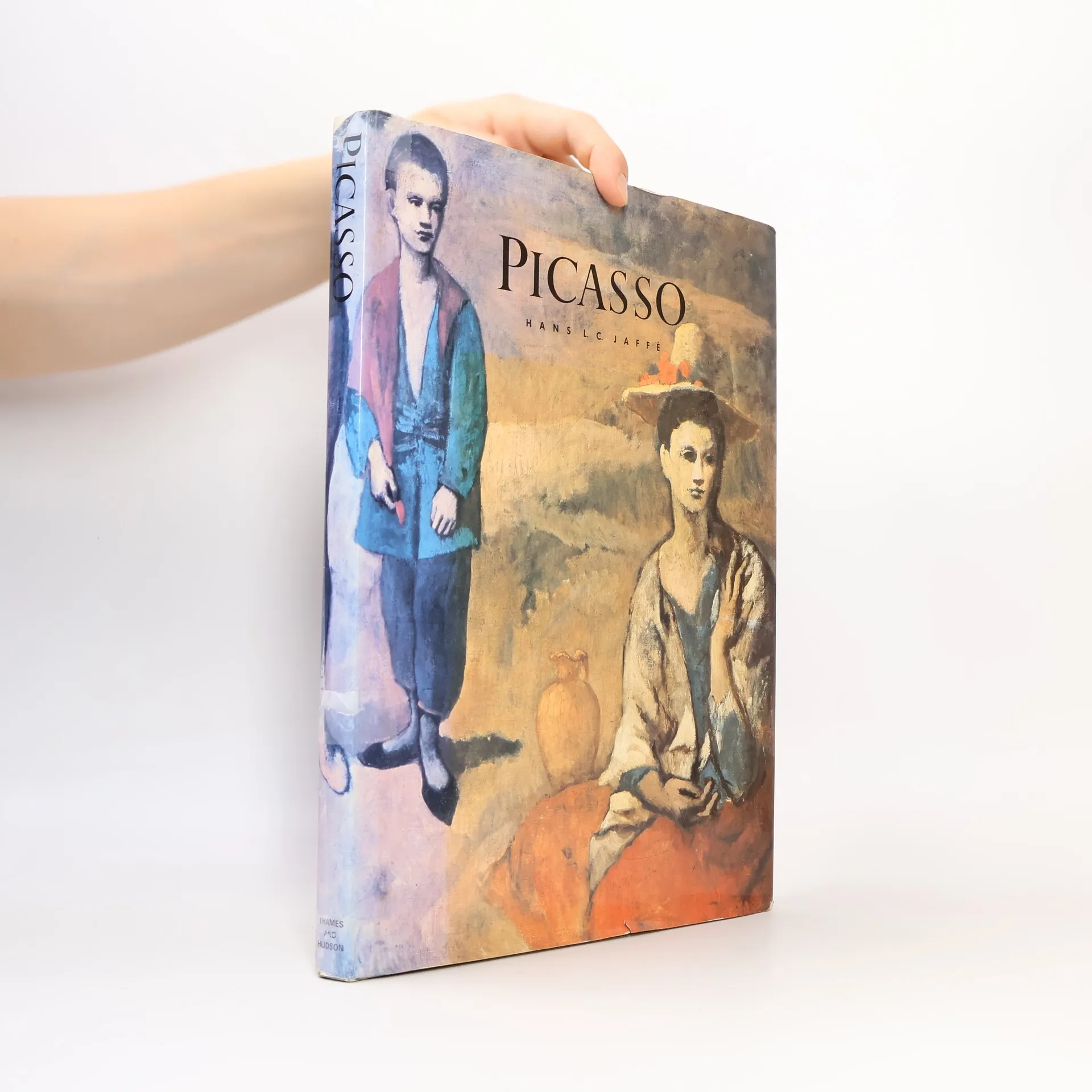
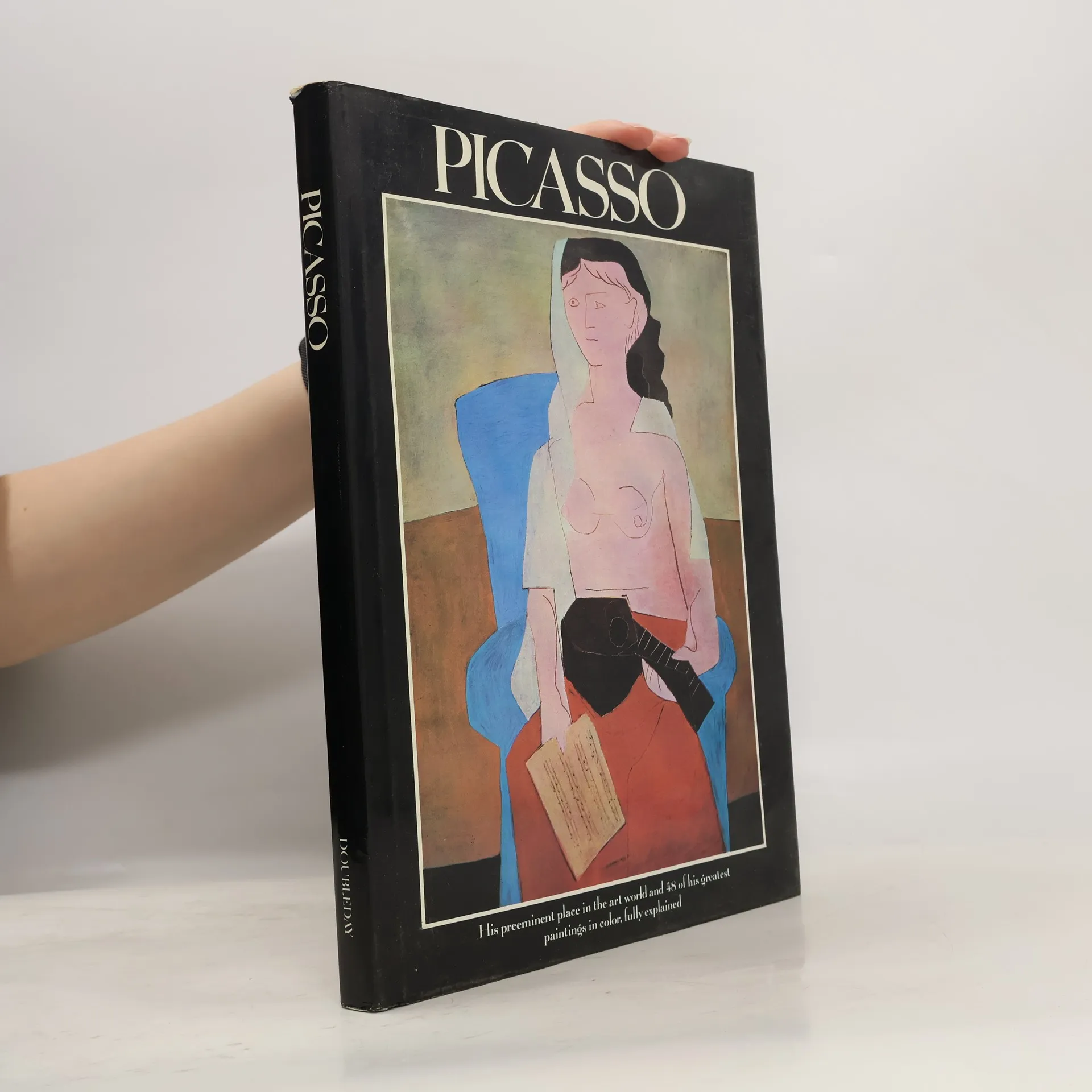
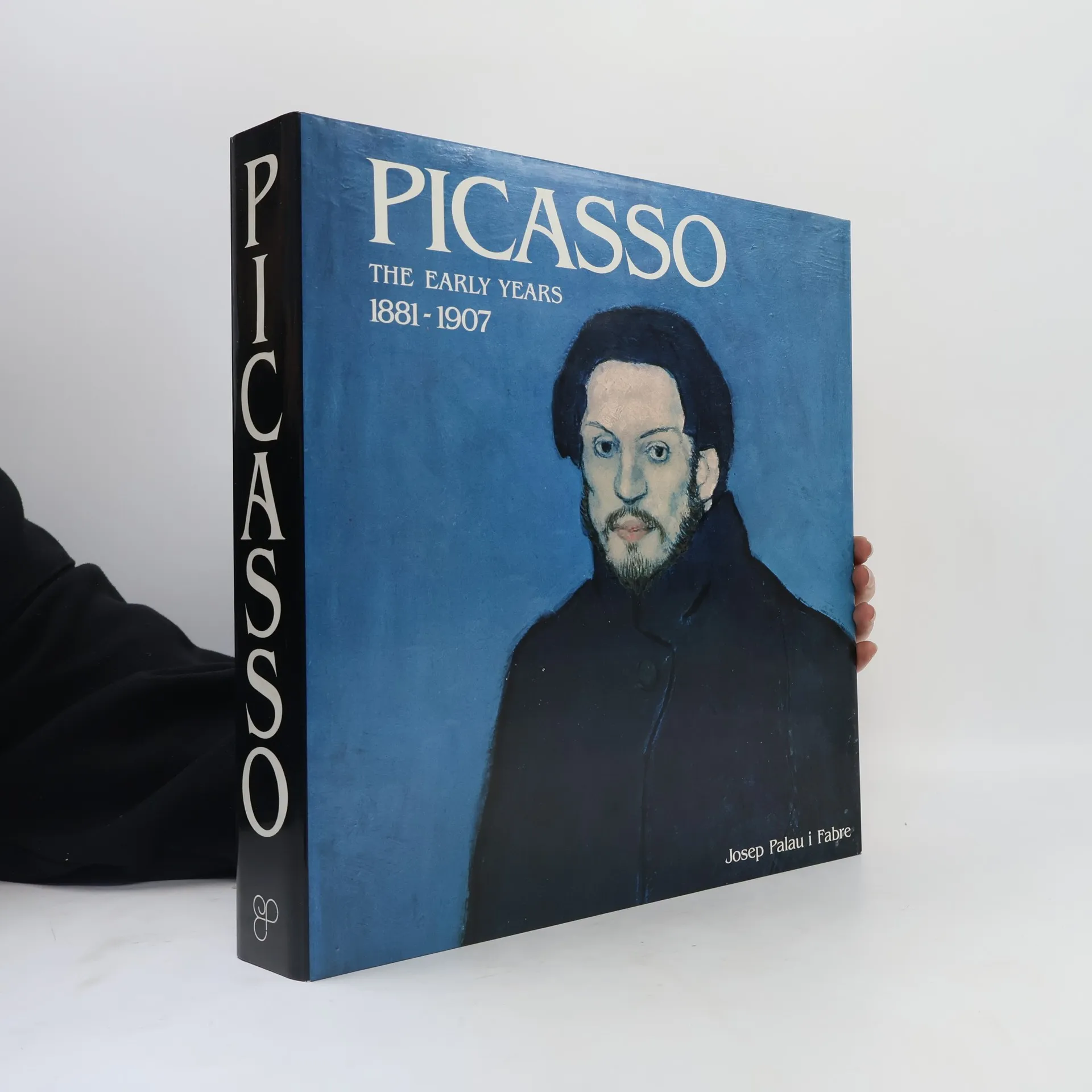
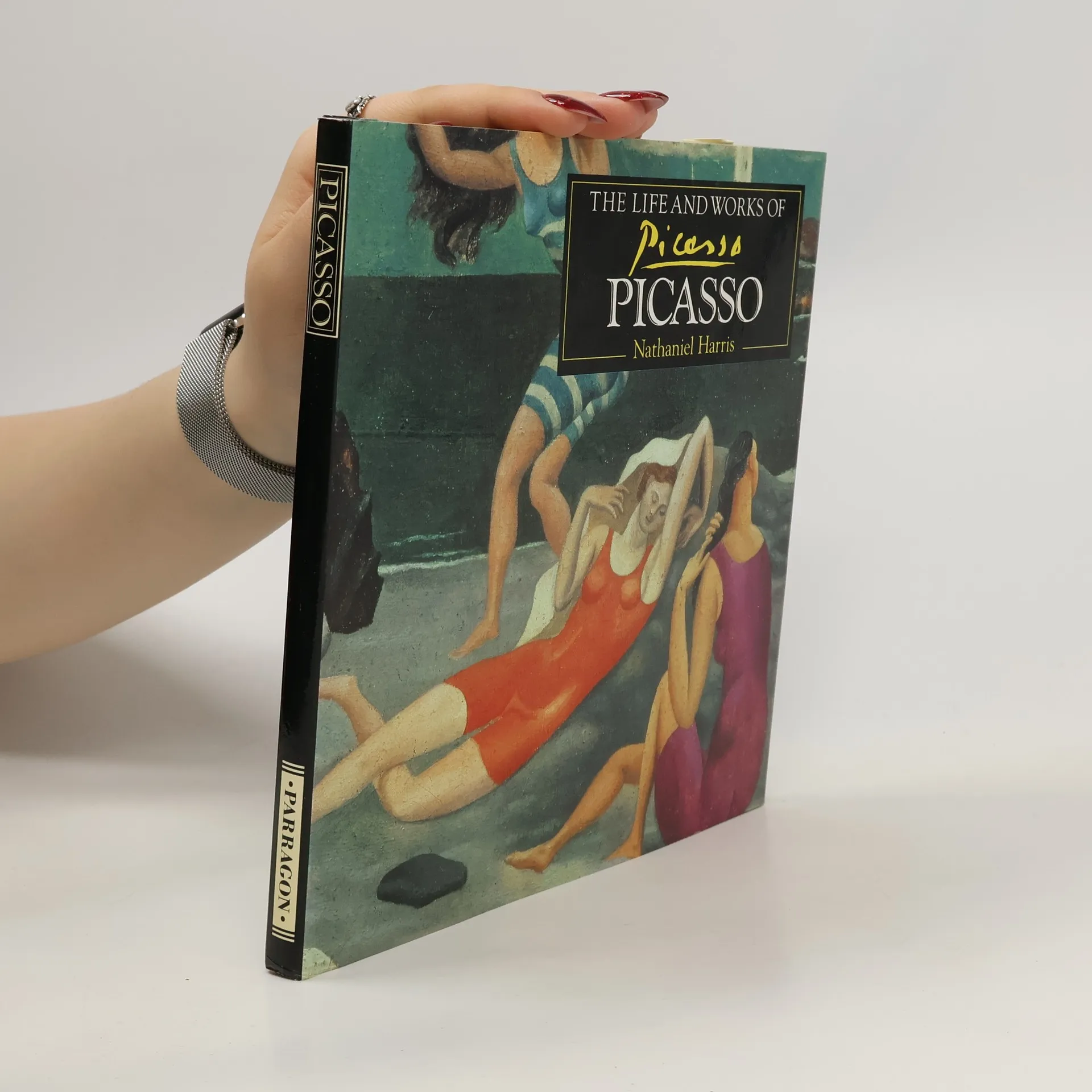
A biography of the artist is accompanied by commenaries on his work and a representative selection of his paintings, sculptures, and ceramics.
Physical description; 288 pages : illustrations (some color). ; 30 cm. Notes; Translation of Picasso, el nacimiento de un genio. p. 176-182. Translation of Picasso, el nacimiento de un genio. Subjects; Picasso, Pablo (1881-1973). Spanish paintings — Picasso, Pablo, (1890-1917). Spanish Painting. Genres; Bibliography. Biography. Illustrated.
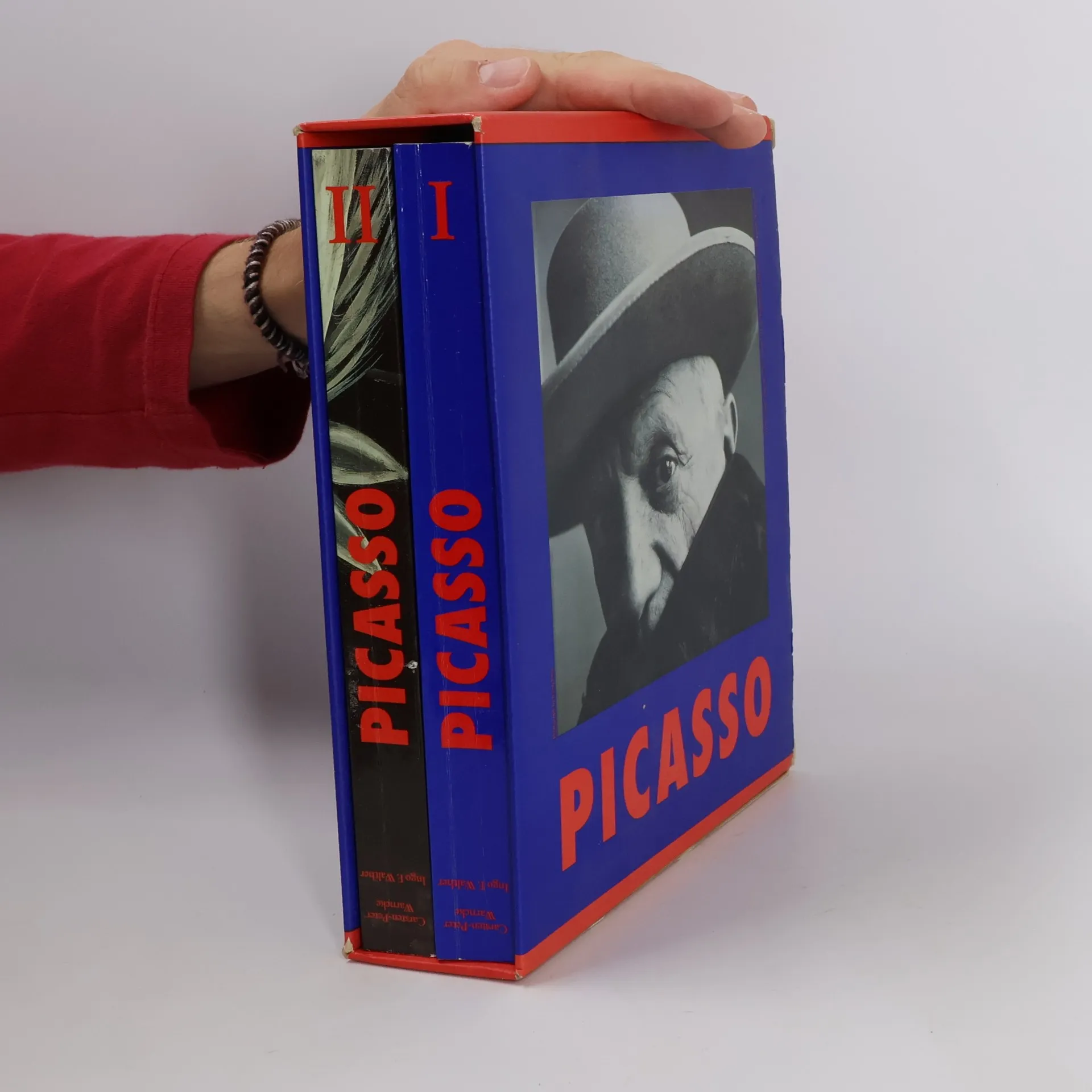
Pablo Picasso once said, "If there's something to be stolen, I steal it." Few artists have helped themselves as liberally from the treasures of bygone art. His own legacy is scarcely paralleled in its scope and diversity. Our study of Picasso, the most exhaustive record of his work to date, contains almost 1500 illustrations - from his earliest drawings to the master's very last painting.
A biography of the artist is accompanied by commentaries on his work and a representative selection of his paintings, sculptures, and ceramics. Includes "48 of his greatest paintings in color, fully explained."
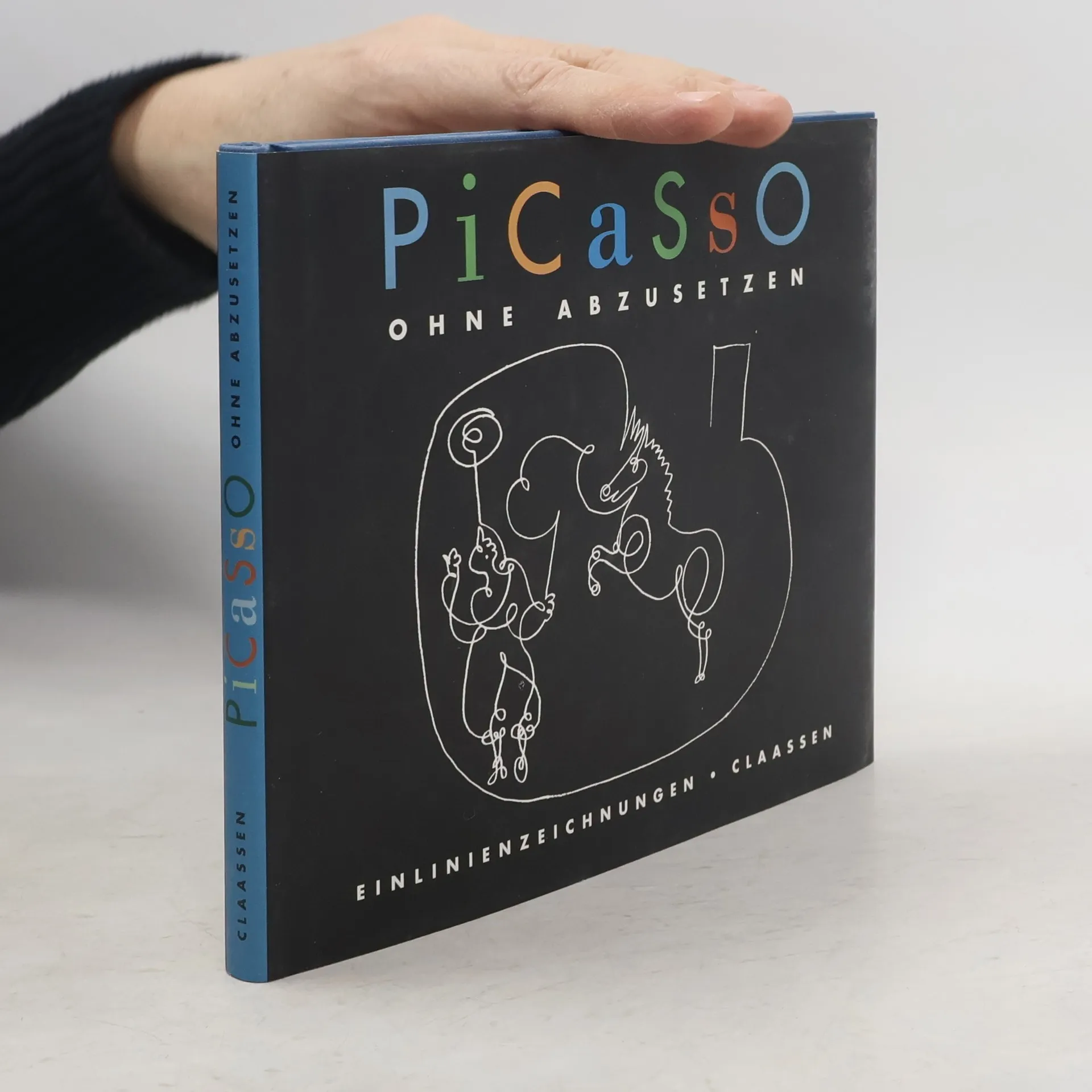
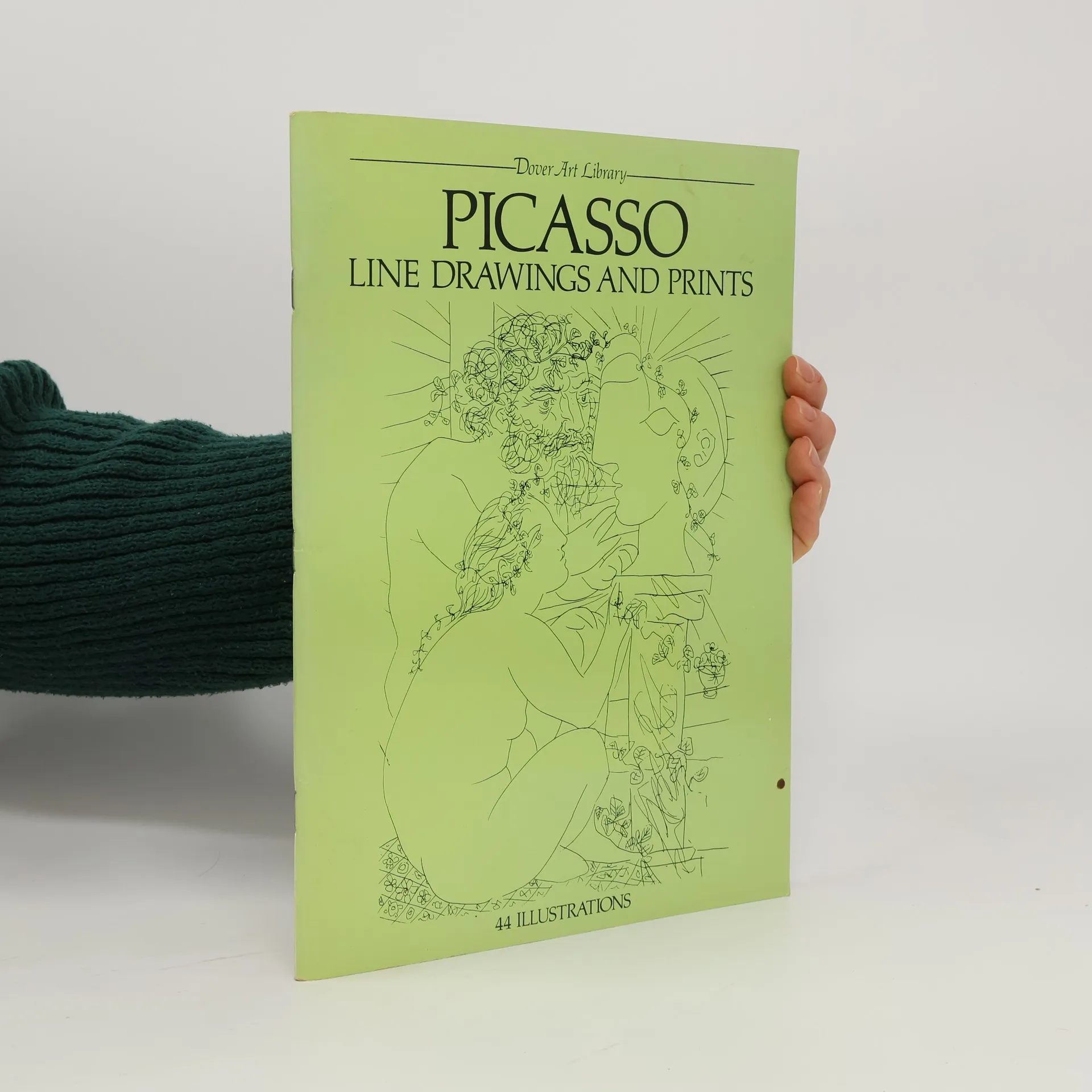
Picasso possesses an extraordinary line reminiscent of Botticelli. Each medium he mastered, regardless of its solidity, transforms into a line that serves as a key to a complex labyrinth. Theoretically, line is infinite, and Picasso nearly realized this concept through nearly a century of relentless drawing on various materials. This collection offers a glimpse into his vast oeuvre, showcasing the brilliance of his line across different periods. Starting with a 1905 drypoint of a circus family, the selection includes 44 drawings that explore Picasso's major themes, techniques, and styles. From the classic clarity of the Diaghilev and Stravinsky portraits (1919, 1920) to cubist studies and "neo-classical" nudes, Picasso's dynamic hand continually reinvents his world. The collection culminates in six passionate sketches from 1953–54, created during a personal crisis. Interspersed are moments of tranquility, such as Seven Dancers (1919) featuring Olga Picasso, alongside mythological studies like Eurydice Stung by a Serpent (1930) and Dying Minotaur in the Arena (1933). Additionally, Balzac is captured in a striking lithographic portrait (1952) and an etching for Vollard's edition of Le Chef-d'oeuvre inconnu. The appearance of a rugged Rembrandt (1934) underscores Picasso's status among the greatest draughtsmen in art history.
Pablo Picasso's overwhelming presence has influenced the direction of art, as well as generations of artists, for nearly three quarters of a century. 182 pages drawings and text from his beginning to his later years.
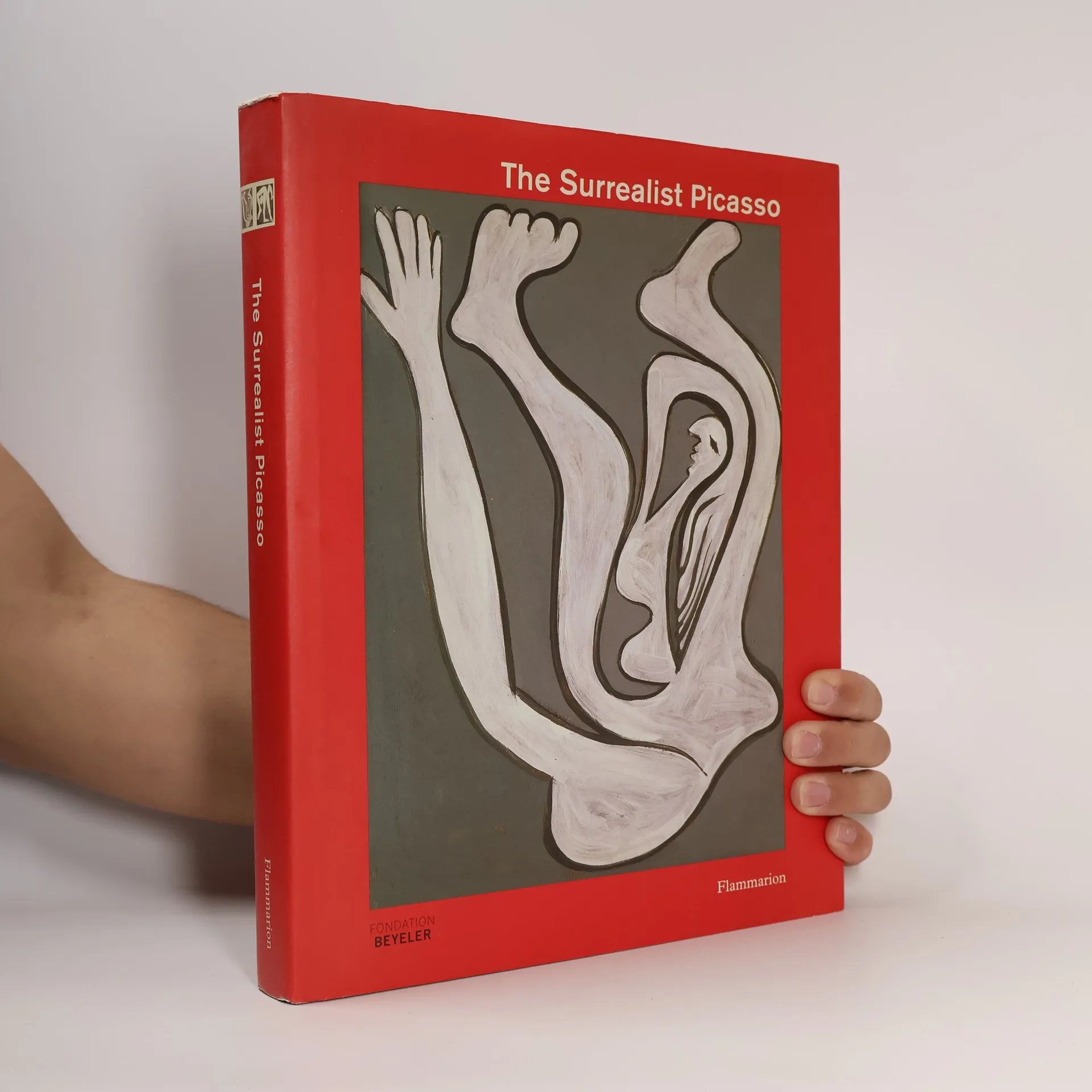
Between 1924 and 1934, Picasso's oeuvre developed dramatically. During this decade, the artist maintained a complex relationship with the burgeoning and hugely influential Surrealist movement. Eventually, he diverted from Surrealism to form a variant known as Supra-realism. This volume presents an integrated analysis of the whole of Picasso's artistic creation during the Surrealist period. Thematic texts reveal the extraordinary wealth of Picasso's work during this time. It begins with a study of his research on theater and ballet from 1914-23 and subsequently examines Picasso's work in painting, sculpture, and works on paper. This comprehensive account concludes with a study of the body of Picasso's work from 1935-40. These formative years, during which civil war raged in Picasso's native Spain, laid the groundwork for the increasingly political content of his later works. A detailed, fully illustrated chronology at the end of the book places this crucial period in its full intellectual and historical context.
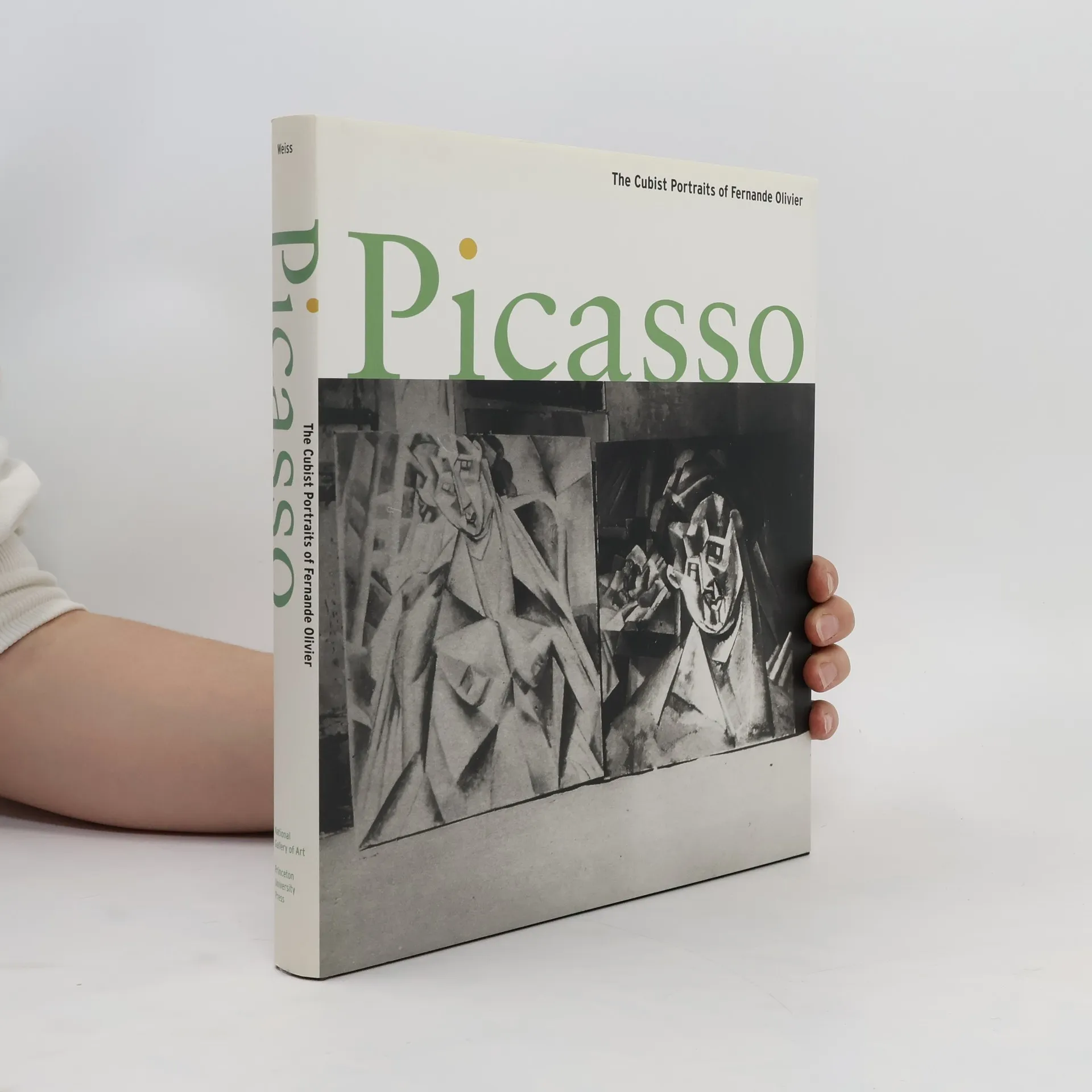
Published to accompany a major exhibition originating at the National Gallery of Art, Washington, this volume illuminates Picasso's radical reformulation of human physiognomy. Containing eighty-two color illustrations and sixty-eight duotones, this catalogue explores the Fernande portraits and related works as a single oeuvre.
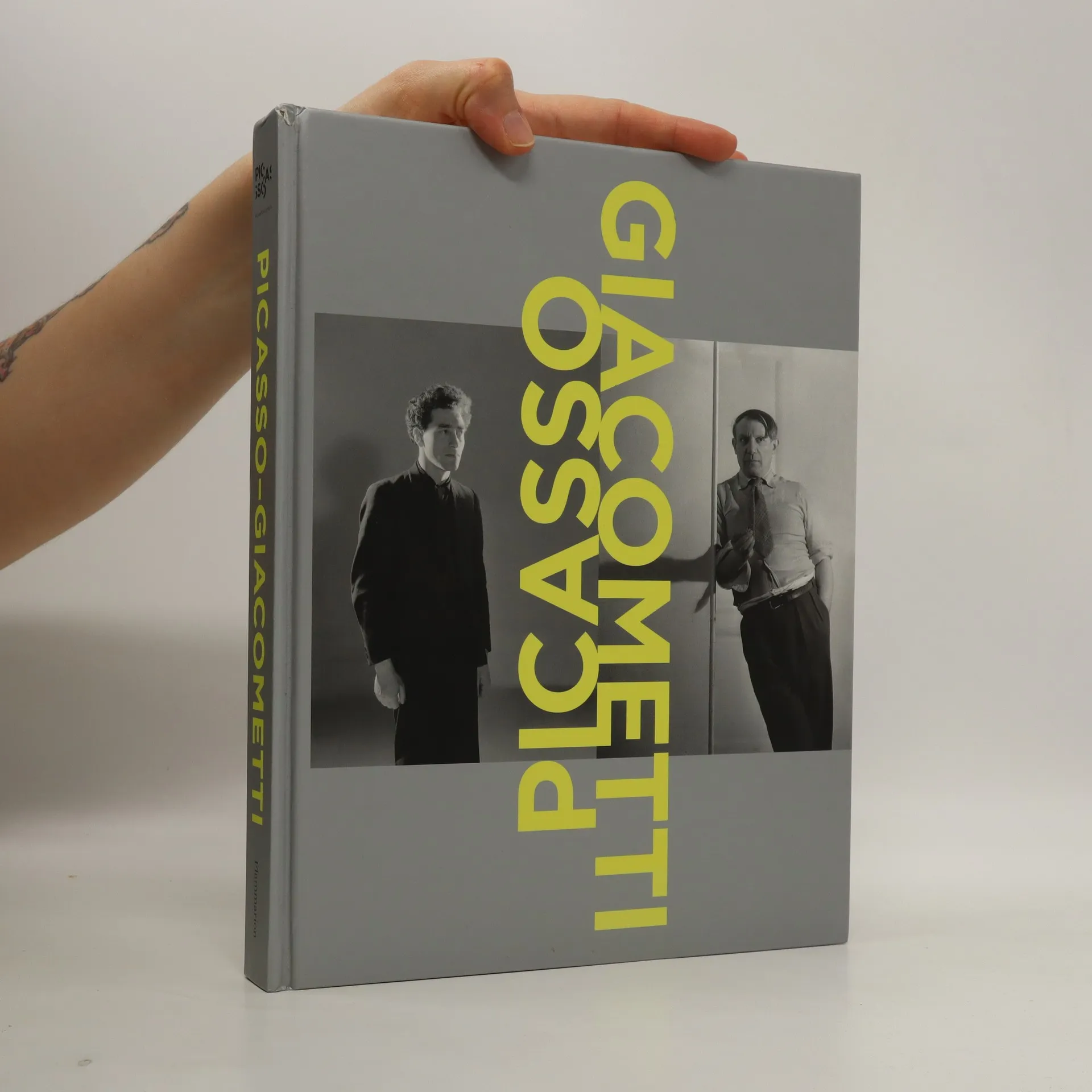
"Pablo Picasso and Alberto Giacometti, each in their own way, deeply disrupted existing artistic codes and pushed the limits of established aesthetic canons in the realms of painting and sculpture. This volume reveals the little known relationship--both artistic and personal--between the artists and their dialogue on the subjects and questions central to their work. More than one hundred reproductions of Picasso and Giacometti's works establish clear correlations in their artistic production, and expert authors offer incisive insight on these links, drawing on previously unpublished documents. A constellation diagram maps out the vast network of their shared acquaintances and sources of inspiration, and an anthology of historical texts offers perspective from contemporaries of the master artists" --publishers' description, page [4] of jacket
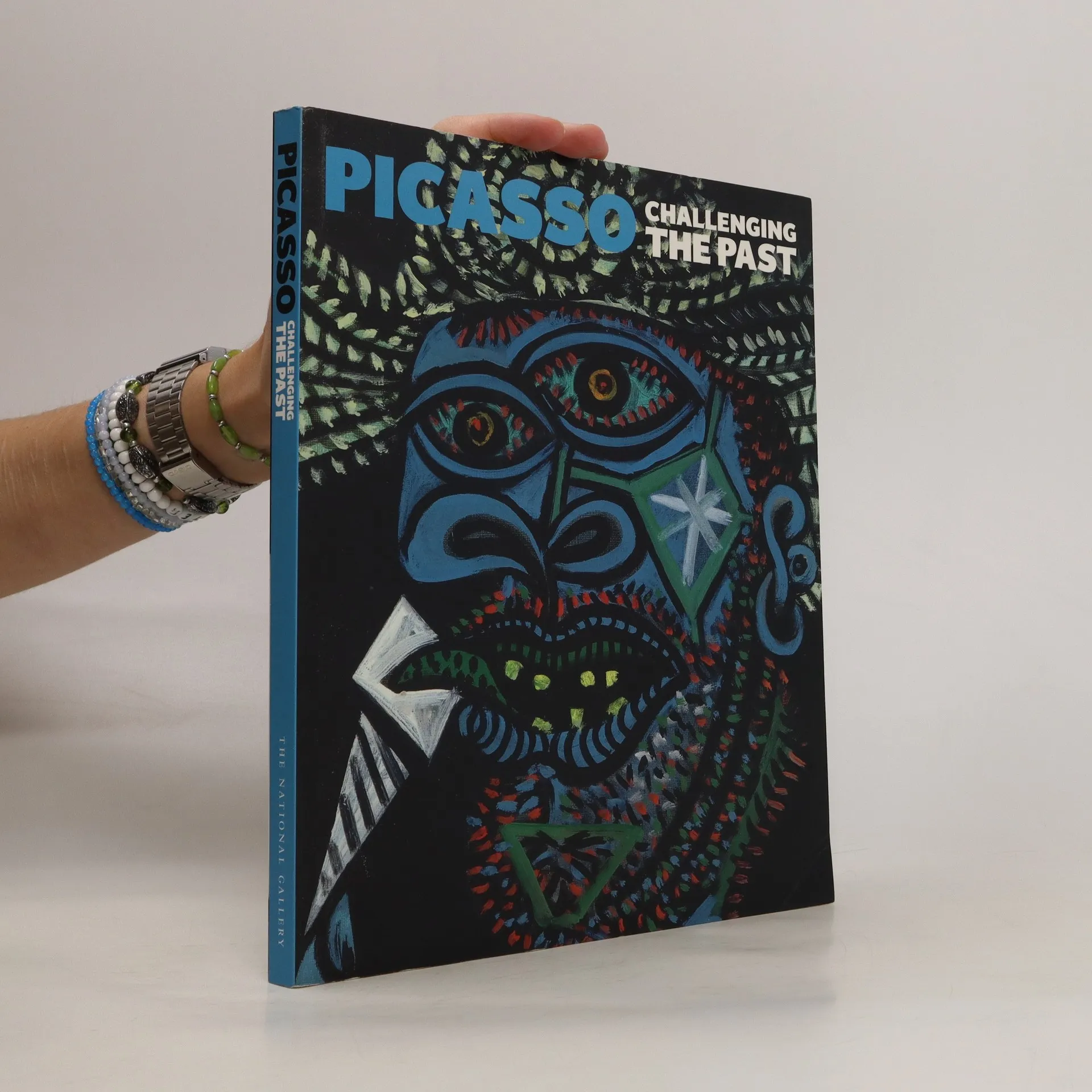
This thought-provoking book presents a lively introduction to the 20th century's most important artist, Pablo Picasso. Picasso was a passionate student of the European painting tradition, and his memory for images was voracious. Naturally drawn to Spanish masters Velázquez and Goya, he also engaged with such figures as Rembrandt, Delacroix, Ingres, Manet, and Cézanne. Picasso repeatedly pitted himself against these masters, taking up their signature themes, techniques, and artistic concerns in audacious paintings of his own. Sometimes his "quotations" were direct, other times highly allusive. Always, Picasso made the implicit case that it was he in the 20th century who most forcefully reinvigorated the European tradition. This book showcases his extraordinary work, where we witness the daring transformation of the art of the past into, in Picasso's own words, "something else entirely."
Tegninger og malerier fra Picasso var 11 år frem til 1907 - ordnet kronologisk
This series provides a guide to the world's great artists. Each volume contains a comprehensive introduction and a collection of the featured artist's works, each of which is accompanied by an explanatory caption.
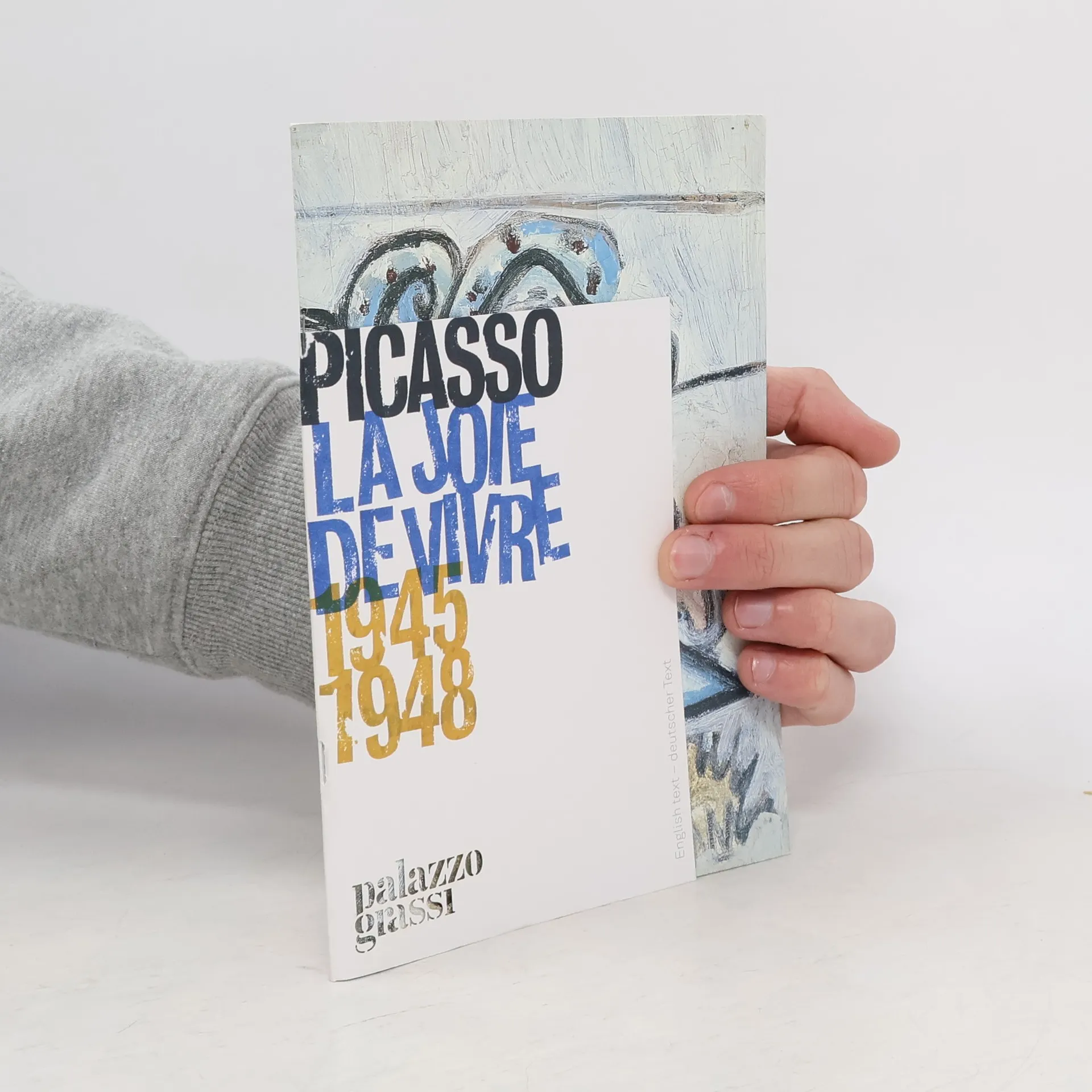
La joie de vivre 1945-1948
Das Picasso Postcard Book ist eine Sammlung von 30 hochwertigen Postkarten, die einige der bekanntesten und beliebtesten Kunstwerke von Pablo Picasso darstellen. Jede Karte zeigt ein anderes Bild des berühmten Künstlers, einschließlich seiner berühmten Werke wie "Guernica", "Die Frauen von Algier" und "Die Weeping Woman". Die Postkarten sind auf dickem Karton gedruckt und können als Dekoration verwendet oder an Freunde und Familie verschickt werden. Neben den Bildern enthält das Buch auch kurze Informationen über jedes Kunstwerk und dessen Entstehungsgeschichte. Es ist eine großartige Möglichkeit, die Vielfalt und das Genie von Picassos Arbeit zu schätzen.
A groundbreaking study of animals as captured in rarely seen sketches by legendary artist Pablo Picasso The masterful drawings of Pablo Picasso are used to teach animal recognition in this artful, read-aloud board book. Birds & Other Animalstakes children through Picasso's series of single-line animal drawings, beginning and ending with various kinds of birds. The cleverly whimsical charm of Picasso's sketches keeps readers engaged, while the accompanying text enriches the experience with conversational commentary. Readers will not only broaden their visual definitions of which animals are which, but also grow familiar with fine art in this relevant and relatable third title in the 'First Concepts with Fine Artists' series. Includes a read-aloud 'about the artist'.
collected essays
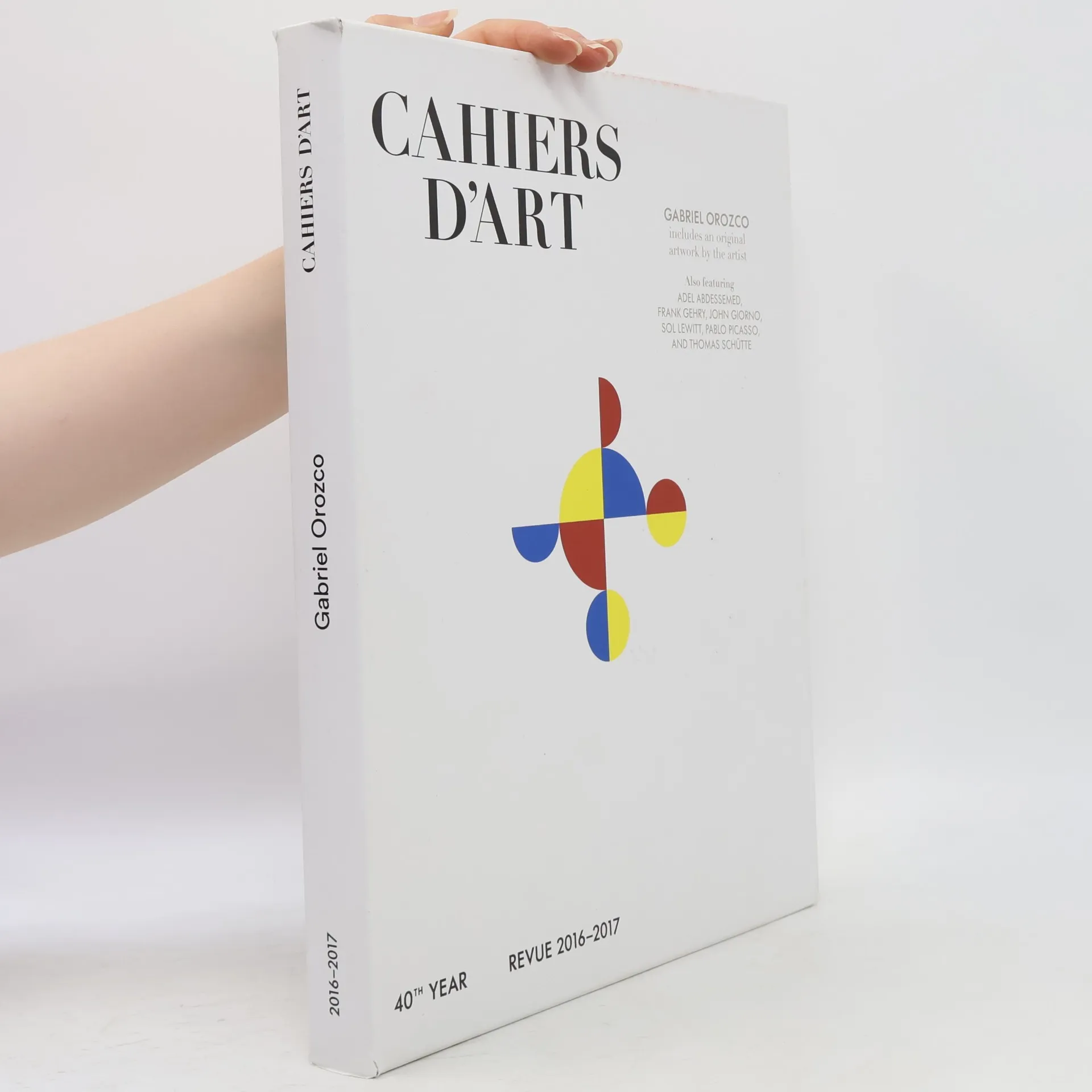
The 2016-2017 Cahiers d'Art revue featuring Gabriel Orozco explores the artist’s recurring themes of geometry, games, working tables throughout commissioned texts by Briony Fer, Benjamin Buchloh, André Rottman and an interview between Hans Ulrich Obrist and Orozco.Abundantly illustrated with series of major works as well as the artists most recent and largely unpublished works, this unique publication also includes an original silk-screened artwork made specially by Orozco for the issue.Also Excerpts from the Catalogue Raisonné of the drawings of Frank Gehry by Jean-Louis Cohen (to be published by Cahiers d’Art in Spring 2020); A text by Béatrice Gross on the late wall drawings of Sol LeWitt; A visual story of the creative process behind the newly opened Skulpturenhalle housing the Thomas Schütte Foundation, the largest building constructed from a model by the artist; A comprehensive essay on the influence of Cahiers d’Art on the work of Picasso, specifically focusing on his ceramics, by Picasso scholar Harald Theil; Portfolios of recent works by Adel Abdessemed and John Giorno; The former is accompanied by an essay by Daniel Birnbaum.
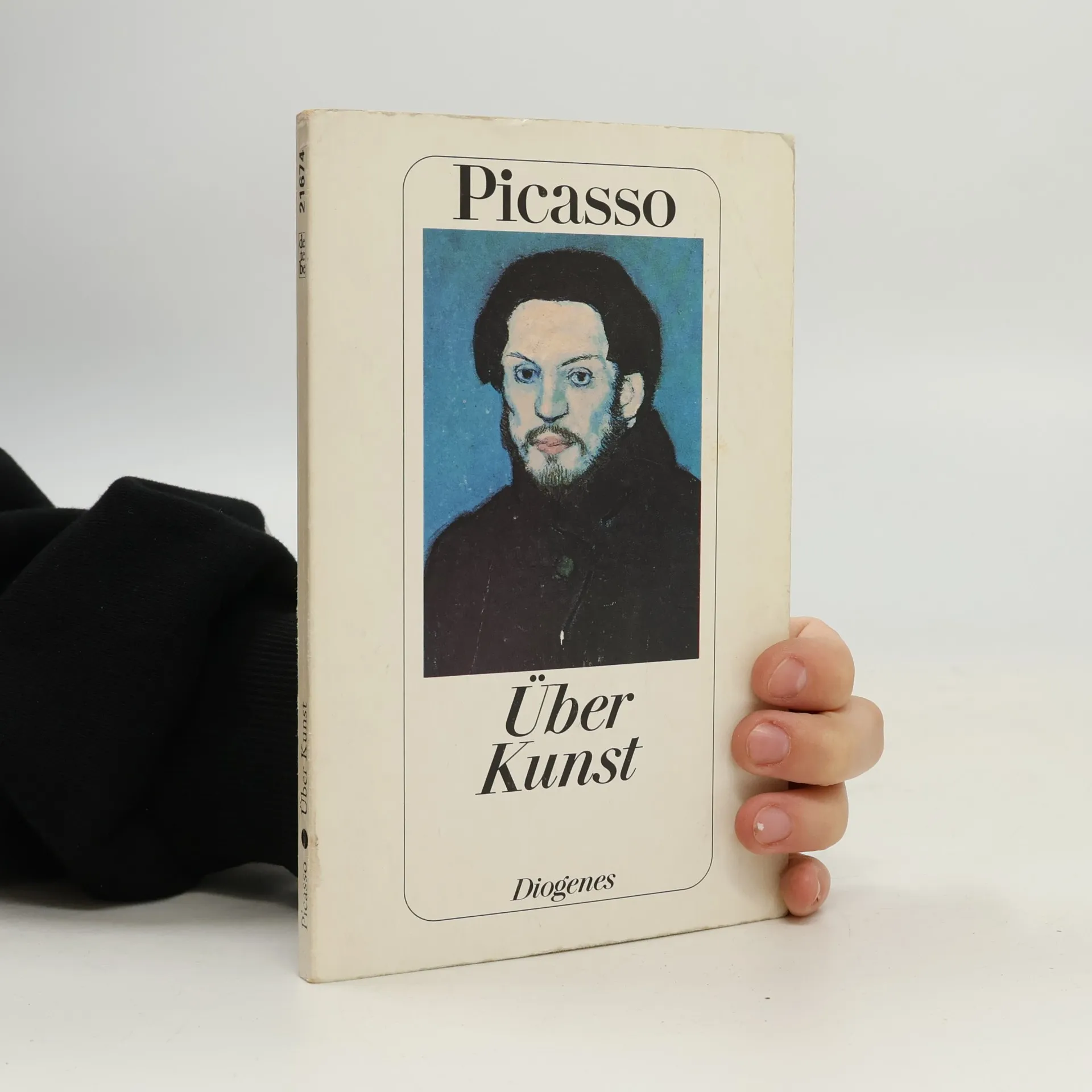
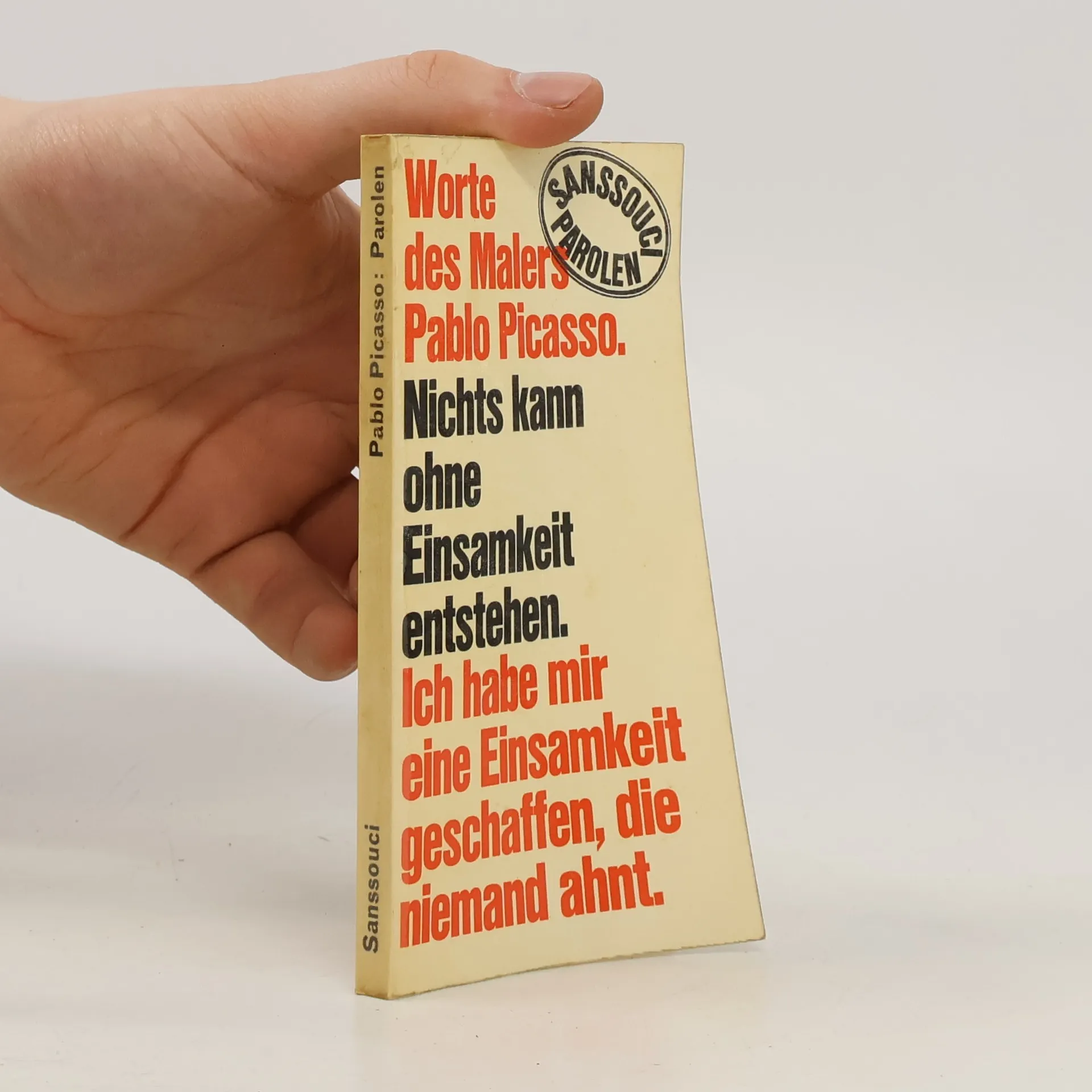
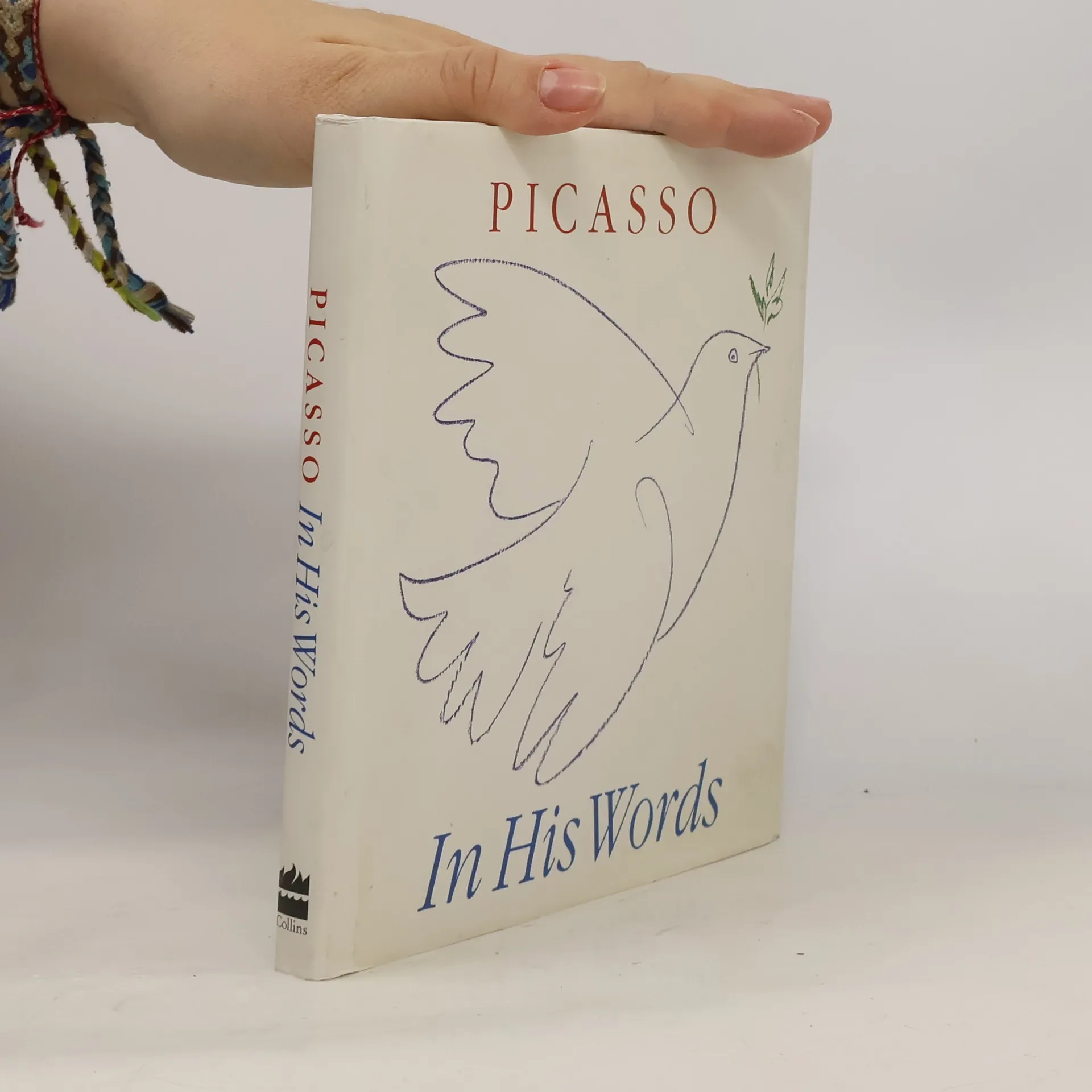
Quotations by Picasso are accompanied by a selection of his paintings and drawings
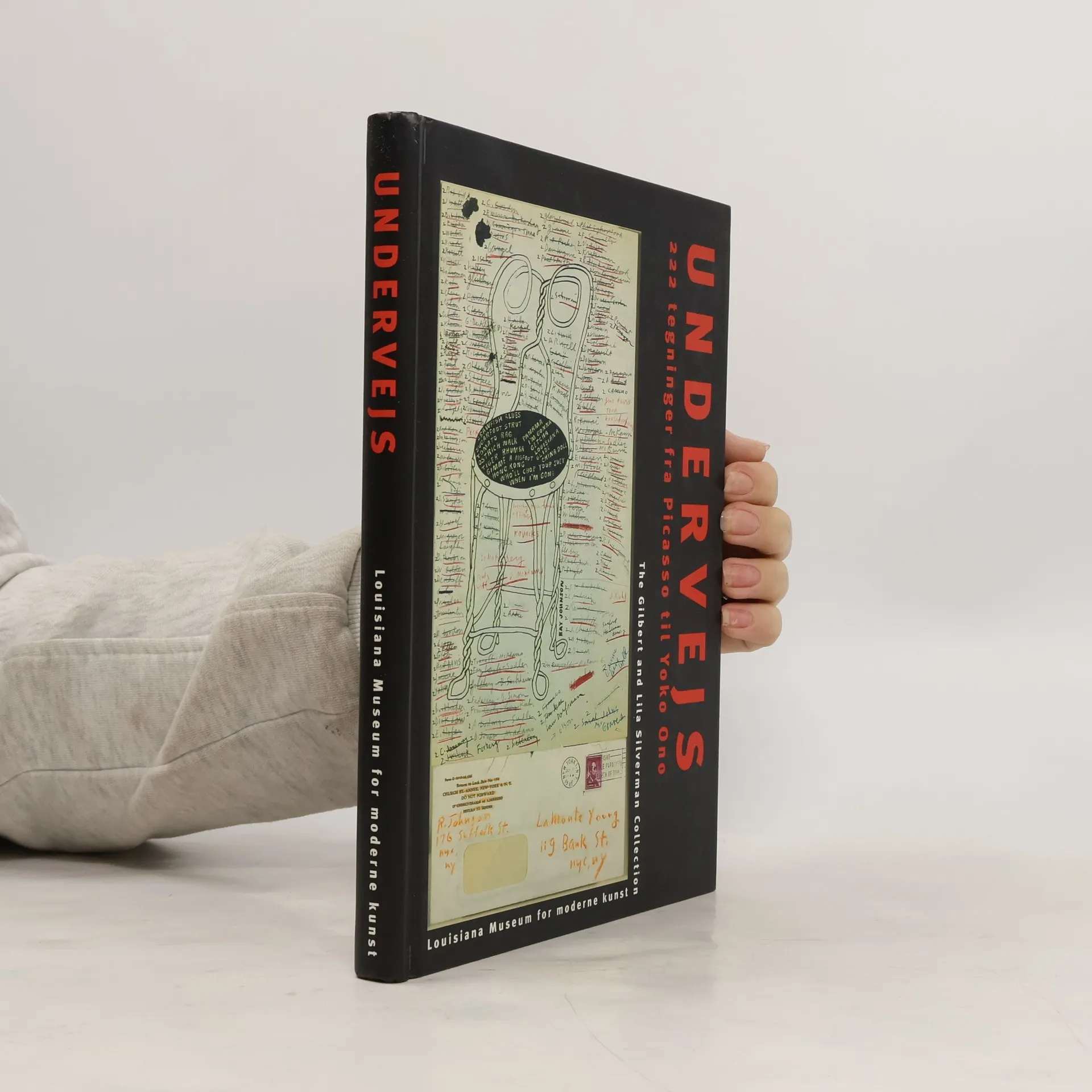
222 tegninger fra Picasso til Yoko Ono : the Gilbert and Lila Silverman Collection, Detroit : Louisiana Museum for moderne kunst, 10.08-04.11 2001
"The show...has been selected from the major collection of Gilbert and Lila Silverman, Detroit, Michigan.... This collection, started in the 1970's and presently containing many hundreds of works, focuses solely on what Mr. Silverman has defined as 'Instruction Drawings' -- works...having the common identifier as being done for the initial proces of a work to be made...rather than drawings made for the sake of being drawings."--P. 6.
The Artist as Social Critic in Prints and Drawings from the Fifteenth Century to Picasso
Book by Shikes, Ralph E
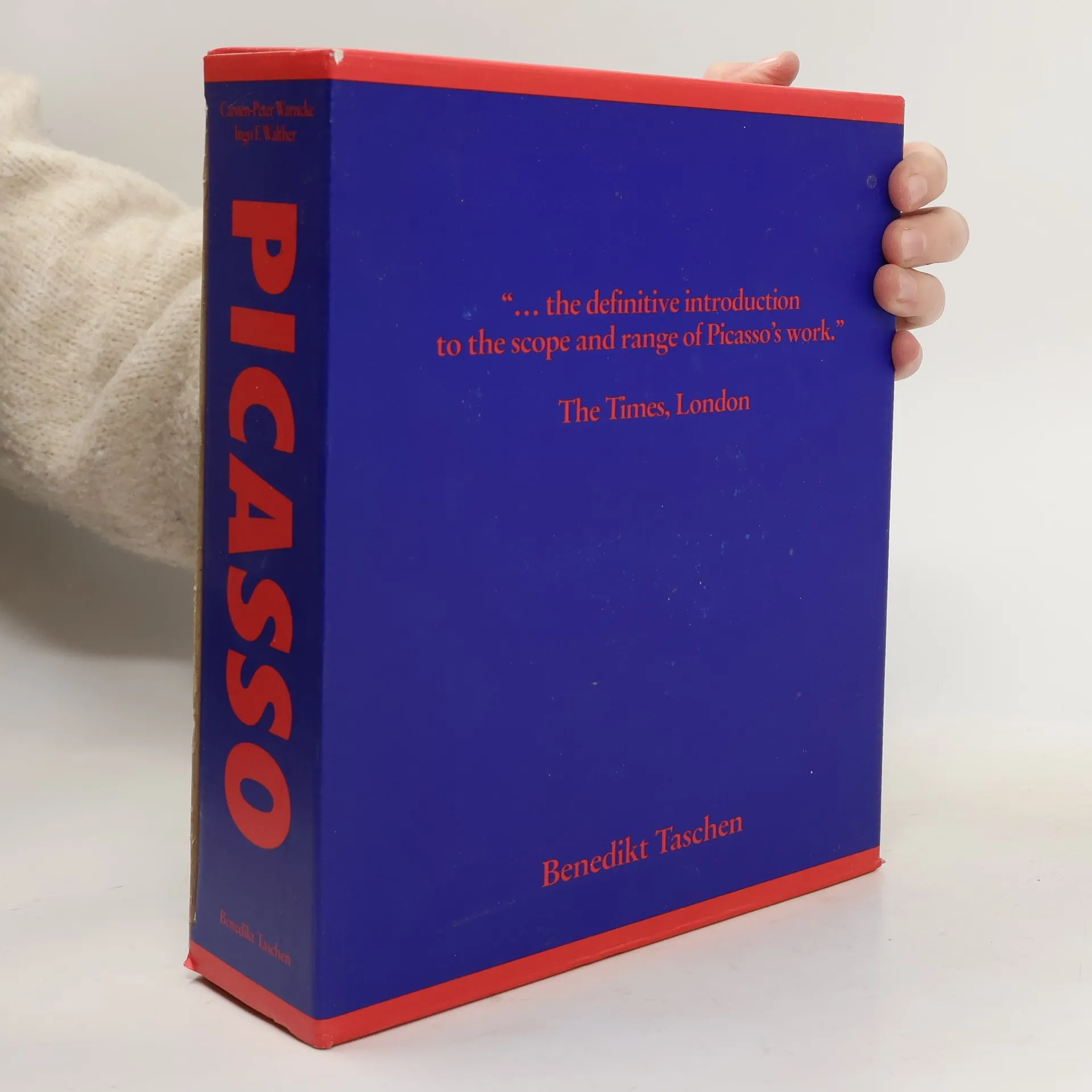
"The definitive introduction to the scope and range of Picasso's work." The Times, London "I wanted to be a painter, and I became Picasso," declared Pablo Picasso (1881-1973) in an apt survey of a triumphant career. He had good grounds for the confidence palpable in his statement, for in the history of 20th century art, his name stands out over all the others. In Picasso's paintings, drawings, lithographs, ceramics, and sculptures, he was tirelessly inventive and innovative, exhibiting an aesthetic bravado that kept him one step ahead of his contemporaries. From subject matter to new forms and techniques to new media, Picasso got there first. The Spanish artist's enormous output, from the eight-year-old's beginnings to the late work of a man of ninety-one, is surely one of the most diverse and creatively energetic in the whole history of art, and it is no exaggeration to see him as the genius of the century. Carsten-Peter Warncke's study is a thorough review of Picasso's entire oeuvre, from the early Blue and Rose Periods, through the analytic and synthetic cubism and classicist phase all the way up to the art of the old savage Picasso. Our study of Picasso, the most exhaustive record of his work to date, contains almost 1500 illustrations, from his earliest drawings to the master's very last painting. Extensive bibliography section as well as illustrated section about Picasso's life and work Index of Names
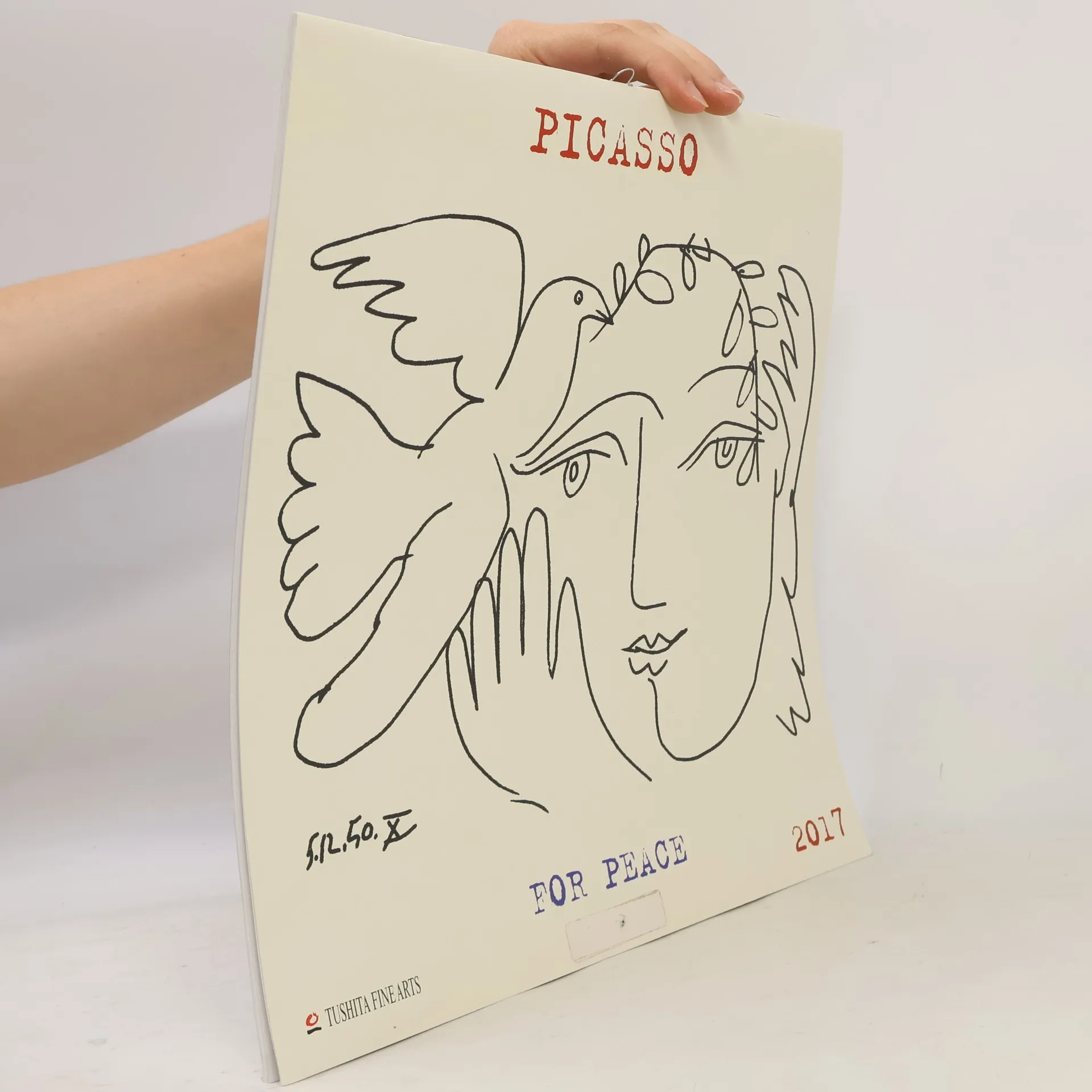
Le visage de la paix , erschienen im Oktober 1951, ist das letzte einer stattlichen Anzahl von Büchern, die von 1936 an, während fünfzehn Jahren, aus der Zusammenarbeit von Paul Eluard (1895–1952) und Pablo Picasso (1881–1973) entstanden sind. Am 5. Dezember, aus Anlaß des dreißigjährigen Bestehens der Kommunistischen Partei Frankreichs, zeichnete Picasso eine Folge von 29 allegorischen Variationen zum Thema Taube und Frauengesicht. In der Abfolge der Zeichnungen entwickelte Picasso nach Art einer Bildergeschichte die schrittweise Annäherung der Taube an das Frauengesicht. Das Frauengesicht erscheint zuerst nur als Umriß, wird nach und nach belebt, während die Taube sich mehr und mehr herandrängt, das Gesicht mehr und mehr umfängt, bis sie schließlich eine Einheit mit ihm bildet: Die Taube hat sich das Frauengesicht einverleibt. Gestalt- und Antlitz-Metamorphosen sind in dem Werk von Picasso nichts Ungewöhnliches. Das Motiv der Verbindung von Taube und Frauengesicht hingegen erscheint hier zum erstenmal. (Aus dem Nachwort)
Wir setzen die erfolgreiche Reihe dieser intimen Künstlerzeugnisse mit einem Meister des 17. und einem des 20. Jahrhunderts fort. Die Sketchbooks zeigen die großen Meister von einer weitgehend unbekannten Seite. Auch Rembrandt hat eine ganze Reihe höchst erotischer Zeichnungen und Radierungen angefertigt. Picassos legendäre Zeichenkunst ist Spiegelbild seines von Sinnlichkeit geprägten Lebens. Die schönsten Arbeiten der beiden so gegensätzlichen Künstler werden in einer Buchform präsentiert, die dem ursprünglichen Skizzenbuch sehr nahe kommt und in der Hand des Lesers wie ein „Original“ anmutet. Ein intimer Blick über die Schulter der Malergenies und ein Muss für Graphik- und Erotiksammler.
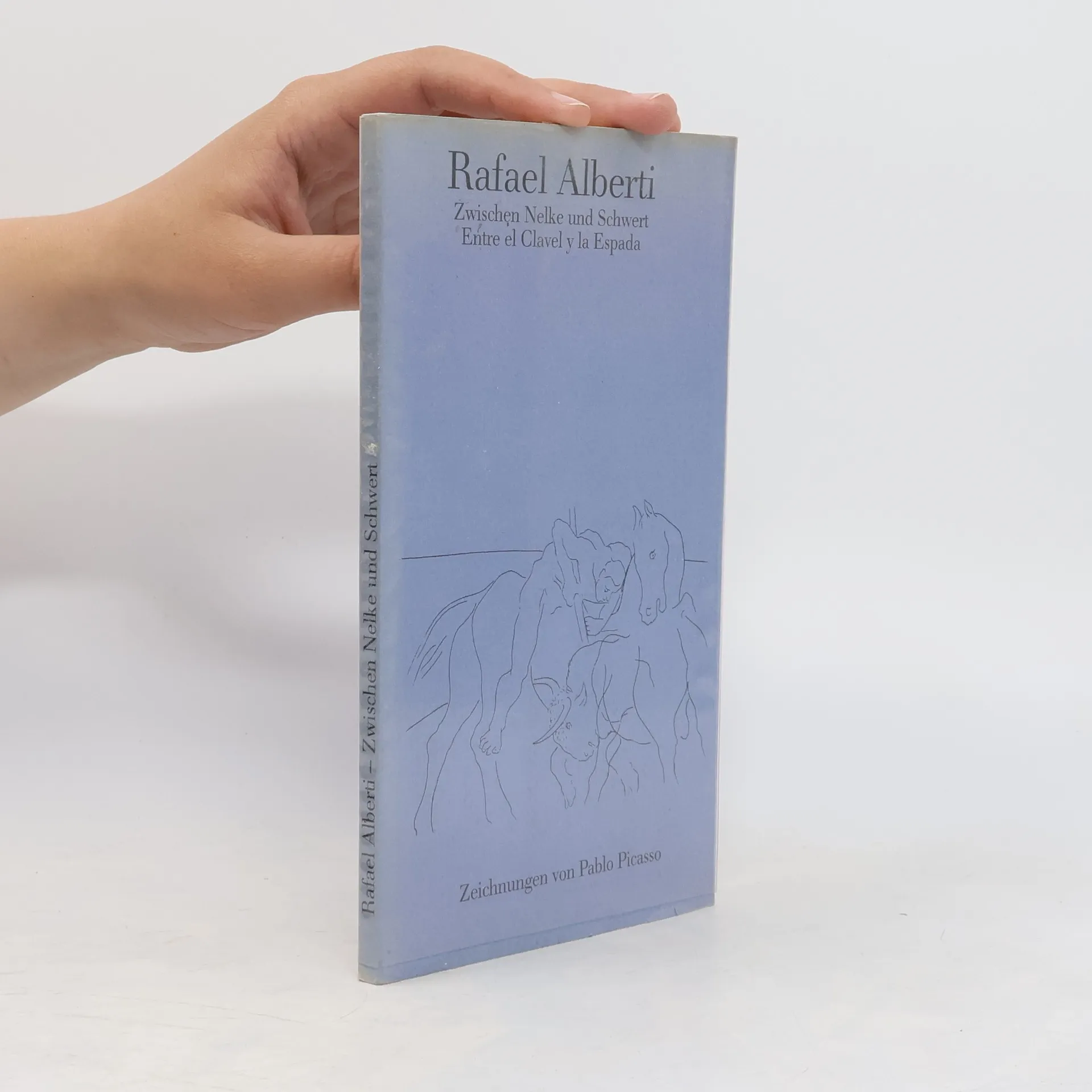
(1939 - 1940); Zweisprachige Ausgabe (Spanisch-Deutsch)
Alberti, Rafael. Zwischen Nelke und Schwert. (1939 - 1940) = Entre el clavel y la espada. Zweisprachige Ausgabe (Spanisch-Deutsch). [Schwifting], Schwiftinger Galerie-Verlag, 1986. 8°. 71 Seiten. Illustriert. Softcover / Englisch-Broschur. Sehr guter Zustand mit nur ganz geringen Gebrauchsspuren. KEINE Anstreichungen. KEIN Besitzvermerk oder sonstige Eintragungen. Internationale Schwiftinger Lyrikreihe zweisprachig.
Hrsg. von Jean Jouvet, umfasst diese Sammlung Essays von Werner Spies, Maurice Jardot und Richard Häsli in drei Bänden, komplett in Kassette.
Die definitive Einführung in den Umfang und den Einfluss des Werks von Picasso.
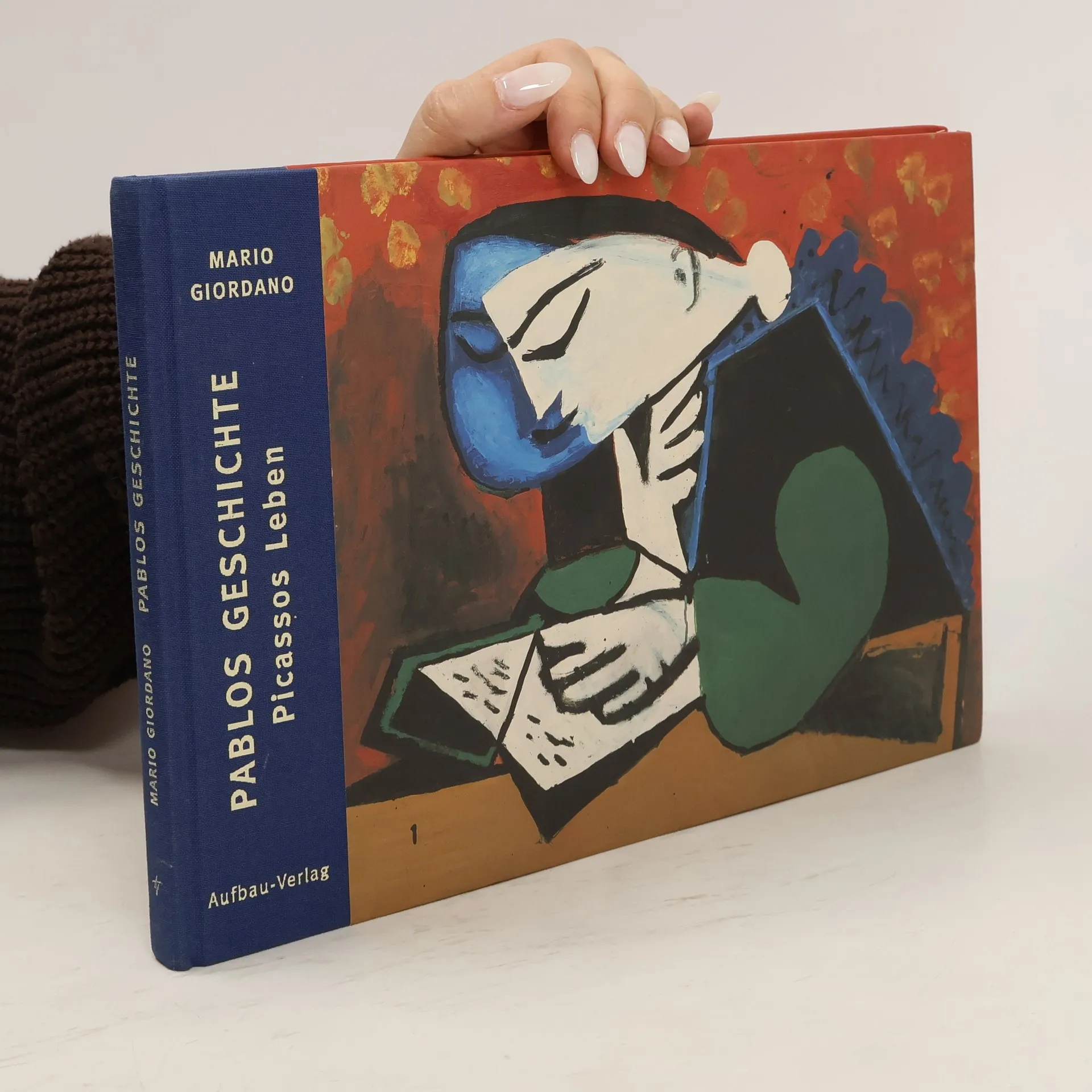
Den großen Zauber der Malerei mit Kindern entdecken Picassos Leben war ein großes Abenteuer, das Mario Giordano in seinem Bilder-Album mit Heiterkeit und großer Leichtigkeit wiedergibt. Picasso ist der berühmteste Maler des 20. Jahrhunderts. Mario Giordano erzählt auf bestechend einfache Weise die faszinierende Vita dieses genialen Künstlers. Entstanden ist ein Bilder-Buch mit kurzen, leichten Texten zu Picassos Werken. Mit diesem fantastischen Album kann schon kleinen Kindern in einer Bilderfolge aus der berühmten Sammlung Berggruen Weg und Werk des großen Zauberers, Zeichners, Kubisten, Abstrakten und exzentrischen Lebenskünstlers lebendig und originell vorgestellt werden. Das Bilderbuch erzählt nicht nur aus dem Leben eines virtuosen Malers, sondern auch eines schillernden Menschen. Spielerisch und lustvoll bekommen Kinder eine Vorstellung von Picassos Malerei und dessen märchenhaftem Aufstieg zum „König“ der Moderne. „Um zu wissen, was man zeichnen will, muss man zu zeichnen anfangen.“ Picasso
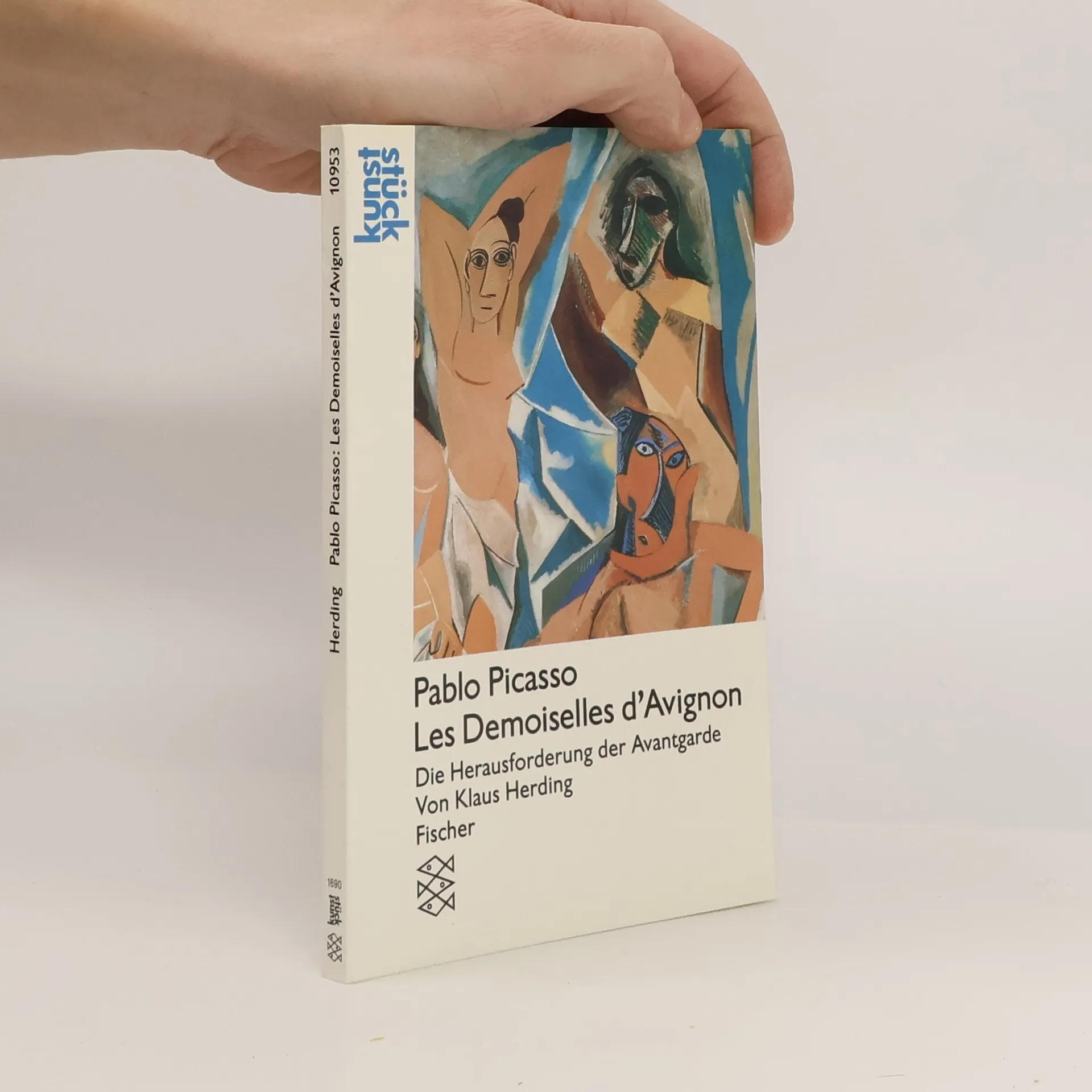
Die Herausforderung der Avantgarde
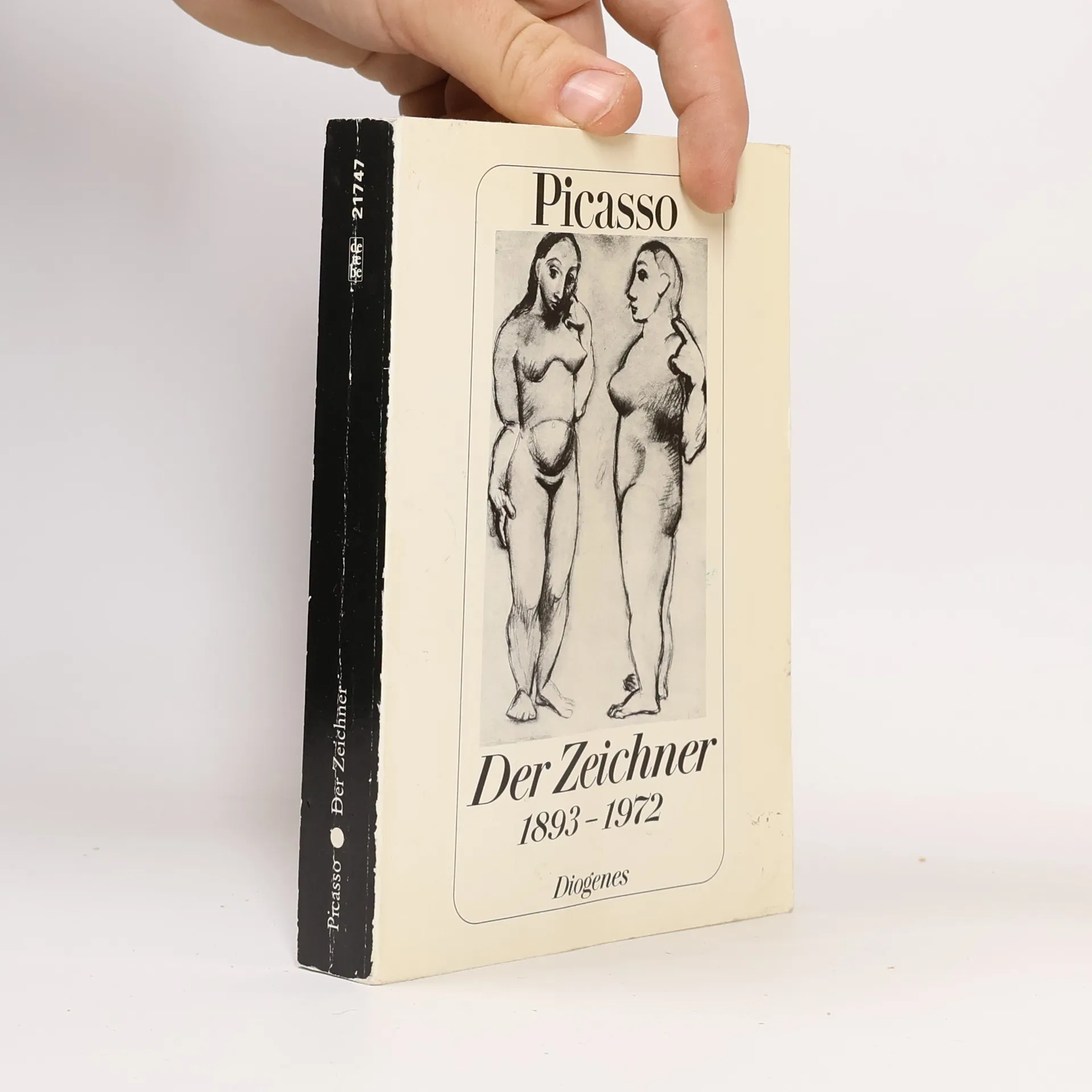
Dieser Band bringt: dreihundert Zeichnungen und Graphiken; drei Essays bekannter Autoren zu den verschiedenen Lebens- und Werkepochen; eine Biographie der Jahre 1881-1973; eine Auswahlbibliographie.
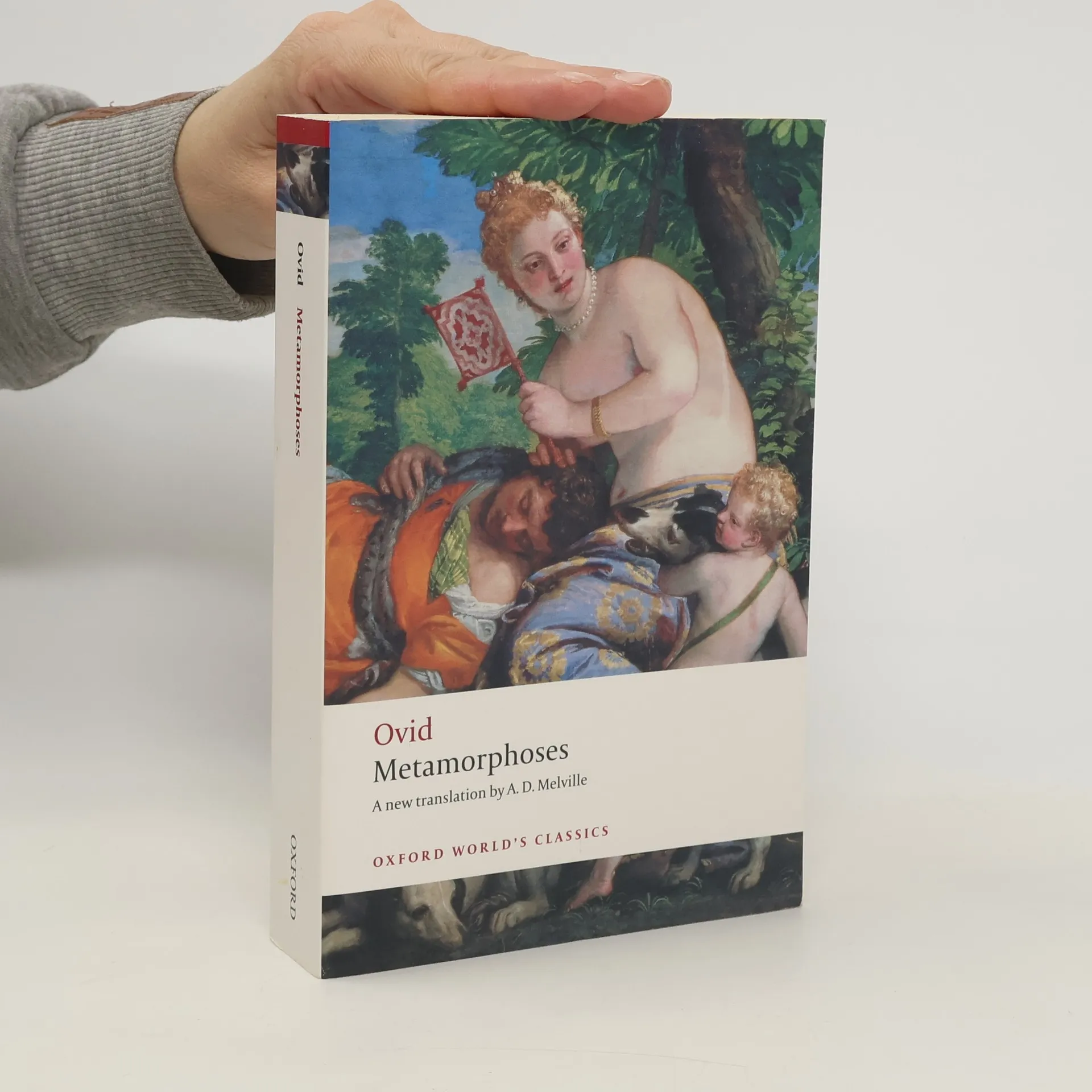
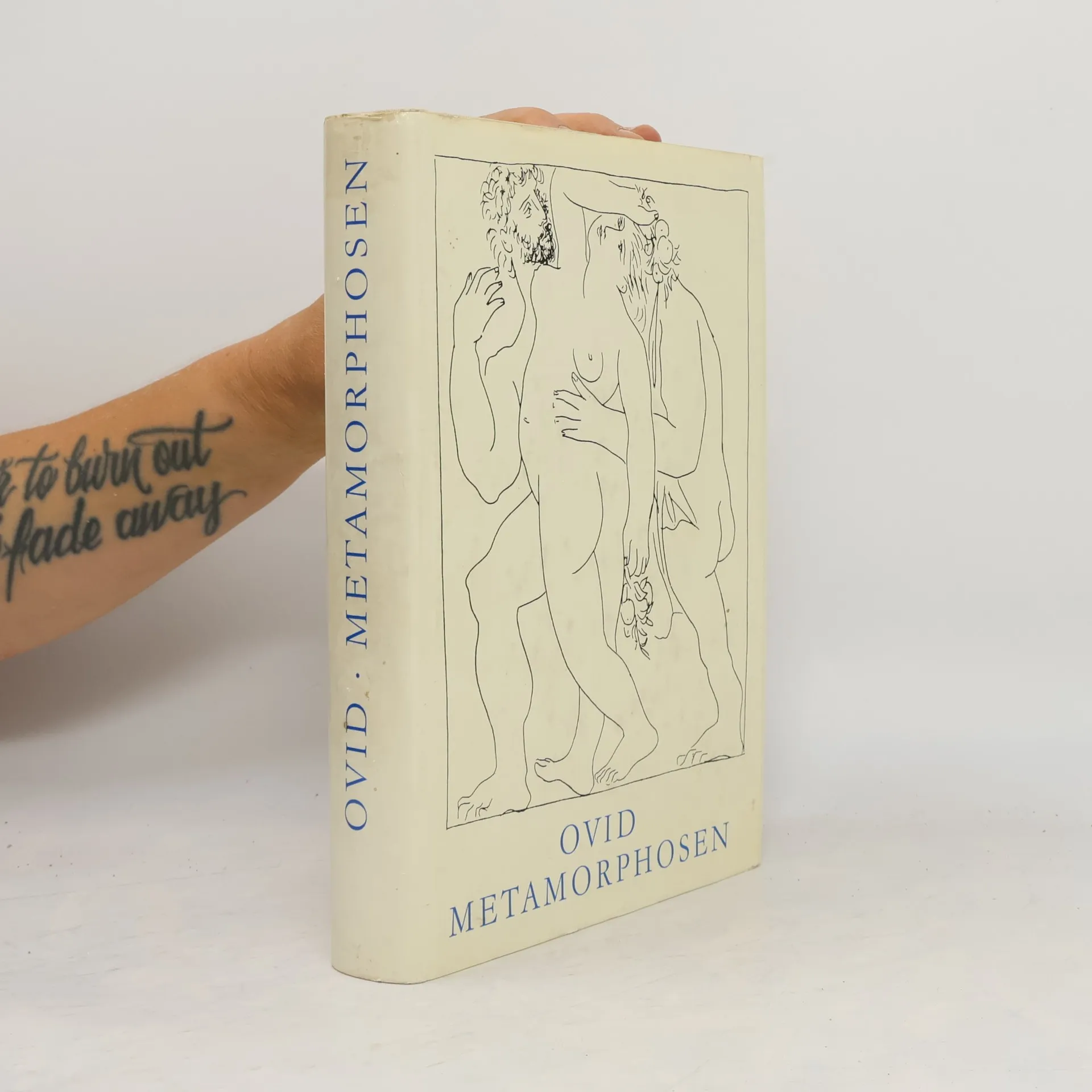
The modern, unacademic idiom of A.D. Melville's translation opens the way to a fresh understanding of Ovid's unique and elusive vision of reality.
»Angefangen mit van Gogh sind wir alle, so groß wir auch sein mögen, in einem gewissen Maße Autodidakten - man könnte fast sagen, naive Maler. Die Maler leben nicht mehr innerhalb einer Tradition, und so muß jeder von uns alle seine Ausdrucksmöglichkeiten neu erschaffen. Jeder moderne Maler hat das vollkommene Recht, diese Sprache von A bis Z zu erfinden. Kein Kriterium kann a priori auf ihn angewandt werden, weil wir nicht mehr an strenge Maßstäbe glauben. In gewissem Sinne ist das eine Befreiung, aber gleichzeitig ist es eine ungeheure Begrenzung, denn wenn die Individualität des Künstlers beginnt, sich auszudrücken, verliert er das, was er an Freiheit gewinnt an Ordnung. Und wenn Du nicht mehr in der Lage bist, dich einer Ordnung zu unterwerfen, dann ist das im Grunde ein gefährlicher Nachteil.«
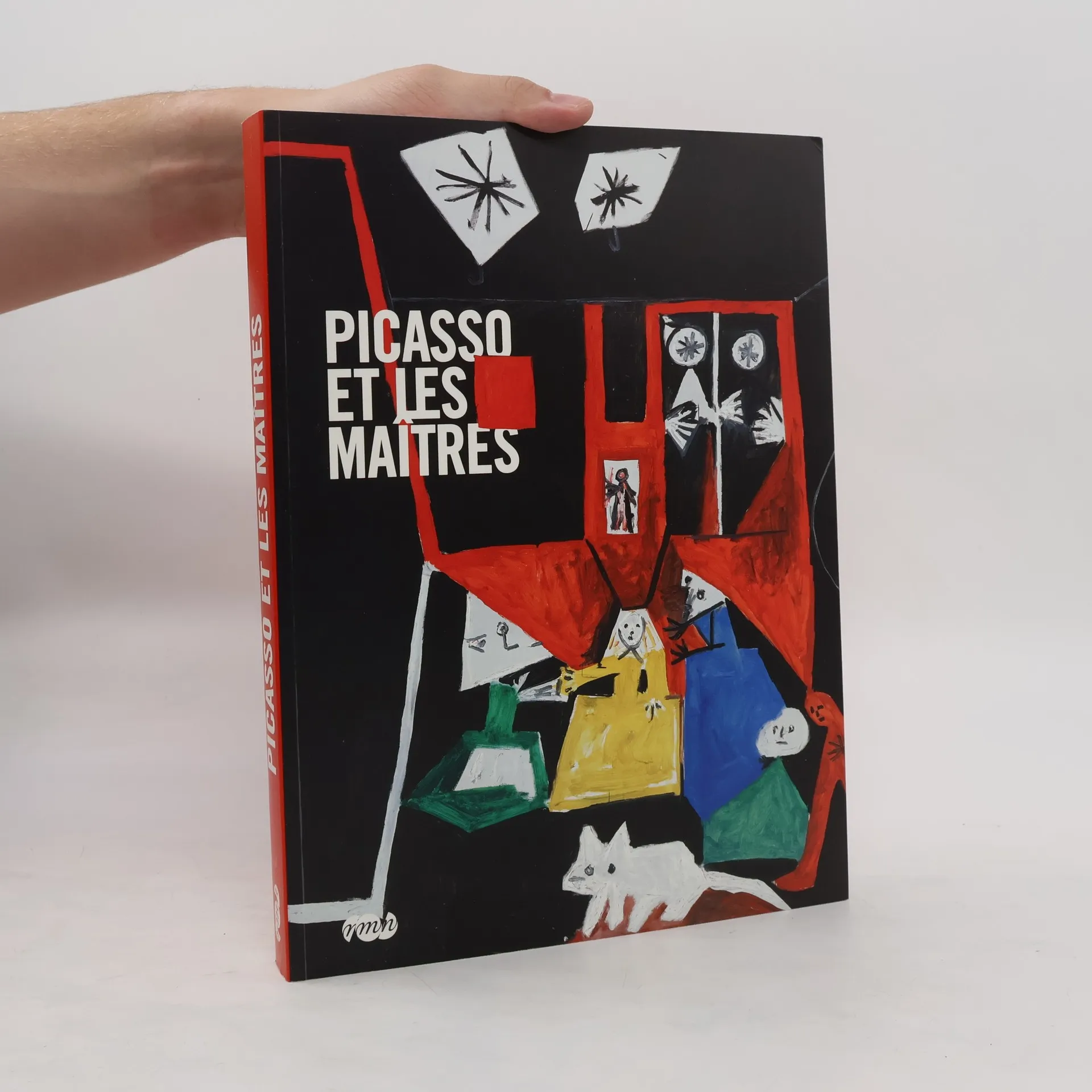
Rayon : Art Editeur : RMN Date de parution : 2009 Description : In-4, 368 pages, broché remplié, occasion, très bon état. Envois quotidiens du mardi au samedi. Les commandes sont adressées sous enveloppes bulles. Photos supplémentaires de l'ouvrage sur simple demande. Réponses aux questions dans les 12h00. Librairie Le Piano-Livre. Merci. Référence catalogue 61533. Please let us know if you have any questions. Thanks
This lively and accessible introduction to one of the world's most beloved artists is filled with color illustrations, fascinating biographical information and insight into Picasso's artistic development.
The novel sequence La Comédie humaine offers a comprehensive view of post-Napoleonic French society, showcasing Balzac's keen observational skills and unfiltered portrayal of life. His characters, rich in complexity and moral ambiguity, reflect the human experience, while even inanimate objects, like the city of Paris, are infused with personality. Balzac's influence on literature is profound, impacting notable authors such as Émile Zola and Charles Dickens, as well as filmmakers like François Truffaut, establishing him as a pivotal figure in the realism movement.
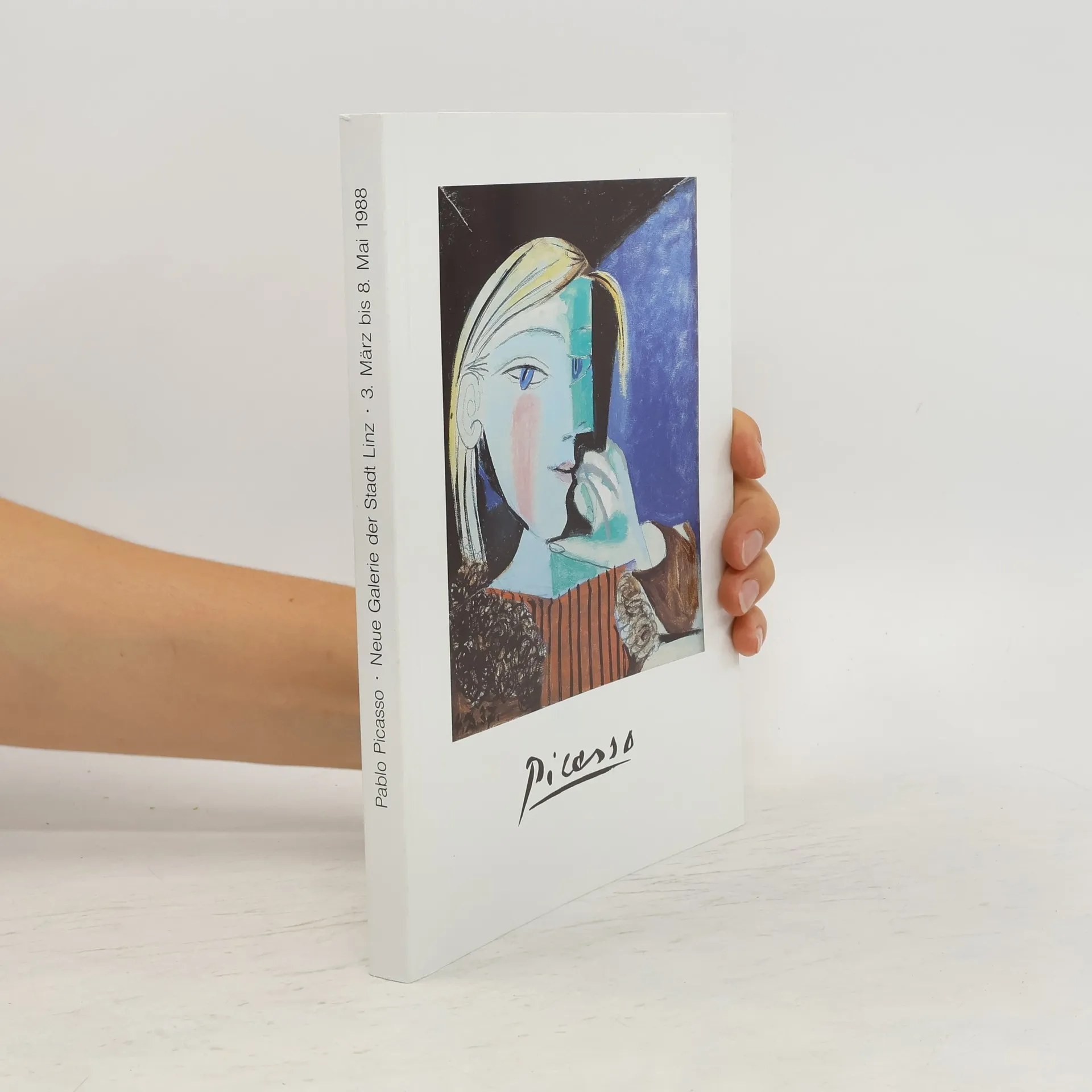
Neue Galerie der Stadt Linz, Wolfgang-Gurlitt-Museum, 3. März bis 8. Mai 1988
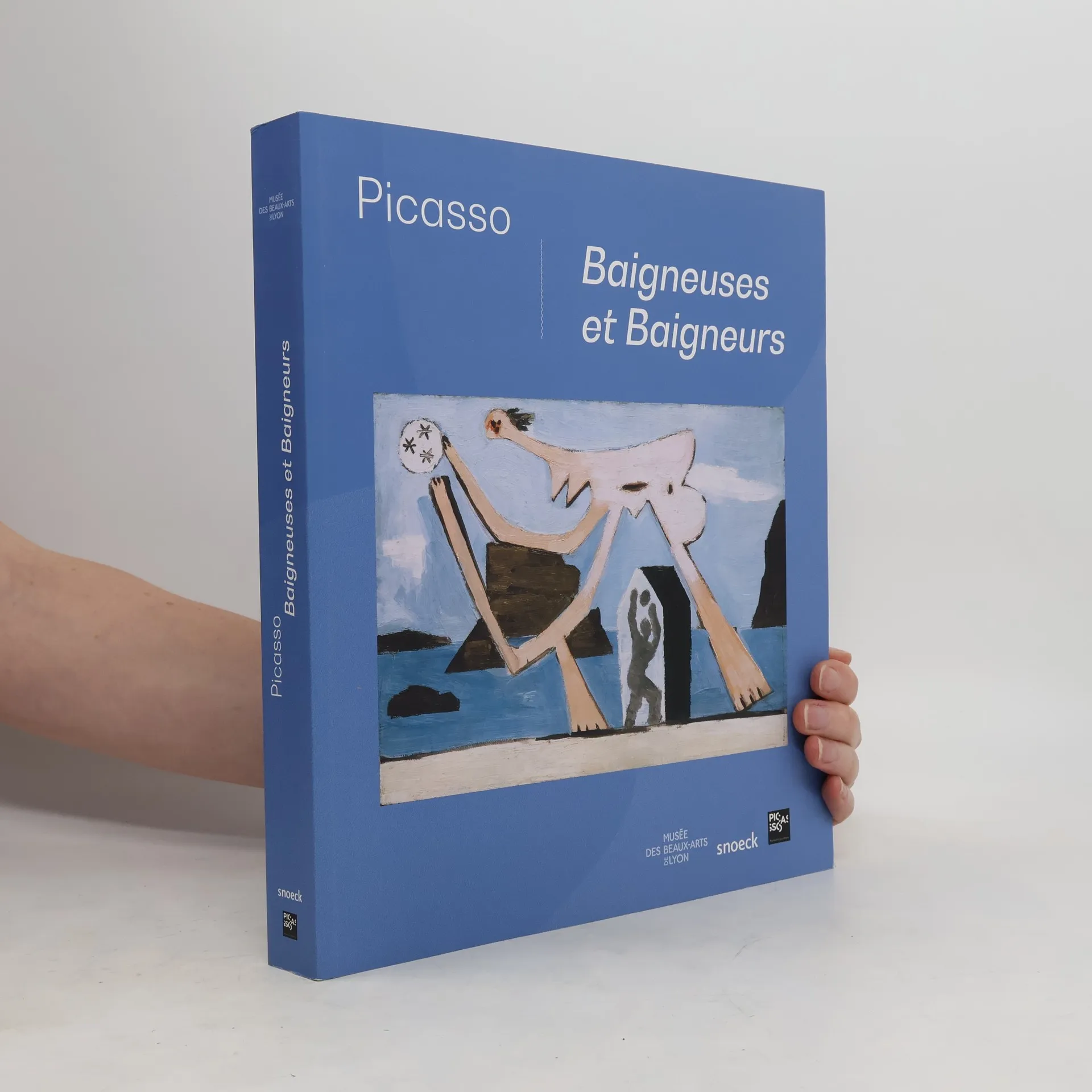
Le musée des Beaux-arts de Lyon proposera une relecture du thème de la baigneuse dans l'oeuvre de Pablo Picasso avec des contrepoints d'oeuvre d'artistes du XIXe siècle qui ont influencé Picasso dans le traitement de ce sujet. D'autres artistes contemporains ou suiveurs de Picasso seront également présentés alors qu'ils se sont intéressés aux baigneuses picassiennes et ont trouvé en elles une source d'inspiration ou le prétexte à une confrontation. 0L'exposition est organisée en partenariat avec le musée national Picasso-Paris et avec le concours de la Fondation Guggenheim de Venise. À l'origine de l'exposition, Femme assise sur la plage (10 février 1937) léguée au musée en 1997 par l'actrice collectionneuse Jacqueline Delubac et qui est devenue une des icônes de la collection d'art moderne du musée.00Exhibition: Musée des Beaux Arts, Lyon, France (18.03.-13.07.2020).
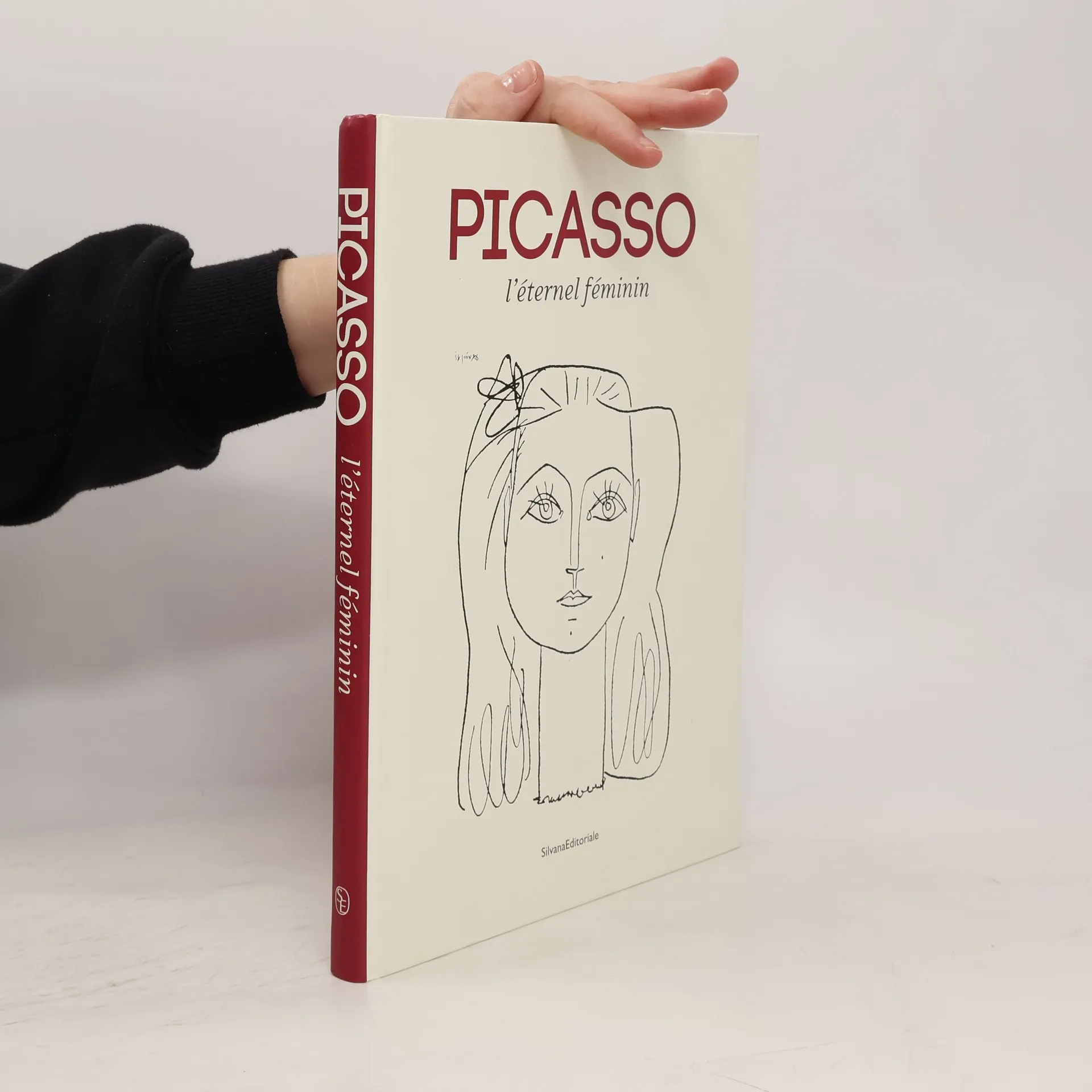
La gravure occupe une place privilégiée dans la pensée picturale de Picasso. Véritable journal intime de sa création, elle est le lieu où s'expriment tous ses thèmes de prédilection. La sélection d'estampes des collections de la Fondation Picasso (Museo Casa Natal) de la Ville de Malaga présentée dans ce catalogue témoigne de l'importance du modèle féminin dans l'oeuvre de Pablo Picasso. En constante recherche d'innovation, il a sans doute donné à l'art du XXe siècle les plus belles et les plus nombreuses représentations de la femme : Fernande, Olga, Marie-Thérèse, Dora, Françoise et Jacqueline, mais également les femmes imaginées, rêvées et fantasmées ont marqué une oeuvre qui brouille les frontières entre l'art et la vie. Leur présence dans l'oeuvre gravé de l'artiste n'est pas seulement le signe du lien étroit entre sa production artistique et sa vie familiale, mais également de son interrogation sur le sens de l'art et le mystère de la création. Picasso, génie reconnu et admiré, se réinvente perpétuellement et poursuit une quête sans fin : saisir l'éternel féminin.
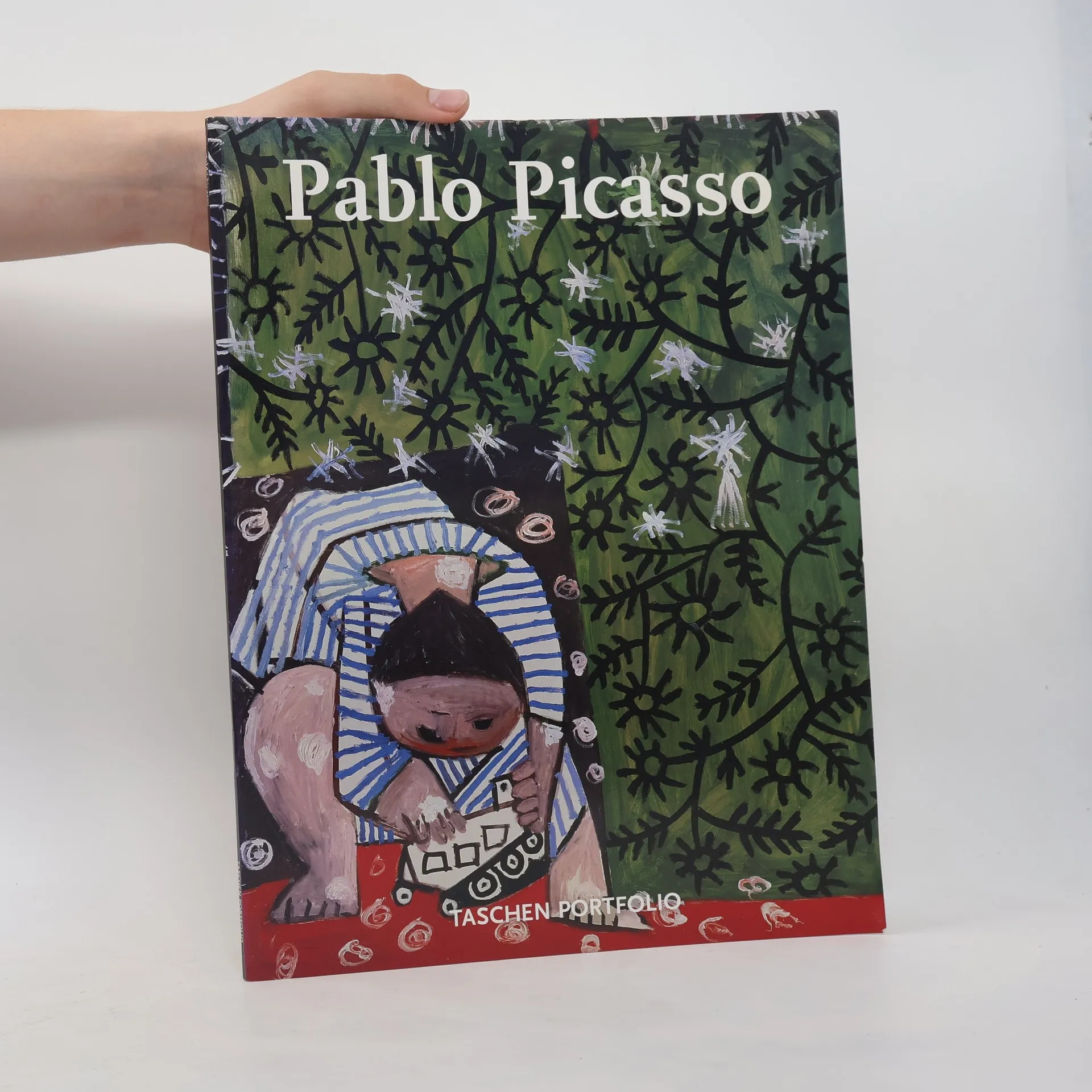




![46 [Sechsundvierzig] Lithographien](https://rezised-images.knhbt.cz/1920x1920/52318334.webp)