

Explore the latest books of this year!
Bookbot

Donald Sewell Lopez Jr.

    June 1, 1952

    Donald Sewell Lopez Jr. is a leading scholar in Buddhist and Tibetan studies, whose work delves into the depths of these traditions. He explores their complex philosophies, historical contexts, and cultural expressions with scholarly rigor, yet maintains an accessible style. Lopez's research illuminates the essence of Buddhist thought and its evolution across various settings. His writing offers readers an insightful journey into these fascinating spiritual and intellectual paths.

    Prisoners of Shangri-La
    Buddhism
    'Lotus Stra'
    The National Air and Space Museum
    Flight
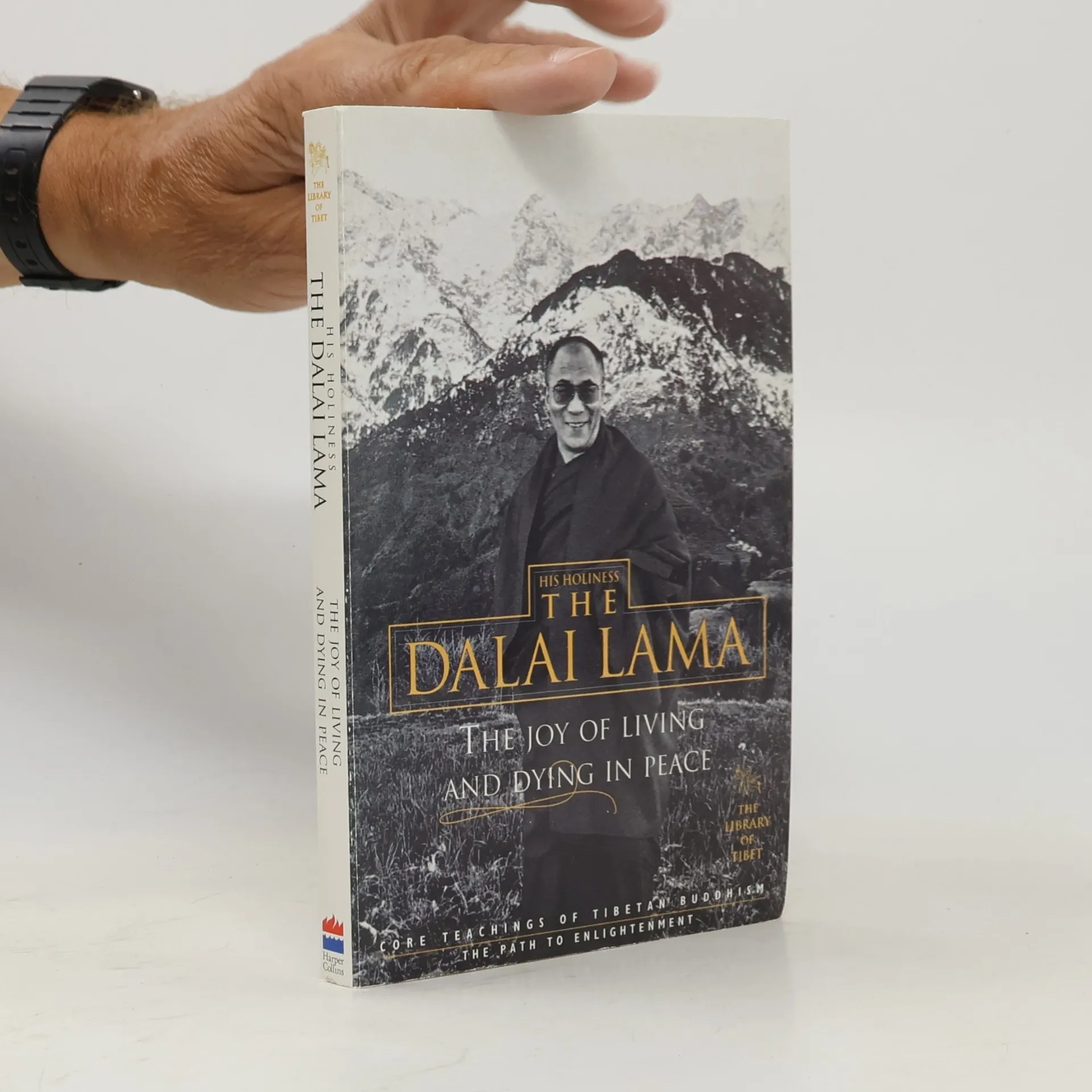
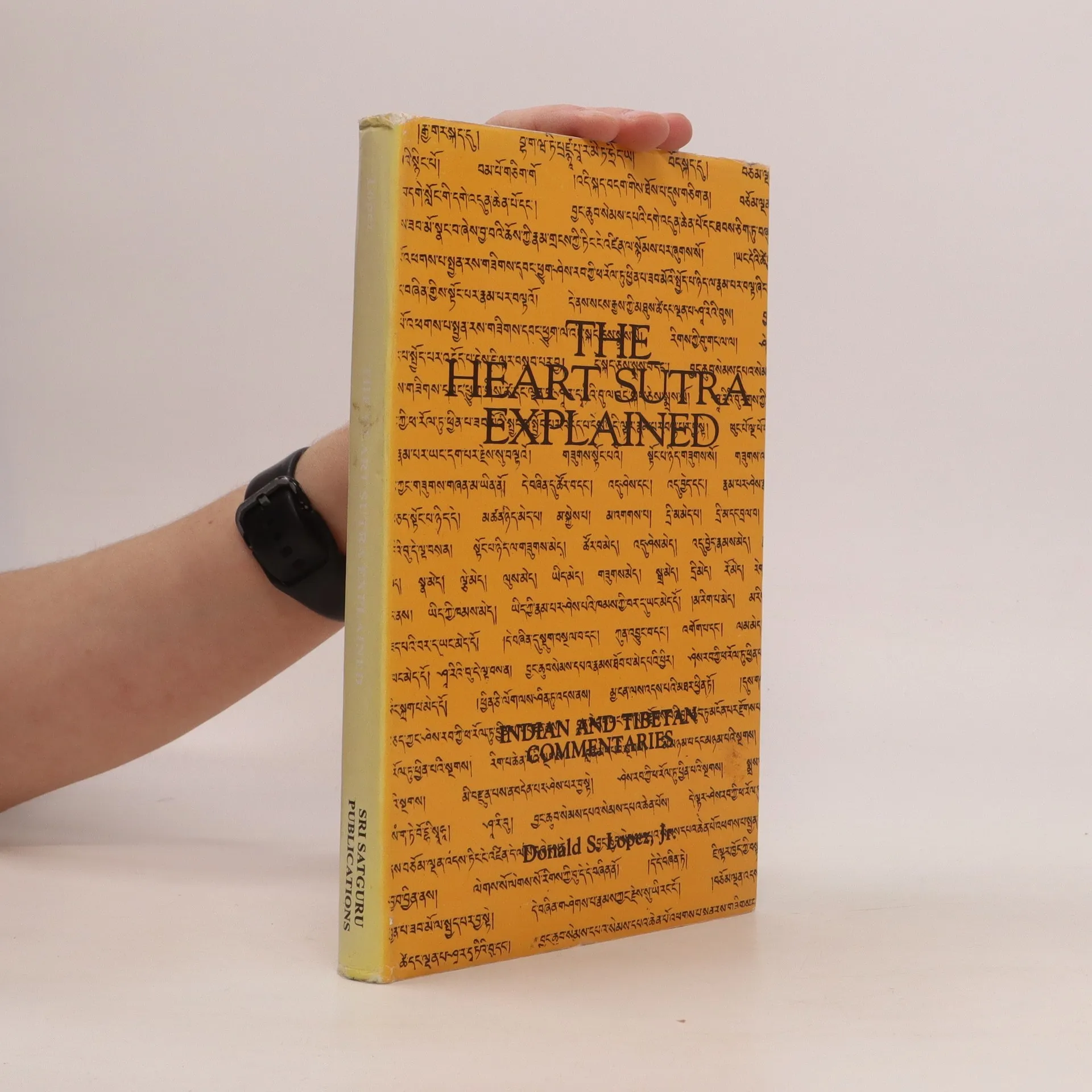
    The Heart Sūtra explained : Indian and Tibetan commentaries
    • Renowned for its terse declaration of the perfection of wisdom, the Heart Sutra is the most famous of Buddhist scriptures. The author draws on previously unexamined commentaries, preserved only in Tibetan, to investigate the meanings derived from and invested into the sutra during the later period of Indian Buddhism. The Heart Sutra Explained offers new insights on "form is emptiness, emptiness is form," on the mantra "gate gate paragate parasamgate bodhi svaha," and on the synthesis of Madhyamika, Yogacara, and tantric thought that characterized the final period of Buddhism in India. It also includes complete translations of two nineteenth century Tibetan commentaries demonstrating the selective appropriation of Indian sources.

      The Heart Sūtra explained : Indian and Tibetan commentaries
      5.0
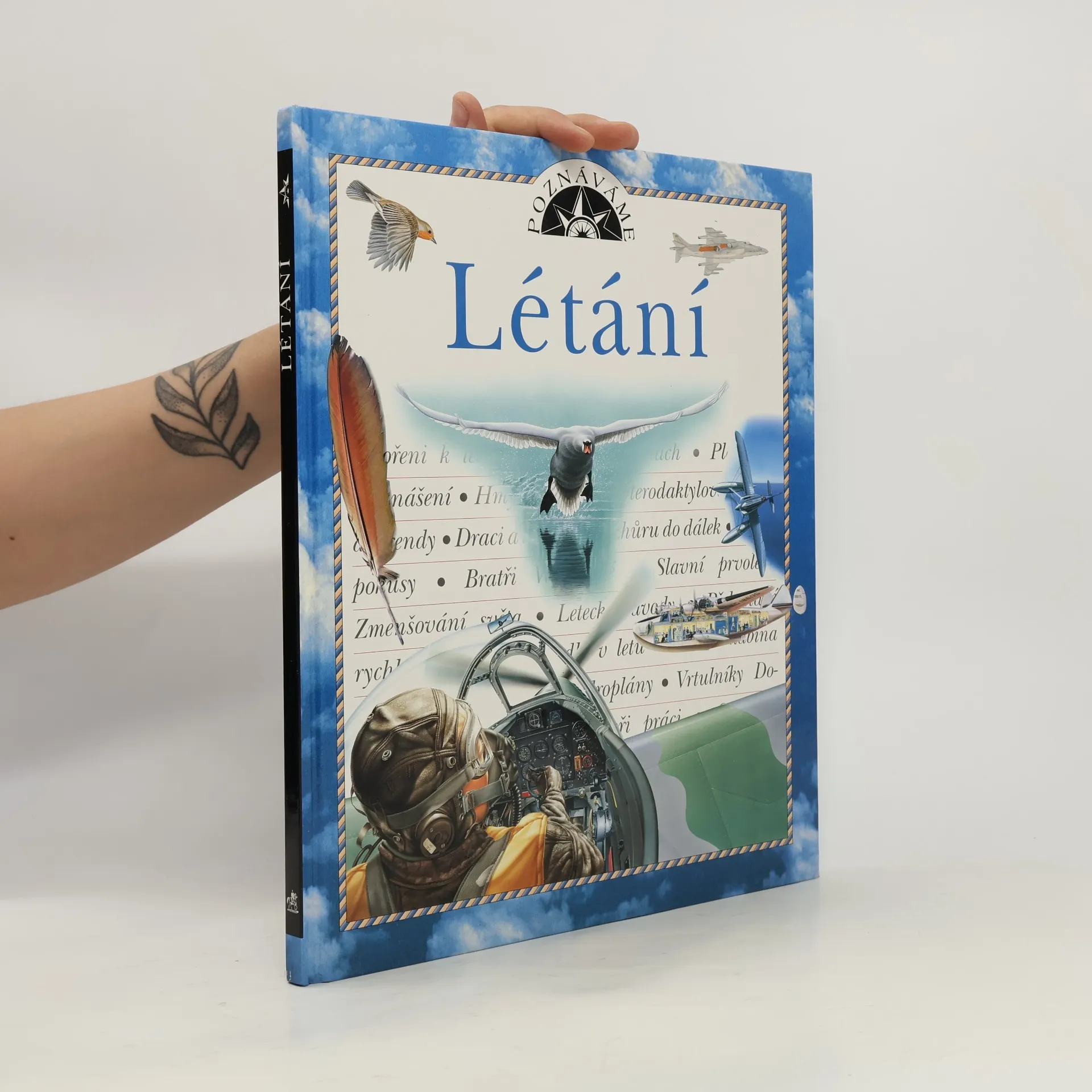
    • Full color illustrations throughout book. So much better that the title suggests, this is a great pop-up book of aircraft, with a superb 3-D model that explodes from every center-spread - the 8 pop-ups themselves are of the Wright Flyer, the Bleriot XI, Fokker Triplane, Lindbergh's Ryan monoplane 'Spirit of St Louis', a Boeing 314 Clipper flying boat, a Spitfire and Messerschmitt Bf 109, a TWA Constellation, and Concorde. As well as the pop-ups, each spread has images of contemporary aircraft, with accompanying text. Pop-ups engineered by David Rosendale and Rodger Smith.

      Flight
      4.0
    • 'Lotus Stra'

      • 265 pages
      • 10 hours of reading

      The Lotus Sutra is arguably the most famous of all Buddhist scriptures. Composed in India in the first centuries of the Common Era, it is renowned for its inspiring message that all beings are destined for supreme enlightenment. Here, Donald Lopez provides an engaging and accessible biography of this enduring classic

      'Lotus Stra'
      4.1
    • Buddhism

      A Journey through History

      • 536 pages
      • 19 hours of reading

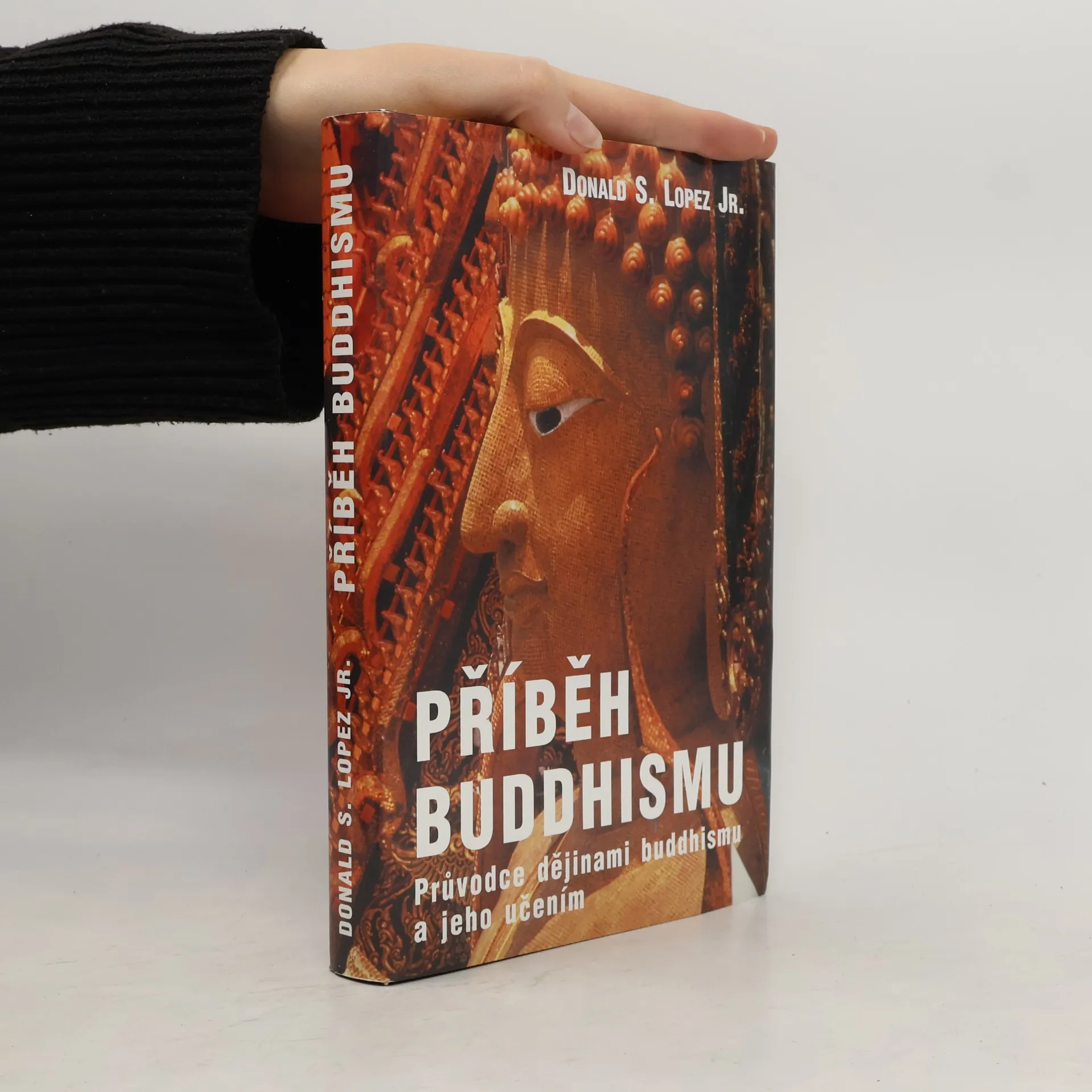
      The book chronicles the remarkable evolution of Buddhism over 2,500 years, detailing its spread across the globe. It highlights the transformative impact of cultural exchanges and historical events on the faith, showcasing how Buddhism adapted and thrived in diverse societies. Through the lens of a leading scholar, readers gain insights into the religion's core teachings and its relevance in contemporary times, emphasizing its enduring legacy and the dynamic nature of spiritual traditions.

      Buddhism
      4.0
    • Prisoners of Shangri-La

      • 294 pages
      • 11 hours of reading

      Lopez finds that even as Tibet's romance is invoked by exiled lamas, it ultimately imprisons those who seek the goal of Tibetan independence from Chinese occupation.

      Prisoners of Shangri-La
      4.0
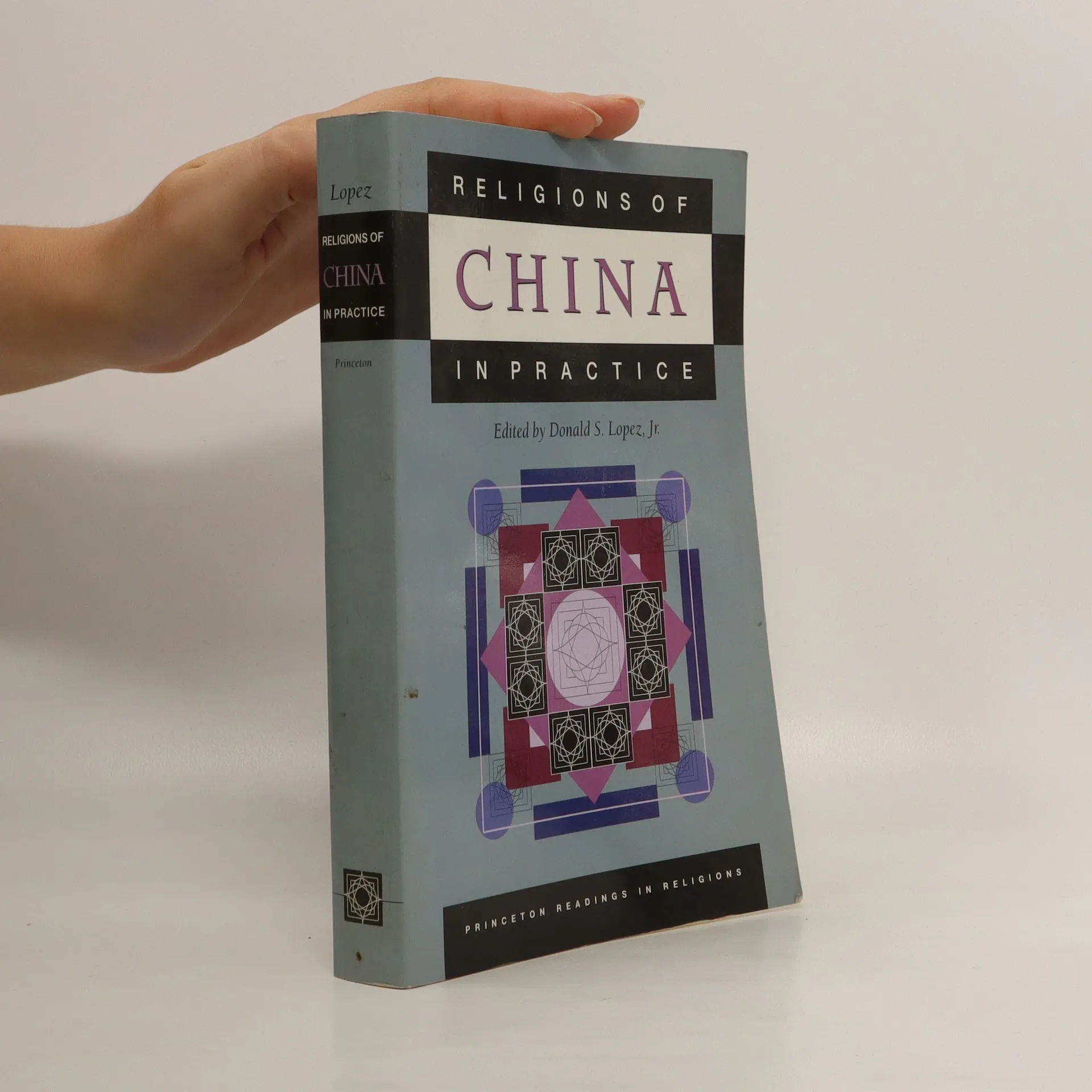
    • This third volume of Princeton Readings in Religions demonstrates that the "three religions" of China--Confucianism, Daoism, and Buddhism (with a fourth, folk religion, sometimes added)--are not mutually exclusive: they overlap and interact with each other in a rich variety of ways. The volume also illustrates some of the many interactions between Han culture and the cultures designated by the current government as "minorities." Selections from minority cultures here, for instance, are the folktale of Ny Dan the Manchu Shamaness and a funeral chant of the Yi nationality collected by local researchers in the early 1980s. Each of the forty unusual selections, from ancient oracle bones to stirring accounts of mystic visions, is preceded by a substantial introduction. As with the other volumes, most of the selections here have never been translated before.Stephen Teiser provides a general introduction in which the major themes and categories of the religions of China are analyzed. The book represents an attempt to move from one conception of the "Chinese spirit" to a picture of many spirits, including a Laozi who acquires magical powers and eventually ascends to heaven in broad daylight; the white-robed Guanyin, one of the most beloved Buddhist deities in China; and the burning-mouth hungry ghost. The book concludes with a section on "earthly conduct."

      Religions of China in practice
      3.9
    • Buddhism in Practice

      • 640 pages
      • 23 hours of reading

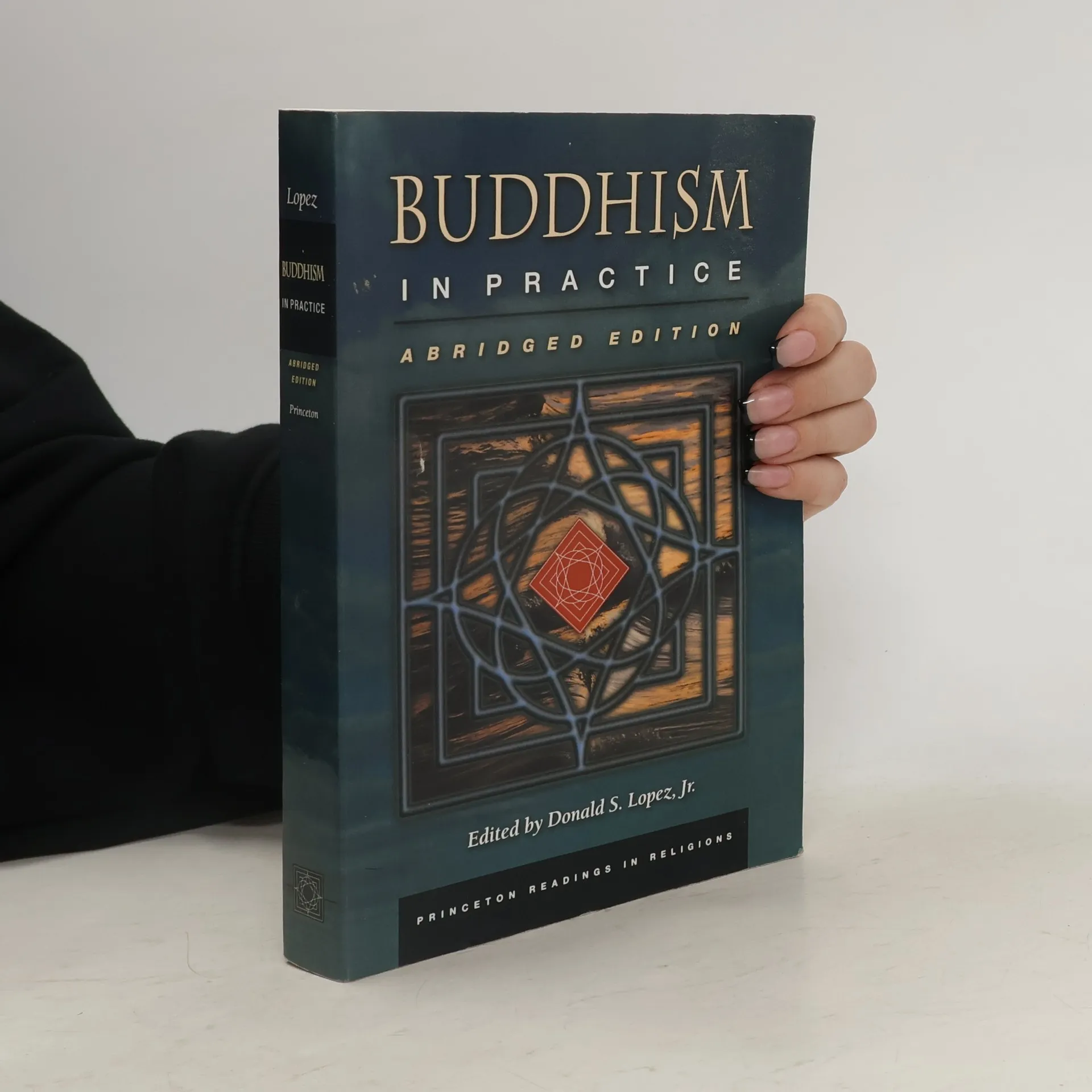
      This anthology illustrates the vast scope of Buddhist practice in Asia, past and present, by presenting a selection of forty-eight translated texts including hagiographies, monastic rules, pilgrimage songs, apocryphal sutras, and didactic tales from India, China, Japan, Korea, Tibet, Nepal, Sri Lanka, Thailand, and Burma. Most of these pieces have never before been translated into a Western language, and each is preceded by a substantial introduction by its translator. Together they are designed to do nothing less than reshape the way in which Buddhism is understood. These unusual sources provide the reader with a sense of the remarkable diversity of the practices of persons who over the course of 2,500 years have been identified, by themselves or by others, as Buddhists. In this rich variety there are often contradictions, such that the practices of one Buddhist community might seem strange or unfamiliar to another. At the same time, however, there is evidence here of many continuities among the practices of Buddhist cultures widely separated by both history and topography. From A Hymn of Praise to the Buddha's Good Qualities through On Becoming a Buddhist Wizard to Death-Bed Testimonials of the Pure Land Faithful, the selections here are an ideal introduction to Buddhism and a source of new insights for scholars.

      Buddhism in Practice
      3.8
    • Buddhism and Science

      A Guide for the Perplexed

      • 278 pages
      • 10 hours of reading

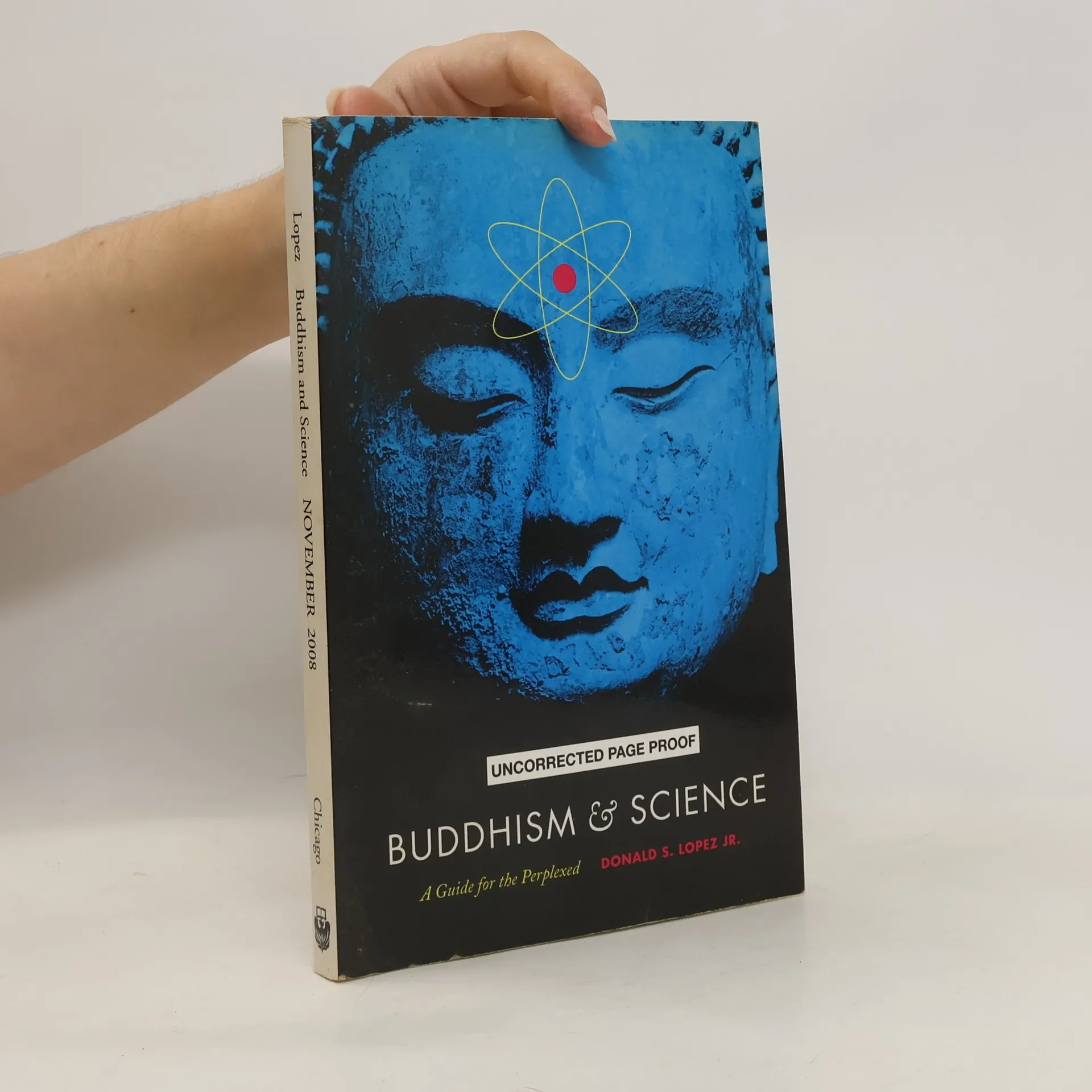
      Both practitioners and admirers of Buddhism have proclaimed its compatibility with science. This book explores how and why these two seemingly disparate modes of understanding the inner and outer universe have been so persistently linked.

      Buddhism and Science
      3.9
    • Religions of Asia in Practice

      • 760 pages
      • 27 hours of reading

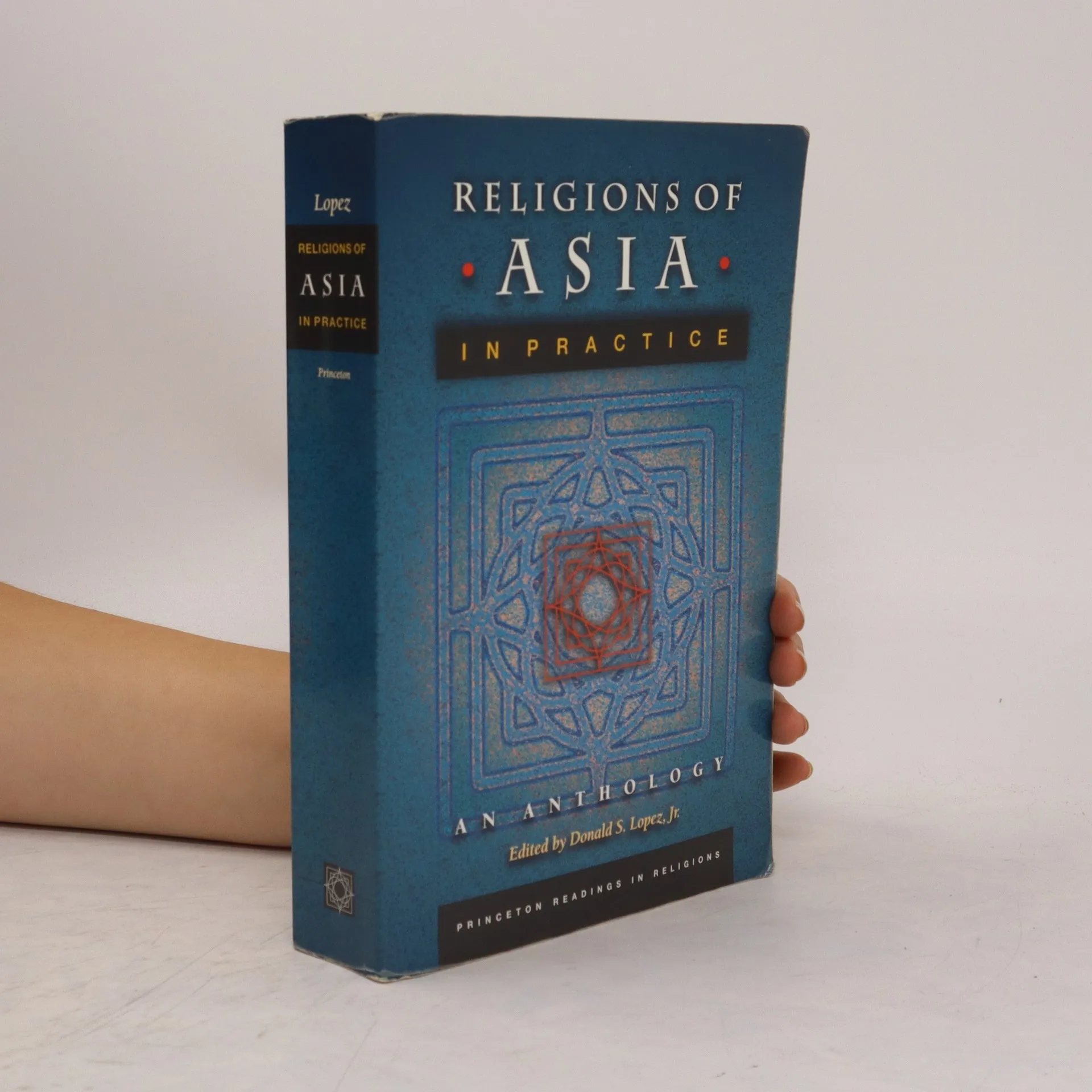
      The acclaimed volumes of Princeton Readings in Religions present the remarkable range of all that is encompassed in the practice of religions, across the centuries and across the world.Religions of Asia in Practice: An Anthology brings together into a single volume the most important and fascinating selections from the volumes on Buddhism, India, China, Tibet, and Japan to give an overview of how religions have been lived by both ordinary and extraordinary people throughout the continent of Asia. These materials--many of which had never before been translated into any Western language--include ritual manuals, hagiographical and autobiographical writings, popular commentaries, instructions to children, poetry, and folktales. Each is preceded by a substantial introduction in which the translator discusses the text's history and influence and guides the reader through points of potential difficulty and particular interest. The volume includes, in addition, clear and compelling introductions to each of the major traditions.Religions of Asia in Practice: An Anthology offers a fascinating look at the spectrum of religious practices in Asia over almost three millennia. As such, it is ideally suited for use as a textbook in courses on world or Eastern religions as well as for the general reader.

      Religions of Asia in Practice
      3.2