Yvonne Rogers is a Professor of Interaction Design whose work centers on creating interactive technologies to enhance everyday life, learning, and work. She investigates how pervasive technologies can improve user experiences and foster creativity, particularly concerning aging populations. Rogers takes a critical stance on visions and theories within HCI, cognitive science, and Ubicomp, championing new methodologies and research agendas. Her significant contributions include a monograph exploring HCI theory.
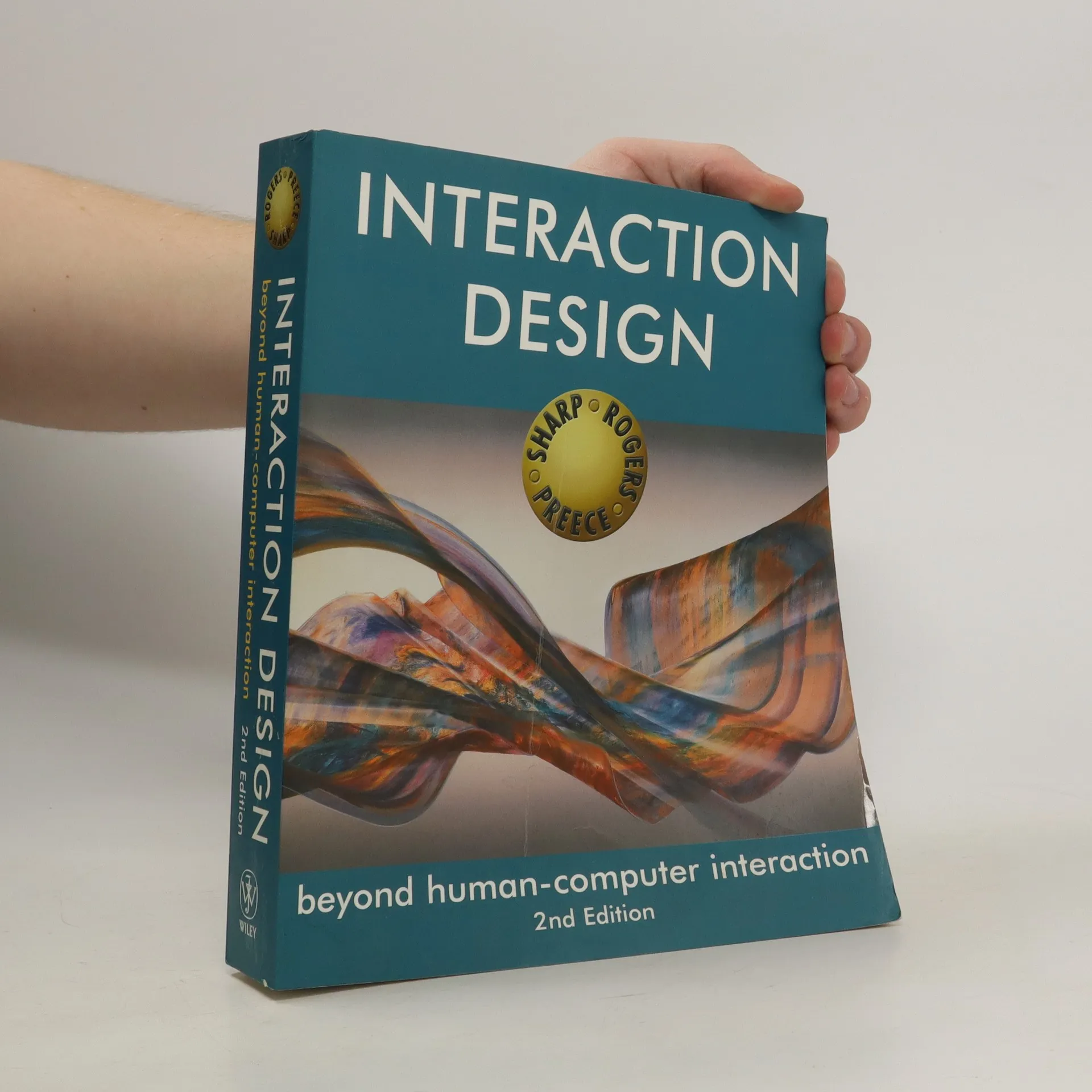
The classic text, Interaction Design by Sharp, Preece and Rogers is back in a fantastic new 2 nd Edition! New to this "The best basis around for user-centered interaction design, both as a primer for students as an introduction to the field, and as a resource for research practitioners to fall back on. It should be labelled 'start here'."—Pieter Jan Stappers, ID-StudioLab, Delft University of Technology
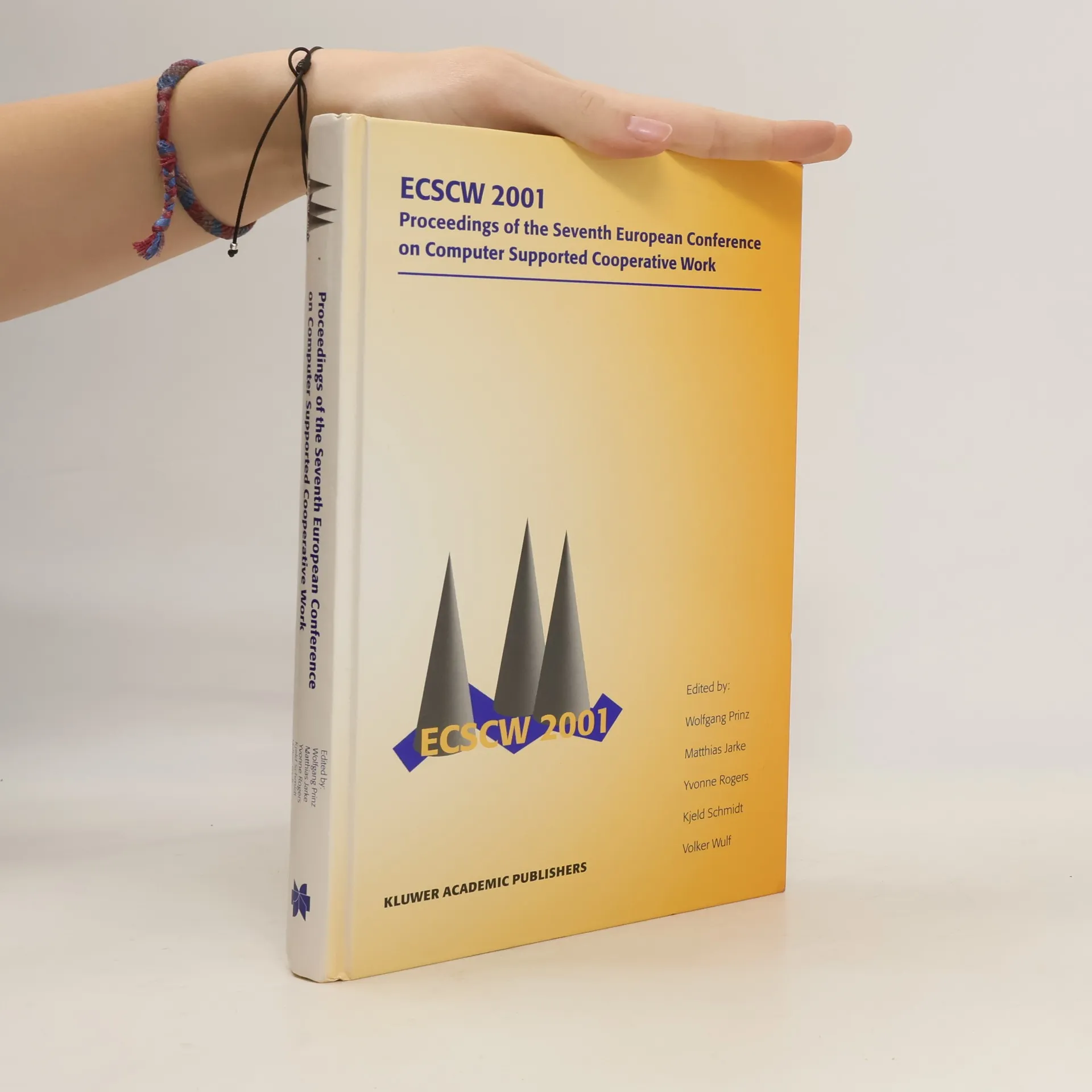
The emergence and widespread use of personal computers and network technologies has seen the development of interest in the use of computers to support cooperative work. This volume presents the proceedings of the seventh European conference on Computer Supported Cooperative Work (CSCW). This is a multidisciplinary area which embraces both the development of new technologies and an understanding of the grounding of CSCW technology in organizational practices. These proceedings contain a collection of papers that encompass activities in the field, including distributed virtual environments, new models and architectures for groupware systems, studies of communication and coordination among mobile actors, studies of cooperative work in heterogeneous settings, studies of groupware systems in use in real-world settings, and theories and techniques to support the development of cooperative applications. The papers present emerging technologies alongside new methods and approaches to the development of this important class of applications. The work in this volume represents the best of the current research and practice within CSCW. The collection of papers presented here will appeal to both researchers and practitioners alike as they combine an understanding of the nature of work with the possibility offered by new technologies.
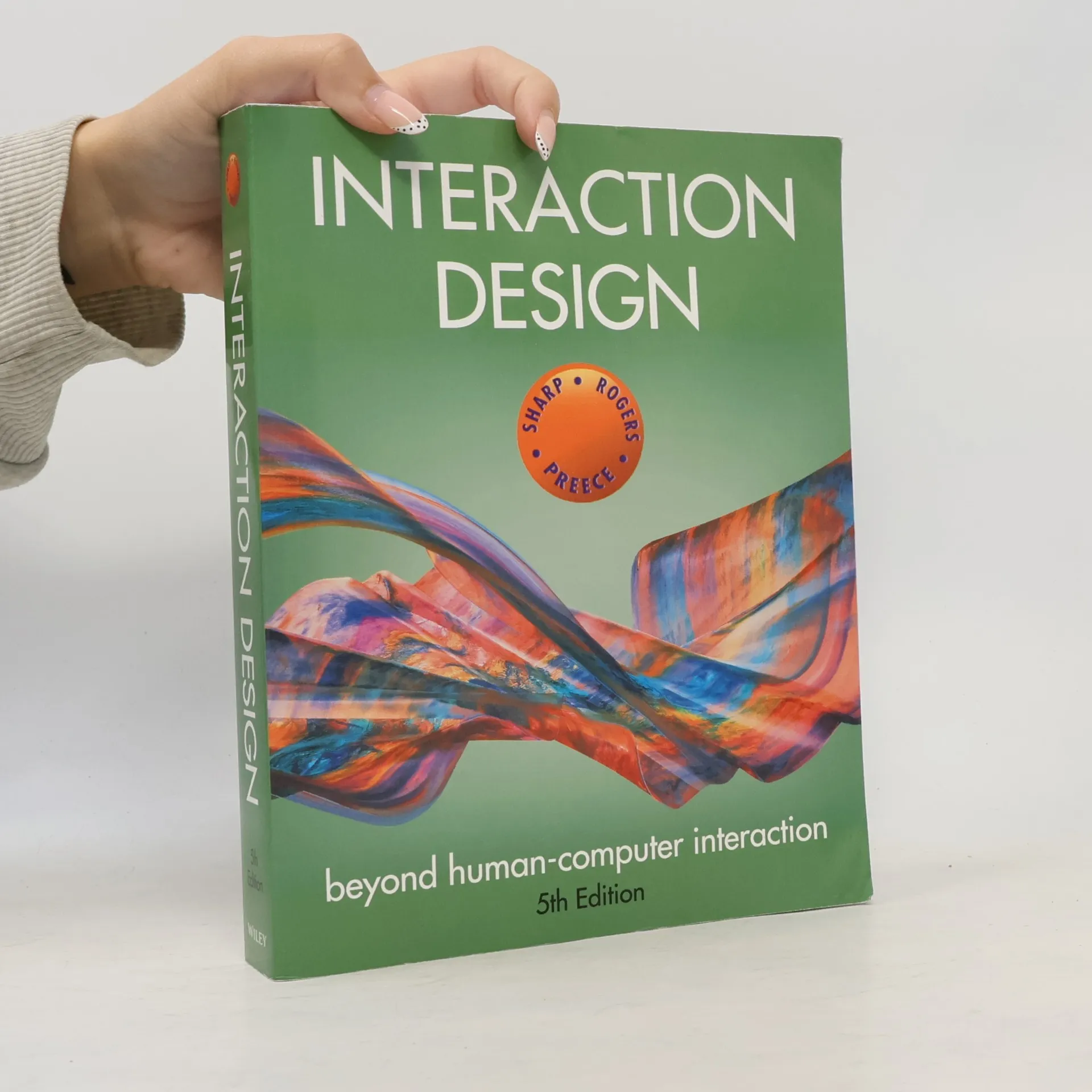
This new edition of the leading text in human-computer interaction is a highly regarded resource for students and professionals seeking to develop interdisciplinary skills in interaction design, human-computer interaction, information design, web design, and ubiquitous computing. The Fifth Edition introduces a new chapter on data at scale, exploring the emerging fields of human data interaction and data analytics. This chapter illustrates how organizations manipulate and analyze vast amounts of data related to human behaviors, the environment, and society. Revised and updated, this edition provides a practical, process-oriented introduction to the field, emphasizing not only the principles of interaction design but also their application. It explains design and evaluation techniques for creating successful interactive technologies and highlights cognitive, social, and affective issues in technology design through various examples. The book presents thought-provoking design dilemmas and includes interviews with expert designers and researchers. A strong pedagogical format enhances understanding and enjoyment, while an accompanying website offers extensive teaching and learning materials, including chapter slides, comments on activities, and in-depth case studies from researchers and designers.
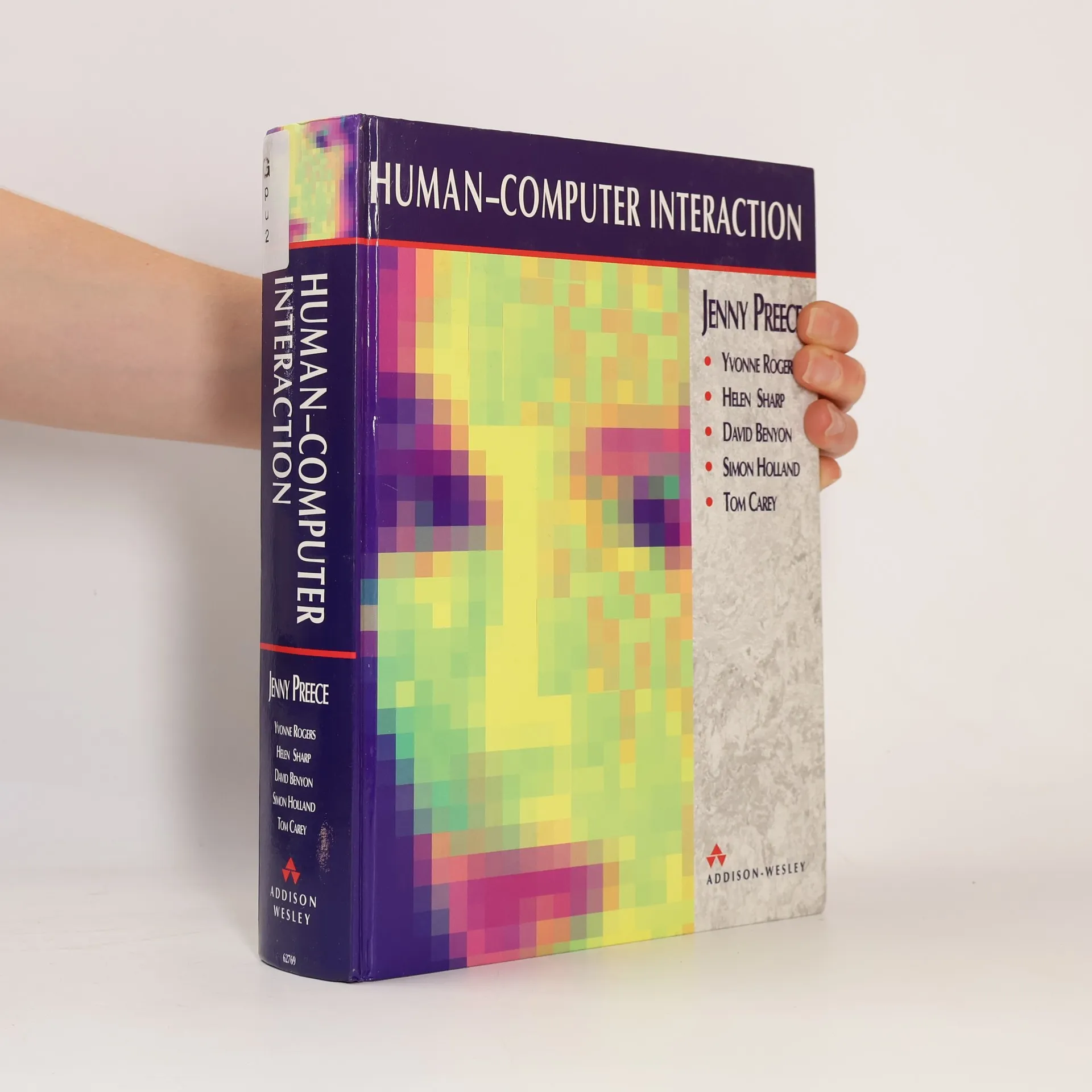
Offering the most comprehensive account of the multidisciplinary field of HCI, this book illustrates the powerful benefits of a user-oriented approach to the design of modern computer systems. It balances the technical and cognitive issues required for understanding the subtle interplay between people and computers, particularly in emerging fields like multimedia, virtual environments and computer supported cooperative work (CSCW). A unique feature is the inclusion of interviews with many leading authorities in HCI, providing personal insight into their work and conveying the excitement of current research activity: Deborah Hix, Roy Kalawsky, Marilyn Mantei, Tom Moran, Donald Norman, Brian Shackel, Ben Shneiderman, Bill Verplank, and Terry Winograd. Human-Computer Interaction is flexibly structured to allow a variety of learning paths for students in computer science, engineering, psychology and cognitive science. Programmers and system designers will appreciate its emphasis on the design of interactive systems.