John Harvey Books
John Harvey is a celebrated British author, primarily recognized for his jazz-infused crime fiction featuring the detective Charlie Resnick, set against the backdrop of Nottingham. His narrative style is distinguished by its rich character development and evocative atmosphere. Beyond his acclaimed novels, Harvey has a prolific output, including over ninety books under various pseudonyms, and has contributed to television and radio scripts. The inaugural Resnick novel was lauded as one of the century's greatest crime stories, solidifying his significant contribution to the genre.


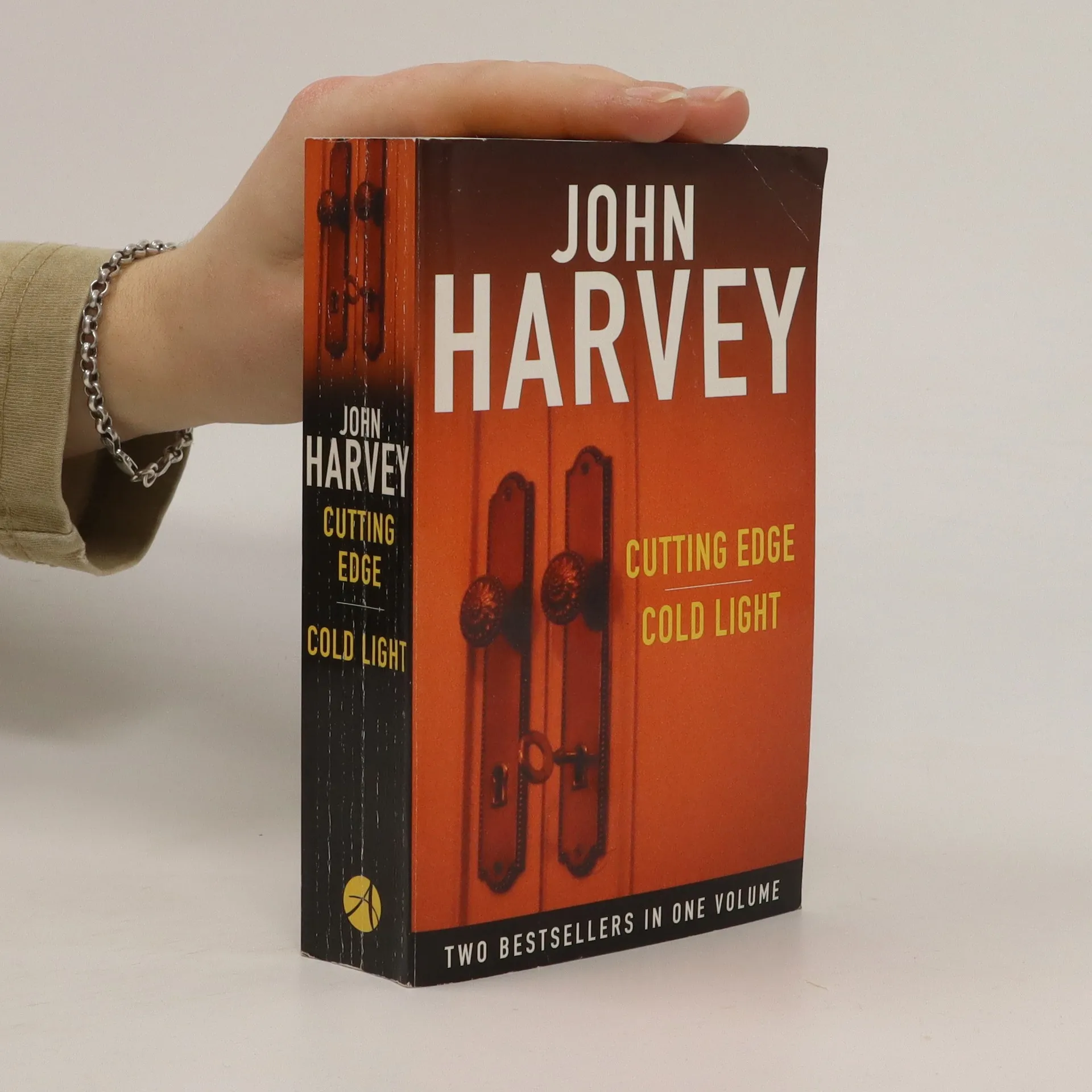
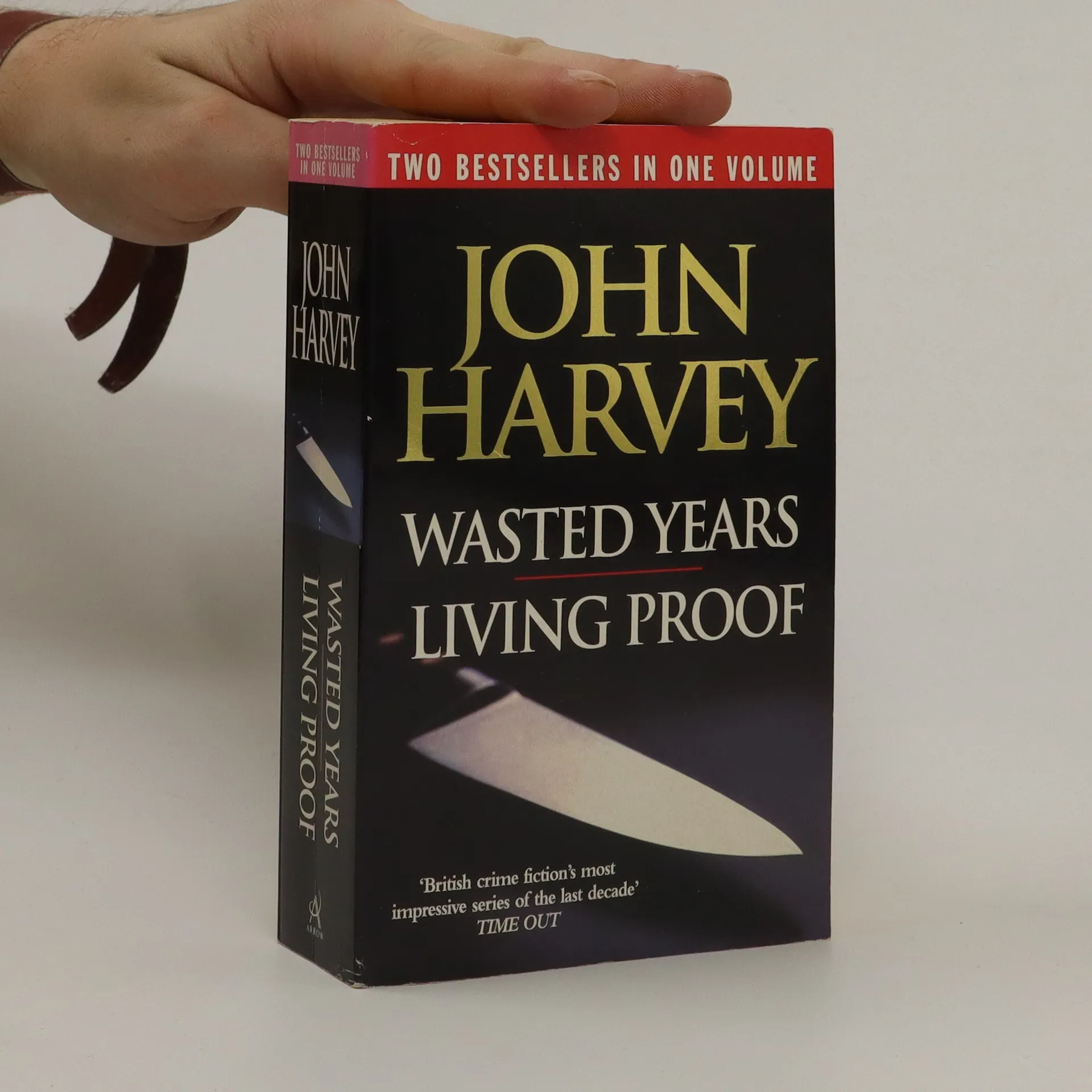
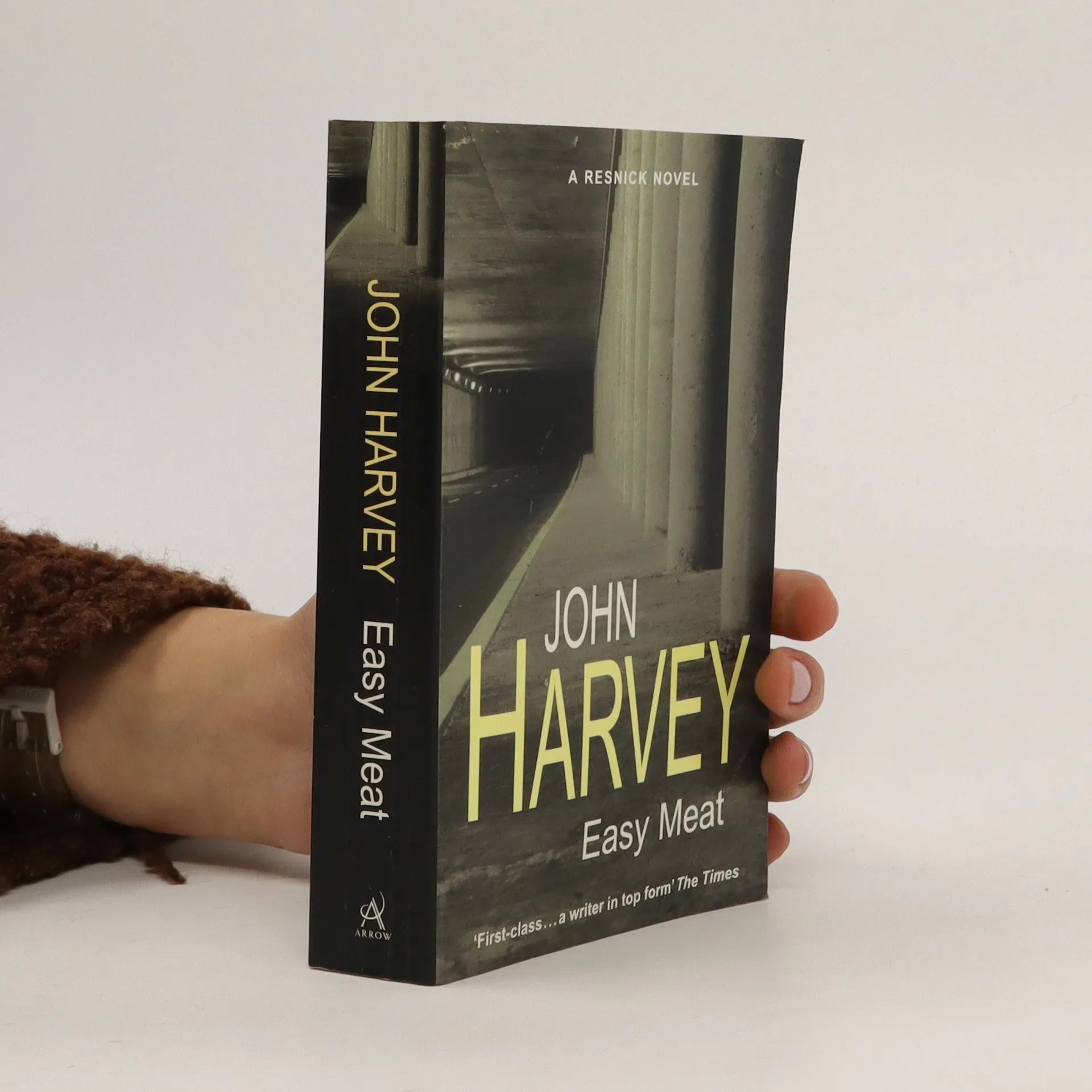
When a man is found in the middle of Alfreton Road in the early hours one Sunday morning, stark naked and bleeding heavily from a chest wound, he is the latest in a series of viscous attacks on men.
1st as Arrow 2005 Omnibus edition paperback, fine In stock shipped from our UK warehouse
Cathedrals of England and Wales
- 272 pages
- 10 hours of reading
Book by Harvey, John Hooper
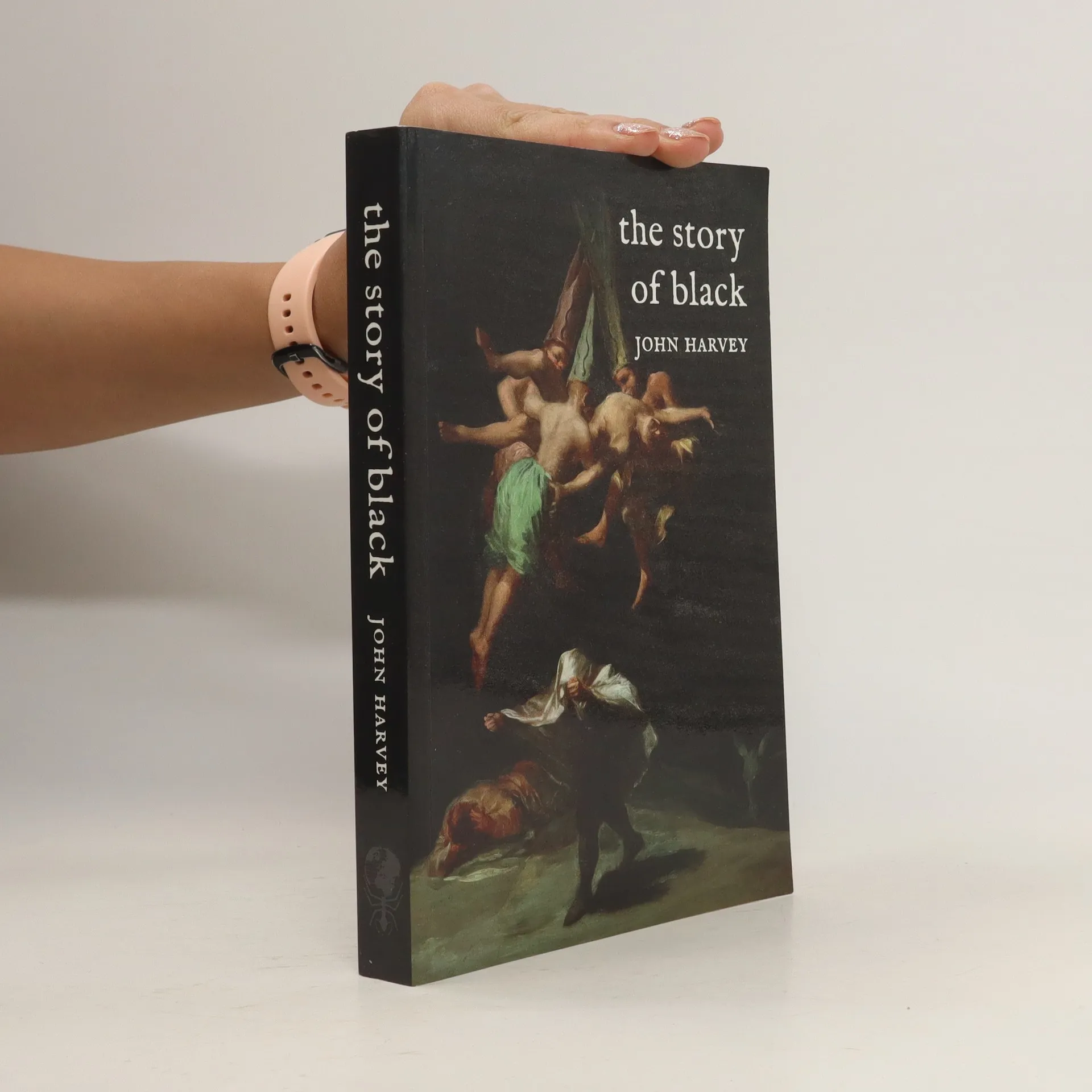
The Story of Black
- 320 pages
- 12 hours of reading
This text provides an exploration of black, following our ambiguous relationship with this most 'accursed' of colours throughout cultures worldwide. The book asks whether black is in fact a colour at all, and also describes the use and meaning of black in art, literature, issues of race, advertising, and popular culture.
Darkness, Darkness. Resnick's Last Case
- 352 pages
- 13 hours of reading
The final DI Charlie Resnick novel by a bestselling author explores the aftermath of the Miners Strike, where past enmities linger. Resnick, now an inspector, is drawn out of retirement to investigate the murder of a young woman who vanished during the Strike, confronting his tumultuous past in his last case.
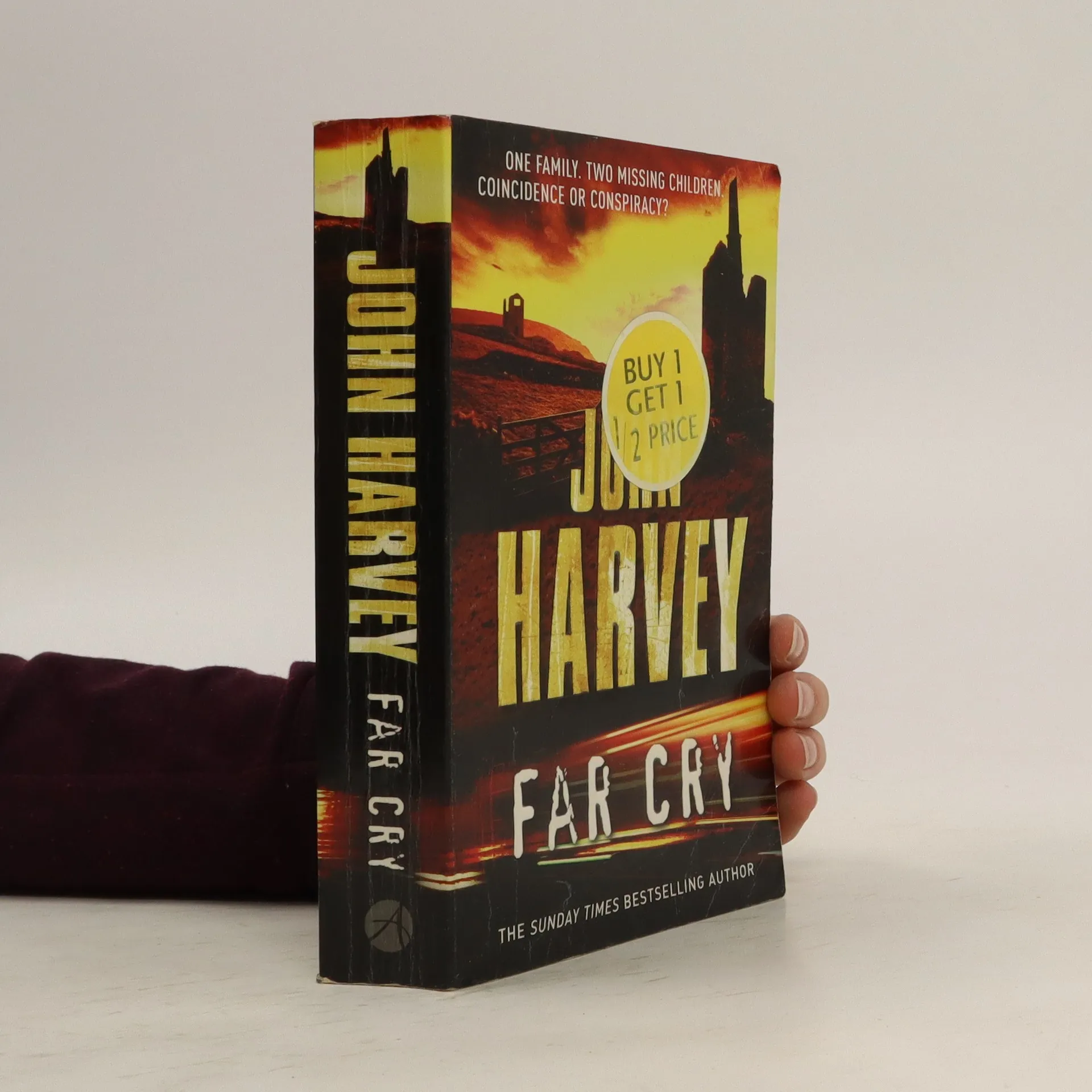
Far Cry
- 592 pages
- 21 hours of reading
Ruth and Simon Pierce's rare romantic break is shattered by devastating news- their daughter, Heather, on holiday in Cornwall with a friend's family, has disappeared. The loss is more than they - or their marriage - can bear. But time does heal, and slowly Ruth builds a new life for herself. A new husband, Andrew - even a second daughter, Beatrice. The chances that history could repeat itself are next-to-impossible - that is until, years later, a desperate phone call launches DI Will Grayson and his partner, DS Helen Walker, into an investigation which will test their professional and emotional resources to the very limit. Yet as Grayson becomes increasingly obsessed with a recently released child-abuser and Helen is drawn deeper into a destructive love affair with a married colleague, there is a real danger that their most demanding investigation yet will slip fatefully through their hands...
This first in a series of anthologies sponsored by the British Crime Writers Association features 22 short stories with urban themes. The editor notes that he was looking for stories that offered imaginative takes on the familiar idea of big-city cr
Body And Soul
- 330 pages
- 12 hours of reading
When his estranged daughter Katherine appears on his doorstep, ex-Detective Frank Elder knows that something is wrong. Katherine has long been troubled, and Elder has always felt powerless to help her. But now she has begun to self-destruct. The breakdown of her affair with a controversial artist has sent her into a tailspin that culminates in murder. And as Elder struggles to protect his daughter and prove her innocence, the terrors of the past threaten them both once more...
Insight Guide: New Zealand provides everything you'll ever need in a guidebook. It is an inspiring background read, an invaluable on-the-spot companion and a superb souvenir of your visit Evocative photography Insight Guides are renowned for their great pictures, which vividly convey a sense of everyday life Illuminating text Expert writers bring to life New Zealand's history, culture, arts, politics and, above all, the people Incisive evaluations From Ninety Mile Beach to the southern fiordlands, from the heights of Mount Cook to the Whanganui River, it's all here Detailed, cross-referenced maps All sites are clearly highlighted and numbered in relation to the text Full listings All the travel details, hotels, eating places and phone numbers you'll need
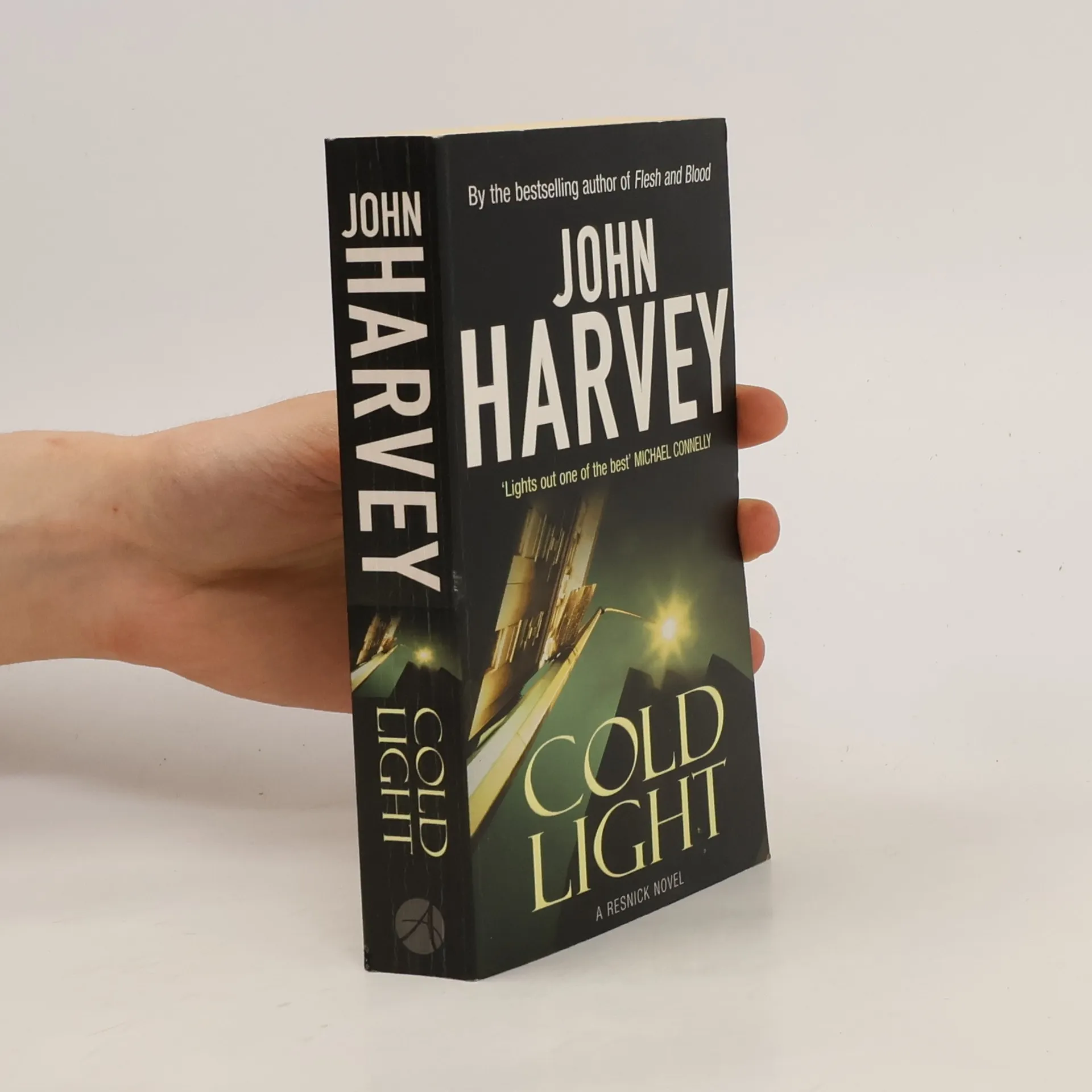
Cold Light
- 384 pages
- 14 hours of reading
A cabbie’s been beaten up, there’s a drunk and disorderly in the interview room and a possible child abuser is on his way in. Just a pretty normal Christmas Holiday for Resnick and his team. Then Dana Matheison calls to report her flat mate, Nancy, missing. Pretty soon the police have proof that Nancy was kidnapped, and then — as the New Year celebrations wind down — the first tape arrives and Resnick knows they’re dealing with a dangerous psychopath.
"Easy Meat" is crime fiction so close to the bone it is almost like reading the newspapers--except that John Harvey's artistry with words and concern for character bring their ugly events and insoluble issues stunningly alive, transforming headlines into the stuff of human passion. "Harvey's terse style is just about perfect".--"Detroit Free Press".
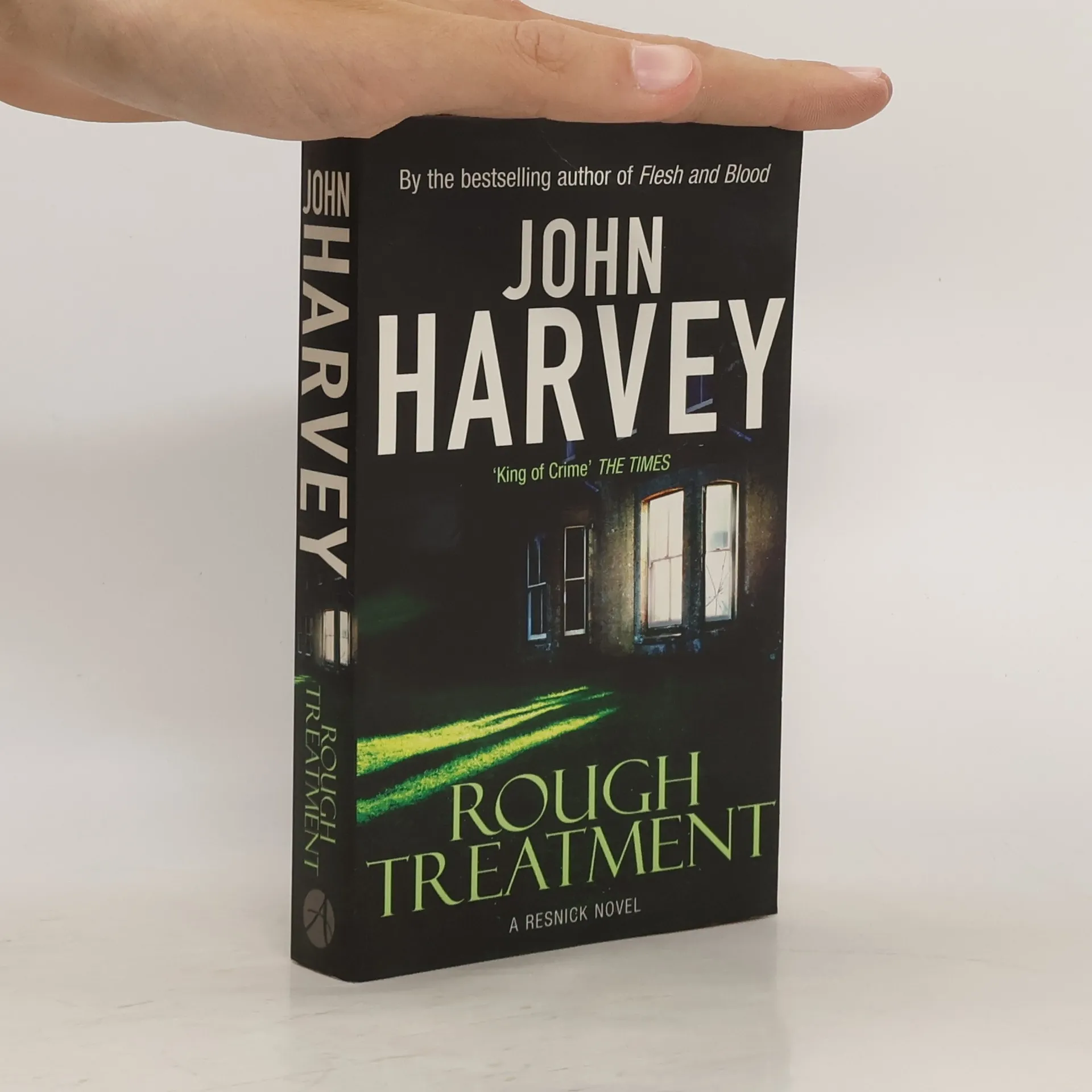
Rough Treatment
- 352 pages
- 13 hours of reading
A series of house break-ins that are too neat to be anything but inside jobs; a missing kilo of coke; a thief with some very nasty habits and another with too tender a heart . . . all add up to John Harvey's second complex and fast-paced police procedural featuring Charlie Resnick.
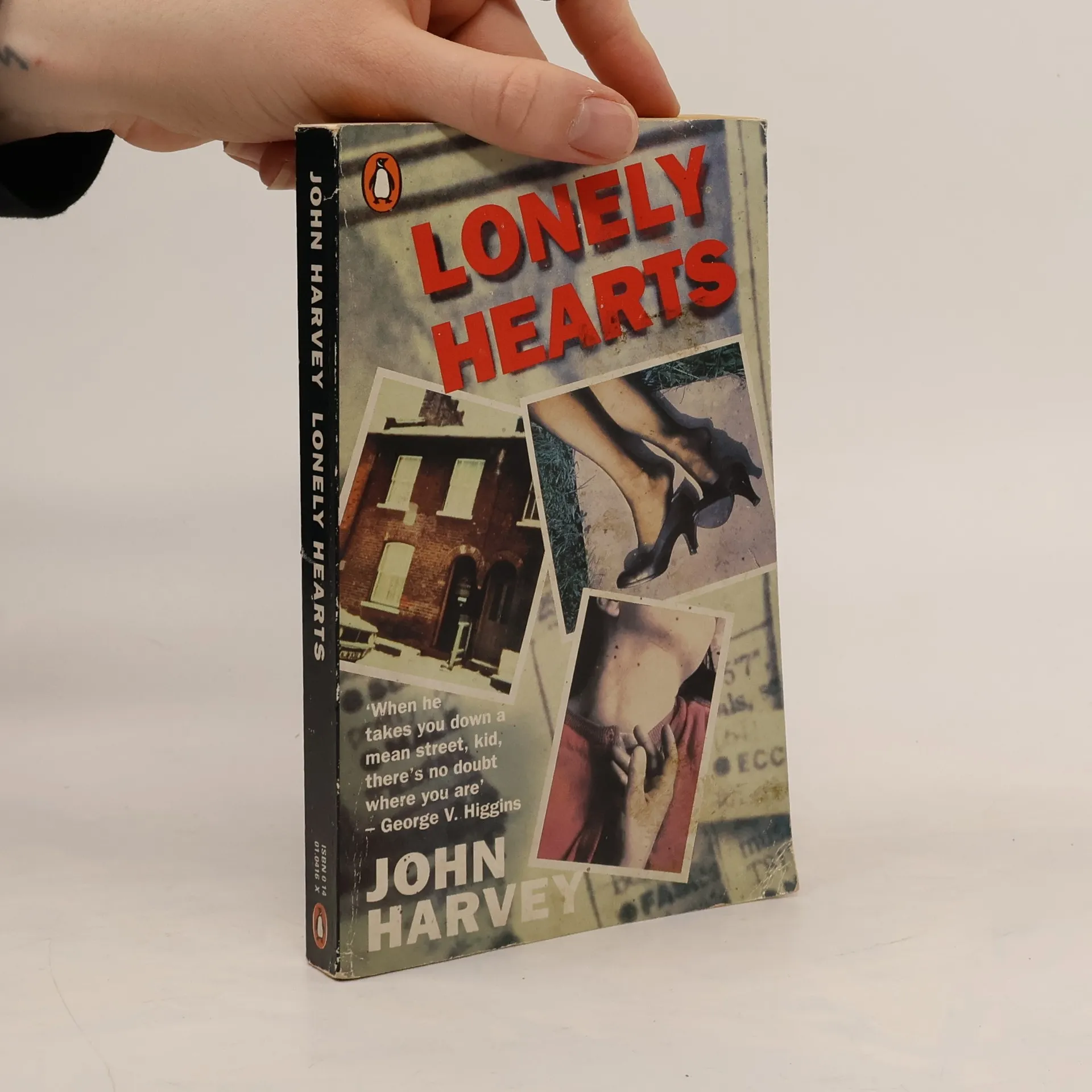
Lonely Hearts
- 282 pages
- 10 hours of reading
Shirley Peters is dead. Murdered. And her rejected boyfriend is the obvious prime suspect. But then another woman is murdered and suddenly there appears to be too many connections between these seemingly unrelated crimes. Detective Inspector Resnick is sure that the two murders are the work of one sadistic killer — two lonely hearts broken by one maniac. And it’s up to Resnick to put the record straight — and put the killer where he belongs.
Wasted Years
- 352 pages
- 13 hours of reading
A series of brutal robberies takes Detective Inspector Charlie Resnick back ten years.
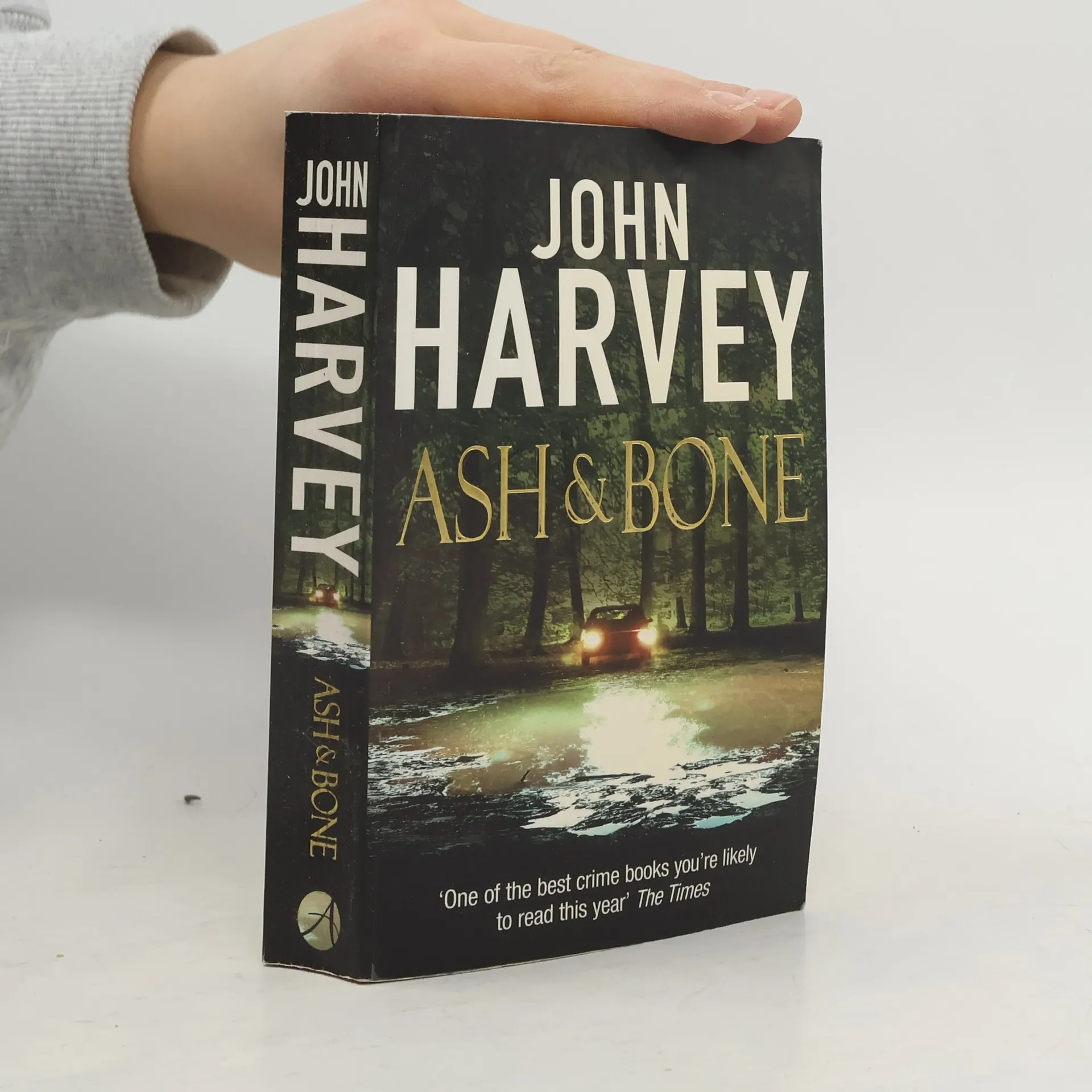
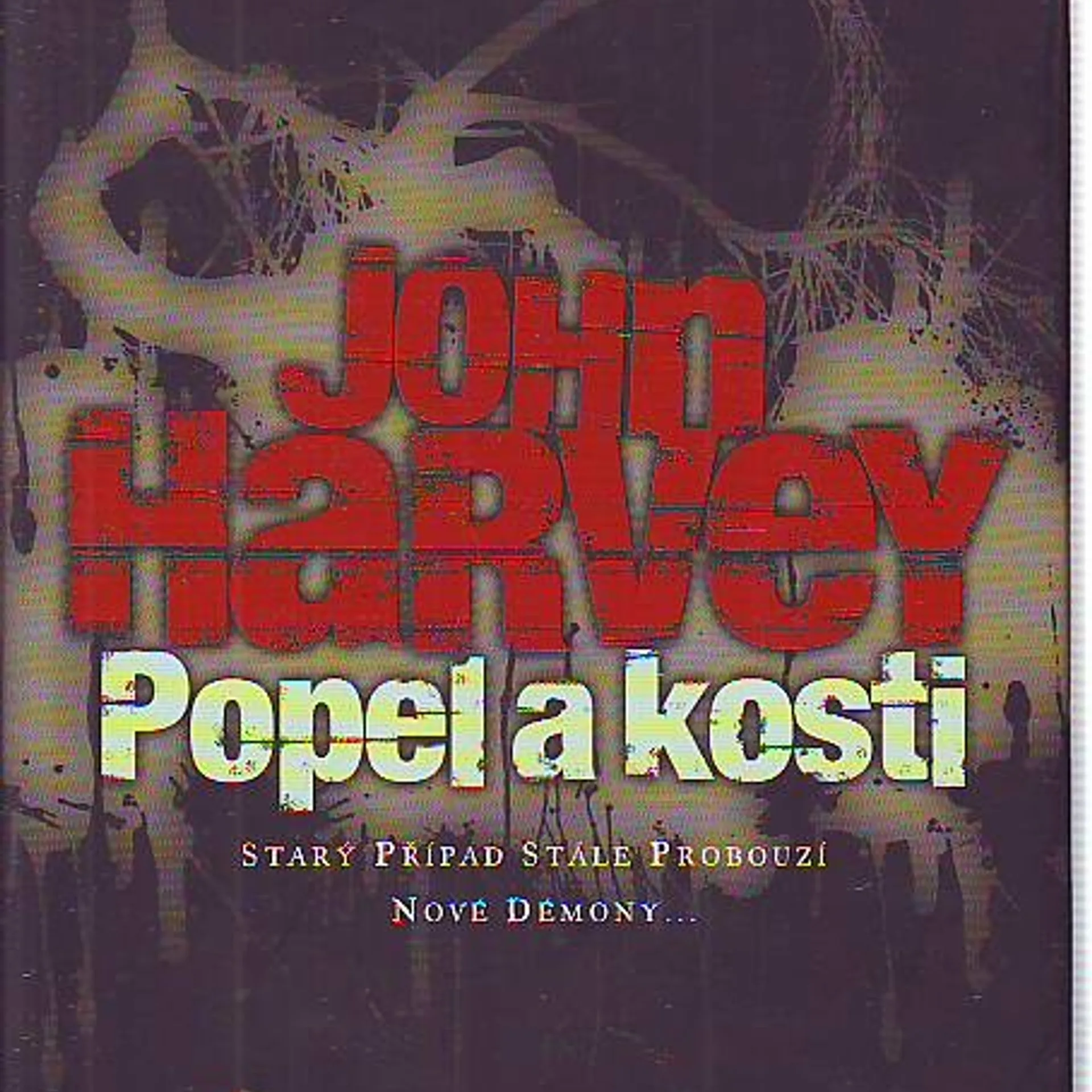
Ash & bone
- 416 pages
- 15 hours of reading
When the take-down of a violent criminal goes badly wrong, something doesn't feel right to Detective Sergeant Maddy Birch, and her uneasiness is compounded by her belief that someone is following her home.
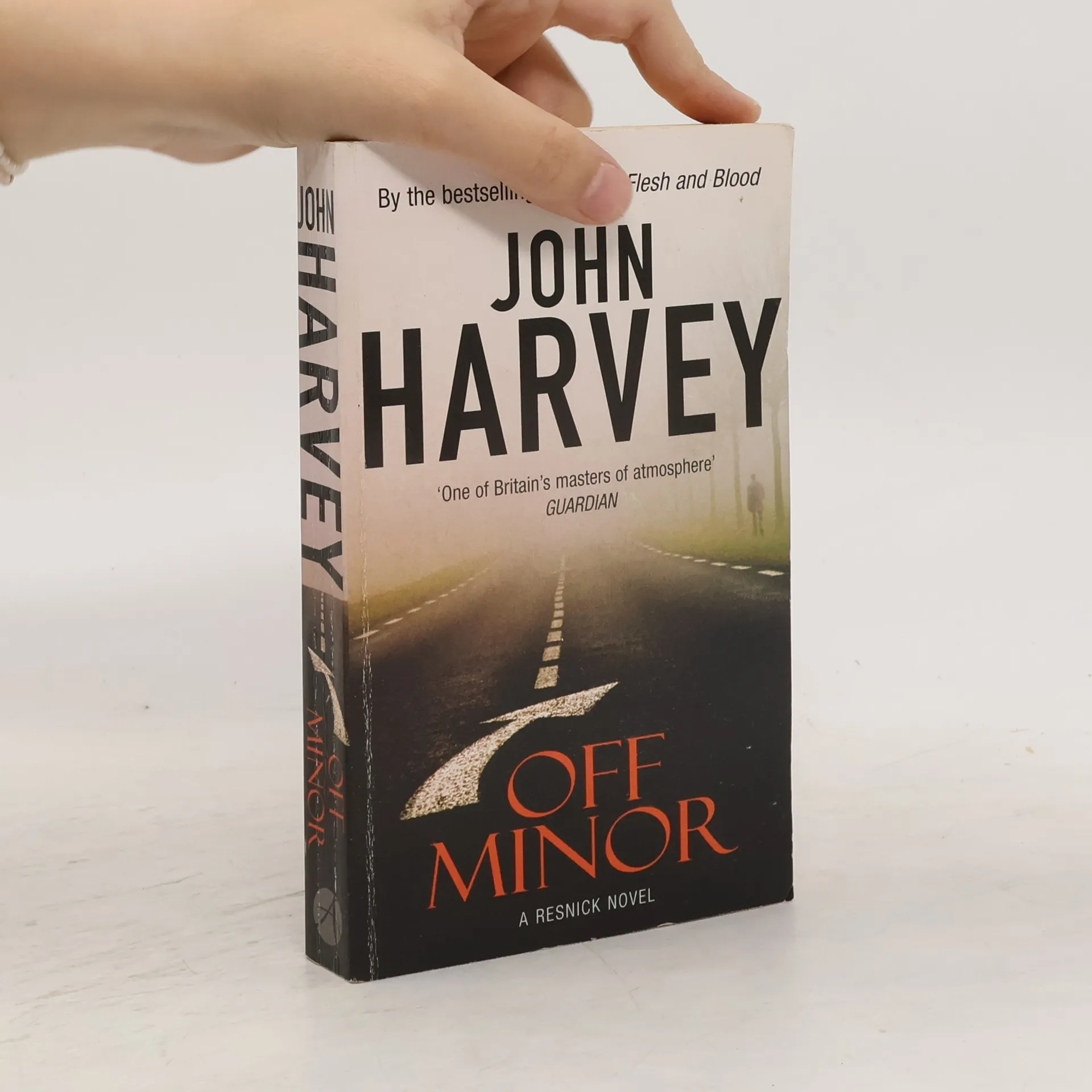
Off Minor
- 340 pages
- 12 hours of reading
Two little of the same age but very different backgrounds are missing. To Resnick, this is the only connection--until one of the them turns up dead. The fourth mystery in the popular series.
Cutting Edge
- 336 pages
- 12 hours of reading
A savage assault with a scalpel leaves Dr Tim Fletcher's body badly slashed in a deserted walkway - the first victim in a series of brutal assaults on hospital staff. As panic grips the city, it's up to Detective Inspector Charlie Resnick to find the killer.
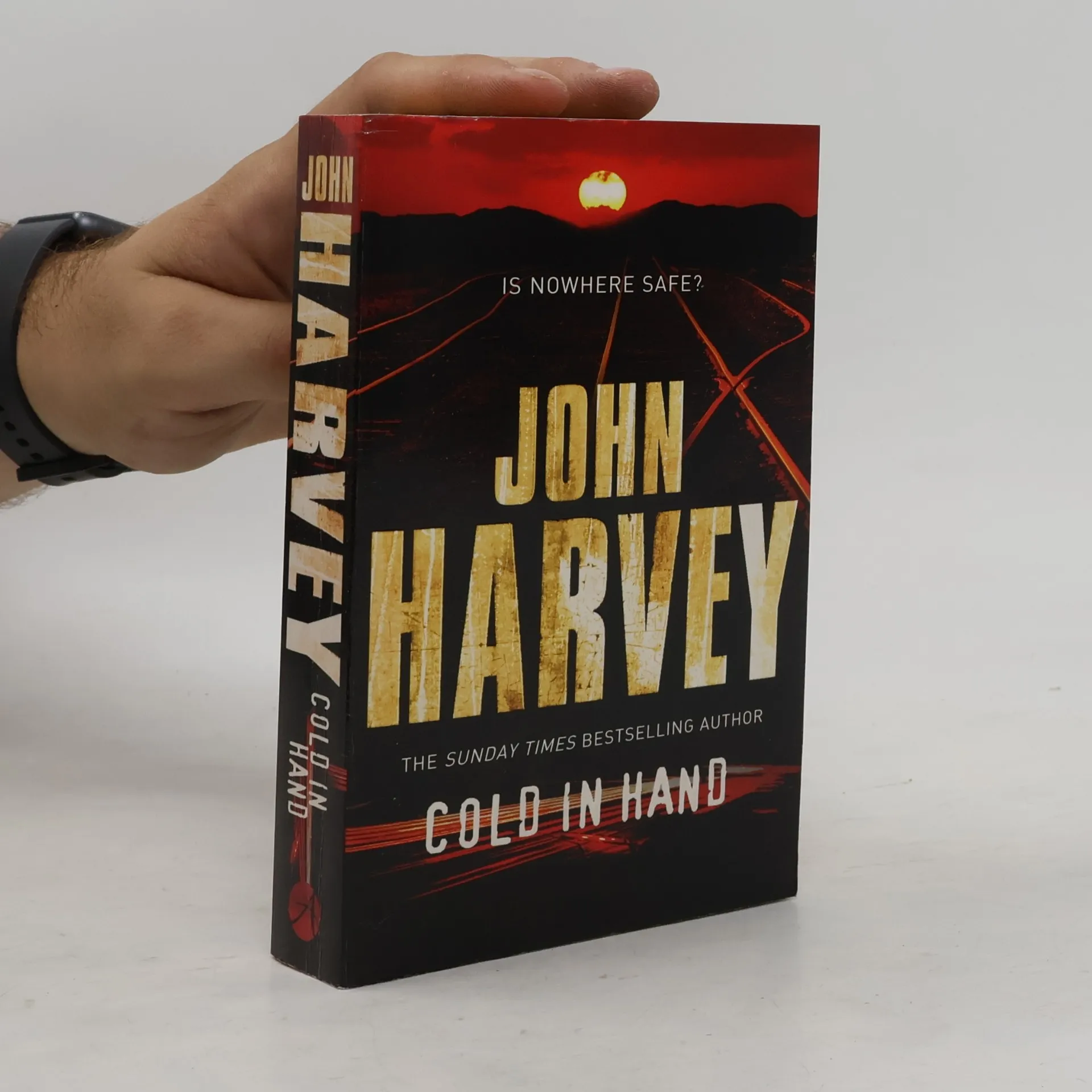
Cold in Hand
- 496 pages
- 18 hours of reading
Two teenage girls are victims of a bloody Valentine's Day shooting; one survives, the other is less fortunate...It's one of a rising number of violent incidents in the city, and DI Charlie Resnick, nearing retirement, is hauled back to the front line to help deal with the fallout. But when the dead girl's father seeks to lay the blame on DI Lynn Kellogg, Resnick's colleague and lover, the line between personal and professional becomes dangerously blurred. As Lynn, shaken by this very public accusation, is forced to question her part in the teenager's death, Resnick struggles against those in the force who disapprove of his maverick ways. But when the unimaginable occurs, an emotional Resnick will need all his strength to see justice done...
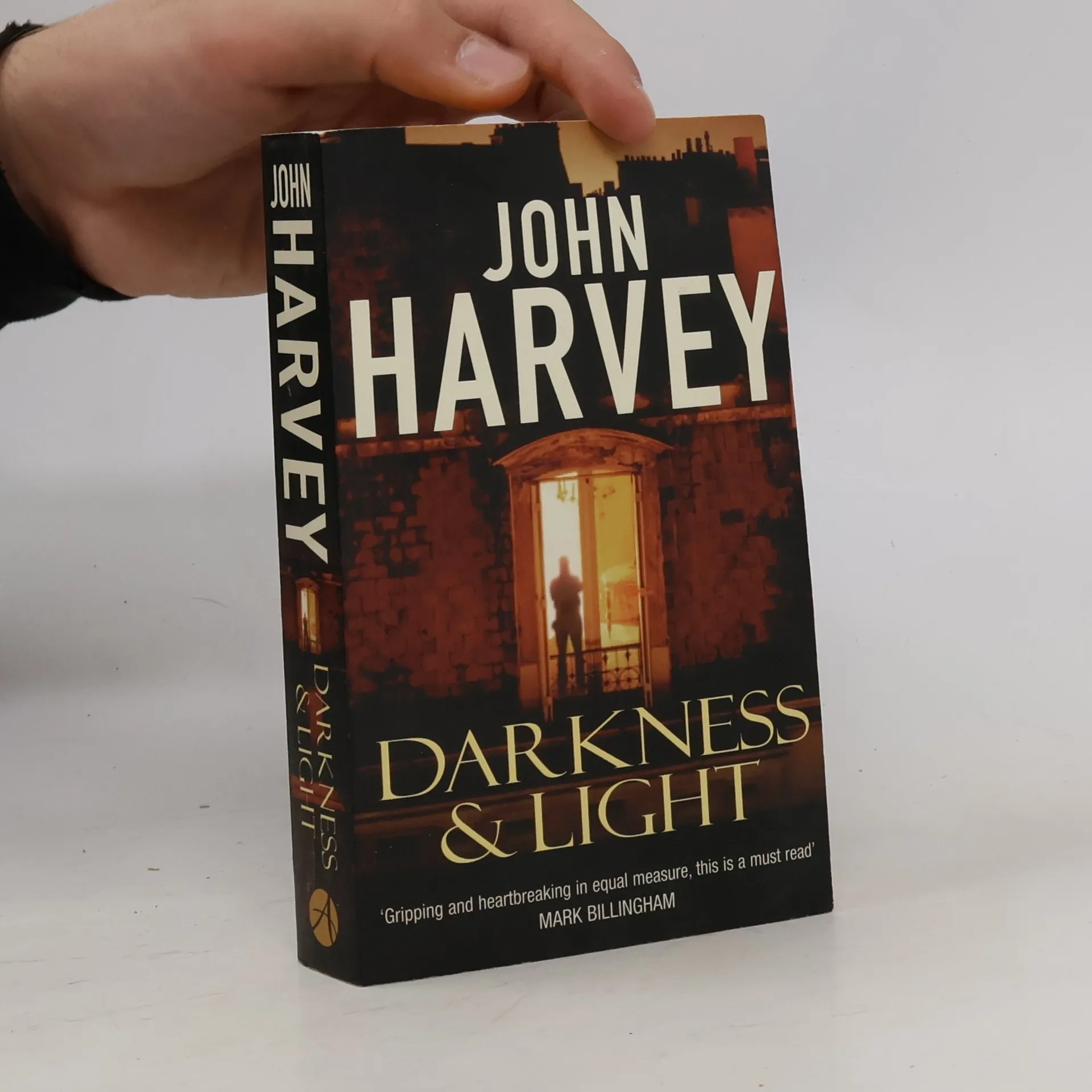
Darkness and Light
- 384 pages
- 14 hours of reading
Called once again out of retirement when his ex-wife asks for his help in locating a friend's missing sister, former cop Frank Elder uncovers disturbing secrets about the woman's sexual life before discovering her dead at home.
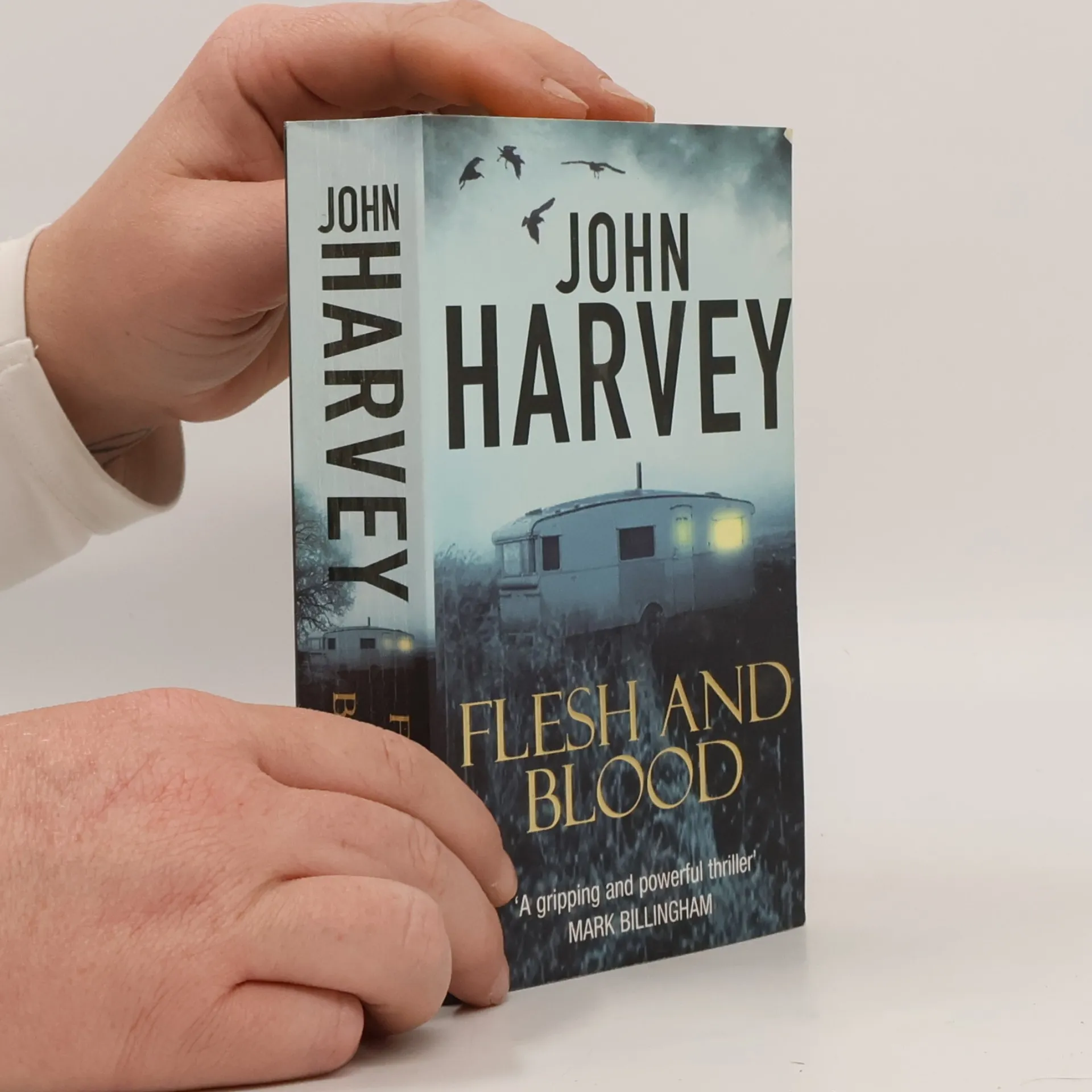
Flesh and Blood
- 453 pages
- 16 hours of reading
Following his wife's betrayal and his own retirement from the force, Detective Inspector Elder has fled as far as it is possible to go in England without running out of land. But he is haunted by the past and in particular by the unsolved disappearance of 16-year-old Susan Blacklock back in 1988.
Gone to Ground
- 464 pages
- 17 hours of reading
From one of Britain’s leading crime writers — Flesh and Blood, Ash and Bone — comes his new book — sure to go straight to the top of the bestseller lists.Will’s first thought when he saw the man’s face: it was like a glove that had been pulled inside out.When police detective Will Grayson and his partner, Helen Walker are called upon to investigate the violent death of Stephen Bryan, a gay Cambridge academic, their first thoughts are of an ill-judged sexual encounter, of rough trade gone wrong.But as their investigation widens, their attention focuses on the biography Bryan was writing about the life and death of fifties film star, Stella Leonard, whose death from drowning, when the car she was driving skidded mysteriously off a lonely Fenland road, uncannily echoed the climax of her most notorious film, Shattered Glass.With Bryan’s journalist sister egging them on, and bringing herself into mortal danger as she conducts her own investigation, Will and Helen gradually peel away the secrets of a family blighted by a lust for wealth and power and its own perverted sexuality.
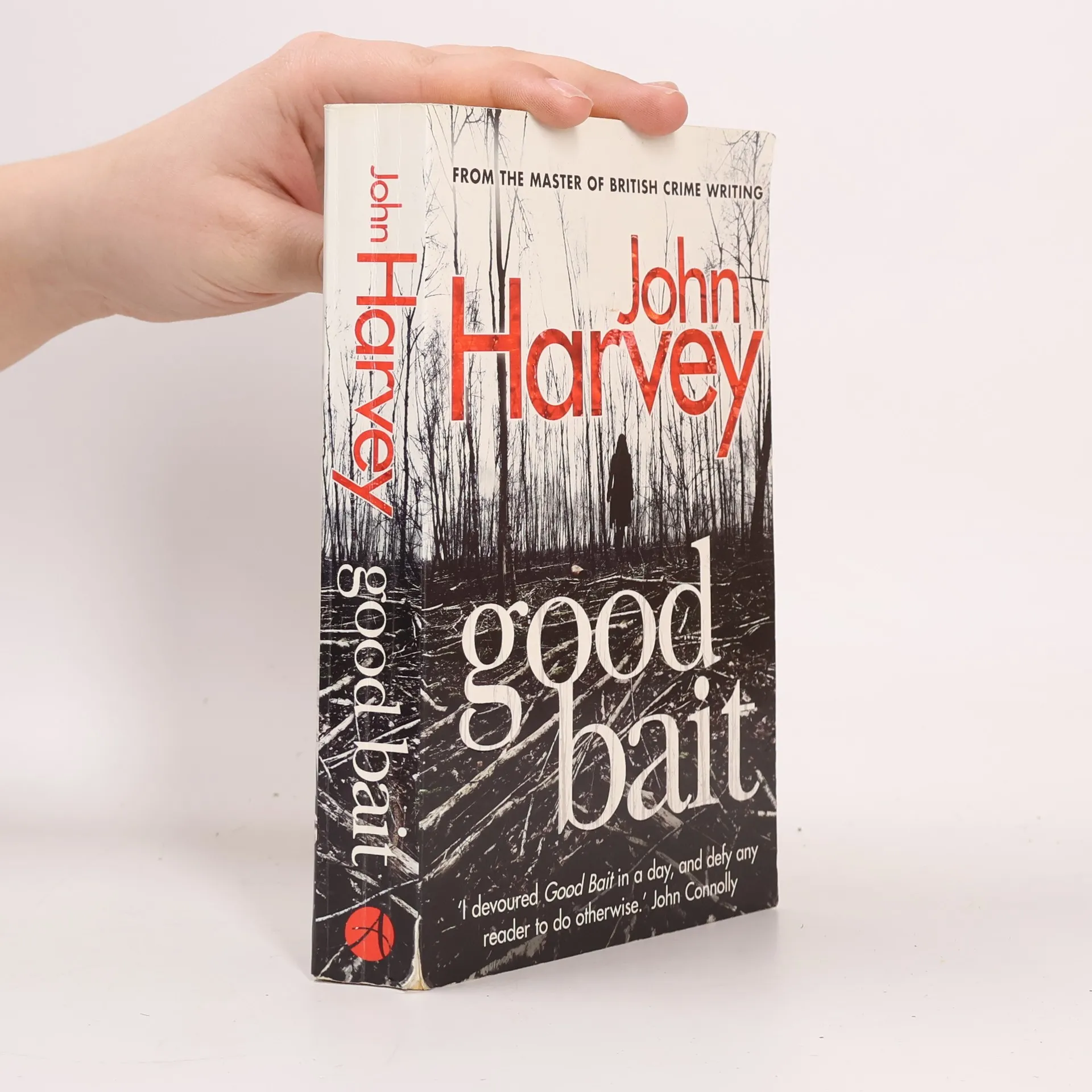
Good Bait
- 404 pages
- 15 hours of reading
When a 17-year old Moldovan boy is found dead on Hampstead Heath, the case falls to DCI Karen Shields and her Homicide & Serious Crime Unit. What she doesn't know is that her new case is tied inextricably to a much larger web of gang warfare and organised crime which infiltrates almost every aspect of London society.
The Plantagenets
- 255 pages
- 9 hours of reading
'A portrait gallery of medieval English sovereigns, illustrated with many splendid photographs. Learned, informative and entertaining.' Peter Quennett, Daily Moil'In 13 chapters he has restated the characters of 13 Kings, going back to every discoverable source and taking his own line as to what should be accepted and what suspected . . . Mr. Harvey has revealed knowledge, memory and industry of a phenomenal order.' Arnold Palmer, Observer'Mr.Harvey uses only facts that are accepted by the best contemporary scholarship . . . and he does not distort them.' Times Literary Supplement'Sparkle and scholarship.' Books and Bookmen
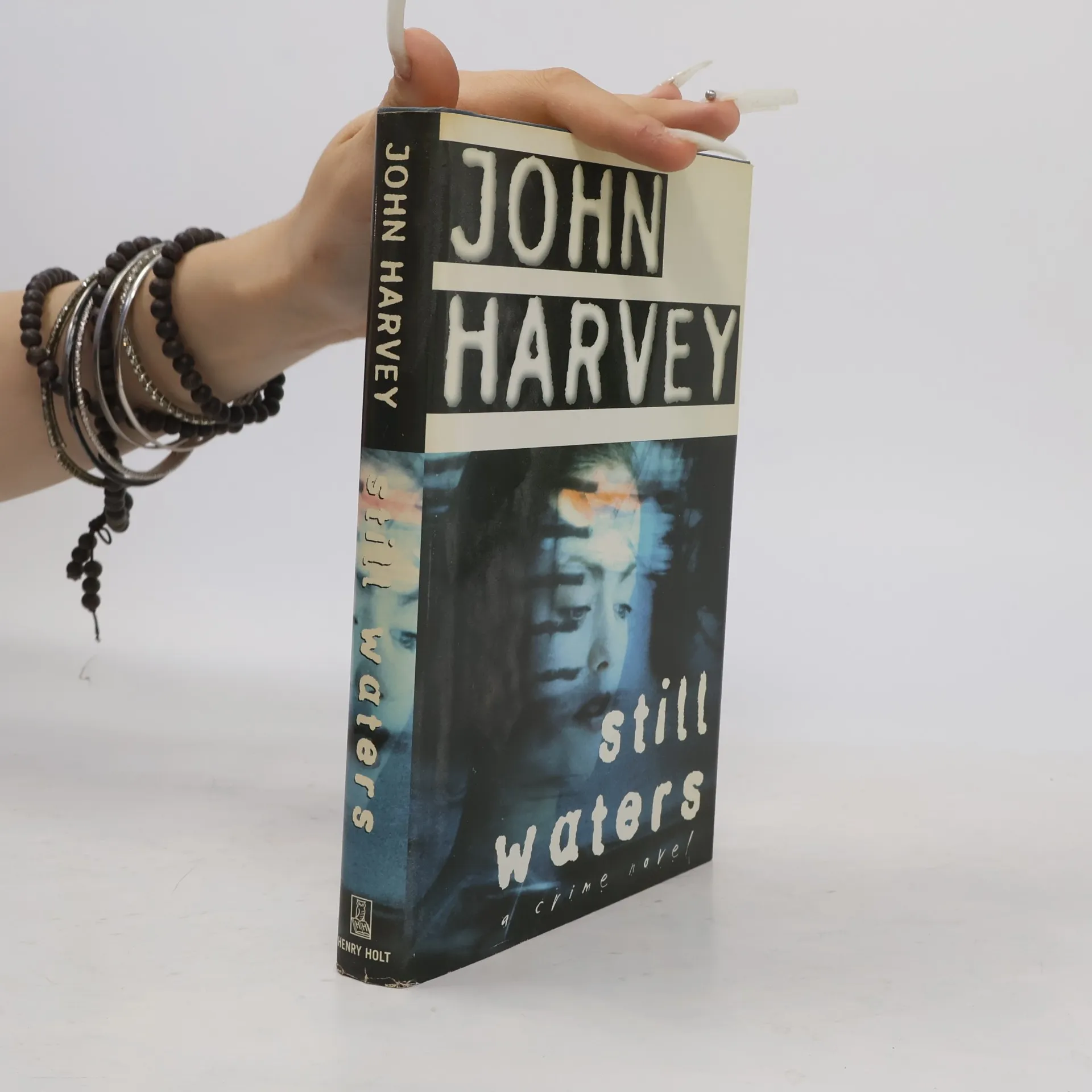
Still Waters
- 311 pages
- 11 hours of reading
When the battered body of a young woman is discovered, the second corpse that is found, Charlie Resnick becomes involved in the case because his lover had been acquainted with the victim and her abusive husband and investigates the brutality that sometimes accompanies love. 15,000 first printing.
Motorbooks Workshop: Big Book of Camaro Data 1967-1973
- 160 pages
- 6 hours of reading
The most thorough guide to Chevrolet's Camaro pony car ever published! Filled with data, this book covers all of the most collectible Camaros - the famous 1967-73 models. All of the information you're looking for is in here, including model codes, serial numbers, specs, options, prices, engines, paint colors, interior and exterior details, and a whole lot more!
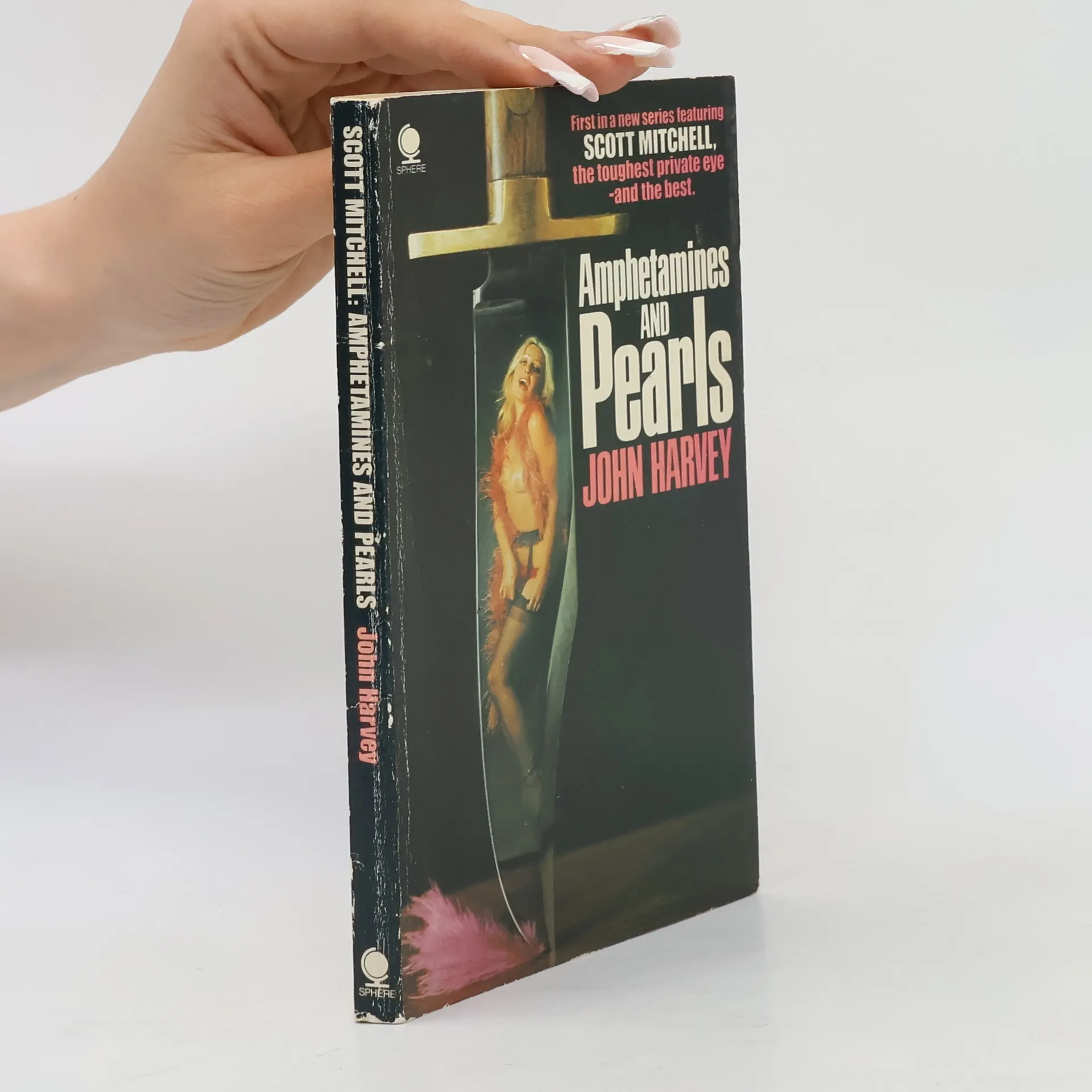
Amphetamines and Pearls
- 144 pages
- 6 hours of reading
The Black Prince and His Age
- 184 pages
- 7 hours of reading
Book by Harvey, John Hooper
Relajación total
- 191 pages
- 7 hours of reading
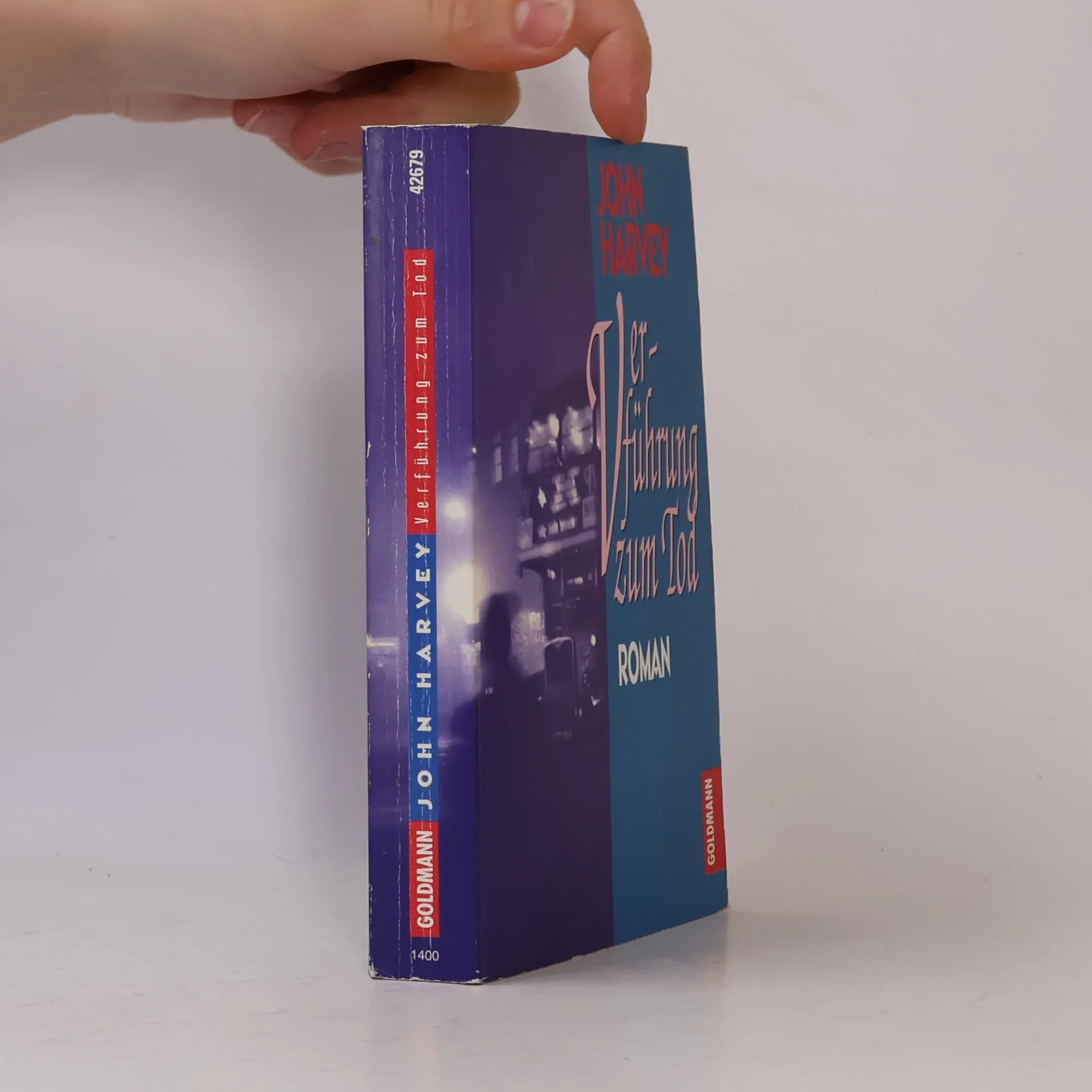
Verführung zum Tod
- 317 pages
- 12 hours of reading
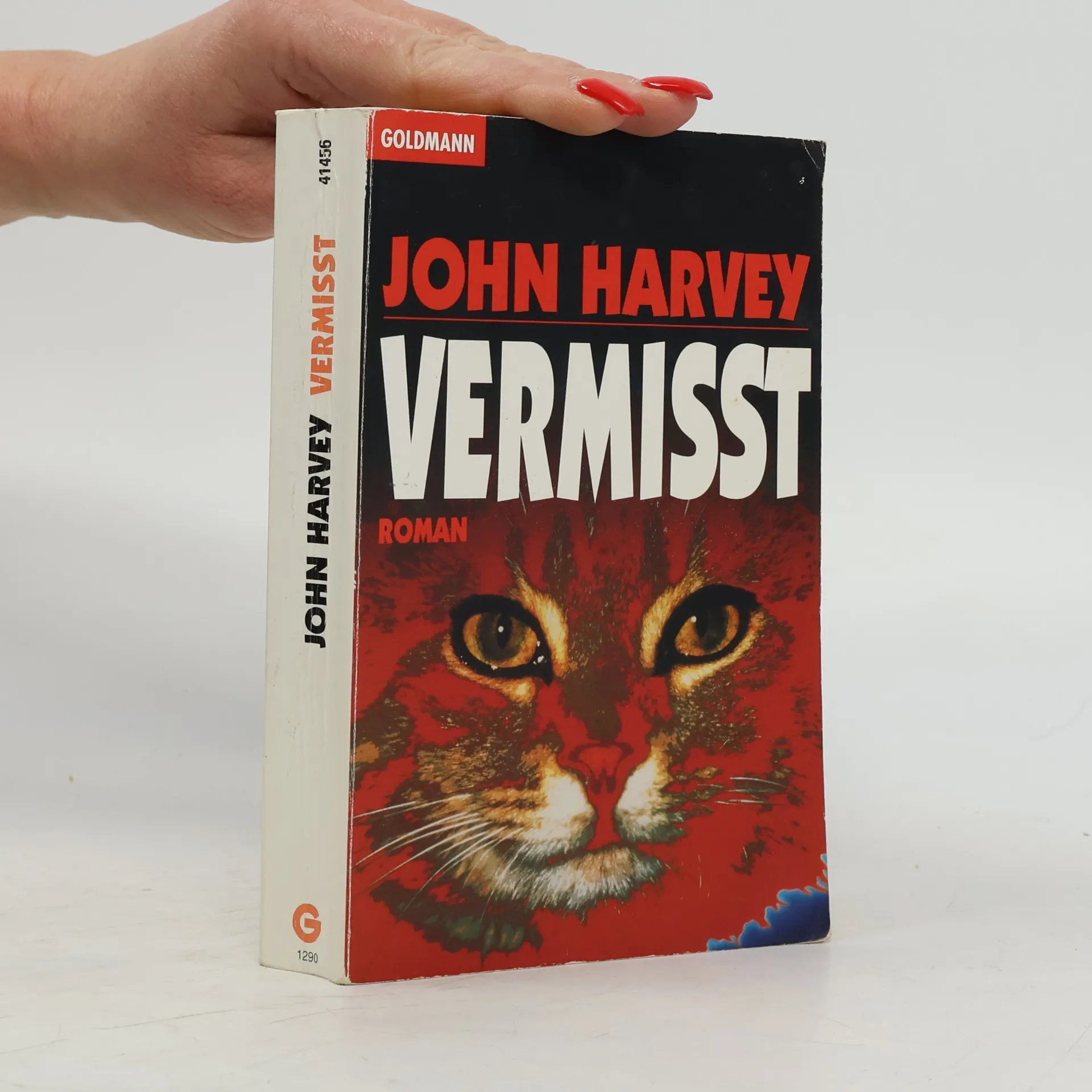
»Einer der 100 besten Krimis des 20. Jahrhunderts.« The Times Detective Inspector Charlie Resnick ist geschieden, übergewichtig, schlecht gekleidet und vernarrt in amerikanischen Jazz und seine vier Katzen. Er ist aber auch ein hervorragender Polizist mit viel Erfahrung. Als eine junge Frau erdrosselt aufgefunden wird, glaubt Resnick bald den Täter präsentieren zu können, denn ihr Ex-Freund hatte ihr schon oft mit dem Tod gedroht. Ein klassisches Eifersuchtsdrama? Doch ein zweiter, vergleichbarer Mord führt auf eine neue Spur: Der Mörder scheint seine Opfer in den Kontaktanzeigen der Tageszeitung zu suchen
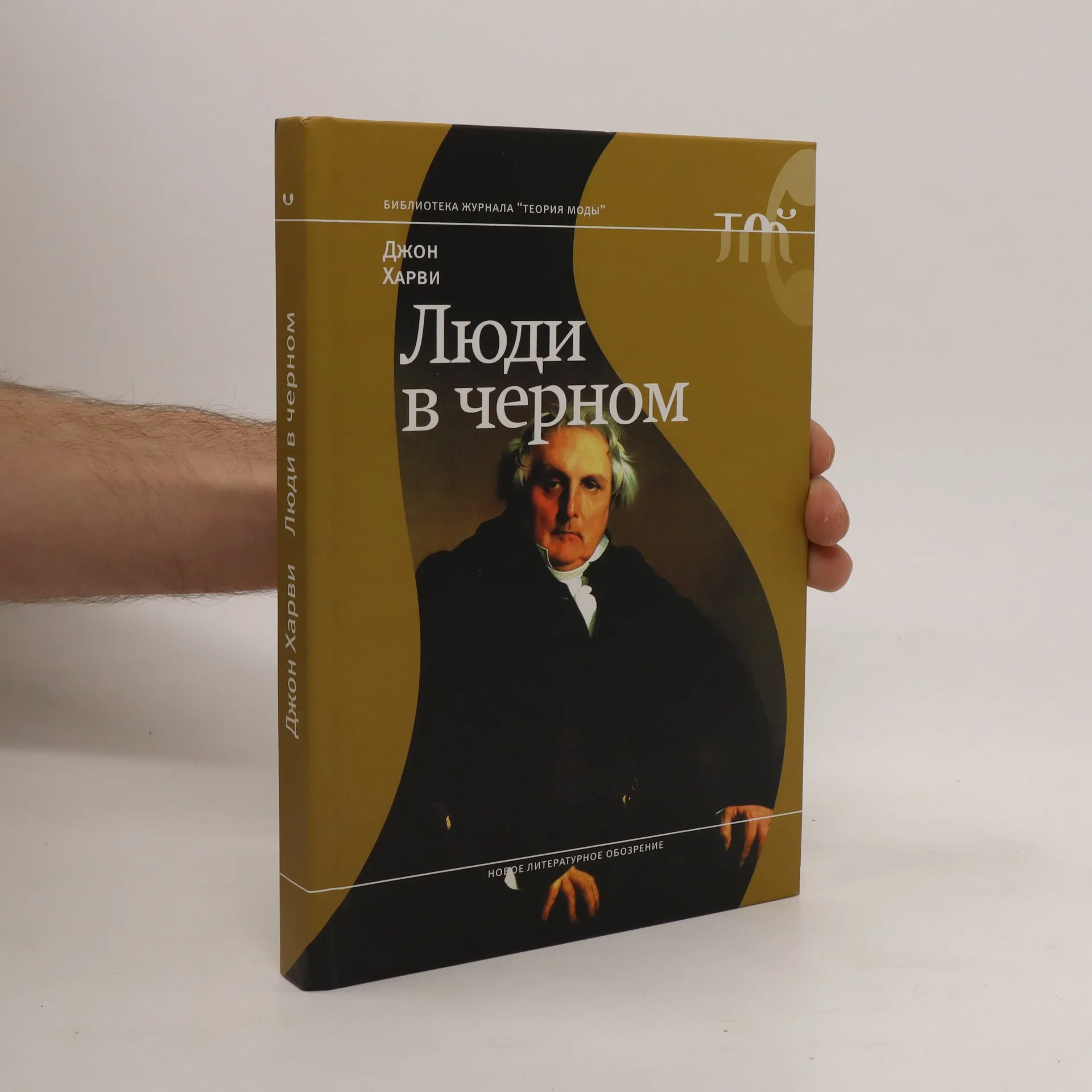
Люди в чёрном. Lyudi v chornom
- 299 pages
- 11 hours of reading
До XIX века мужчины и женщины одинаково прибегали к ярким цветам в костюме, выставляя напоказ кружева, дорогой бархат, тонкие шелка и вышивку, чрезвычайно нарядную обувь, прически, парики и шляпы с украшениями, а в XVIII столетии на равных пользовались пудрой, румянами и прочей косметикой. В XIX веке мужчины отступили в тень, оставив яркость и пестроту женщинам. В историю моды этот "уход" вошел как "великий отказ мужчин". Цвет превратился в орудие гендерной дифференциации, четко отделив "светлых" женщин (согласно представлениям эпохи, подобных ангелам. Облаченным в белые одежды) от "темных" мужчин, вынужденных по роду занятий вращаться в большом "нечистом" мире и одетых в черные официальные костюмы. Основываясь на многочисленных примерах из литературы и живописи, Джон Харви рассматривает тип людей (преимущественно мужчин) в черном и анализирует многообразные смыслы, которые приписывались этому многозначному цвету на протяжении веков.
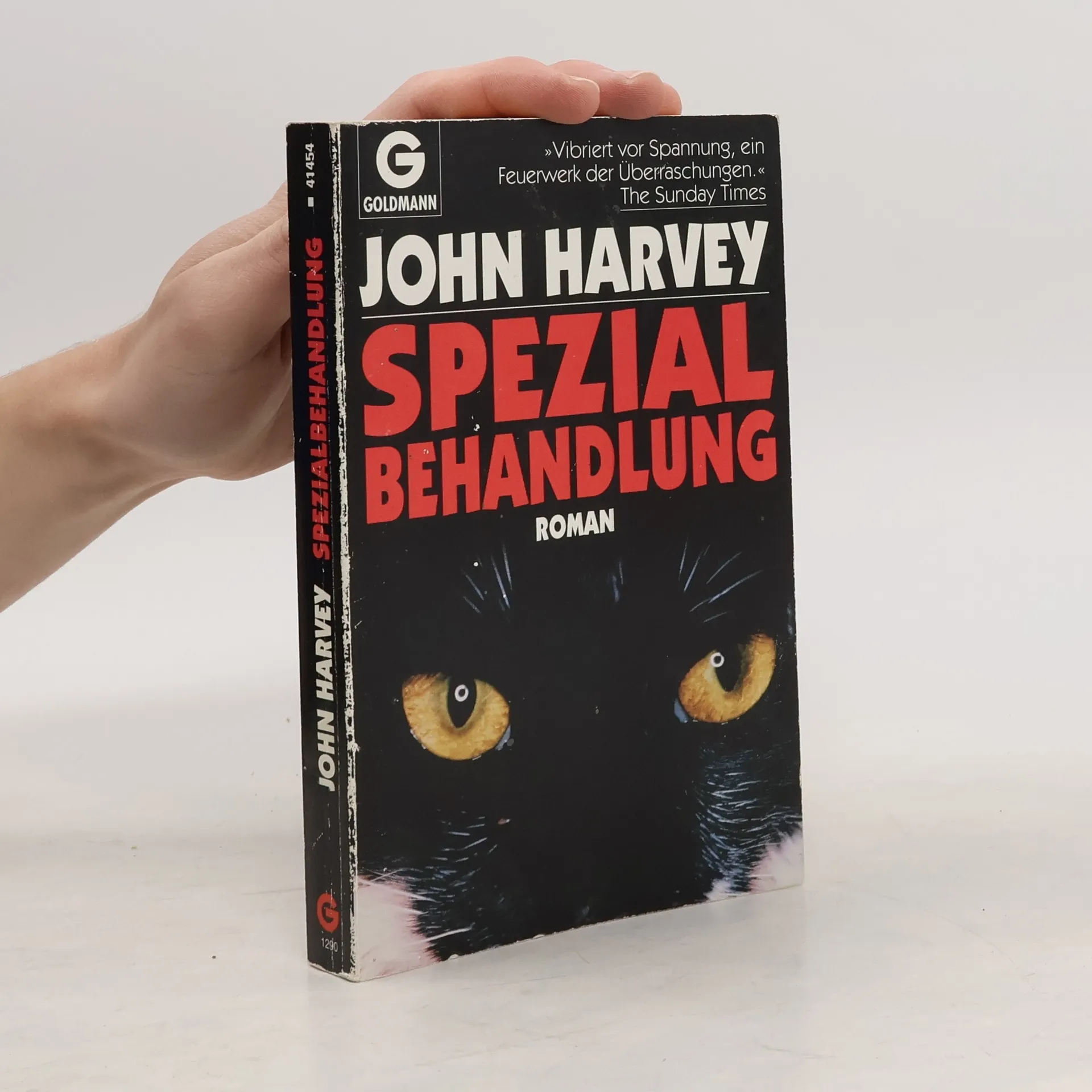
Spezialbehandlung. Roman
- 312 pages
- 11 hours of reading
Eine gestohlene Stradivari im New Yorker Central Park. Ein toter Rockstar in der Londoner U-Bahn. Ein Heiratsschwindler mit Duke-Ellington-Tick. Der Mann, der auf Beggars Banquet mit Keith und Brian »Uh, uh« sang. Und wie ein Gangsta-Rap zum Stone-Cold-Killah wird. Ein Arrangement literarischer Genres (Kriminalstory, Gedankenprosa, Erinnerung, Vision) und musikalischer Stile (Klassik, Jazz, Blues, Rap, Avantgarde).
Charlie Resnick: Kind vermist
- 304 pages
- 11 hours of reading
De verdwijning van twee kleine meisjes zet het hele politie-apparaat van een Engelse stad in beweging.
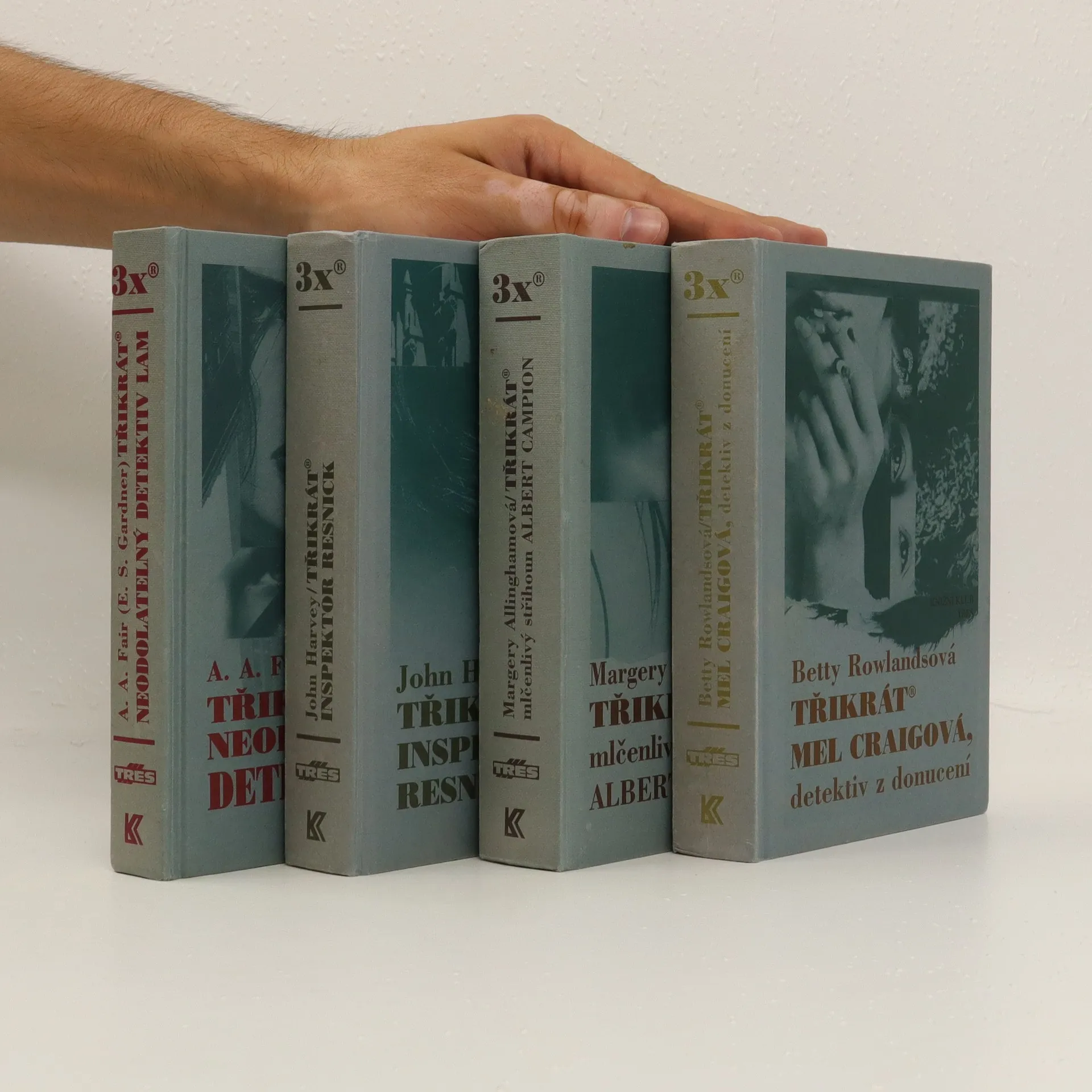
Třikrát inspektor Resnick
- 476 pages
- 17 hours of reading
Jazzman Charlie Resnick opět v akci. Tři detektivní romány ze současného anglosaského prostředí. Kniha obsahuje tyto příběhy: Dokonalý důkaz, Bludný kruh a Poslední rozloučení.
Kriminální případy ve středoanglickém městě vyšetřuje sympatický policejní inspektor se svým týmem. V prvním příběhu (Na ostří nože) jde o několik brutálních přepadení, jejichž stopy vedou do místní nemocnice, ve druhém (Drobná úchylka) policie objasňuje složitý případ zabití a únosu dvou děvčátek a třetí příběh (Studené světlo), odehrávající se o Vánocích, obsahuje pátrání po mladé ženě, unesené psychopatickým vrahem. Protagonistou je detektiv-inspektor Charlie Resnick, Angličan polského původu, osamělý muž středních let, milovník jazzu a vlastník čtyř kocourů, metodický vyšetřovatel a chápavý nadřízený svých kolegů. Autor úspěšně navázal na tradici anglické detektivní školy: čtenář je seznámen s psychologií detektivů i podezřelých a postupně uváděn do děje plného napětí a drobných lidských příběhů; odměny se mu dostane v podobě vyřešení všech záhad a ještě si stačí oblíbit i hlavního inspektora. Detektivní román, jak má být.
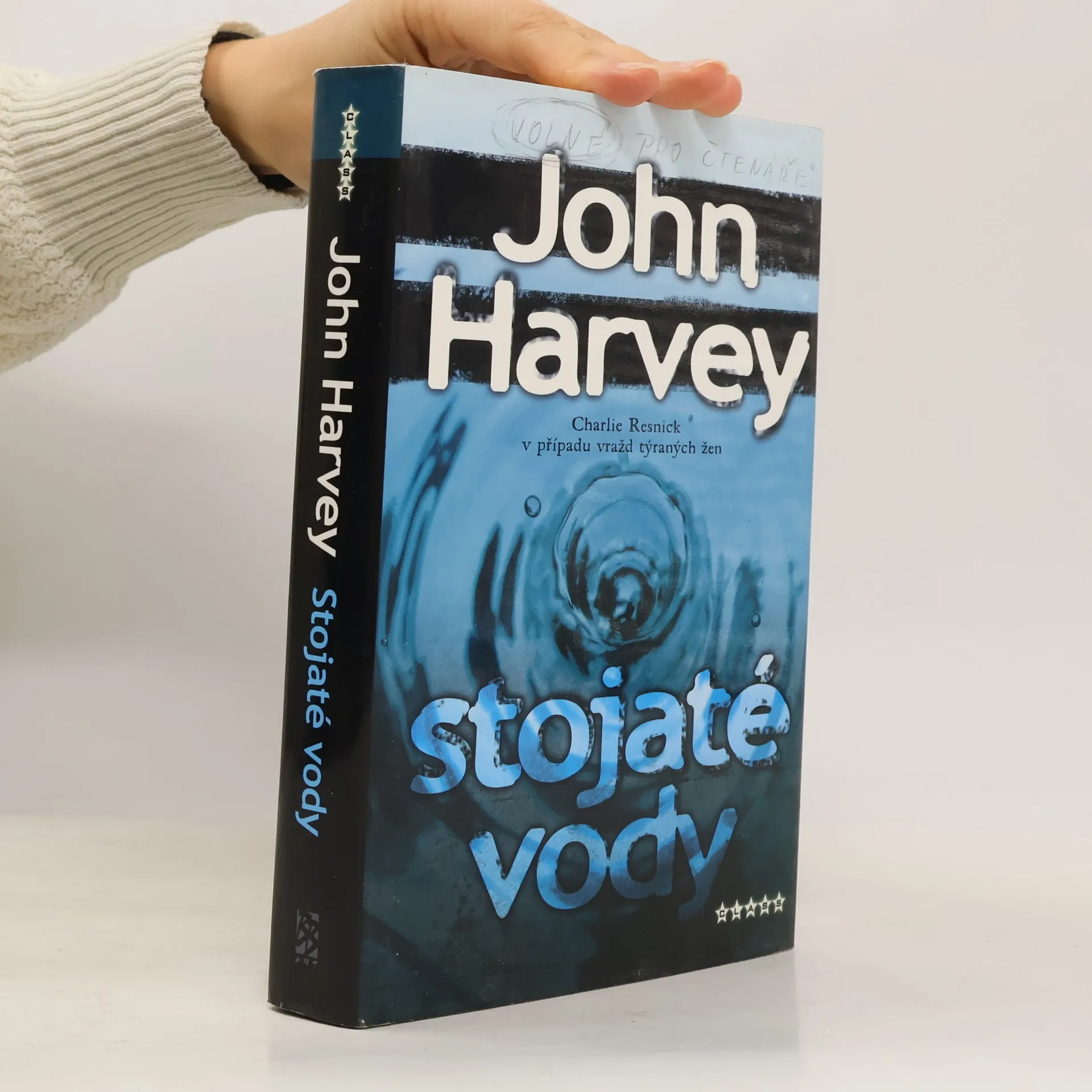
Stojaté vody
- 301 pages
- 11 hours of reading
V kalných vodách městského říčního kanálu je nalezena mrtvola zbité mladé ženy. Policie má podezření na sériového vraha, což případ přesouvá do kompetence nově vytvořené jednotky specializované na závažné zločiny. Nikoli tedy na stůl Charliemu, toto není jeho starost. Brzy je však nalezena další mrtvola, a tentokrát je Charlie na případu osobně zainteresován. Jeho přítelkyně Hanna zavražděnou znala a věděla také o silné žárlivosti jejího manžela. I o tom, jak nechodí pro ránu pěstí daleko. Hanna Charlieho přesvědčuje, že se její kamarádka stala obětí domácího násilí, nikoli cílem anonymního zabijáka. Nakonec ho přemluví, aby se případu ujal.
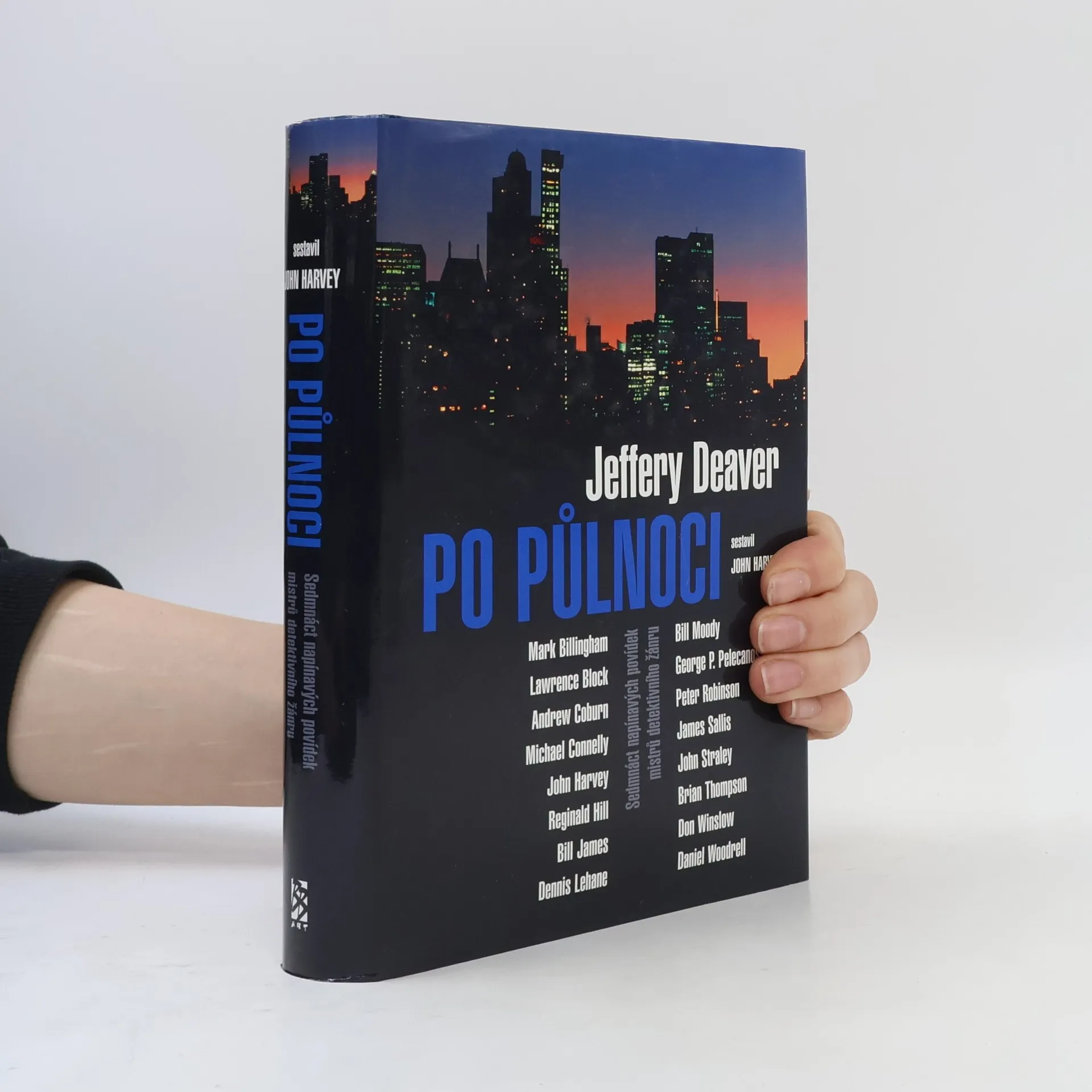
Po půlnoci. Sedmnáct napínavých povídek mistrů detektivního žánru
- 406 pages
- 15 hours of reading
Co znamená být otcem? Co znamená být synem? Co znamená být mužem? V knize Po půlnoci odpovídá na tyto otázky sedmnáct mistrů detektivního žánru nejrůznějším způsobem. Nacházíme zde světy, které jsou okamžitě rozpoznatelné a věrohodné, avšak přesto velmi odlišné. V kulisách zanedbaného londýnského sídliště, zákopů první světové války, klaustrofobicky těsné zadní místnosti pro hráče pokeru nebo zchátralého jazzového klubu na Manhattanu spisovatelé popisují, co to znamená být mužem. Postavy z těchto povídek se snaží stanovit, co je správné, co jim dá pocit důstojnosti, co jim získá uznání a sebeúctu. Někteří jsou úspěšní, jiní selhávají. V této antologii vedle sebe stojí řada vybraná z nejlepších spisovatelů současného detektivního žánru. Výběr sestavil a úvodem opatřil John Harvey. Jeffery Deaver, Michael Connelly,Lawrence Block, Goerge P. Pelecanos, John Harvey, Bill Moody, Mark Billingham, Andrew Coburn, Reginald Hill, Bill James, Dennis Lehane, Peter Robinson, James Sallis, John Straley, Brian Thompson, Don Winslow, Daniel Woodrell.