

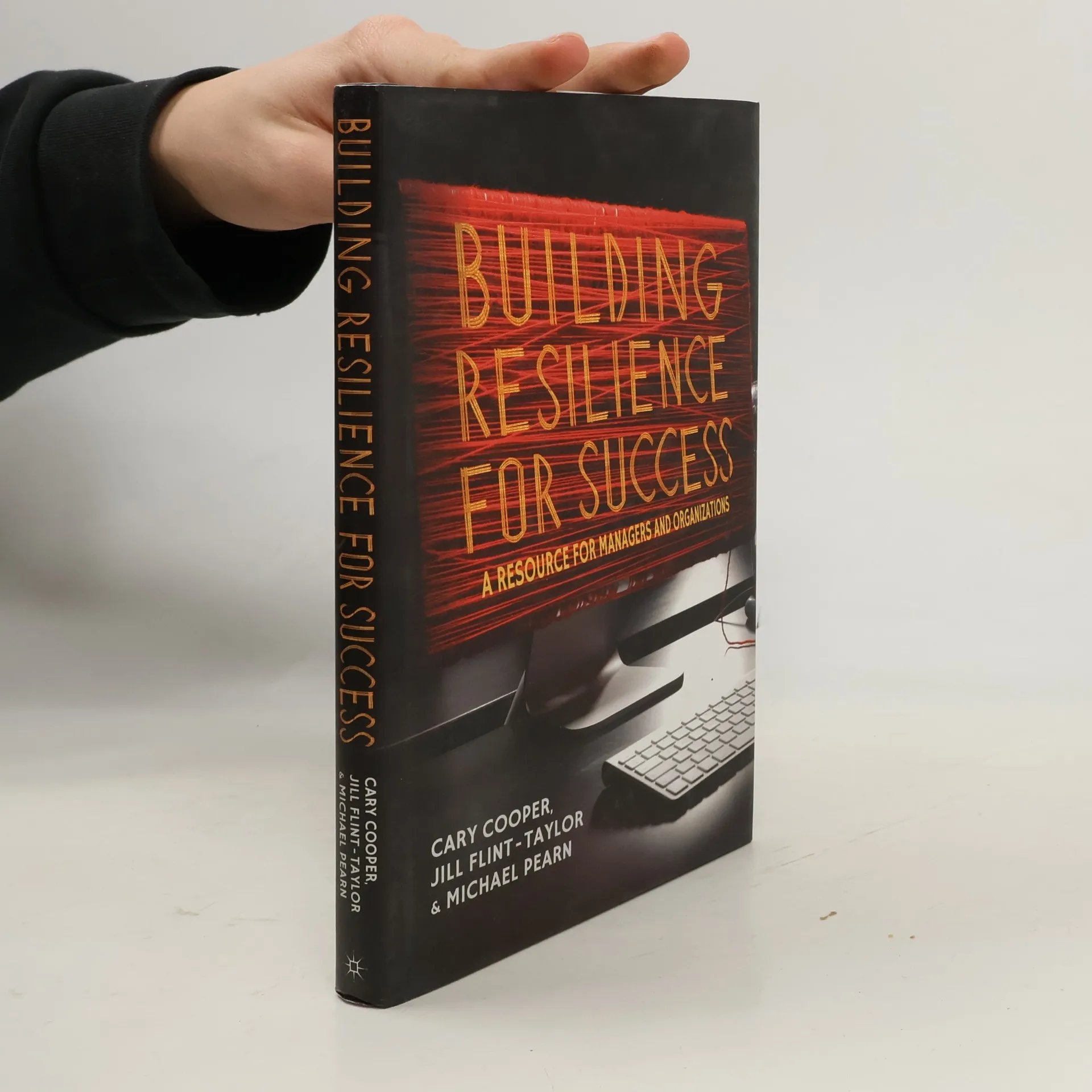
What can help employees to stay effective in the face of tough demands and difficult circumstances, and equip them to bounce back from setbacks? When it comes to workplace pressure, managers' actions can mean the difference between improving or permanently damaging resilience in the workforce. Drawing on contemporary research and professional case studies, the authors of this definitive guide examine the main sources of work related stress, and explore how personal resilience can be developed both within and outside the work context. They take the value of resilience beyond bouncing back, to include sustainable recovery, buffering against ongoing stress, and measurable benefits for business performance. The result is an expert resource for managers and professionals including human resource specialists, learning and development practitioners and organizational psychologists. It includes suggestions and proven techniques for commissioning, designing and delivering resilience-building solutions for the workplace.
Michael Pearn Book order (chronological)
This author delves into organizational dynamics and the psychology of work. His writing focuses on fostering learning organizations, ending blame cultures, and empowering team learning. Through his work, he offers profound insights into how individuals and teams can thrive in contemporary professional environments.
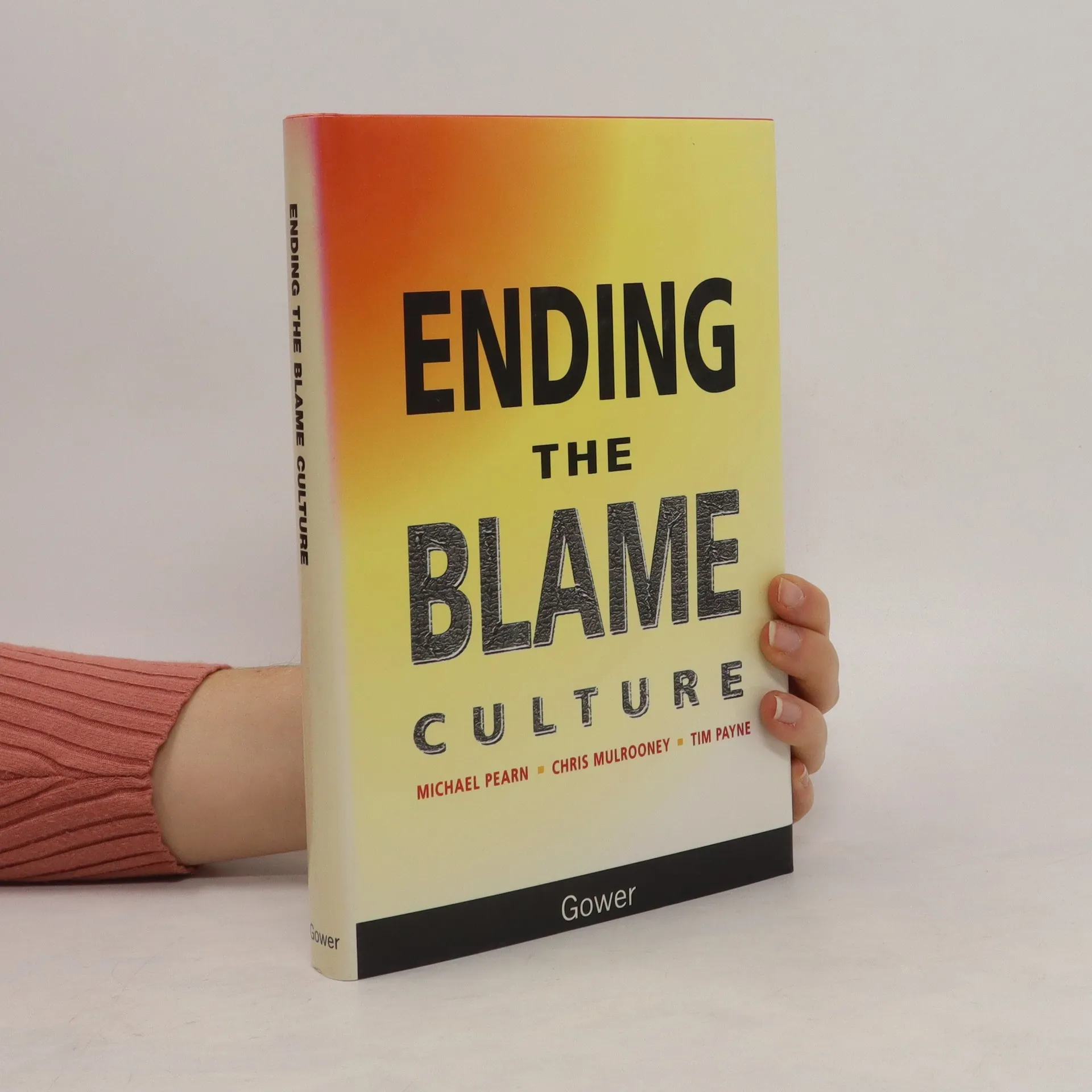
This book is about mistakes and what we can learn from them. It faces up to, and explains how organizations can escape from ’blame cultures’, where fearful conformance and risk avoidance lead to stagnation, to ’gain cultures’ which tolerate and even encourage mistakes in the pursuit of innovation, change and improvement. Ending the Blame Culture was written as a result of systematic analysis of the content of over 200 accounts of real mistakes within businesses and organizations. This analysis provides both insight and understanding into the type of mistakes made, the context they were made in and how they helped learning and development. As a result the authors are able to distinguish between intelligent and undesirable those which should be tolerated and those which must be avoided. The result is a book which gives sound advice on how individuals learn, practical measures that organizations can adopt to enhance learning through better management of mistakes, and the promotion of a culture which supports and fosters experimentation and risk taking.