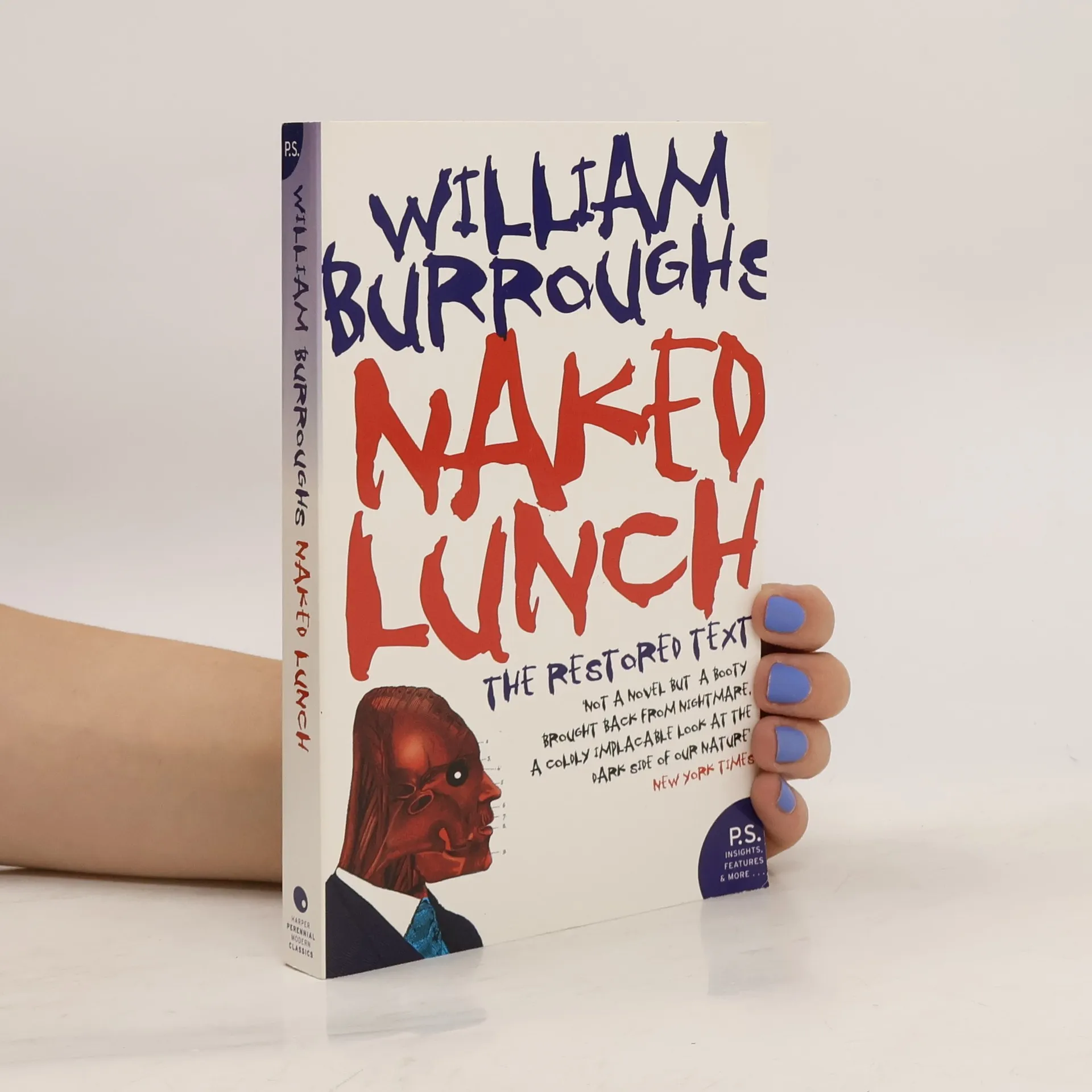
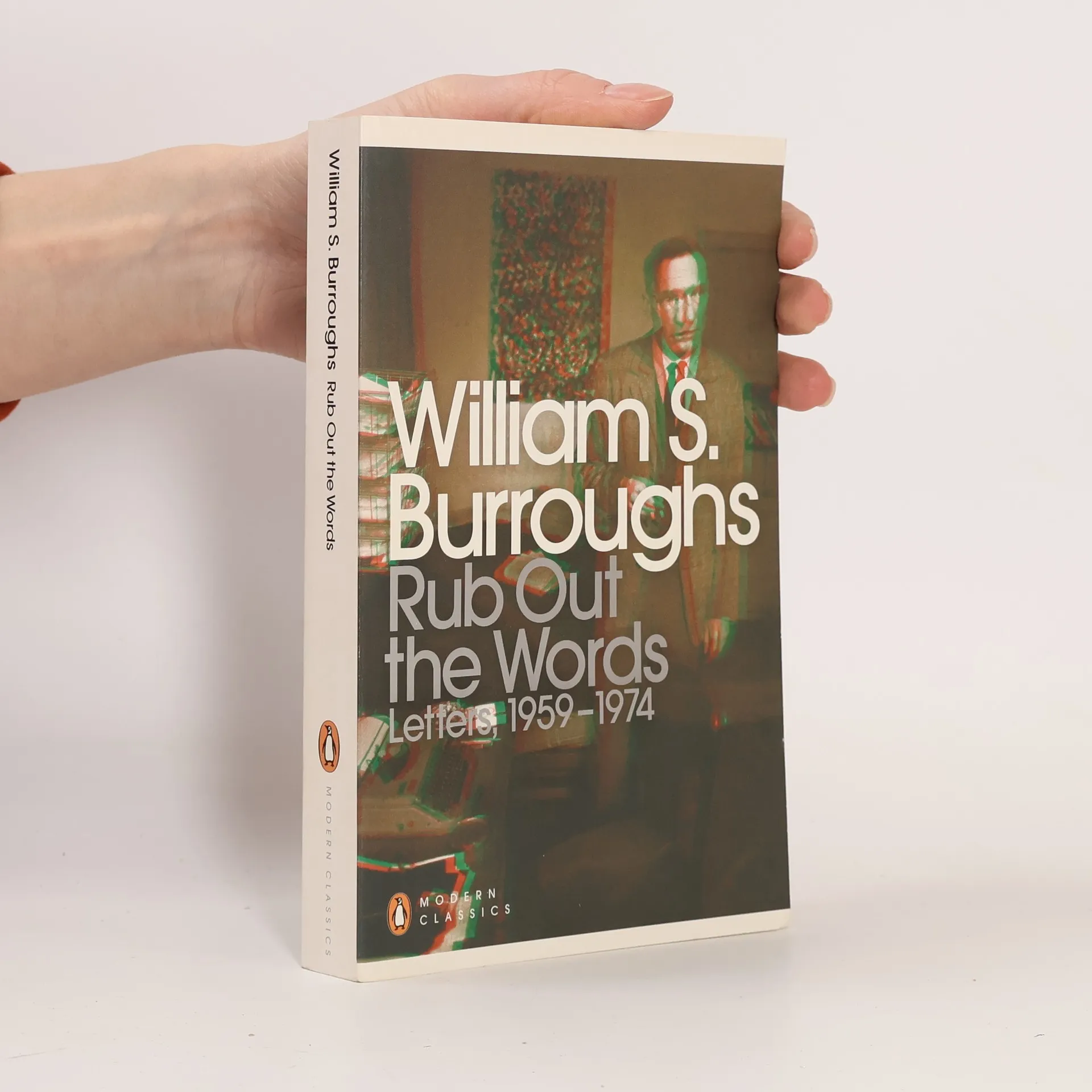
William S. Burroughs was a groundbreaking literary figure whose works like "Junky" and "Naked Lunch" transformed American culture. In this anticipated collection, editor Bill Morgan presents over three hundred letters from the early sixties to the mid-seventies, showcasing Burroughs' evolution away from the Beat circle and into a new creative community that solidified his status as an influential cultural leader. Addressed to notable figures such as Allen Ginsberg, Gregory Corso, Jack Kerouac, Timothy Leary, and his son Billy, these letters illuminate Burroughs' controversial artistic process, literary experimentation, and complex personal life. They also include correspondence with new friends in North Africa and Europe, such as Paul Bowles, Ian Sommerville, Michael Portman, Alex Trocchi, and surrealist artist Brion Gysin, whose "cut-up method" significantly impacted Burroughs' writing. This collection offers an intimate glimpse into the life of a misunderstood artist, presenting an unforgettable portrait of one of the twentieth century's most uncompromising literary personalities.
William S. Burroughs Books
William S. Burroughs was an American novelist, essayist, and performer, a pivotal figure of the Beat Generation and an influential postmodern author. His work, often drawing from personal experiences with drug addiction and violence, is characterized by sharp social critique and experimental literary techniques like the cut-up method. Burroughs gained notoriety for his novels that courted controversy and challenged the moral and political systems of his era. His influence extends beyond literature into popular culture, where he is lauded for his unique vision and subversive power.


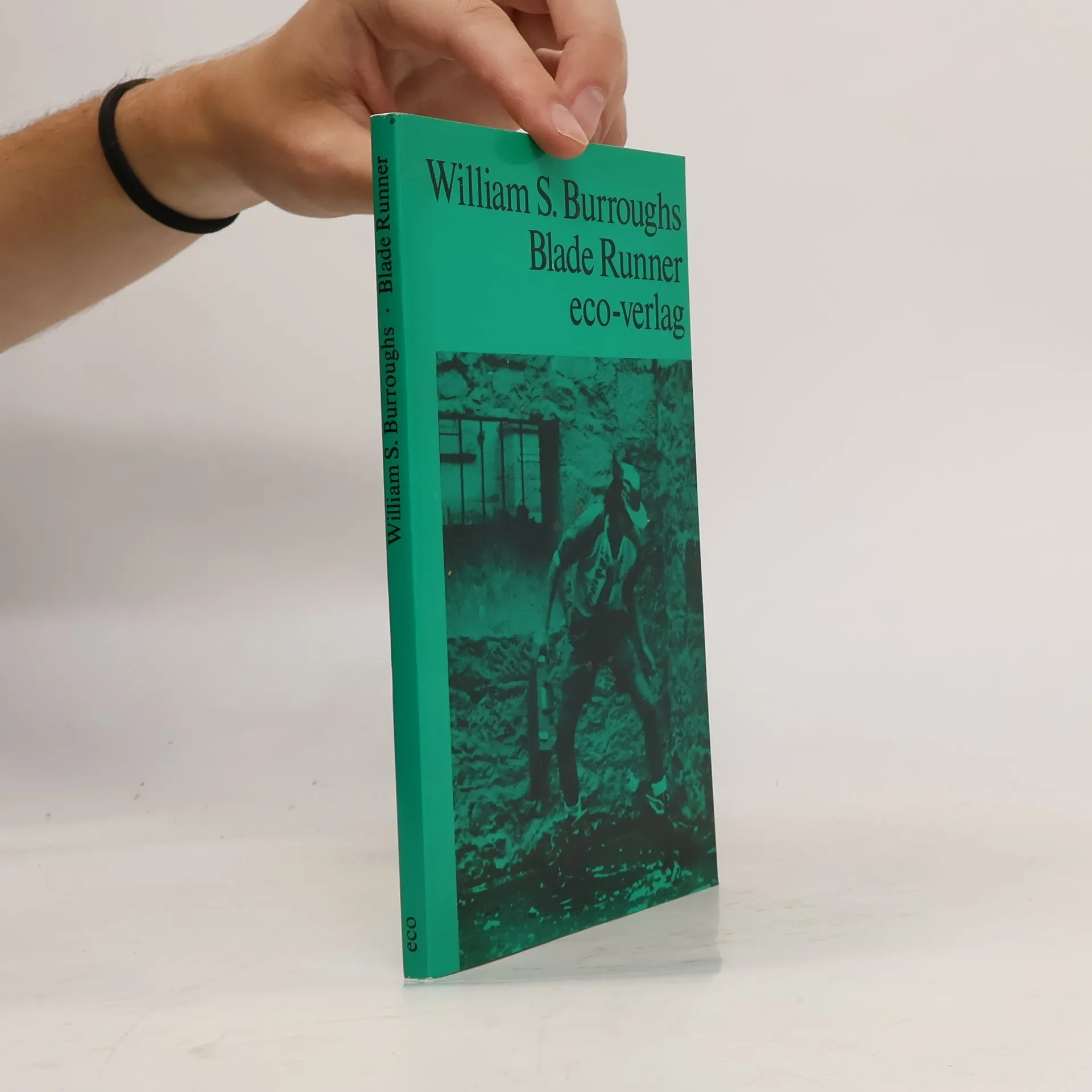
Blade Runner: A Movie (new Edition)
- 96 pages
- 4 hours of reading
The novella began as a story treatment for a proposed film adaptation of Alan E. Nourse's novel The Bladerunner. A later edition published in the 1980s changed the formatting of the title to Blade Runner, a movie. Burroughs' treatment is set in the early 21st century and involves mutated viruses and 'a medical-care apocalypse'. The term 'blade runner' referred to a smuggler of medical supplies, e.g. scalpels.
Dead Fingers Talk
- 320 pages
- 12 hours of reading
First published in 1963 and representing Burroughs's literary breakthrough in the UK, Dead Fingers Talk is, in the words of Burroughs scholar Prof. Oliver Harris, a prophetic work of haunting power, and is perhaps the most commercial and accessible of his works. Combining new material with selections from Naked Lunch and his cut-up novels The Soft Machine and The Ticket That Exploded, the book is also a fascinating precursor to remix and mash-up forms in art and music, which owe much to Burroughs's influence. This newly edited edition of Dead Fingers Talk, based on the restored text of the novel, will delight all Burroughs fans and lovers of experimental literature, and offer a new insight into the artistic process of one of the most original and influential writers of the twentieth century.
The Adding Machine
- 224 pages
- 8 hours of reading
The book promises sheer pleasure and entertainment, as highlighted by the "Chicago Sun-Times." It captivates readers with its engaging narrative and delightful characters, ensuring a wonderfully entertaining experience throughout.
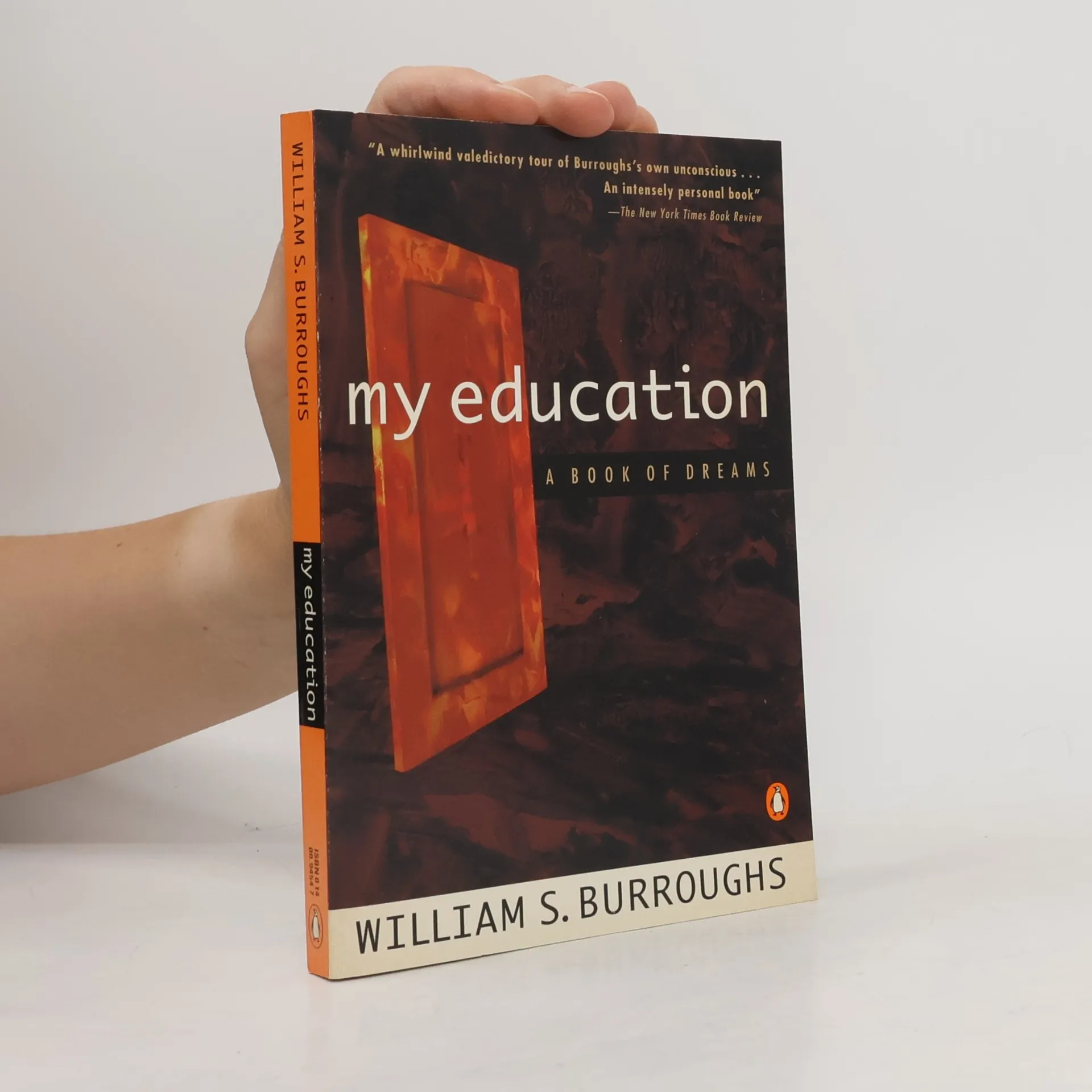
Exploring the realm of dreams, this final collection by William S. Burroughs offers a deeply personal glimpse into his psyche, blending the ordinary with the surreal. Over decades, he captures intimate moments with friends like Allen Ginsberg, alongside vivid, erotic, and bizarre visions. This work transforms dreams into a compelling narrative force, showcasing Burroughs's unique imagery and creative style, making it as close to a memoir as his literary legacy allows.
Climate
- 240 pages
- 9 hours of reading
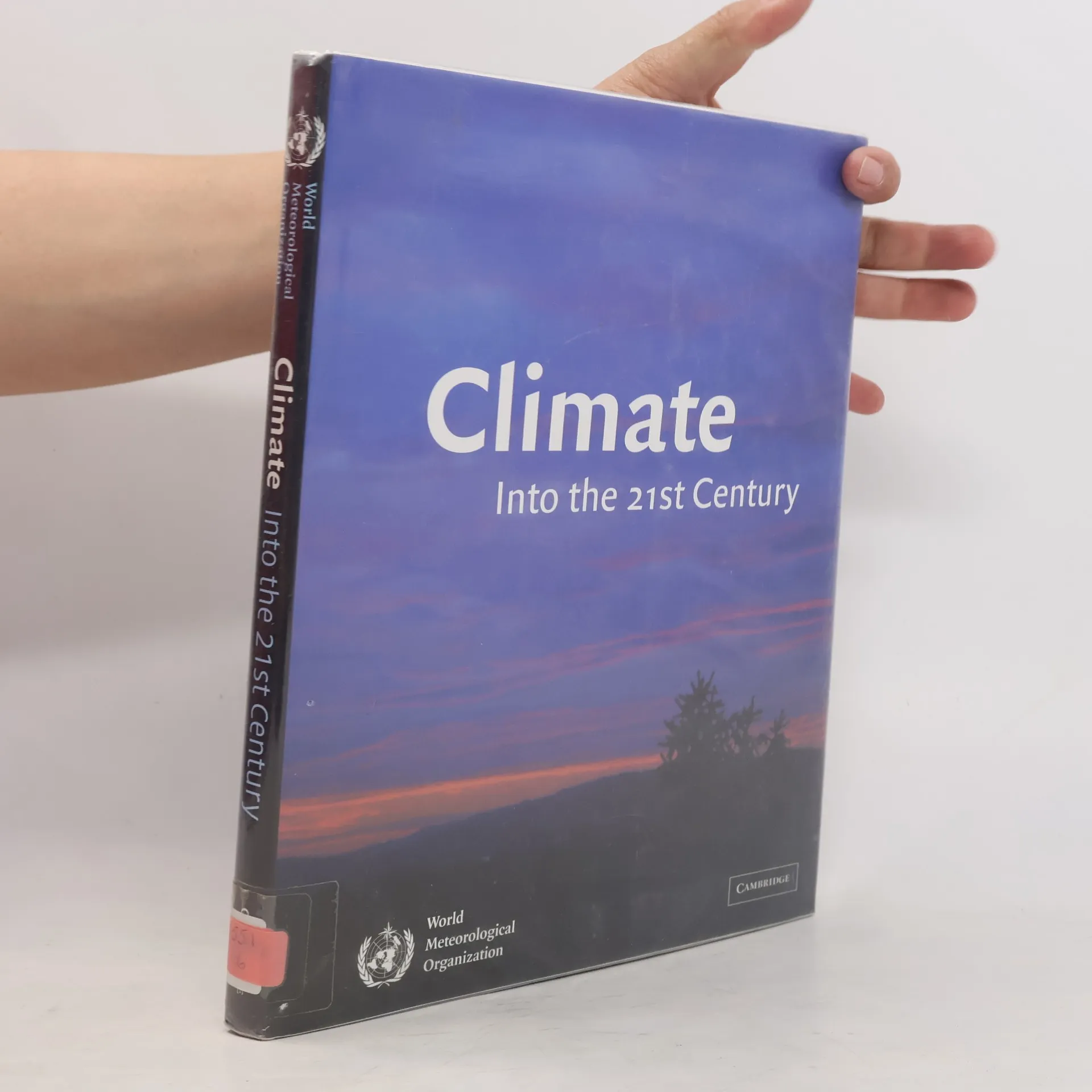
"Climate: Into the 21st Century" offers a collection of essays by top meteorological experts, detailing the global climate system of the 20th century. It highlights extreme climatic events, advancements in climate observation, and predictability. Illustrated and engaging, it's ideal for both general readers and educational use.
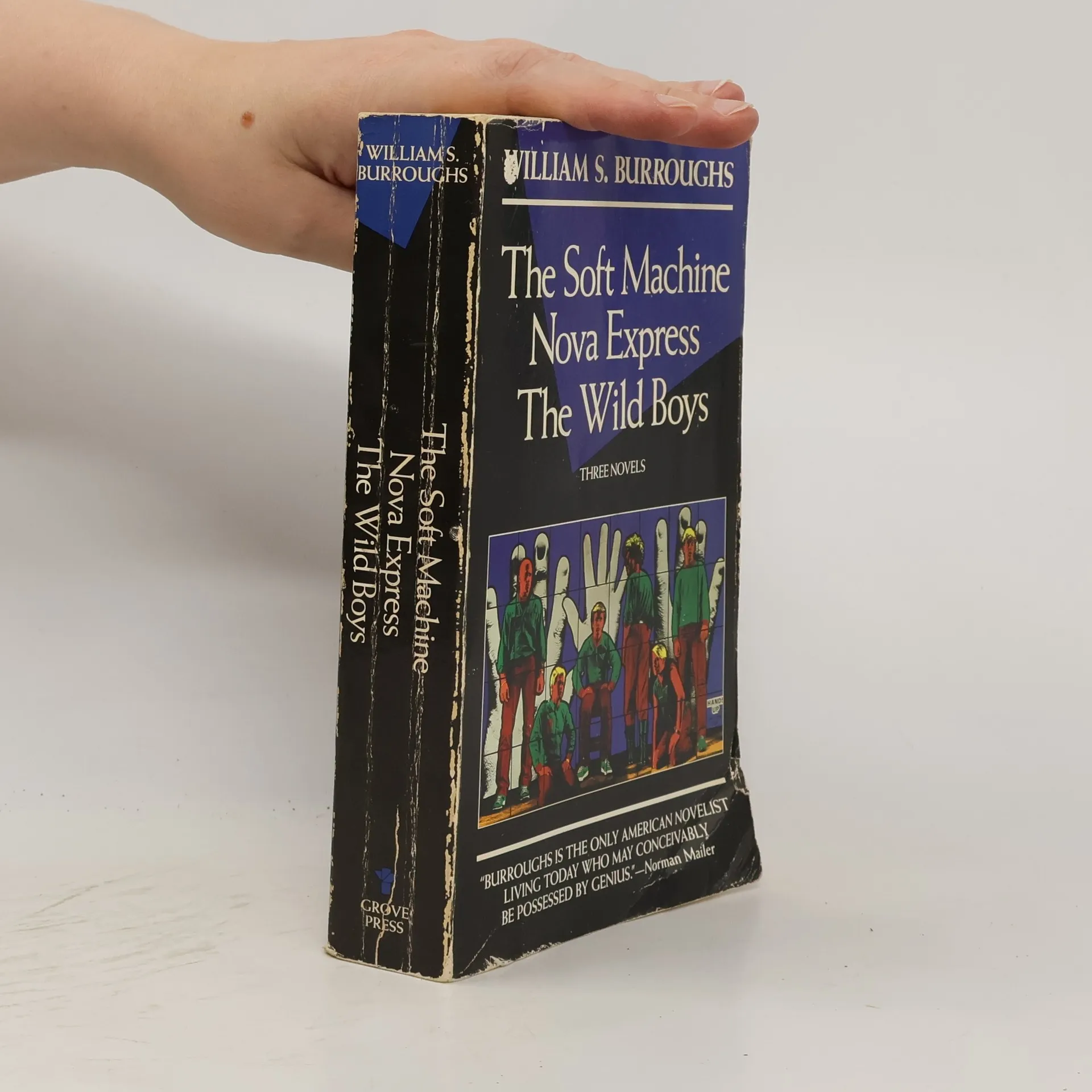
In Naked Lunch, William S. Burroughs revealed his genius. In The Soft Machine he begins an adventure that will take us even further into the dark recesses of his imagination, a region where nothing is sacred, nothing taboo. Continuing his ferocious verbal assault on hatred, hype, poverty, war, bureaucracy, and addiction in all its forms, Burroughs gives us a surreal space odyssey through the wounded galaxies in a book only he could create.
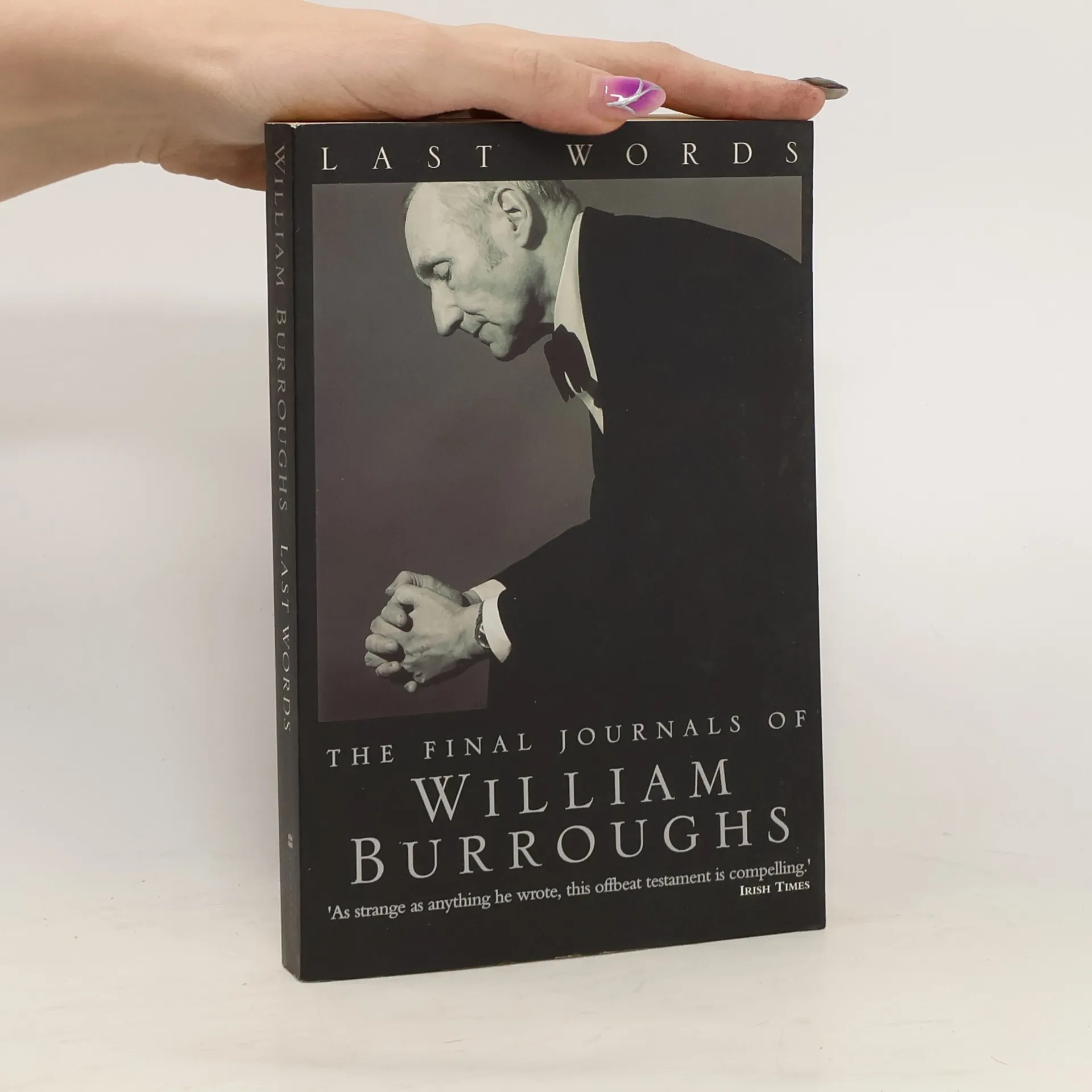
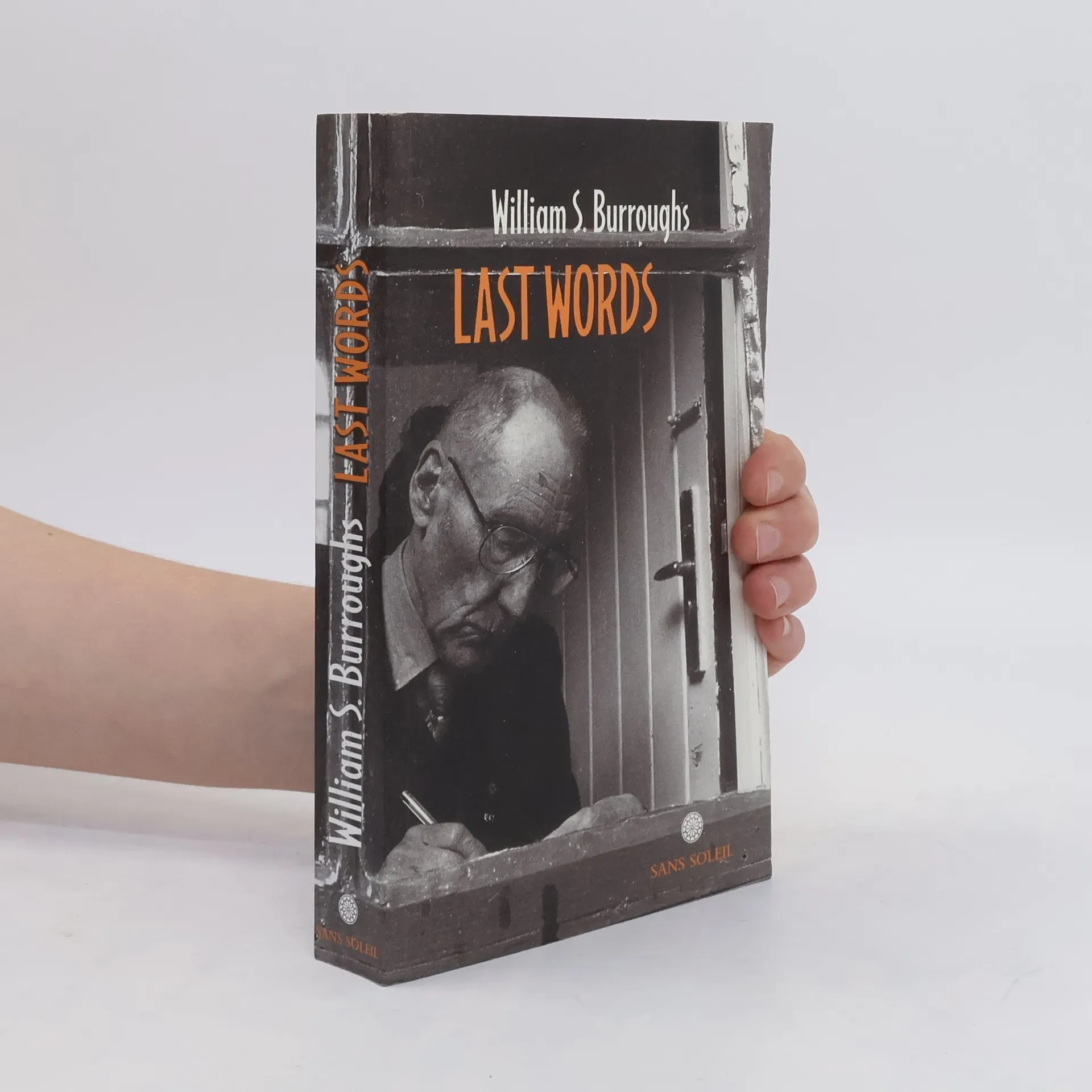
William Burroughs died in August 1997, after a lifetime of notoriety. In his final years, he was writing only in his journals. The last nine months of his diaries are here, in Last Words, and they form a complex, rarely seen, personal portrait of Burroughs at the end of his life, coming to terms with aging and death.
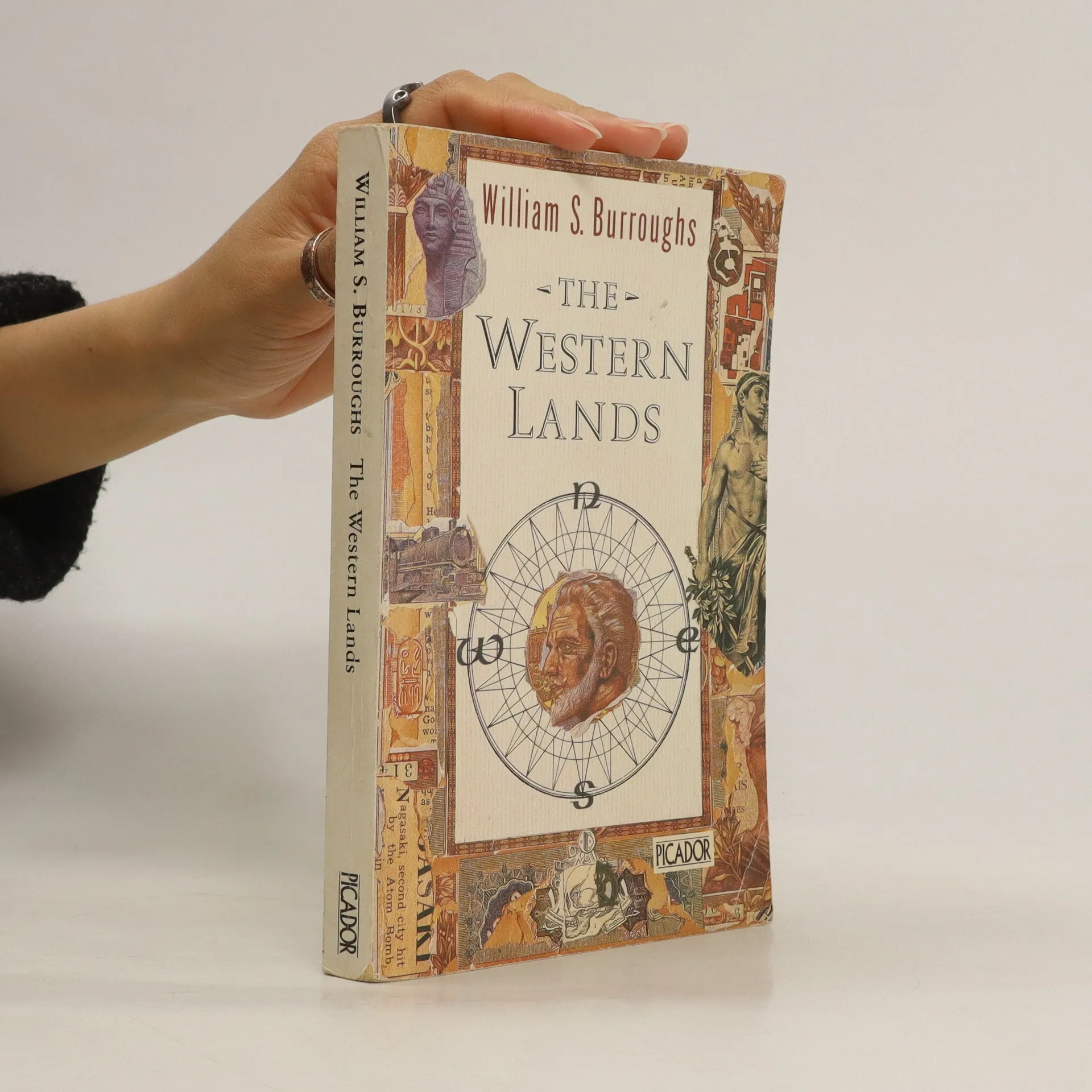
The Western Lands
- 272 pages
- 10 hours of reading
A mix of autobiographical episodes and extraordinary Egyptian theology
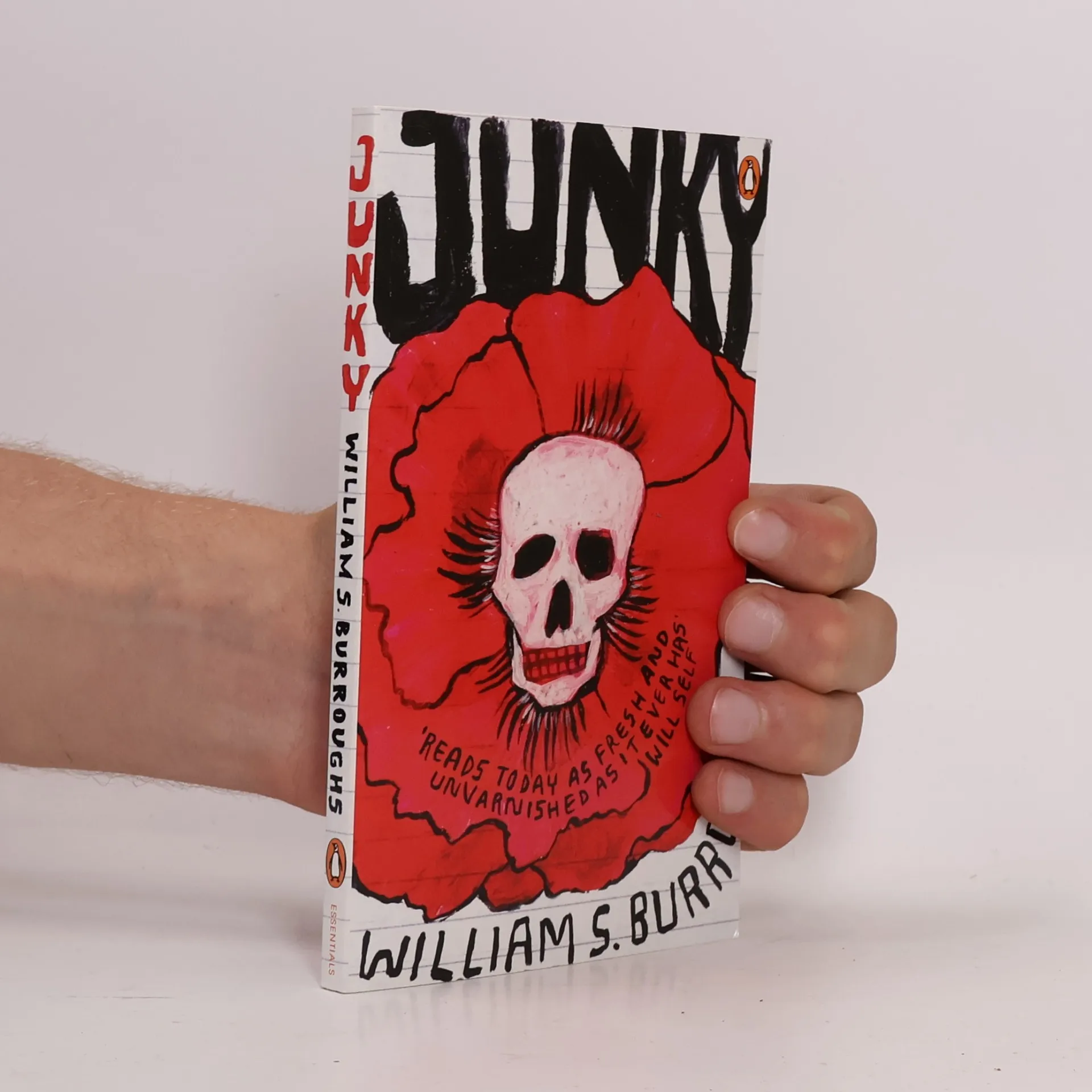
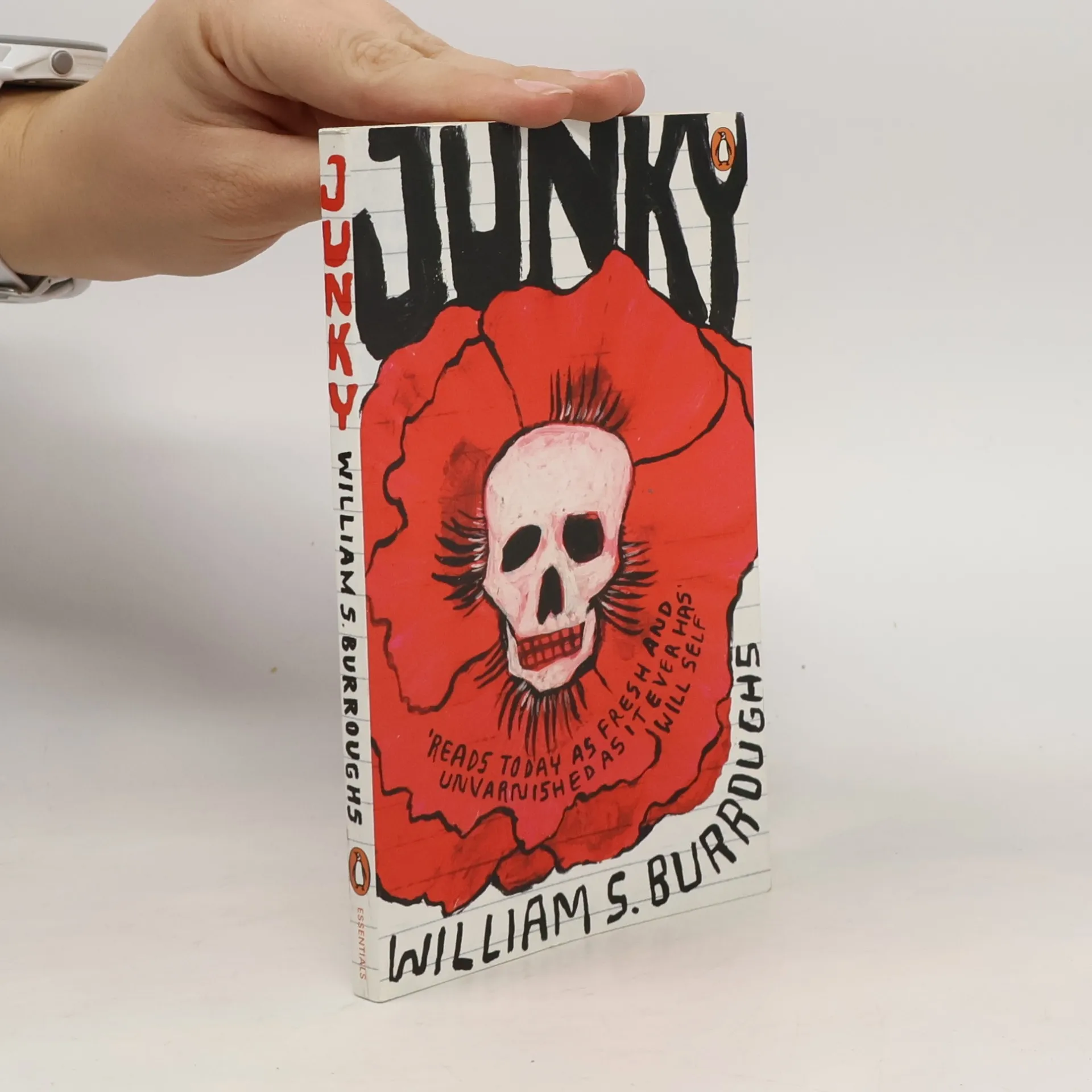
Based on the author's own experiences, Junky presents a vivid account of its protagonist's drug addiction in 1940s New York, from the initial bliss of taking morphine, through intense hallucinations and cravings, to the horrors of heroin withdrawal.
Junky
- 134 pages
- 5 hours of reading
'Junk is not, like alcohol or weed, a means to increased enjoyment of life. Junk is not a kick. It is a way of life' William Burroughs, legendary drug addict, founder member of the Beats and author of Naked Lunch, relates with unflinching realism the addict's life: from initial heroin bliss to an unabated hunger for the needle, and the horrors of cold turkey and back again. An original, first-hand account which outraged 50s America, Junky remains one of the most raw and mesmerising accounts of heroin addiction ever written. 'As vital and visceral as ever' Daily Telegraph
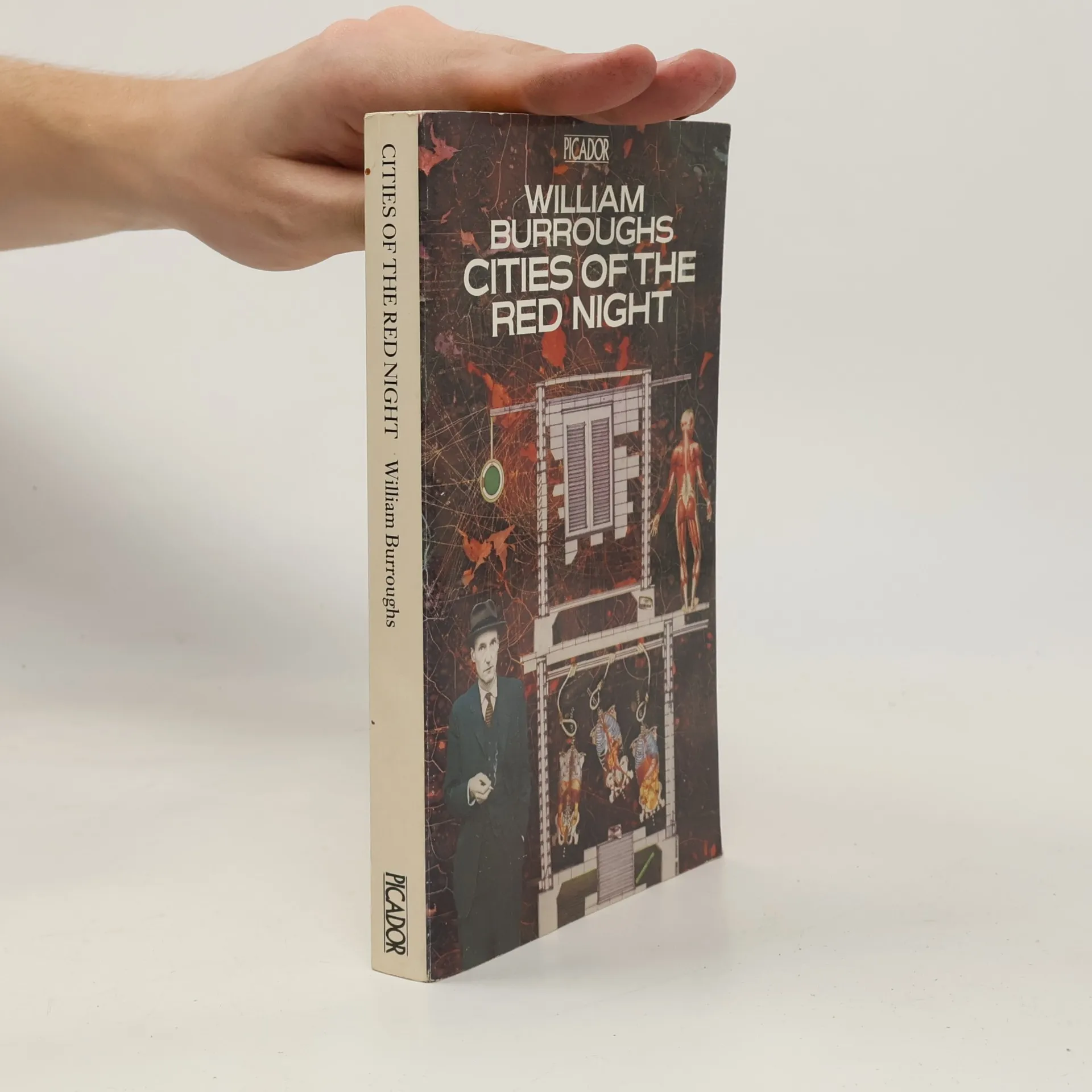
Cities of the Red Night
- 288 pages
- 11 hours of reading
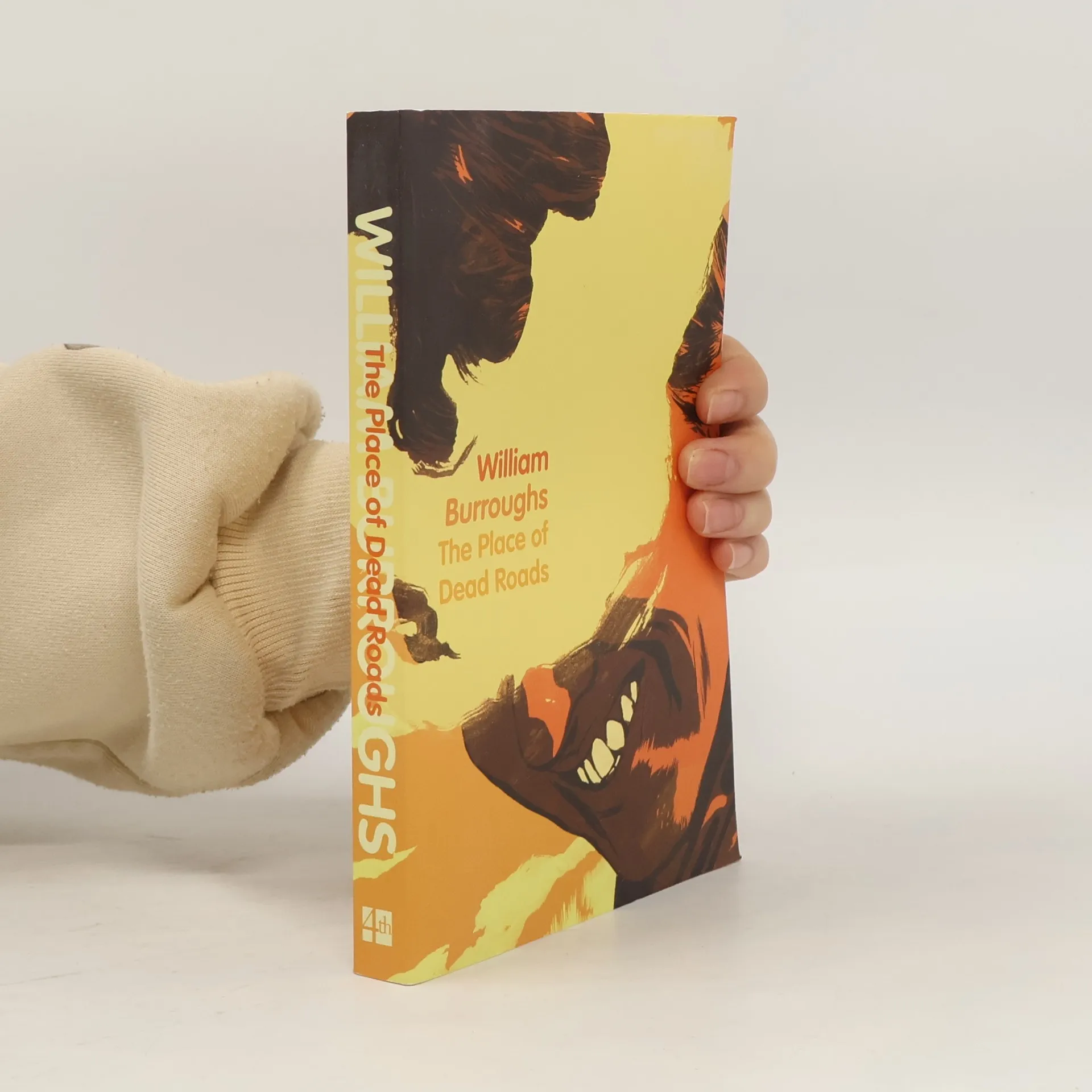
While young men wage war against an evil empire of zealous mutants, the population of this modern inferno is afflicted with the epidemic of a radioactive virus. An opium-infused apocalyptic vision from the legendary author of Naked Lunch; the first of the trilogy with The Place of the Dead Roads and his final novel The Western Lands.
The Nova Criminals, featuring terrifying characters like Sammy the Butcher and Iron Claws, threaten global destruction. Only Inspector Lee of the Nova Police can stop them by dismantling their word and image machine before it's too late.
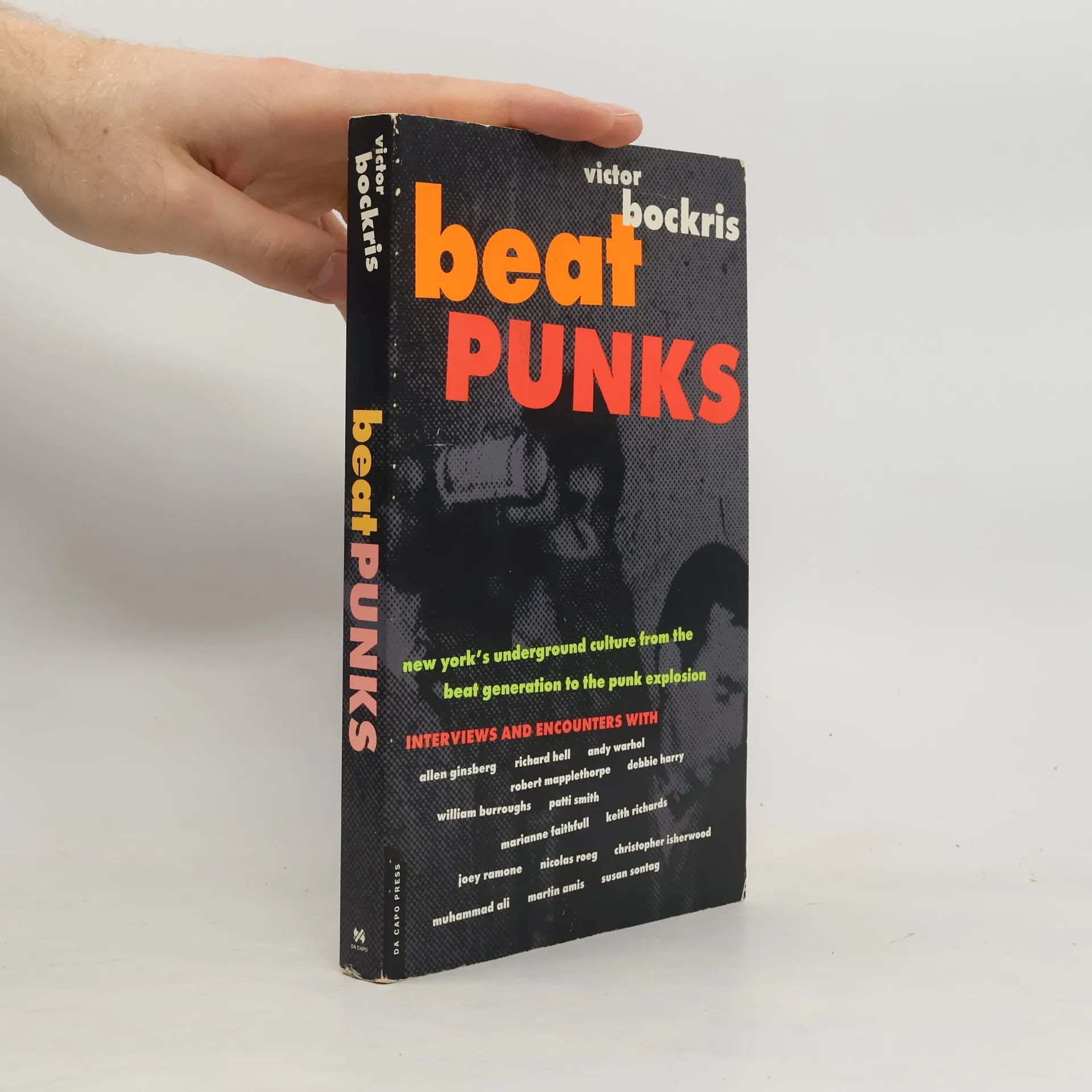
Beat Punks
- 336 pages
- 12 hours of reading
Here, accompanied by dozens of unique photographs, are the very best of Victor Bockris's infamous interviews, essays, and observations on the stars of downtown Manhattan in the 1970s and 1980s. The internationally acclaimed biographer Bockris was there as a witness, friend, collaborator, and co-conspirator. Some of the stars were founding members of Beat or Punk, others were just passing through. But all of them—rockers, rebels, artists, and intellectuals—revealed more to Bockris than they did to any other writer: Allen Ginsberg, Richard Hell, Andy Warhol, Robert Mapplethorpe, Debbie Harry, William Burroughs, Patti Smith, Marianne Faithfull, Keith Richards, Terry Southern, Martin Amis, and Susan Sontag. Bockris's conclusion—that Punk owed the Beats a big debt and that the Beats were in turn re-animated by the Punks—is argued from the perspective of someone who was in the thick of it, and who loved every minute of it.
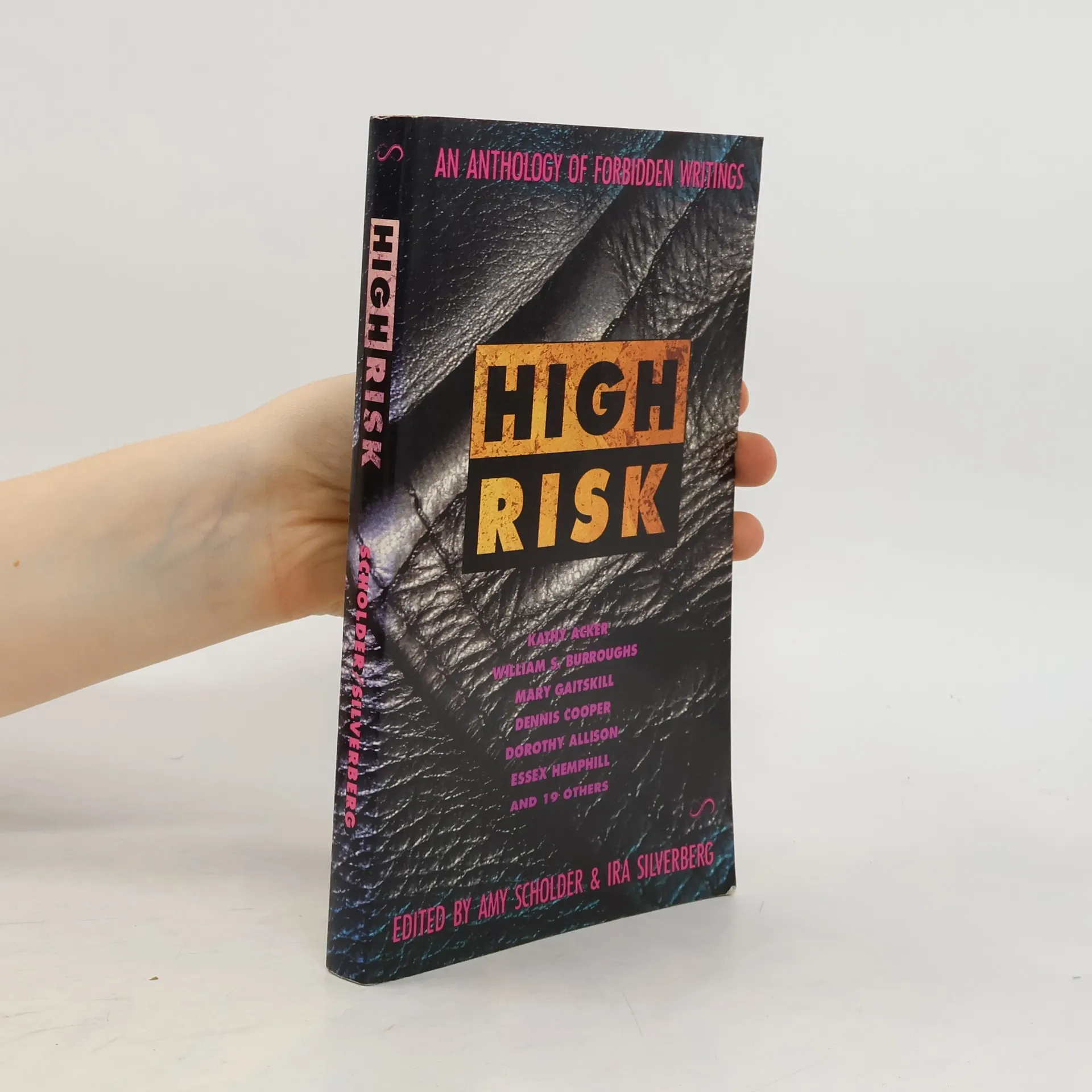
High Risk
- 320 pages
- 12 hours of reading
A literary collection of explicit writings--fiction, poetry, and essays--addresses "high risk" subject matter, such as illicit sex, incest, bondage, drug use, and transsexuality, and features contributions by progressive writers including Dorothy Allison, William Burroughs, and Kathy Acker. Reissue.
In alternating chapters that reveal a nascent period in their development as two of the twentieth century's most influential writers, Beat Generation icons William S. Burroughs and Jack Kerouac's And the Hippos Were Boiled in Their Tanksis an electrifying true-life mystery, including afterword by James Grauerholtz in Penguin Modern Classics.This is a hardboiled crime novel, and a true story. In 1944, Jack Kerouac and William Burroughs, then still unknown writers, were both arrested following a murder- one of their friends had stabbed another and then come to them for advice - neither had told the police. Later they wrote this fictionalised account of that summer - of a group of friends in wartime New York, moving through each other's apartments, drinking, necking, talking and taking drugs and haphazardly drifting towards a bloody crime. Unpublished for years, And the Hippos were Boiled in their Tanksis a remarkable insight into the lives and literary development of two great writers. If you enjoyed And the Hippos were Boiled in their Tanks, you might like Kerouac's On the Road, also available in Penguin Modern Classics.'The novel that kicked it all off'Independent'An insight into Kerouac before he went on the road and Burroughs before his drug use spiralled out of control, this is a major literary event'GQ
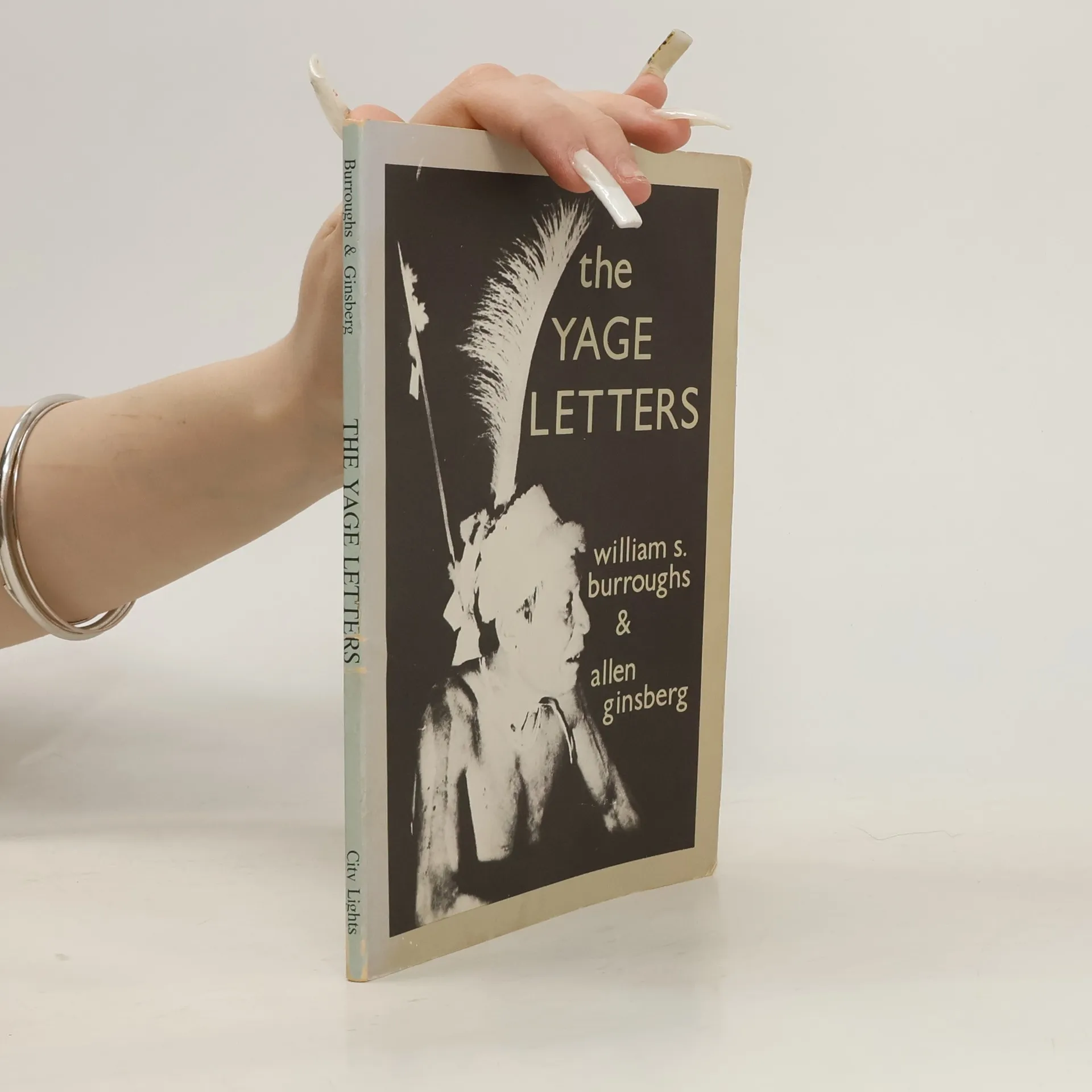
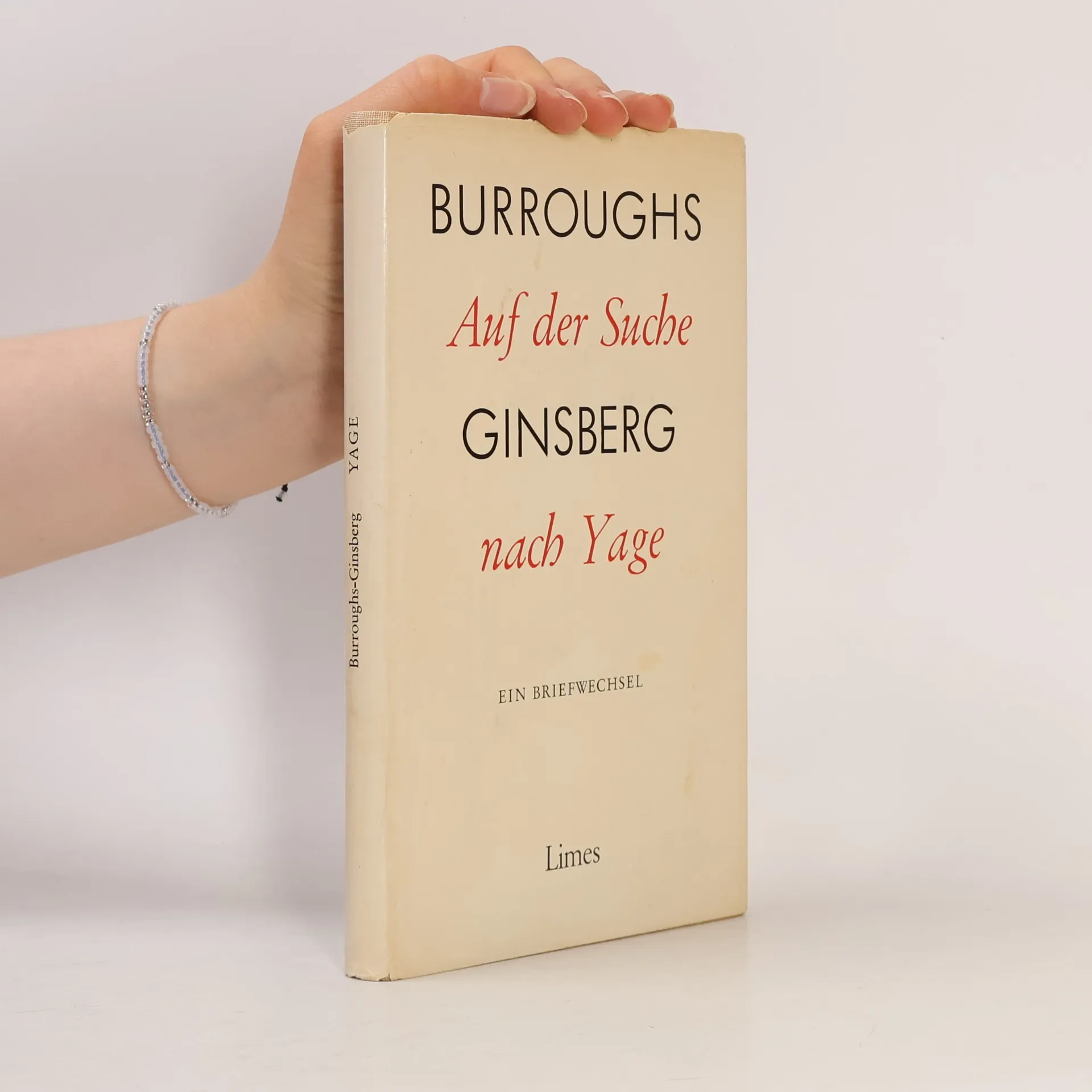
The Yage Letters
- 66 pages
- 3 hours of reading
An early epistolary novel by William Burroughs, whose 1951 account of himself as as junkie, published under the pseudonym William Lee, ended Yage may be the final fix. In letters to Allen Ginsberg, an unknown young poet in New York, his journey to the Amazon jungle is recorded, detailing picaresque incidents of a search for a telepathic-hallucinogenic-mind-expanding drug called yage (Ayahuasca, or Banisteripsis Caape), used by Amazon indian doctors for finding lost objects, mostly bodies and souls. Author and recipient of these letters met again in New York, Christmas 1953, and edited the writings to form this single book. The correspondence contains the first seeds of the later Burroughsian fantasy in Naked Lunch. Seven years later Ginsberg in Peru writes his old guru an account of his own visions and terrors with the same drug, appealing for further counsel. Burroughs' mysterious reply is sent. The volume concludes with two epilogues: a short note from Ginsberg on his return from the Orient years later reassuring Self that he is still here on earth, and a final poetic cut-up by Burroughs, I am dying, Meester?
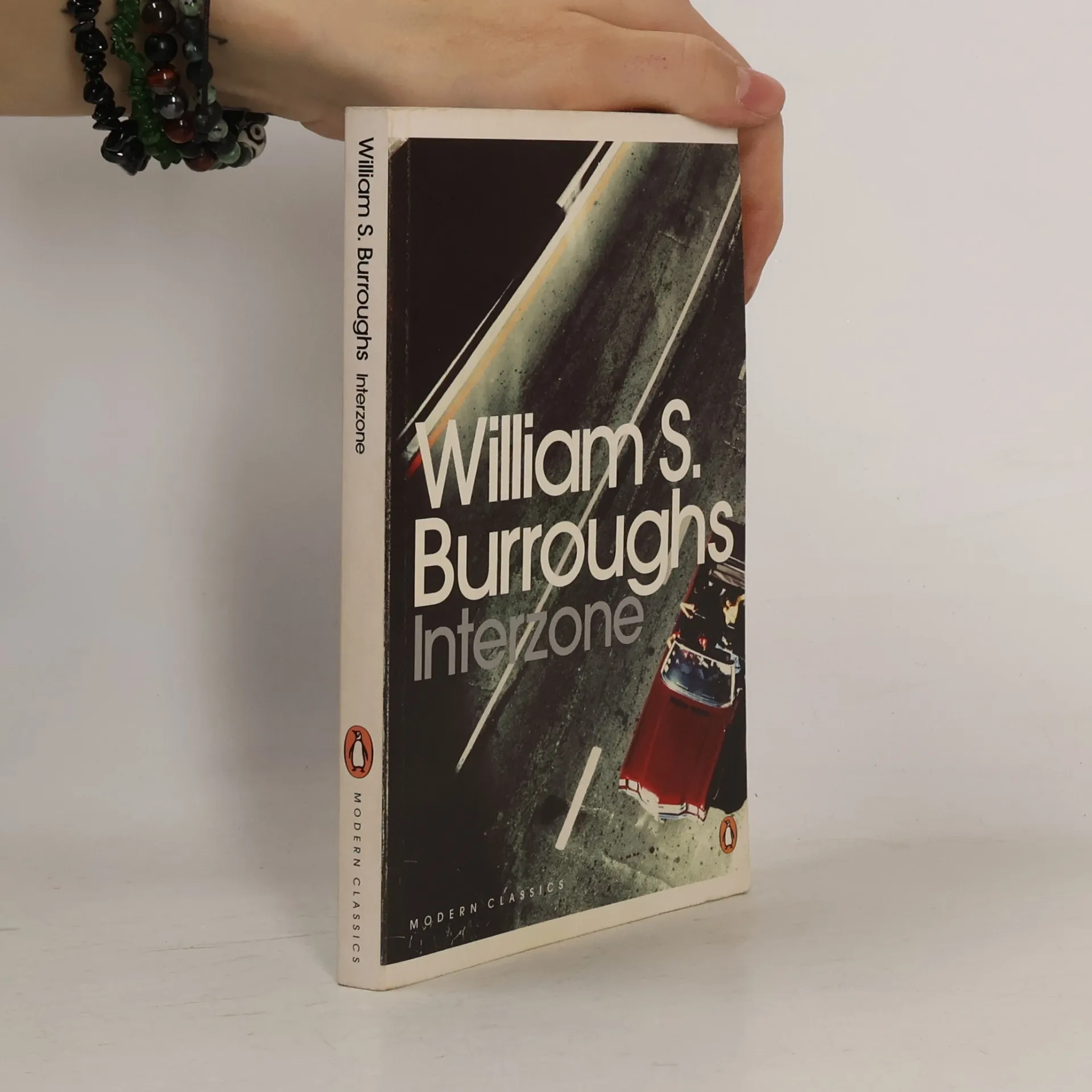
Interzone
- 224 pages
- 8 hours of reading
GENERAL & LITERARY FICTION. "Interzone" portrays the development of Burroughs' mature writing style by presenting a selection of pieces from the mid-1950s. His outrageous tone of voice represents the exorcism of four decades of oppressive sexual and social conditioning. Burroughs' close observations of humanity - its ugliness and ignorance - invites the reader to dispense with their traditional notions of decorum, and taste the world as he sees it.
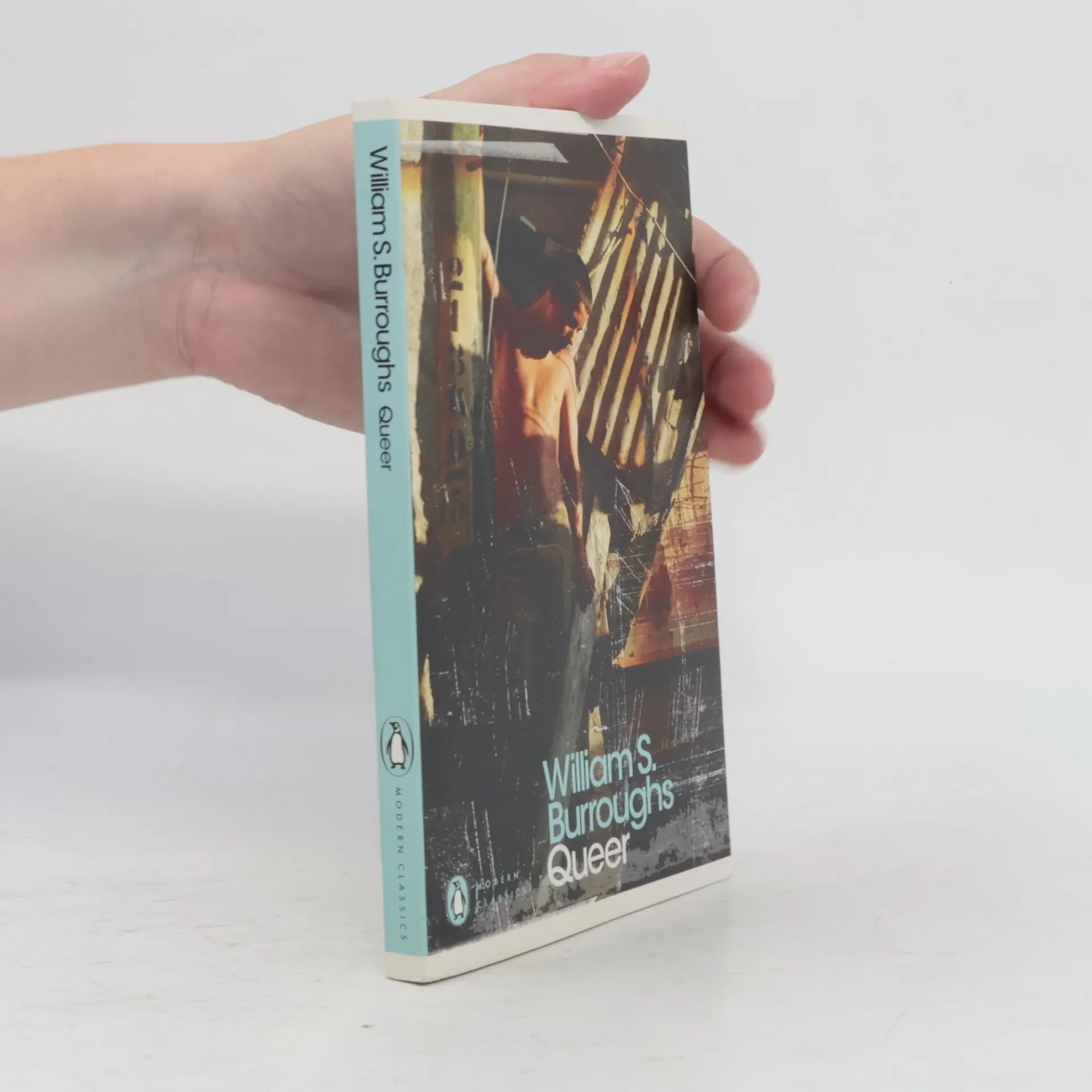
For more than three decades, while its writer's world fame increased, Queer remained unpublished because of its forthright depiction of homosexual longings. Set in the corrupt and spectral Mexico City of the forties, Queer is the story of William Lee, a man afflicted with both acute heroin withdrawal and romantic and sexual yearnings for an indifferent user named Eugene Allerton. The narrative is punctuated by Lee's outrageous "routines" — brilliant comic monologues that foreshadow Naked Lunch —yet the atmosphere is heavy with foreboding.In his extraordinary introduction, Burroughs reflects on the shattering events in his life that lay behind this work.
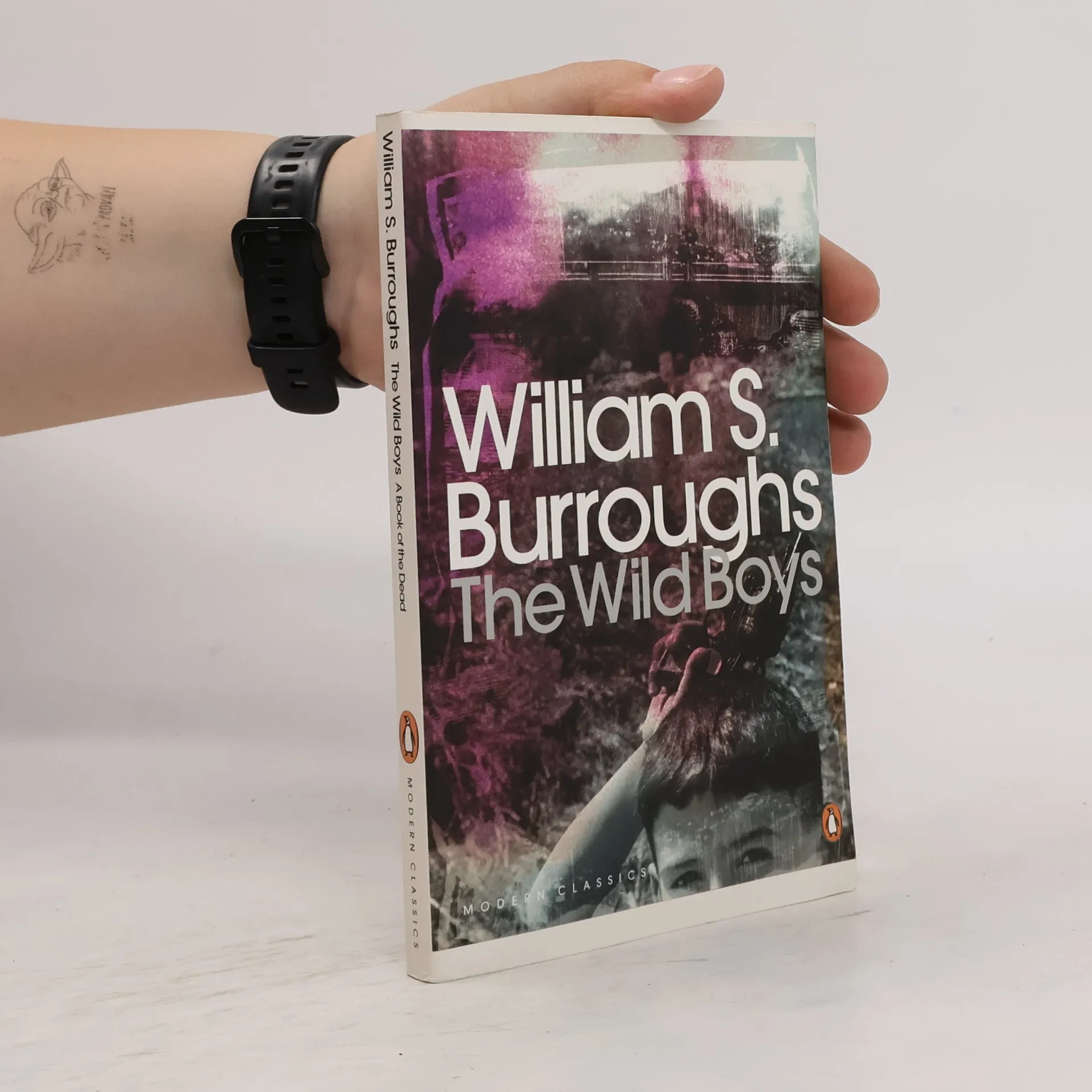
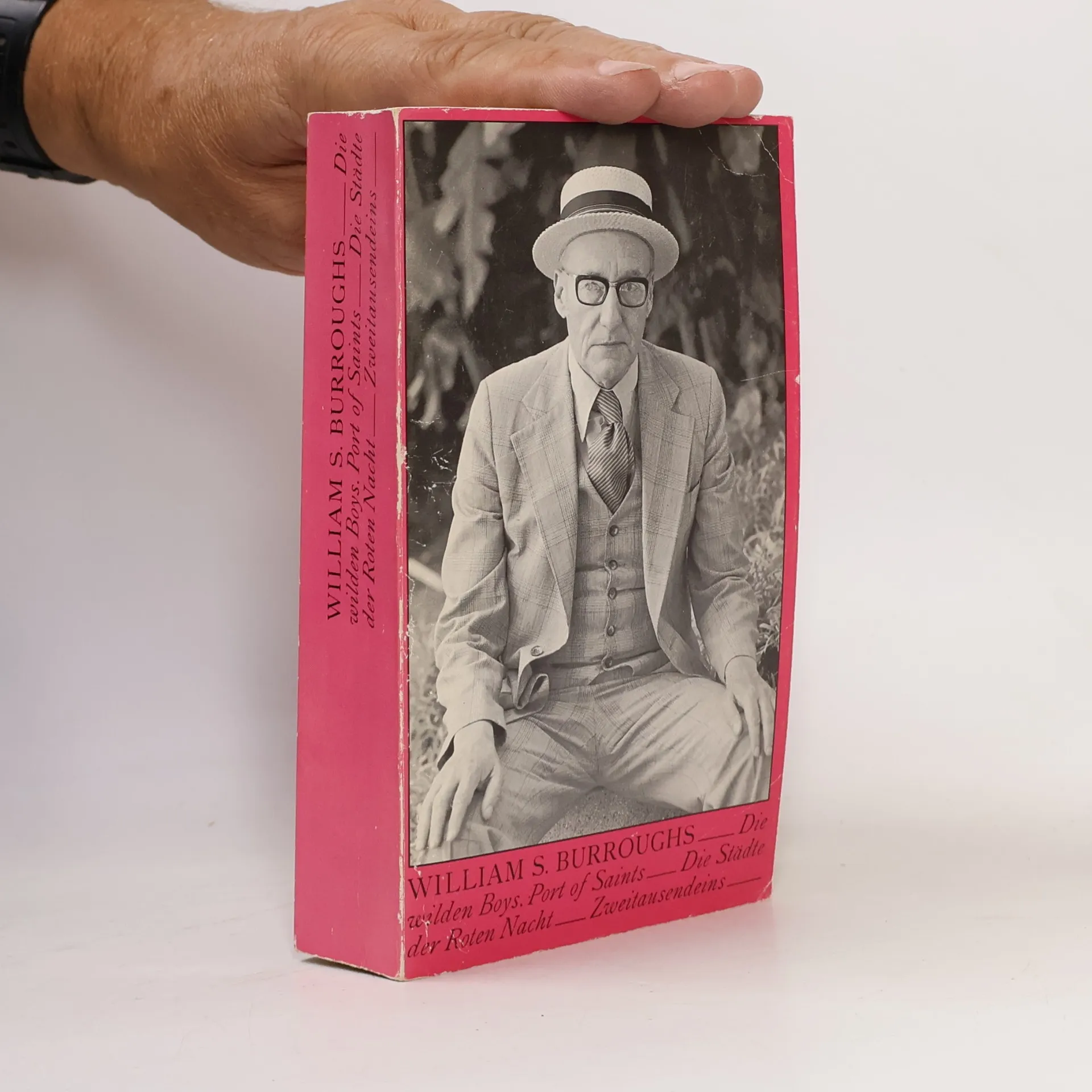
The Wild Boys
- 192 pages
- 7 hours of reading
In this funny, nightmarish masterpiece of imaginative excess, grotesque characters engage in acts of violent one-upmanship, boundless riches mangle a corner of Africa into a Bacchanalian utopia, and technology, flesh and violence fuse with and undo each other
The anarchic, phenomenally strong-selling classic from the godfather of the Beats, featuring for the first time the restored text, all the accompanying essays, and newly discovered material from the original manuscript.
The Place of Dead Roads
- 268 pages
- 10 hours of reading
A controversial reworking of well-trodden American myth by the author of ‘Naked Lunch’.
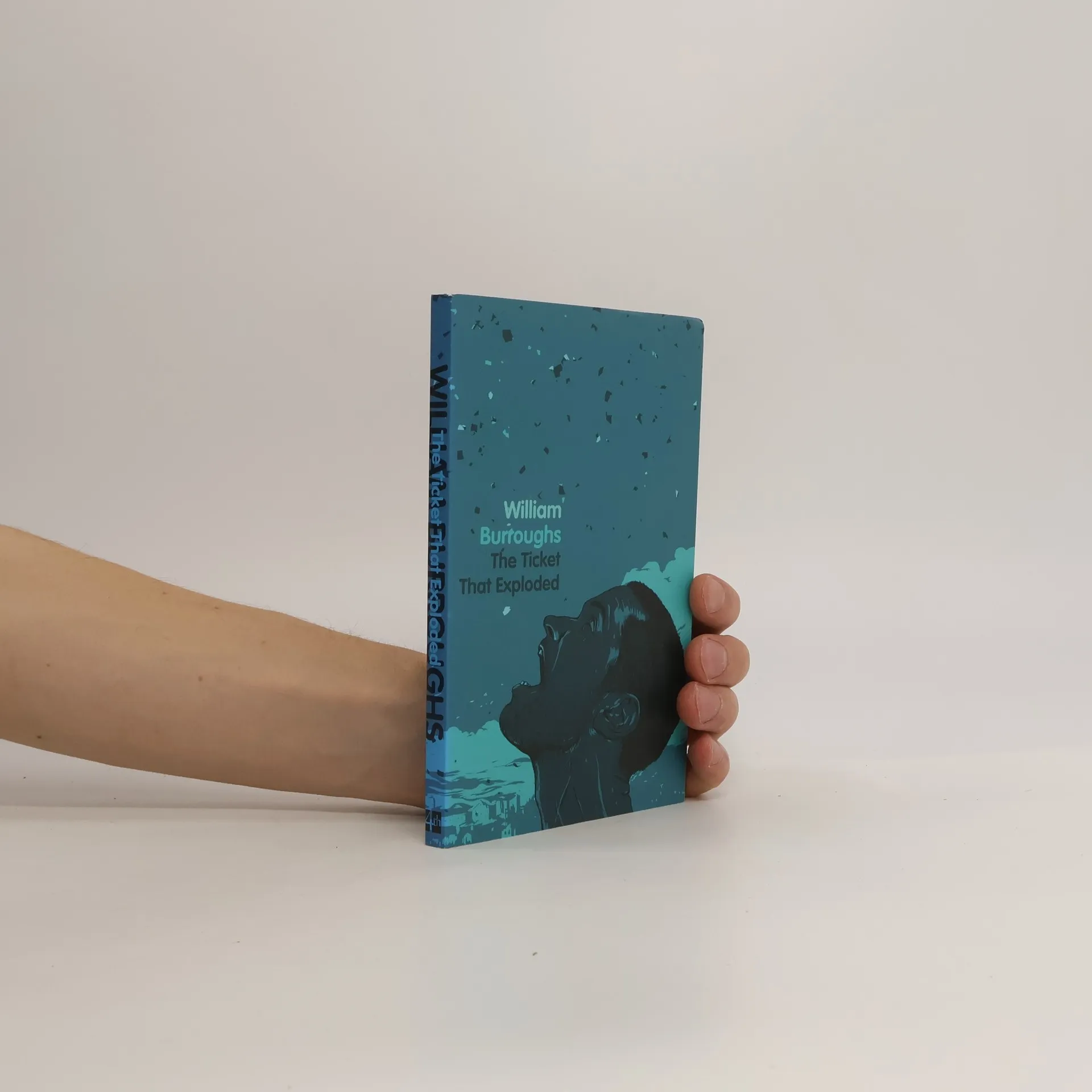
This is the second novel, alongside 'The Soft Machine' and 'Nova Express', in William Burroughs' classic 'Cut-Up Trilogy'. A prophetic vision of a world in which technology has gone haywire, 'The Ticket That Exploded' continues the adventures of Agent Lee in his mission to investigate and subvert the methods of mind control being used by The Nova Mob. Experimental, unnerving and compelling in equal measure, this is a completely original work of science fiction and a gripping moral and political fable from post-war America's most controversial and influential writer.
The Finger
- 64 pages
- 3 hours of reading
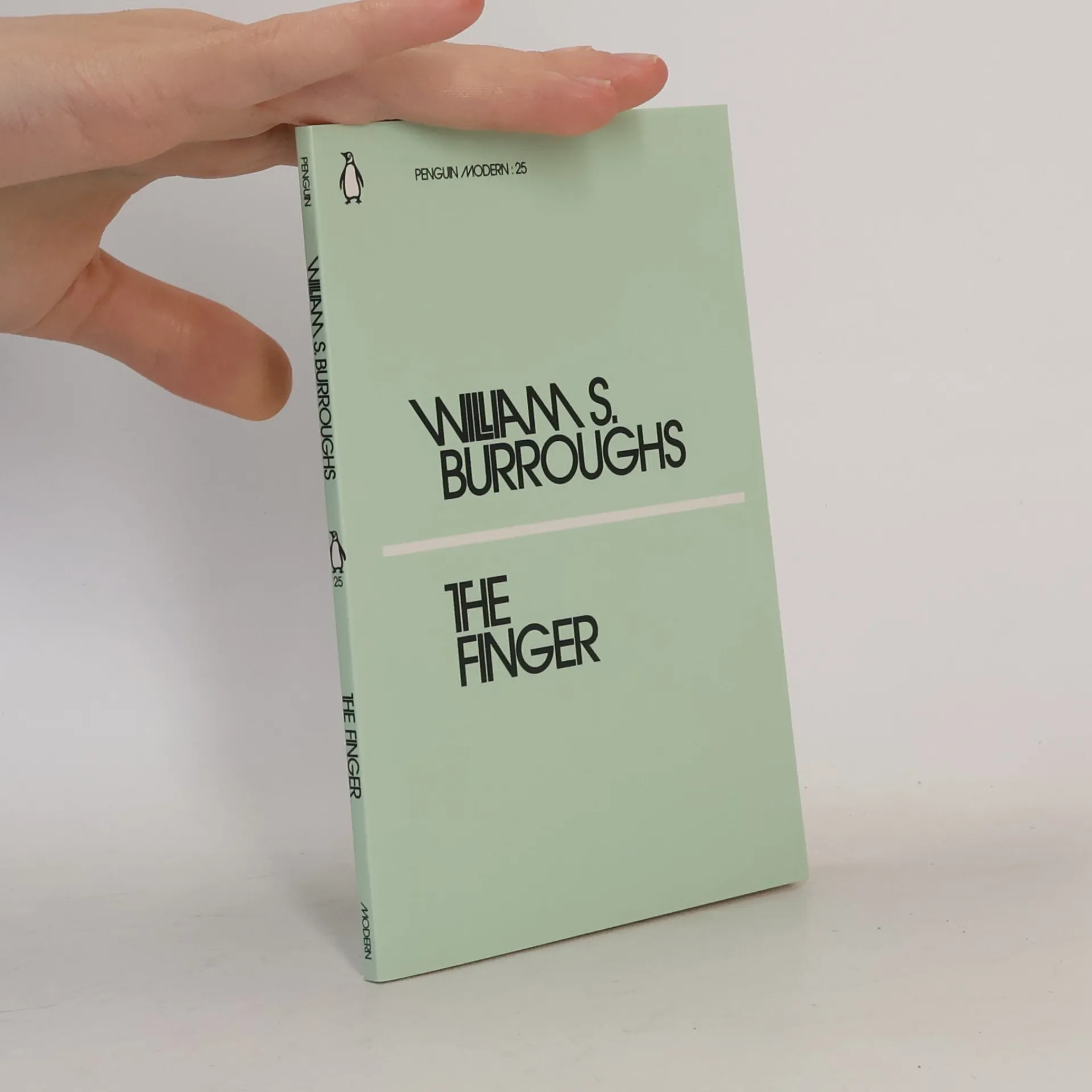
'He felt a sudden deep pity for the finger joint that lay there on the dresser, a few drops of blood gathering around the white bone.' A deliberately severed finger, a junky's Christmas miracle and a Tangier con-artist, among others, feature in these hallucinogenic sketches and stories from the infamous Beat legend. Penguin Modern: fifty new books celebrating the pioneering spirit of the iconic Penguin Modern Classics series, with each one offering a concentrated hit of its contemporary, international flavour. Here are authors ranging from Kathy Acker to James Baldwin, Truman Capote to Stanislaw Lem and George Orwell to Shirley Jackson; essays radical and inspiring; poems moving and disturbing; stories surreal and fabulous; taking us from the deep South to modern Japan, New York's underground scene to the farthest reaches of outer space.
The Soft Machine
- 144 pages
- 6 hours of reading
In this surreal, savage fantasy, the sequel to "Naked Lunch", Burroughs develops his "cut-up" technique, randomly cutting up and folding in words to transform the narrative into a new, imaginative form of prose poetry.
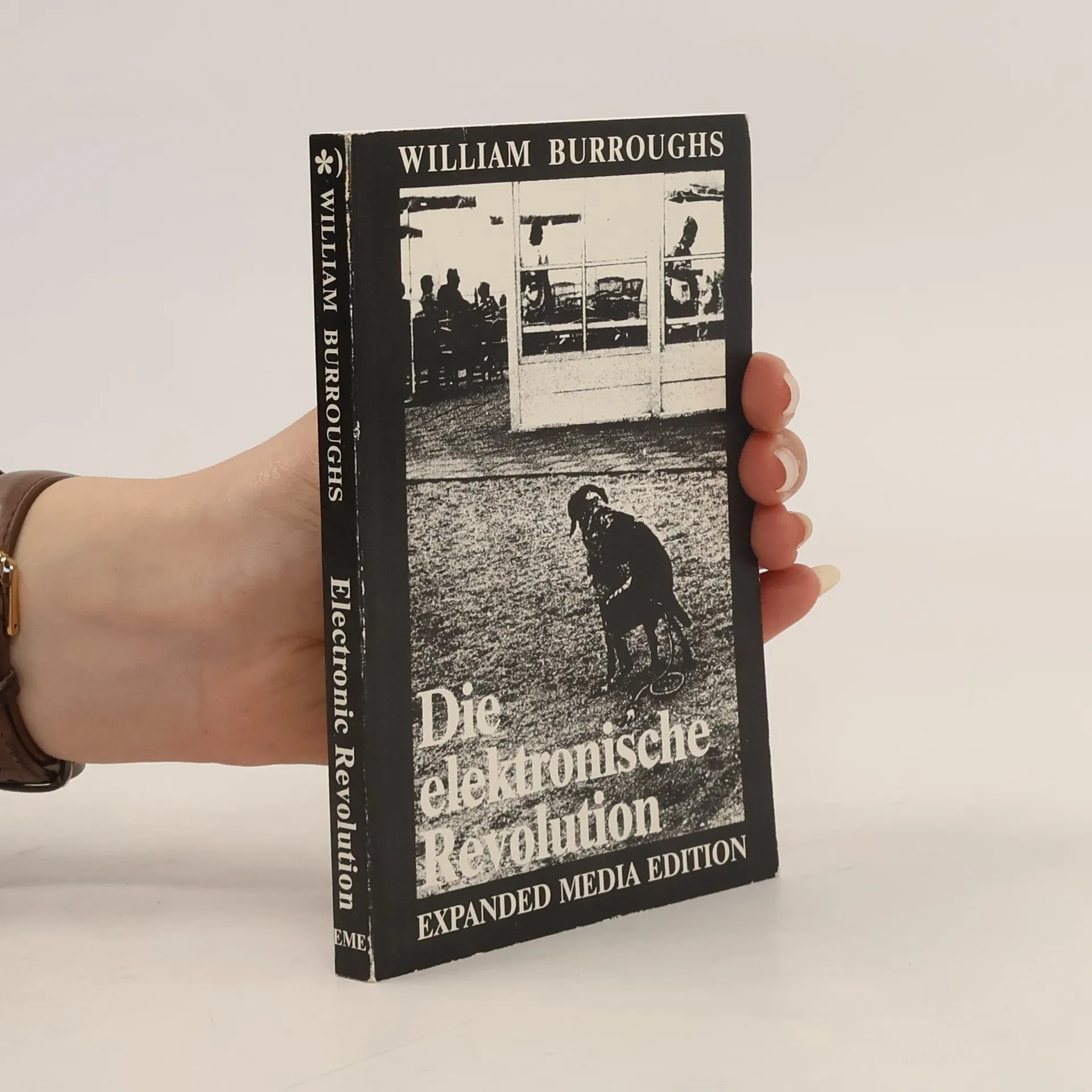
Die Elektronische Revolution. Dtsch.-Engl.
- 136 pages
- 5 hours of reading
William S. Burroughs' "The Electronic Revolution" explores the idea that "language is a virus" in a biological sense, impacting human evolution and culture. He critiques mass media as a manipulative force, paralleling ancient rituals of power with modern media's control over reality, suggesting language serves as a system of self-oppression.
Acclaimed by Norman Mailer more than twenty years ago as "possibly the only American writer of genius," William S. Burroughs has produced a body of work unique in our time. In these scintillating essays, he writes wittily and wisely about himself, his interests, his influences, his friends and foes. He offers candid and not always flattering assessments of such diverse writers as Ernest Hemingway, F. Scott Fitzgerald, Joseph Conrad, Graham Greene, Jack Kerouac, Allen Ginsberg, Samuel Beckett, and Marcel Proust. He ruminates on science and the often dubious paths into which it seems intent on leading us, whether into outer or inner space. He reviews his reviewers, explains his famous “cut-up” method, and discusses the role coincidence has played in his life and work. As a satirist and parodist, William Burroughs has no peer, as these varied works, written over three decades, amply reveal.
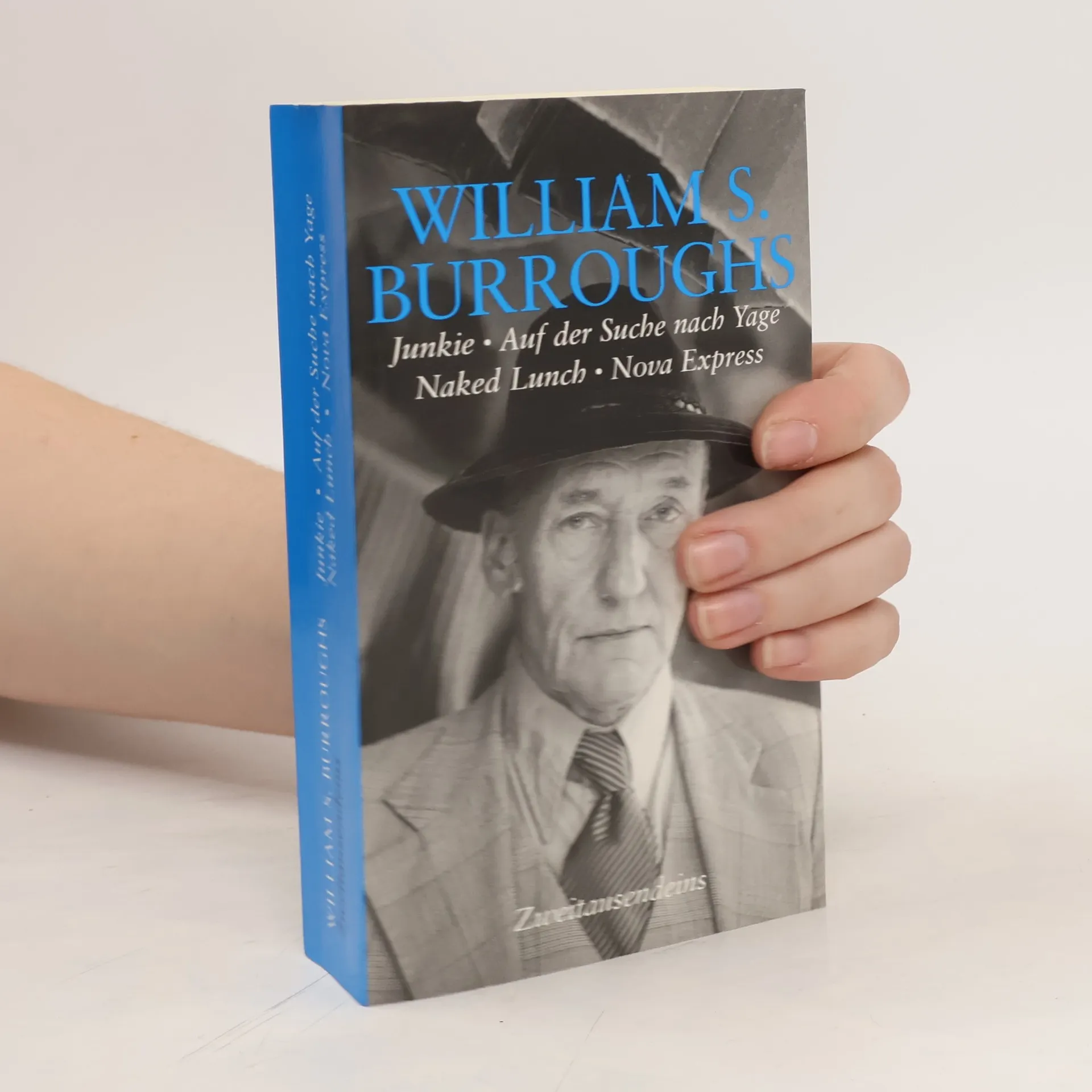
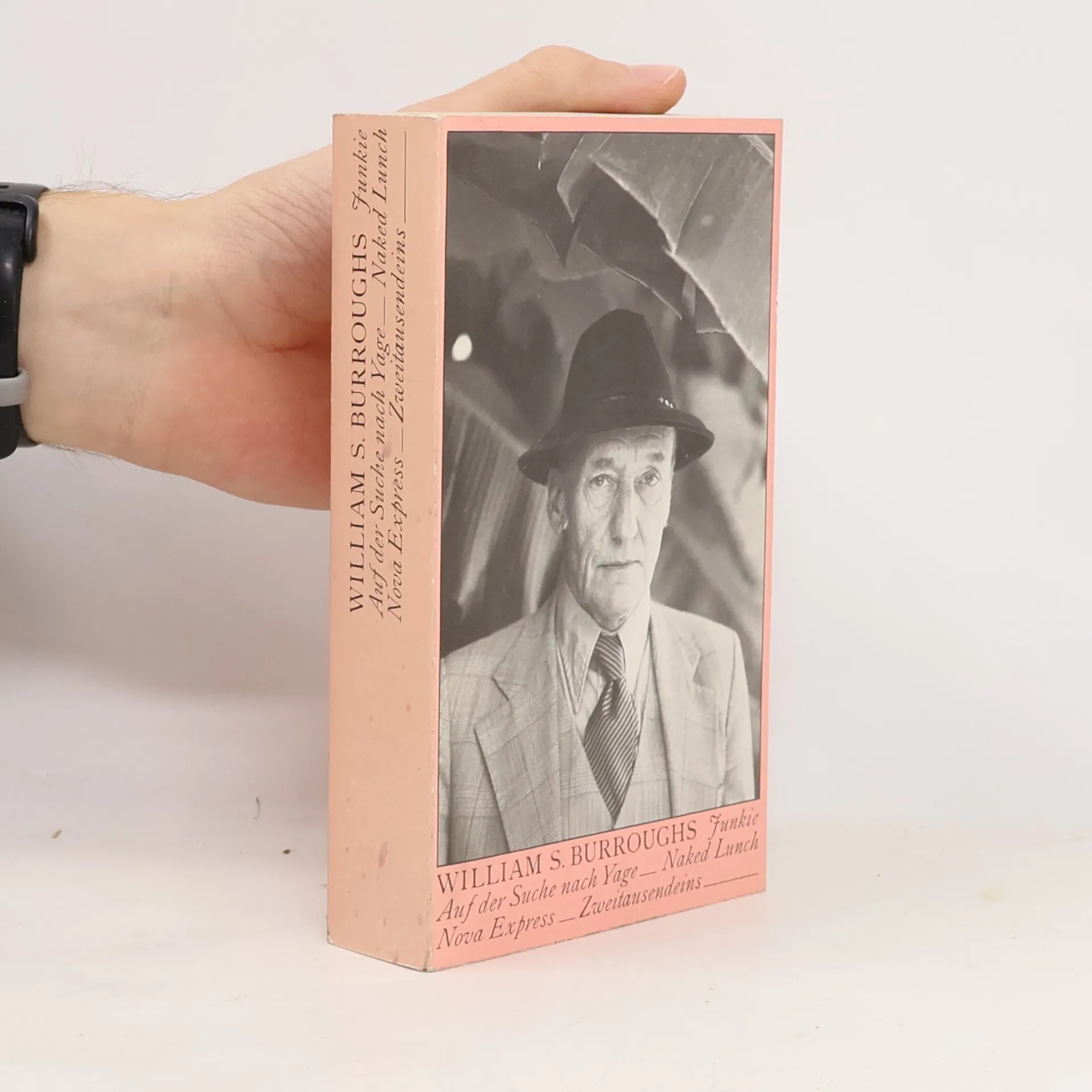
Junkie (alternativ auch Junky genannt) ist ein semi-autobiografischer Roman von William S. Burroughs aus dem Jahr 1953. Es war sein erster veröffentlichter Roman und gilt als ein grundlegender Text über den Lebensstil von Heroinabhängigen in den frühen 1950er Jahren. Burroughs' Arbeitstitel war Junk. Der Untertitel des Werkes lautete Bekenntnisse eines unerlösten Drogenabhängigen.
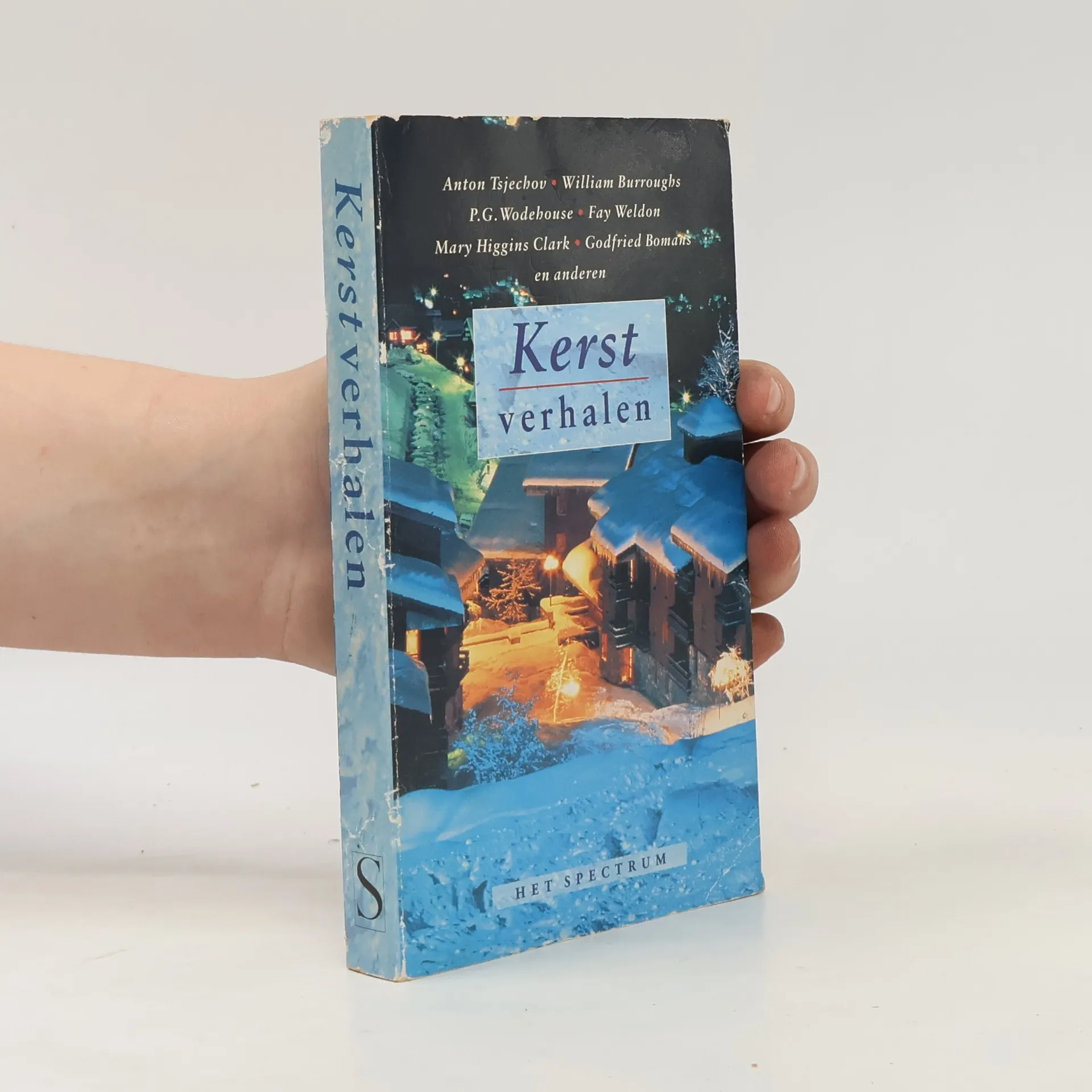
Kerstverhalen
- 248 pages
- 9 hours of reading
Een nieuwe bundel vol verhalen over de meest sfeervolle periode van het jaar. Spannende, ontroerende, stemmige, opbeurende en humoristische vertellingen van: Alan Bleasdale, Godfriend Bomans, Mies Bouhuys, William S. Burroughs, Mary Higgins Clark, Kati David, Sean O'Faolain, Hans J. F. Kemming, Peter Lovesey, Deborah Moggach, G. A. Pickin, Frank Sargeson, Arno Surminski, Kathy Hogan Trocheck, Anton Tsjechov, Fay Weldon en P. G. Wodehouse.
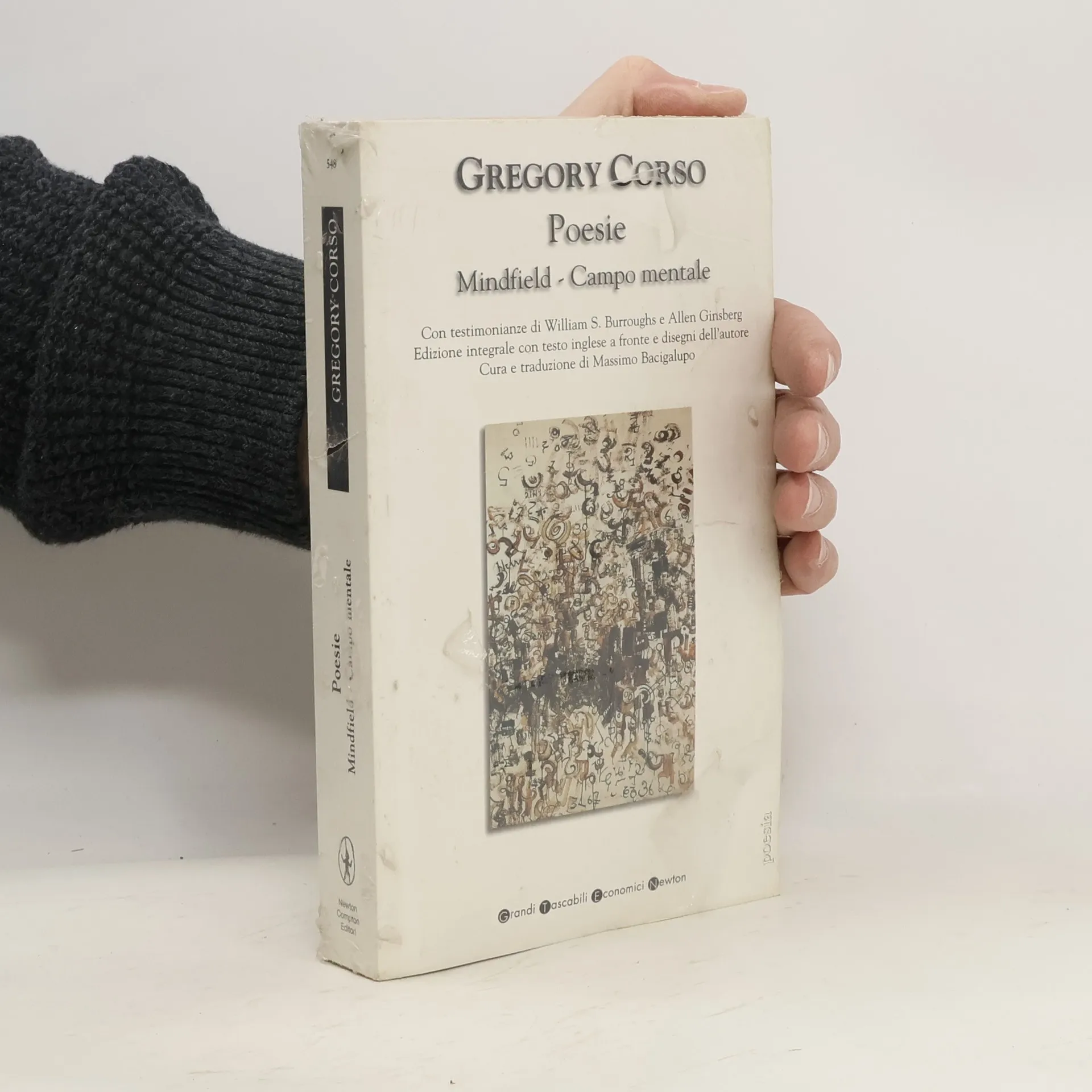
Poesie: Mindfield - Campo mentale
Con testimonianze di William S. Burroughs e Allen Ginsberg. Edizione integrale con testo inglese a fronte e disegni dell'autore. Cura e traduzione di Massimo Bacigalupo
- 525 pages
- 19 hours of reading
Le poesie trattano di mortalità, mare, musica, scrittori, artisti, viaggi, natura, sogni e colpa.
The Job: Interviews with William S. Burroughs
- 224 pages
- 8 hours of reading
The Job is William S. Burroughs at work, attacking our traditional values, condemning what he calls "the American nightmare," and expressing his often barbed views on Scientology, the police, orgone therapy, history, women, writing, politics, sex, drugs, and death. His conversation splices images of death-by-hanging with elevators and airports, the story of his drug addiction and cure with ideas on the use of hieroglyphs.
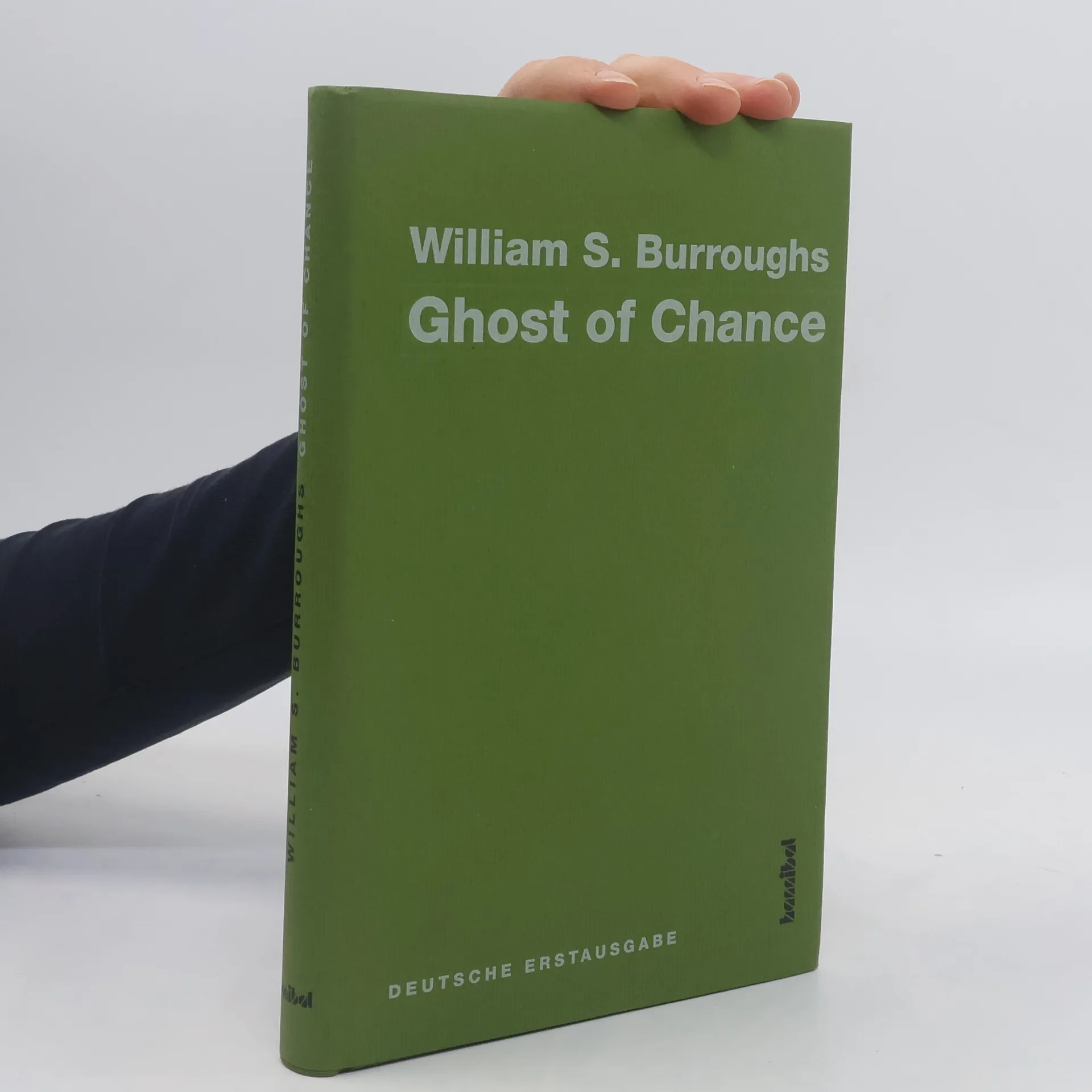
Ghost of chance
- 150 pages
- 6 hours of reading
Das Buch handelt von einer Piratencommunity, Madagaskar und seinen Lemuren, von biologischen Arten und Krankheiten, die darauf warten, die Menschheit zu dezimieren. Die Tore des Museums öffneten sich und entließen ihre Bewohner: extrem tödliche Krankheiten wie die Krankheit Christi, Haare, Schwänze und das Rote Spinnenfieber. Alle hatten die Form von Pandemien und forderten die meisten Menschenleben. Die Geschichte des Kapitäns Mission dient nur als Rahmen, in dem Burroughs den „hässlichen Geist“ offenbart und angreift, der niemand anderes ist als der „Homo sapík“.
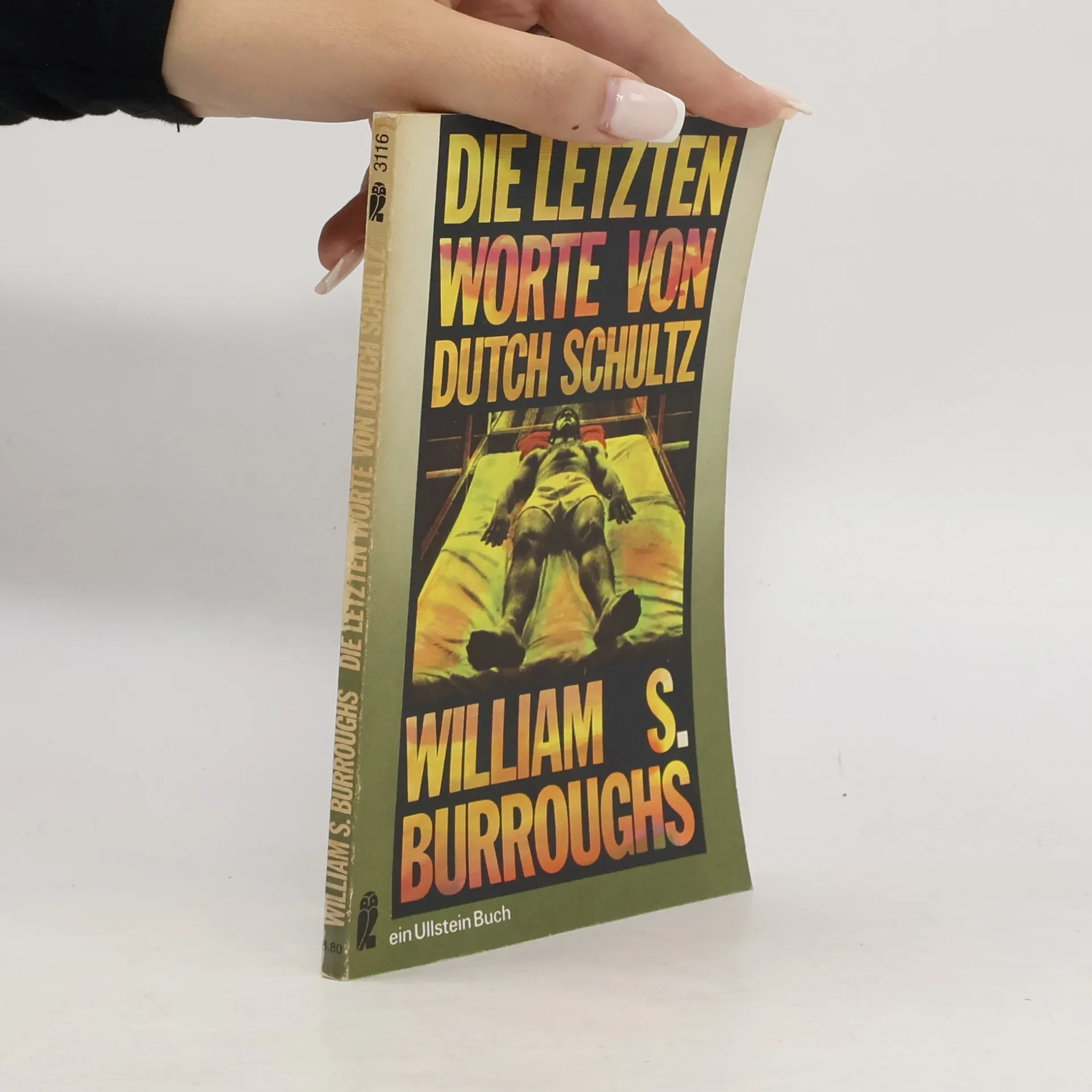
Die letzten Worte von Dutch Schultz
- 109 pages
- 4 hours of reading
Bevor er im Oktober 1935 im Palace Chop House in Newark, New Jersey, erschossen wurde, galt Arthur Flegenheimer, alias Dutch Schultz, allgemein als New Yorks Nummer Eins im Verbrechensmilieu. Nach dem Gangsterüberfall wurde er in ein Krankenhaus gebracht, wo er zwei Tage überlebte. Sein Zimmer wurde rund um die Uhr bewacht, und ein Polizeischreiber war an seinem Bett postiert, in der Hoffnung, herauszufinden, wer sein Angreifer oder seine Angreifer waren. Stattdessen wurden Dutchs fieberhafte Fantasien aufgezeichnet, die aus seiner Kindheit und Jugend sowie seiner jüngsten Vergangenheit stammten. Aus diesen "letzten Worten" hat Burroughs seine eigene Fantasie über Dutch Schultz geschaffen und seine Fiktion in Form eines Drehbuchs gestaltet.
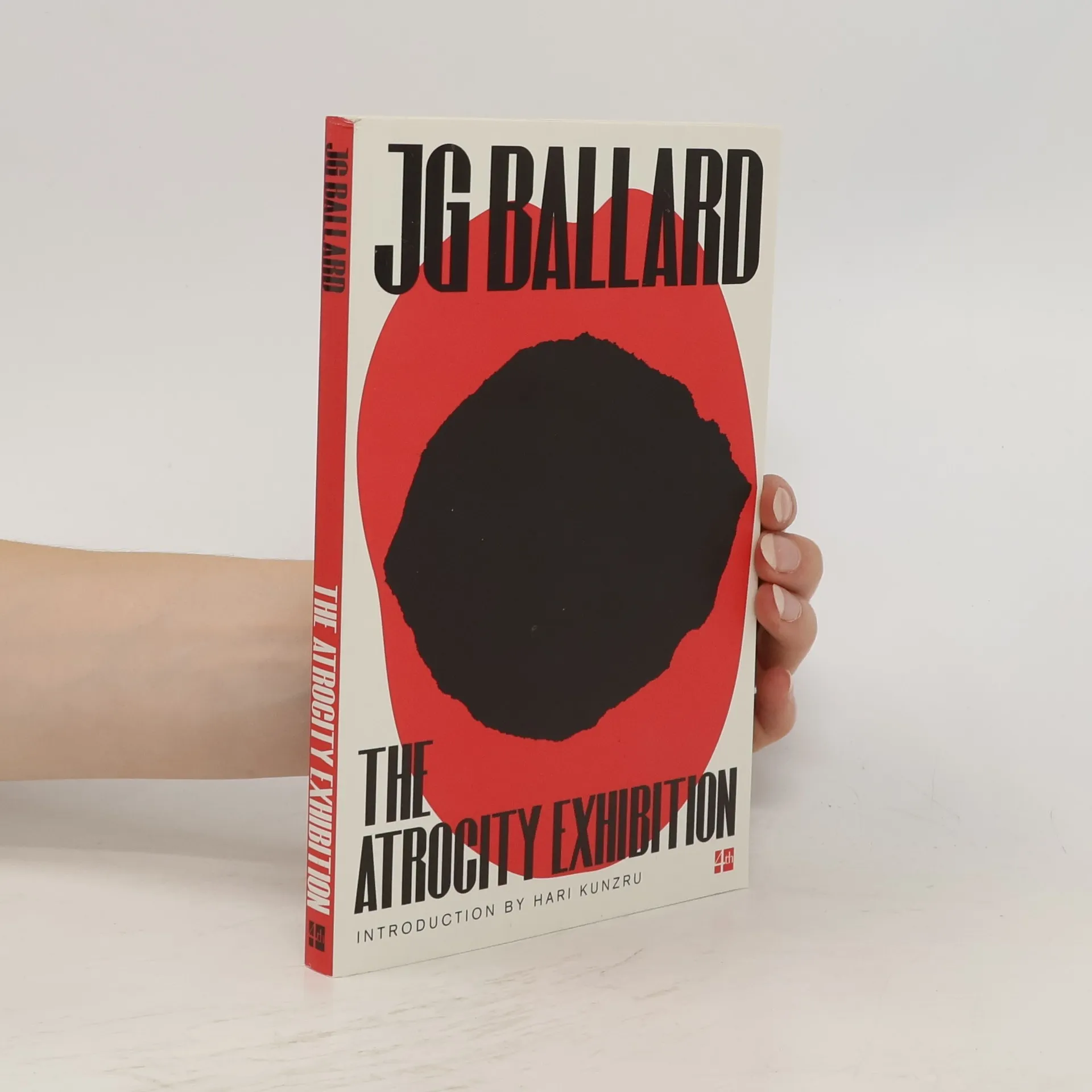
First published in 1970 and widely regarded as a prophetic masterpiece, this is a groundbreaking experimental novel by the acclaimed author of 'Crash' and 'Super-Cannes'. The irrational, all-pervading violence of the modern world is the subject of this extraordinary tour de force. The central character's dreams are haunted by images of John F. Kennedy and Marilyn Monroe, dead astronauts and car-crash victims as he traverses the screaming wastes of nervous breakdown. Seeking his sanity, he casts himself in a number of roles: H-bomber pilot, presidential assassin, crash victim, psychopath. Finally, through the black, perverse magic of violence he transcends his psychic turmoils to find the key to a bizarre new sexuality.
Ali's smile
- 100 pages
- 4 hours of reading
William S. Burroughs: SCIENTOLOGY/ ALI'S SMILE Eine kritische Auseinandersetzung mit der Church of Scientology
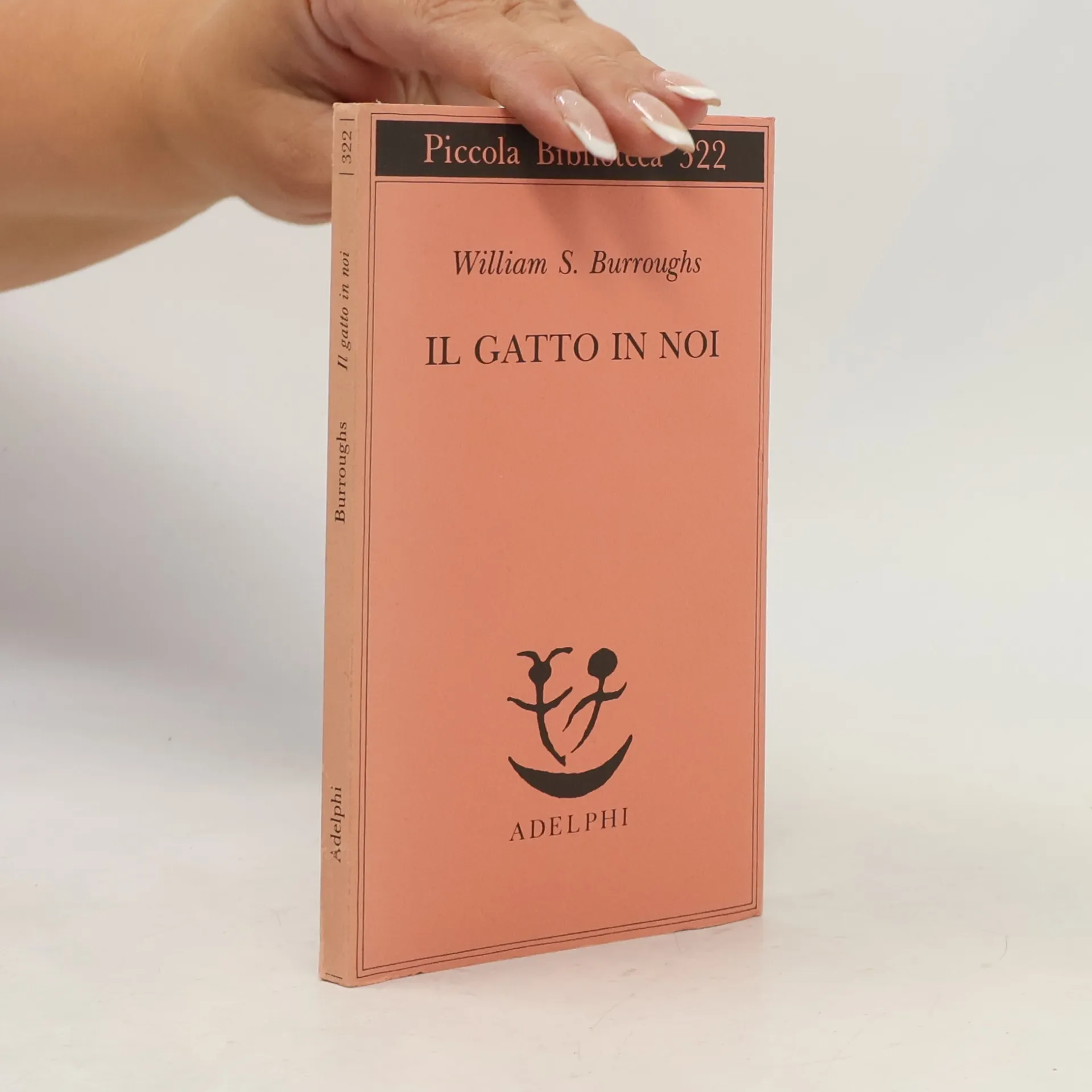
Il gatto in noi
- 107 pages
- 4 hours of reading
Sarà probabilmente una sorpresa per molti scoprire che William Burroughs, l'efferato cantore di saghe che si svolgono in terre di mutanti e in cui l'umanità è una sopravvivenza arcaica, ha anche scritto uno dei più delicati e percettivi libretti che conosciamo sui gatti – anzi, più precisamente, sul gatto come «compagno psichico». Gatti bianchi, gatti arancioni, gatti persiani; gatti amati, gatti di strada; gatti soprannaturali come piccoli dèi del focolare; creature con un che di felino, un che di umano e un che di «ancora inimmaginabile», frutto di unioni arcane e lontanissime che l'autore si sente chiamato a rievocare e a proteggere come un benefico Guardiano: sono questi i protagonisti a cui Burroughs dà la parola. La sua voce diventa piana, pur mantenendo una vibrazione inquietante. E l'affinità immediata fra l'autore e questi esseri appare palese, ancor più di quella con altri suoi personaggi. Le storie, le osservazioni, hanno una naturalezza carica di intensità, forse perché in queste pagine Burroughs ha nascosto «un'allegoria», visitando il suo passato come una «sciarada gattesca». Il gatto in noi è uscito per la prima volta a New York nel 1986 in un'edizione a tiratura limitata e poi, sempre a New York, nel 1992.
Blade runner
- 94 pages
- 4 hours of reading
"Last Words" von Burroughs ist eine "Autobiographie in Bruchstücken", die wichtige Lebensstationen, Begegnungen und Werke thematisiert. Er gilt als Vater der Pop-Literatur und erfand das Cut-up-Verfahren. Das Buch kombiniert Tagebuch, Erinnerungen, Traumsequenzen und politische Kommentare.
Speed.
- 125 pages
- 5 hours of reading
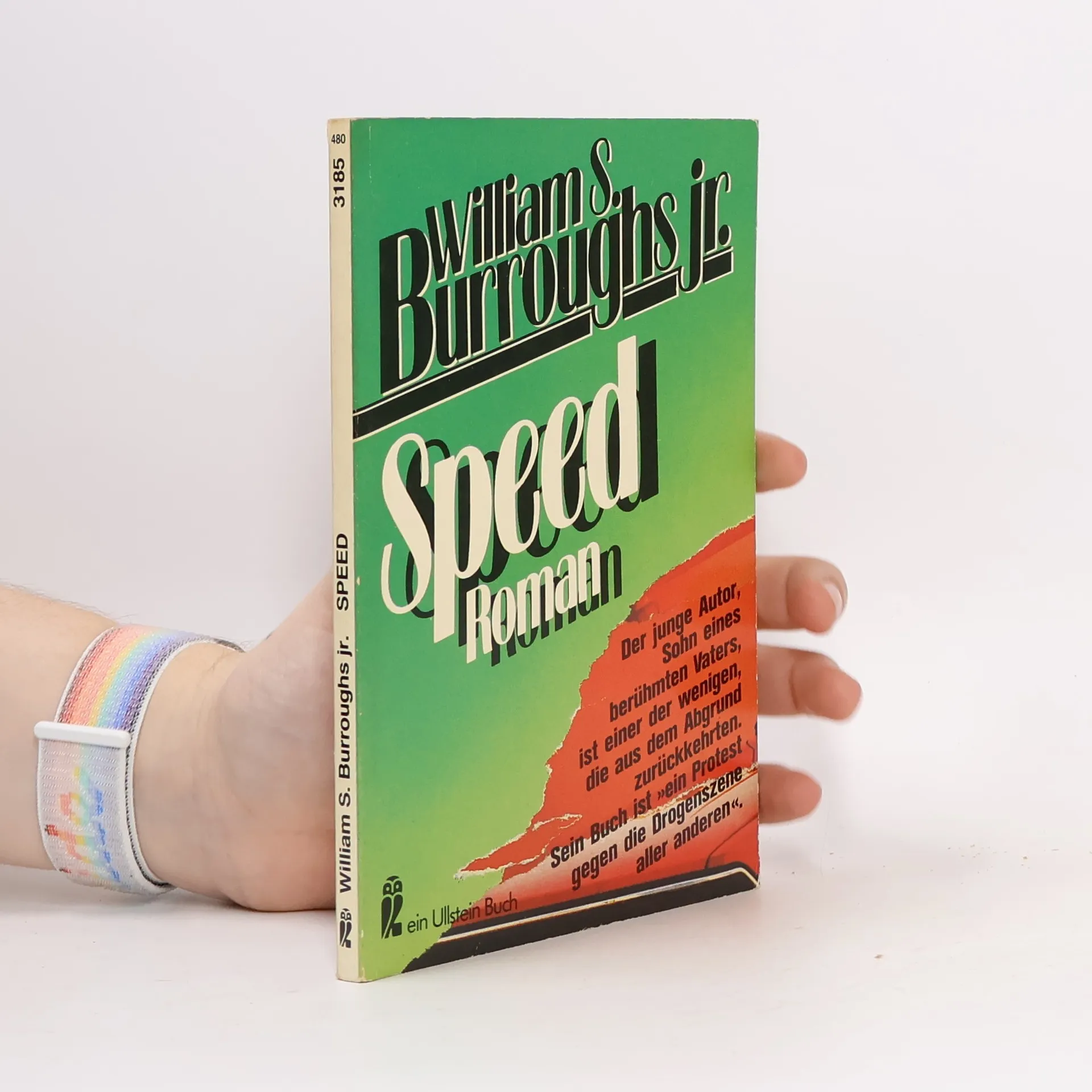
In Florida verbringen der Ich-Erzähler und sein Freund Chad ihre Zeit high und träumen von mehr Speed, kehren jedoch widerwillig in ihr bürgerliches Leben in Palm Beach zurück. Schließlich brechen sie nach New York auf, auf der Suche nach Abenteuer, Sex und Drogen. Doch die Mädchen in der Stadt sind bereits erschöpft und verbraucht, während die Freunde alles tun, um ihre Sucht zu stillen. Sie konsumieren und dealen Drogen, stehlen, um ihre Bedürfnisse zu befriedigen. Auf der Flucht vor einer Gesellschaft, die sie enttäuscht hat, landen sie in heruntergekommenen Fixerbuden und sehen nur noch sich selbst, wie sie high in den Abgrund stürzen. Ihr Abenteuer in New York wird zu einem Albtraum; die Stadt wird zum Horrortrip. Die Beschreibung New Yorks ist schonungslos, der Beton erdrückend, die Menschen erscheinen als winzige Wesen, die durch die Straßen kriechen, gesichtslos und isoliert. Die Atmosphäre der vermeintlichen Freiheit wird durch Drogen verstärkt, während die Stadt sowohl als Horror-Center als auch als transzendentaler Sammelplatz einer Ungesellschaft erlebt wird. William Burroughs Jr., Sohn des bekannten Beat-Poeten, starb früh an den Folgen seines Drogenkonsums und hinterließ neben diesem autobiografischen Werk nur zwei weitere unvollendete Schriften.
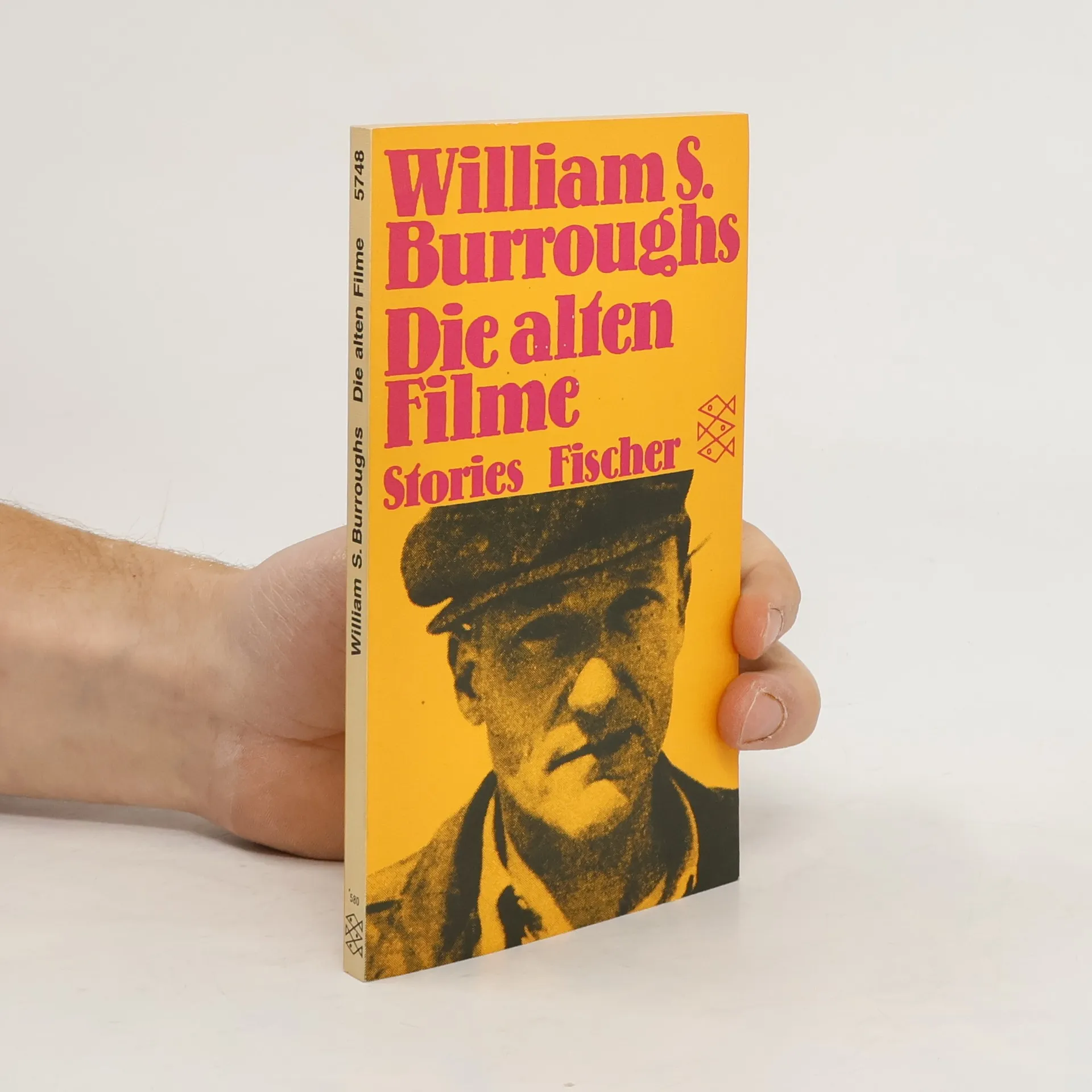
Die alten Filme
- 134 pages
- 5 hours of reading
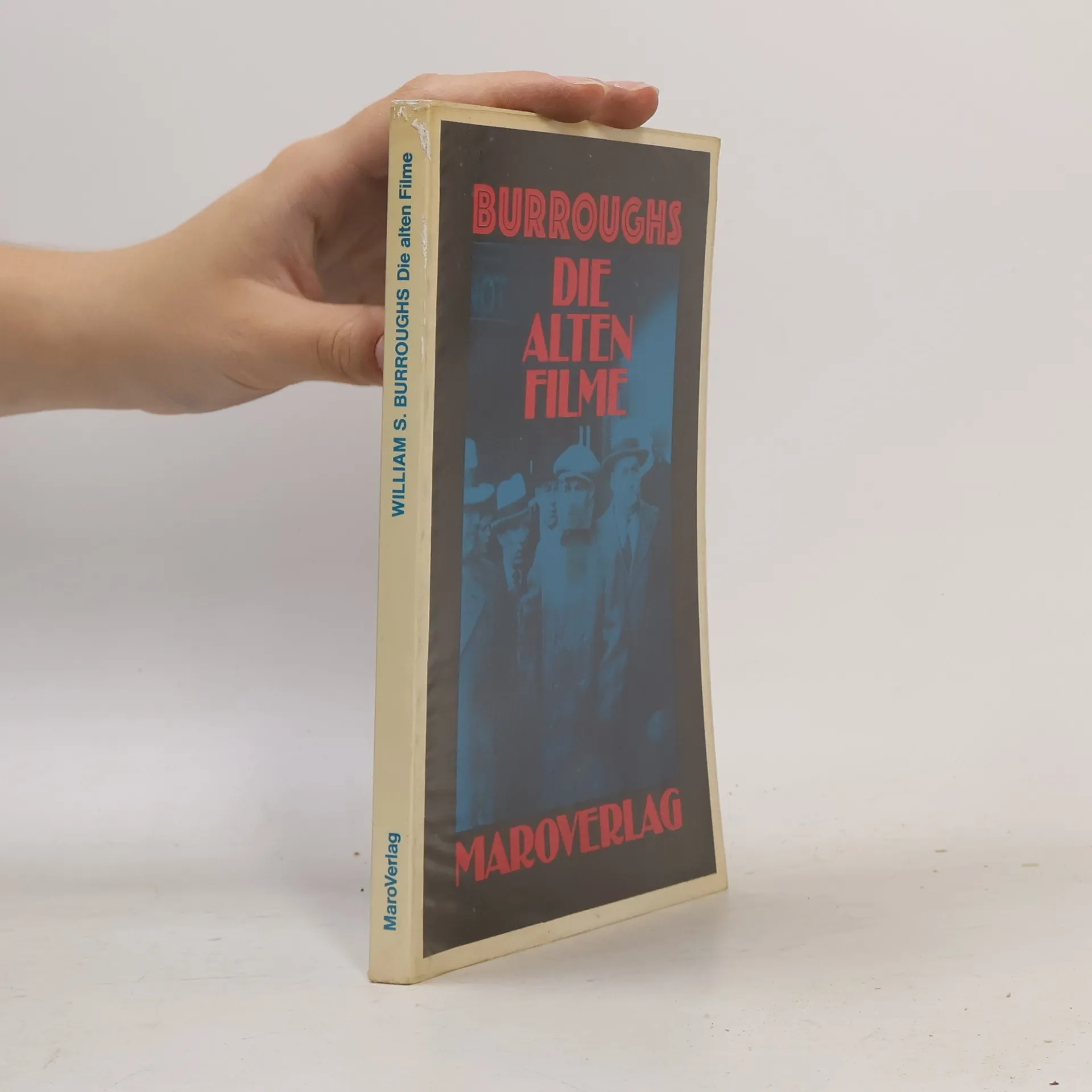
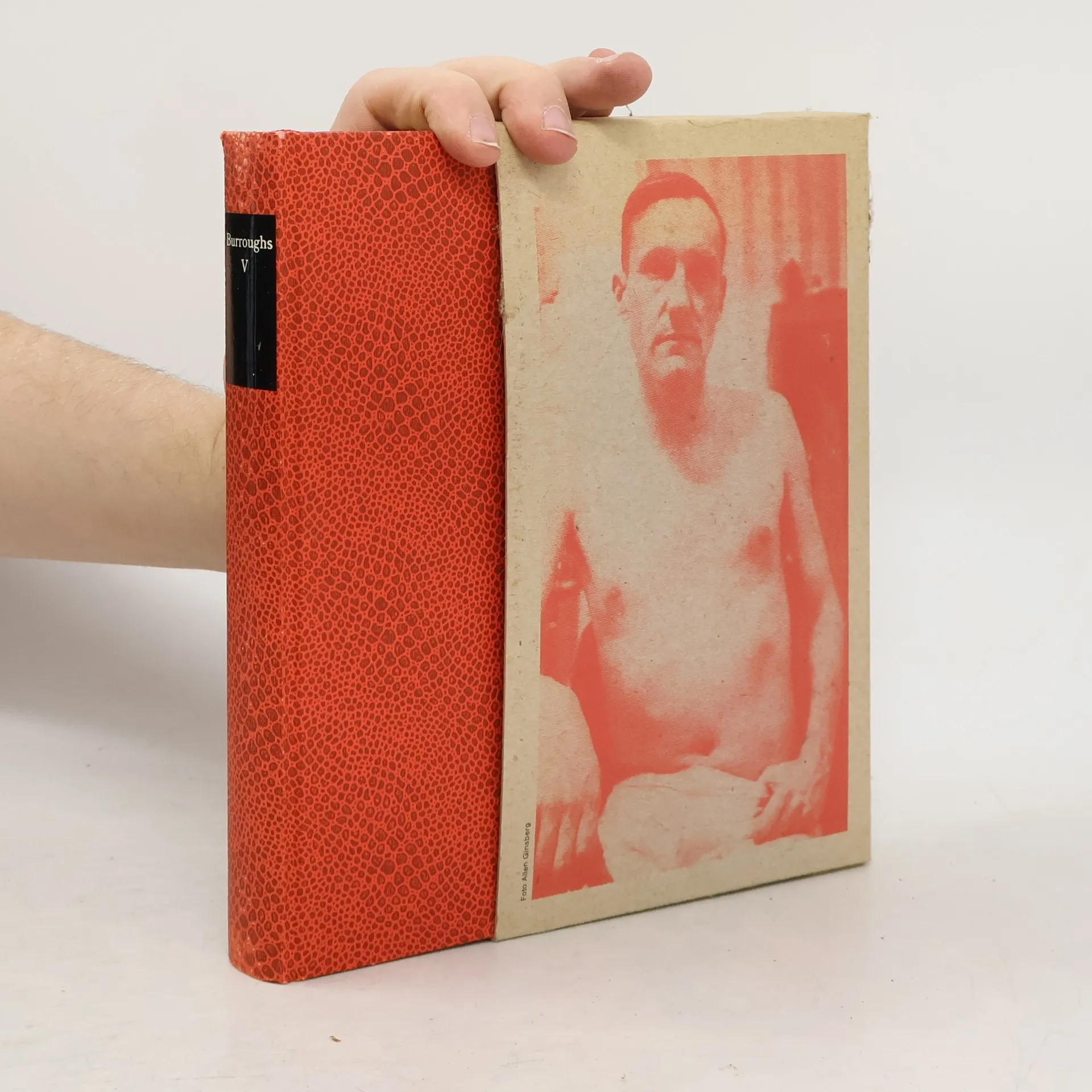
Am 5. Februar 2014 wäre Burroughs, der jahrzehntelang die Subkultur in den USA prägte, 100 geworden. Die Briefe aus seiner Zeit im Exil zeigen viele bislang unbekannte Seiten seiner Biographie. Der Schriftsteller wurde damals zur zentralen Figur eines neuen Zirkels von Künstlern, die zur Beatgeneration nur noch eine lose Verbindung hatten. Es sah noch nicht so aus, als würden seine experimentellen Arbeiten jemals das Licht der Welt erblicken. Neben dem Kampf um Anerkennung geben die Briefe auch faszinierende Einblicke in seine obsessive Suche nach dem perfekten Text. Und sie offenbaren, wie sehr die Radikalität der Texte mit der des Privatmenschen Burroughs zusammenhängt.
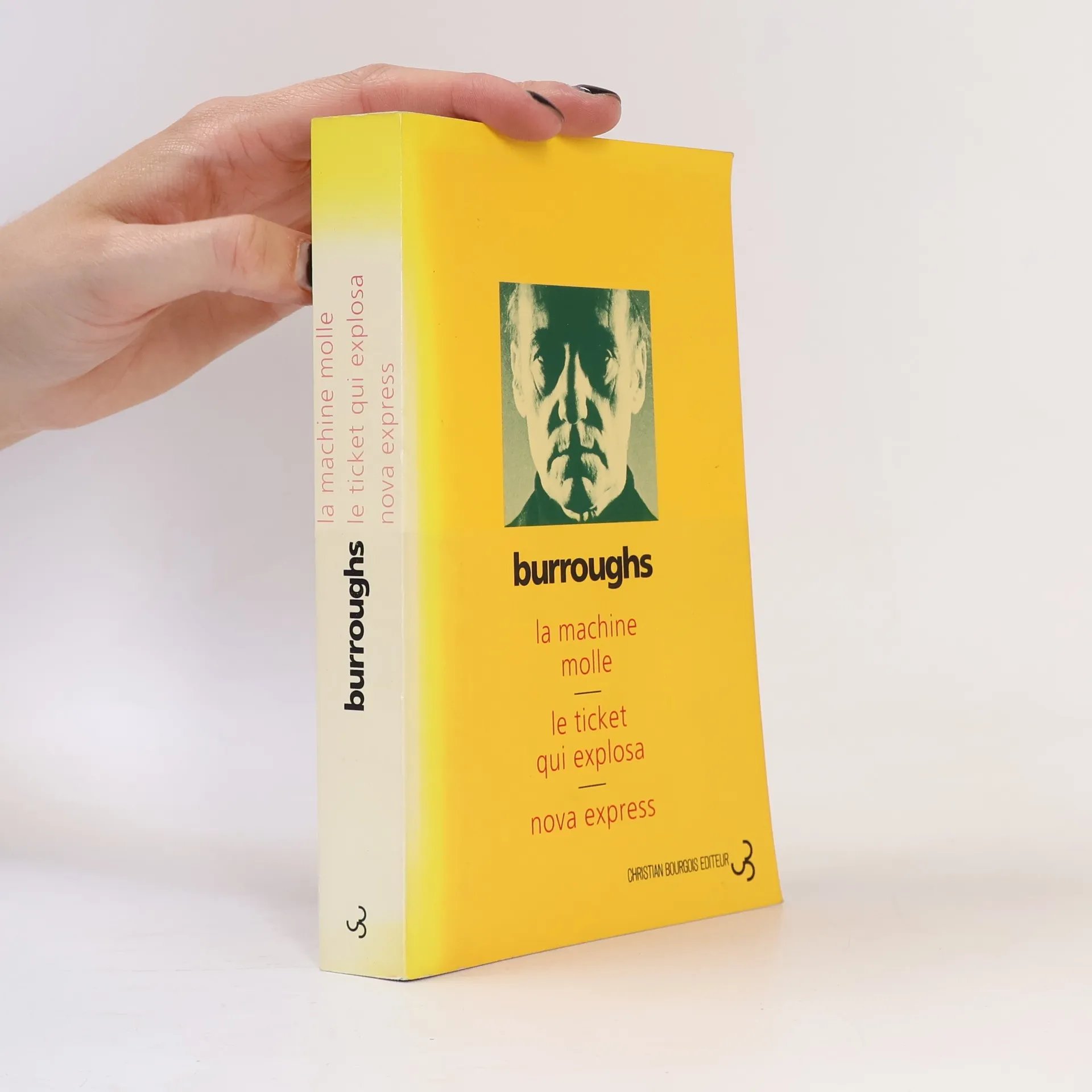
La Machine molle - Le Ticket qui explosa - Nova Express
- 486 pages
- 18 hours of reading
Après avoir achevé Le Festin nu, William Burroughs s'est lancé dans une longue période expérimentale. Dans la petite chambre du Beat Hotel de la rue Gît-le-Coeur, où il s'est installé, naît le projet d'une oeuvre ambitieuse et risquée qui prend la forme d'un triptyque : La Machine molle, qui paraît en 1961, Le Ticket qui explosa, écrit cette même année, et Nova Express, écrit en 1964. "Je tente de créer une mythologie nouvelle pour l'ère spatiale. Je sens que les vieilles mythologies sont définitivement brisées et ne sont pas adaptées au temps présent", disait Burroughs au sujet de cette trilogie.Norman Mailer y voyait "un Enfer qui peut-être nous attend, produit final et apogée de la révolution scientifique". Comme Dante et Milton, Burroughs s'est employé à représenter la position de l'homme dans l'univers - une position intenable, déchirante et absurde
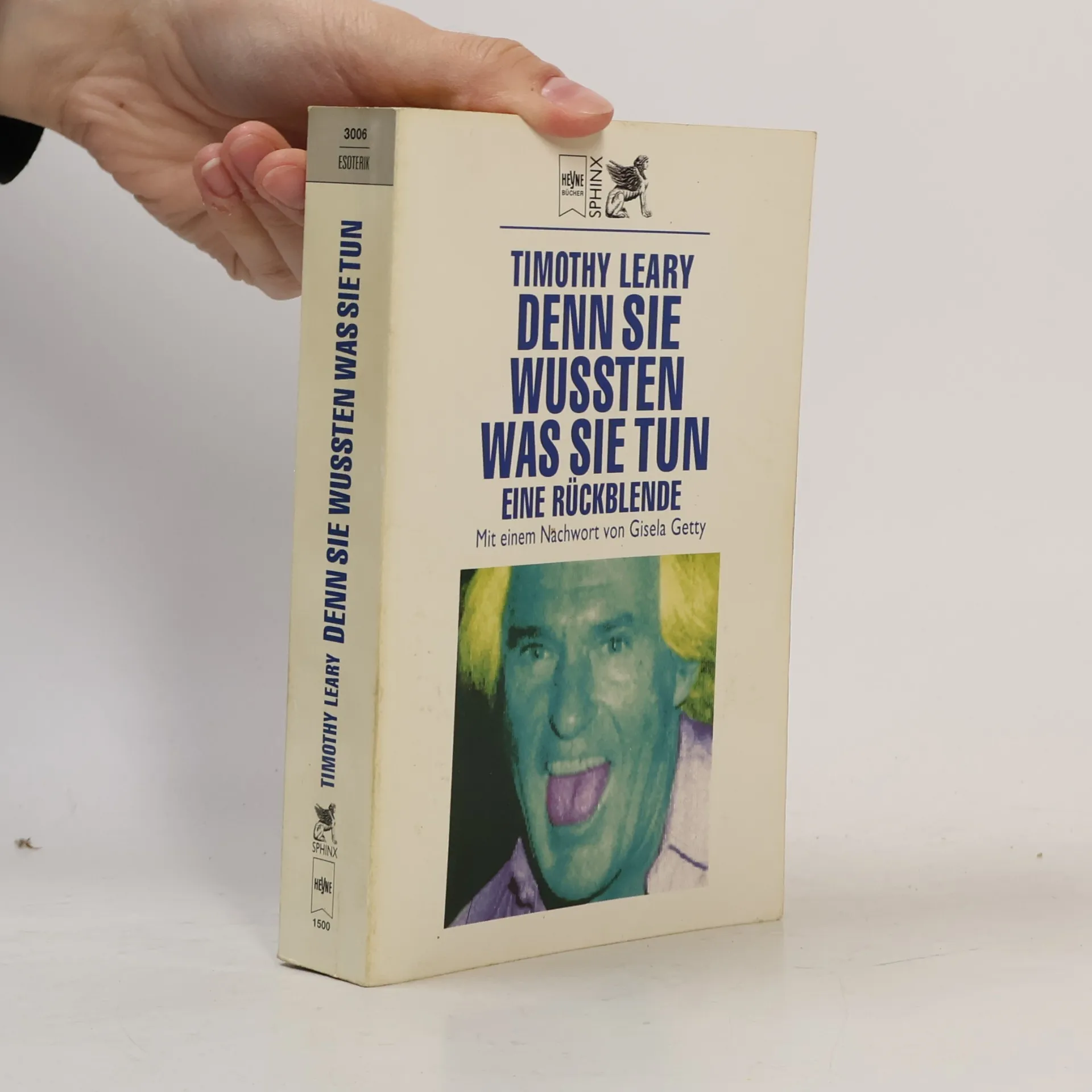
With a foreword by William Burroughs, this frenetic autobiography relates the life story of Timothy Leary, one of the key figures of the1960s North American counterculture, and the primary proponent of psychedelia as a way of life. Leary’s controversial views made him a public enemy in the United States, where he was eventually arrested in 1970 and sentenced to 20 years in prison. His escape from prison, and subsequent flight, with the help of the Weathermen, first to Algeria, then to Switzerland, Vienna, Beirut, and finally Kabul, Afghanistan, read like something out of a novel. Other events in Leary’s life were no less dramatic, and he chronicles them in this book openly and energetically. Intriguing cameos of iconic figures are woven into the author’s life history, including one by Cary Grant, whose experiments with lysergic acid are described in detail. Ultimately, Timothy Leary’s memories are as much a record of a singular era in American history as they are one man’s recollections of a struggle against persecution and being ostracized.
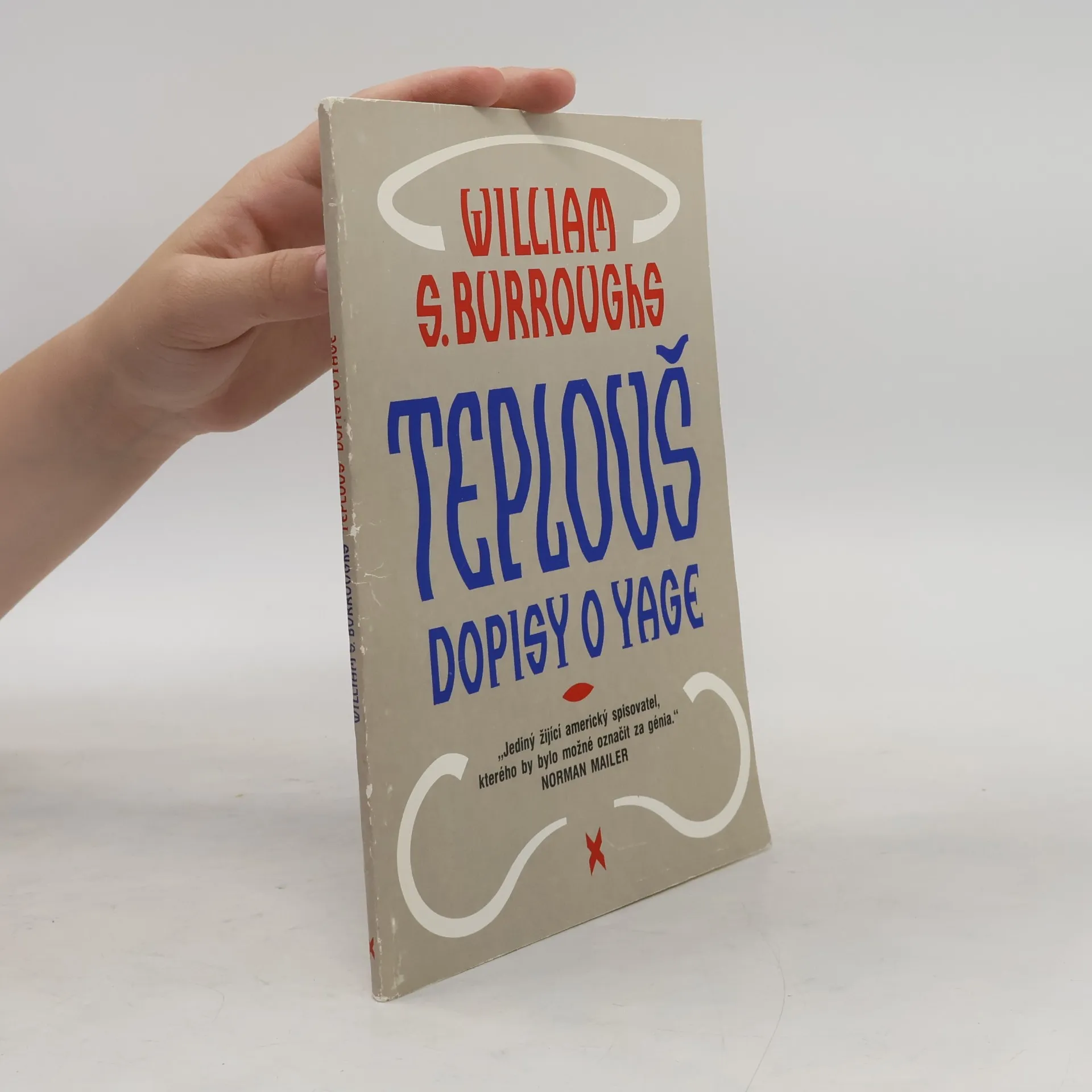
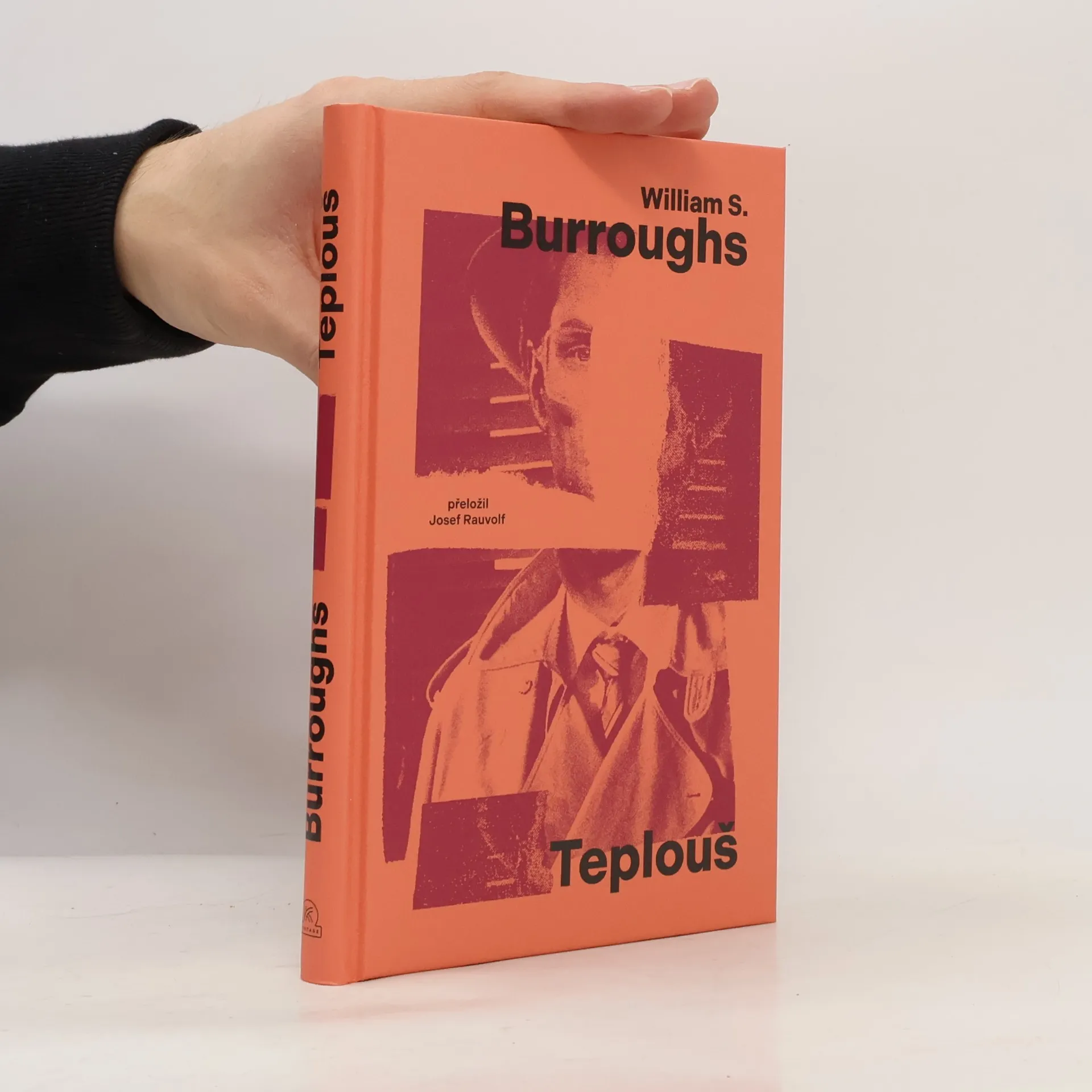
Toto vydání obsahuje dvě knihy – Teplouš (Burroughs) a Dopisy o Yage (Burroughs / Ginsberg). „Protagonista mého prvního románu Feťák, Lee, se jeví jako zcela integrovaný a soběstačný, jistý si sám sebou i tím, kam směřuje. V Teploušovi je rozložený, zoufale někoho potřebuje, ať užznámého nebo prostě nějaký kontakt, je naprosto nejistý sám sebou i smyslem své existence.“ Kniha, která nás opět díky svému věcnému jazyku a suchému stylu, temnému humoru a agresivní energii uvádí do Burroughsových vizí, jež se už dávno staly skutečností. Kniha byla napsána v roce 1952, poprvé však vyšla až v roce 1985, česky pak v roce 1991.
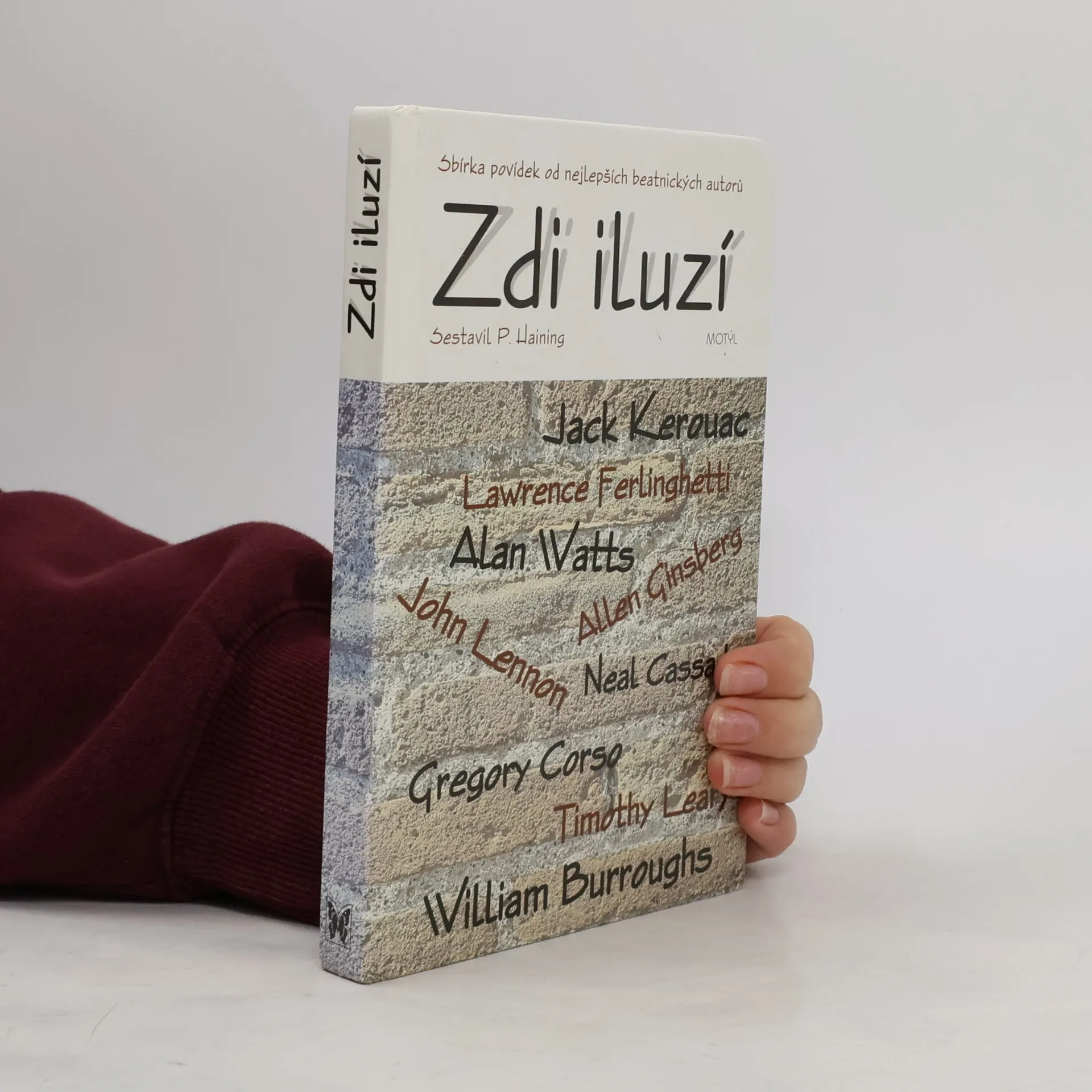
Tato kniha obsahuje krátké povídky a ukázky od amerických autorů, kteří reprezentují legendární beatnickou kulturu, jejímž centrem bylo San Francisco. Mezi hlavními autory najdeme Ferlinghettiho, Cassadyho, Kerouaca, Ginsberga a Corsoa, doplněné o další autory z Ameriky a Evropy. Výbor představuje literární díla dvaceti autorů spolu s úvodními informacemi o jejich životech a je zakončen esejem Aldouse Huxleyho o vlivu drog na uměleckou tvorbu. Povídky se zabývají tématy, která zkoumají neprozkoumané oblasti lidské mysli, odhalují bizarní vize a extrémní zážitky. Autoři se vydávají na cesty fantazie vyvolané halucinogeny, setkávají se s obrazy ráje i temnoty, smrti a sebezničení. Tato antologie je pro dnešního čtenáře ukázkou svobody tvorby psychedelické generace šedesátých let, která zanechala nesmazatelnou stopu v moderní literatuře. Obsahuje úryvky a povídky od autorů jako Neal Cassady, Jack Kerouac, William S. Burroughs, Allen Ginsberg a další, včetně esejů a rozhovorů, které reflektují jejich jedinečné pohledy na svět.
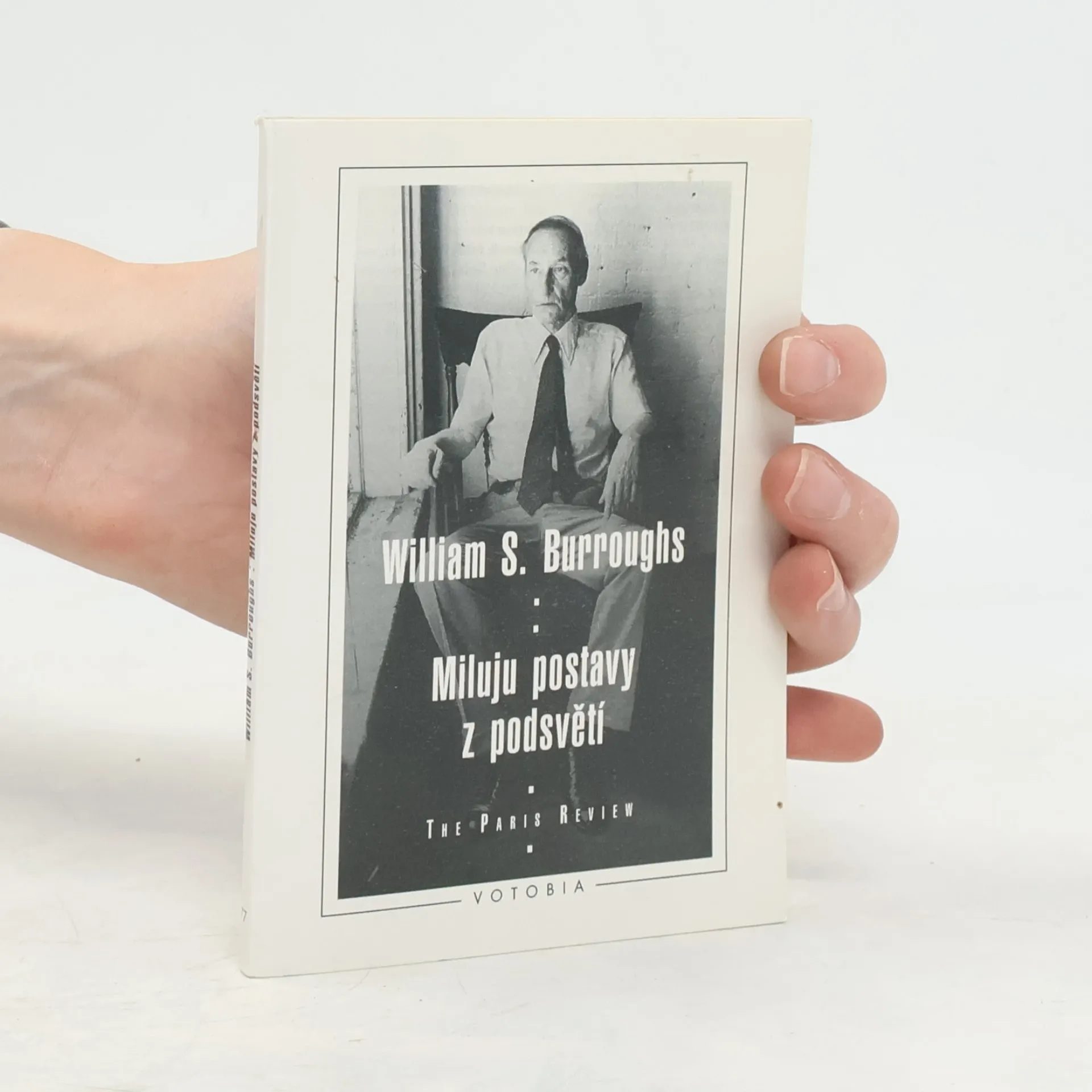
Miluju postavy z podsvětí
- 88 pages
- 4 hours of reading
S Williamem S. Burroughsem hovořil Conrad Knickerbocker.
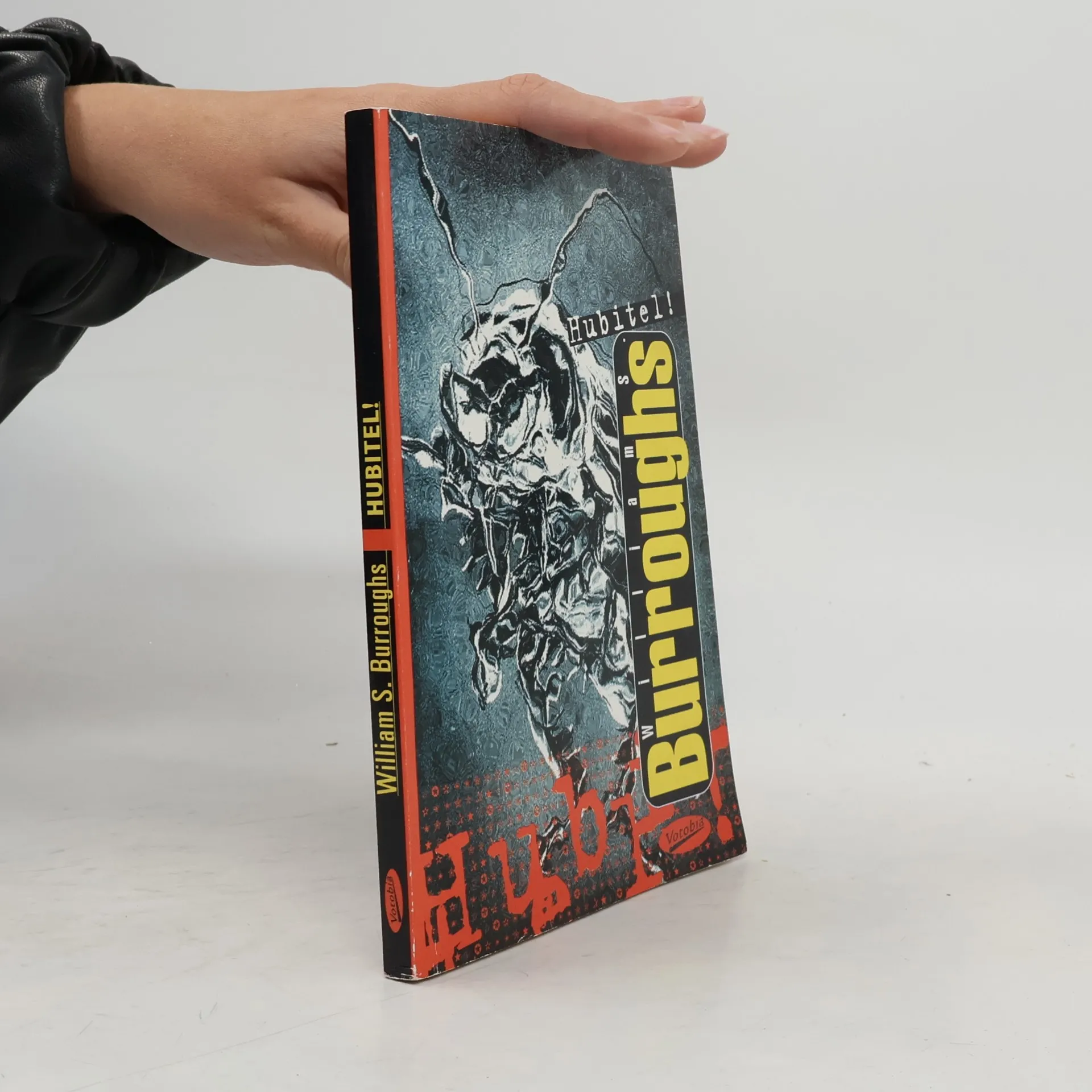
Hubitel!
- 150 pages
- 6 hours of reading
Soubor povídek s velmi nekonvenčním námětem i formou, obsahuje science-fiction, drobné horory, halucinační a filosofické texty.
Drásavá výpověď o duševních stavech a pocitech narkomana a homosexuála, který marně touží po naplnění své lásky, je do značné míry autobiografická. Kniha z roku 1952 se odehrává v exotickém prostředí tehdejšího Mexico City, mezi různými životními ztroskotanci a je volným pokračováním autorovy románové prvotiny Feťák. Hlavní hrdina tentokrát prochází těžkými abstinenčními příznaky, které mu ve své děsivosti jen pozvolna odkrývají nepřátelský vnější svět a nechávají ho bezbranného vůči znepokojujícím vizím. Bolestivý návrat z drogové izolace se hrdina snaží zmírnit snahou nalézt partnera, lásku, která by zároveň byla vědomým kontaktem s okolním světem. Když však i tady ztroskotává, vydává se do Jižní Ameriky hledat záhadnou rostlinu, jejíhož odvaru používají místní léčitelé.
Doctor Benway
A Passage from The Naked Lunch by William S. Burroughs with a New Introduction by the Author
- 286 pages
- 11 hours of reading