The Future of Violence - Robots and Germs, Hackers and Drones
Confronting the New Age of Threat
- 336 pages
- 12 hours of reading
The terrifying new role of technology in a world at war


Benjamin Wittes is a Senior Fellow in Governance Studies at The Brookings Institution. He co-founded and co-writes the influential Lawfare blog, devoted to non-ideological discussion of hard national security choices. Wittes specialized in legal affairs as an editorial writer for The Washington Post. His writing has also appeared in a wide range of journals and magazines.
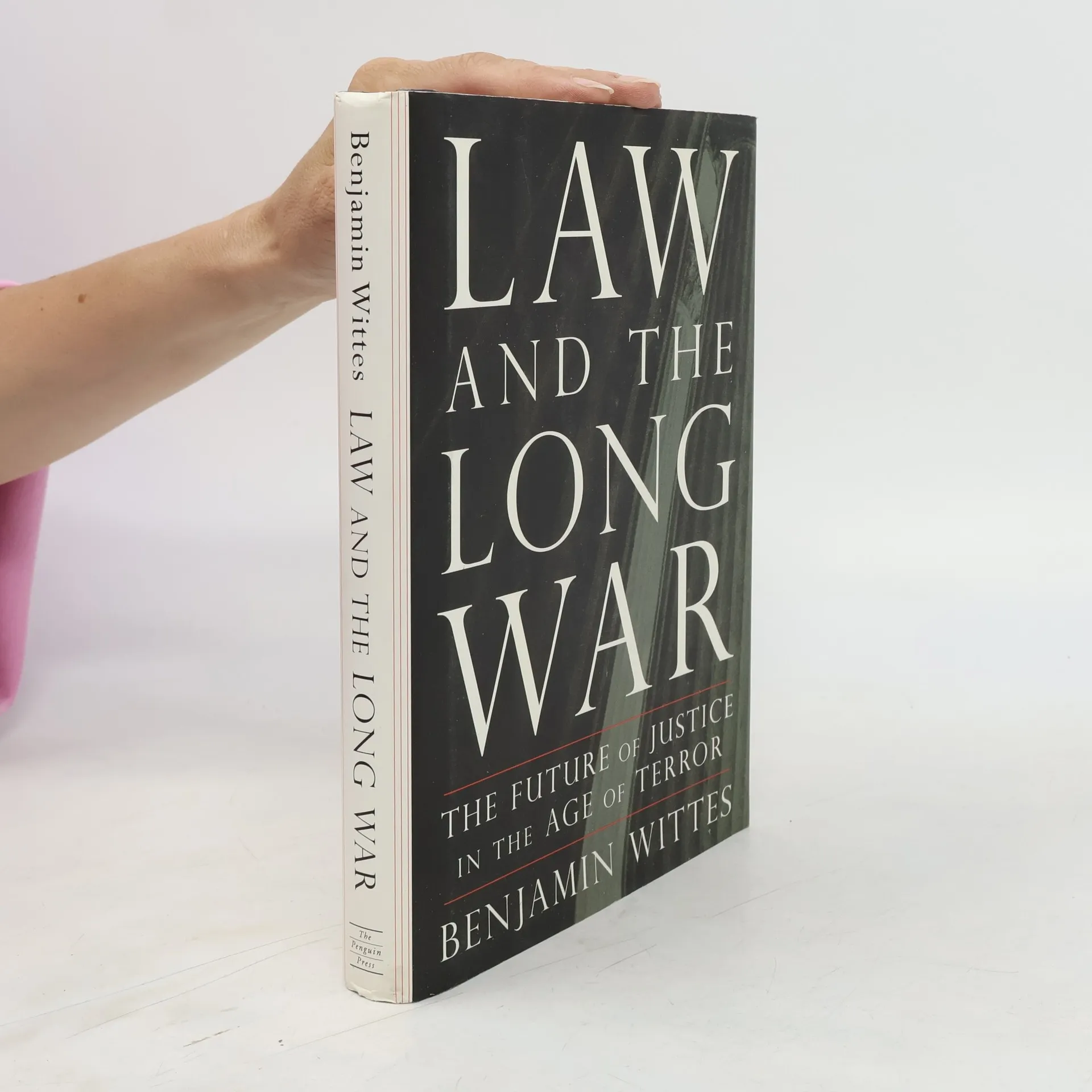
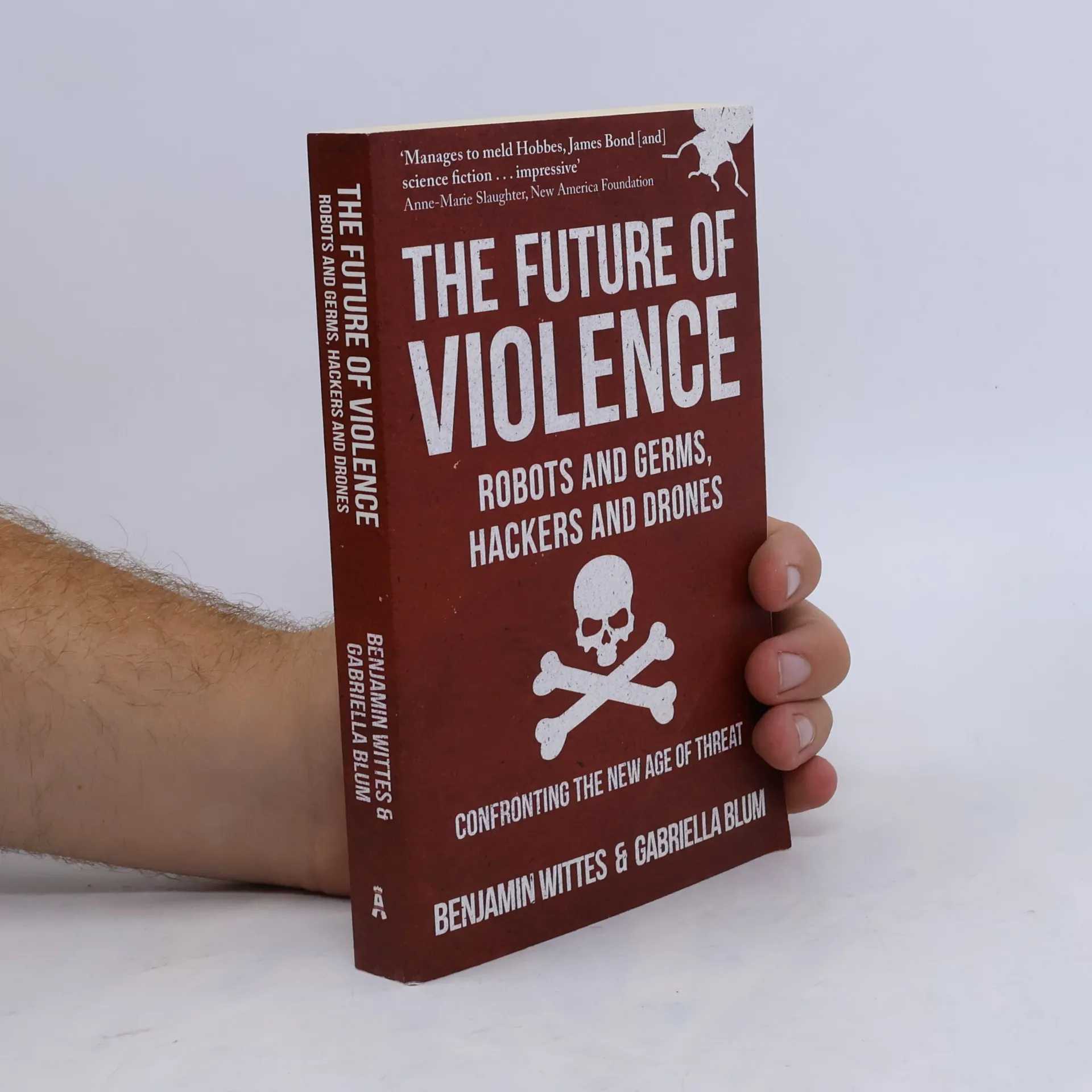
Confronting the New Age of Threat
The terrifying new role of technology in a world at war
Benjamin Wittes presents a nonpartisan critique of a critical aspect of America’s war on terror—the legal battles involving the Bush administration, Congress, and the Supreme Court. Six years post-September 11, America is faltering not against Al Qaeda but due to its inability to establish laws that safeguard its military, executive branch, and citizens in an unprecedented conflict. As President Bush's tenure wanes, Wittes delivers a robust analysis of the troubling legal legacy left by the administration, Congress, and the judiciary. He narrates how the nation reached its current deadlock in the discourse surrounding liberty, human rights, and counterterrorism, proposing a roadmap for future leaders. Moving beyond the polarized debate on whether the executive or judiciary should lead counterterrorism policy, Wittes argues that the core issue lies in the Bush administration’s failure to seek new laws to authorize necessary presidential actions. He contends that the administration's significant shortcoming was not its aggressiveness but its reluctance to involve other branches of government. Through new empirical research on Guantánamo Bay detainees, he suggests that many actions taken were more defensible than critics claimed and deserved congressional backing. By resisting collaboration with Congress and the judiciary, the executive branch inadvertently hindered shared political accountability for actions challenging traditio