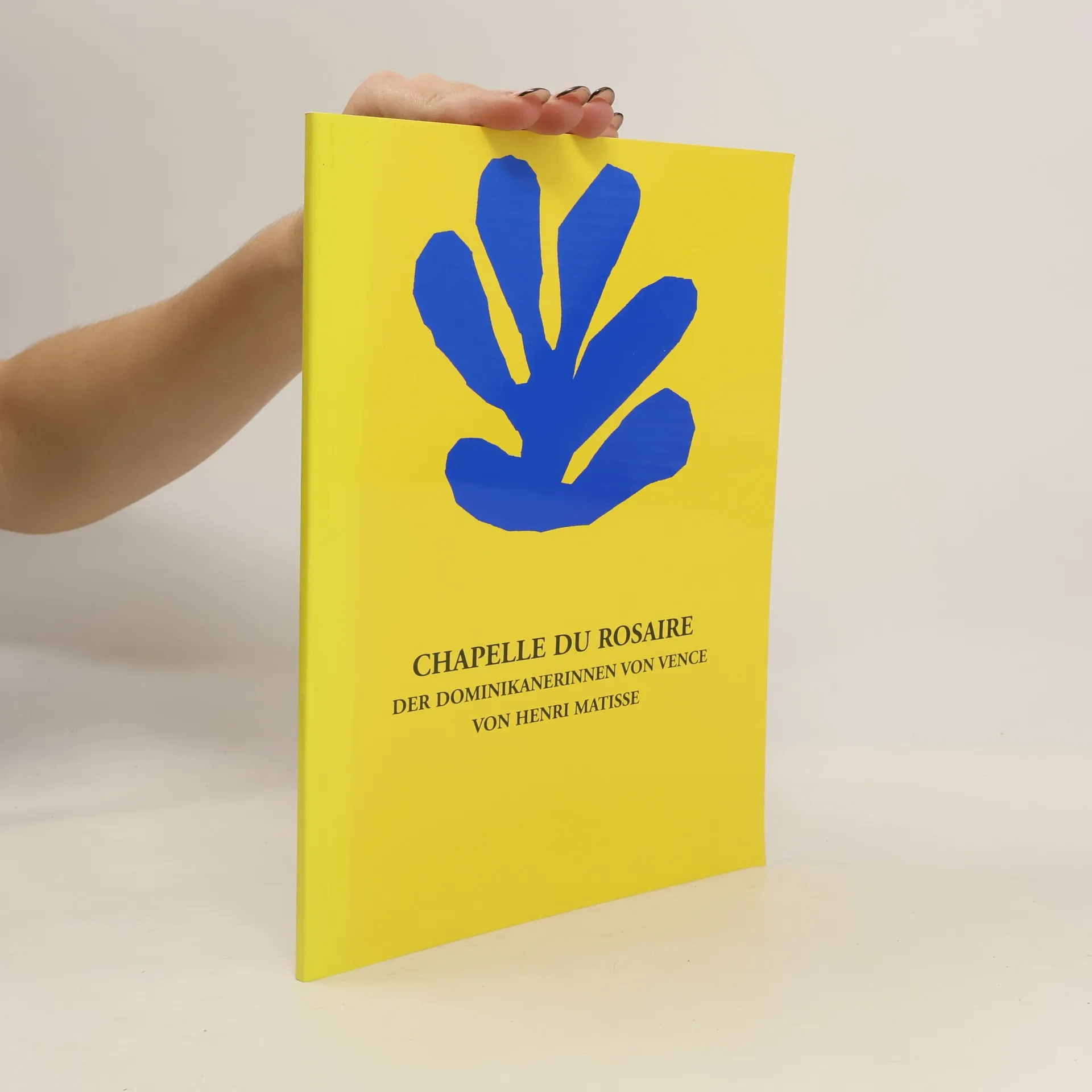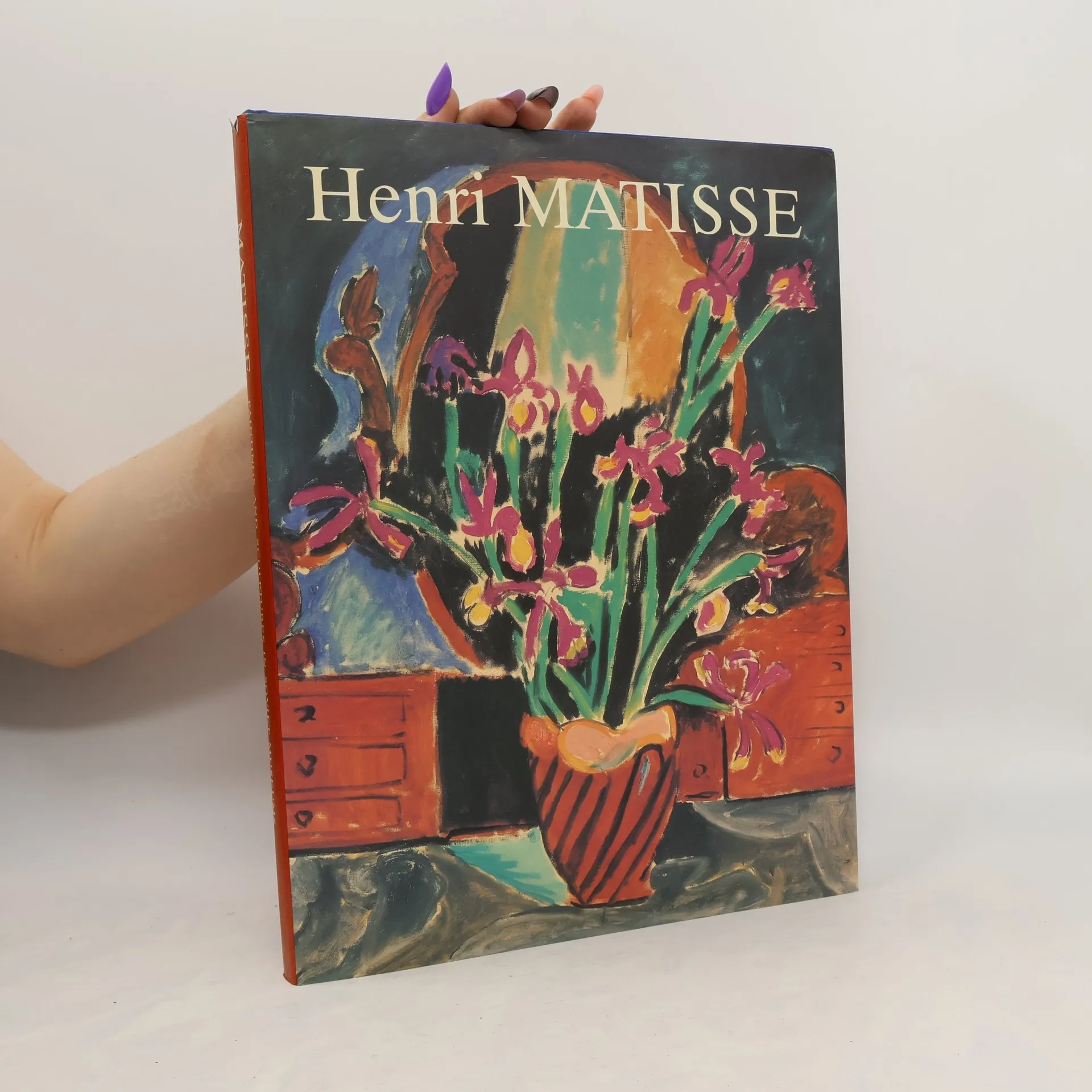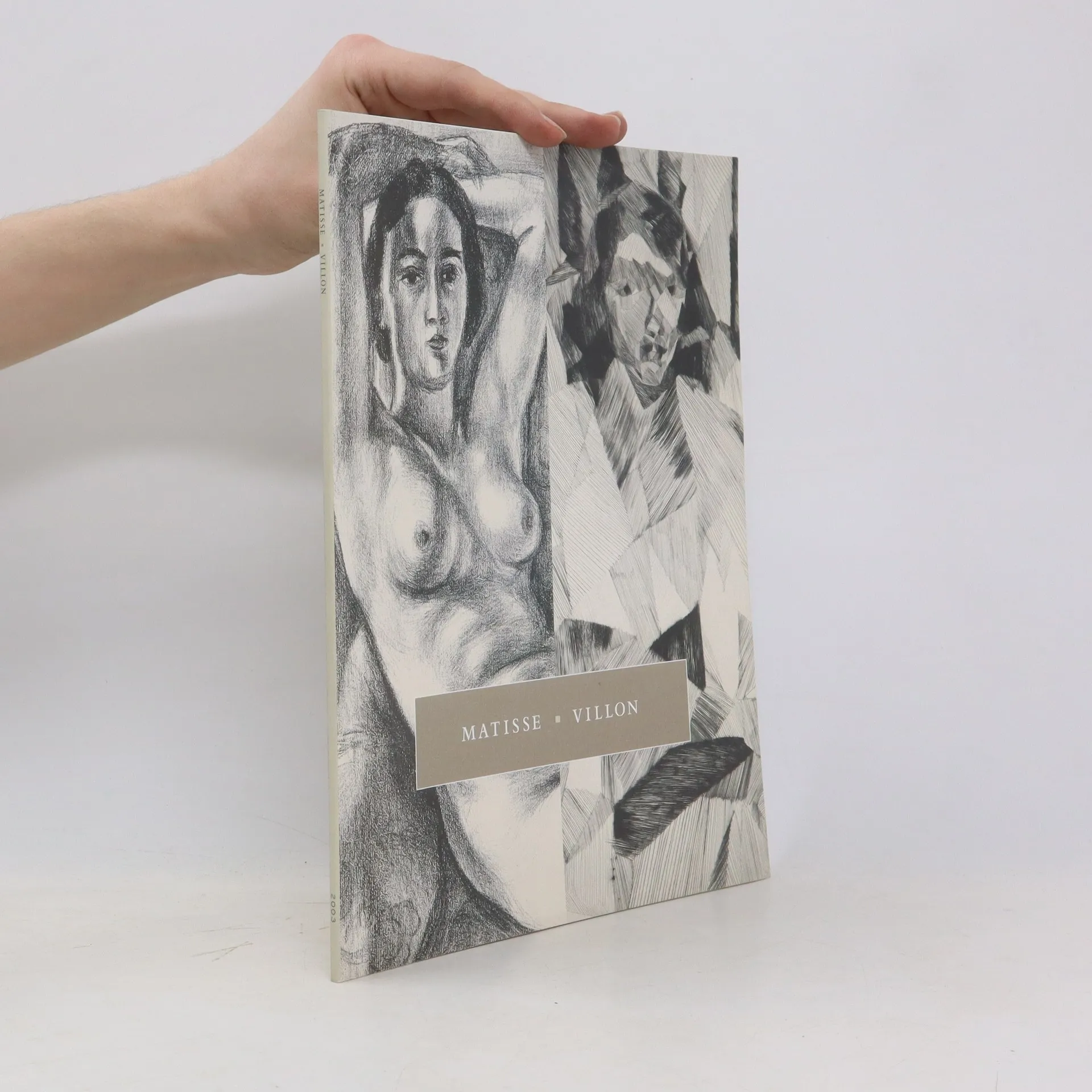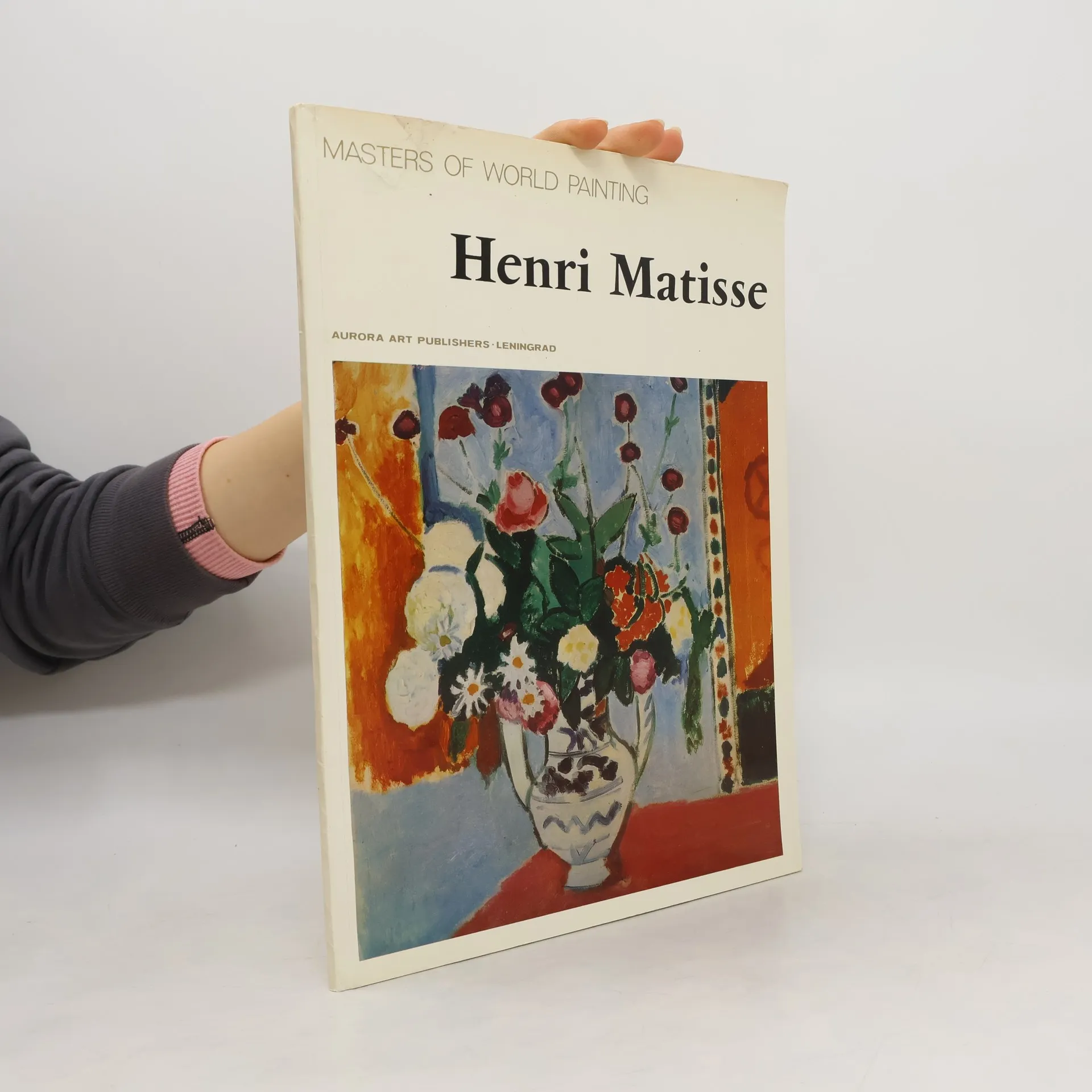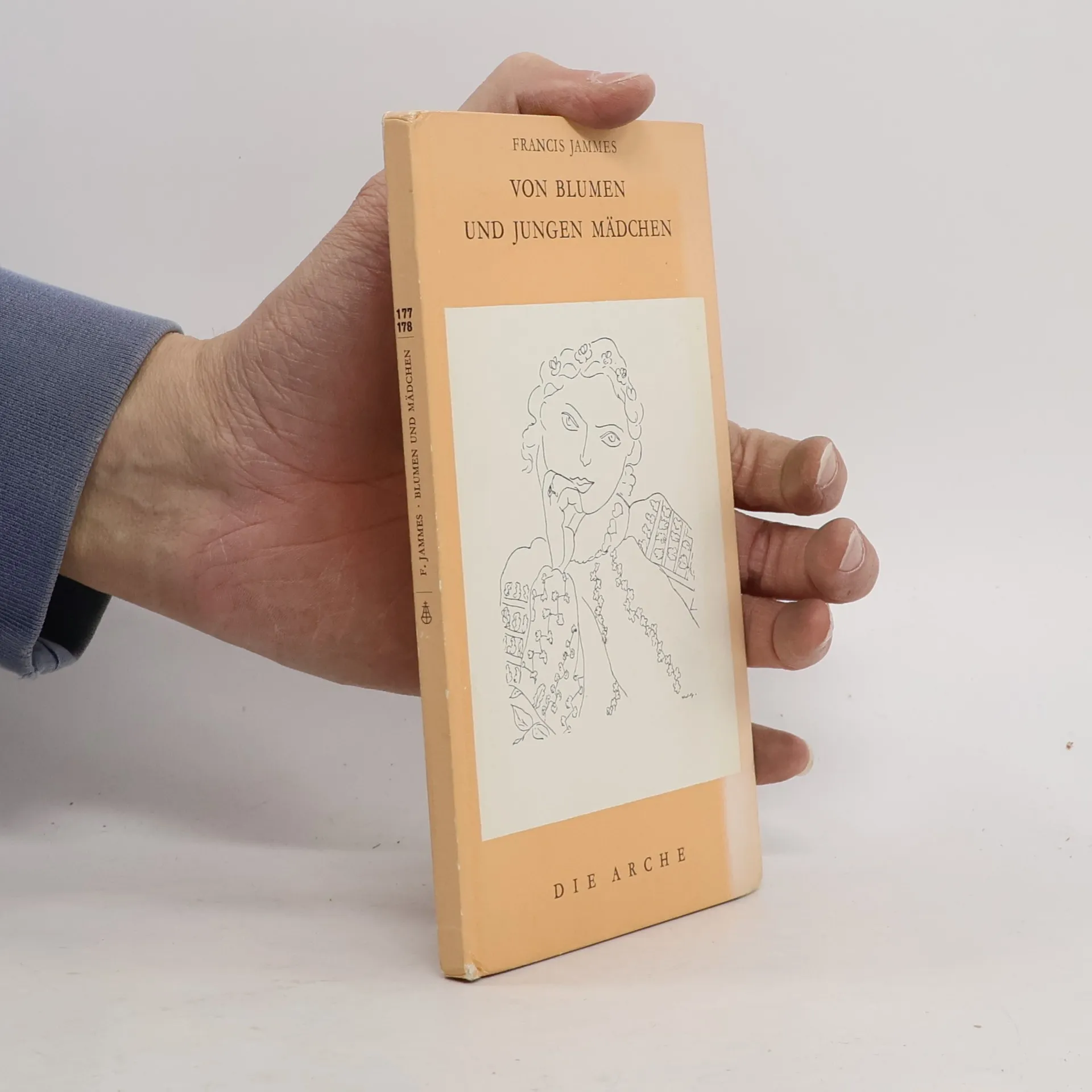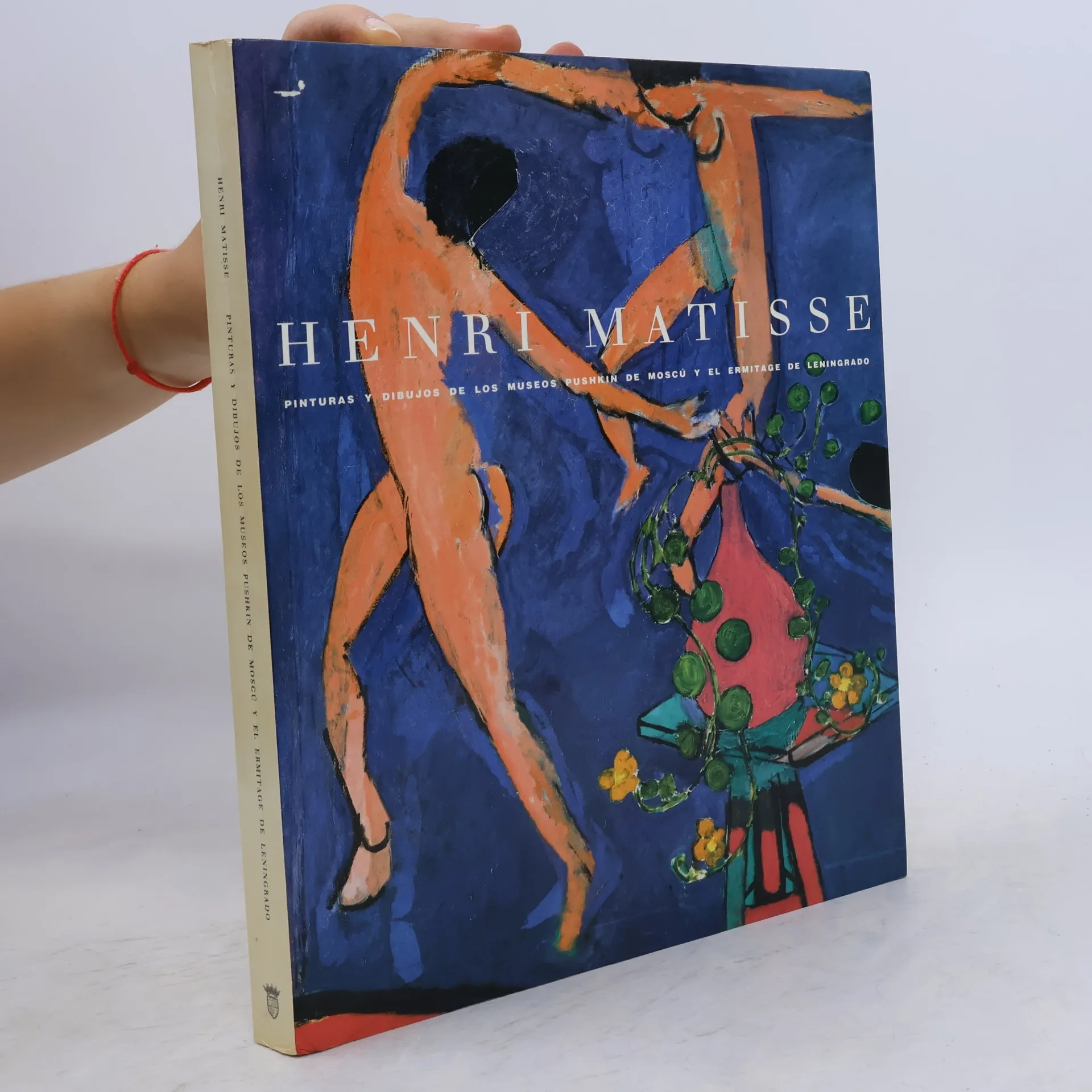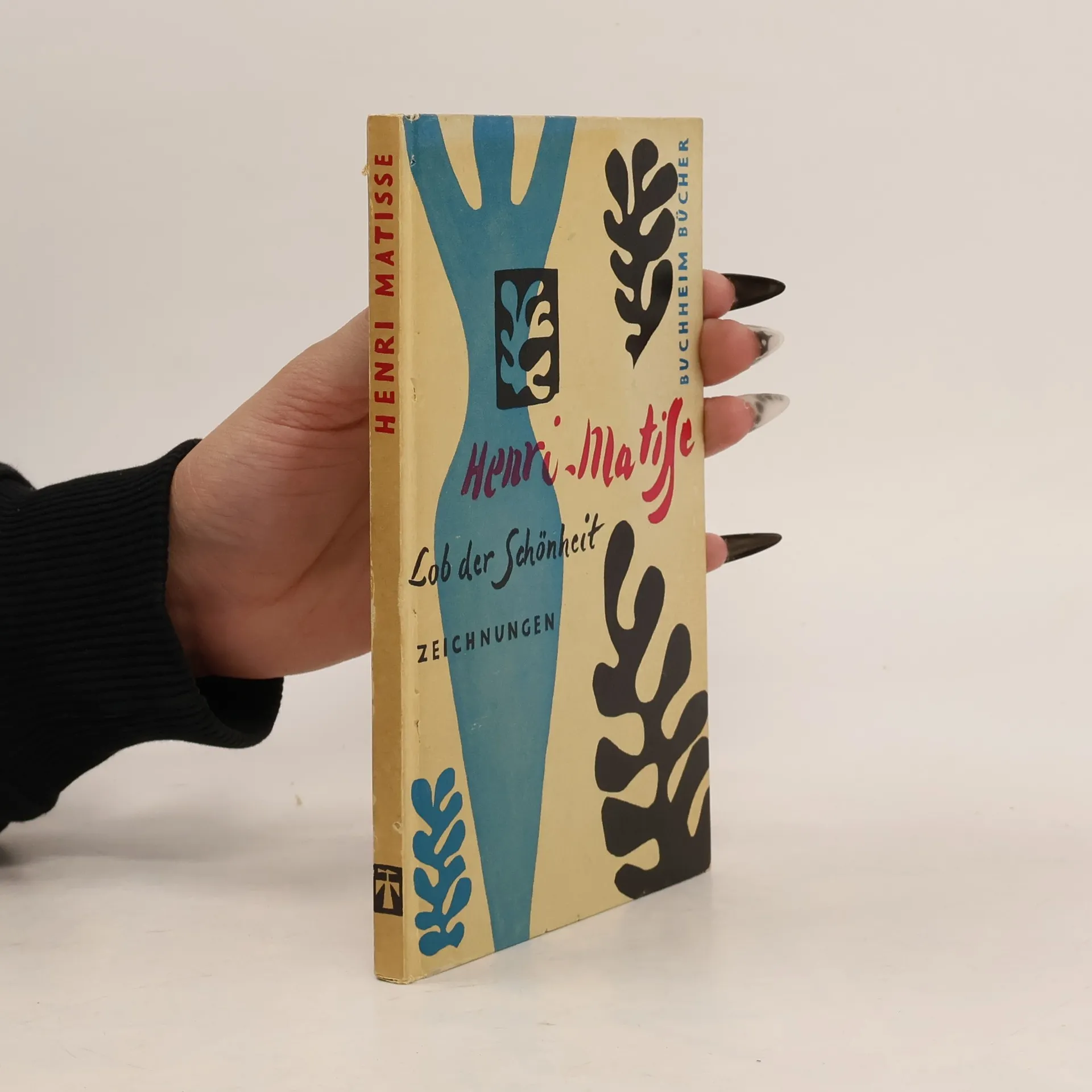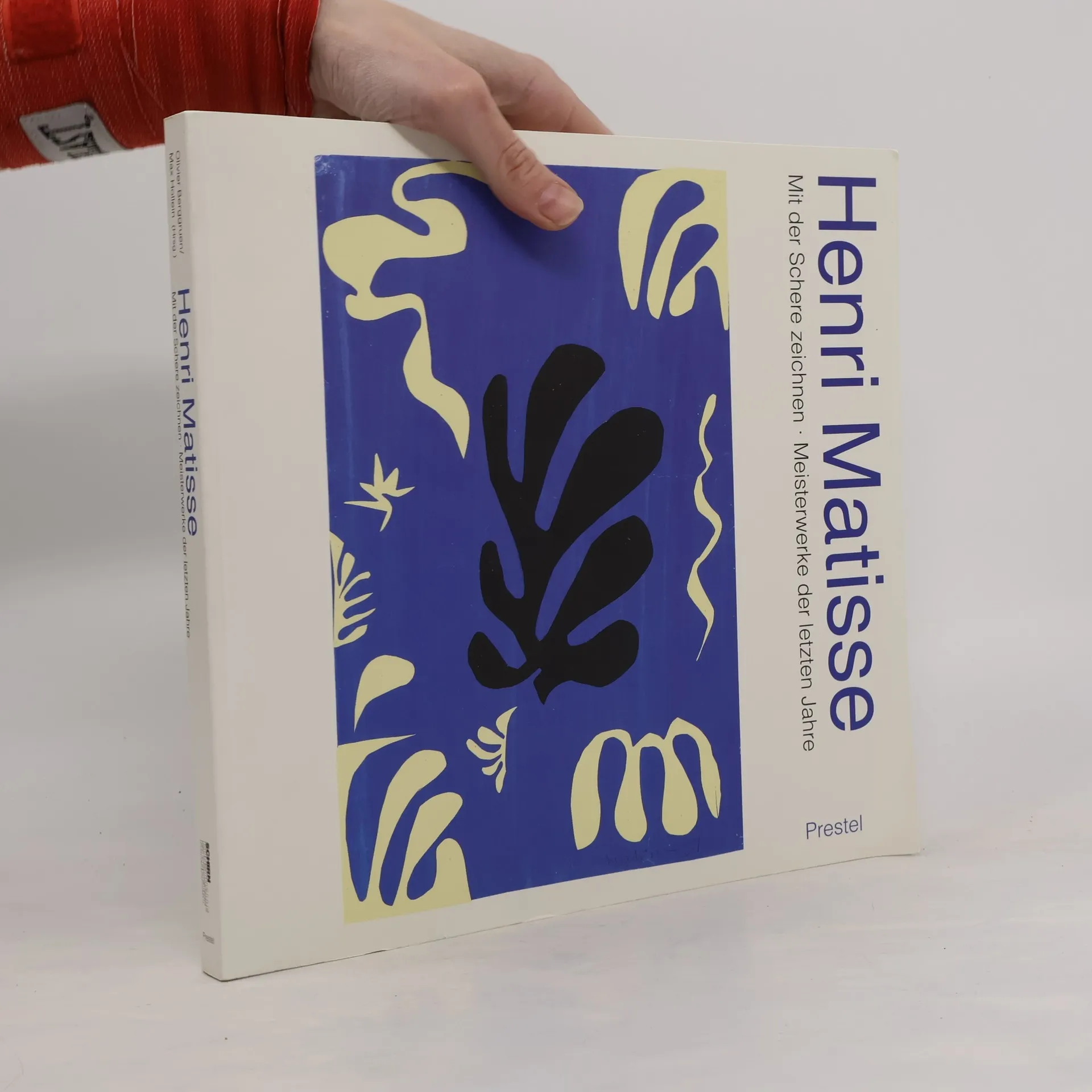

Explore the latest books of this year!
Bookbot

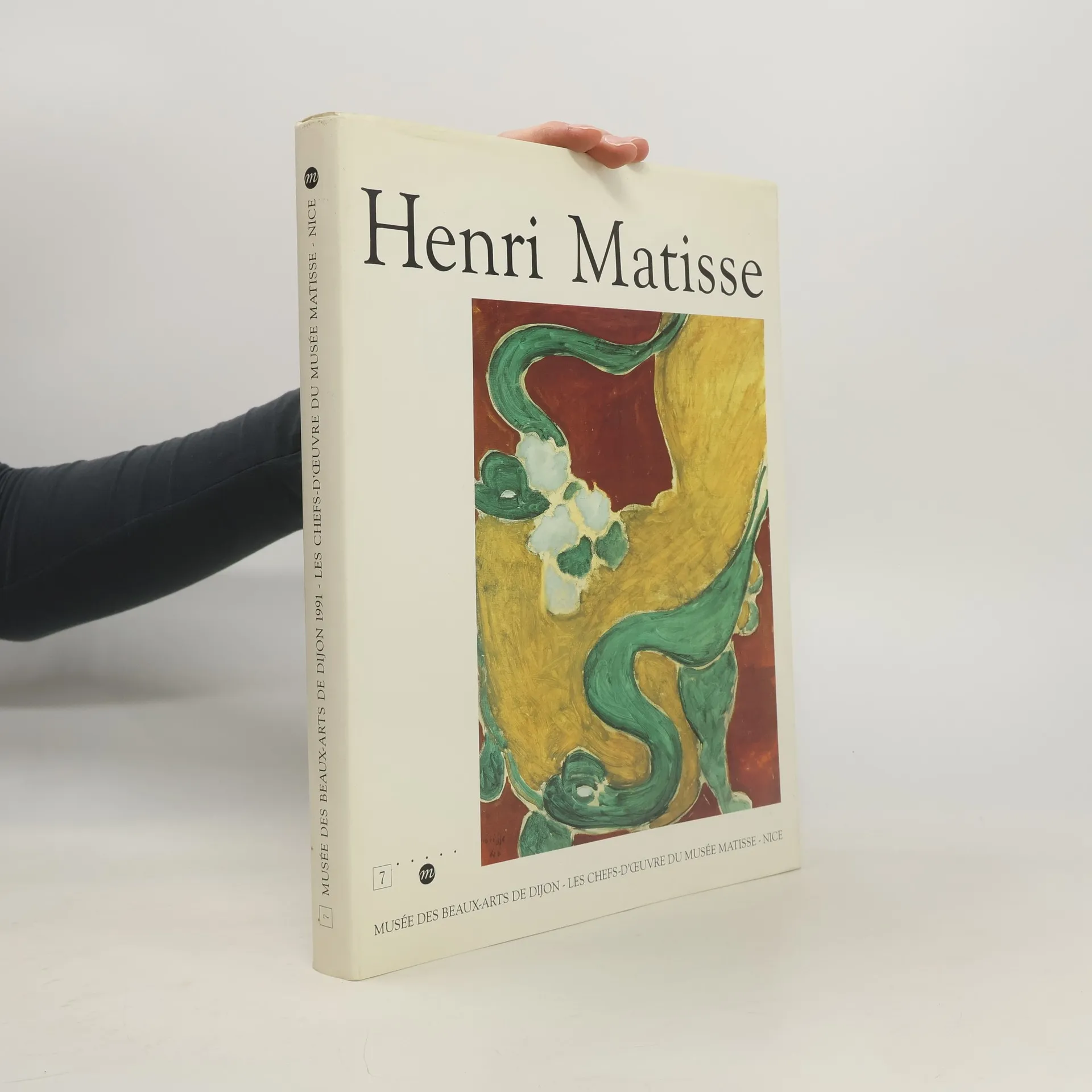
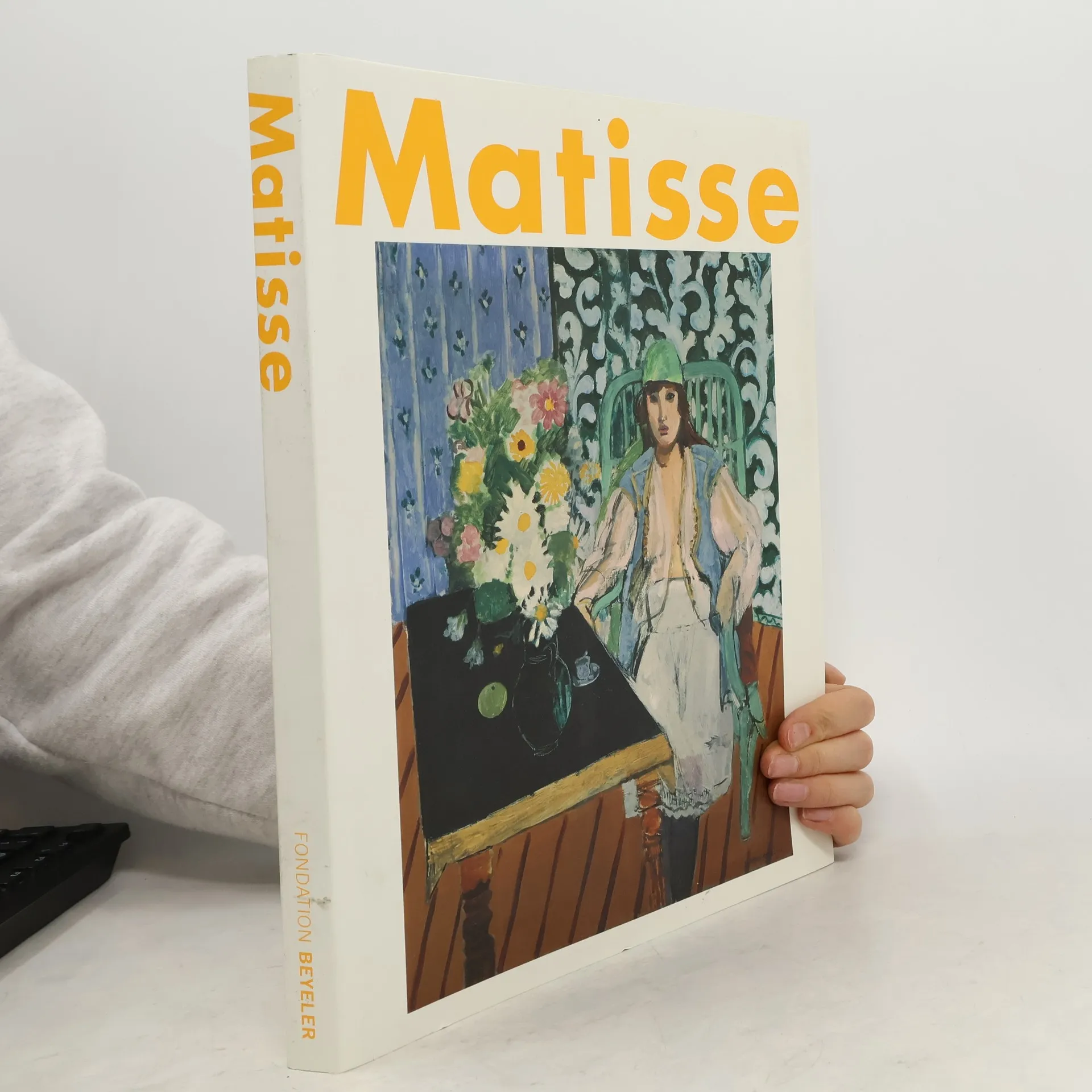
Henri Matisse

    December 31, 1869 – November 3, 1954

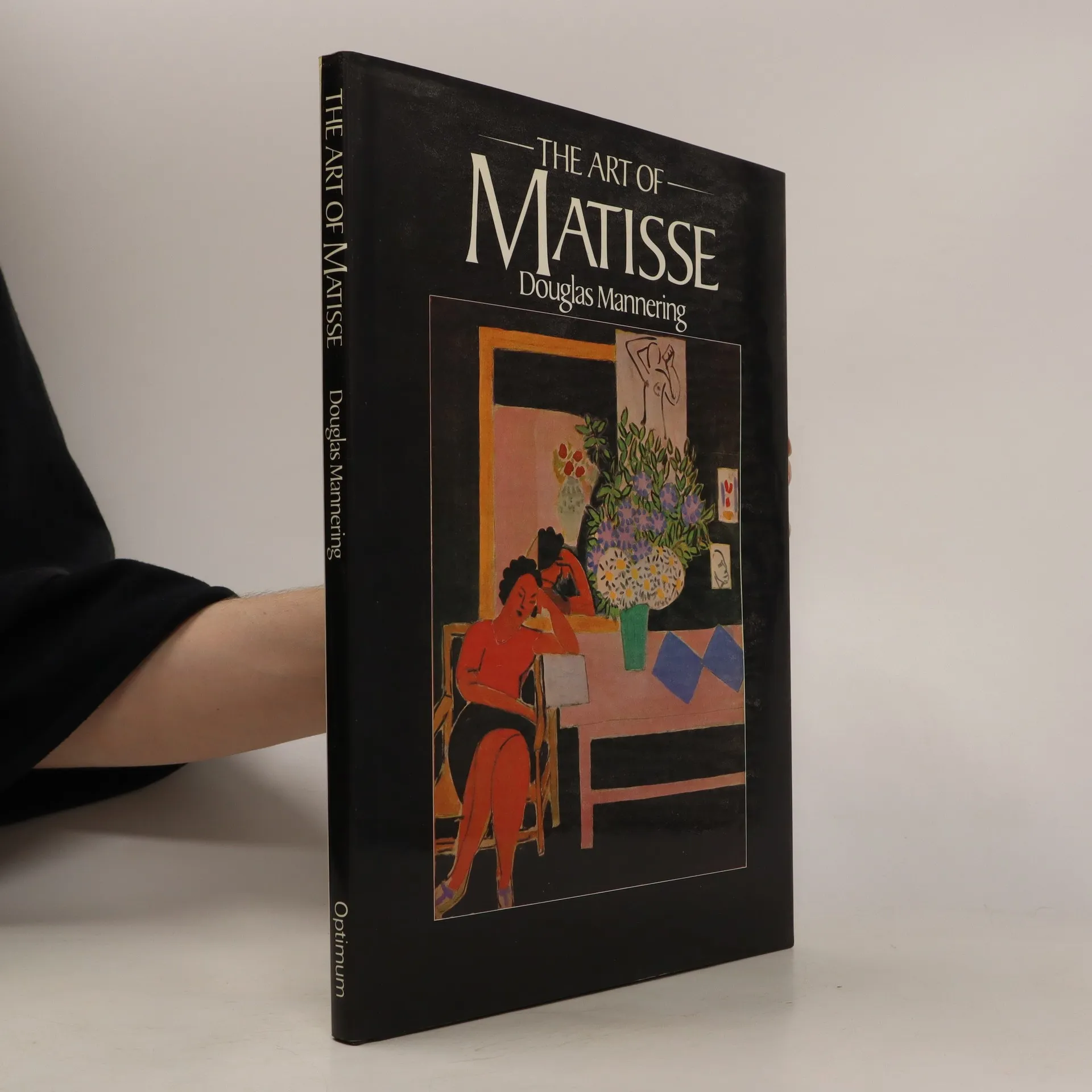
    Henri Matisse was a French artist renowned for his masterful use of color and his fluid, brilliant, and original draughtsmanship. Primarily a painter, but also accomplished as a draughtsman, printmaker, and sculptor, Matisse stands as one of the most recognized artists of the 20th century. Though initially labeled a Fauvist, by the 1920s, he was increasingly celebrated as a proponent of the classical tradition in French painting. His command over the expressive language of color and drawing, evident across a career spanning over fifty years, cemented his status as a leading figure in modern art.

    Henri Matisse
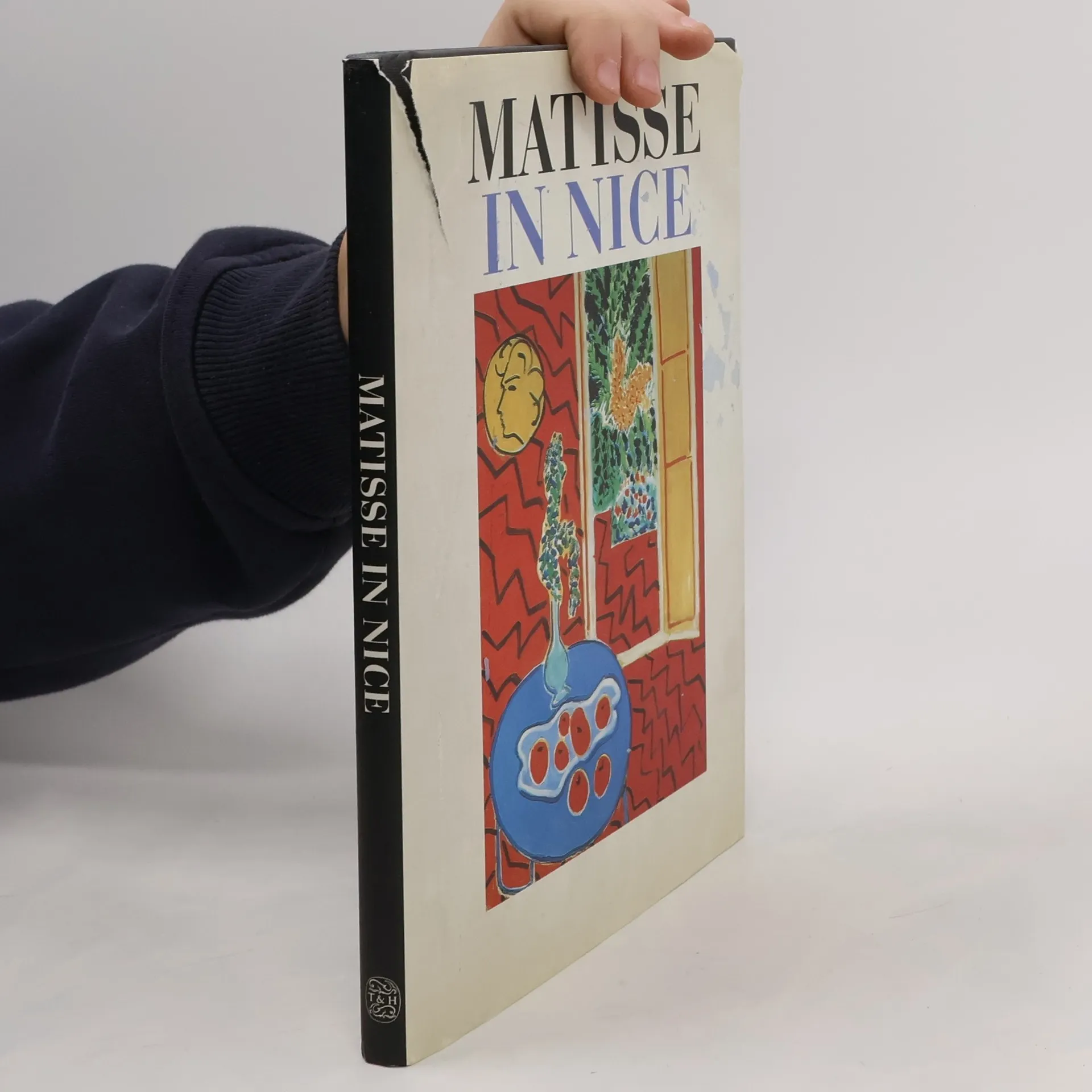
    Matisse in Nice, 1917-1954
    Henri Matisse
    Matisse grabador
    Chatting with Henri Matisse: The Lost 1941 Interview
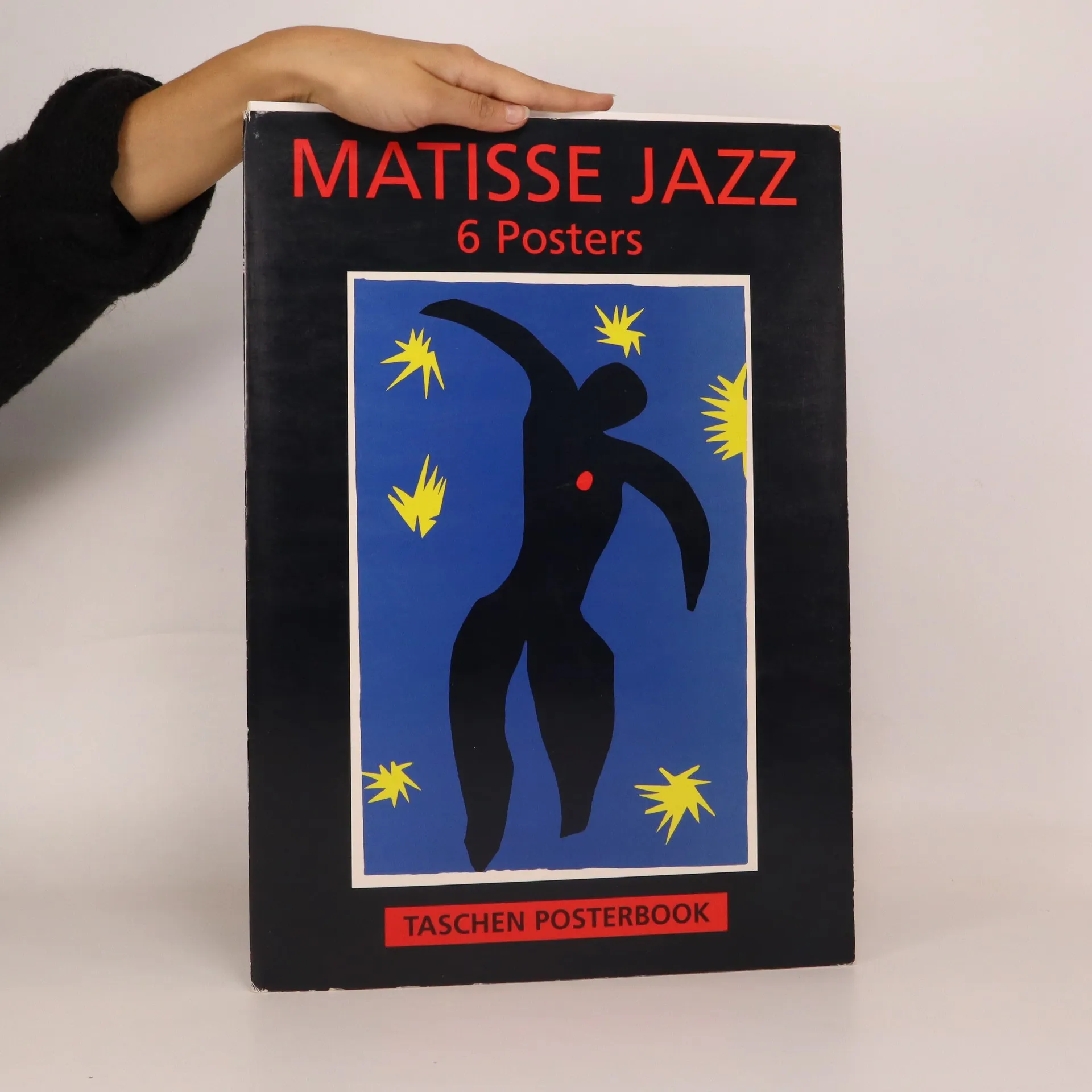
    Jazz
    Henri Matisse
    • Henri Matisse

      Masterworks from the Museum of Modern Art

      • 152 pages
      • 6 hours of reading

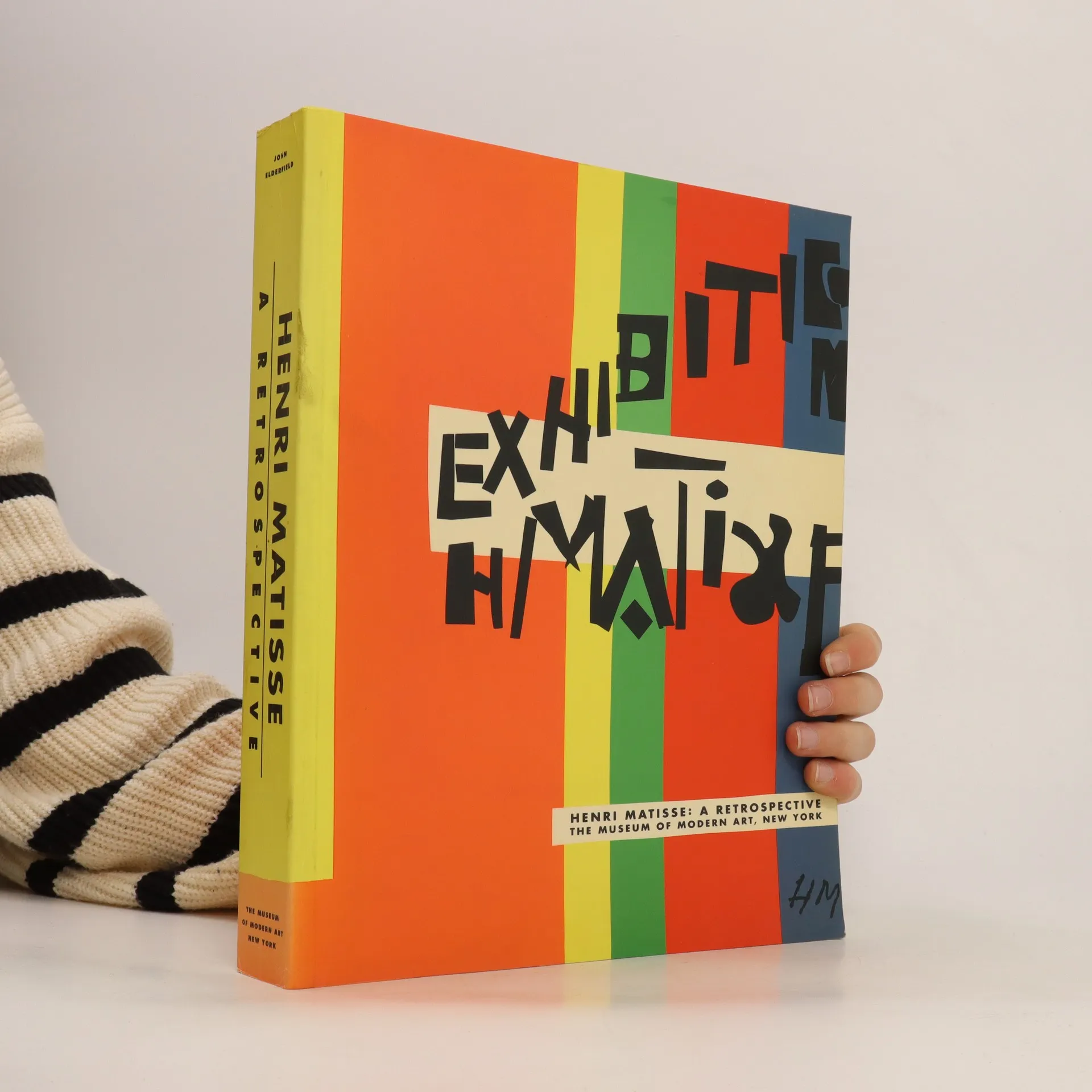
      Lavishly produced in oversize format, here is the complete illustrated catalogue of a landmark new exhibition devoted to the artist--the largest ever assembled--to be held at The Museum of Modern Art, New York, from September through January. Includes biographical notes, a chronology, and introductions to each major period of Matisse's career. 320 colorplates reproduce every painting and cutout in the exhibition; 92 black-and-white plates illustrate the sculptures, drawings, and prints; and 180 illustrations show related works not in the exhibition.

      Henri Matisse
      4.5
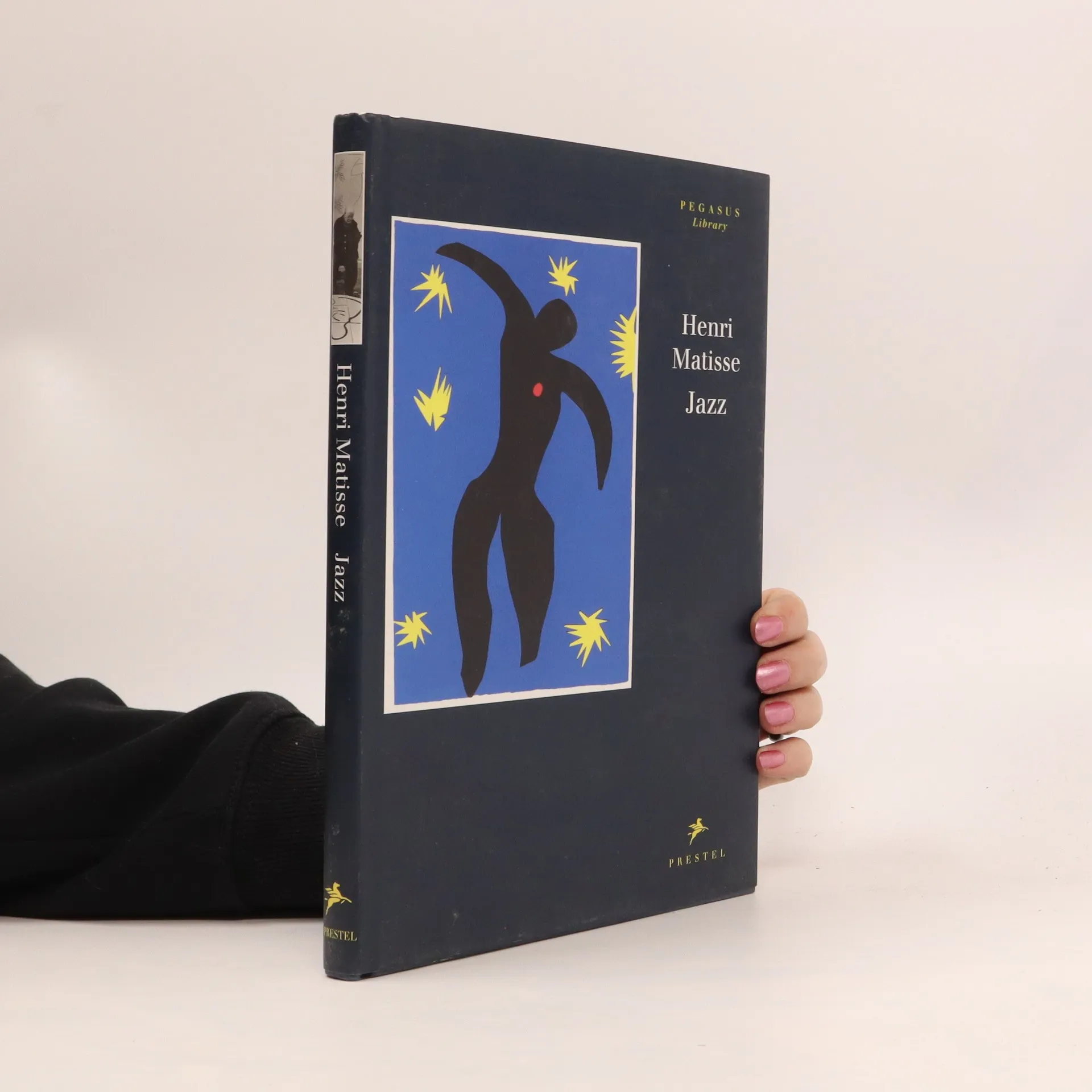
    • Item reporduces images from "Jazz" and includes the artist's original, handwritten text and its translation into English.

      Jazz
      4.5
    • Set against the backdrop of Nazi-occupied France, an extensive interview with Henri Matisse reveals his reflections on art, fame, and personal experiences. Conducted by Swiss art critic Pierre Courthion while Matisse was recovering from surgery, the conversation offers insights into his youth, relationships with collectors, and artistic influences. For the first time, this volume presents the dialogue in both English and French, accompanied by essays, unpublished correspondence, and original documents that illuminate the avant-garde scene of the early twentieth century.

      Chatting with Henri Matisse: The Lost 1941 Interview
      4.4
    • Henri Matisse (1869-1954) is universally known for his iconic paintings, the centerpieces of museum collections throughout the world. However, somewhat less well known is his work as printmaker and engraver between the years 1900 and 1954, the year of his death. His engraving work encompasses more than 800 pieces that comprise a gigantic visual library, offering a complete document about his working process and his way of transforming his visual material into art. This striking hardcover book with a metallic stamped cover includes 63 of the French master's engravings done throughout his life that track alongside the subjects and interests that made their way into his work as his style developed. These subjects, overwhelmingly women, included classical nudes, women dressed in North African costume, portraits and a print version of Matisse's celebrated mural for the Barnes Foundation, The Dance

      Matisse grabador
      5.0
    • Henri Matisse

      • 256 pages
      • 9 hours of reading

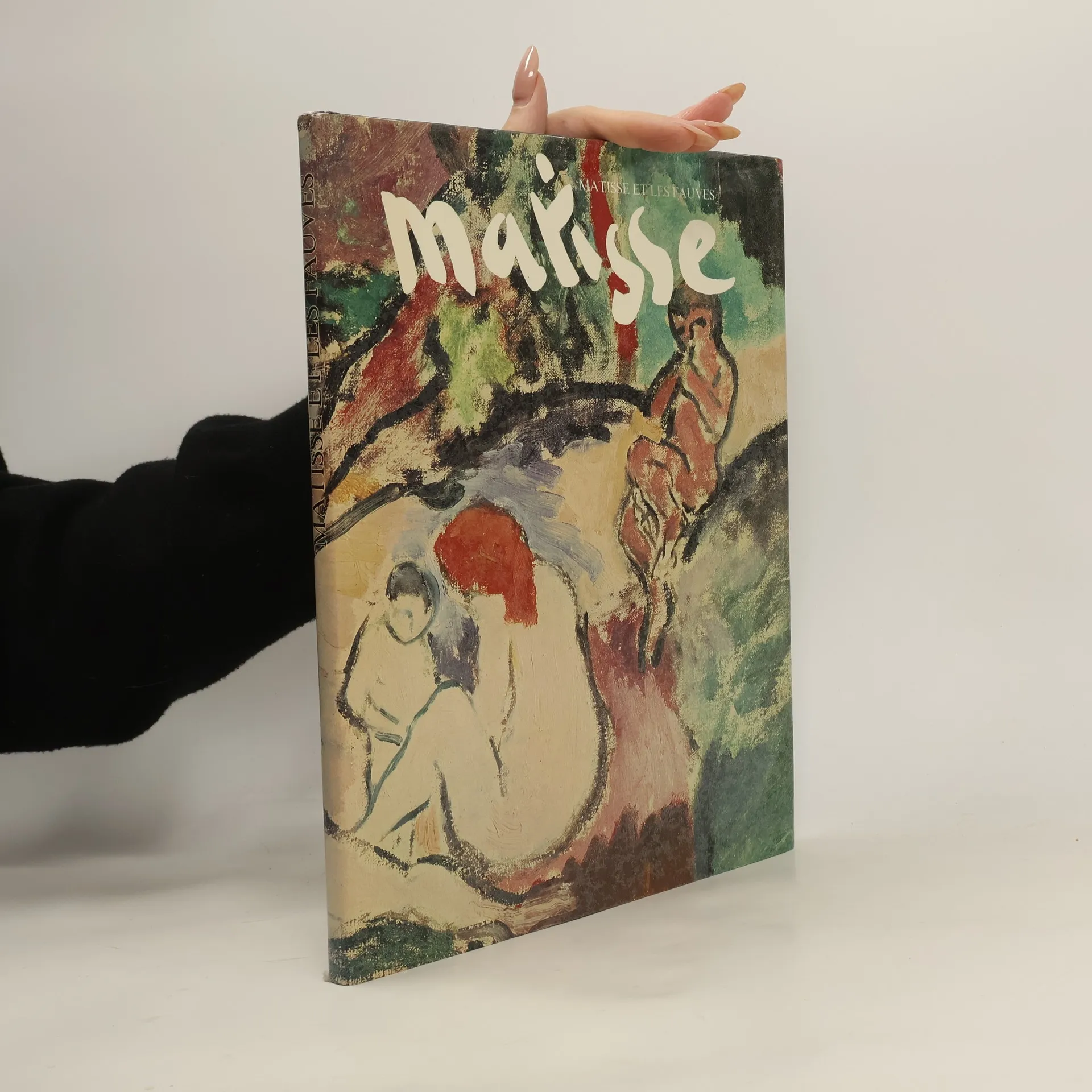
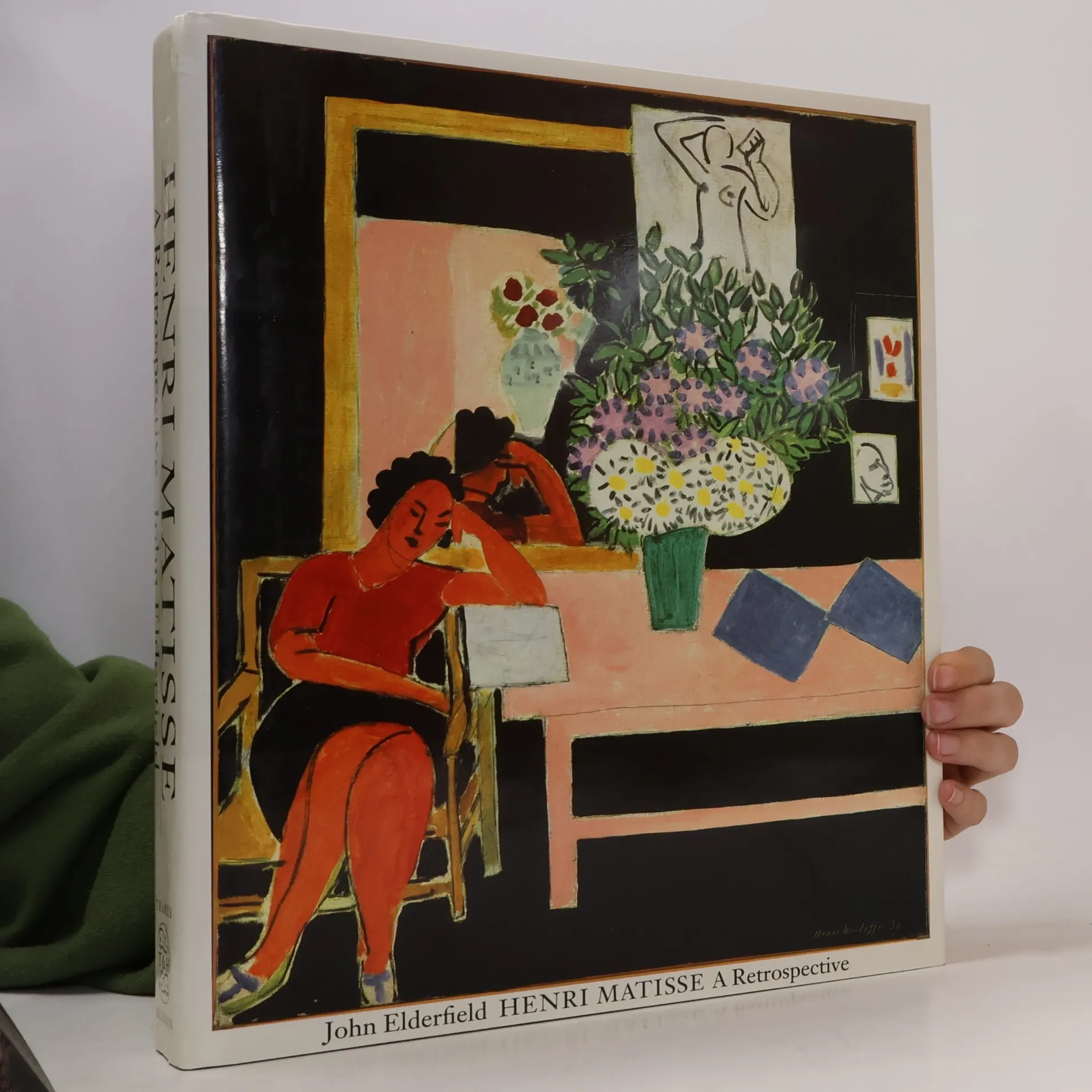
      Traces Henri Matisse's search for balance, purity and serenity, from the chromatic brilliance of his Fauve period, through his travels, the Orient, geometric synthesis, and the odalisques to the triumph when, at the age of eighty, he invented his gouache cut-outs. He is acknowledged as an artist whose canvases are difficult to reproduce in print.
      Henri Matisse
      4.3
    • Matisse in Nice, 1917-1954

      • 79 pages
      • 3 hours of reading

      For Matisse, Nice was more a state of mind than a place. At his happiest and most creative in this warm, light-filled environment, he produced there some of his most beautiful works: luminous vistas; sensuous models in bright, flower-filled interiors; open windows looking out onto dazzling blue seas. From 1917 until 1954, the influence of Nice pervades Matisse's paintings and sculptures. The colours of his radiant masterpieces are represented in the plates contained in this work, while a text explores the depth of his artistic vision and the influences of the South of France.
      Matisse in Nice, 1917-1954
      4.3
    • Matisse - Bonnard

      Long Live Painting!

      • 240 pages
      • 9 hours of reading

      In this beautifully illustrated book, the forty year friendship between Henri Matisse and Pierre Bonnard becomes a platform for new perspectives on the development of the European avant-garde. "Long live painting!" With this rallying cry, Henri Matisse, greeted his colleague Pierre Bonnard on a 1925 postcard from Amsterdam. Widely considered two of the greatest painters of French modernism, they were united by a forty-year-long friendship and a keen appreciation of each other’s work. This catalogue offers fascinating insights into their artistic dialogue. Focusing throughout on their creative exchanges, it highlights their respective contributions to the development of modern art, from the beginning of the twentieth century to the end of the Second World War. Comprising over 100 paintings, sculptures, drawings, and prints, the book makes palpable the many intersections between their artistic visions, and investigates their shared interest in subjects such as interiors, still life, landscape, and the nude. Scholarly essays and thematic introductions to their oeuvres provide a wealth of information on the two colleagues and friends gained from their writings and correspondence as well as archival material. Another highlight is a series of iconic photographs taken by Henri Cartier-Bresson, who visited both Matisse and Bonnard at their much-fabled houses in the South of France.

      Matisse - Bonnard
      4.0
    • Blue & Other Colours

      • 30 pages
      • 2 hours of reading

      An alarming and enlightening first-hand account of what's really going on behind the borders of the Islamic State. ISIS, IS, the Islamic State. The name is chilling. The images are horrific. This is a group that chops the heads off journalists - and yet one, the German Jürgen Todenhöfer, went out of his way to get an invitation to visit ISIS fighters in Mosul to ask them to explain their beliefs. This book is the result of his conversation. My Journey into the Heart of Terror: Ten Days in the Islamic Stateshows how the organisation grew from its al-Qaeda roots and takes a harsh look at the West's role in its past and today. Only by understanding, Todenhöfer believes, can we move forward and combat ISIS's radical, violent interpretation of Islam and the terror and destruction it brings.

      Blue & Other Colours
      4.2
    • Matisse

      Erotic Sketchbook

      • 64 pages
      • 3 hours of reading

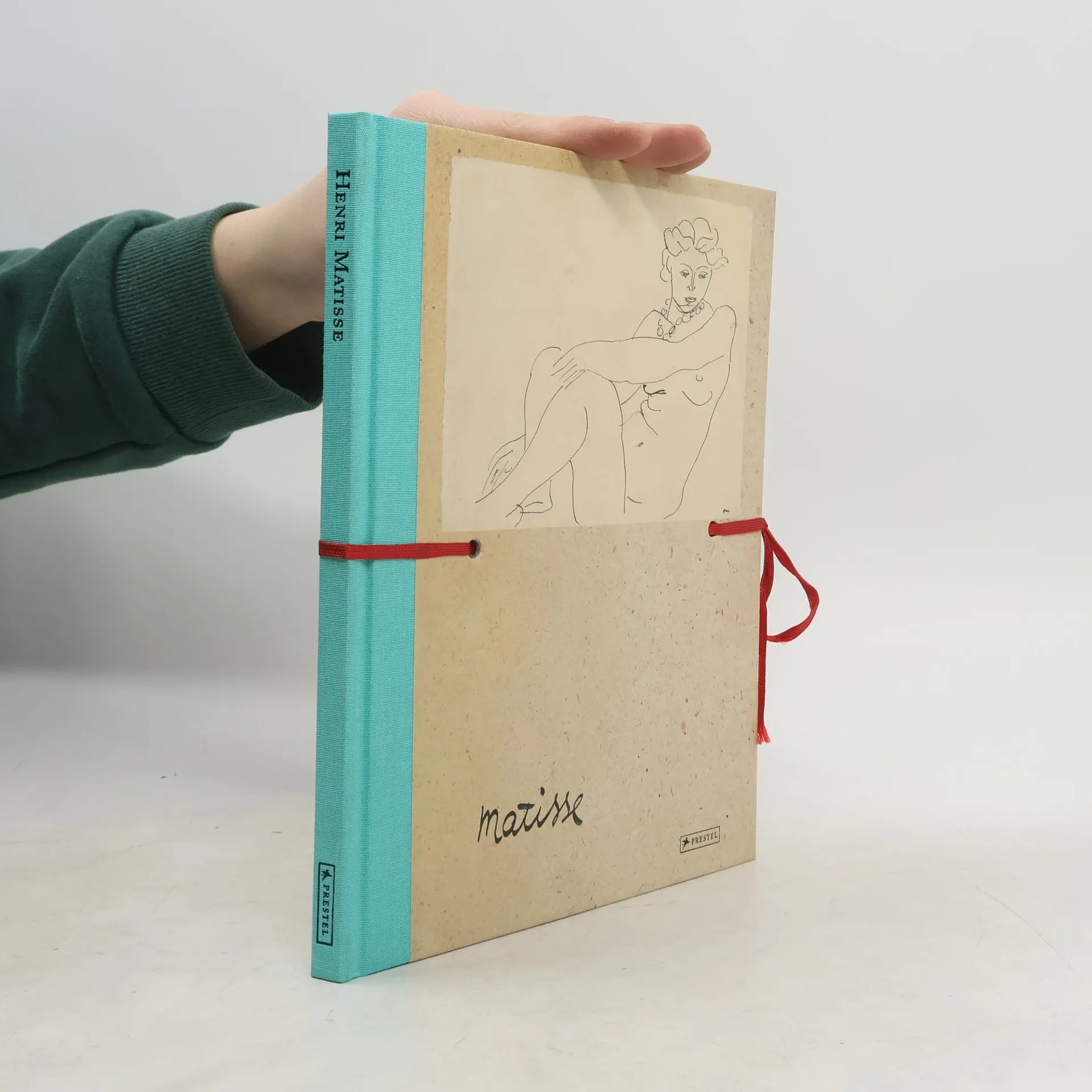
      For Henri Matisse, drawing was an exercise as personal as it was essential to his art. Reproduced on elegant paper stock, these black and white and gently coloured sketches allow the viewer to appreciate the quality of Matisse's lines, their confidence and ease, as well as the intense relationship between artist and model. Matisse's joie de vivre, his love of beauty and his fascination with the human body are clearly in evidence in this lovely book that is a pleasure to hold.

      Matisse
      3.8
    • Erotic sketchbook Henri Matisse

      • 64 pages
      • 3 hours of reading

      Der französische Maler Henri Matisse liebte die natürliche Sinnlichkeit seiner Aktmodelle, denen er die Wahl ihrer Posen selbst überließ. Seine unwiderstehlich schönen erotischen Zeichnungen spiegeln dieses Vertrauen zwischen dem Künstler und seinen Modellen wider. Ein Fest für die Sinne ist auch die hochwertige Gestaltung des Bandes: Es liegt in der Hand wie ein Originalskizzenbuch des Künstlers.

      Erotic sketchbook Henri Matisse
      3.7
    • Henri Matisse

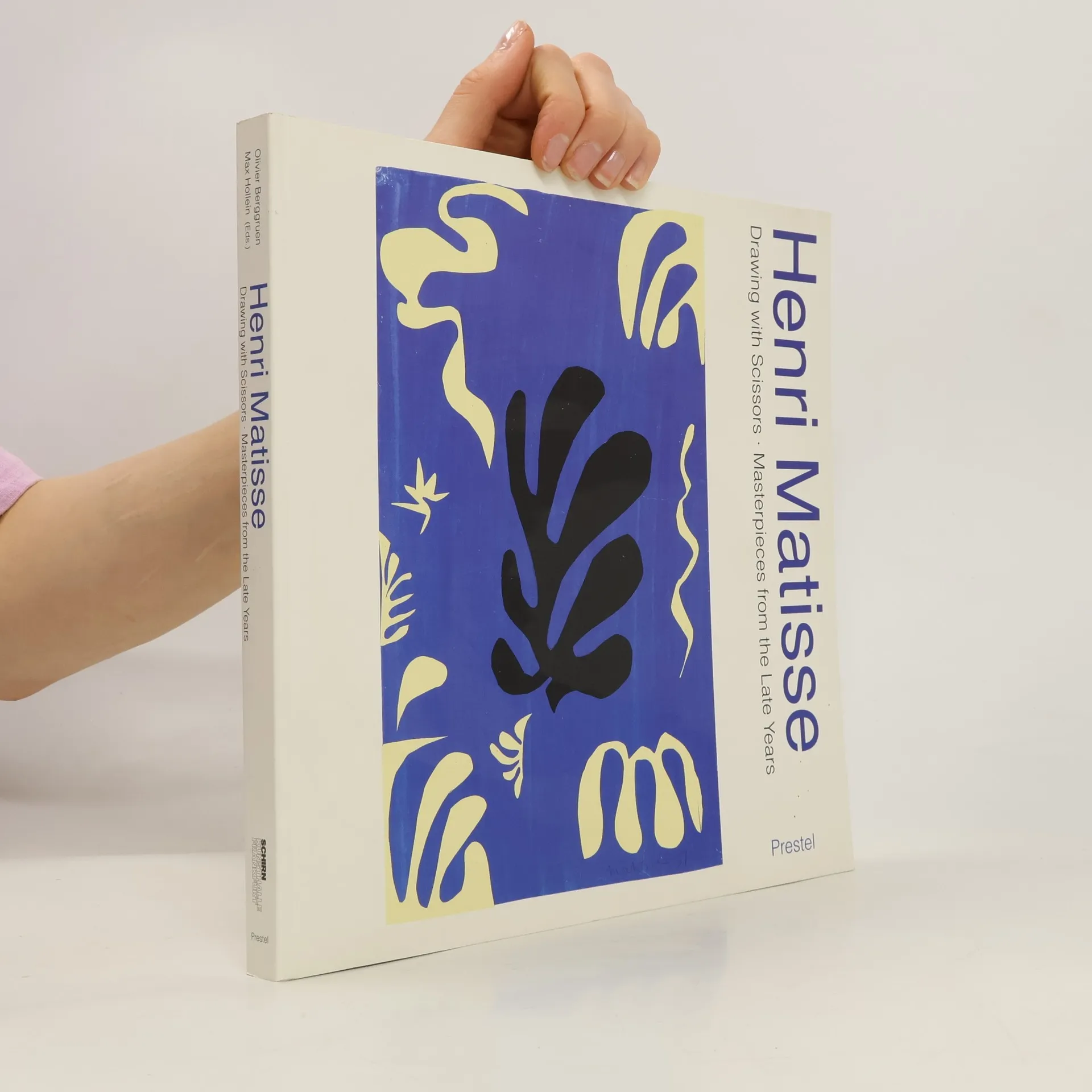
      Drawing with Scissors : Masterpieces from the Late Years

      • 188 pages
      • 7 hours of reading

      The Museum Of Modern Art, November 13, 1951 To January 13, 1952; The Cleveland Museum Of Art, February 5 To March 16, 1952; The Art Institute Of Chicago, April 1 To May 4, 1952; The San Francisco Museum Of Art, May 22 To July 6, 1952.

      Henri Matisse
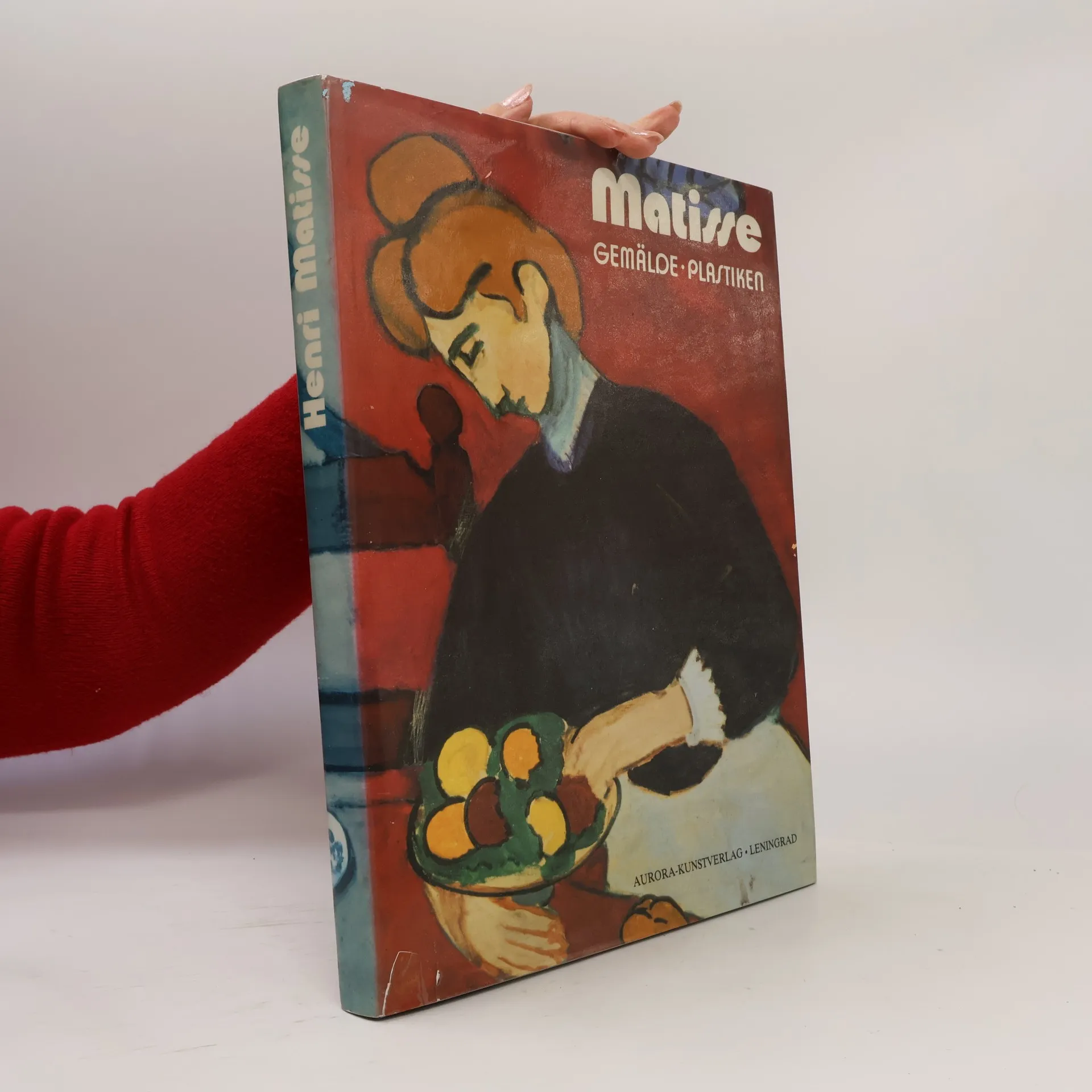
    • Henri Matisse

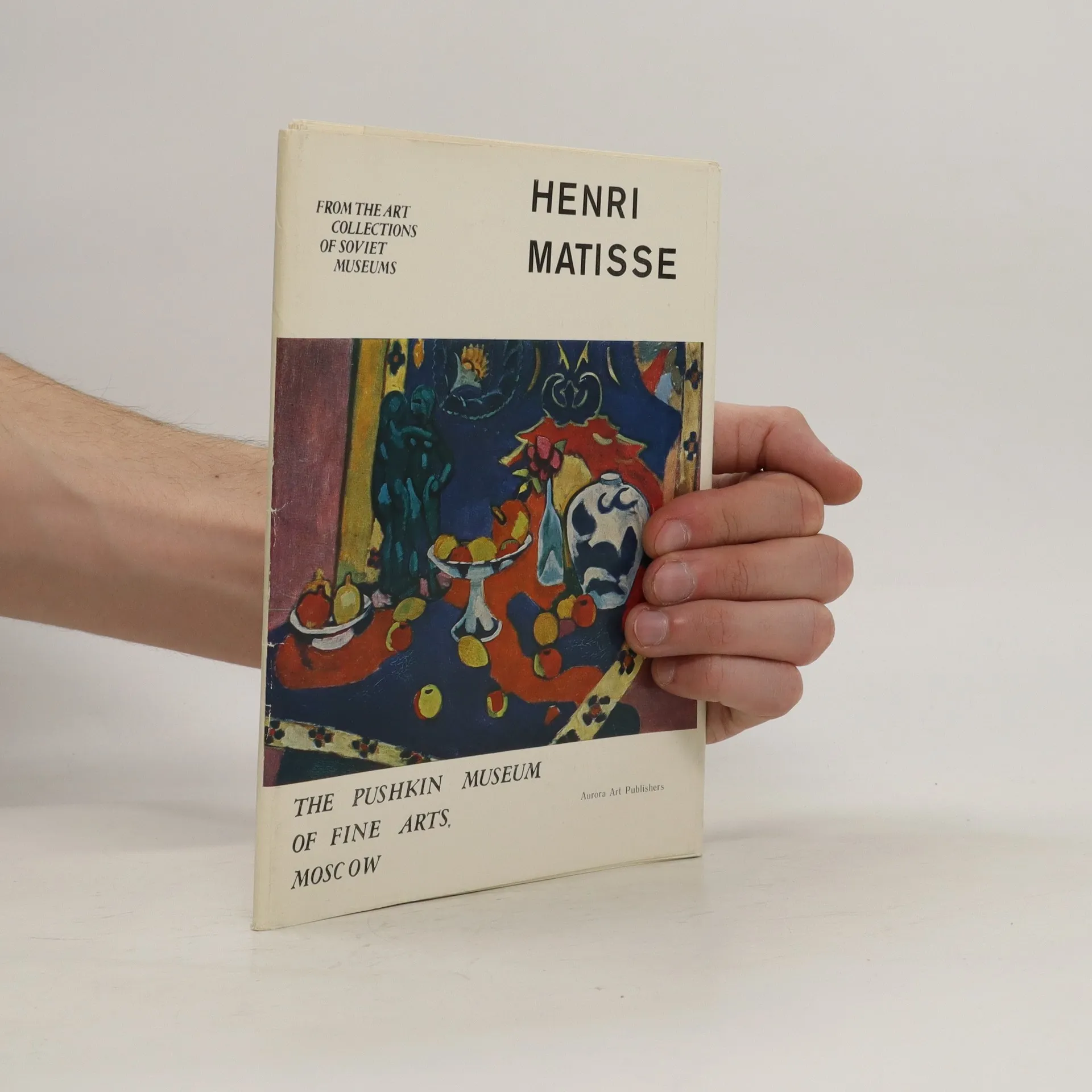
      Paintings and Sculptures in Soviet Museums

      • 218 pages
      • 8 hours of reading
      Henri Matisse
    • Matisse

      • 72 pages
      • 3 hours of reading

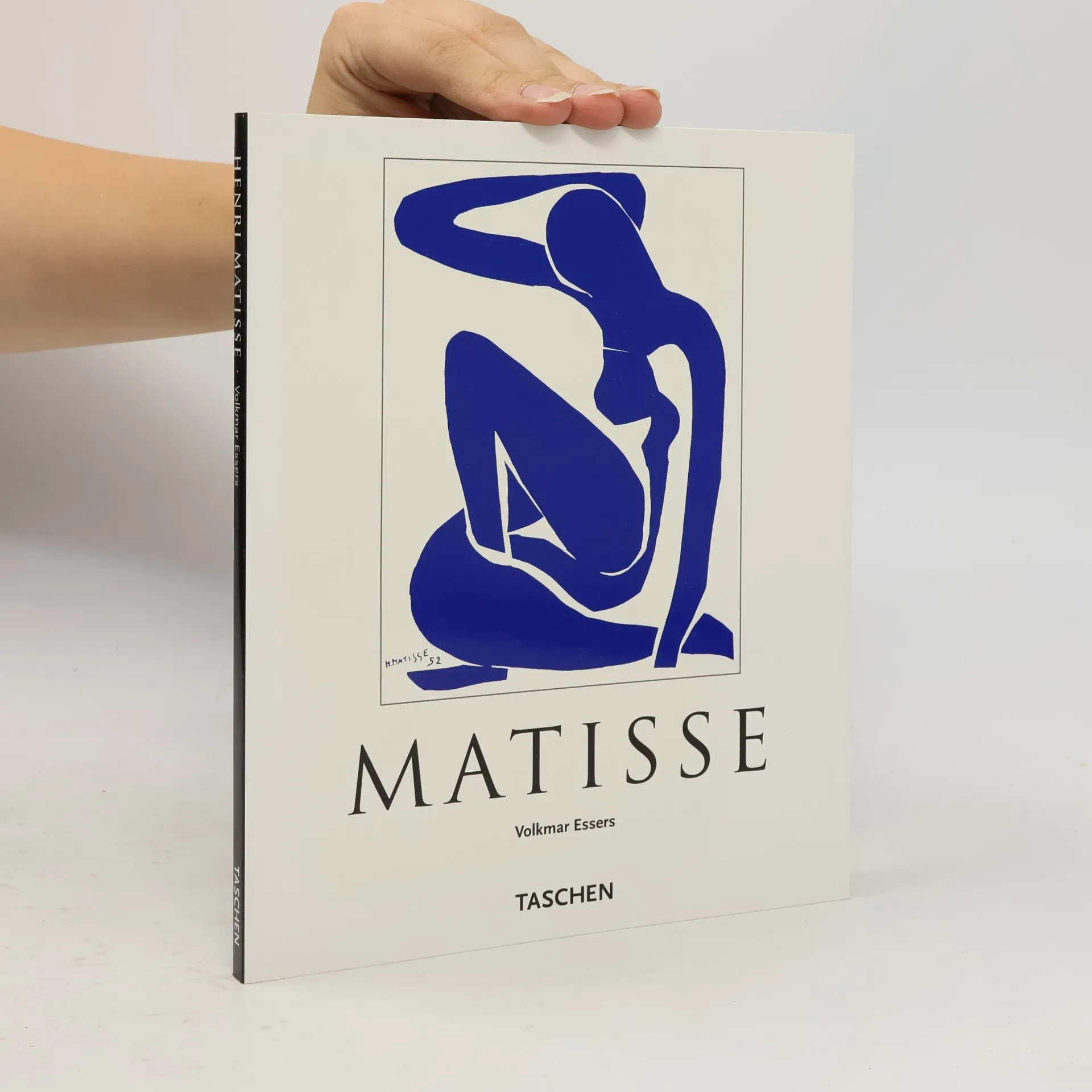
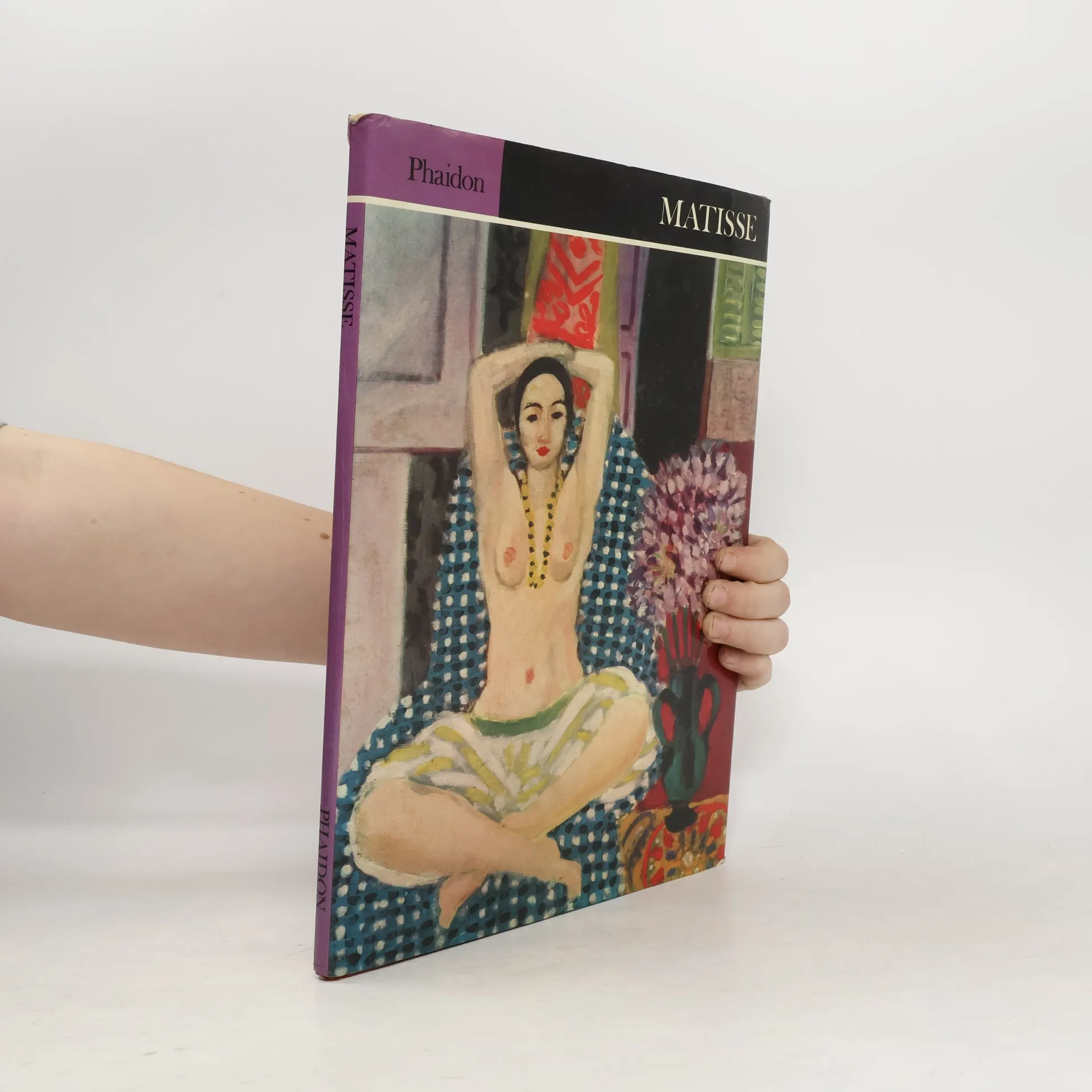
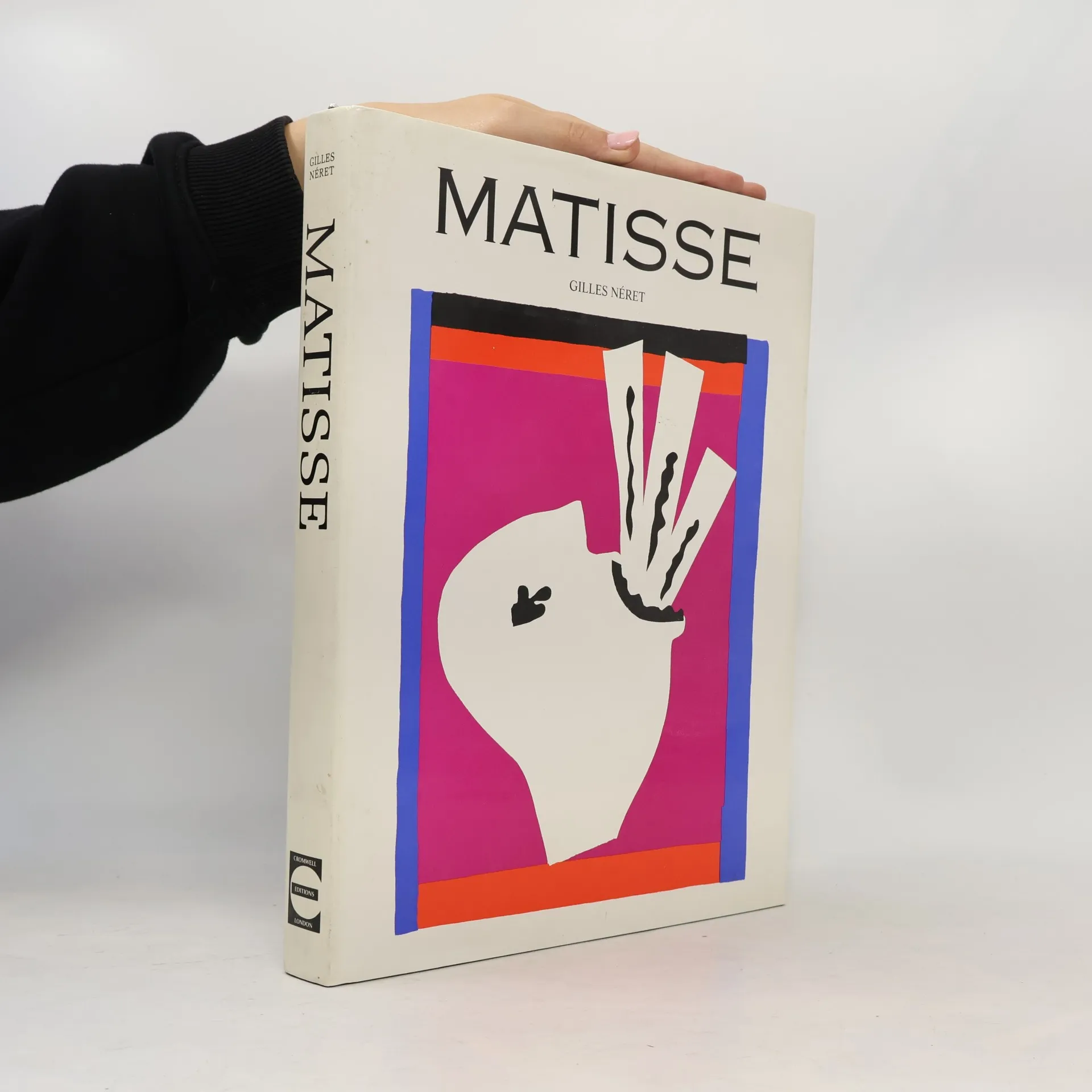
      Henri Matisse is often regarded as one of the greatest painters of the twentieth century and a master of color. This oversized, lavishly illustrated volume provides an accessible introduction to his life and work. Nicholas Watkins chronicles Matisse's artistic journey, from the Fauvist paintings at the 1907 Salon d'Automne to his final paper cut-outs, culminating in the Vence Chapel. He explores the full spectrum of Matisse's creations, including paintings, sculpture, and illustrations, with visual sensitivity and a warm writing style. Watkins offers insightful analysis of specific masterpieces such as The Dinner Table, Le Bonheur de vivre, and Luce, calme et volupe, highlighting their complexity. He also examines Matisse's responses to the artistic, political, and social climate of his time, spanning movements from Cubism to the World Wars. The book features 225 illustrations, nearly 100 in color, showcasing the richness of Matisse's oeuvre while balancing key works with lesser-known pieces. Additionally, it includes illustrations of works by artists who influenced Matisse. Nicholas Watkins, a Senior Lecturer in the History of Art at Coventry Polytechnic, regularly contributes to leading art journals.

      Matisse
    • Matisse

      And His Art and His Texts - With 930 Illustrations, 220 in Color

      • 752 pages
      • 27 hours of reading

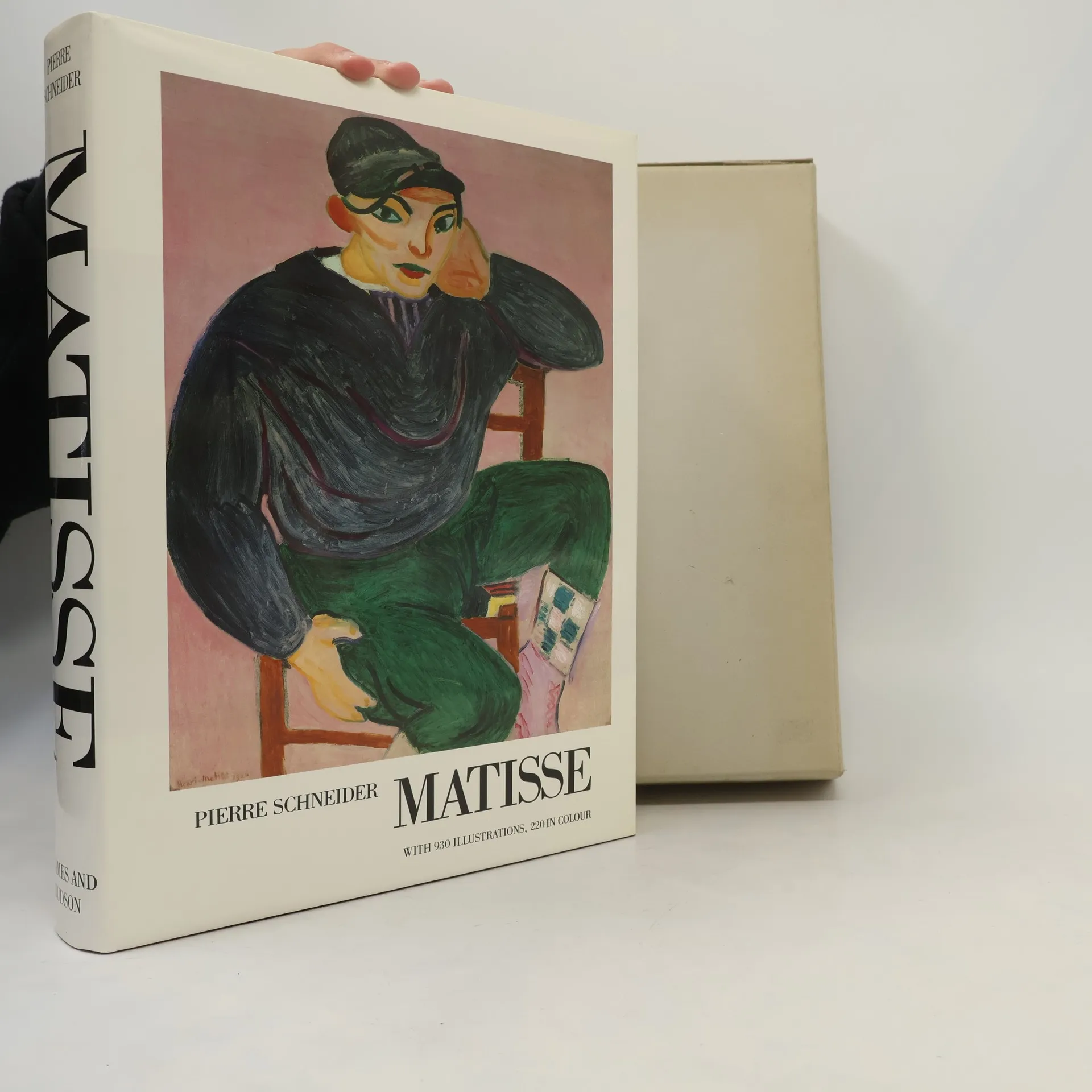
      Written by a foremost authority on Matisse, this book traces the evolution of his art from the sombre palette of his first works in the 1890s, through his Fauvism, drawings and sculpture, to the dazzling paper cut-outs of his final years. The text is backed by over 900 representative illustrations.

      Matisse
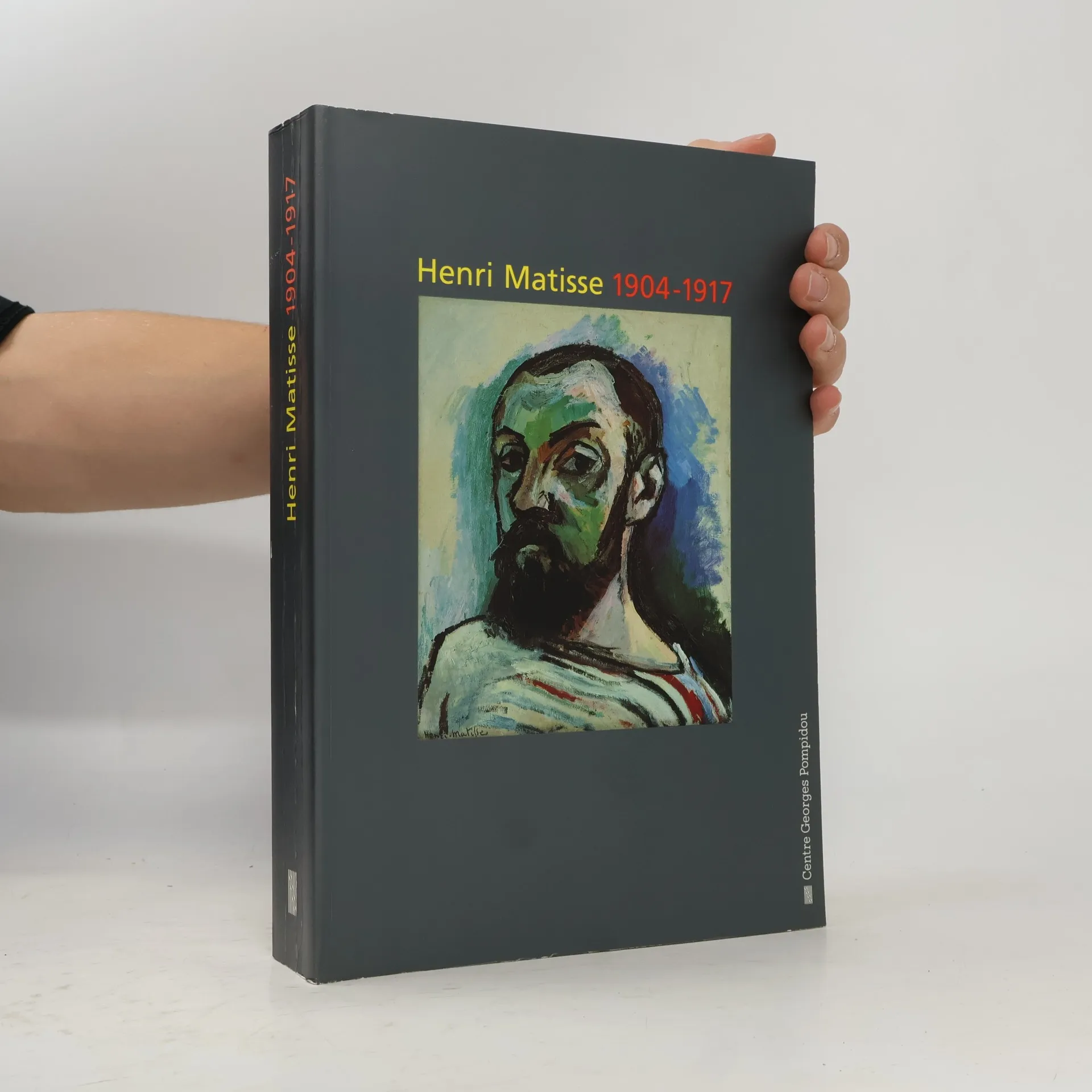
    • Henri Matisse 1904-1917

      • 524 pages
      • 19 hours of reading

      De 1904 à 1917, Henri Matisse, bouleversant les rapports traditionnels du dessin et de la couleur, va poser les termes d'une vision nouvelle. Ce catalogue comprend la reproduction de toutes les œuvres exposées au Centre Pompidou en 1993. Il propose aussi une anthologie de textes contemporains souvent inédits, un essai d'Yve-Alain Bois et une chronologie détaillée et illustrée, des quatorze années au cours desquelles Matisse a élaboré les données fondatrices de sa poétique.

      Henri Matisse 1904-1917
      5.0
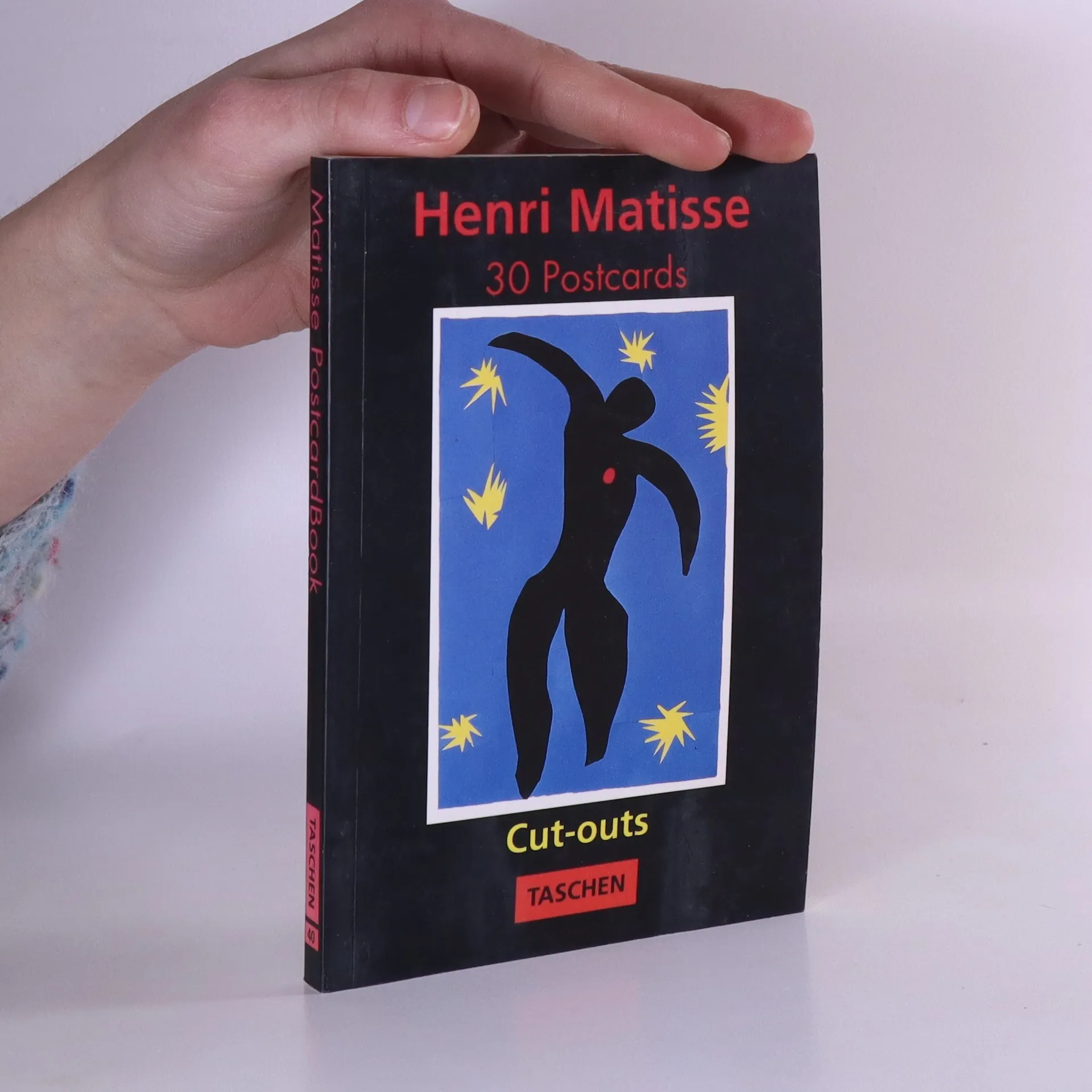
    • Cut-outs

      • 333 pages
      • 12 hours of reading

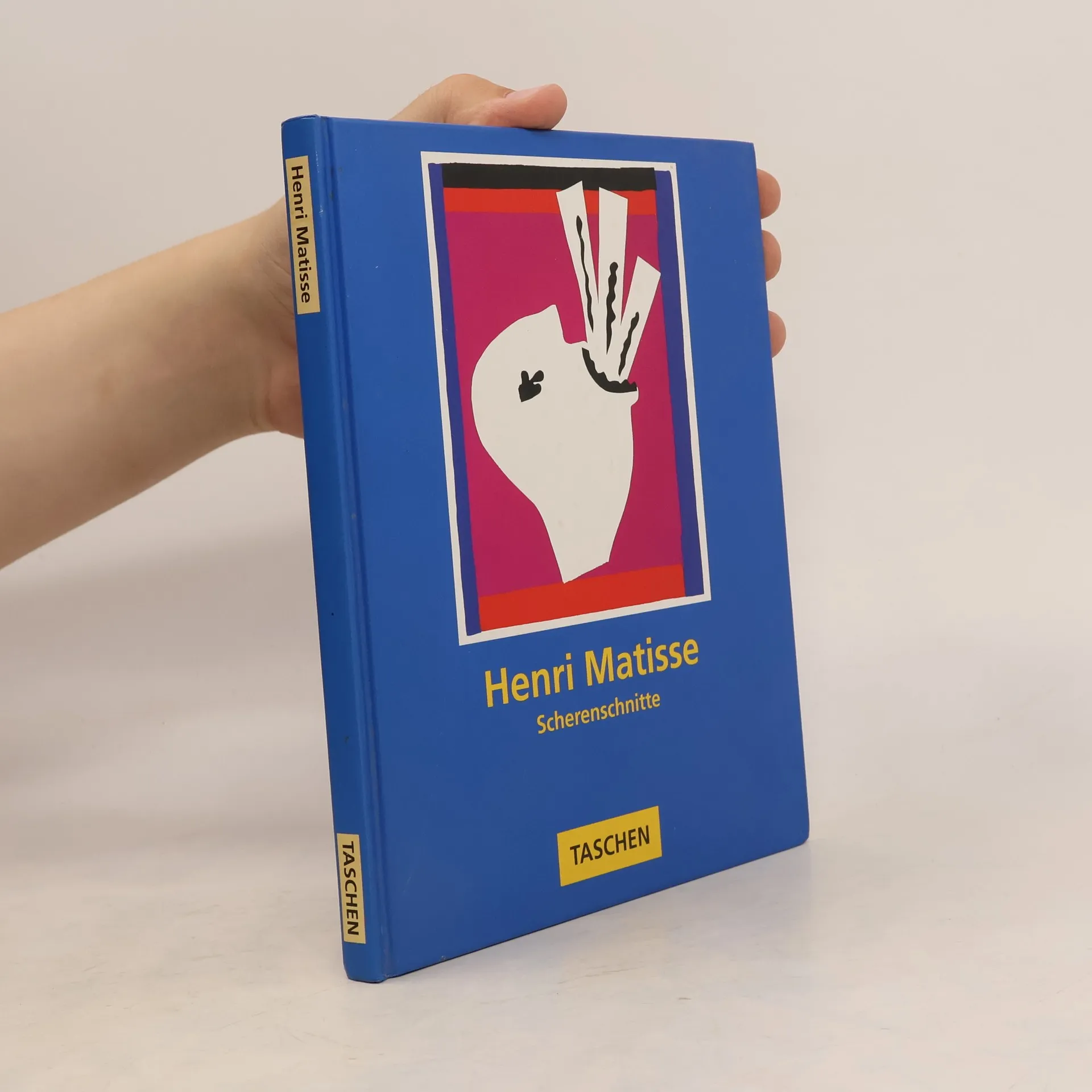
      Zeichnen mit der Schere. Das Kompendium von Matisses aufregendem Spätwerk, inklusive Faksimile von 'Jazz'

      Cut-outs
      4.5
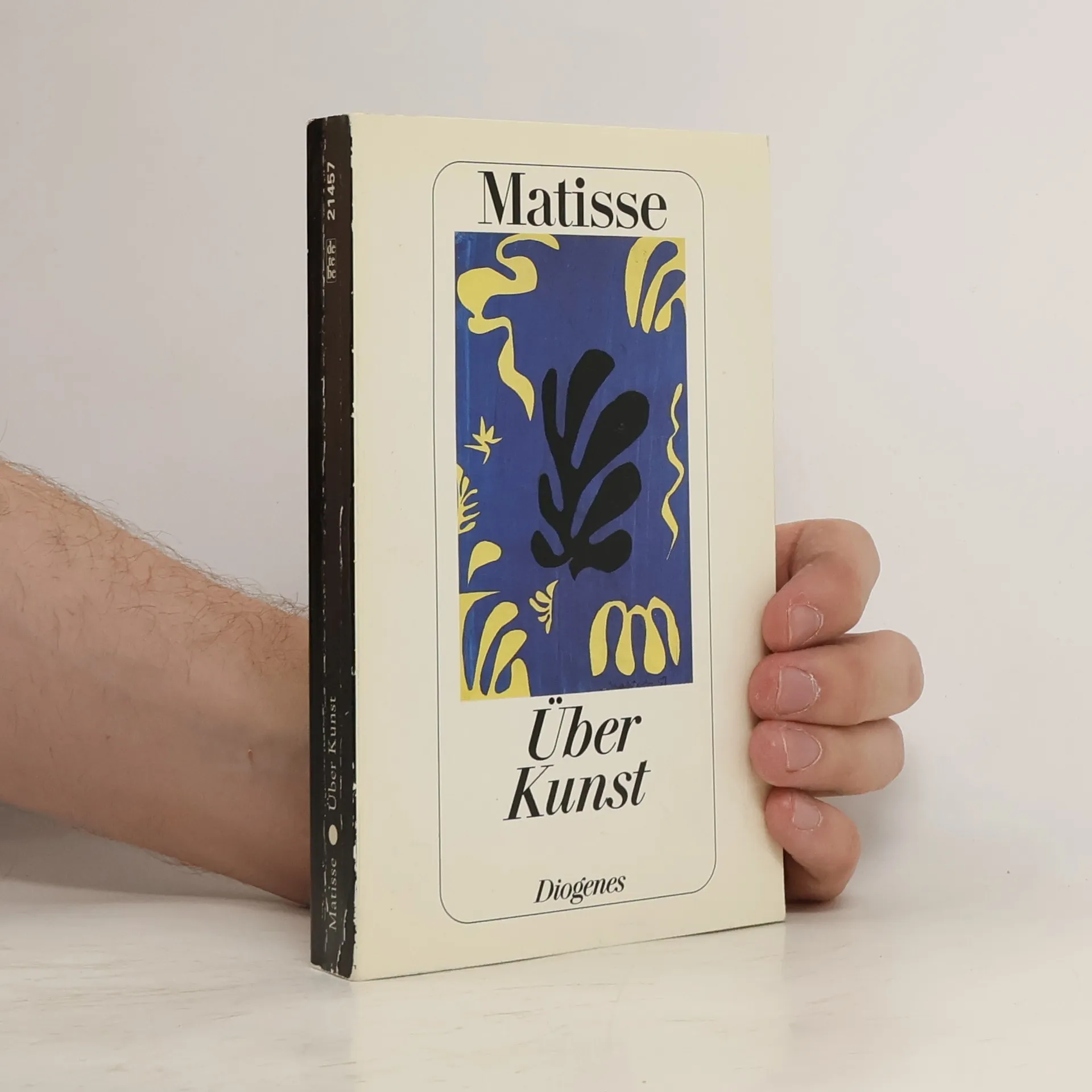
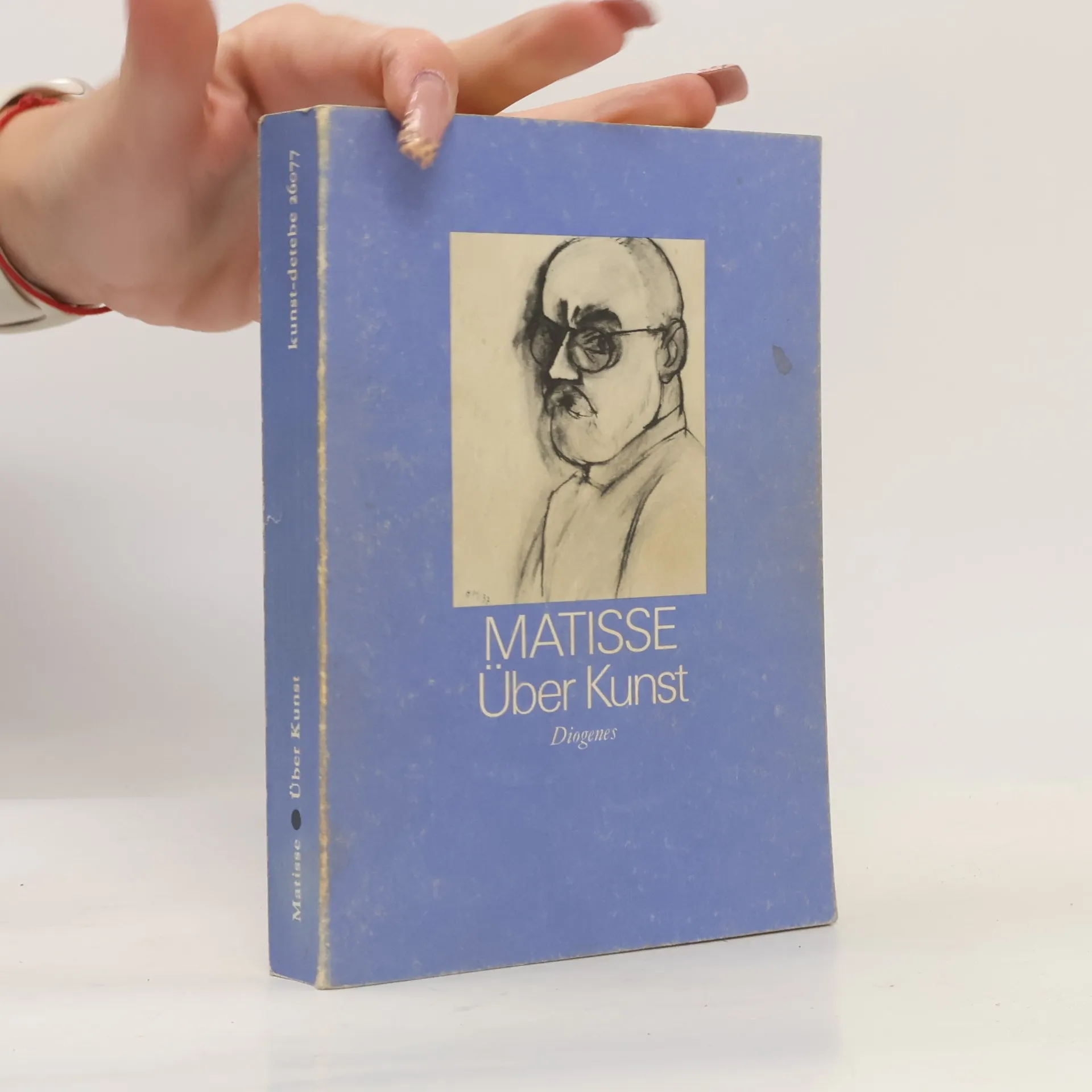
    • Über Kunst. Hrsg. v. Jack D. Flam

      • 336 pages
      • 12 hours of reading

      Jack D. Flam, Kunstgeschichtsprofessor in New York, präsentiert in dieser Sammlung die wichtigsten Texte und Gespräche mit Henri Matisse und bietet einen umfassenden Überblick über die ästhetischen Vorstellungen dieser bedeutenden Kunstpersönlichkeit des 20. Jahrhunderts.

      Über Kunst. Hrsg. v. Jack D. Flam
      5.0
    • Kunst sollte sein wie ein bequemer Sessel

      Plaudereien mit Pierre Courthion

      • 288 pages
      • 11 hours of reading

      Im Frühling 1941 treffen sich Henri Matisse und der Schweizer Literaturkritiker Pierre Courthion zu mehreren Gesprächen – »Plaudereien«, wie Matisse sie genannt haben will. Er erholt sich gerade von einer schweren Operation, Frankreich ist schon von den Nazis besetzt, und so ist es Matisse ein Anliegen, nicht nur auf sein eigenes Leben zurückzublicken, mit großer Offenheit von seiner Kindheit, den Lehrjahren im Atelier von Gustave Moreau und seinen unzähligen Reisen zu erzählen; es geht ihm auch darum, das kulturelle Erbe Frankreichs zu verteidigen. Er gibt umfassend Einblick in das Leben der Avantgarde der ersten Hälfte des 20. Jahrhunderts: Matisse spricht über seine Weggefährten – Maler, Schriftsteller, Musiker, Politiker –, über seine Erfahrungen mit Sammlern und über Ruhm, und natürlich immer wieder über die Malerei, wie er sie sieht. Aus dem fertigen Manuskript wird aber nicht, wie geplant, ein Buch, es verschwindet in Pierre Courthions Schublade – erst vor Kurzem, nach fast 70 Jahren, wurde es in seinem Nachlass entdeckt. Eine außergewöhnliche Entdeckung, ein beeindruckendes Dokument über einen der bedeutendsten Künstler des 20. Jahrhunderts.

      Kunst sollte sein wie ein bequemer Sessel
      5.0
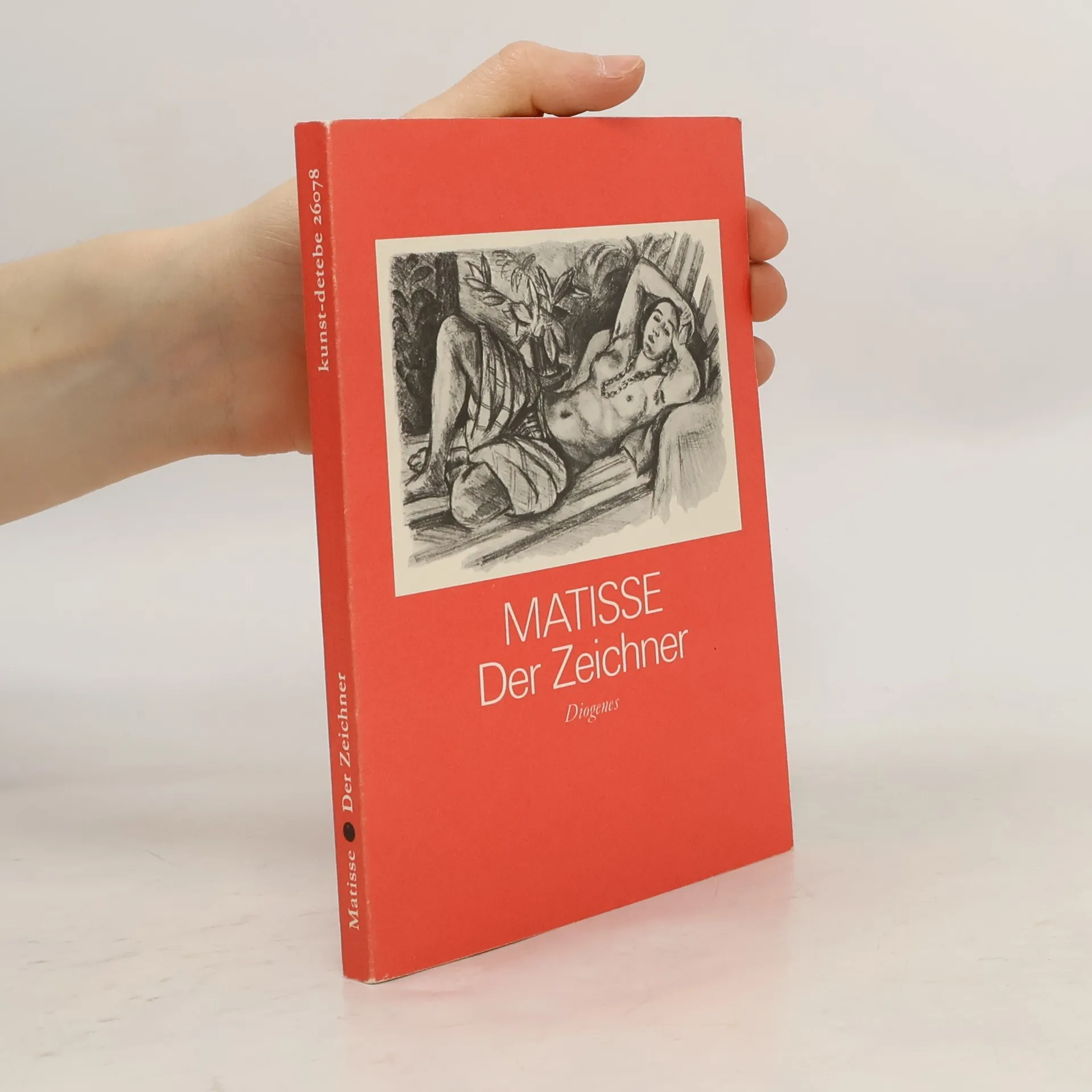
    • Henri Matisse, der Zeichner

      • 137 pages
      • 5 hours of reading

      »Ich will eine Kunst der Ausgeglichenheit und der Reinheit, eine Kunst, die weder beunruhigt noch verwirrt; ich will, dass der müde, abgehetzte, überarbeitete Mensch vor meiner Malerei Ruhe und Stille empfindet«, sagte Matisse einmal programmatisch. Die 100 Zeichnungen in diesem Buch belegen dies aufs schönste.

      Henri Matisse, der Zeichner
      5.0
    • Henri Matisse: Cut-outs

      • 96 pages
      • 4 hours of reading

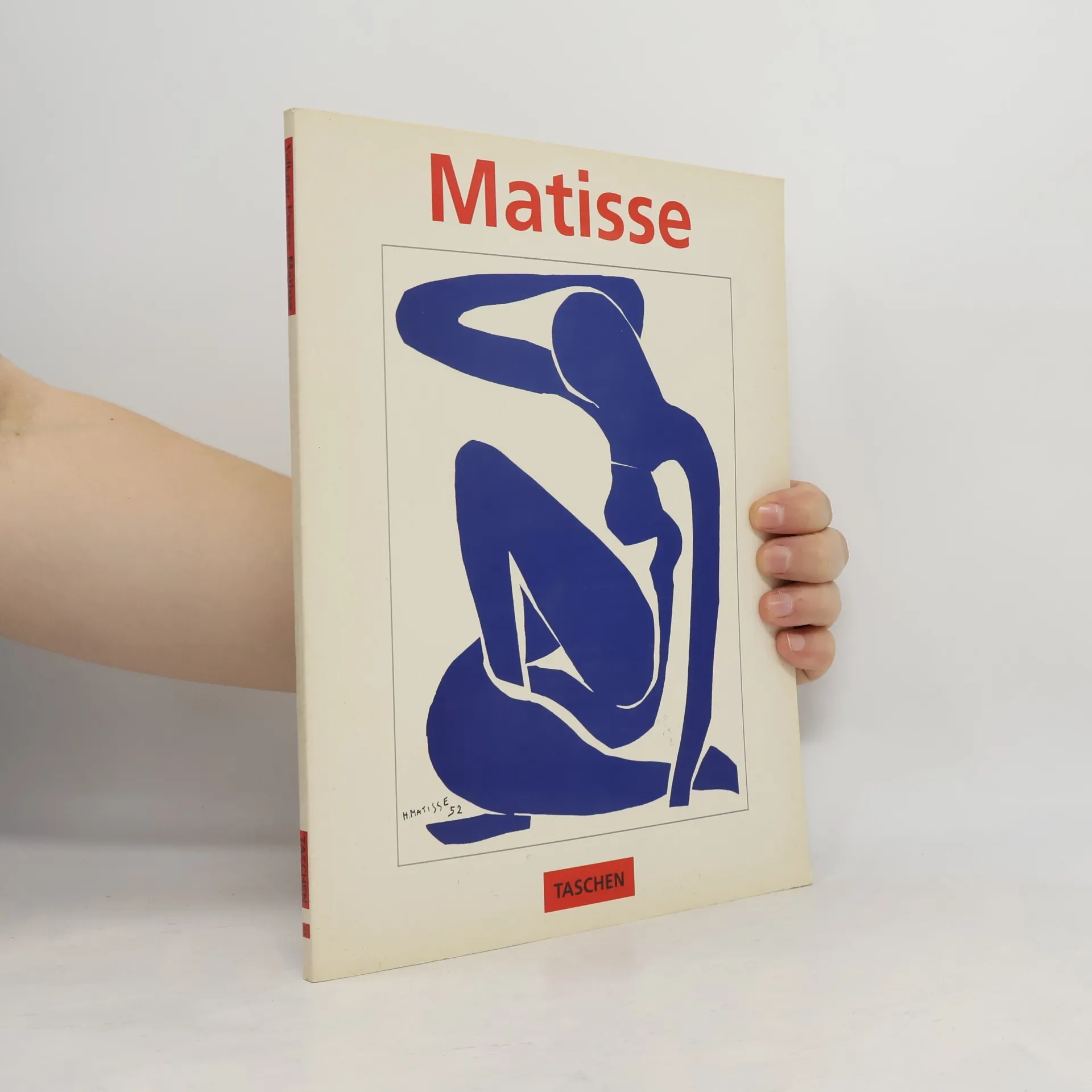
      A perfect synthesis of colour and line Matisse at eighty, master of painting and sculpture, used colour as a sculptor uses stone. His unique venture took the art world by storm. The improvisations in colour and rhythm, created with gouached paper and scissors, marked the culmination of his artistic ambition - a perfect synthesis of colour and line. About the Series: Each book in TASCHEN's Basic Art series features: a detailed chronological summary of the life and oeuvre of the artist, covering his or her cultural and historical importance a concise biography approximately 100 illustrations with explanatory captions

      Henri Matisse: Cut-outs
      4.1
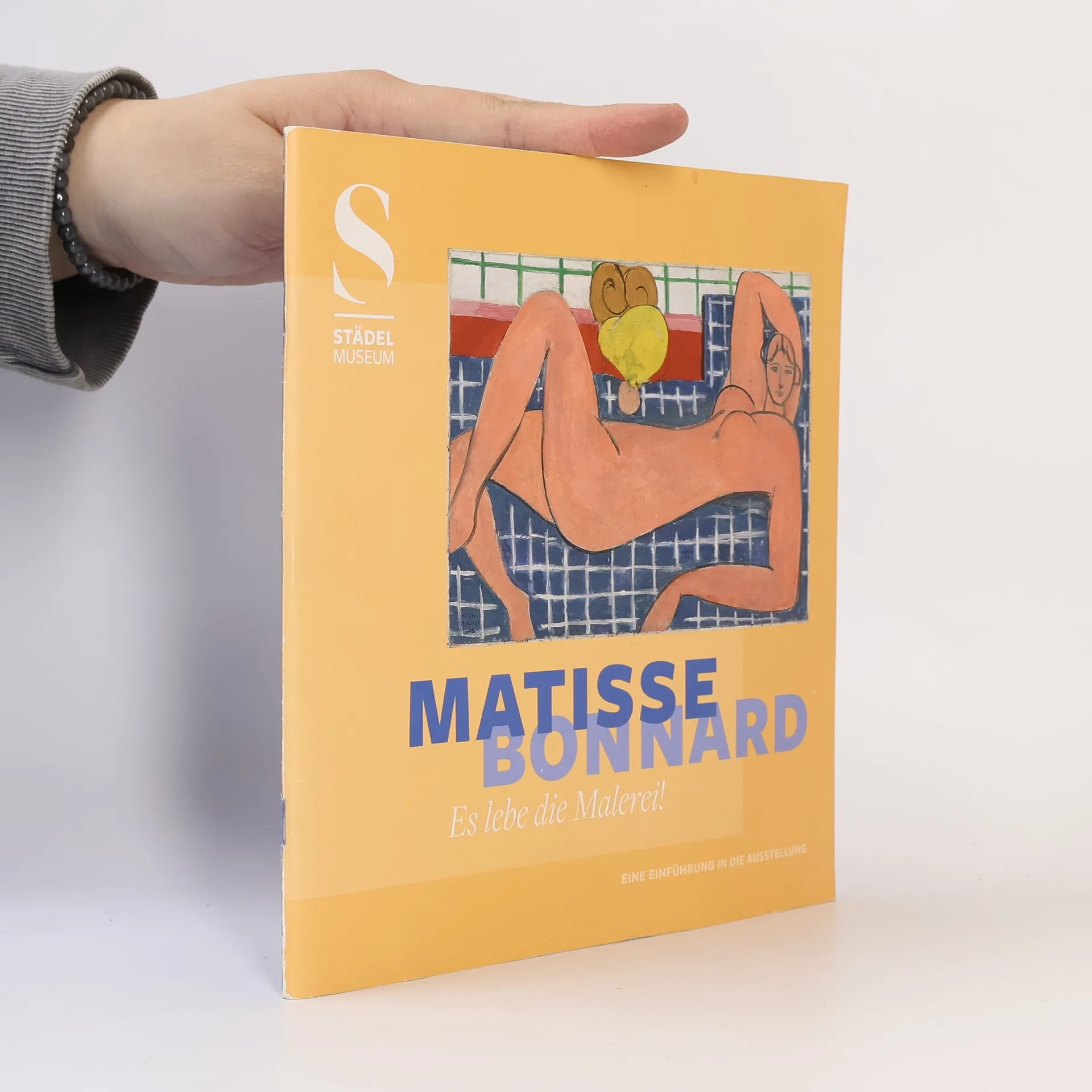
    • Matisse - Bonnard

      Es lebe die Malerei!

      • 40 pages
      • 2 hours of reading

      Dieses Buch ist der Künstlerfreundschaft von Henri Matisse und Pierre Bonnard - zweier Pioniere der Modernen Kunst - gewidmet und erscheint begleitend zur großen Ausstellung im Städel Museum in Frankfurt. „Es lebe die Malerei!“ – mit diesem Ausruf grüßte Henri Matisse seinen Freund Pierre Bonnard am 13. August 1925. Die kurzen Worte auf einer Postkarte aus Amsterdam waren der Beginn eines Briefwechsels, der bis 1946 andauerte und ihre gegenseitige Wertschätzung deutlich macht. Das Buch beleuchtet ihre über 40 Jahre währende Künstlerfreundschaft vor dem Hintergrund ihres jeweiligen Beitrags zur Klassischen Moderne. Anhand von über 100 Kunstwerken eröffnet der Band einen spannungsreichen Dialog zwischen diesen Pionieren der Moderne und bietet neue Perspektiven auf die Entwicklung der europäischen Avantgarde vom Beginn des 20. Jahrhunderts bis zum Ende des Zweiten Weltkrieges. Der oft verblüffend enge Austausch zwischen den Künstlern zeigt sich vor allem an ihrer intensiven Auseinandersetzung mit so zentralen Themen wie Interieur, Stillleben, Landschaft und Akt. Bereichert wird das Buch mit einer Reihe von Werken Henri Cartier-Bressons, der beide Maler in ihren Häusern in Südfrankreich besuchte und in seinen ikonischen Aufnahmen verewigte.

      Matisse - Bonnard
    • Inspiration Matisse

      • 231 pages
      • 9 hours of reading

      Matisse wird 150 – Inspiration zum Aufbruch der Moderne in Frankreich und Deutschland Publikumsliebling Henri Matisse (1869–1954) ist Synonym für malerische Innovation bis an die Grenze zur Abstraktion. Als „Künstler für Künstler“ hat Matisse am Beginn des 20. Jahrhunderts mit zeichenhaften und farbintensiven Werken eine jüngere Generation französischer und deutscher Künstler inspiriert und befreit. Die Kunsthalle Mannheim präsentiert mit mehr als 125 Gemälden, Plastiken, Keramiken und graphischen Arbeiten den Pionier der Moderne im Kreis seiner Zeitgenossen: von den französischen Fauvisten über die deutschen Expressionisten bis zu Schülern der „Académie Matisse“. Der spannende Dialog der Handschriften umfasst Themen wie weibliche und männliche Akte im Atelier, mediterrane Landschaften, Porträts oder Stillleben mit Skulpturen, die in der Ausstellung auch im Original zu sehen sind. Neben Matisse treten u. v. a. André Derain, Georges Braque, Ernst Ludwig Kirchner, Gabriele Münter und Max Pechstein, aber auch Oskar und Margarete Moll oder Hans Purrmann und Mathilde Vollmoeller. Diese weltweit erste Zusammenschau zeigt Leihgaben aus Museen und privaten Sammlungen im Inland, in Frankreich, Großbritannien, Norwegen, Schweden, der Schweiz, Spanien und den USA.

      Inspiration Matisse
    • Grafische Meditationen

      • 20 pages
      • 1 hour of reading

      Henri Matisse: Grafische MeditationenMit einem Essay von David RhodesGrafische Sammlung / Museum Ludwig, 14Dieser Katalog feiert einige spektakuläre Schenkungen und Dauerleihgaben aus dem Spätwerk des Meisters. Tuschfederzeichnungen wie Stillleben für Max Pellequer o-der Modell im Spiegel zeigen Matisse auf dem Zenit seiner grafischen Kunst. Unbe-irrt von den Katastrophen der Zeit und seinem Krebsleiden, gelingen ihm ebenso hei-tere wie souveräne Werke. David Rhodes arbeitet in seinem brillanten Essay heraus, dass das Zeichnen für Matisse zu einem völlig eigenständigen Medium geworden ist. Der Künstler entwickelt seine Zeichnung aus den Modulationen des Strichs, aus dem Weiß des Papiers, vor allem aber aus seinem spontanen Denken und Empfinden. So scheint er denen, die ihn beim Zeichnen beobachten dürfen, wie in eine Trance versunken.

      Grafische Meditationen
    • Matisse kompakt

      • 440 pages
      • 16 hours of reading

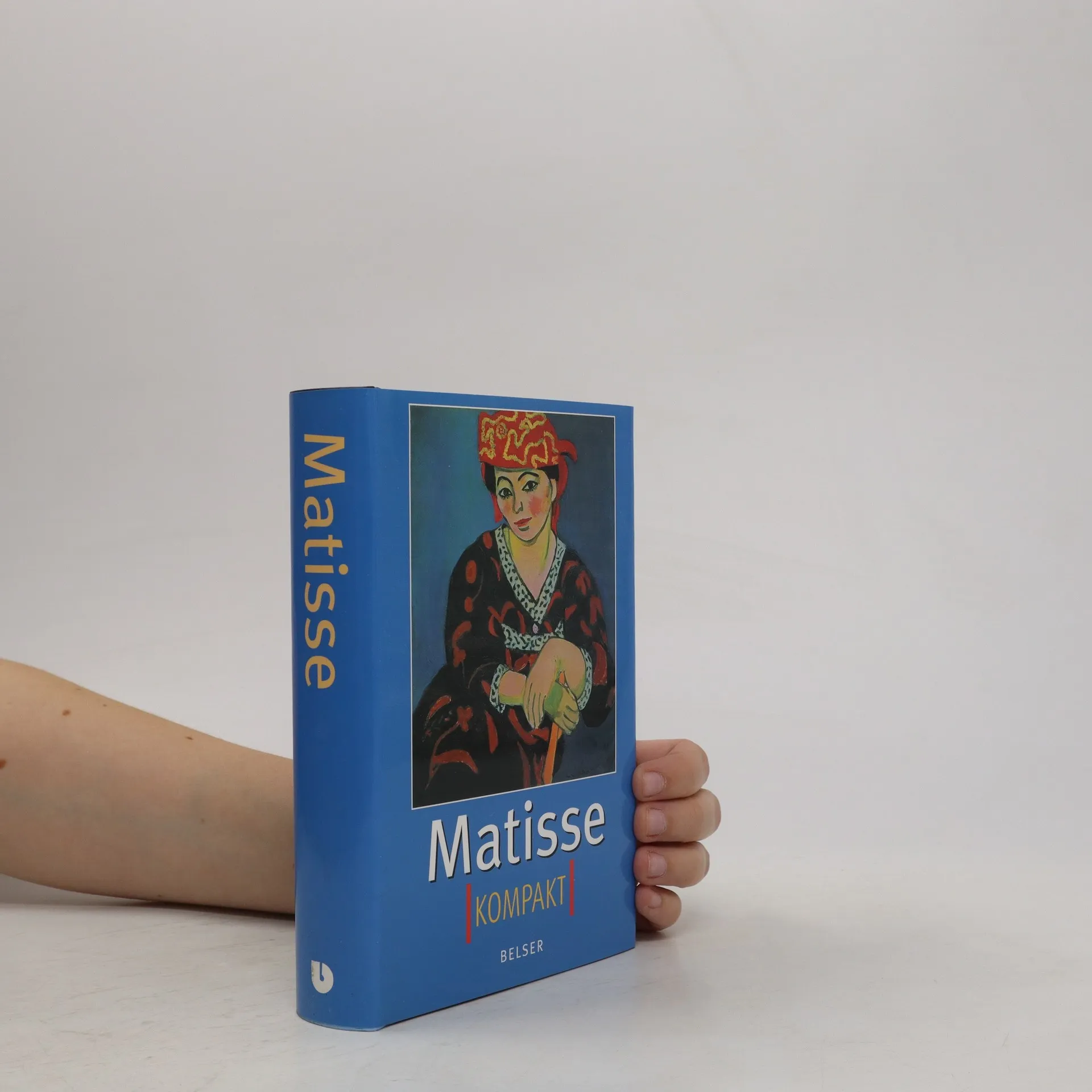
      Ein kleinformatiger Bildband mit 400 Meisterwerken des wichtigsten französischen Malers des 20. Jahrhunderts in chronologischer Reihenfolge und einem kurzen biografischen Vorwort

      Matisse kompakt
    • Henri Matisse

      Mit der Schere zeichnen; Meisterwerke der letzten Jahre - [anlässlich der Ausstellung 'Henri Matisse - Mit der Schere Zeichnen. Meisterwerke der letzten Jahre' in der Schirn-Kunsthalle Frankfurt, 20. Dezember 2002 - 2. März 2003, und in den Staatlichen Museen zu Berlin, Nationalgalerie, Sammlung Berggruen, 13. März - 25. Mai 2003]

      • 175 pages
      • 7 hours of reading
      Henri Matisse
    • Henri Matisse

      Figure, couleur, espace

      • 198 pages
      • 7 hours of reading
      Henri Matisse
    • Henri Matisse

      Chambres avec vue

      • 192 pages
      • 7 hours of reading

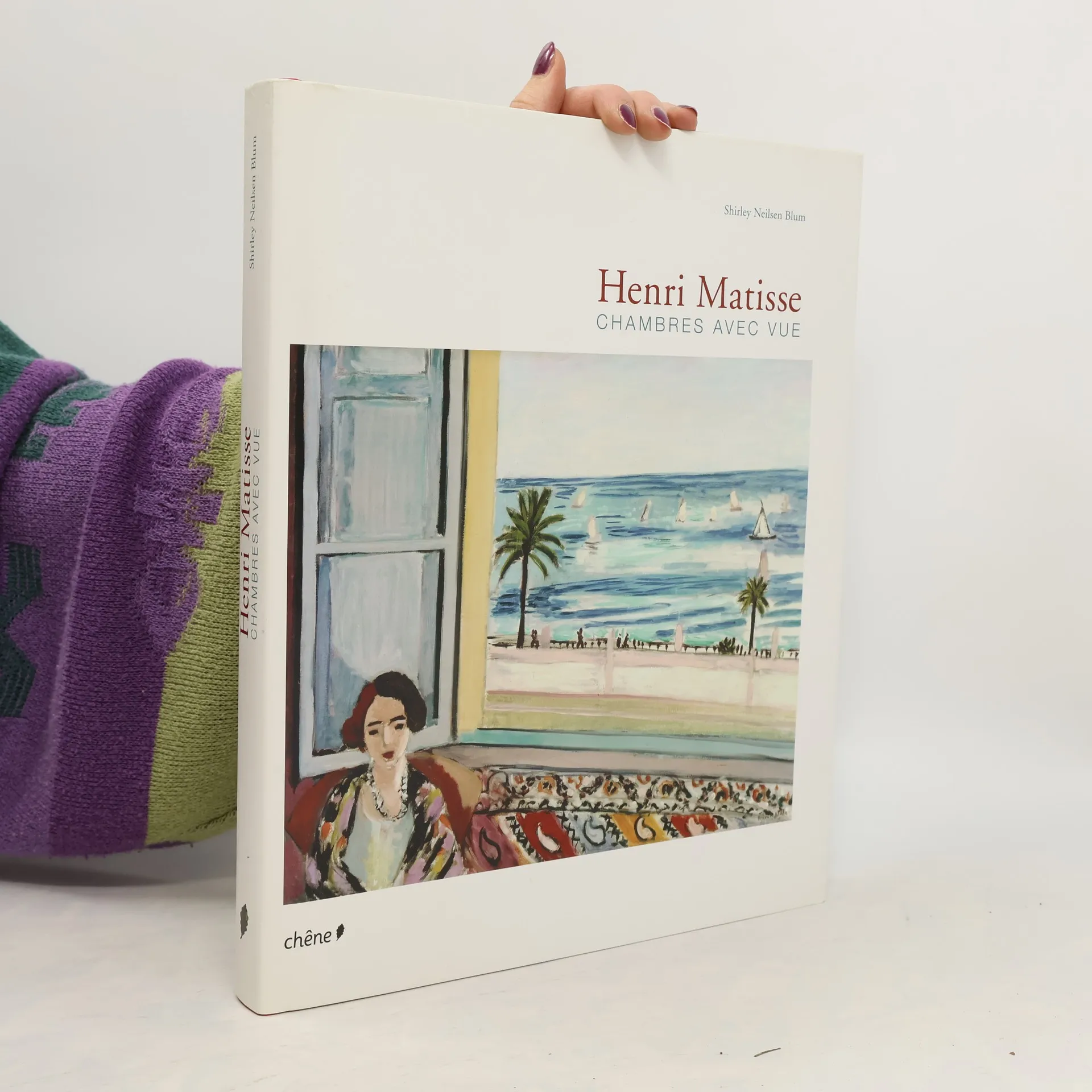
      Il est difficile de trouver, dans l'art moderne, un sujet si naturellement séduisant que les intérieurs colorés, joyeux et exaltants peints par Henri Matisse. Ce livre est le premier à s'intéresser au rôle tenu par la fenêtre dans la définition des espaces intérieurs et extérieurs de Matisse. Tout au long de sa carrière, Matisse étudia et arrangea les pièces où il vivait d'une manière aussi attentive que Rembrandt scrutait son visage dans ses innombrables autoportraits. Lorsqu'il vivait à l'hôtel ou dans de petits appartements, il s'arrangeait pour faire de ses pièces d'habitation son atelier. Par un dialogue constant avec ces espaces familiers, il donna naissance à des chefs-d'oeuvre incomparables et contribua à hisser ce thème iconographique au rang des plus prestigieux genres picturaux comme le paysage ou le portrait. À chaque nouvelle avancée de son style, à chaque déménagement, Matisse réinventa le motif de la fenêtre. Henri Matisse : Chambres avec vue est un livre à savourer vers lequel on revient sans cesse pour méditer sur le rôle essentiel de la fenêtre dans les intérieurs de Matisse mais également pour mieux comprendre comment le peintre s'est servi de ce motif pour tracer la voie à l'une des peintures abstraites les plus exigeantes du XXe siècle.

      Henri Matisse
    • Chefs-d'œuvre ?

      • 570 pages
      • 20 hours of reading

      Chefs d'uvre L'exposition d'ouverture du centre Pompidou-Metz.

      Chefs-d'œuvre ?
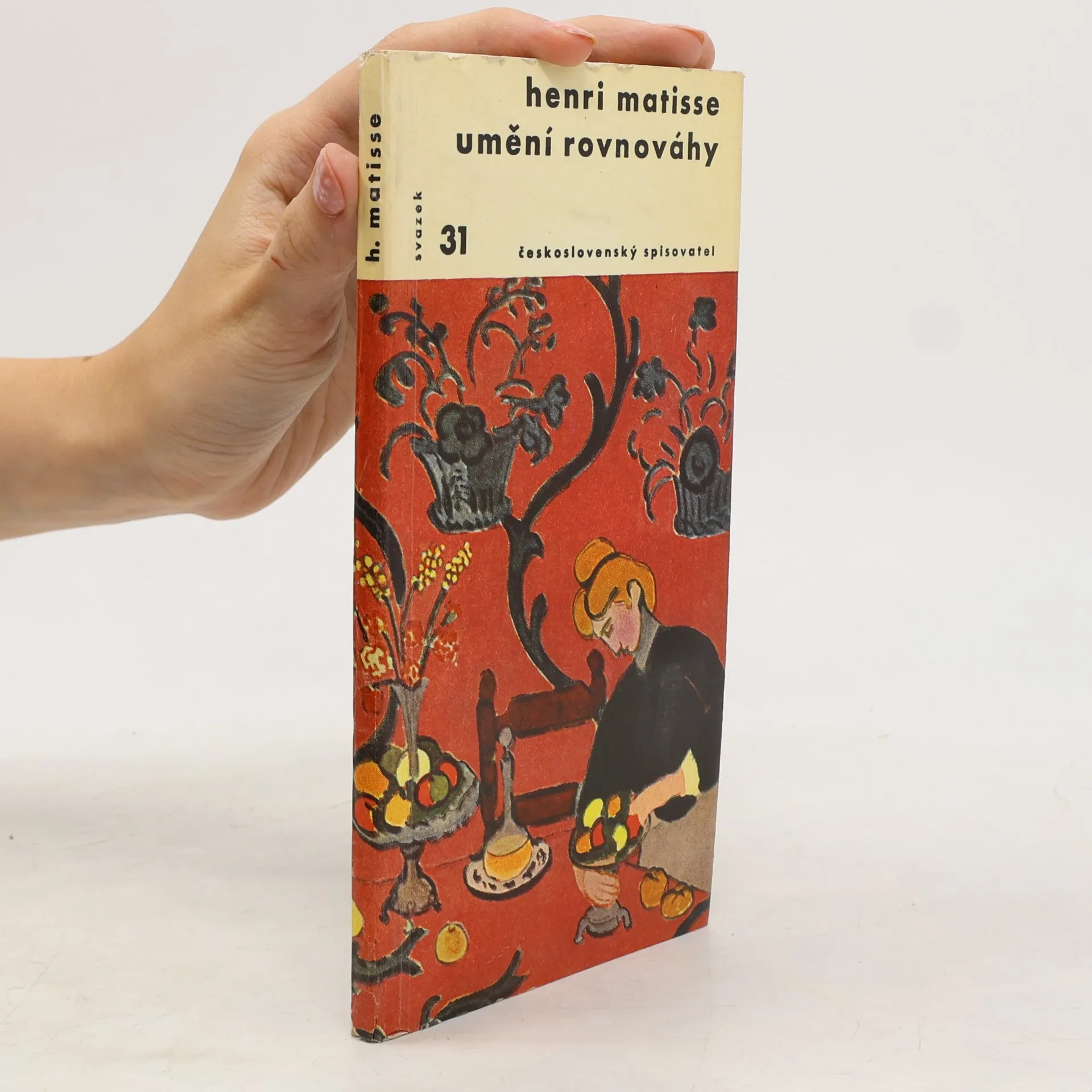
    • Výbor z myšlenek, poznámek, úvah, názorů a vyznání francouzského malíře a bojovníka za uplatnění pokrokových zásad a názorů ve francouzském umění i veřejném životě (1869-1954).

      Umění rovnováhy
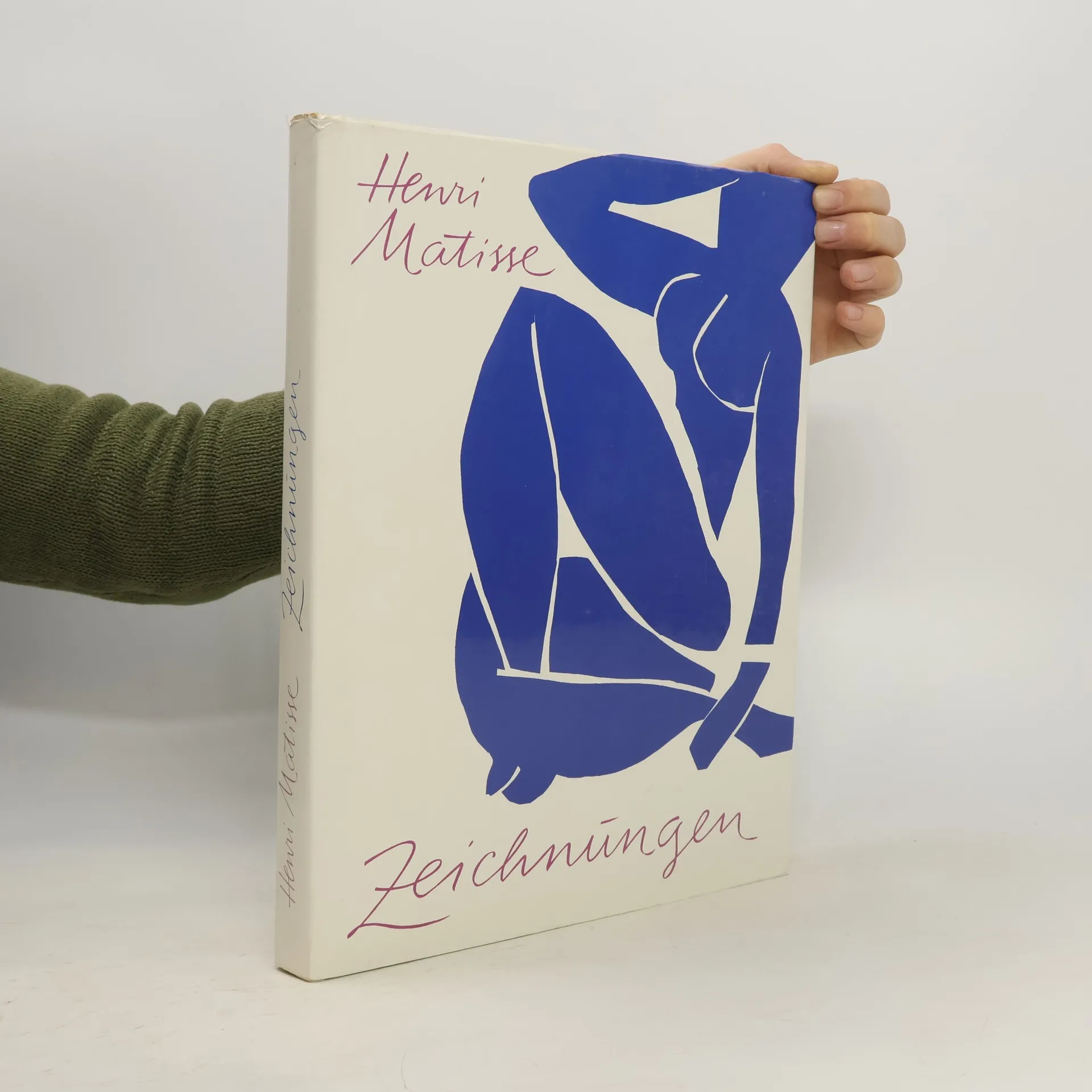
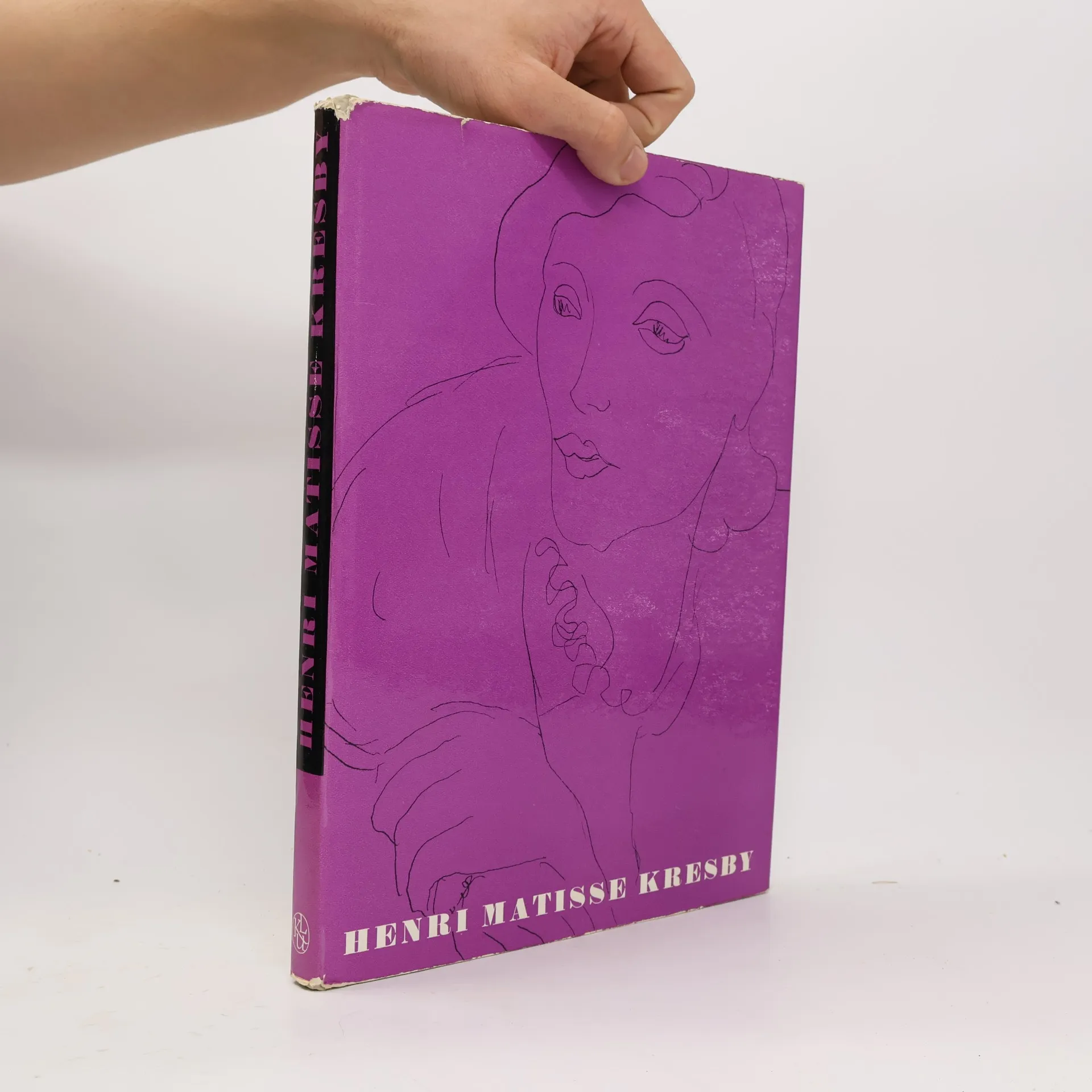
    • Není intimním malířem, i když se zabývá intimitou života a přírody, je hedonikem smyslových prožitků a pritom se podřizuje zákonům a zákony sám určuje... Úvodní studie stručně charakterizuje umělecký profil francouzského malíře, jehož kresby nestojí pouze na okraji jeho tvorby, nýbrž tvoří samostatnou uzavřenou část celého díla. Výběr kreseb z různých období v obrazové části je doplněn ukázkami zajímavé techniky stříhaných a lepených obrazů.

      Henri Matisse. Kresby
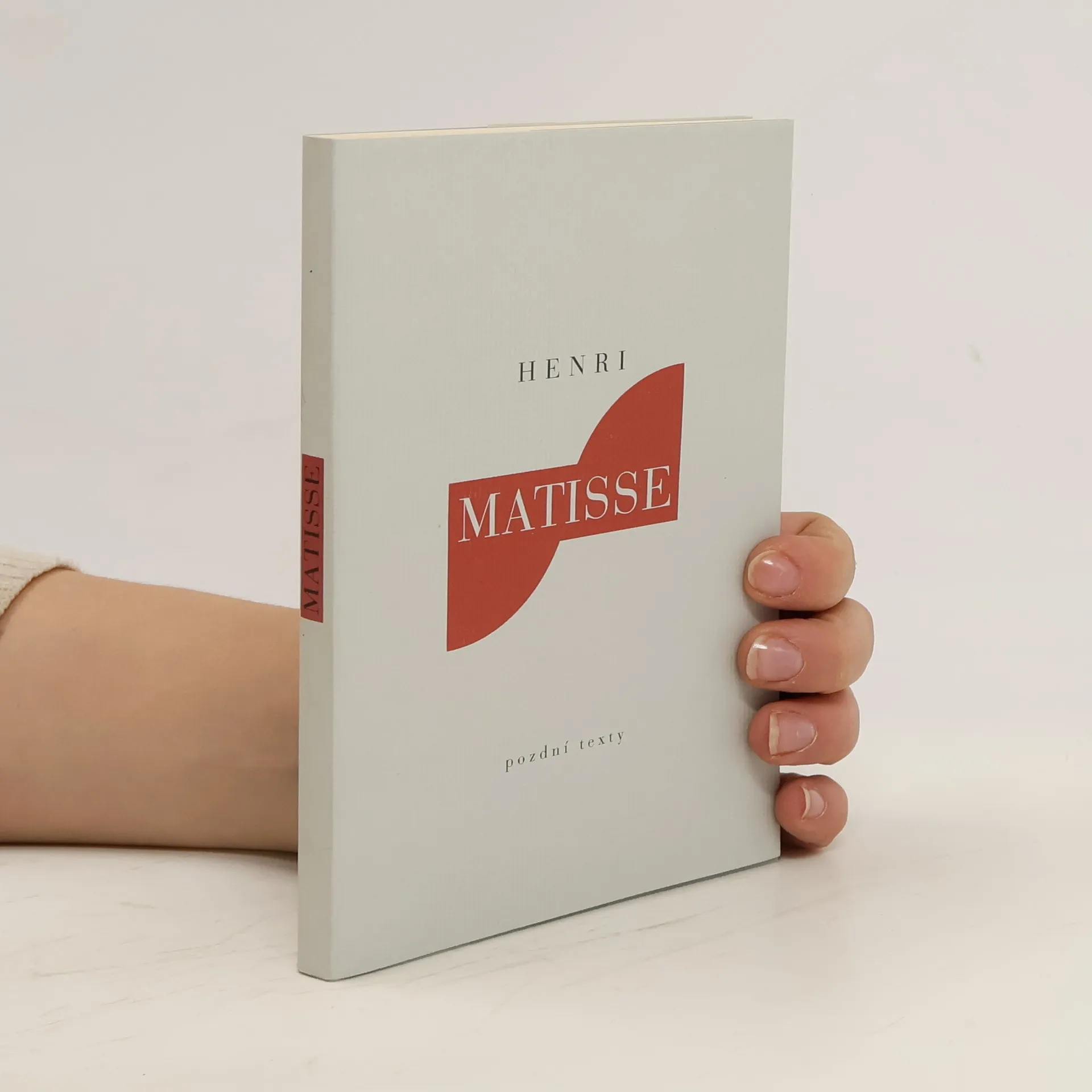
    • Pozdní texty

      • 102 pages
      • 4 hours of reading

      Henri Matisse (1869–1954) byl hlavním představitelem fauvismu, vytvářel jasnými barevnými skvrnami a jejich rytmem tvar i prostor, později začal více uplatňovat vedle barvy i linii. Byl mistr barev a malířské zkratky. Nebyl přítelem teoretizování, ale okolnosti ho nutily k tomu, aby svůj přístup k tvorbě osvětloval a formuloval své úvahy o umění. Náš výběr se zaměřuje na texty zhruba z posledních dvaceti let umělcovy dráhy a zahrnuje vedle jeho vlastních textů i tři rozhovory a úryvky z dopisů, tak aby byl z celku patrný Matissův prohloubený pohled na všechna jeho základní témata a zároveň se v něm odrážel etický rozměr jeho osobnosti.

      Pozdní texty