
Explore the latest books of this year!
Bookbot

Richard Bird

    January 1, 1942

    Richard Bird is a horticultural expert and gardening author. His work focuses on the practical aspects of plant care and garden design. Bird shares his extensive knowledge with a passion for cultivating beautiful and healthy gardens. His publications serve as a valuable resource for gardeners of all levels.

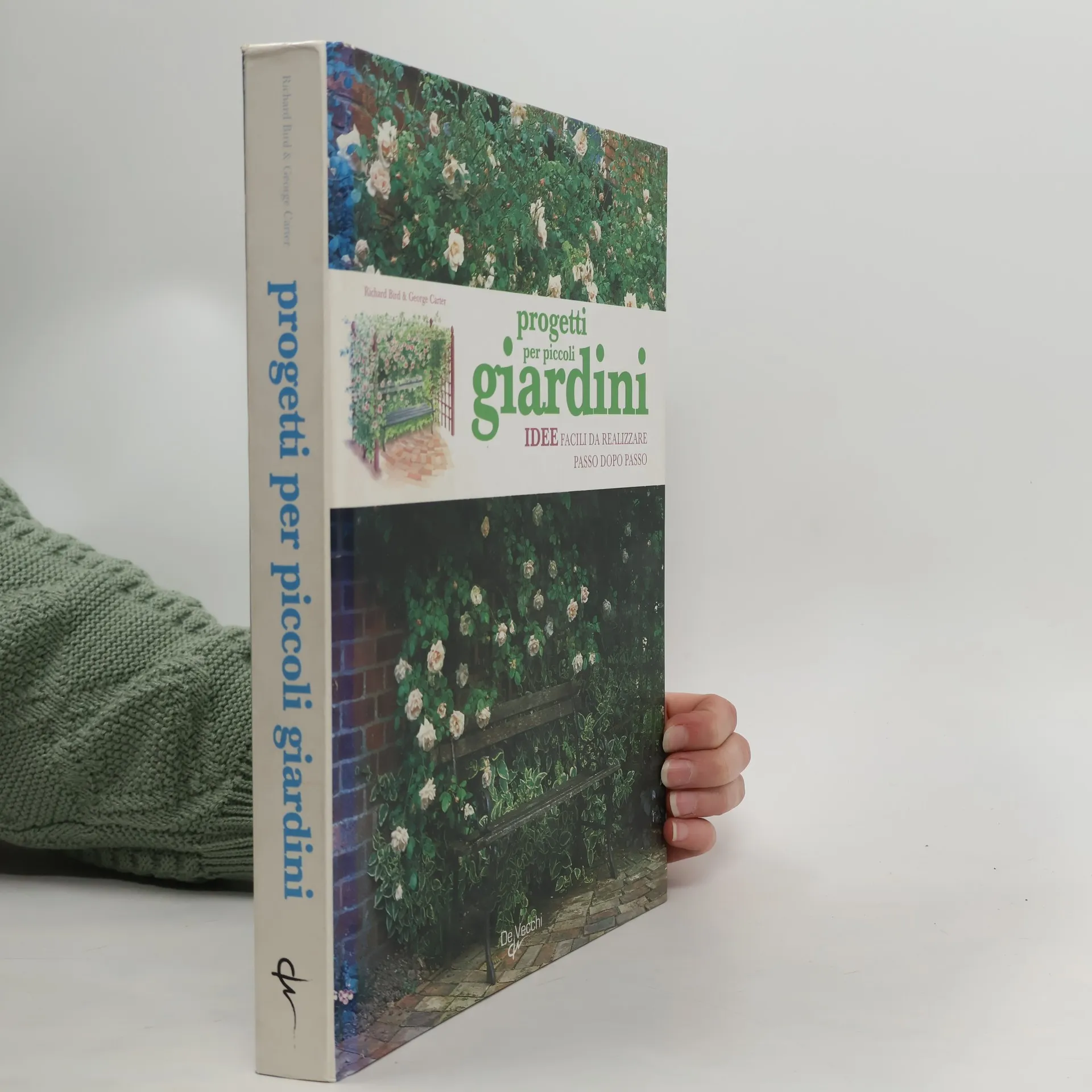
    The Cottage Garden
    The Pruning, Training & Topiary, Illustrated Practical Encyclopedia of
    Algorithm design with Haskell
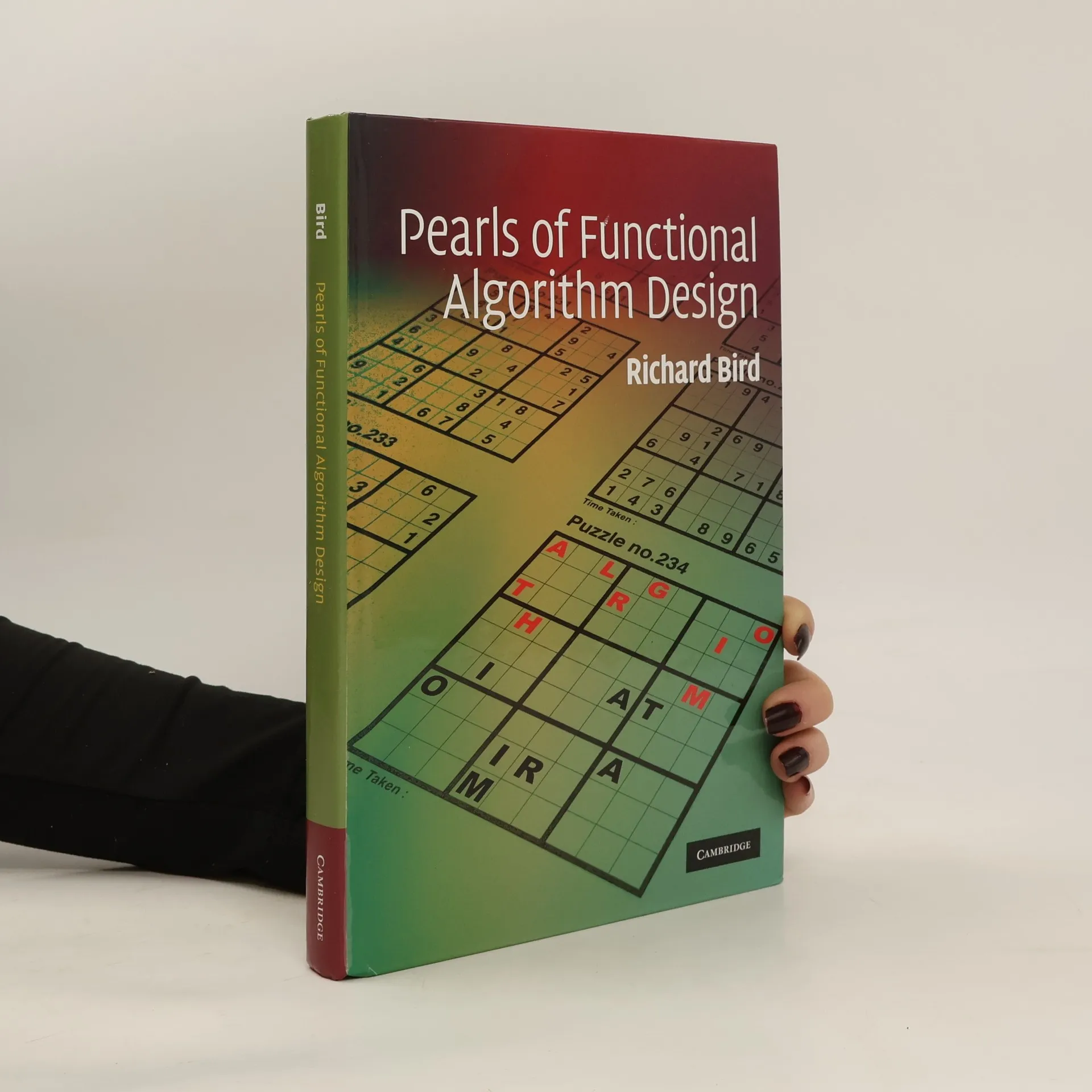
    Pearls of Functional Algorithm Design
    Goobletygok
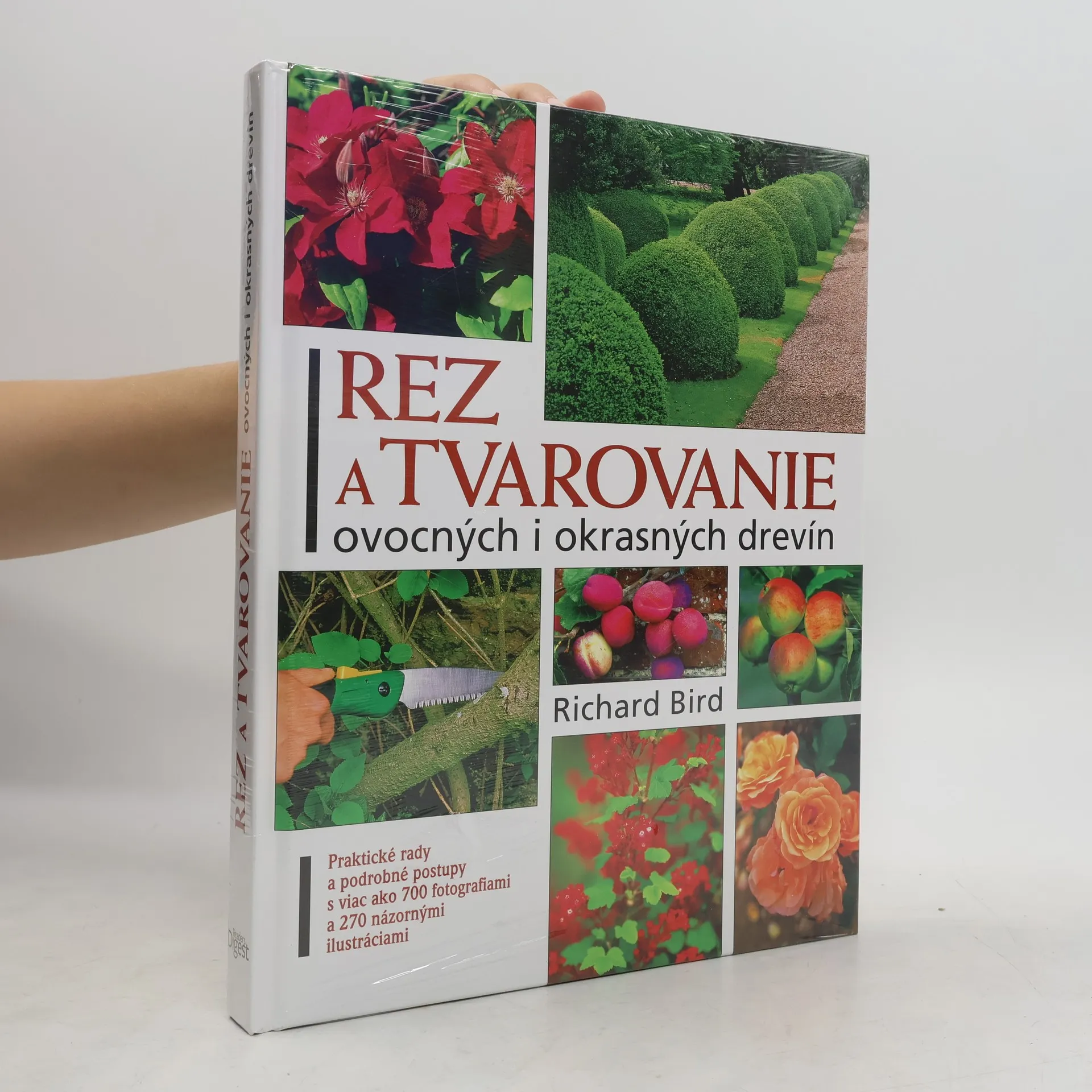
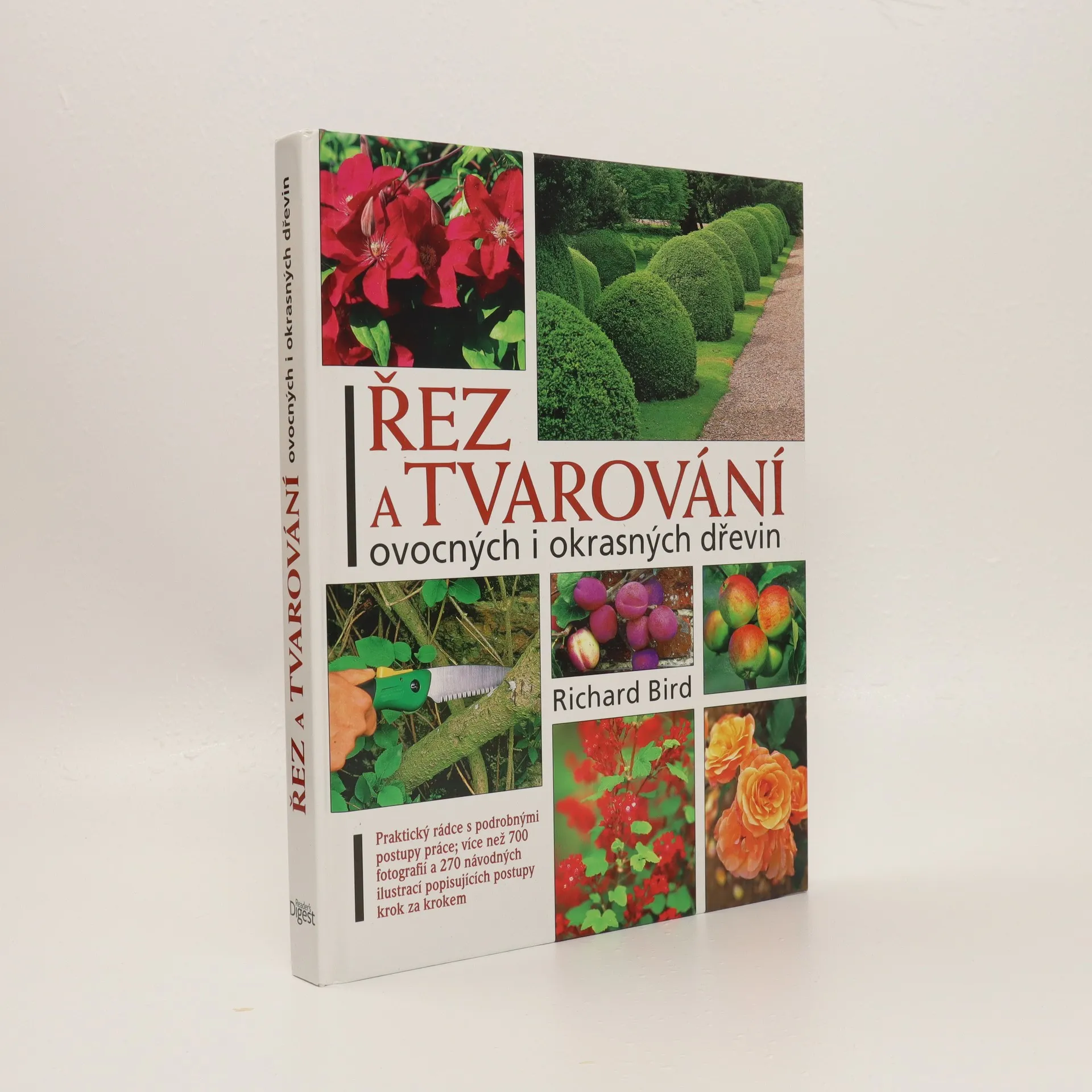
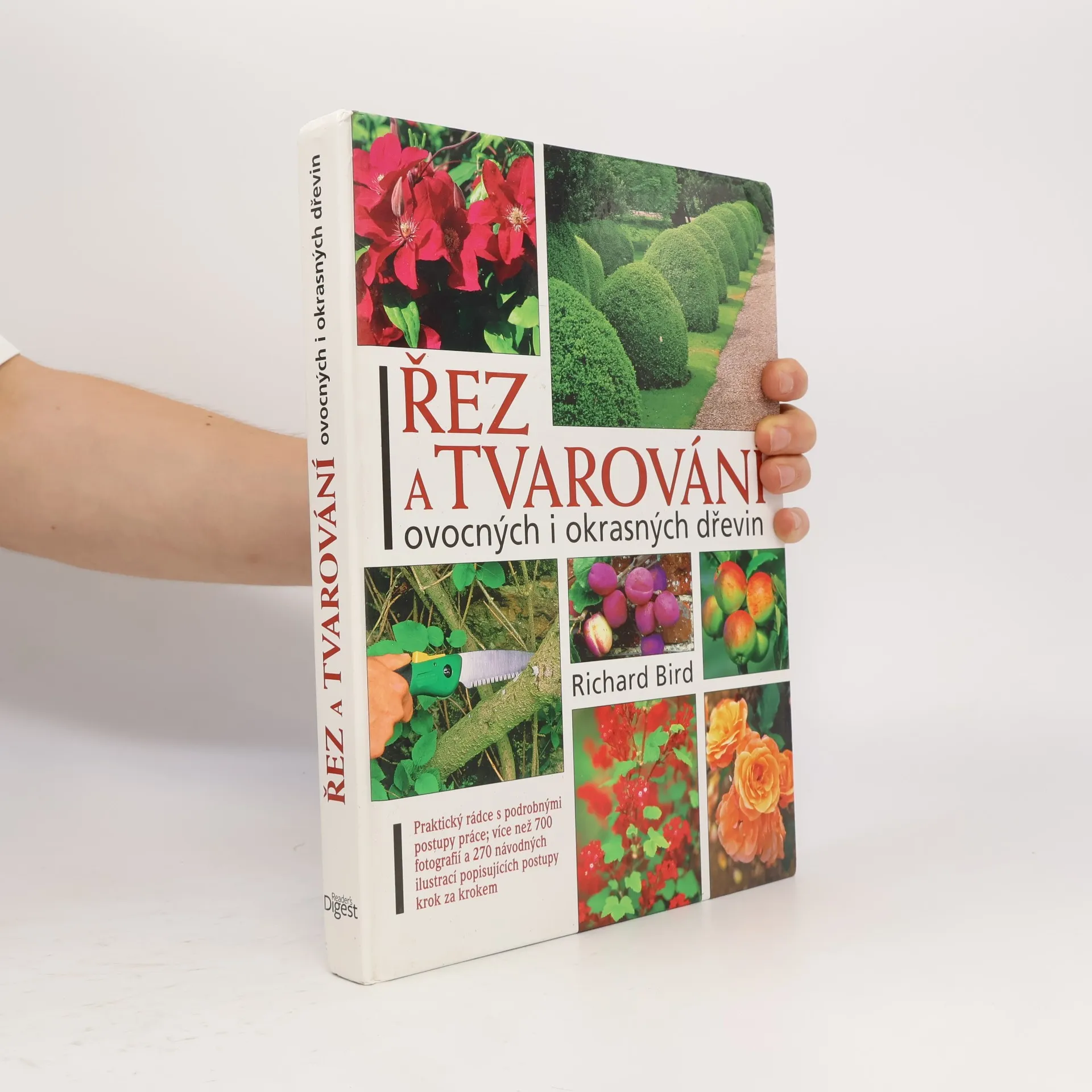
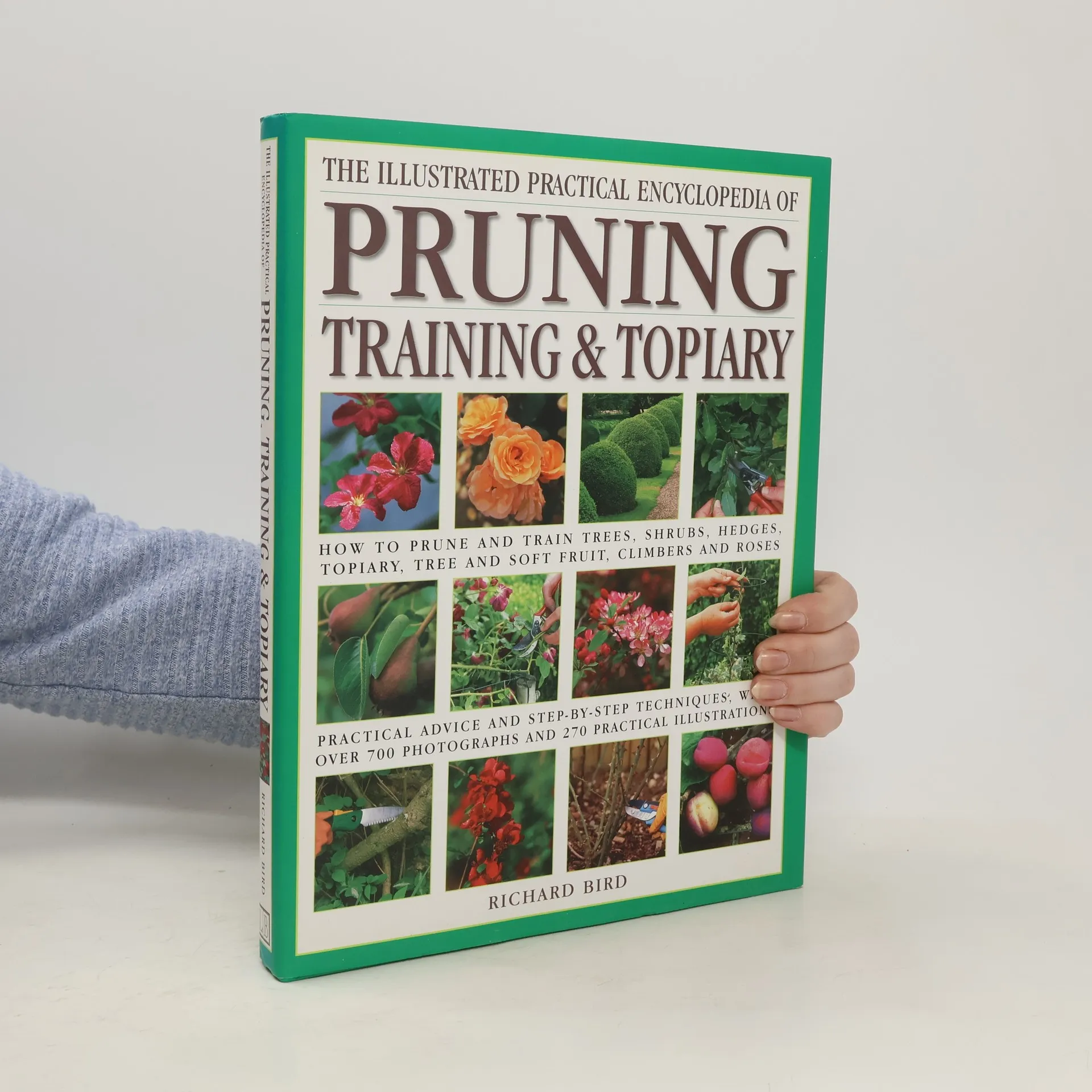
    The Illustrated Practical Encyclopedia of Pruning, Training & Topiary
    • This volume presents a practical guide to pruning and training decorative and fruiting plants. It provides advice on pruning and training methods for many different types of ornamental plants and contains instructions about how to train and prune fruit trees, climbing fruit and soft fruit. All techniques and projects are shown in close-up step-by-step photography and diagrams and this reference provides a plant directory, describing the timing, frequency and method of pruning for a range of ornamental plants. This work opens with an introduction that looks at basic principles and techniques. The chapters are arranged by plant type, covering ornamental trees, shrubs, topiary, hedges, climbers and wall shrubs, and roses. Each section includes practical advice, illustrated with step-by-step photographic sequences and artworks, on the initial training of the plant; how to prune the plant once it is established; and how to undertake renovation pruning.

      The Illustrated Practical Encyclopedia of Pruning, Training & Topiary
    • The book features a whimsical exploration of playful and imaginative language, inviting readers into a world filled with quirky words and sounds. Each term, like "Chulippitee" and "Buckadoodle," sparks creativity and encourages children to engage with language in a fun and entertaining way. This delightful journey promotes linguistic curiosity and the joy of expression through unique, invented vocabulary. Perfect for young readers, it fosters a love for words and storytelling.

      Goobletygok
    • Pearls of Functional Algorithm Design

      • 290 pages
      • 11 hours of reading
      4.3(145)Add rating

      Richard Bird takes a radically new approach to algorithm design, namely, design by calculation. These 30 short chapters each deal with a particular programming problem drawn from sources as diverse as games and puzzles, intriguing combinatorial tasks, and more familiar areas such as data compression and string matching. Each pearl starts with the statement of the problem expressed using the functional programming language Haskell, a powerful yet succinct language for capturing algorithmic ideas clearly and simply. The novel aspect of the book is that each solution is calculated from an initial formulation of the problem in Haskell by appealing to the laws of functional programming. Pearls of Functional Algorithm Design will appeal to the aspiring functional programmer, students and teachers interested in the principles of algorithm design, and anyone seeking to master the techniques of reasoning about programs in an equational style.

      Pearls of Functional Algorithm Design
    • Algorithm design with Haskell

      • 450 pages
      • 16 hours of reading

      This book is devoted to five main principles of algorithm divide and conquer, greedy algorithms, thinning, dynamic programming, and exhaustive search. These principles are presented using Haskell, a purely functional language, leading to simpler explanations and shorter programs than would be obtained with imperative languages. Carefully selected examples, both new and standard, reveal the commonalities and highlight the differences between algorithms. The algorithm developments use equational reasoning where applicable, clarifying the applicability conditions and correctness arguments. Every chapter concludes with exercises (nearly 300 in total), each with complete answers, allowing the reader to consolidate their understanding and apply the techniques to a range of problems. The book serves students (both undergraduate and postgraduate), researchers, teachers, and professionals who want to know more about what goes into a good algorithm and how such algorithms can be expressed in purely functional terms.

      Algorithm design with Haskell
    • "A definitive guide to pruning and training decorative and fruiting plants. Provides advice on pruning and training methods for every kind of ornamental plant. A helpful section explains how to train and prune fruit trees, climbing fruit, and soft fruit. All techniques and projects are shown in close-up step-by-step photography and diagrams, making the tasks absolutely clear and easy to follow. Contains an easy-to-use plant directory, describing the timing, frequency and method of pruning for a range of ornamental plants. Illustrated with over 700 photographs, and more than 270 specially commissioned artworks."--Back cover

      The Pruning, Training & Topiary, Illustrated Practical Encyclopedia of
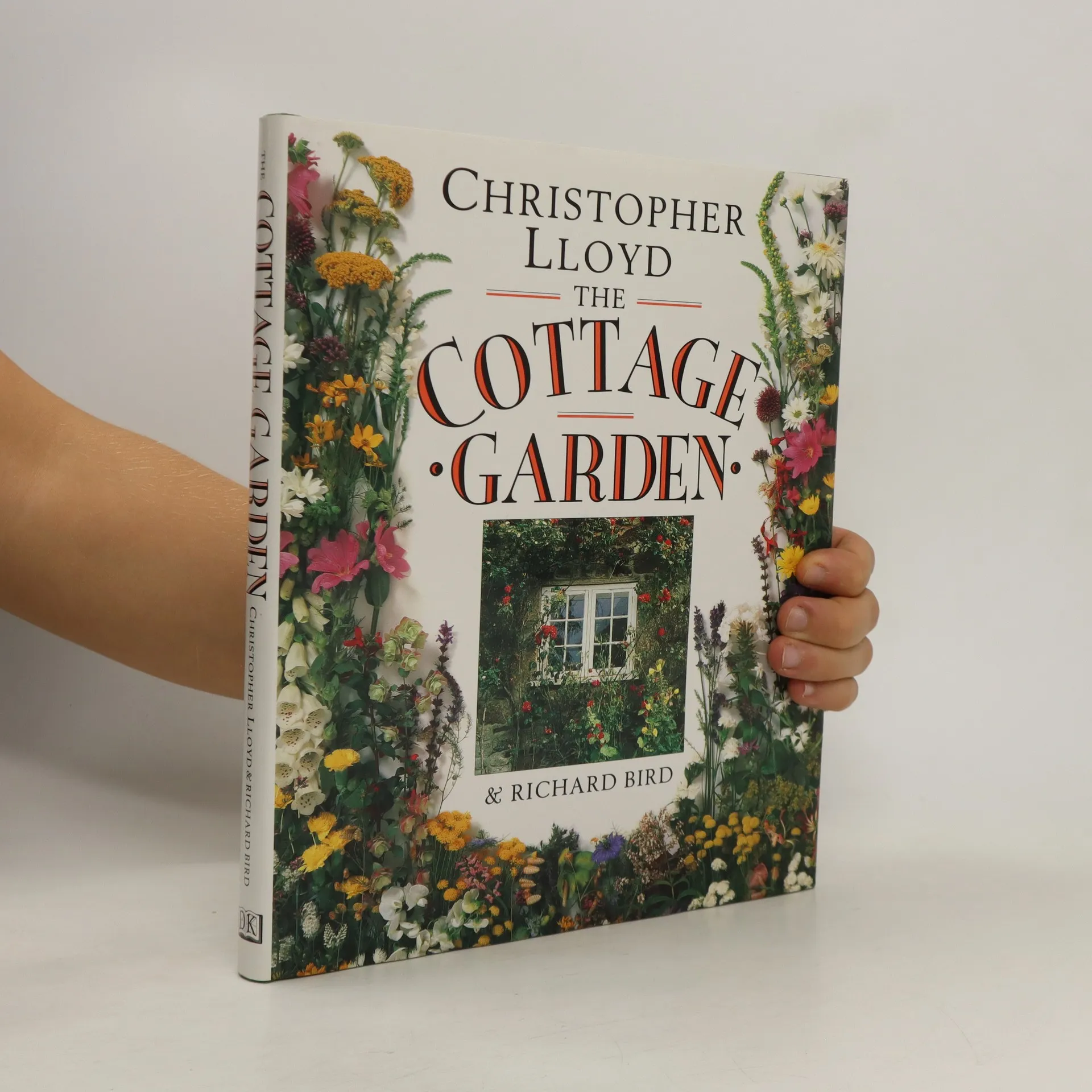
    • The Cottage Garden

      • 192 pages
      • 7 hours of reading
      4.3(12)Add rating

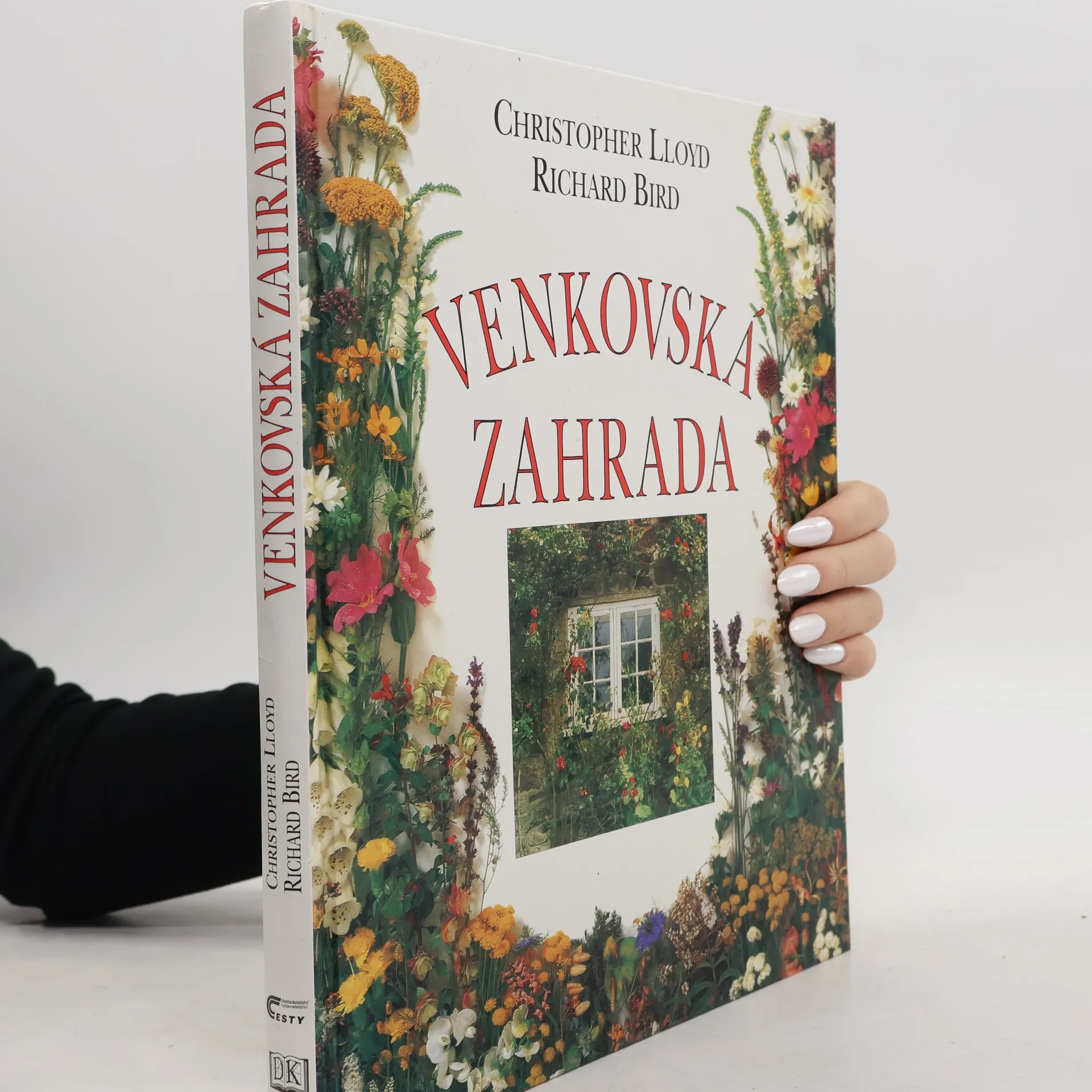
      Whatever the size and situation of your yard, you can learn how to create and cultivate an idyllic cottage garden, one of the best-loved and most enduring gardening styles. Tracing the development of the cottage garden from the humble vegetable patch to the lush flower garden, Christopher Lloyd and Richard Bird analyze what defines a cottage garden - a working garden that is as productive as it is charming. Full-color plans show how to utilize and organize the space available, whether creating a decorative flower garden with pinks and delphiniums, or a full working garden with fruits, rotation crops, and livestock. Easy-to-follow advice explains how structural features such as paths, fences, arbors and ponds are best combined with flowers, vegetables, hedges and trees.

      The Cottage Garden
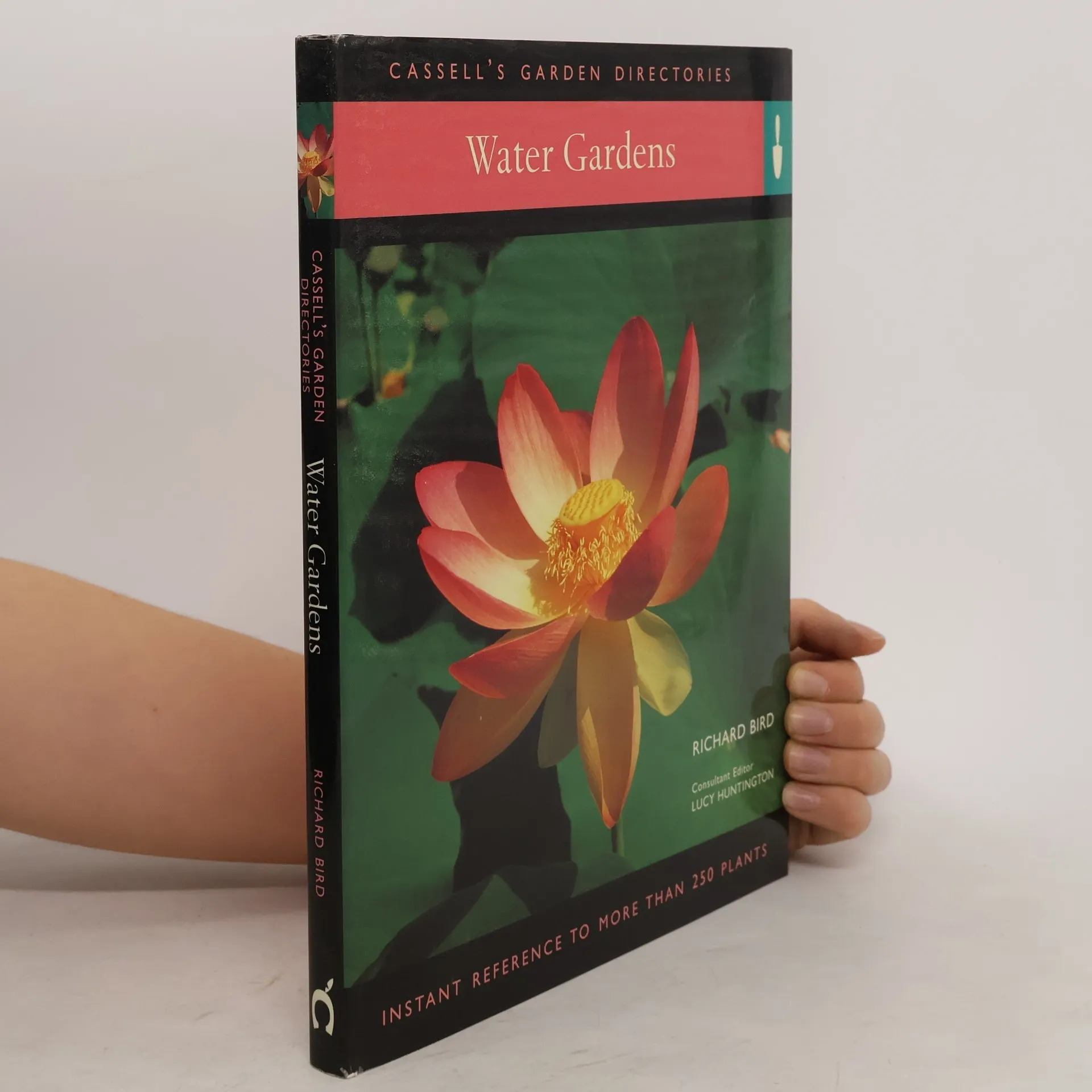
    • Water Gardens

      • 112 pages
      • 4 hours of reading

      Presents "imaginative ways of using water to create exciting contexts for a whole range of plants."--Cover.

      Water Gardens
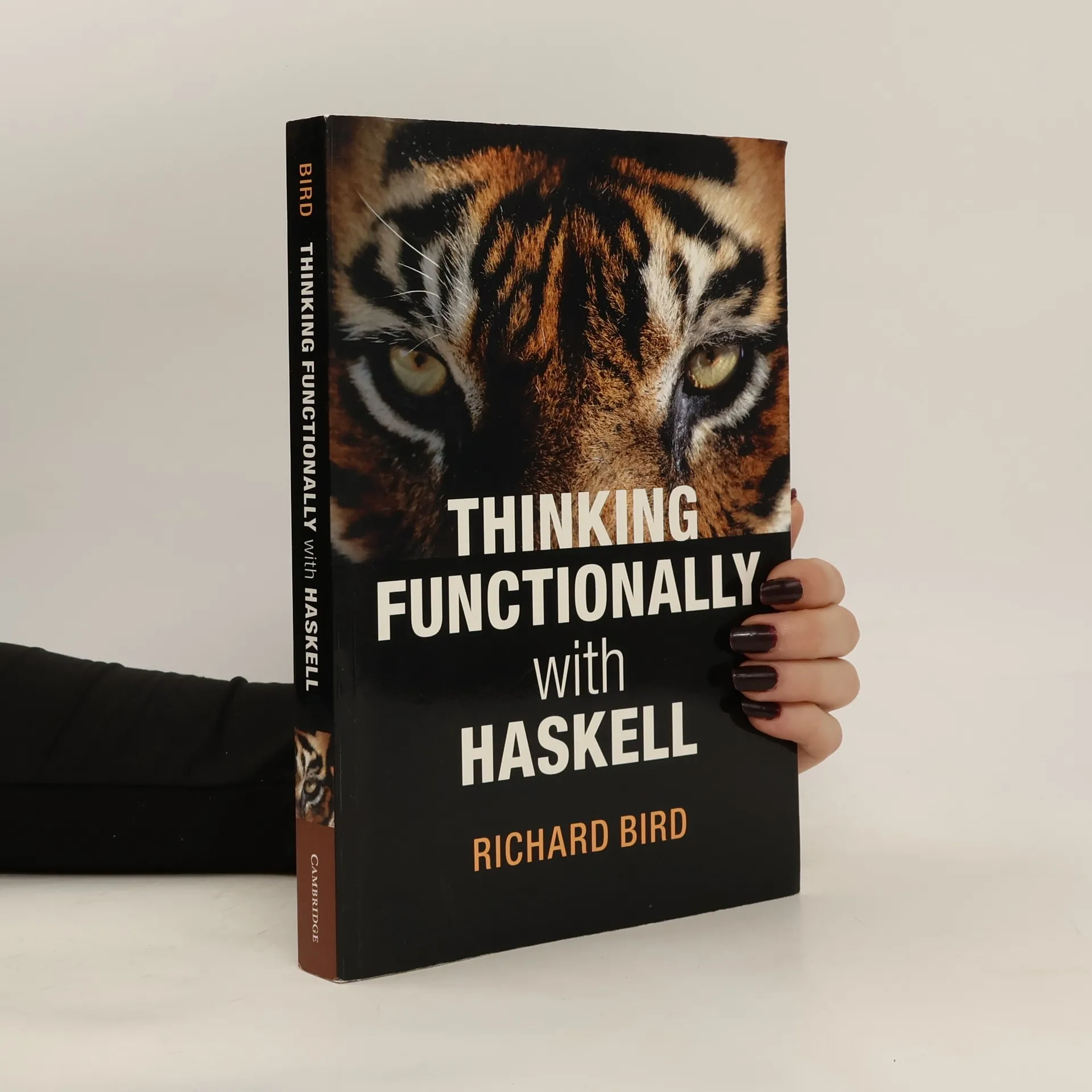
    • Thinking functionally with Haskell

      • 354 pages
      • 13 hours of reading
      4.1(11)Add rating

      Richard Bird is famed for the clarity and rigour of his writing. His new textbook, which introduces functional programming to students, emphasises fundamental techniques for reasoning mathematically about functional programs. By studying the underlying equational laws, the book enables students to apply calculational reasoning to their programs, both to understand their properties and to make them more efficient. The book has been designed to fit a first- or second-year undergraduate course and is a thorough overhaul and replacement of his earlier textbooks. It features case studies in Sudoku and pretty-printing, and over 100 carefully selected exercises with solutions. This engaging text will be welcomed by students and teachers alike.

      Thinking functionally with Haskell
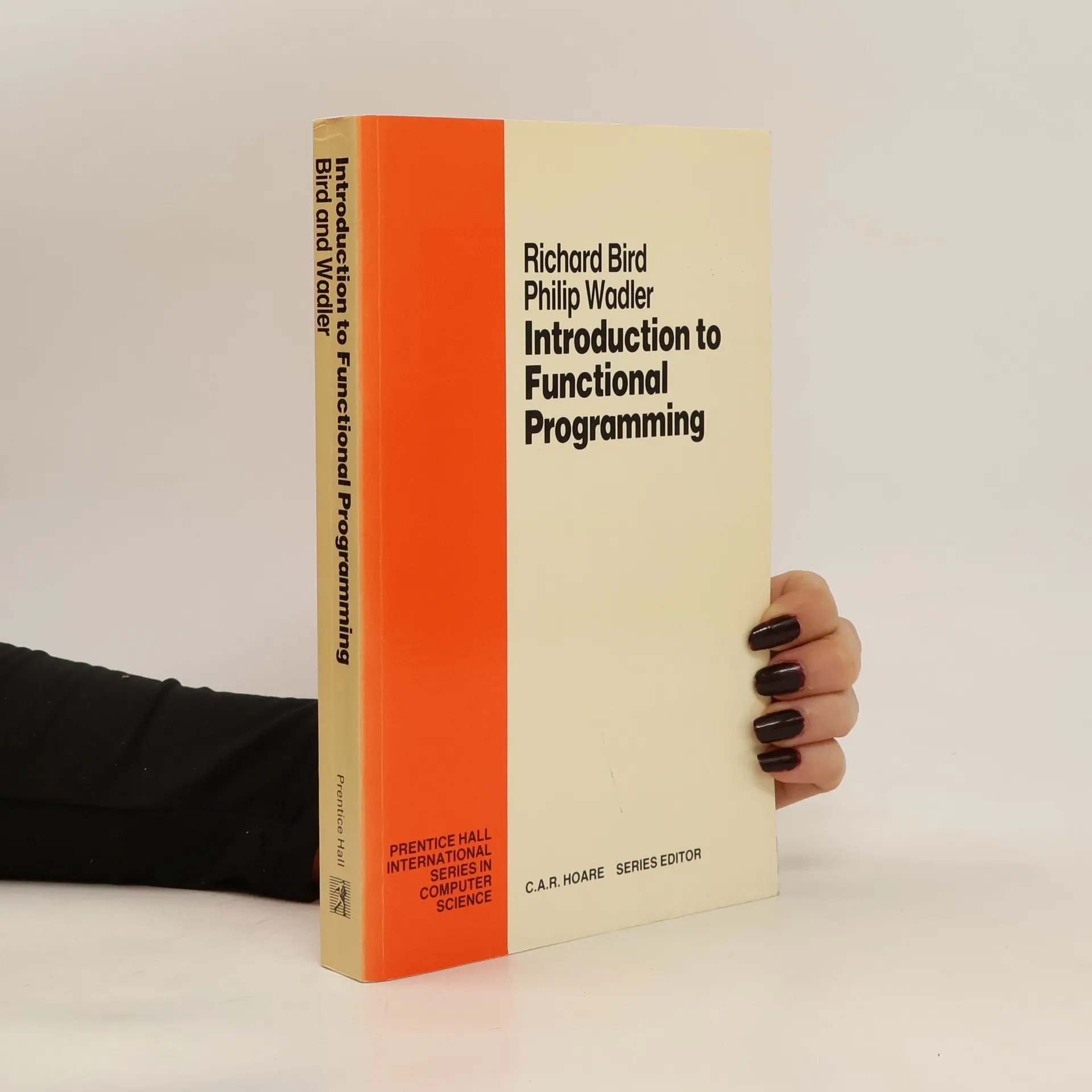
    • Introduction to Functional Programming

      • 293 pages
      • 11 hours of reading
      4.0(27)Add rating

      After the success of the first edition, Introduction to Functional Programming using Haskell has been thoroughly updated and revised to provide a complete grounding in the principles and techniques of programming with functions. The second edition uses the popular language Haskell to express functional programs. There are new chapters on program optimisation, abstract datatypes in a functional setting, and programming in a monadic style. There are complete new case studies, and many new exercises. As in the first edition, there is an emphasis on the fundamental techniques for reasoning about functional programs, and for deriving them systematically from their specifications. The book is self-contained, assuming no prior knowledge of programming and is suitable as an introductory undergraduate text for first- or second-year students.

      Introduction to Functional Programming