Engaging with philosophical concepts from 1995 to 2010, Simon Blackburn examines the complexities of representation, truth, reason, and assertion within practical thought. He delves into how our understanding of values and norms shapes our expressions and commitments, emphasizing the interplay between propositions and actions. Expanding his analysis beyond semantics, Blackburn addresses broader themes such as pluralism, pragmatism, the philosophy of mind, and the essence of practical reasoning, offering a comprehensive exploration of these interconnected ideas.
Simon Blackburn Books
July 12, 1944
Simon Blackburn is an English academic philosopher renowned for his contributions to metaethics, particularly his defense of quasi-realism, and his work in the philosophy of language. He has also successfully engaged a broad audience through his efforts to popularize philosophy. His writing delves into how we conceptualize morality and how language shapes our understanding of the world. Blackburn's work invites readers to contemplate the foundations of ethical concepts with clarity and intellectual rigor.


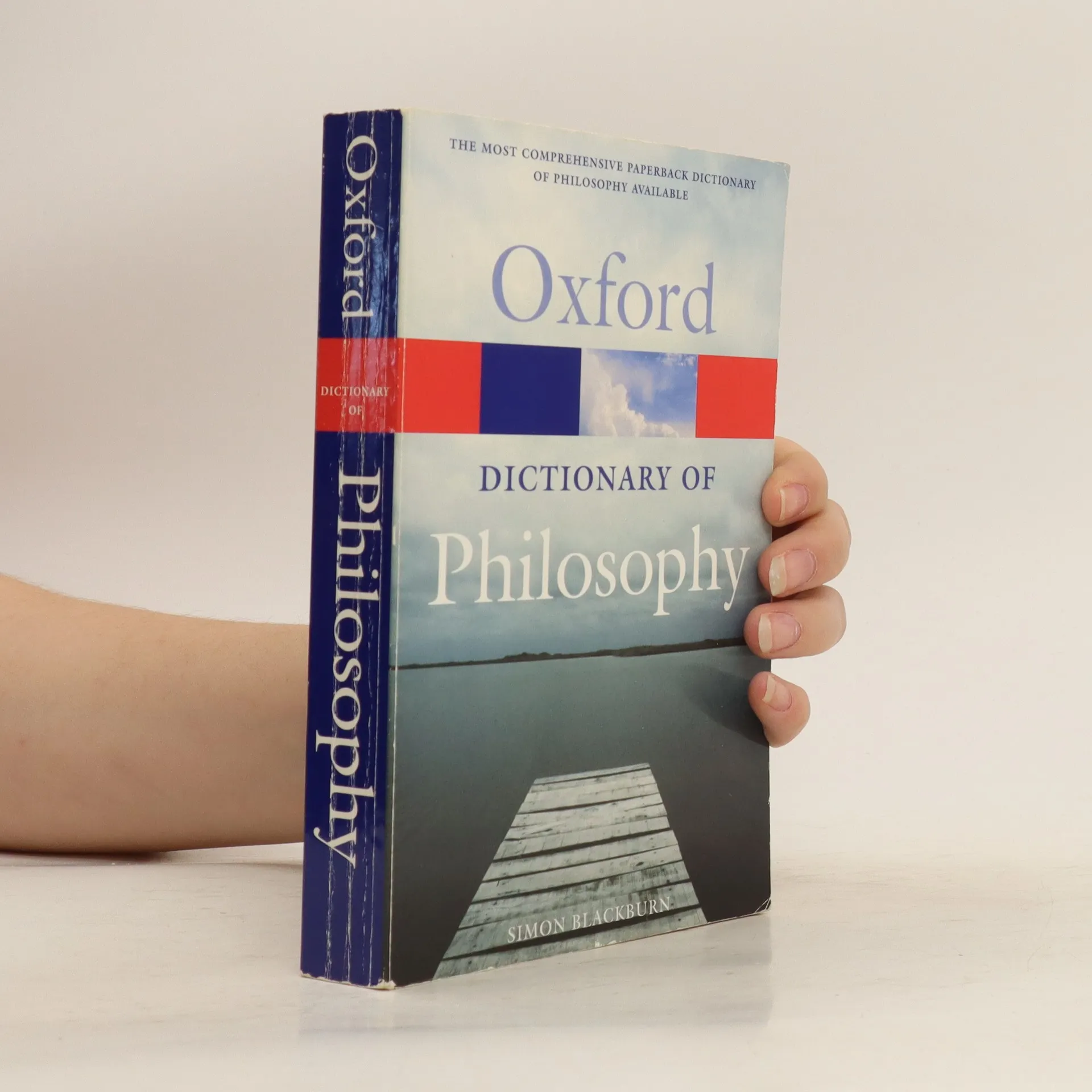
From Aristotle to Zen, this is the most comprehensive, authoritative, and up-to-date dictionary of philosophy available. Ideal for students or a general readership, it provides lively and accessible coverage of not only the Western philosophical tradition but also important themes fromChinese, Indian, Islamic, and Jewish philosophy. * 2,500 entries including the most recent terms and concepts * Biographical entries for nearly 500 philosophers * Terms relevant to philosophy from neighbouring disciplines Chronology of philosophical events
David Hume is generally recognized as the United Kingdom's greatest philosopher, as well as a notable historian and essayist, and a central figure of the Enlightenment. This book describes how Hume can be placed as one of the earliest, and most successful, evolutionary psychologists.
Mirror, Mirror
- 224 pages
- 8 hours of reading
Drawing on philosophy, psychology, literature, history, and popular culture, this book looks at the good and bad aspects of vanity and self-love, from the myth of Narcissus and the Christian story of the Fall to today's self-esteem industry.
Exploring the interplay between moral emotions and human motivation, Simon Blackburn presents a unique philosophy that addresses why we behave as we do and how we might improve. He develops a naturalistic ethics that harmonizes moral understanding with broader human experiences, challenging the notions of scepticism and relativism. By asserting that ethics can retain its authority while being grounded in our passions, Blackburn offers a fresh perspective on the relationship between morality and human nature.
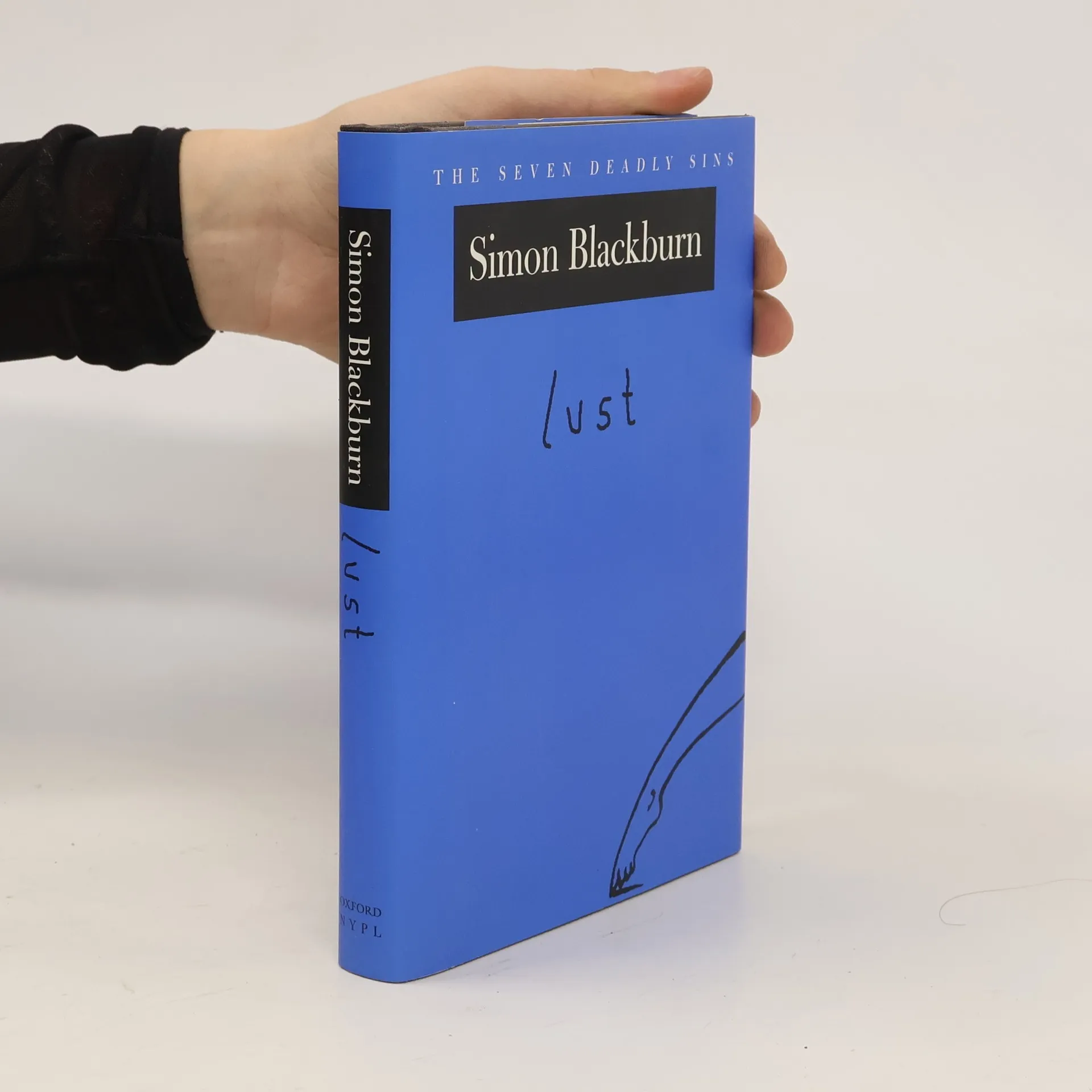
Lust
- 192 pages
- 7 hours of reading
Based on a lecture series in the humanities hosted by the New York Public Library.
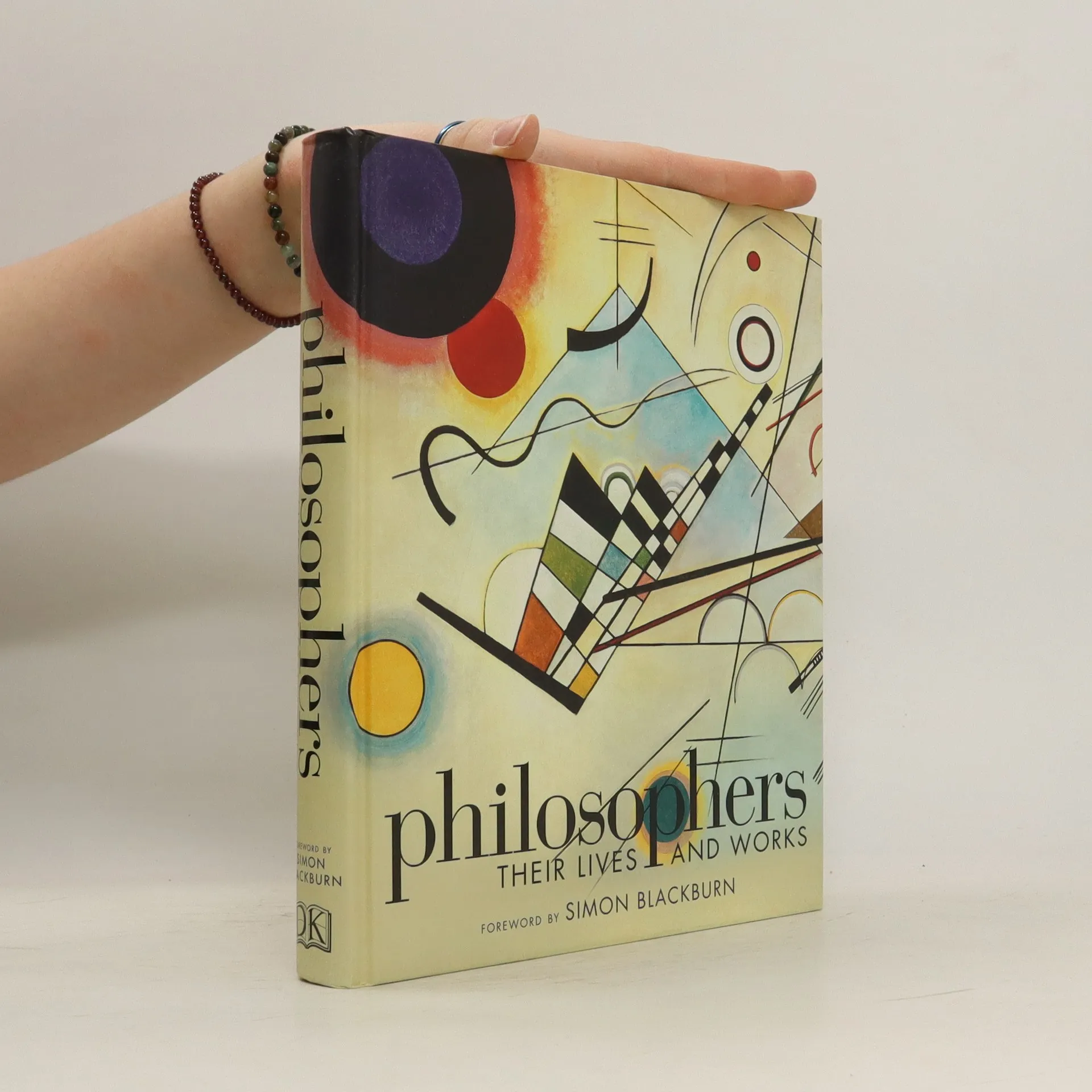
Philosophers
- 360 pages
- 13 hours of reading
An illuminating celebration of more than 80 of the world's most important thinkers, this book explores the fascinating stories of their lives, their loves, and their pioneering ideas. Introduced with a stunning portrait of each featured philosopher, entries trace the ideas and beliefs, and the relationships and rivalries that inspired the great thinkers and influenced their work, providing revealing insights into what drove them to question the meaning of life and come up with new ways of understanding the world. Lavishly illustrated with photographs and paintings of philosophers, their homes, friends, studies, and their personal belongings, together with pages from original manuscripts, first editions, and correspondence, this book introduces the key ideas, themes, and working methods of each featured individual, setting their ideas within a wider historical and cultural context. Charting the development of ideas across the centuries in both the East and West, from ancient Chinese philosophy to the work of contemporary thinkers, Philosophers provides a compelling glimpse into the personal lives, loves, and influences of the great philosophers as they probed into life's "big ideas".
Truth: Ideas in Profile
- 144 pages
- 6 hours of reading
The world's leading thinker on truth explains what it is and why it matters in every important aspect of life
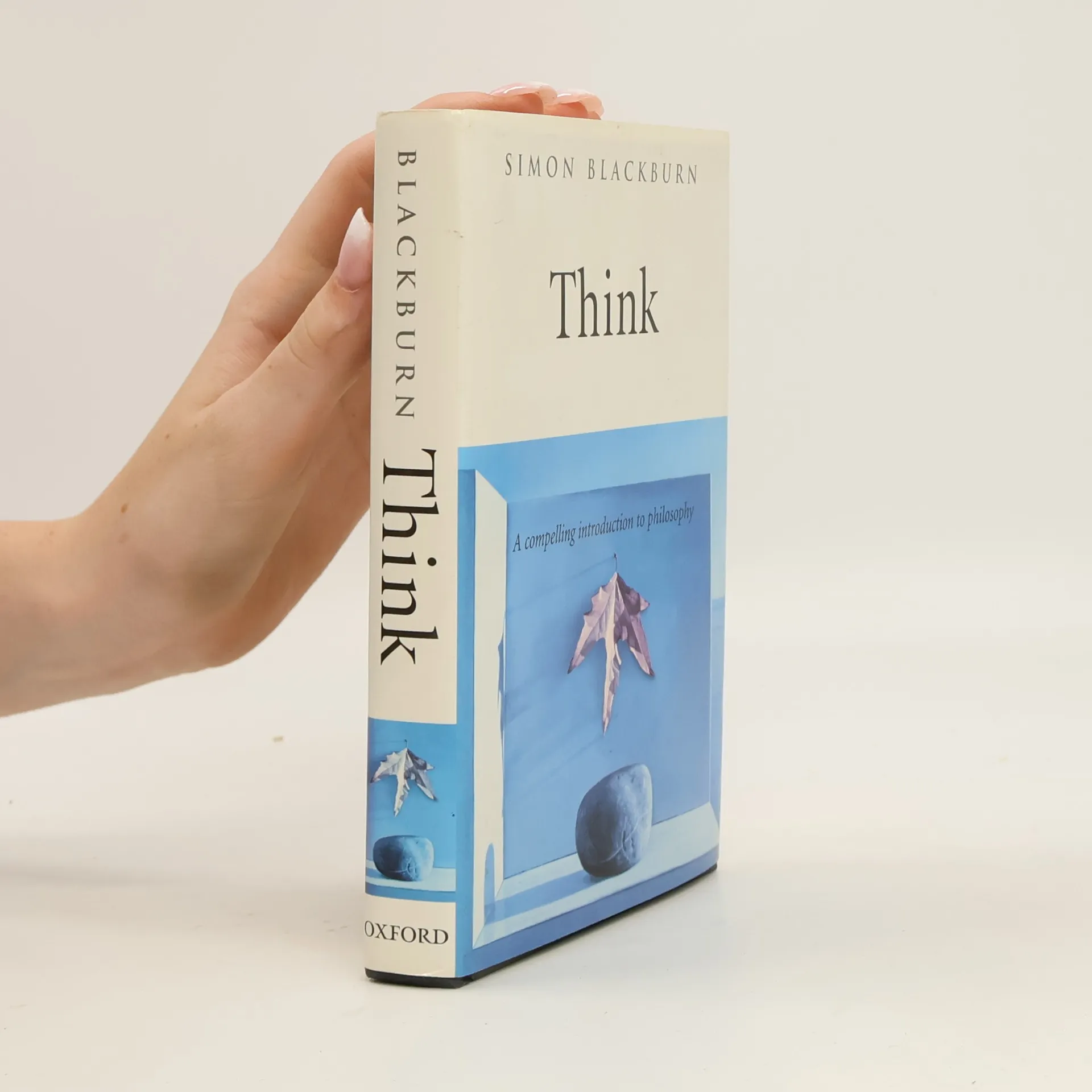
Think
- 320 pages
- 12 hours of reading
"Simon Blackburn begins by putting forward a convincing case for the study of philosophy and goes on to give the reader a sense of how the great historical figures such as Descartes, Hume, Kant, and Wittgenstein have approached its central themes."
The dismal truth about hedge funds and how investors can get a greater share of the profits Shocking but true: if all the money that's ever been invested in hedge funds had been in treasury bills, the results would have been twice as good.
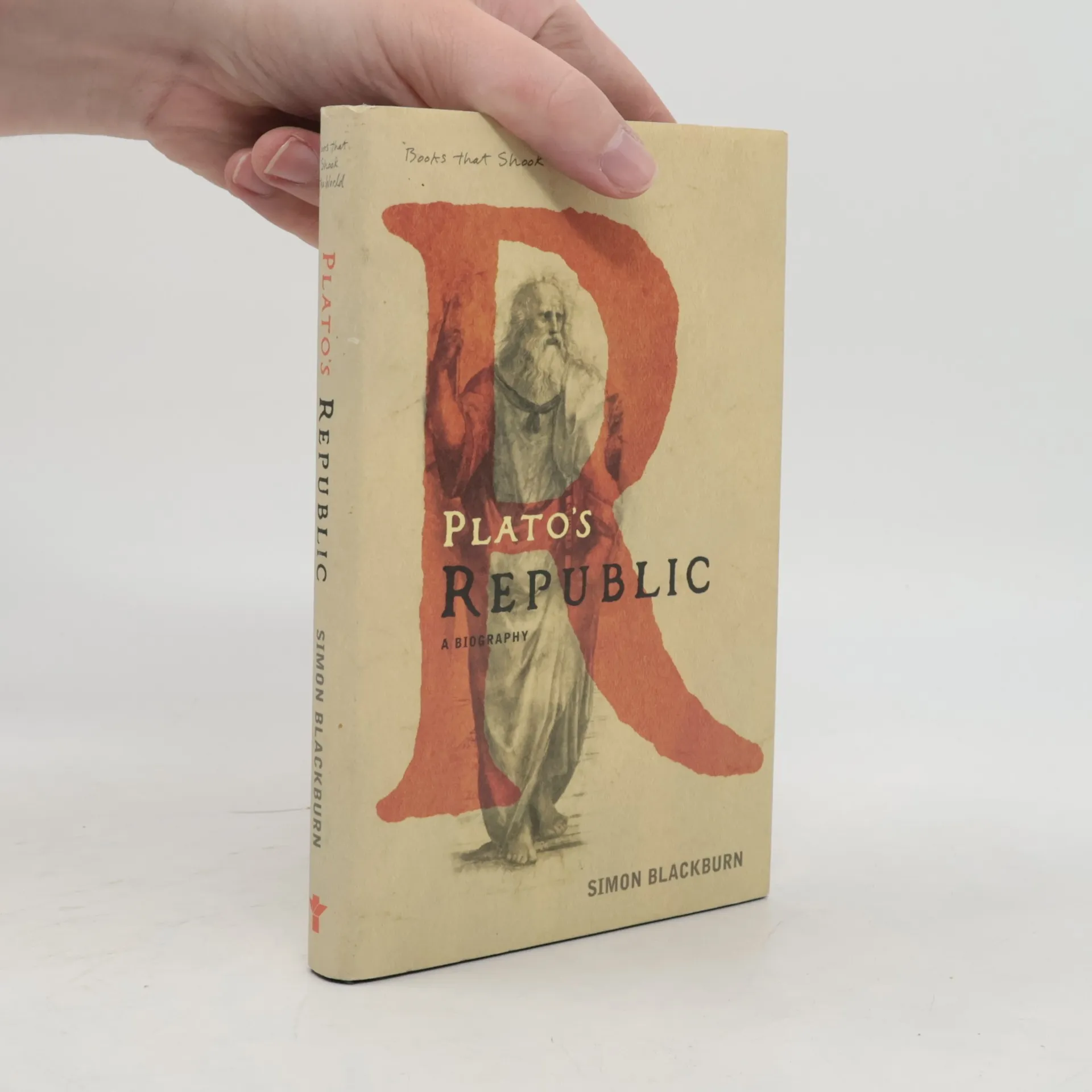
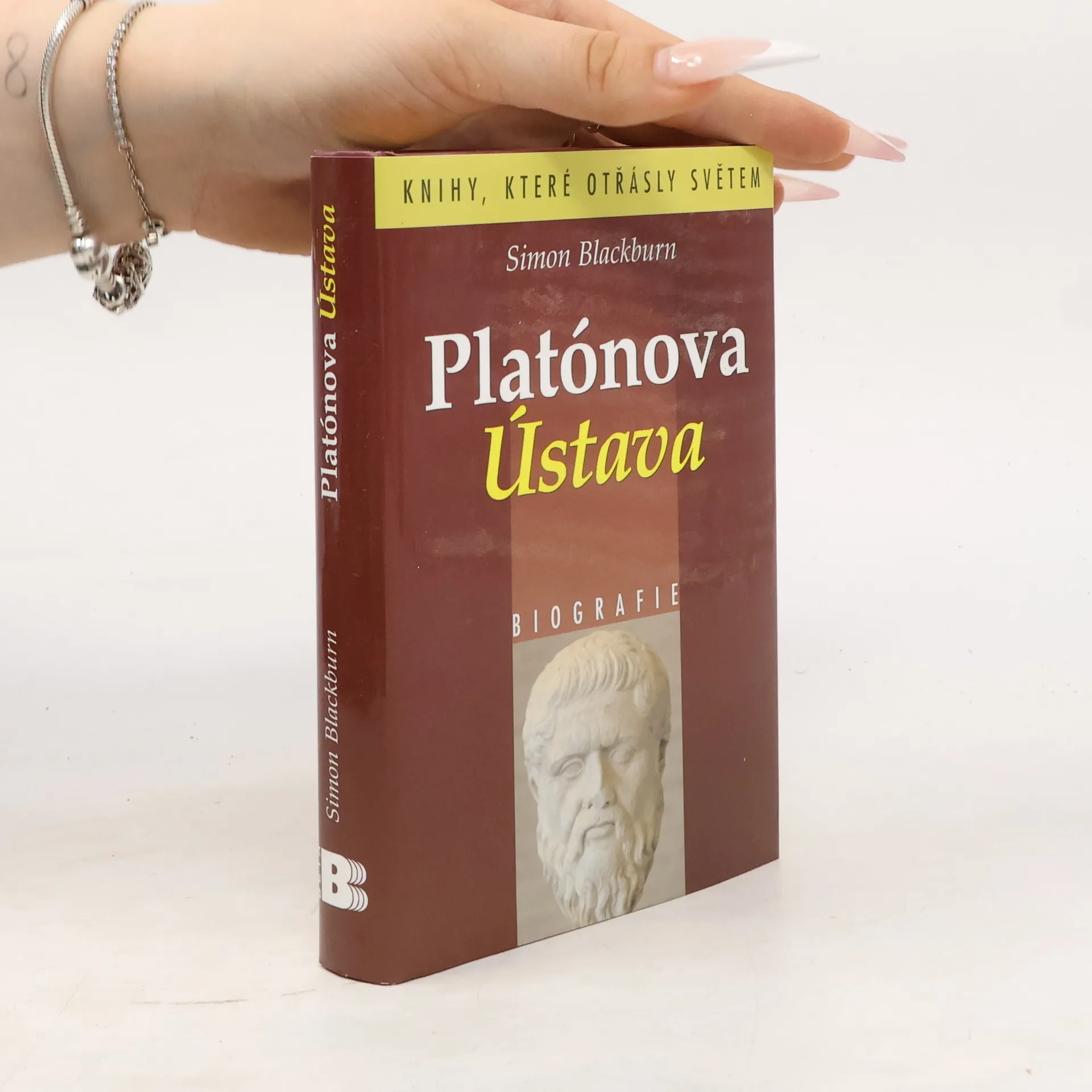
Plato is perhaps the most significant philosopher who has ever lived and The Republic , composed in Athens in about 375 BC, is widely regarded as his most famous dialogue. Its discussion of the perfect city and the perfect mind laid the foundations for Western culture and, for over two thousand years, has been the cornerstone of Western philosophy. As the distinguished Cambridge professor Simon Blackburn points out, it has probably sustained more commentary, and been subject to more radical and impassioned disagreement, than almost any other of the great founding texts of the modern world. In Plato's Republic , Blackburn explains the judicial, moral and political ideas in the Republic with dazzling insight and clarity. Blackburn also examines Republic 's remarkable influence and unquestioned staying power, and shows why, from St. Augustine to twentieth century philosophers such as Ludwig Wittgenstein and Henri Bergson, Western thought is still conditioned by this most important, and contemporary, of books.
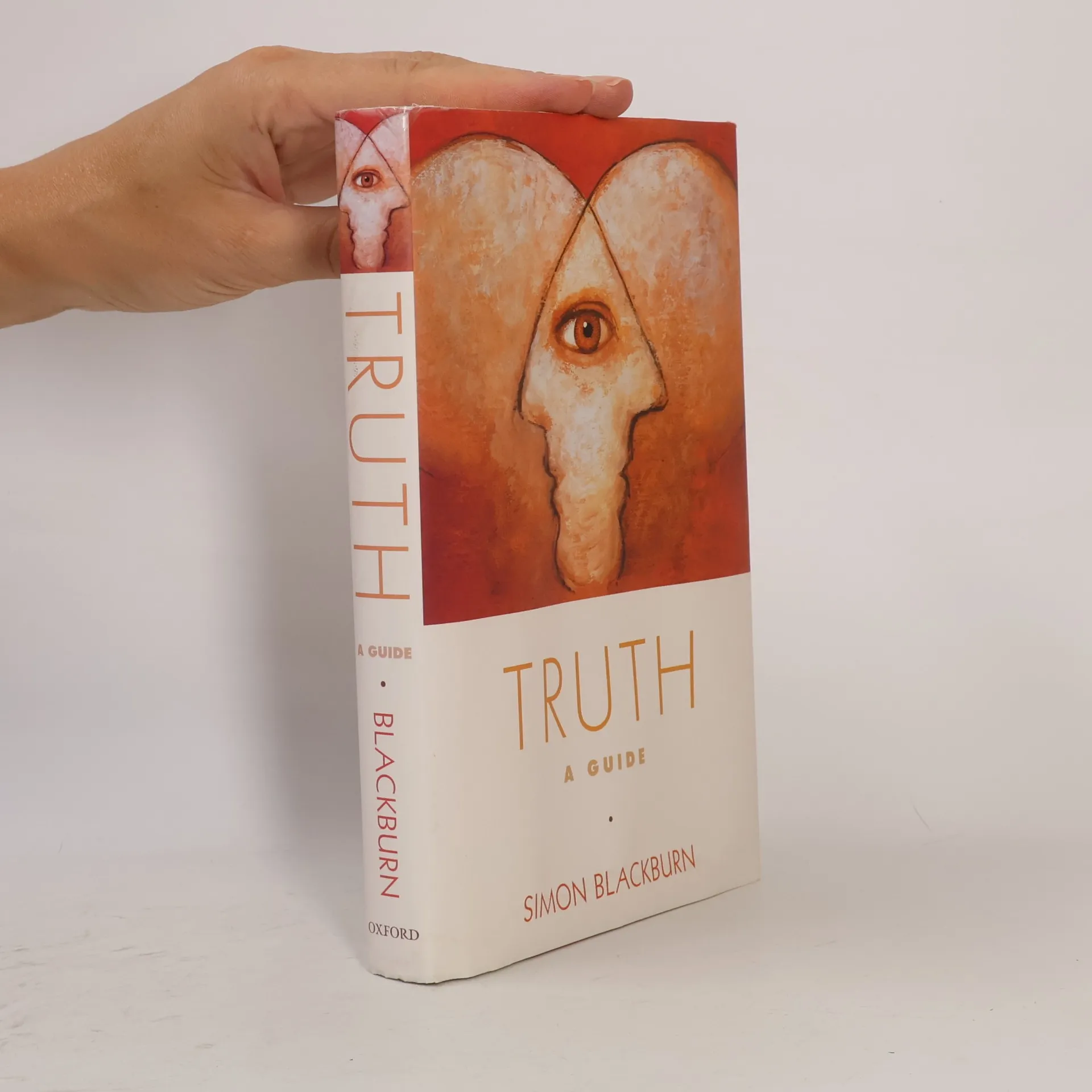
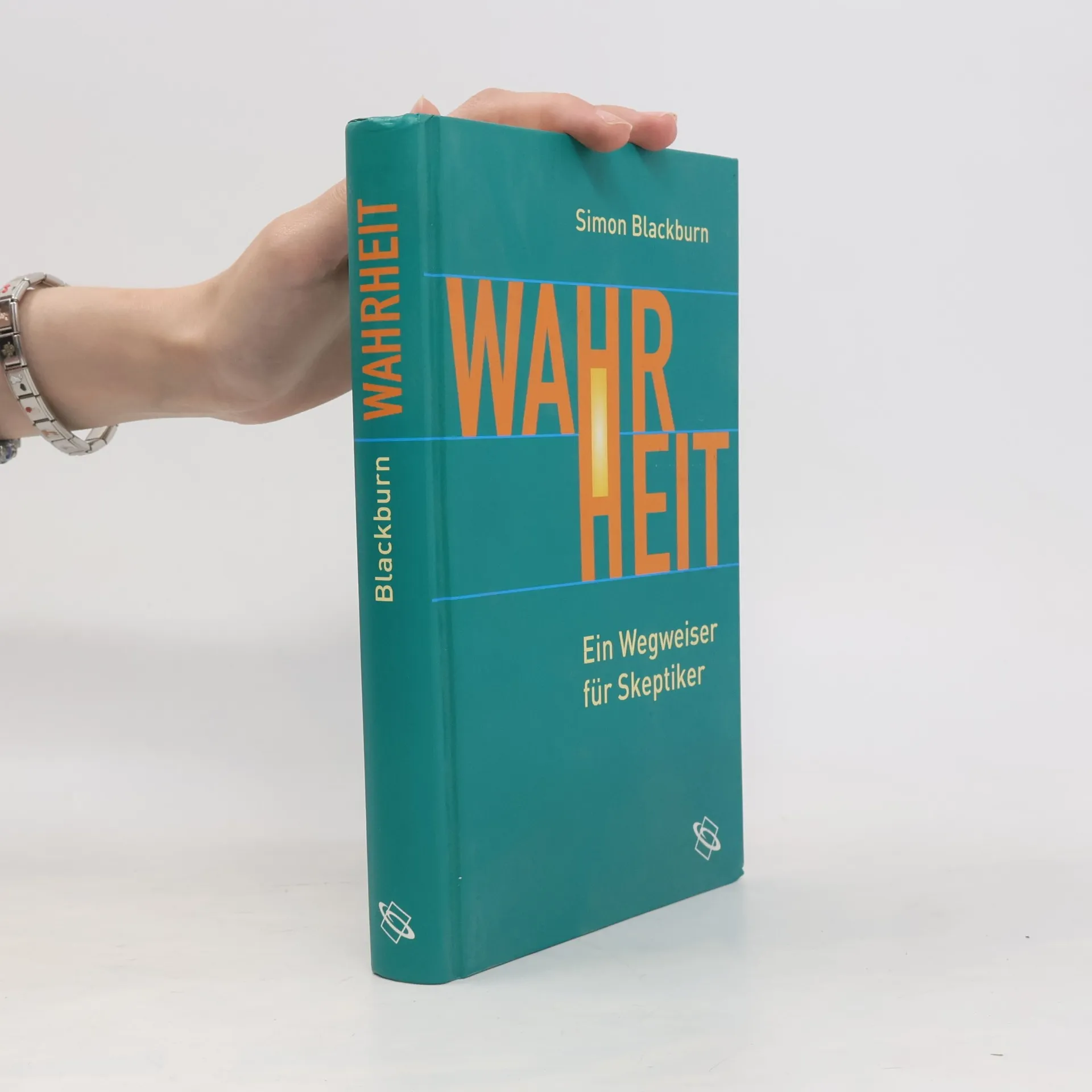
Truth: A Guide for the Perplexed
- 272 pages
- 10 hours of reading
Tells about truth, and the enemies of truth, and the wars that are fought between them. This guide looks at relativism and absolutism, toleration and belief, objectivity and knowledge, science and pseudo-science, and the moral and political implications, as well as the nuances, of all these.
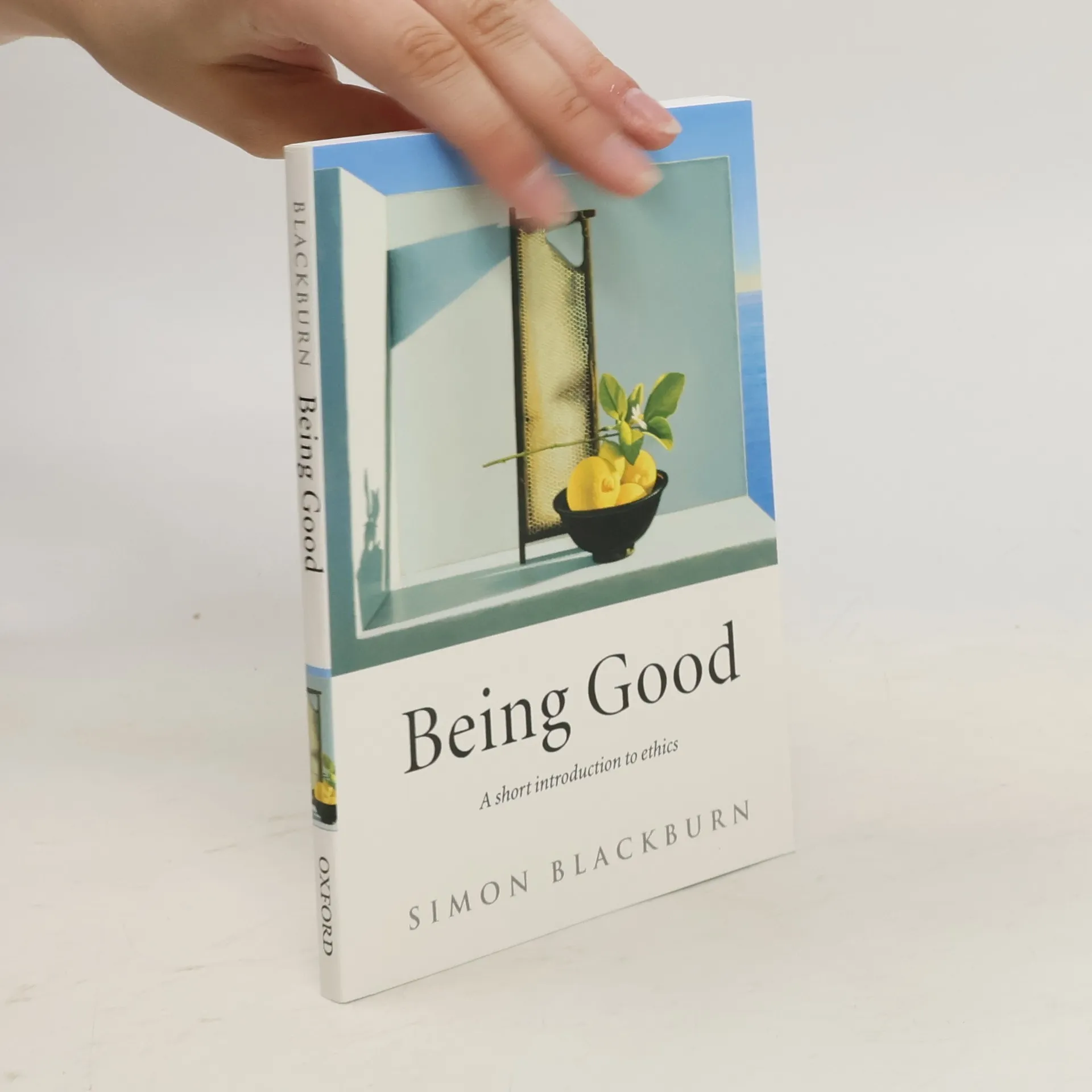
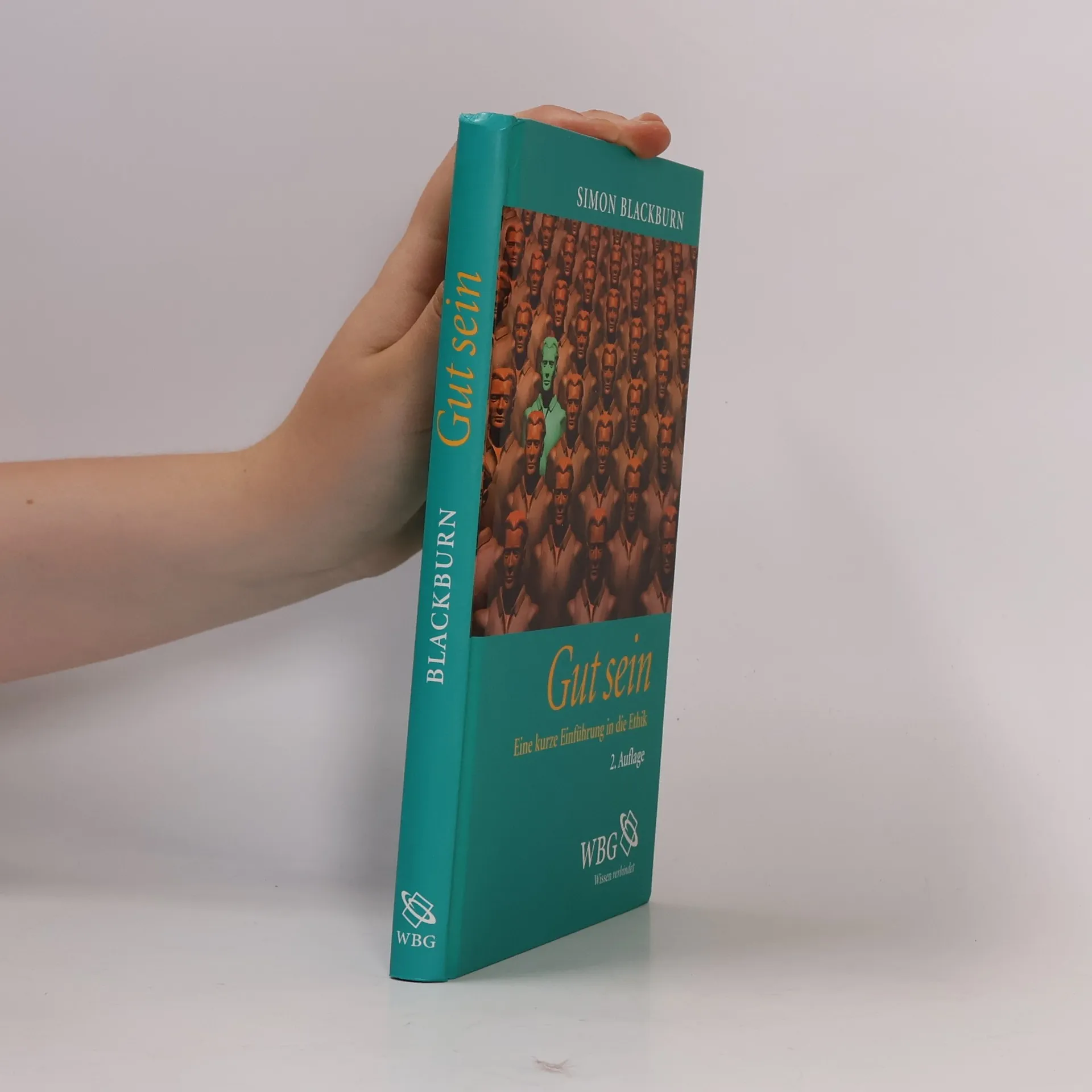
Being Good
- 172 pages
- 7 hours of reading
It is not only in our dark hours that scepticism, relativism, hypocrisy, and nihilism dog ethics. Whether it is a matter of giving to charity, or sticking to duty, or insisting on our rights, we can be confused, or be paralysed by the fear that our principles are groundless. Many are afraid that in a Godless world science has unmasked us as creatures fated by our genes to be selfish and tribalistic, or competitive and aggressive. Simon Blackburn, author of the best-sellingThink, structures this short introduction around these and other threats to ethics. Confronting seven different objections to our self-image as moral, well-behaved creatures, he charts a course through the philosophical quicksands that often engulf us. Then, turning to problems of life and death, he showshow we should think about the meaning of life, and how we should mistrust the sound-bite sized absolutes that often dominate moral debates. Finally he offers a critical tour of the ways the philosophical tradition has tried to provide foundations for ethics, from Plato and Aristotle through to contemporary debates.
What Do We Really Know?
- 208 pages
- 8 hours of reading
Simon Blackburn tackles the key questions in philosophy.
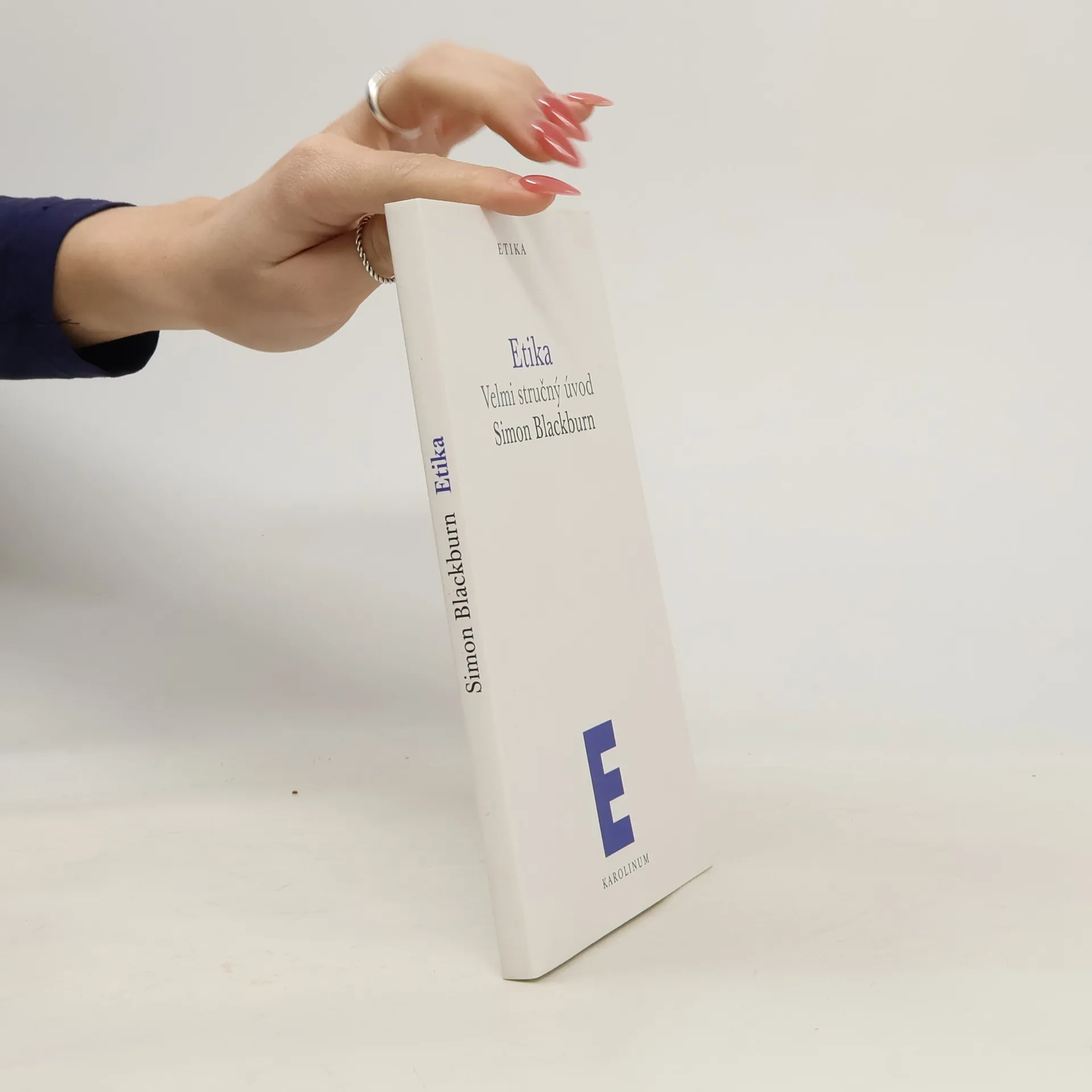
Ethics: A Very Short Introduction
- 160 pages
- 6 hours of reading
Simon Blackburn tackles the major moral questions surrounding birth, death, happiness, desire, and freedom, and considers how we should think about the meaning of life. This new edition highlights the importance of an understanding of approaches to ethics and its foundations, and how this relates to our modern world of eroding trust.
The author of the acclaimed book Think, Simon Blackburn, presents an engaging exploration of the ongoing philosophical debate over truth. He contrasts two distinct perspectives: one that champions objective facts and scientific reasoning as pathways to truth, and another that critiques this view, highlighting the influences of language, culture, power, and ideology on our understanding of reality. Blackburn traces the historical roots of this conflict, beginning with Socrates' challenges to the sophists in ancient Athens, and delves into the philosophical contributions of figures such as Plato, Protagoras, William James, David Hume, Hans-Georg Gadamer, Jacques Derrida, Michel Foucault, Richard Rorty, and notably, Nietzsche. He raises critical questions about the nature of science, the possibility of understanding across cultures, and the validity of historical interpretation. Ultimately, Blackburn asserts that both sides of the debate hold valuable insights, emphasizing the importance of recognizing our own positions while also understanding the arguments of our opponents. This thoughtful examination encourages readers to engage deeply with the complexities of truth in philosophy.
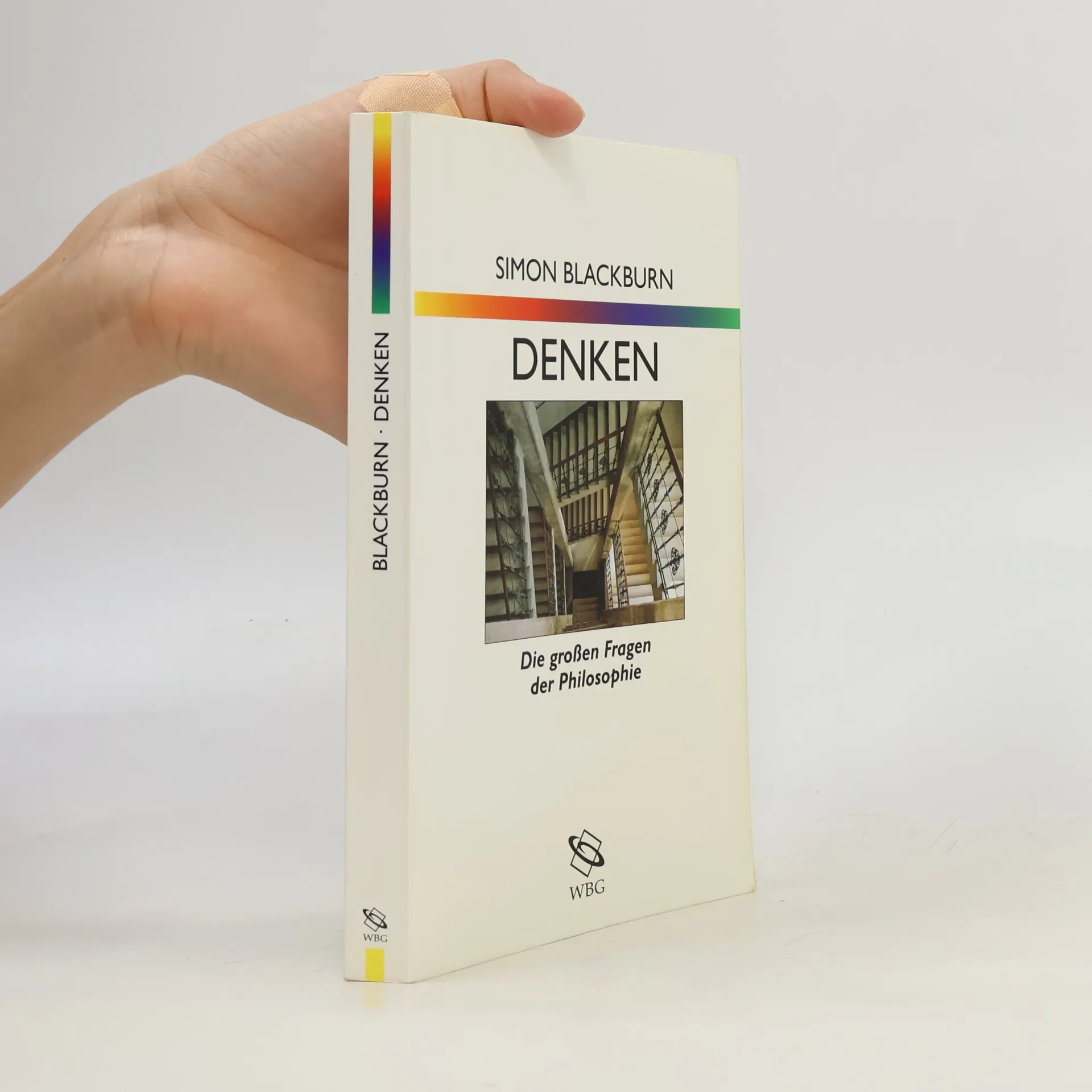
Denken
- 260 pages
- 10 hours of reading
Wer bin ich? Was ist Bewusstsein? Gibt es ein Leben nach dem Tod? Woher wissen wir, dass die Welt wirklich so ist, wie wir vermuten? Setzt sie einen Schöpfer voraus? Wenn ja, begreifen wir, warum er die Welt geschaffen hat? Dieses Buch behandelt die großen Themen der Philosophie, die seit jeher die Menschen bewegen und zum Nachdenken anregen. Blackburn führt anhand wichtiger Textstellen in die Gedankengänge bedeutender Philosophen wie Descartes, Hume, Kant oder Wittgenstein ein und zeigt wie sie sich 'ihren' Themen genähert haben. schovat popis
The Big Questions: Mind
- 208 pages
- 8 hours of reading
'The Big Questions' series is designed to let renowned experts confront the 20 most fundamental and frequently asked questions of a major branch of science or philosophy. In 'The Big Questions: Mind' the explanations behind the 'mysteries' of our unique minds - including how they differ from our brains and how they create our awareness - are explored. Among the questions discussed are: How do brains come to exist? Is the mind more than the brain? What does it mean to be conscious? What is knowledge? Does the mind play tricks? What is the 'I' in our brain?
Wahrheit
- 256 pages
- 9 hours of reading
Bereits seit der Antike – und heute mehr denn je – ist der Begriff der Wahrheit umstritten. Die einen sagen, er richte mehr Schaden an als dass er nutze, während die anderen behaupten, dass man gar nicht ohne ihn auskommen könne. Blackburn begleitet den Leser quer durch die Philosophiegeschichte. Dabei verbindet er die verschiedenen Positionen mit aktuellen Beispielen und Situationen, sodass die Darstellung nie im akademischen Elfenbeinturm bleibt, sondern sich immer auch auf unsere Erfahrungswelt bezieht. Zum Autor: Simon Blackburn ist Professor für Philosophie an der University of Cambridge. Zahlreiche Auszeichnungen und Veröffentlichungen, bei Primus ist von ihm bereits erschienen: 'Denken. Die großen Fragen der Philosophie' (2001), 'Gut sein. Eine kurze Einführung in die Ethik' (2004).
Wahrheit
Ein Wegweiser für Skeptiker
Gut sein
Eine kurze Einführung in die Ethik
V době, kdy jsme konfrontováni s proměnlivým a nejistým světem, snižuje se důvěra ve společnosti, daří se konspiračním teoriím a z veřejné diskuse se znepokojivě vytrácí vzájemný respekt, roste význam porozumění etice a jejím základům. Simon Blackburn v knize představuje základní otázky a problémy současné etiky, ale zároveň nás nutí zamýšlet se nad světem kolem nás. Ukazuje nám, jak bychom mohli přemýšlet o smyslu života a proč bychom měli nedůvěřovat zjednodušujícím absolutismům, které často dominují morálním debatám.
Simon Blackburn v této knize objasňuje Platónovy právní, etické a politické názory a zkoumá, jakým způsobem ovlivnily novodobý svět. Vysvětluje, proč Ústava působí na západní myšlení od sv. Augustina až po filosofy dvacátého století, jako jsou A. N. Whitehead či Henri Bergson.