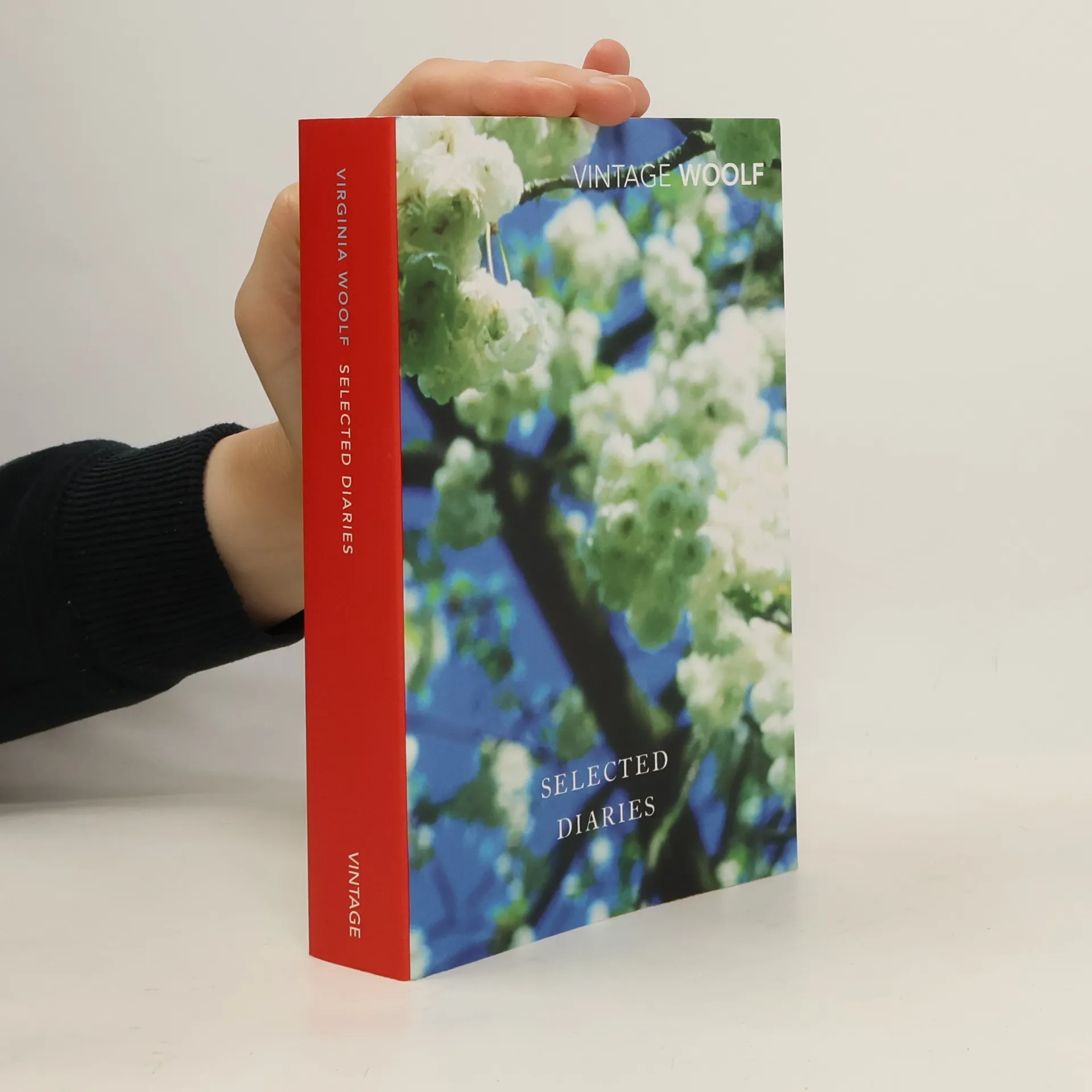
Virginia Woolf stands as a towering figure of twentieth-century modernism, celebrated as an English novelist and essayist. A pivotal member of London's interwar literary scene and the Bloomsbury Group, her work profoundly explores the depths of human consciousness. Woolf masterfully employed the stream-of-consciousness technique to delve into the intricate workings of the mind, examining themes of time, memory, and societal constraints with unparalleled psychological insight. Her distinctive narrative style and innovative approach reshaped the landscape of modern fiction.
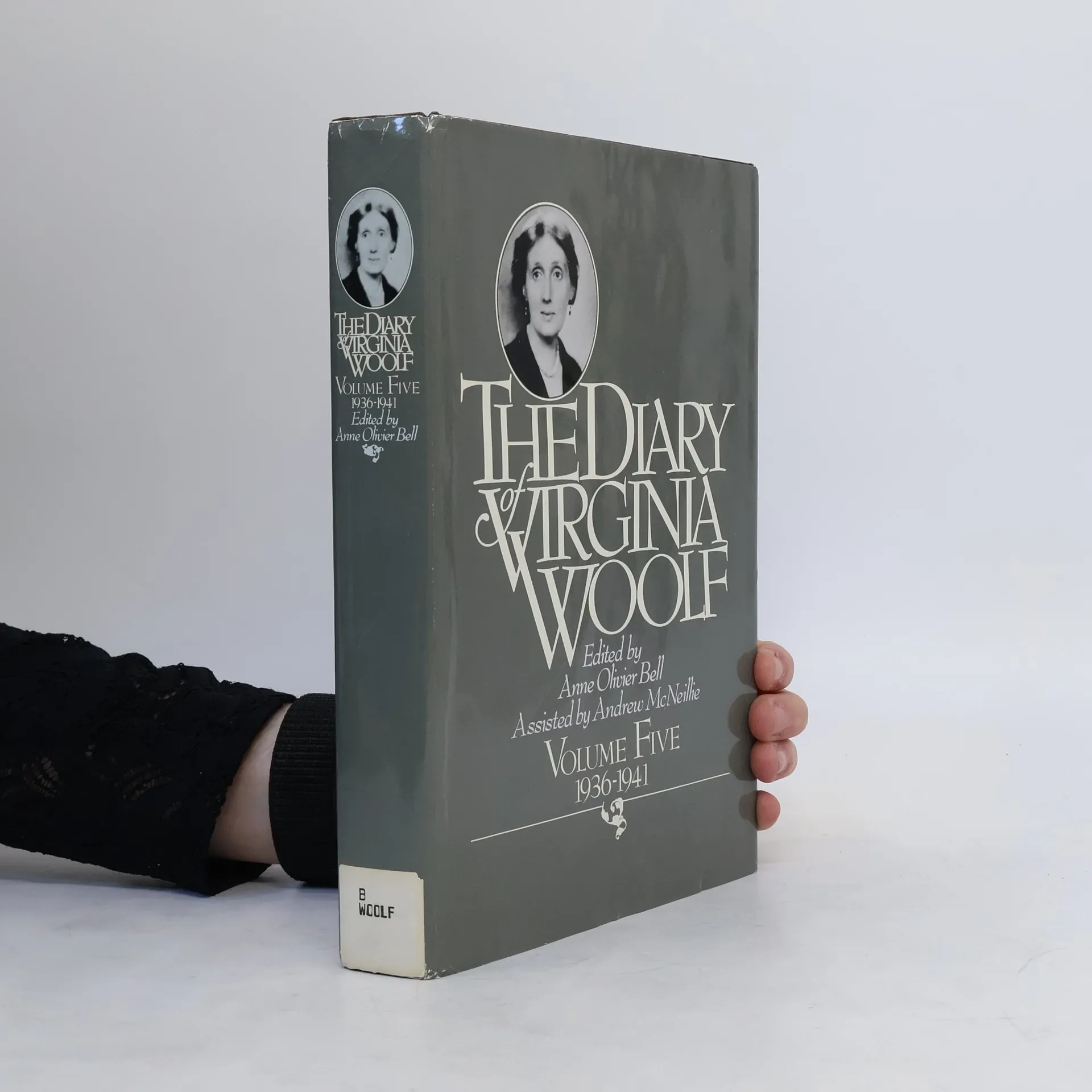
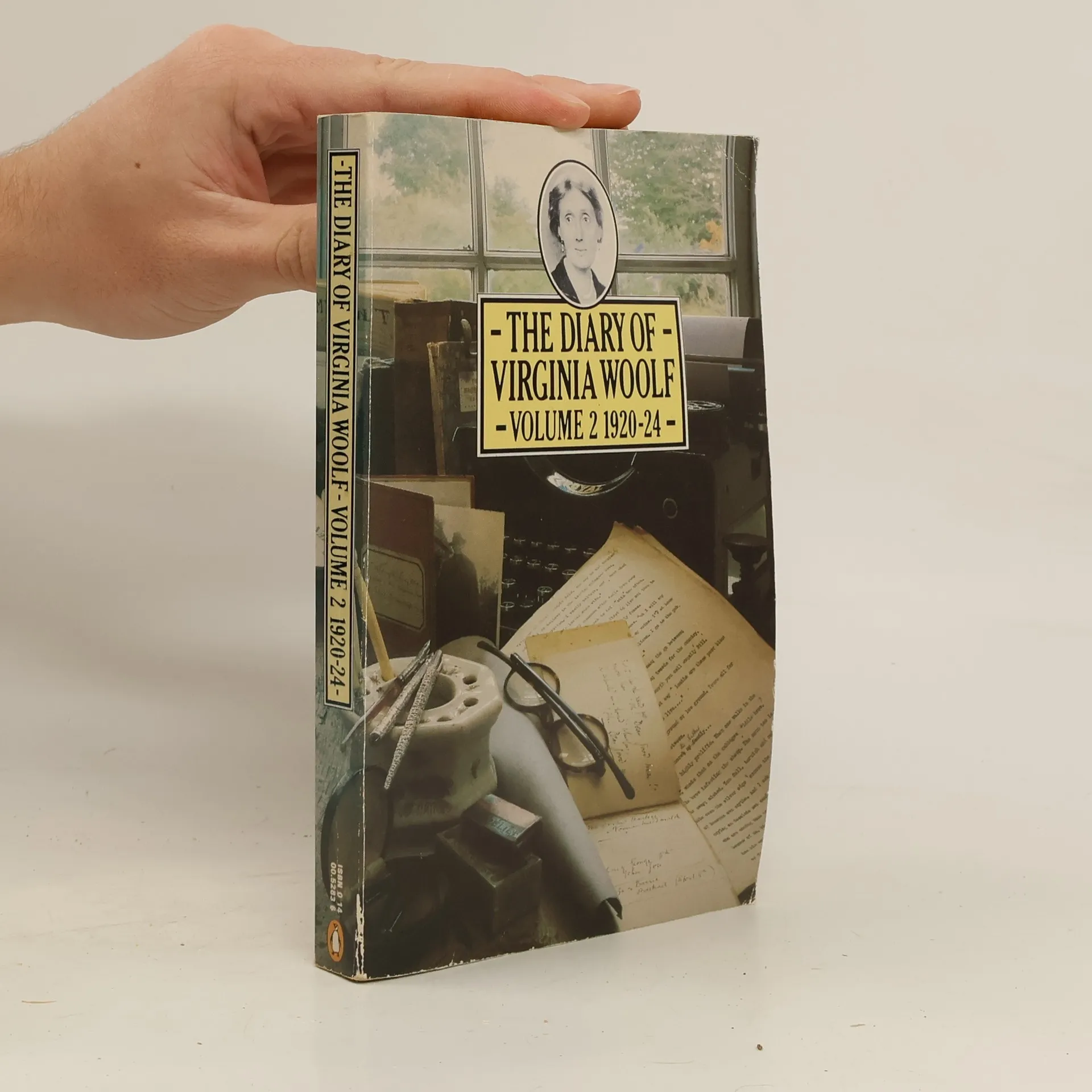
The penultimate volume of Woolf's diaries captures her mature years during the writing of The Years, reflecting on personal losses, including Lytton Strachey and Dora Carrington. Praised for its vitality and wit, this edition is edited by Anne Olivier Bell with assistance from Andrew McNeillie.
Virginia Woolf was fifty-four on January 25, 1936, some three weeks after this final volume of her diary opens. Its last page was written four days before she drowned herself on March 28, 1941. Edited by Anne Olivier Bell, assisted by Andrew McNeillie; Index; maps.
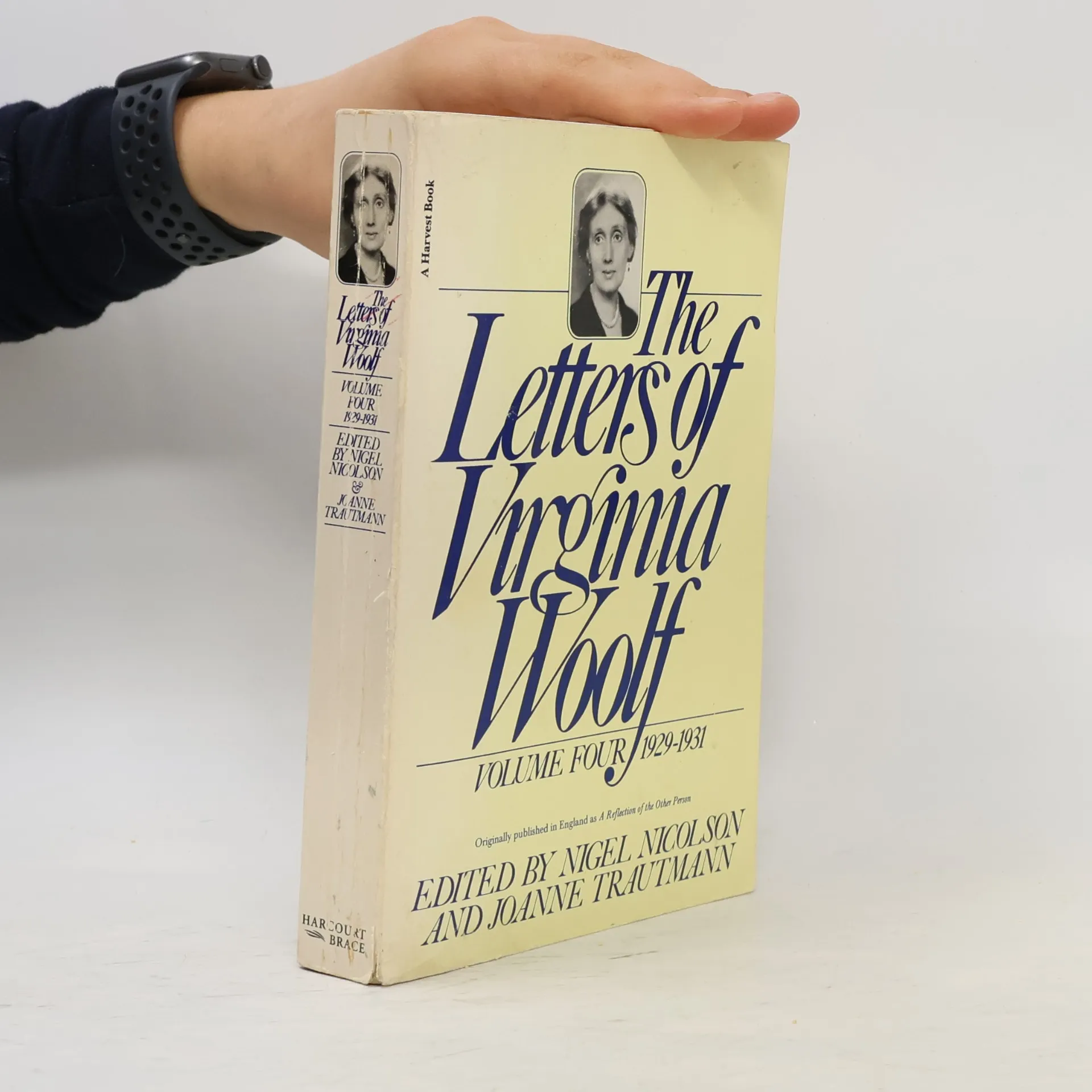
These years were dominated by one woman and one book. The woman was Ethel Smyth; the book was The Waves. This volume's "unerringly human and confessional tone makes Woolf, at last, a real person" (San Francisco Chronicle). Edited by Nigel Nicolson and Joanne Trautmann; Introduction by Nigel Nicolson; Index; photographs.
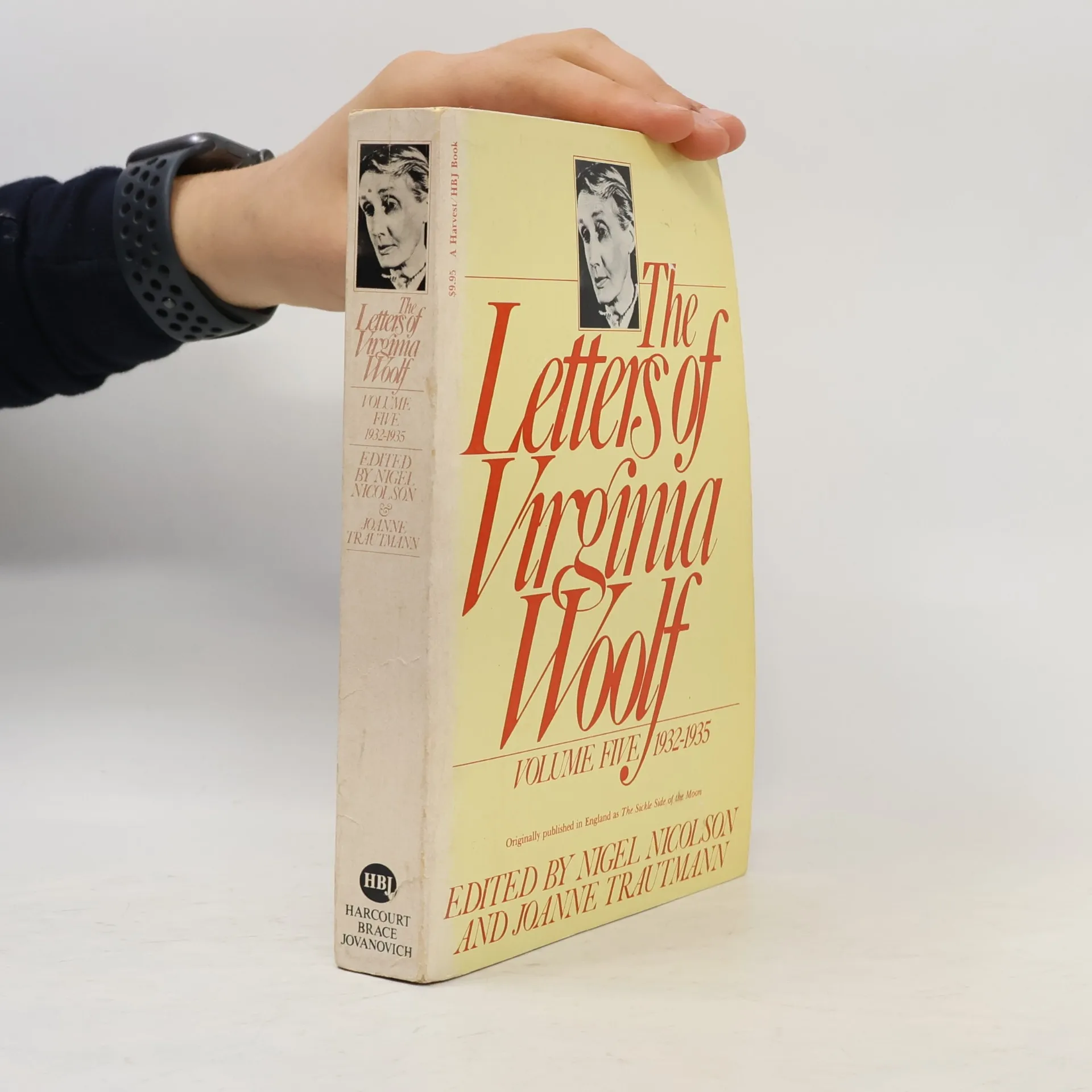
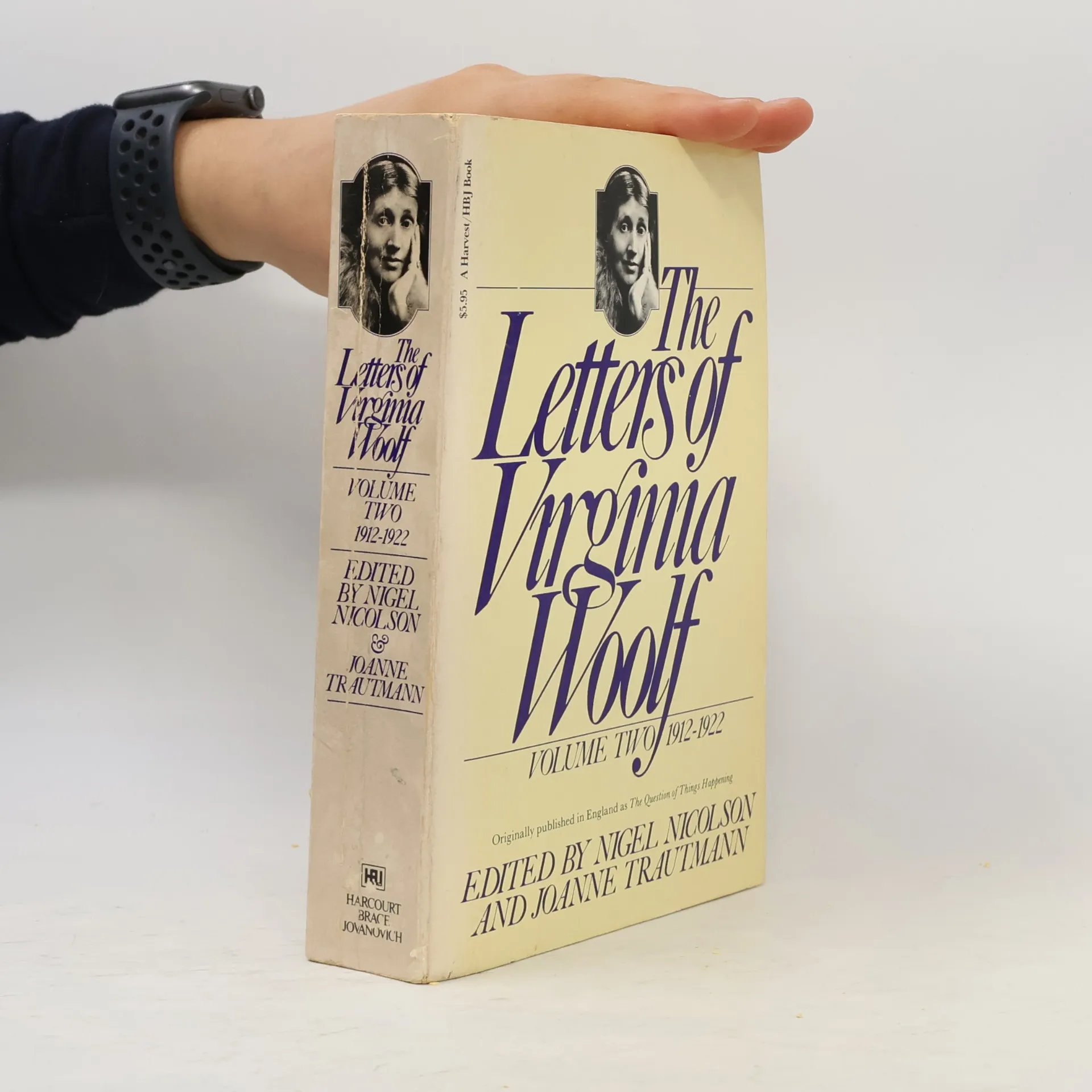
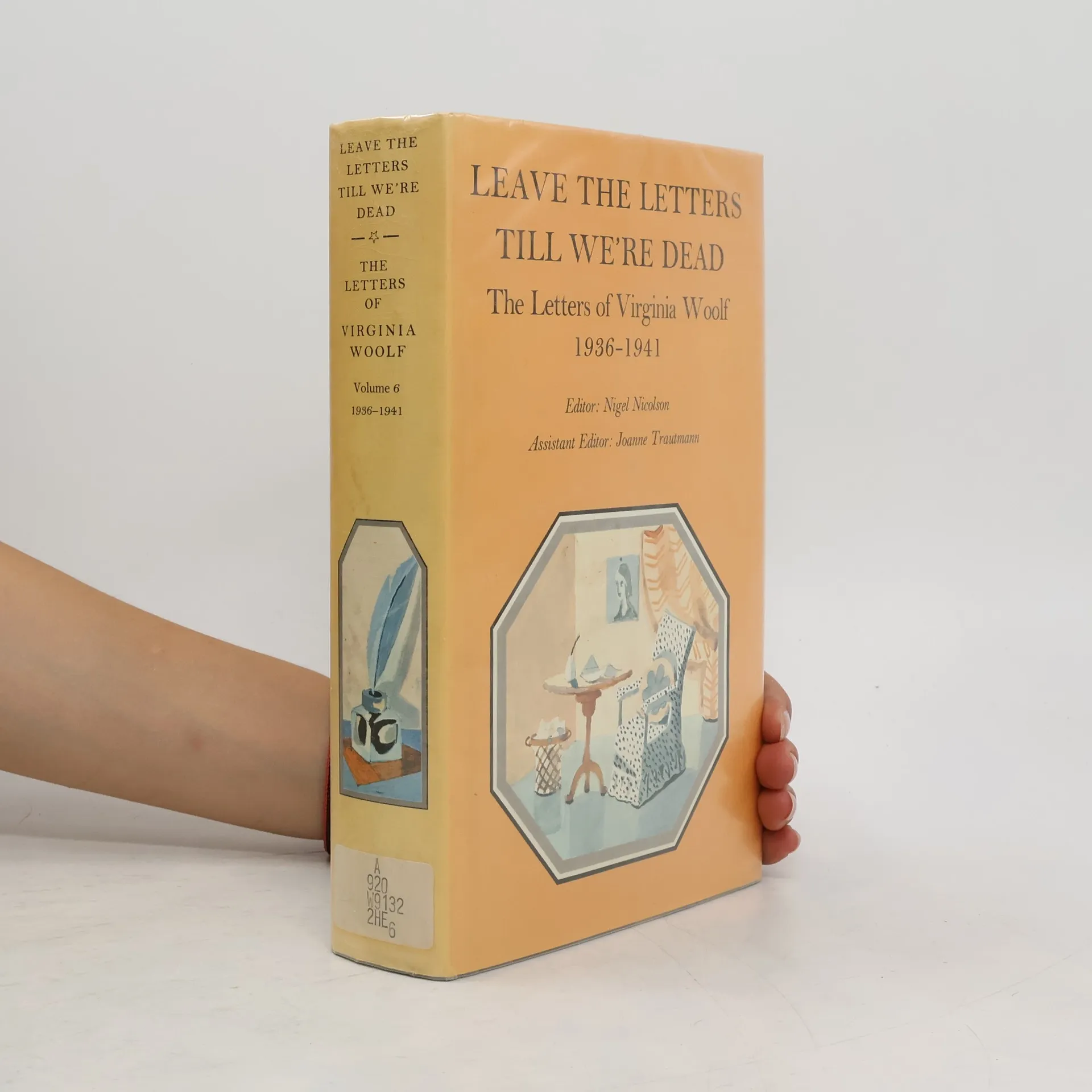
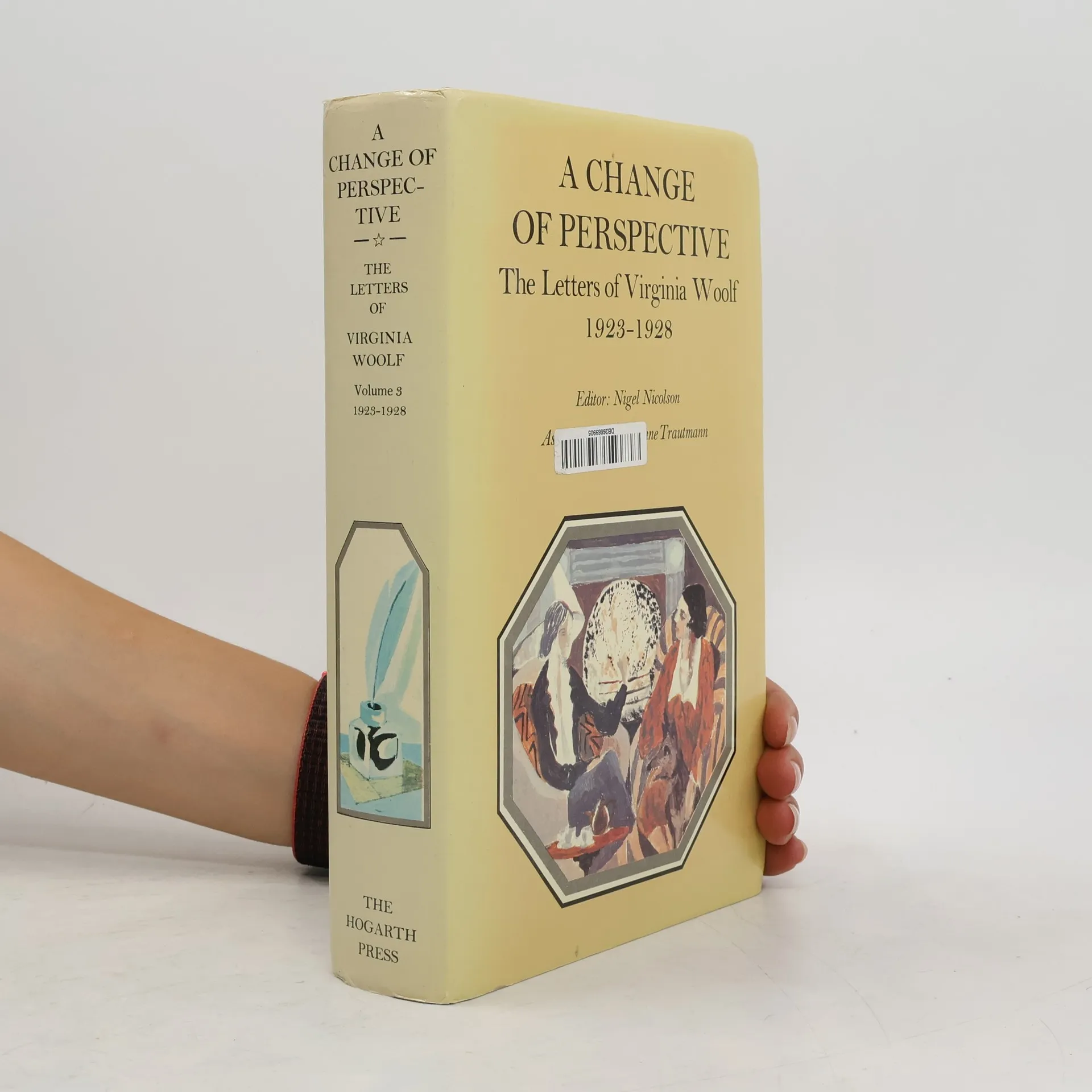
The penultimate volume of Woolf's letters, when the author was between the ages of 50 and 53, covers the composition of the Years and the death of Lytton Strachey and Roger Fry. "Her wit flashes, often unexpectedly, in letters of almost every kind" (New Yorker). Edited by Nigel Nicolson and Joanne Trautmann; Introduction by Nigel Nicolson; Index.
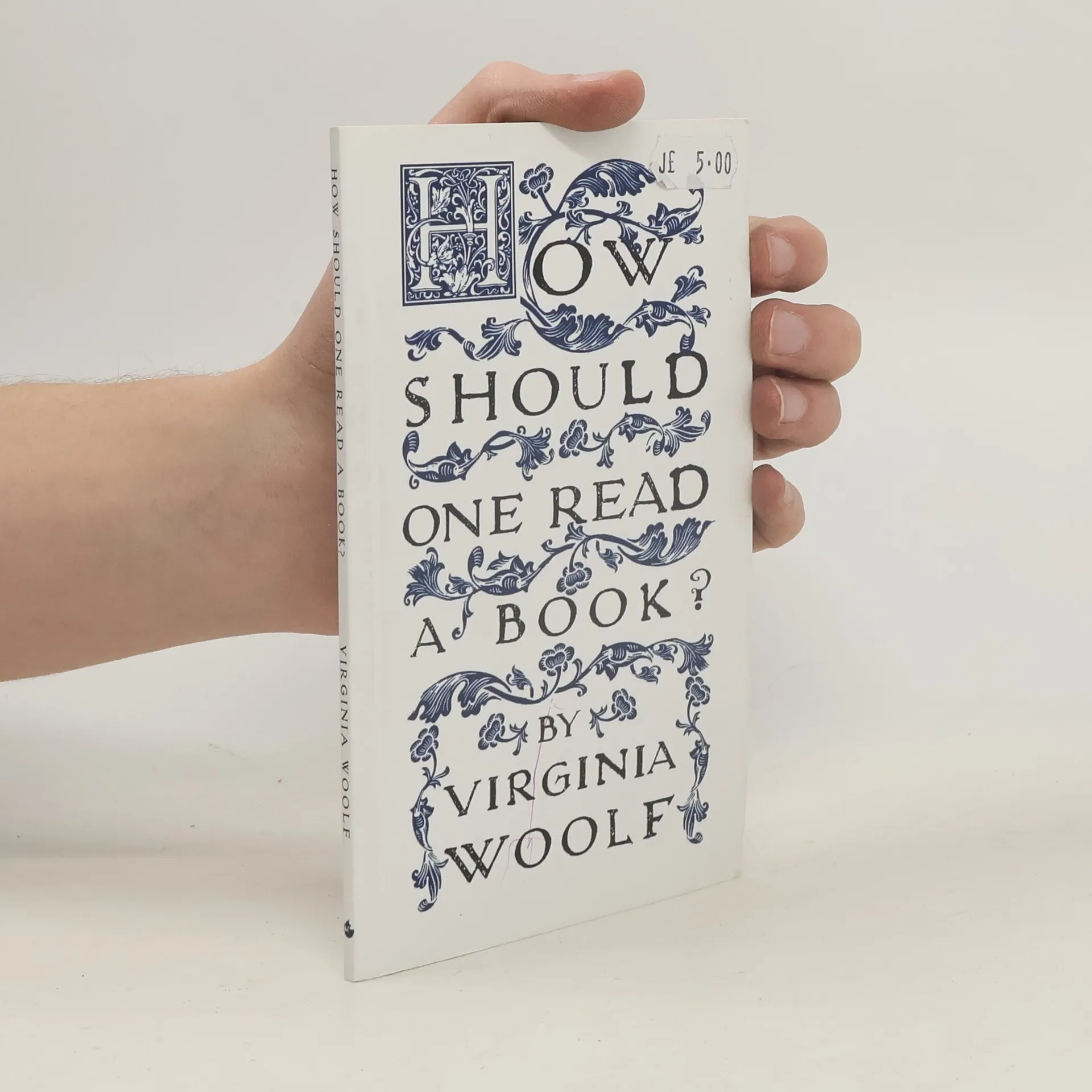
Exploring the vitality of poetry, Virginia Woolf addresses a young poet's inquiry about modern verse with wit and compassion. She reflects on the enduring legacy of great poets while humorously critiquing youthful naivety in writing. Her advice emphasizes patience and maturity in the craft, famously urging to avoid publication before the age of thirty. This letter not only showcases Woolf's insights on poetry but also captures the struggles and aspirations of aspiring writers, making it a timeless piece for anyone passionate about literature.
Virginia Woolf turned to her diary as to an intimate friend, to whom she could
freely and spontaneously confide her thoughts on public events or the joys and
trials of domestic life. Between 1st January 1915 and her death in 1941 she
regularly recorded her thoughts with unfailing grace, courage, honesty and
wit.
Virginia Woolf was fifty-four on January 25, 1936, some three weeks after this final volume of her diary opens. Its last page was written four days before she drowned herself on March 28, 1941.
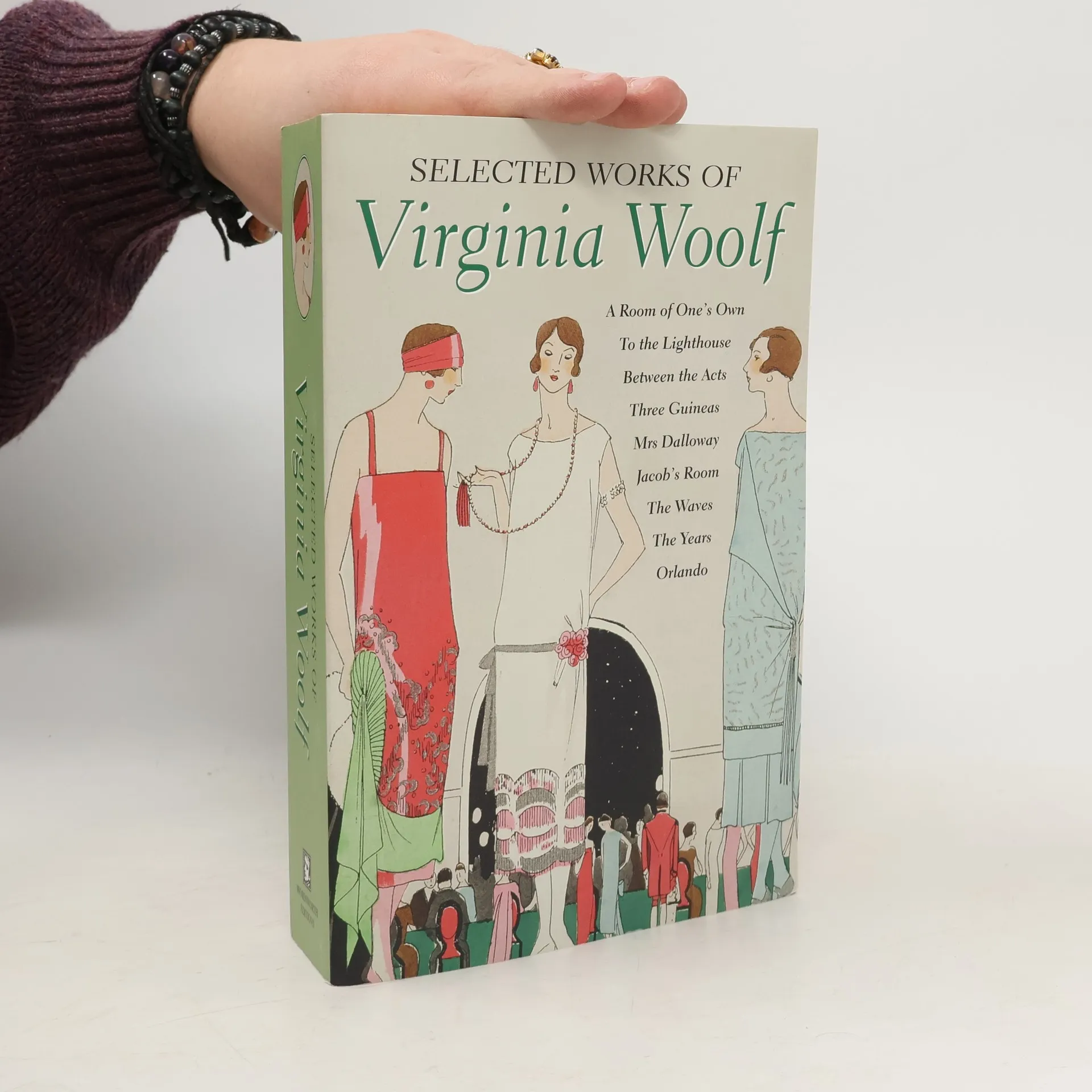
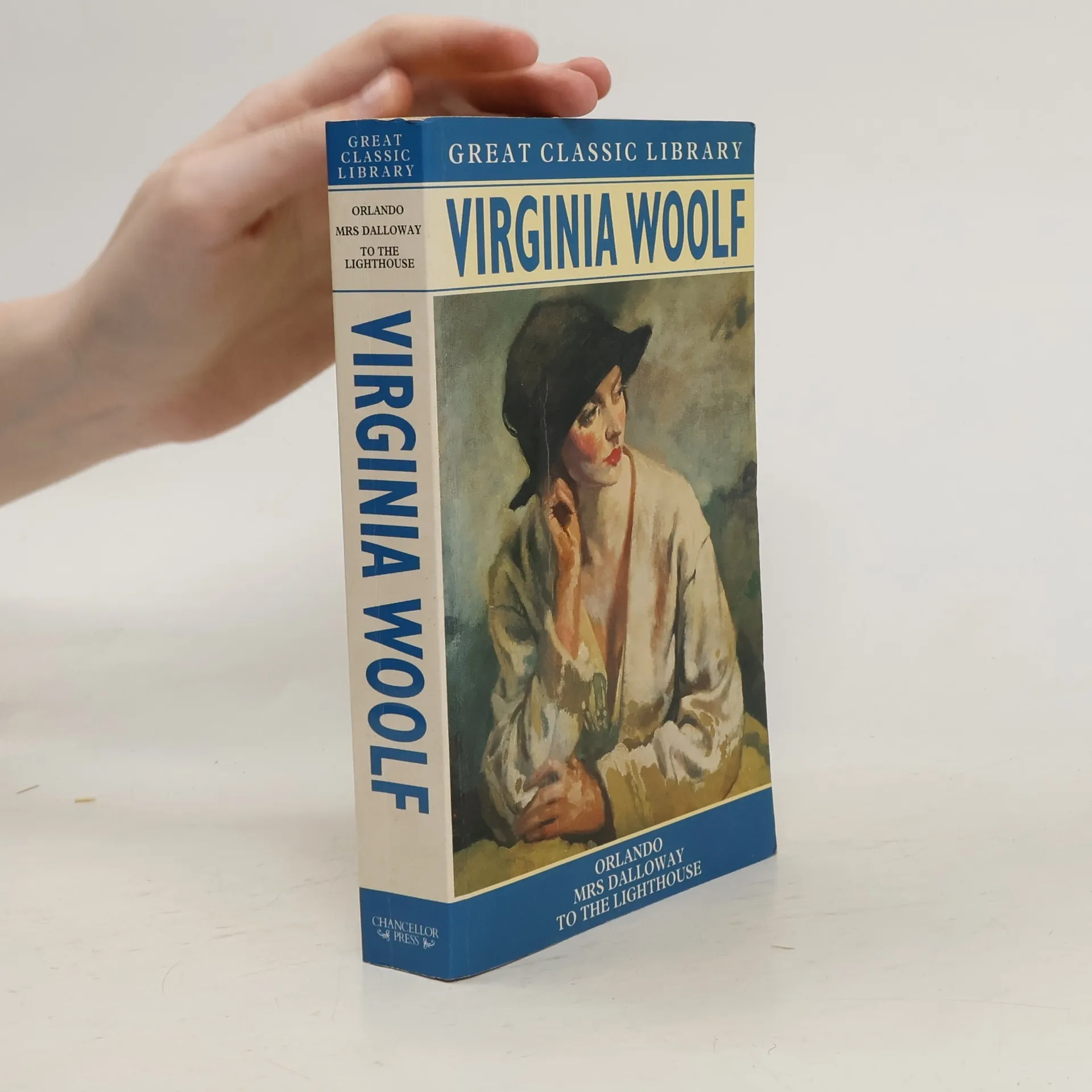
Contains: A Room of One's Own To the Lighthouse Between the Acts Three Guineas
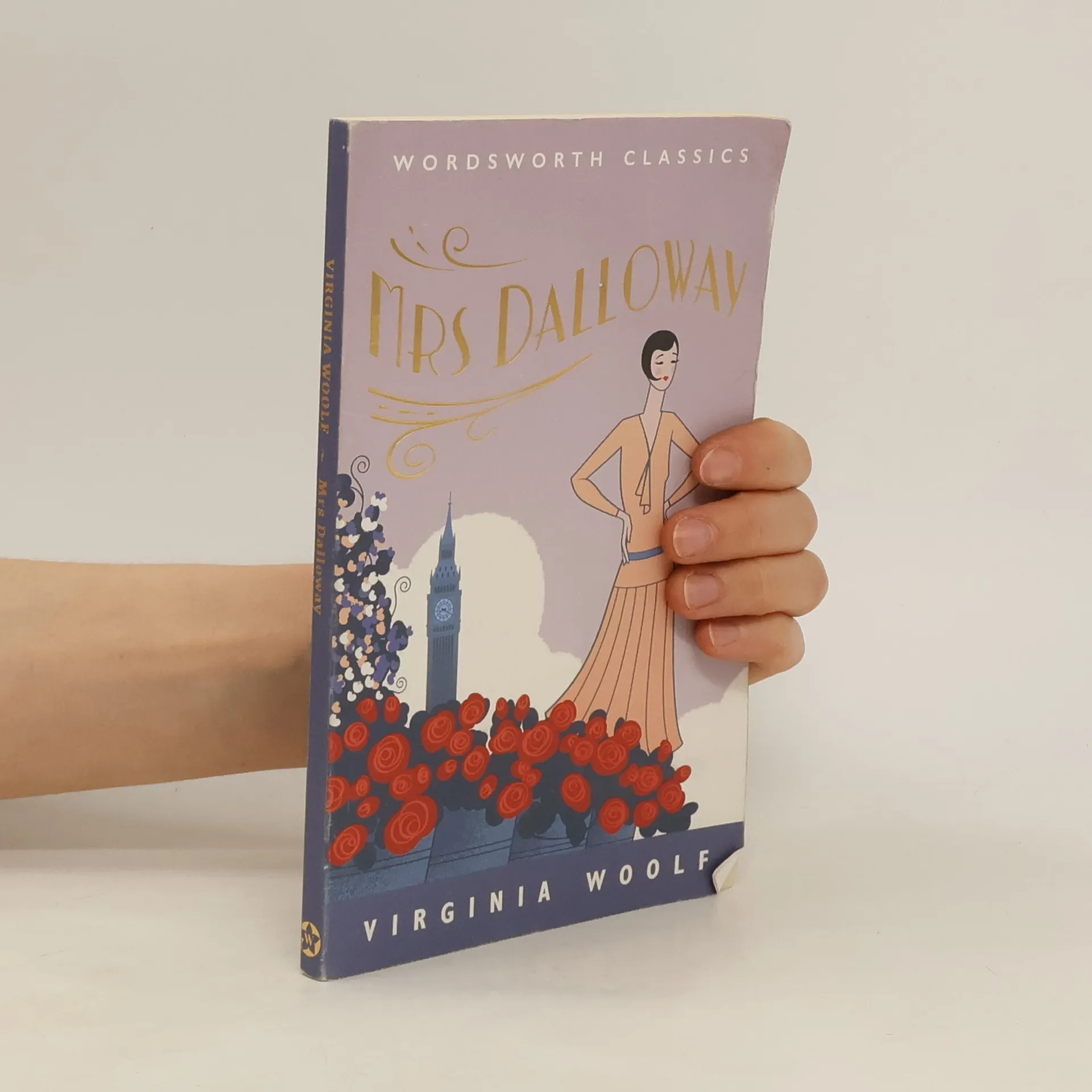
Mrs Dalloway Jacob's Room The Waves The Years Orlando Mrs Dalloway, the
society hostess Clarissa, is giving a party and her thoughts on that one day,
and the interior monologues of others with interwoven lives reveal the
characters of the central protagonists. To the Lighthouse is the most
autobiographical of Virginia Woolf's novels. Based on her early experiences,
it touches on childhood and children's perceptions and desires. It is at its
most trenchant when exploring adult relationships and the changing class-
structure in the period spanning the Great War. Virginia Woolf's Orlando, 'the
longest and most charming love letter in literature,' playfully constructs the
figure of Orlando as the fictional embodiment of Woolf's close friend and
lover, Vita Sackville-West. 'I am writing to a rhythm and not to a plot', said
Woolf of The Waves. Regarded as one of her greatest and most original works,
it conveys the rhythms of life in synchrony with the cycle of nature and the
passage of time. In these, as in A Room of One's Own, Between the Acts, Three
Guineas,The Years and Jacob's Room, Virginia Woolf displays her genuine
humanity and concern for the experiences that enrich and stultify existence.
Her delicate artistry and lyrical prose have established her as a writer of
sensitivity and profound talent.
EDITED BY JOANNE TRAUTMANN BANKS, WITH A PREFACE BY HERMIONE LEEThe finest and
most enjoyable of Virginia Woolf's letters are brought together in a single
volume.
The Early Journals 1897-1909 - With Seven New Journal Entries Published in Paperback for the First Time
462 pages
17 hours of reading
A Passionate Apprentice comprises the first years of Virginia Woolf's Journal - from 1879 to 1909. Beginning in early January, when Woolf was almost fifteen, the pages open at a time when she was slowly recovering from a period of madness following her mother's death in May 1895. Between this January and the autumn of 1904, Woolf would suffer the deaths of her half-sister and of her father, and survive a summer of madness and suicidal depression. Behind the loss and confusion, however, and always near the surface of her writing is a constructive force at work - a powerful impulse towards health. It was an urge, through writing, to bring order and continuity out of chaos. Putting things into words and giving them deliberate expression had the effect of restoring reality to much that might otherwise have remained insubstantial. This early chronicle represents the beginning of the future Virginia Woolf's apprenticeship as a novelist. These pages show that rare instance when a writer of great importance leaves behind not only the actual documents of an apprenticeship, but also a biographical record of that momentous period as well. In Woolf's words, 'Here is a volume of fairly acute life (the first really lived year of my life).'
Adeline Virginia Woolf was born in 1882 and was to become a founder of modernist writing. Her background is filled with elements of tragedy that she somehow overcame to become a revered writer. Her mother died when she was 13, her half sister Stella two years later and with it her first of several nervous breakdowns. She began writing professionally at age 20 but her father’s death two years later brought a complete mental collapse and she was briefly institutionalised. Three of her half brothers had sexually abused her so further darkness was added to her life. But out of this came great innovations in writing; she was a pioneer of “stream of consciousness”. Whilst the dark periods continued to interrupt her emotional state her rate of work never ceased. Until on 28 March 1941, Woolf put on her overcoat, filled its pockets with stones, and walked into the River Ouse and drowned herself leaving behind a note which read in part “Dearest, I feel certain that I am going mad again. I feel we can't go through another of those terrible times. And I shan't recover this time. I begin to hear voices, and I can't concentrate. So I am doing what seems the best thing to do”.
Virginia Woolf's haunting writing, her succinct insights into feminist, artistic, historical, political issues, and her revolutionary experiments with points of view and stream-of-consciousness altered the course of literature. Here is a collection of twenty-nine of Virginia Woolf's essays. Widely considered one of the finest essayists of the 20th Century, she is also considered to be one of the greatest essay writers in the English language. Included here are all of her finest essays.
Here she turns her brilliant eye on Lord Chesterfield's letters, the novels of
George Gissing, the poetry of Donne: we meet Dr Burney and Beau Brummell,
Christina Rossetti, Geraldine Jewsbury, Jane Carlyle, Mary Wollstonecraft and
many others. schovat popis
WITH INTRODUCTIONS BY FRANCES SPALDING AND ERICA WAGNERA party of English
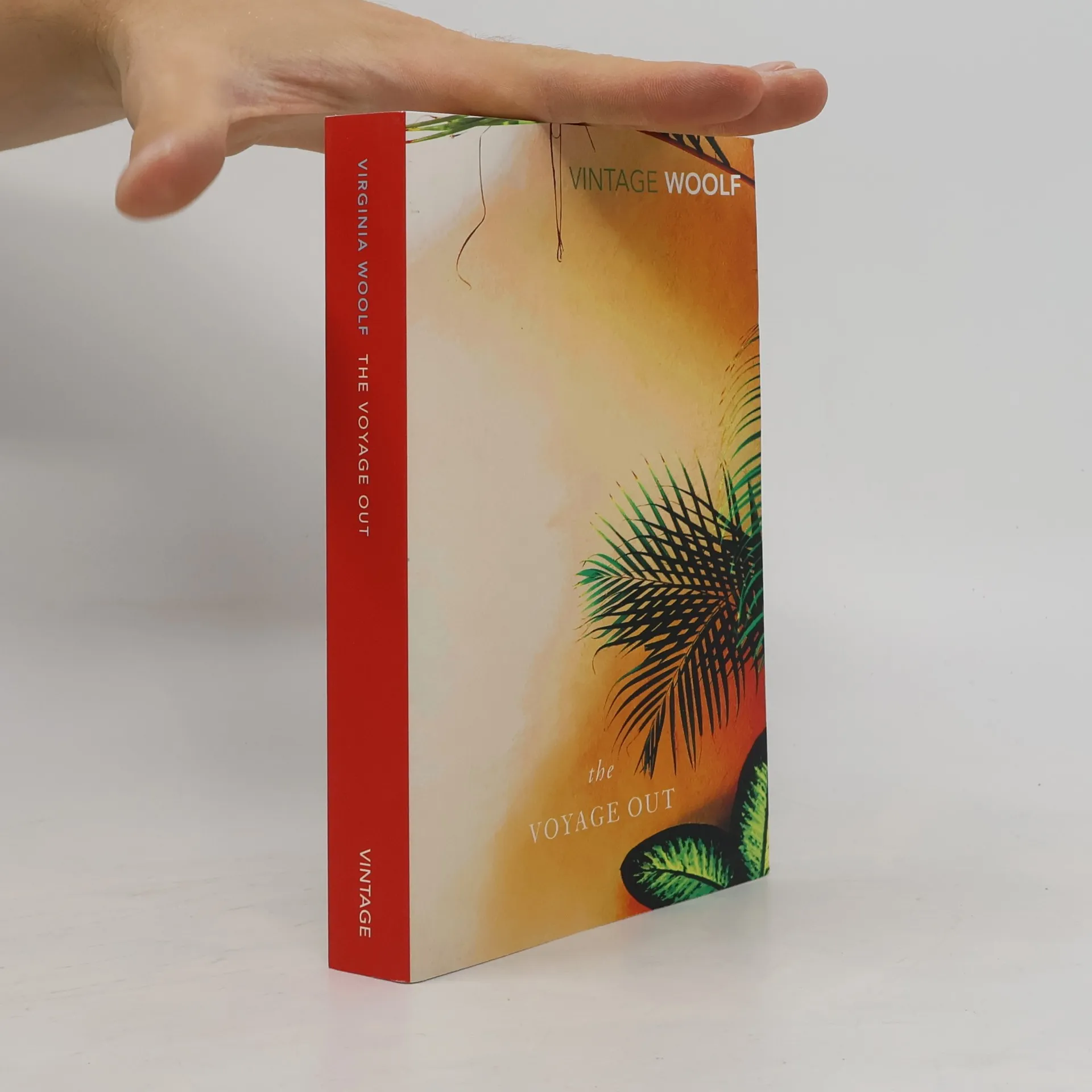
people board the Euphrosyne bound for South America. Among them is Rachel
Vinrace, young, innocent and wholly ignorant of the world of politics and
society. She is a free spirit, half-caught, momentarily and passionately, by
Terence Hewet, an aspiring writer.
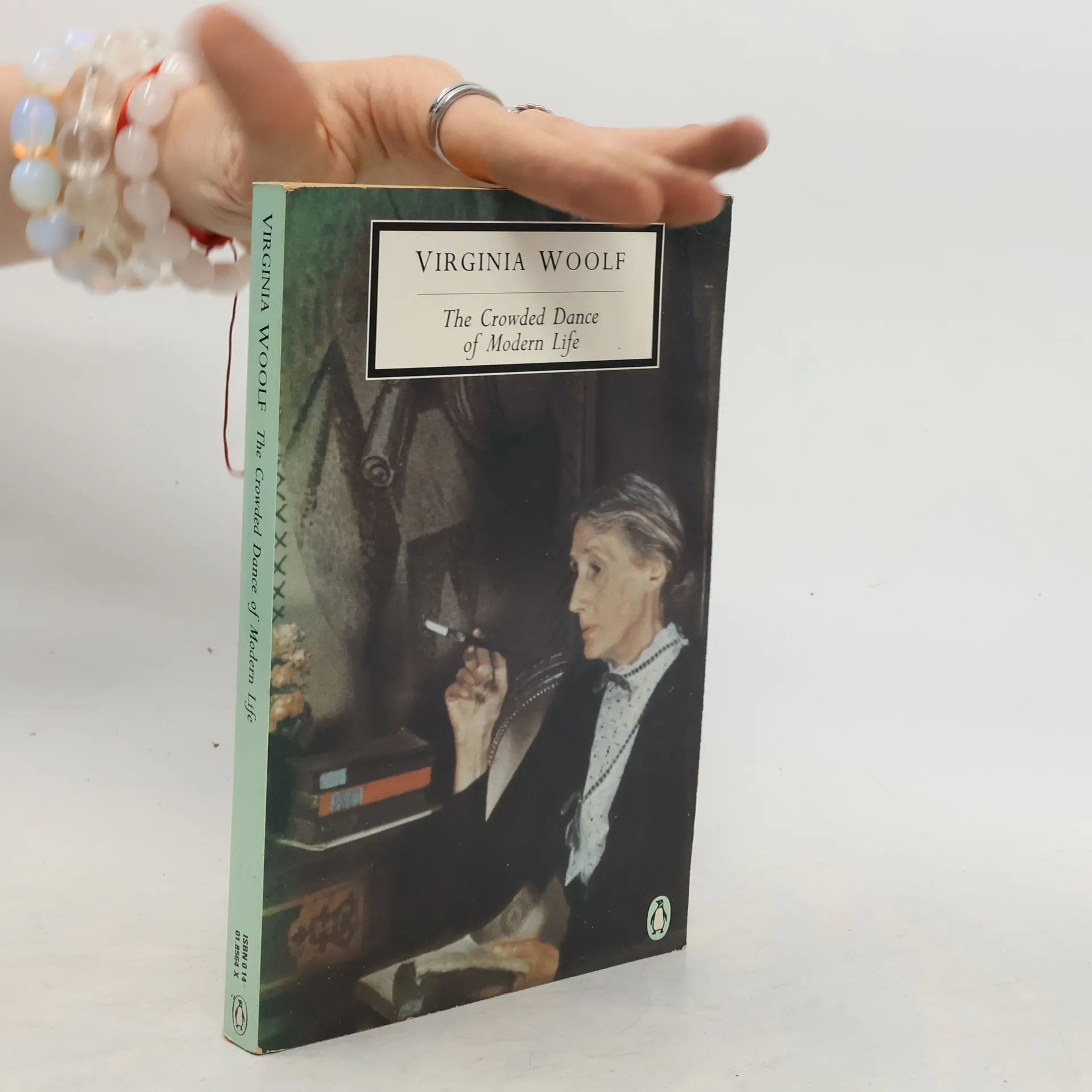
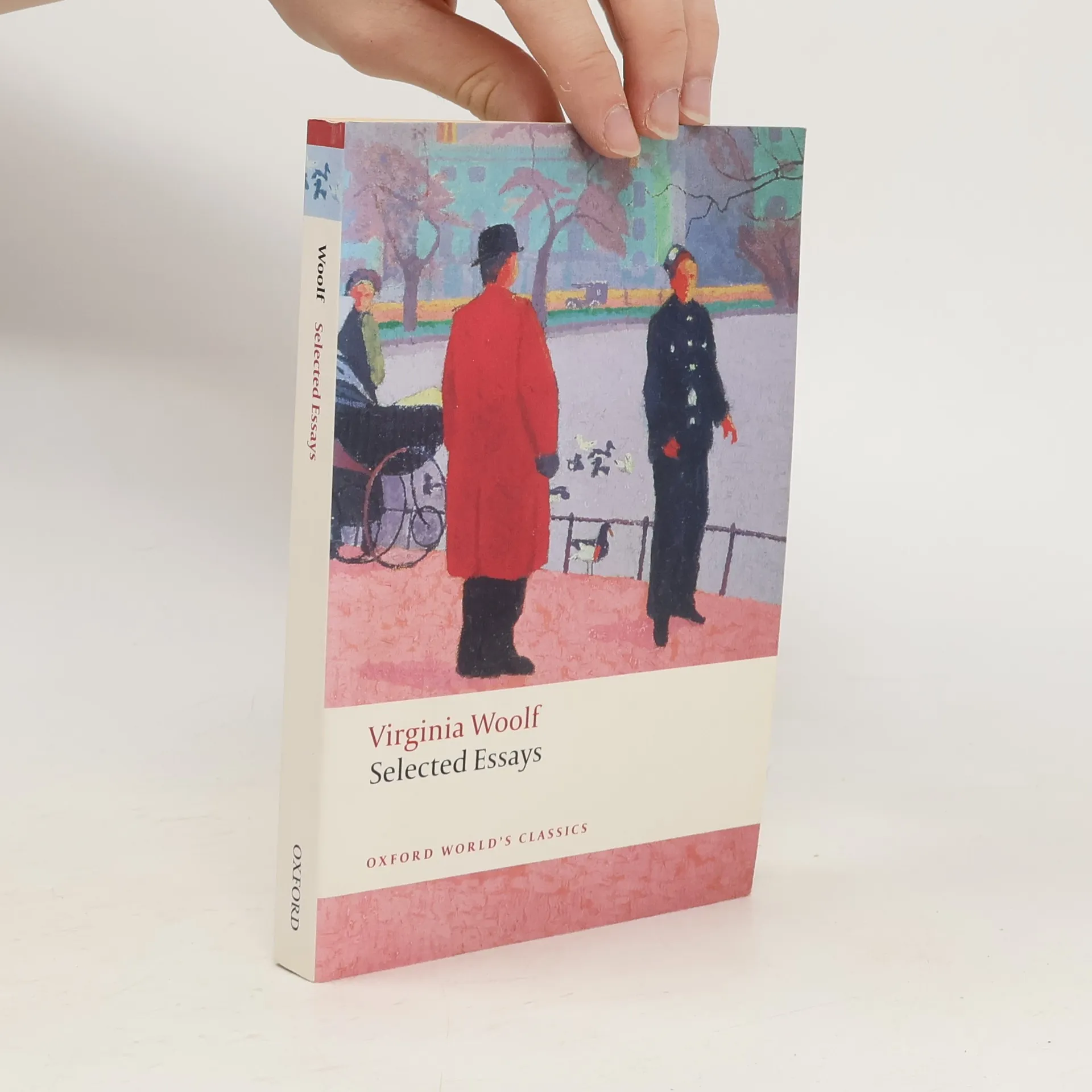
The linking theme of these essays is modernity, for Woolf was writing in a world radically separated from the old certainties by the catastrophe of World War I. Here she provides some responses to what she called "the crowded dance of modern life".
The last volume of Virginia Woolf's "Collected Letters" runs from 1936, when she was finishing "The Waves", to 1941, when she drowned herself. But there is little or no shadow of impending tragedy over her sparkling correspondence with Vanessa, Vita, Ethel Smyth and her many other friends.
The book features sixty-nine exquisite portraits by Julia Margaret Cameron, a pioneering figure in photography known for her artistic approach to portraiture. Accompanying the images are insightful appreciations from notable figures Virginia Woolf and Roger Fry, offering context and depth to Cameron's work. This collection highlights both the technical mastery and the emotional resonance of Cameron's photography, celebrating her significant contribution to the art form.
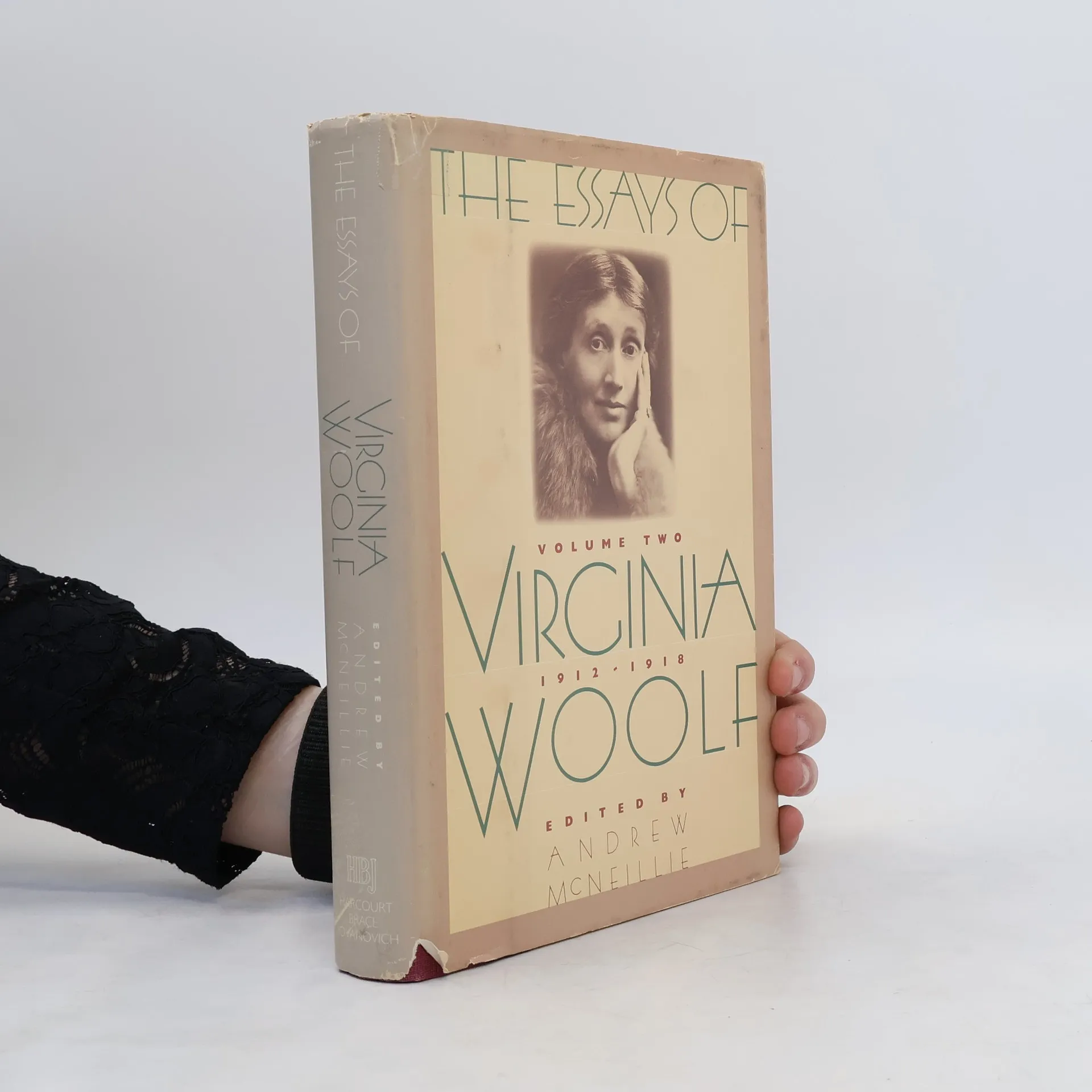
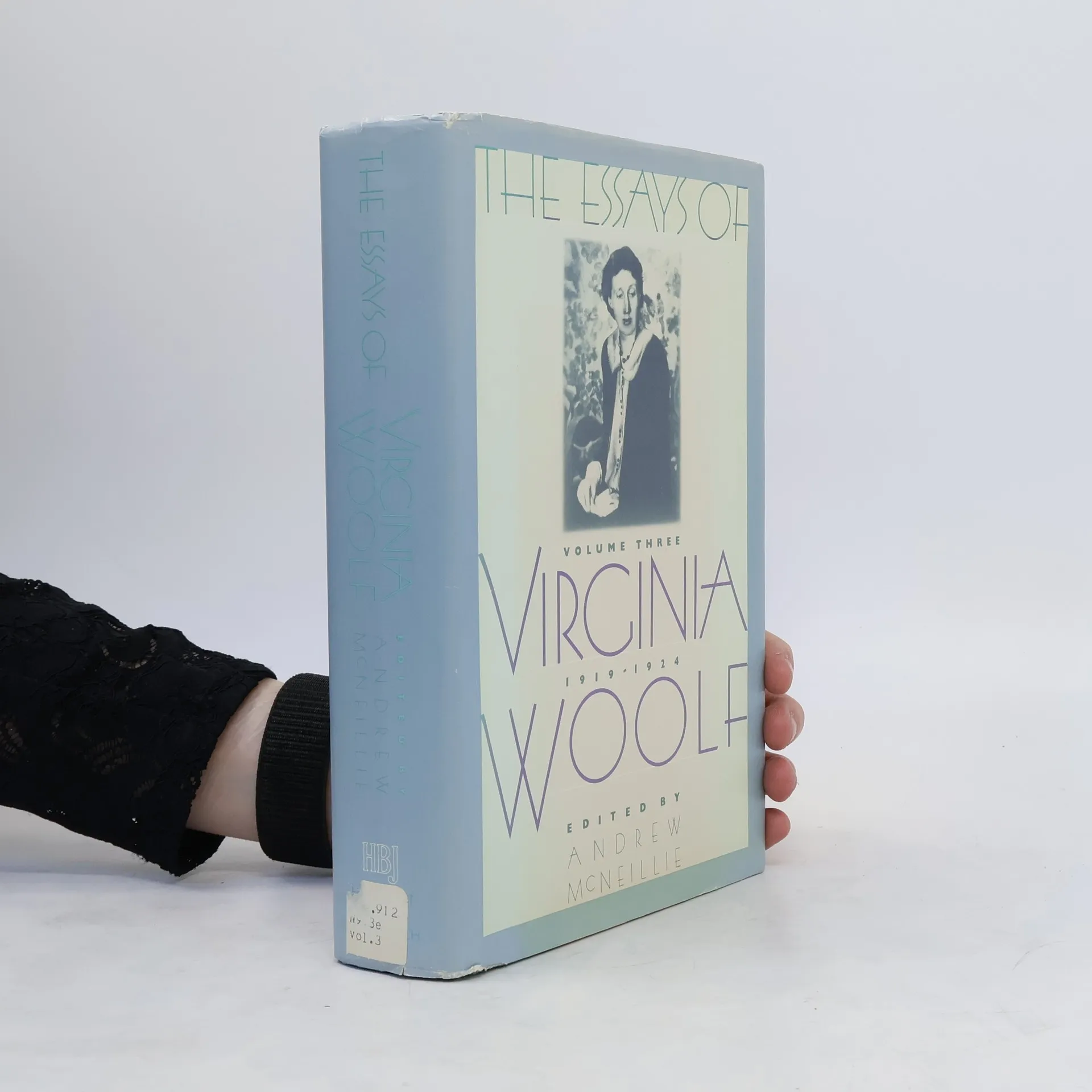
During the period in which these essays were written, Woolf published Night and Day and Jacob's Room, contributed widely to British and American periodicals, and progressed from straight reviewing to more extended critical essays. "Excellently edited, the essays reconfirm [Woolf's] major importance as a twentieth-century writer" (Library Journal). Edited and with an Introduction by Andrew McNeillie; Index.
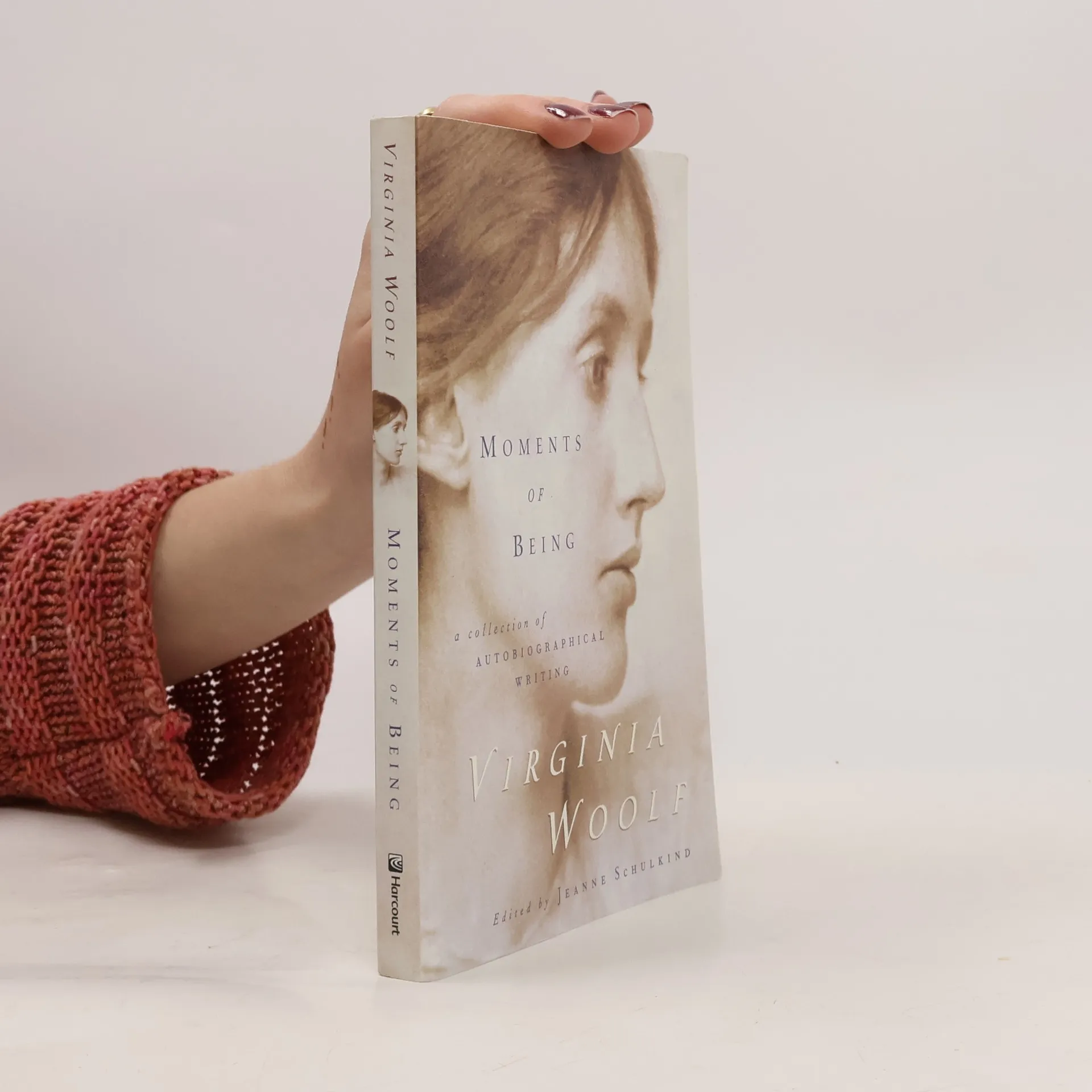
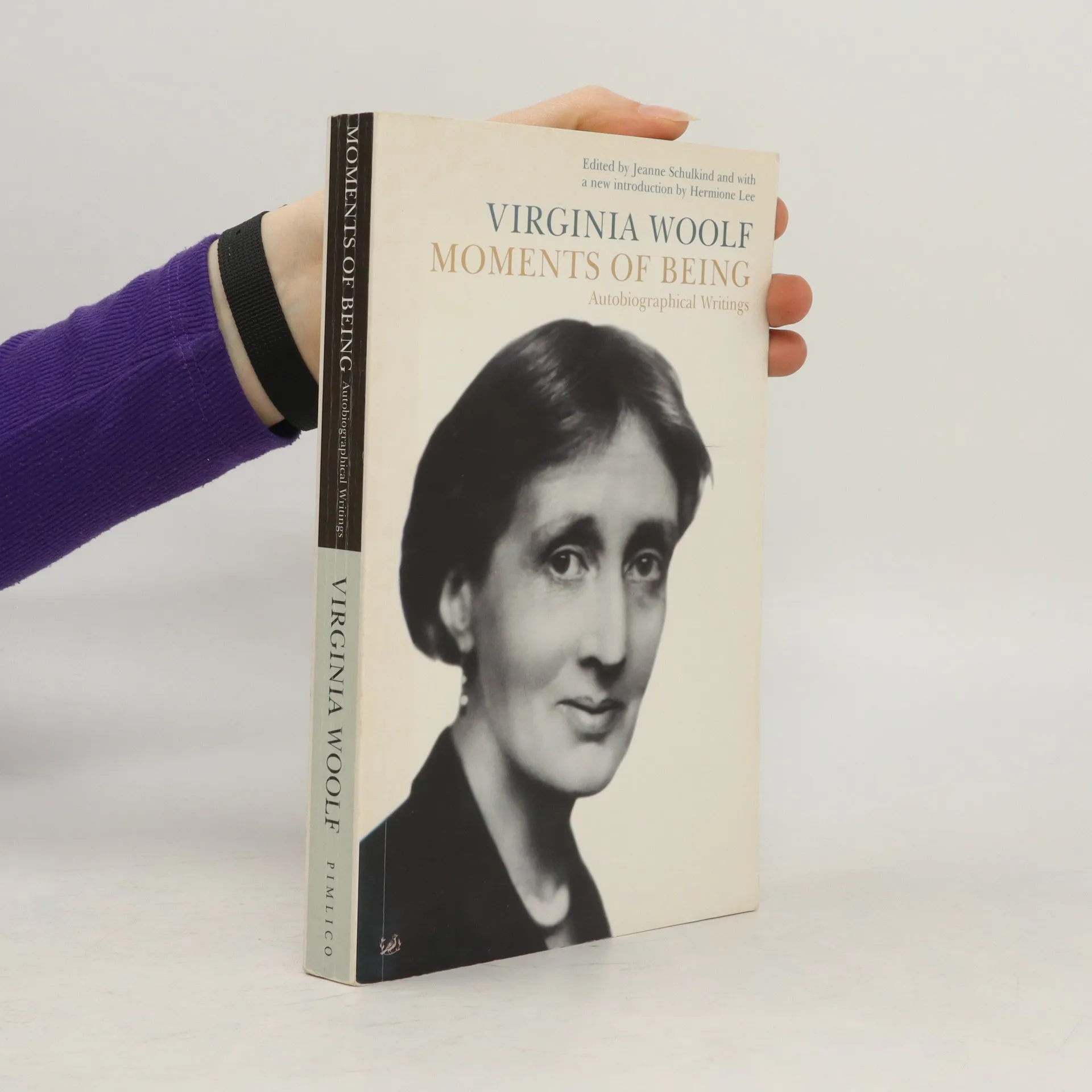
Published years after her death, Moments of Being is Virginia Woolf's only autobiographical writing, considered by many to be her most important book. A collection of five memoir pieces written for different audiences spanning almost four decades, Moments of Being reveals the remarkable unity of Virginia Woolf's art, thought, and sensibility. "Reminiscences," written during her apprenticeship period, exposes the childhood shared by Woolf and her sister, Vanessa, while "A sketch of the Past" illuminates the relationship with her father, Leslie Stephens, who played a crucial role in her development as an individual a writer. Of the final three pieces, composed for the Memoir Club, which required absolute candor of its members, two show Woolf at the threshold of artistic maturity and one shows a confident writer poking fun at her own foibles.
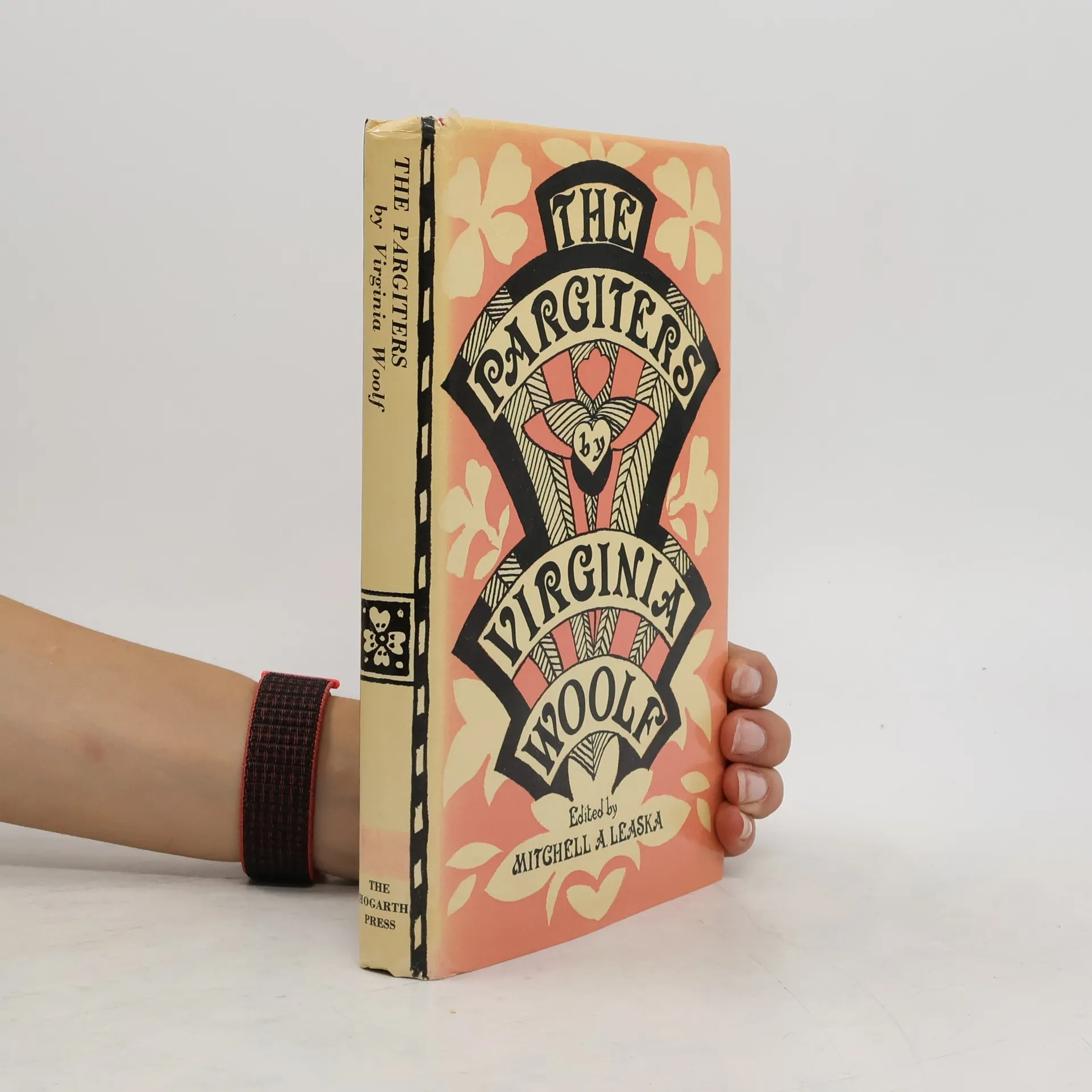
The unfinished novel-essay portion of 'The Years'. In late 1932 Woolf wrote six essays and their accompanying fictional "extracts" for 'The Pargiters', but ultimately abandoned the novel-essay concept. The fiction elements were incorporated into the "1880" section of 'The Years', and the essay elements were used for 'Three Guineas'. Corrected entry for ISBN 0156713802.
1888-1912 - Originally Published In England As The Flight Of The Mind
566 pages
20 hours of reading
A collection of Virginia Woolf's correspondence from age six to the eve of her marriage twenty-four years later. "Engagingly fresh and spontaneous as young Virginia's letters are...the excitement in this collection arises from [her] growing awareness of herself as a writer" (Chicago Sun-Times). Introduction by Nigel Nicolson; Index; photographs.
This selection brings together thirty of Woolf's best essays across a wide
range of subjects including writing and reading, the role and reputation of
women writers, the art of biography, and the London scene. They are enchanting
in their own right, and indispensable to an understanding of this great
writer.
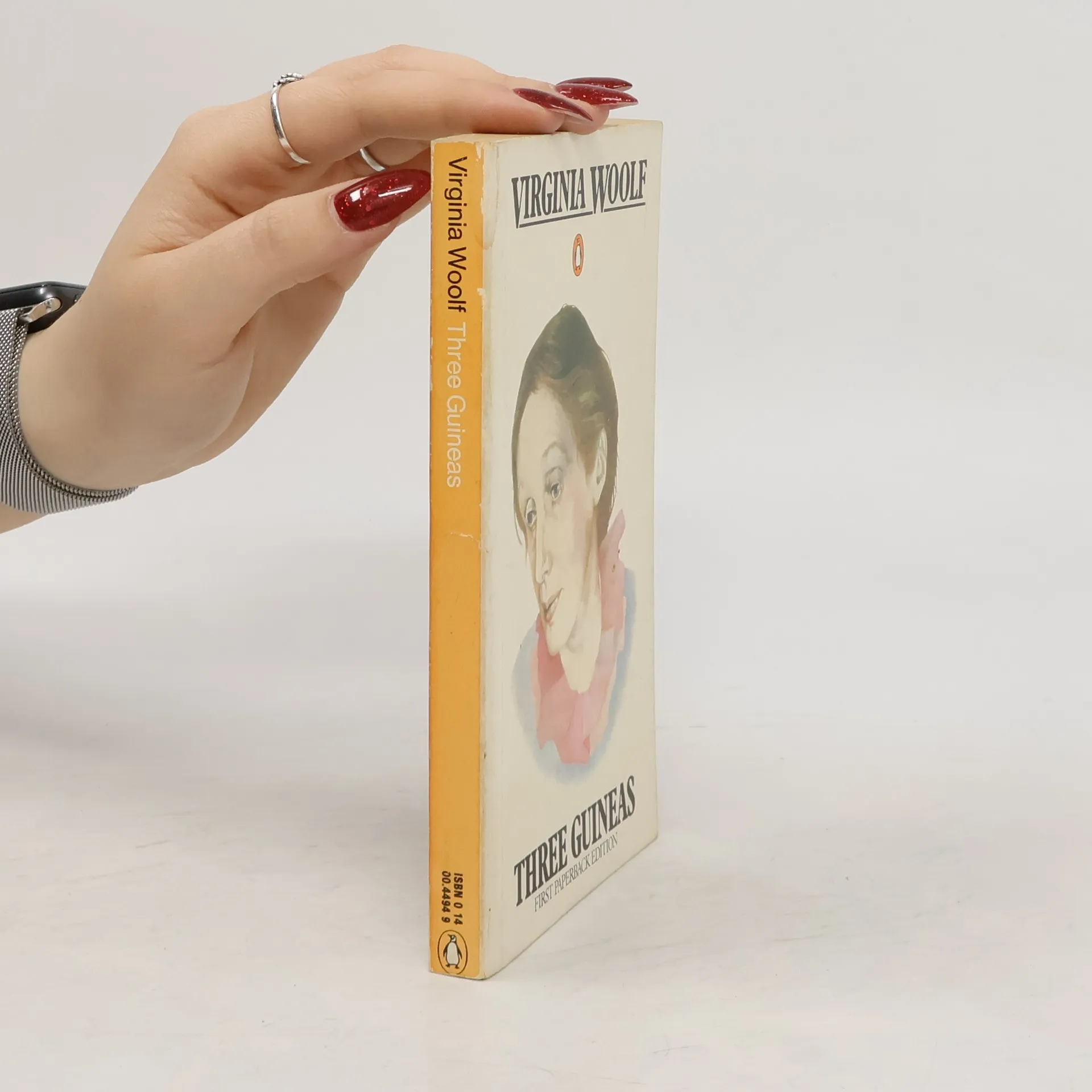
Three Guineas is written as a series of letters in which Virginia Woolf ponders the efficacy of donating to various causes to prevent war. In reflecting on her situation as the "daughter of an educated man" in 1930s England, Woolf challenges liberal orthodoxies and marshals vast research to make discomforting and still-challenging arguments about the relationship between gender and violence, and about the pieties of those who fail to see their complicity in war-making. This pacifist-feminist essay is a classic whose message resonates loudly in our contemporary global situation.Annotated and with an introduction by Jane Marcus
During the period in which these essays were written, Woolf published Night and Day and Jacob's Room, contributed widely to British and American periodicals, and progressed from straight reviewing to more extended critical essays. "Excellently edited, the essays reconfirm [Woolf's] major importance as a twentieth-century writer" (Library Journal). Edited and with an Introduction by Andrew McNeillie; Index.
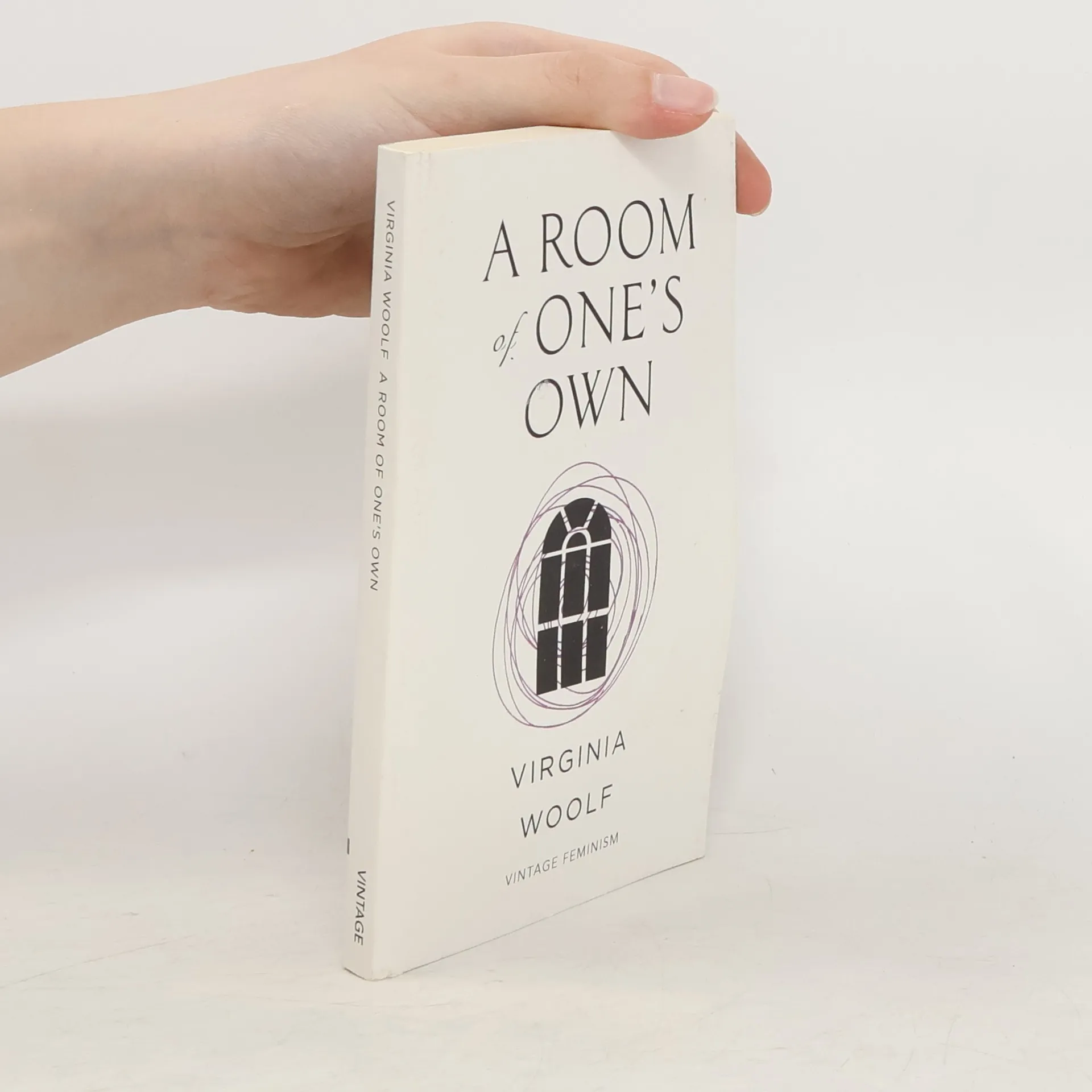
Vintage Feminism: classic feminist texts in short formWITH AN INTRODUCTION BY
JEANETTE WINTERSON`What conditions are necessary for the creation of works of
art?' Security, confidence, independence, a degree of prosperity - a room of
one's own.
This collection includes three works by Virginia Woolf: The Voyage Out, Night and Day, and Jacob's Room. Virginia Woolf is a major novelist and one of the pioneers among modernist writers using stream of consciousness as a narrative device. She began writing professionally in 1900, with her first novel, The Voyage Out, published in 1915, followed by Night and Day in 1919 and Jacob's Room in 1922.
"On a June morning in 1923, Clarissa Dalloway is preparing for a party she is giving that evening. As she walks through London, her thoughts are of the past and her choice of husband. At the same time, and also in London, Septimus Warren Smith has shell shock. At the party that evening, their stories come together"--Back cover
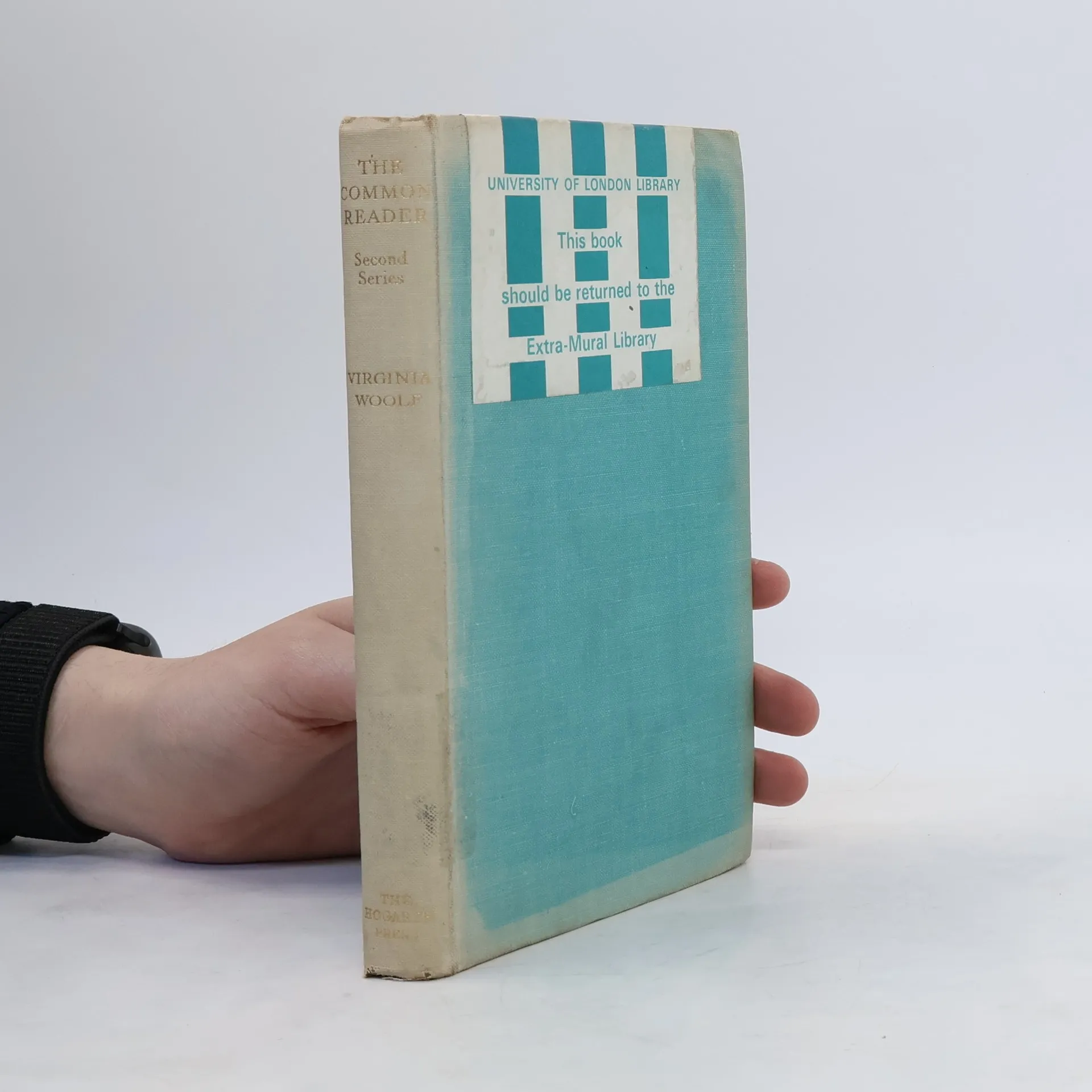
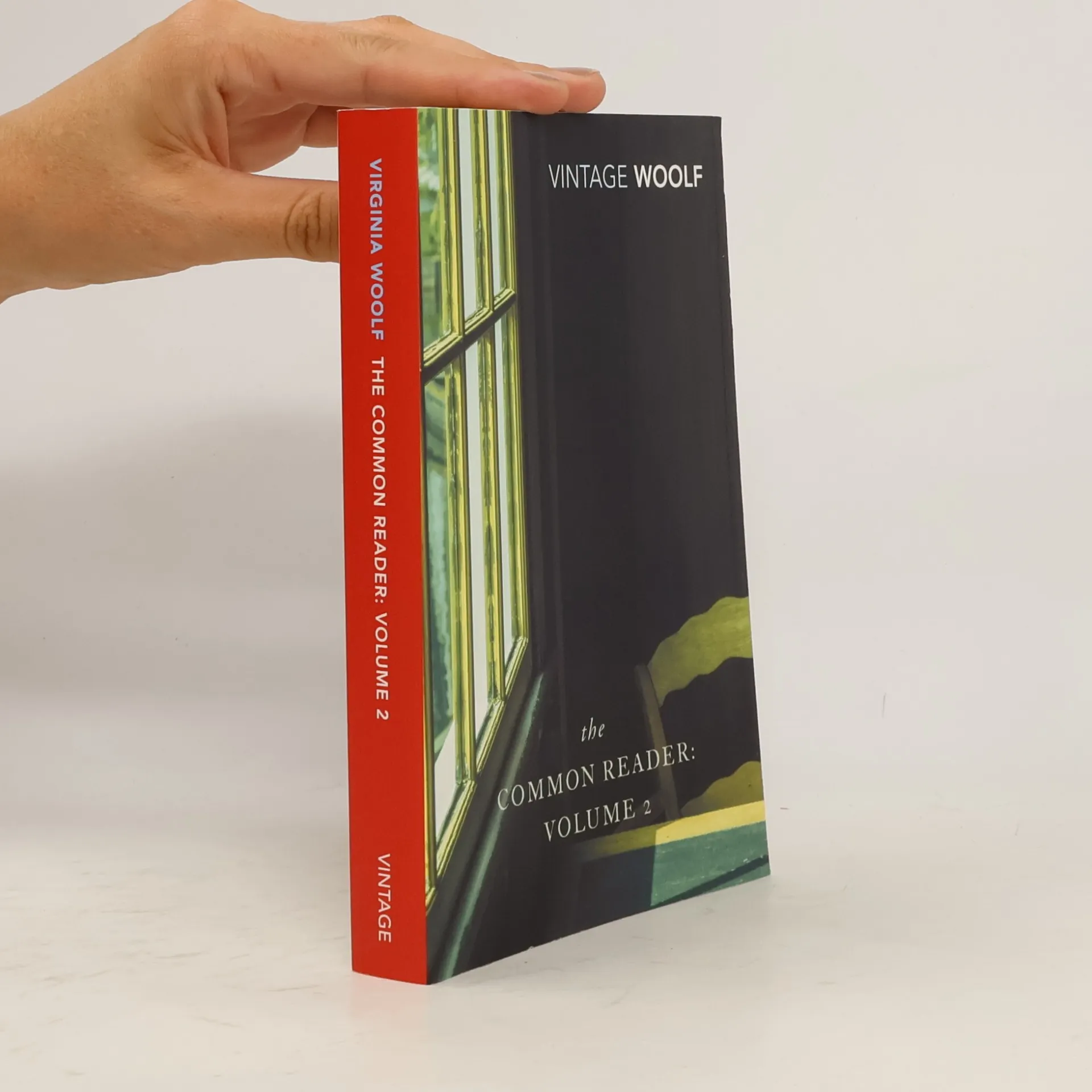
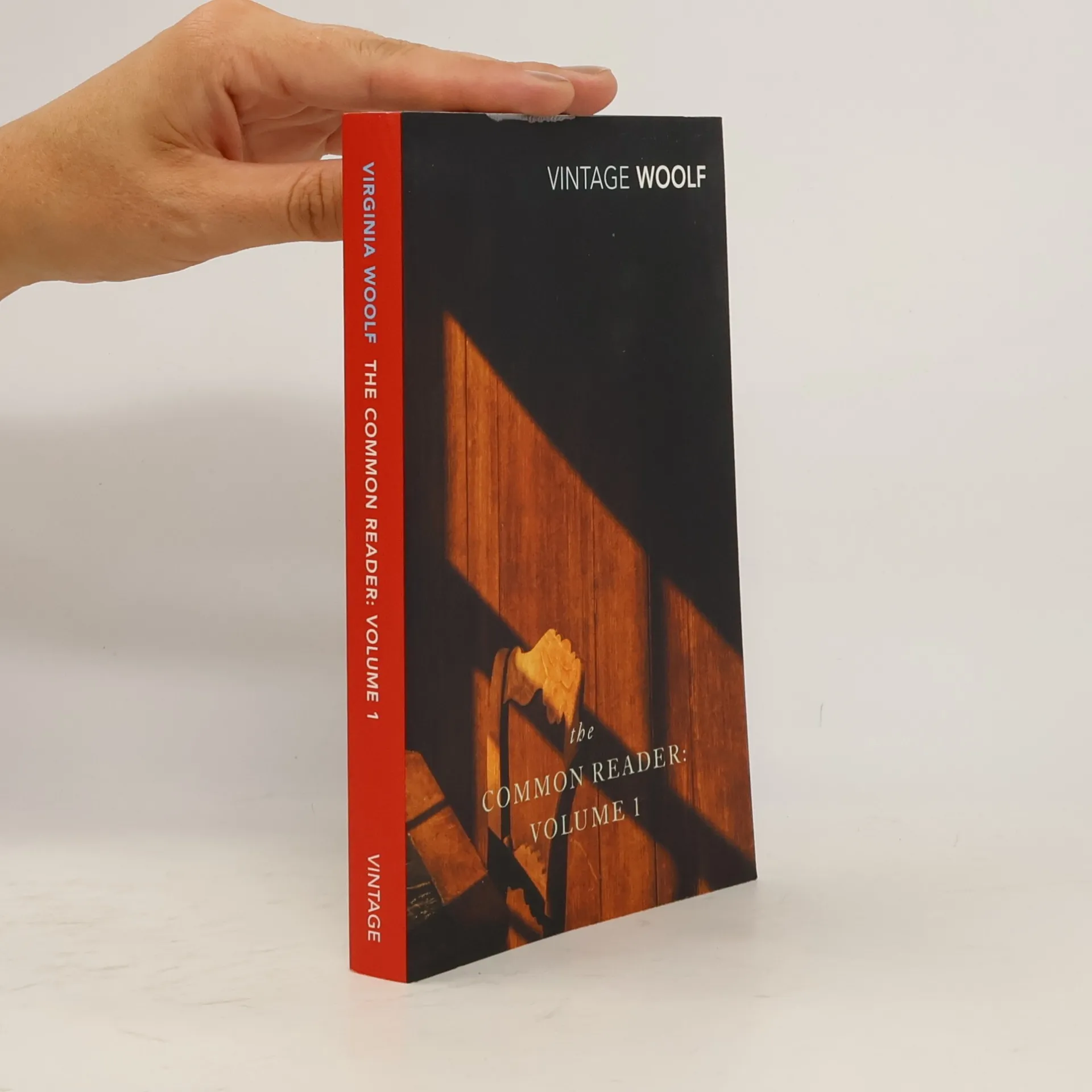
In them, she attempts to see literature from the point of view of the 'common reader' - someone whom she, with Dr Johnson, distinguished from the critic and the scholar. schovat popis
Virginia Woolf's only autobiographical writing is to be found in this
collection of five unpublished pieces. Readers will be struck by the extent to
which she drew on these early experiences for her novels, as she tells how she
exorcised the obsessive presence of her mother by writing To the Lighthouse.
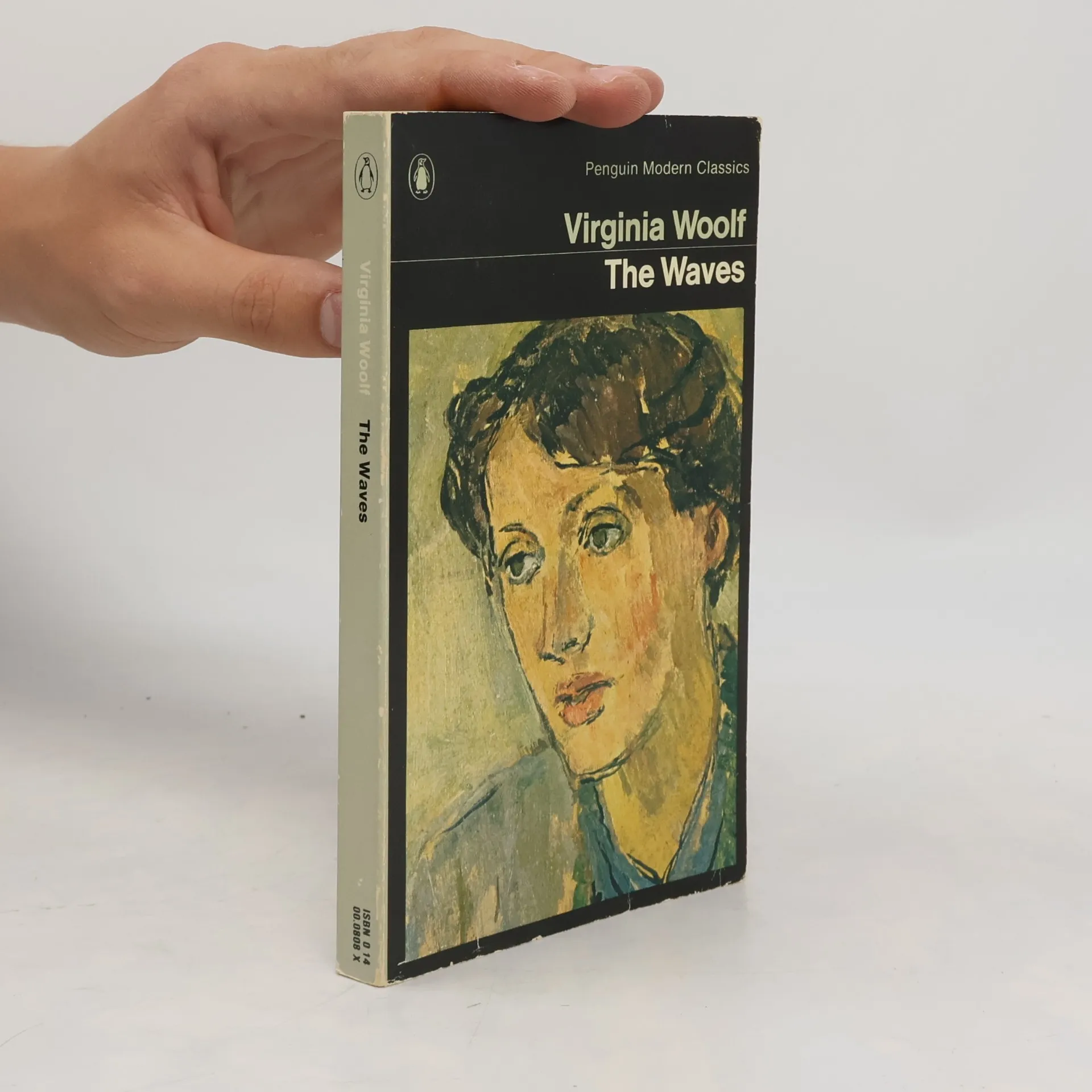
The Waves is a poetic novel. It begins with six children playing in a garden by the sea and follows their lives as they grow up and experience friendship, love and grief at the death of their beloved friend Percival Regarded by some as her greatest literary work, The Waves is also seen as Virginia Woolf's response to the loss of her brother Thoby, who died when he was twenty-six.
An invaluable guide to the art and mind of Virginia Woolf, drawn by her husband from the personal record she kept over a period of twenty-seven years. Included are entries that refer to her own writing, others that are clearly writing exercises; accounts of people and scenes relevant to the raw material of her work; and comments on books she was reading. Edited and with a Preface by Leonard Woolf; Indices.
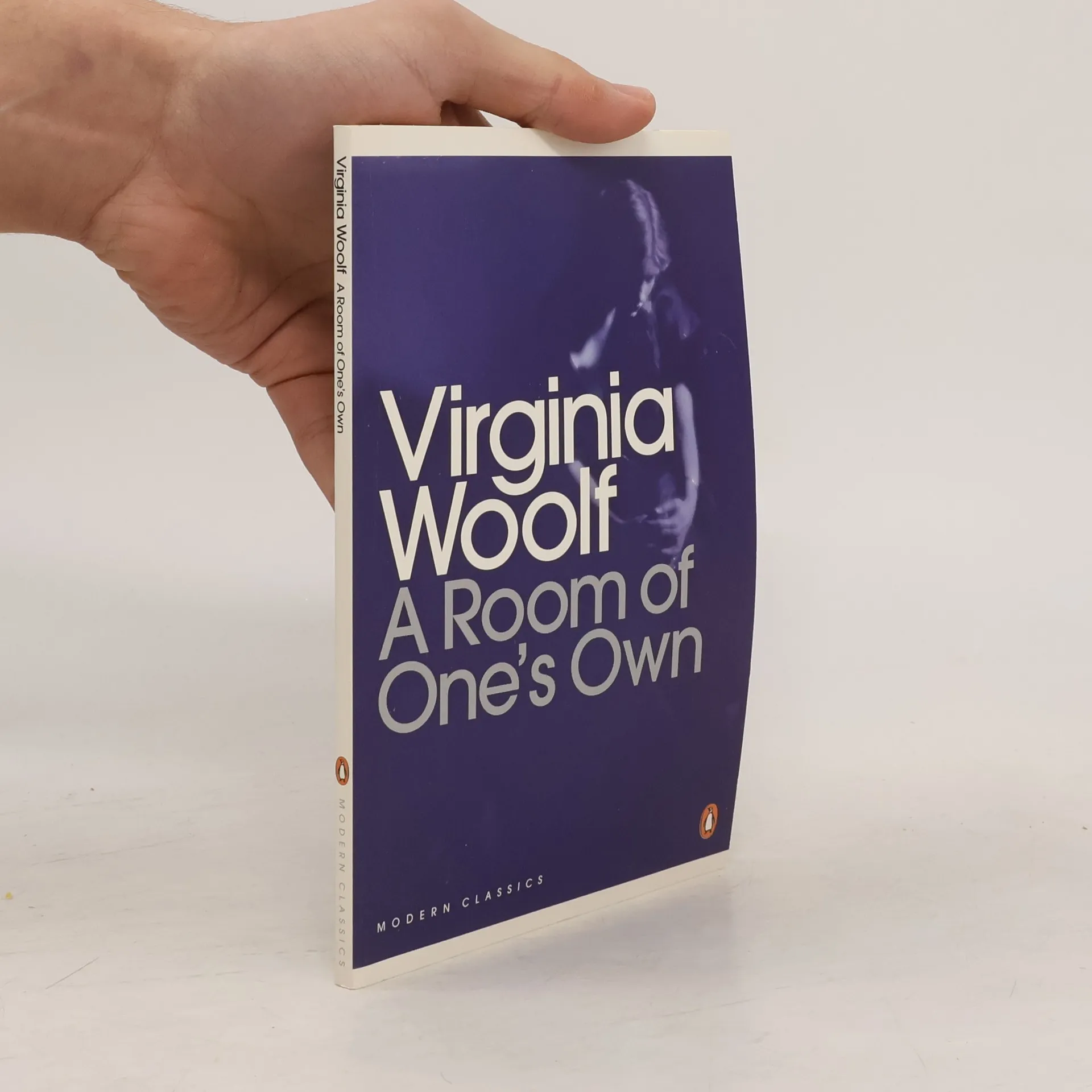
This story grew out of a lecture that Virginia Woolf had been invited to give at Girton College, Cambridge in 1928. It ranges over Jane Austen and Charlotte Bronte, the silent fate of Shakespeare's gifted and imaginary sister, and over the effects of poverty and chastity on female creativity.
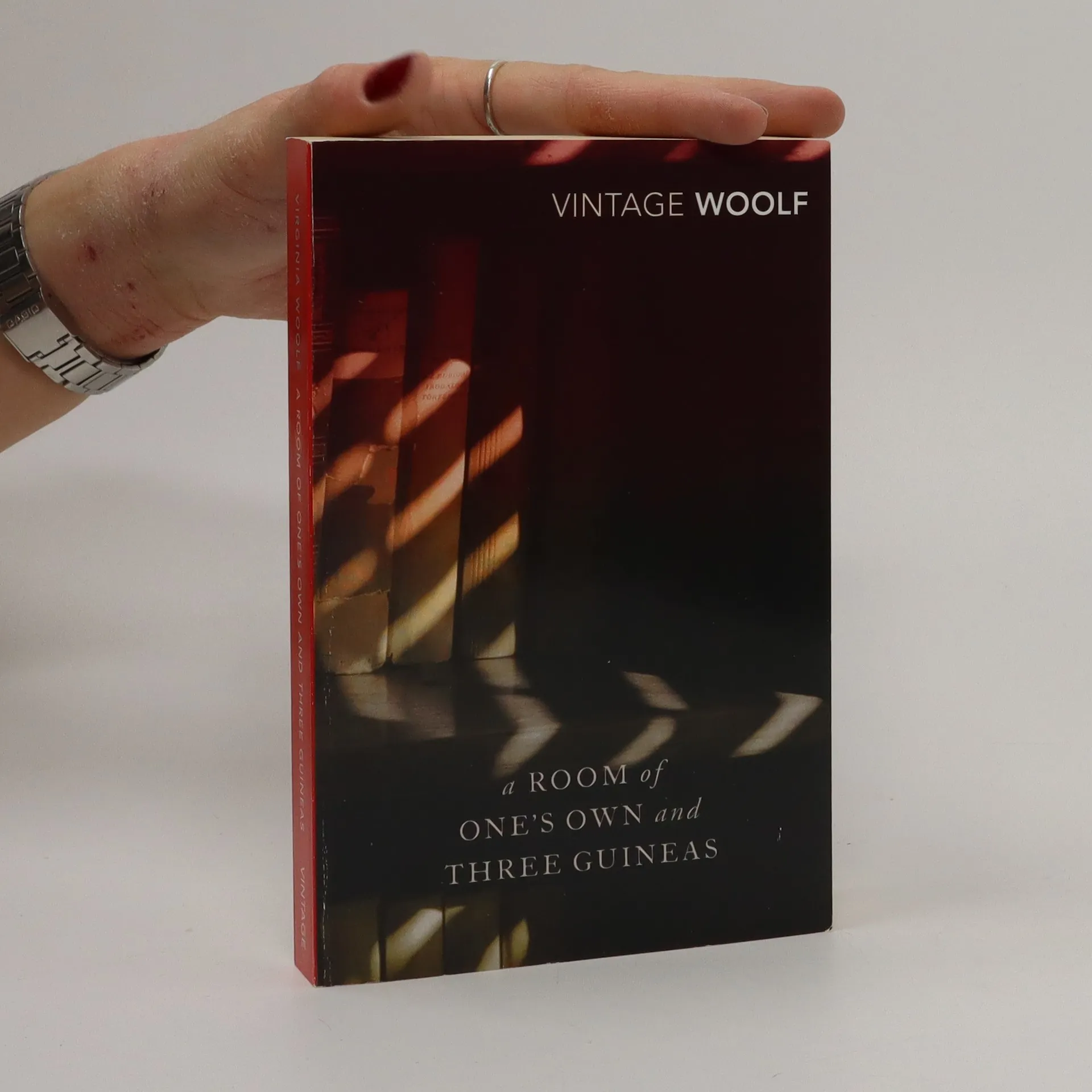
This volume combines for the first time in paperback two books by Virginia Woolf which are among the greatest contributions to feminist literature this century. Together they form a brilliant attack on Patriarchy and sexual inequality. A ROOM OF ONE'S OWN
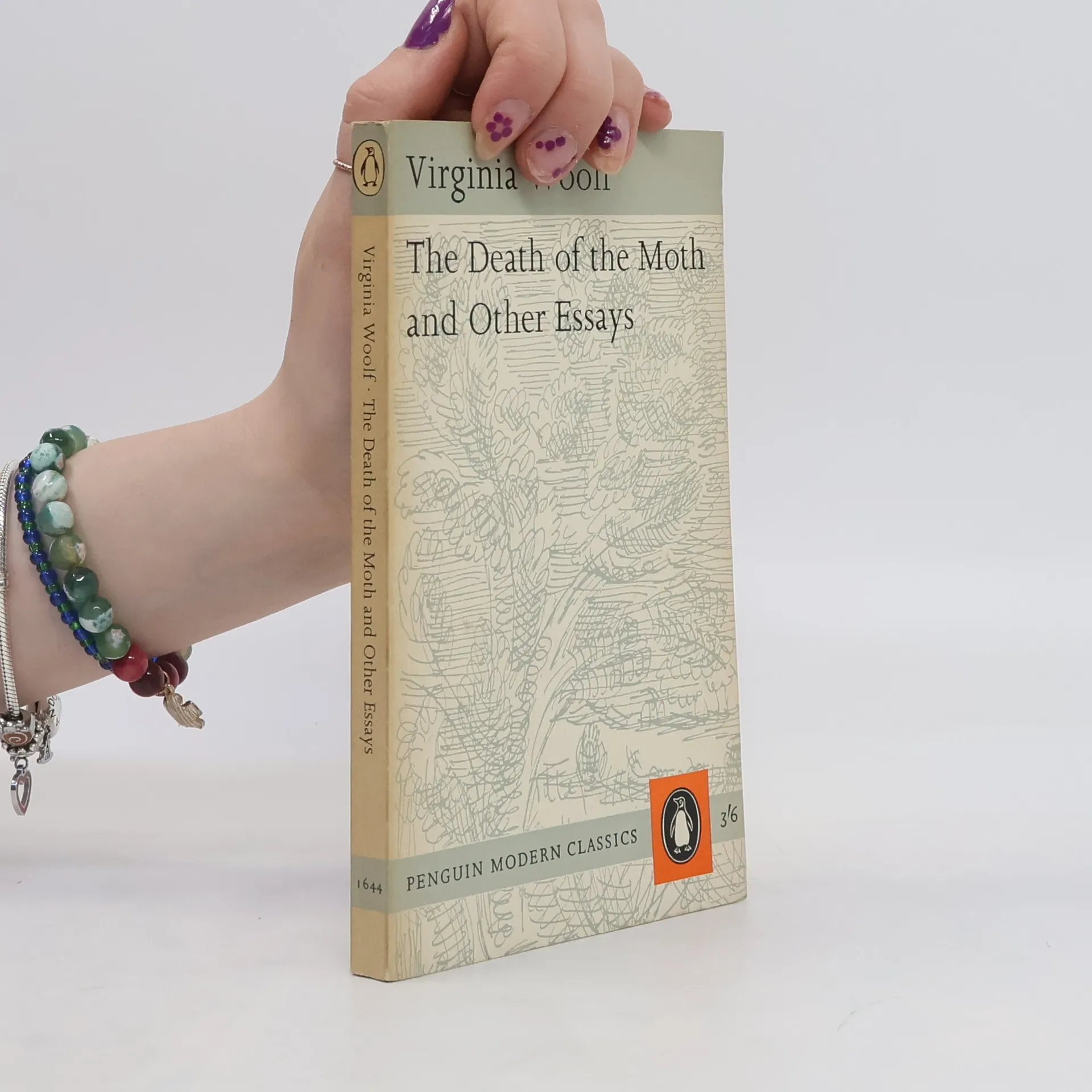
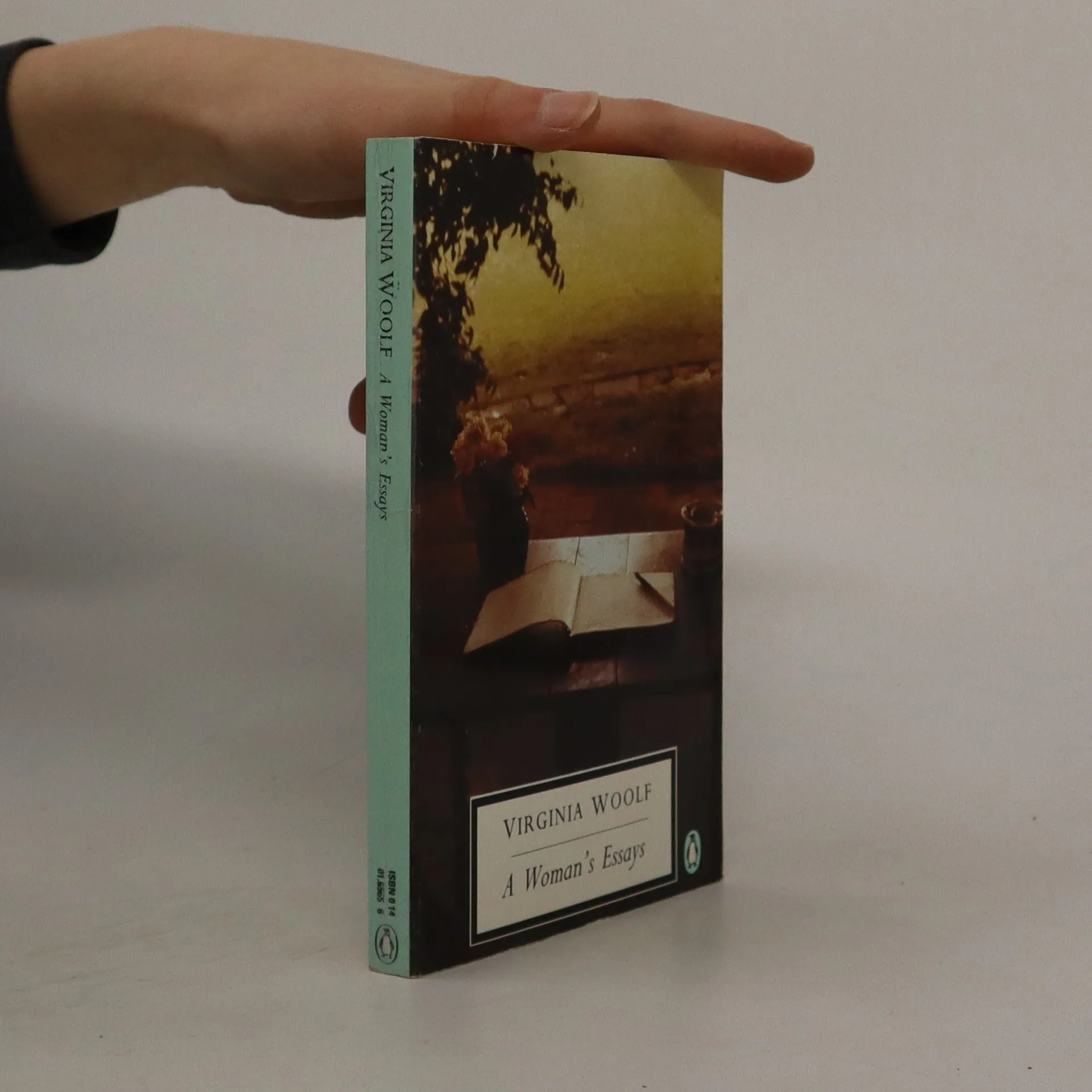
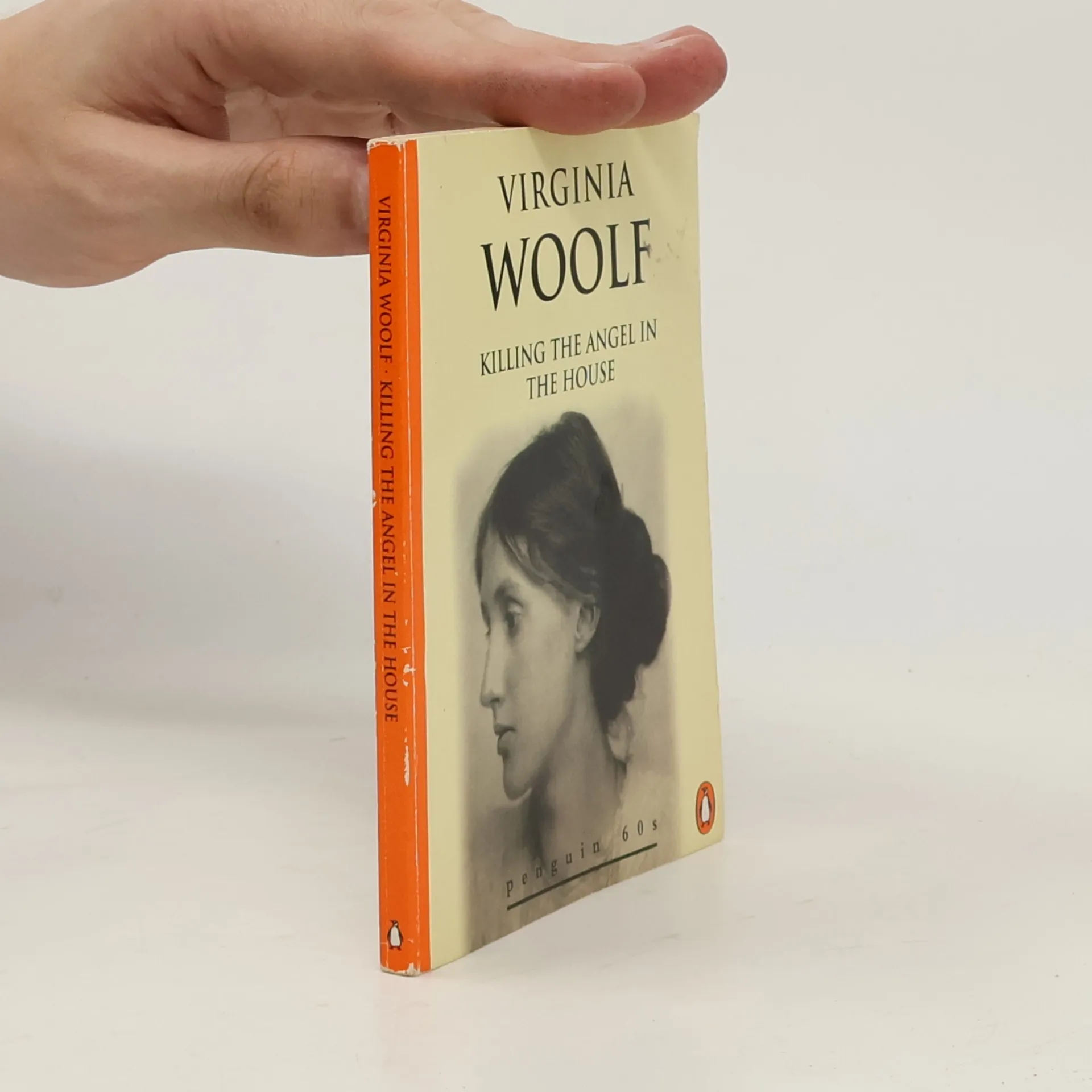
A collection of essays dealing with a variety of subjects including modern writing, feminism and education. In Women and Fiction Virginia Woolf considers the reasons why so many educated women began writing novels in the 18th century. In another she discusses the lack of education that women received and the narrowness of conventional education. Also included are some of the book reviews that Virginia Woolf wrote for The Times Literary Supplement.
First delivered as a speech to schoolgirls in Kent in 1926, this enchanting
short essay by the towering Modernist writer Virginia Woolf celebrates the
importance of the written word.
People everywhere have found themselves faced with a global pandemic, during which we have learned to cope with sickness and all that accompanies it: isolation, immunity, loss of control, and recovery. Yet while no longer taboo, illness remains an unpopular theme in literature. In her essay, On Being Ill Virginia Woolf asks whether illness should not receive more literary attention, taking its place alongside the recurring themes of "love, battle and jealousy". The subtle complexities of Woolf's essay will no doubt continue to be resonant for a new generation of readers today. In this collaborative volume, authors, translators and illustrators have come together from Great Britain, Ireland, the United States and the Netherlands to represent past, present and future thinking about illness. Noteworthy contributions to this edition are Deryn Rees-Jones' preface to Woolf's essay from 1926 and the introduction to Audre Lorde's The Cancer Journals of 1980. Against these, the voices of contemporary authors resonate as they contemplate the interactions between sickness and literature. Readers are able to begin the book at the end, or might happily start in the middle, as every contribution is a unique, personal piece which offers poignant observations of the world of illness from within. Writing, as well as reading, about illness, is a form of love.
Seven Essays: 1) Professions for Women 2) The Feminine Note in Fiction 3) Women Novelists 4) The Intellectual Status of Women 5) Two Women 6) Memories of a Working Women's Guild 7) Ellen Terry
Stream of consciousness novel has events taking place in a single day, as Clarissa prepares for a party she is giving. An adaptation of a novel first published in 1925. Suitable for adult literacy learners of English as a second language.
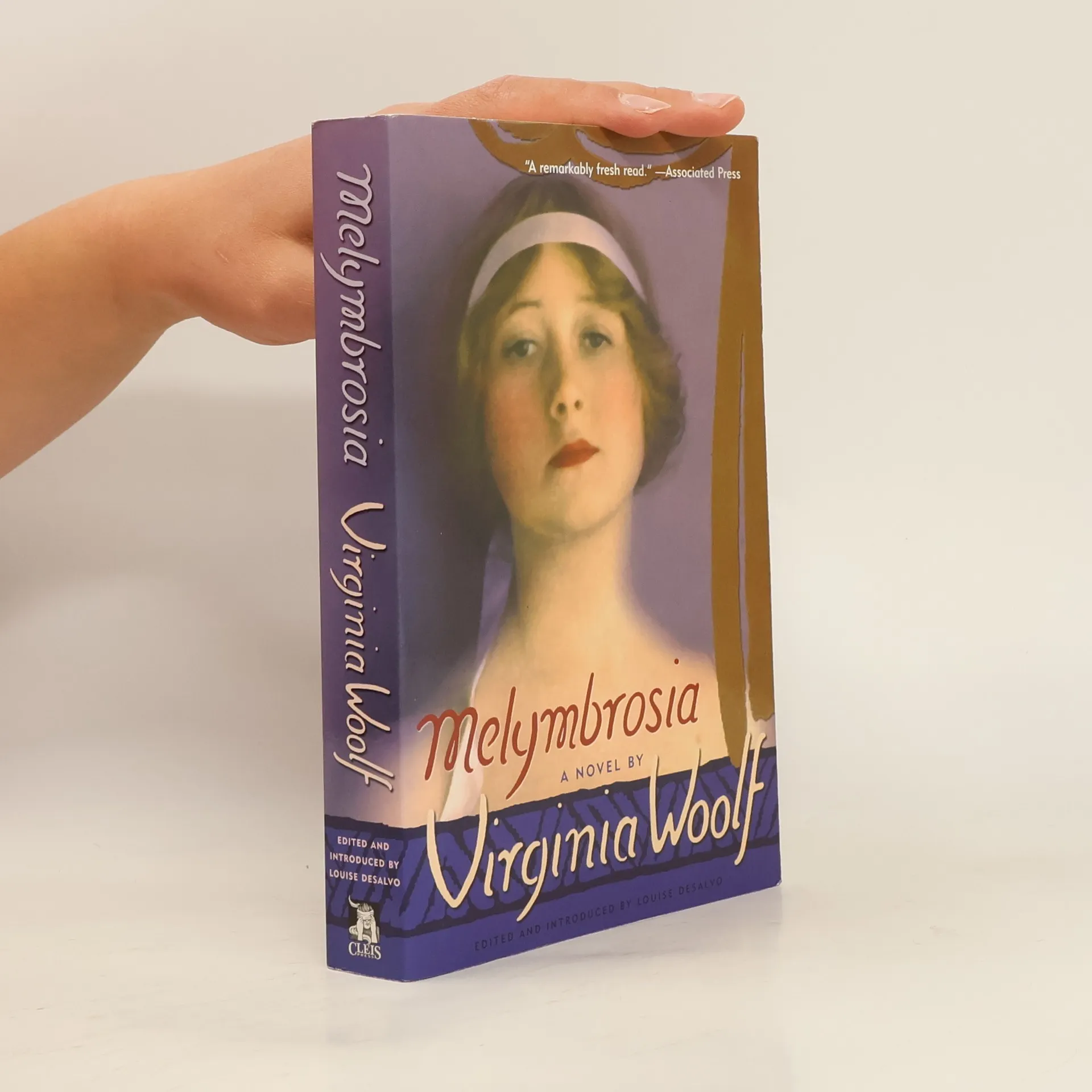
Virginia Woolf completed Melymbrosia in 1912 when she was thirty years old. The story concerned the emotional and sexual awakening of a young Englishwoman traveling abroad, and bristled with social commentary on issues as varied as homosexuality, the suffrage movement, and colonialism. She was warned by colleagues, however, that publishing an outspoken indictment of Britain could prove disastrous to her fledgling career as a novelist. Moreover, the critical offensive from men would be especially harsh towards a woman author. Woolf thus revised the novel extensively, omitting much of the political candor until, in 1915, the quieter book was published under the title The Voyage Out. The original Melymbrosia offers a rare look into the formative mind of the modernist master who revolutionized twentieth century literature. Here, one sees the young Virginia Woolf learning her craft.Like James Joyce’s Stephen Hero, the original treatment of A Portrait of the Artist as a Young Man, or Ralph Ellison’s posthumously published Juneteenth, Melymbrosia is a "lost classic" that owes its existence to the research of a devoted scholar, in this instance Louise DeSalvo, who spent seven years uncovering the original novel from Woolf’s papers in the archives of the New York Public Library.
First published in 1923 but failing to gain the same fame as her
groundbreaking collection Monday or Tuesday, Woolf’s short story In the
Orchard is perhaps her most experimental, painting the same picture in three
very different ways.
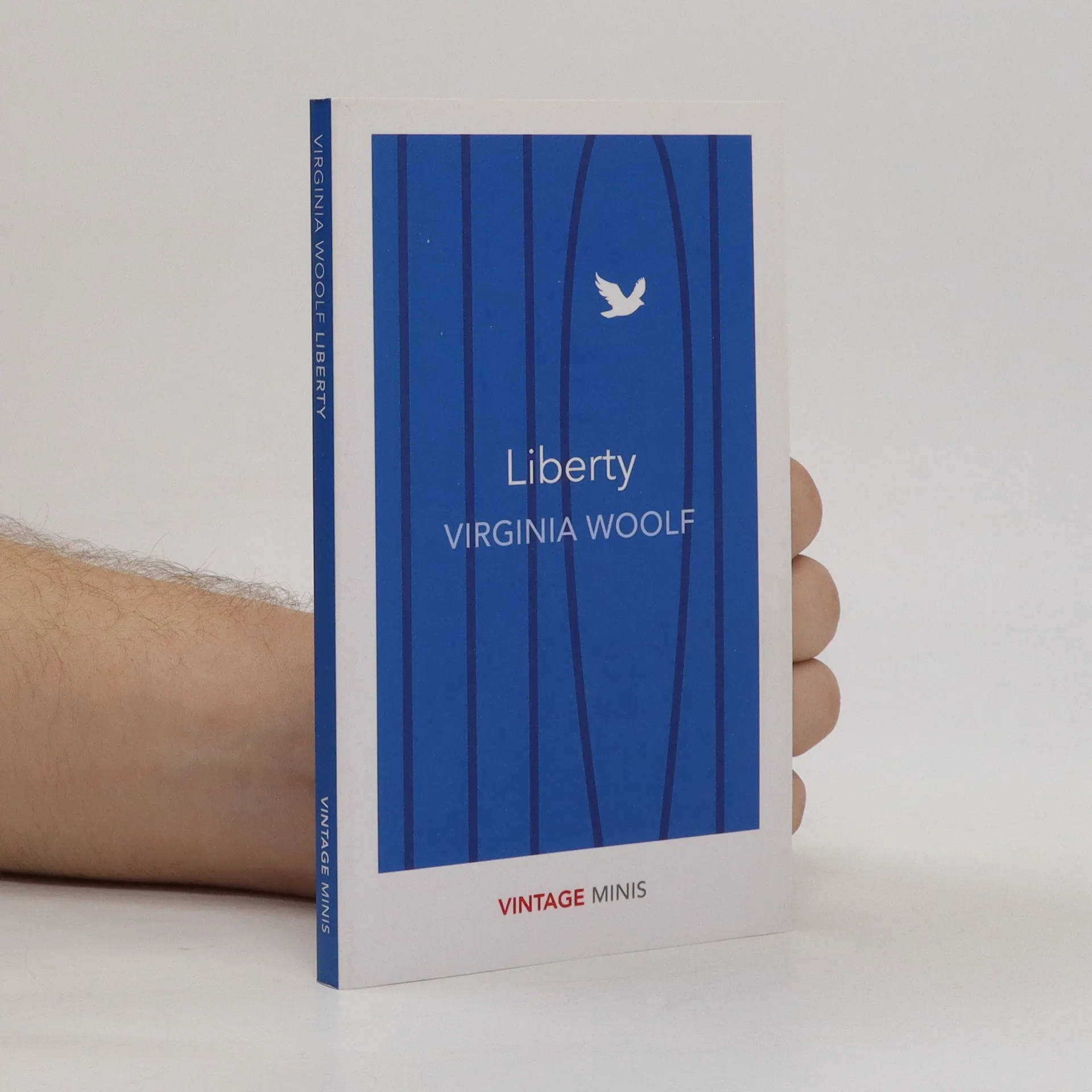
Why should one half be free to live, while the other is doomed to watch silently from the sidelines? In this visionary collection, Virginia Woolf leads us on a transformative journey through the liberating powers of the mind. From an exploration of why women were barred from writing and under what conditions they might break free, to the solace derived from haunting London's streets, these essays and stories present Woolf at her most impassioned, rendering the pursuit of liberty one of life's most poetic adventures. Selected from the books A Room of One's Own, The Waves and Street Haunting and Other Essays by Virginia Woolf VINTAGE MINIS: GREAT MINDS. BIG IDEAS. LITTLE BOOKS. A series of short books by the world’s greatest writers on the experiences that make us human Also in the Vintage Minis series: Love by Jeanette Winterson Home by Salman Rushdie Language by Xiaolu Guo Race by Toni Morrison
Featuring a selection of twenty-nine essays, this collection showcases Virginia Woolf's lighter and more accessible writing style compared to her fiction. The essays explore various topics, including novelists and women's issues, revealing Woolf's insightful observations and unique perspectives. Some pieces are published for the first time, while others have appeared in notable literary publications. Accompanied by an editorial note from Leonard Woolf, the essays reflect her well-rounded intellect and captivating insights, making them both informative and enjoyable.
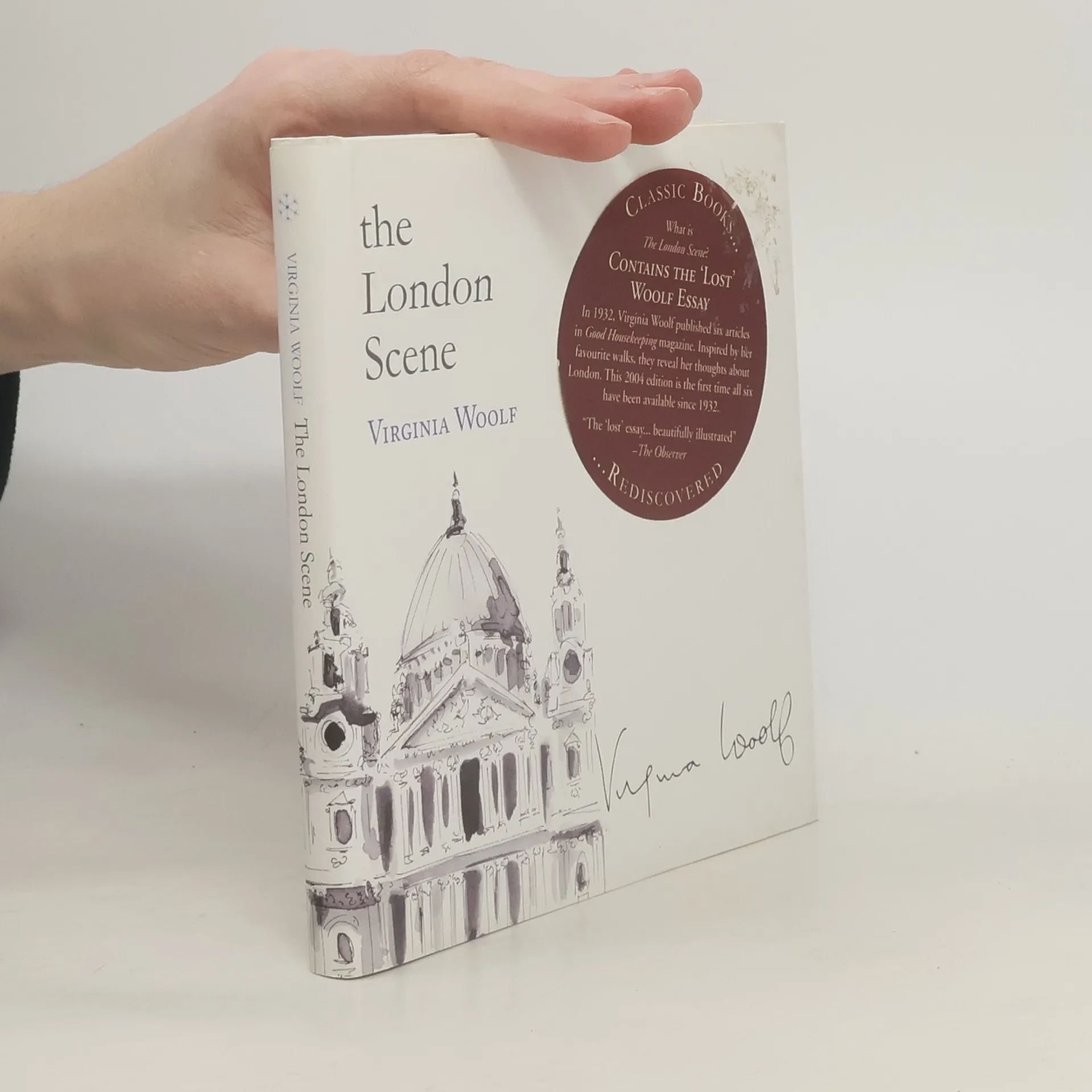
The London Scene is a beautifully illustrated, gift-book-sized hardback that marks the launch of the Signature Collection, a series of neglected or forgotten works by major authors. Next in line are pieces by EM Forster, Edgar Allan Poe and Jerome K Jerome, which are to be published in the spring. --Observer
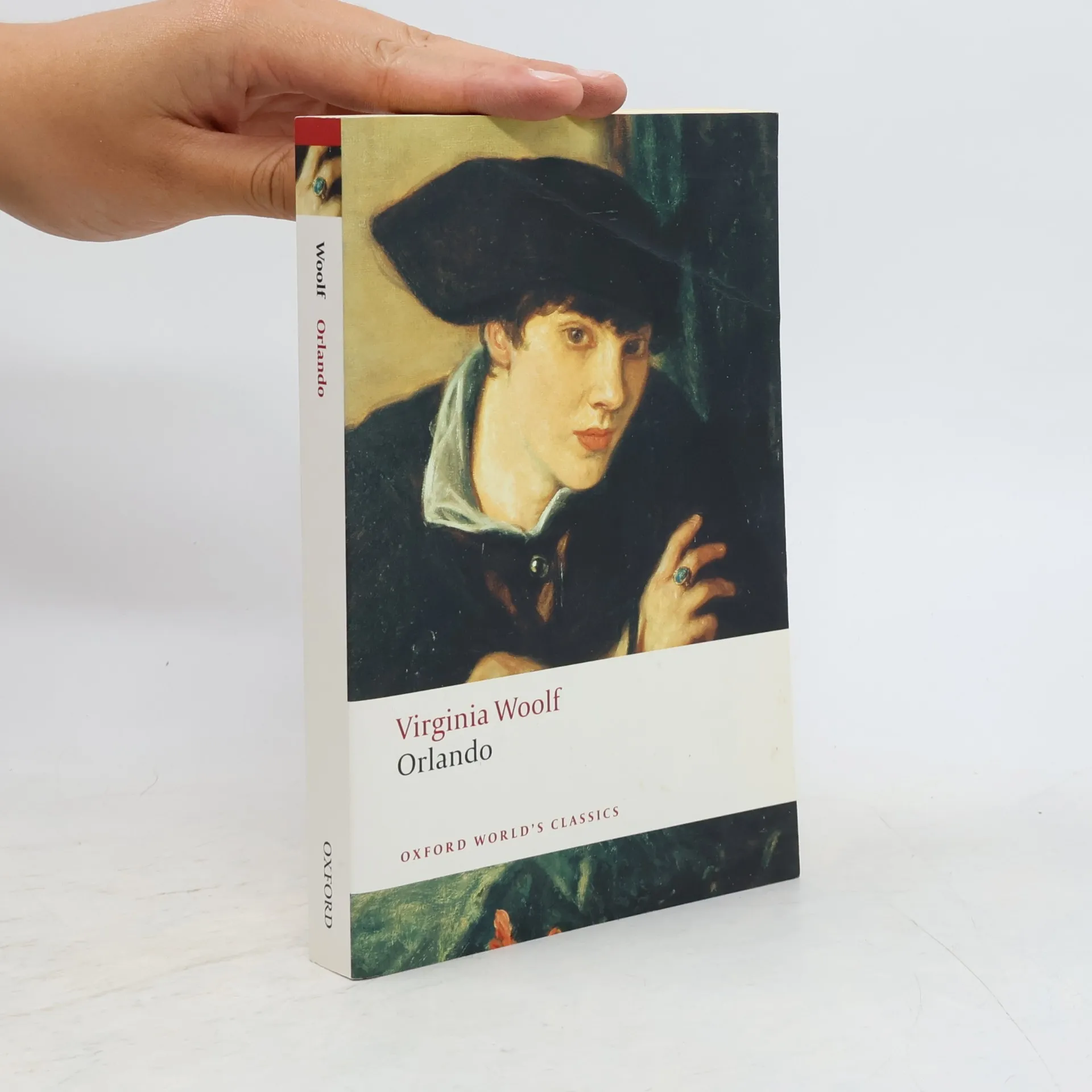
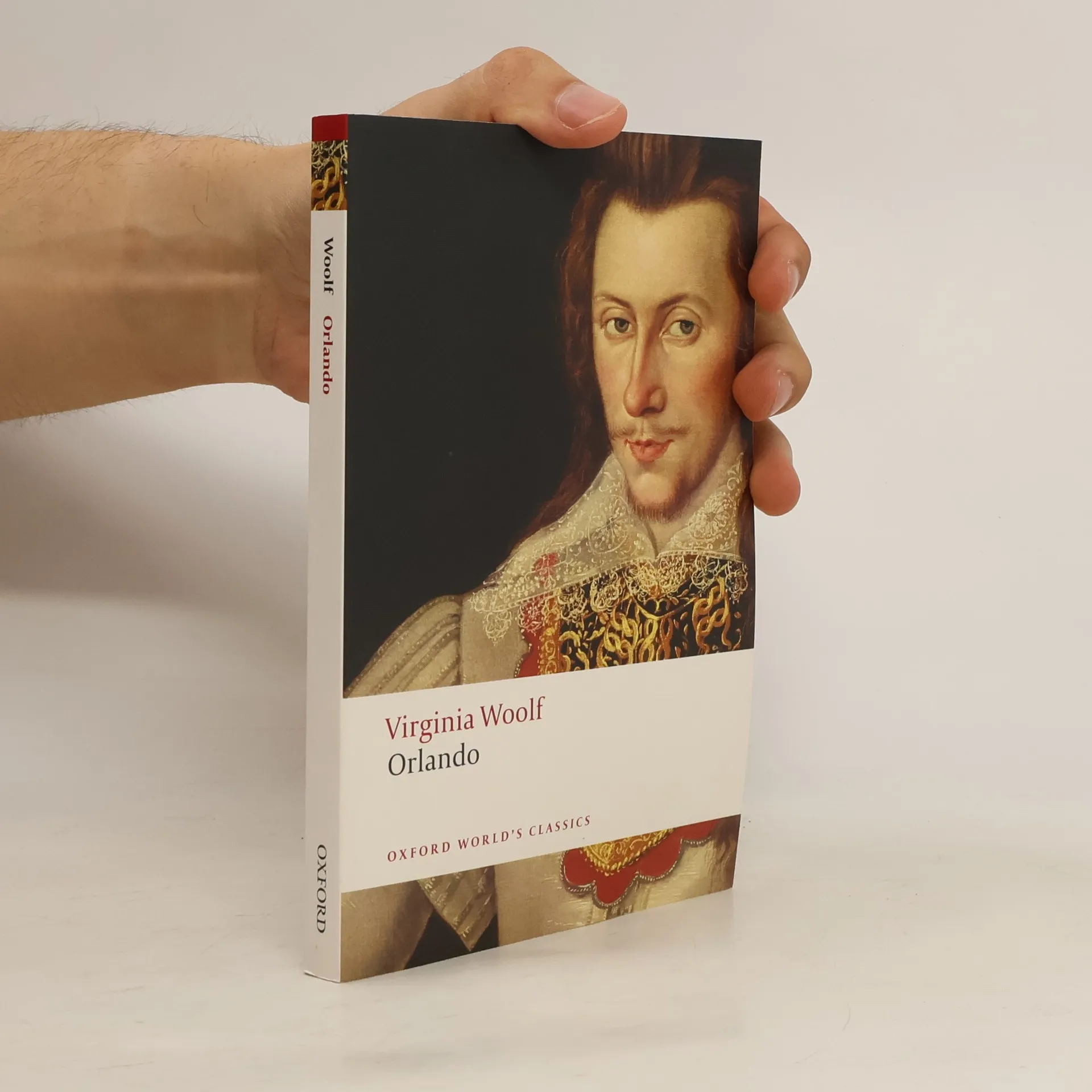
Virginia Woolf's exuberant `biography' tells the story of the cross-dressing, sex-changing Orlando who begins life as a young noble in the sixteenth century and moves through numerous historical and geographical worlds to finish as a modern woman writer in the 1920s. The book is in part a happy tribute to the `life' that her love for Vita Sackville-West had breathed into Virginia Woolf's own day-to-day existence; it is also Woolf's light-hearted and light-handed teasing out of the assumptions that lie behind the normal conventions for writing about a fictional or historical life. In this novel, Virginia Woolf plays loose and fast: Orlando uncovers a literary and sexual revolution overnight.
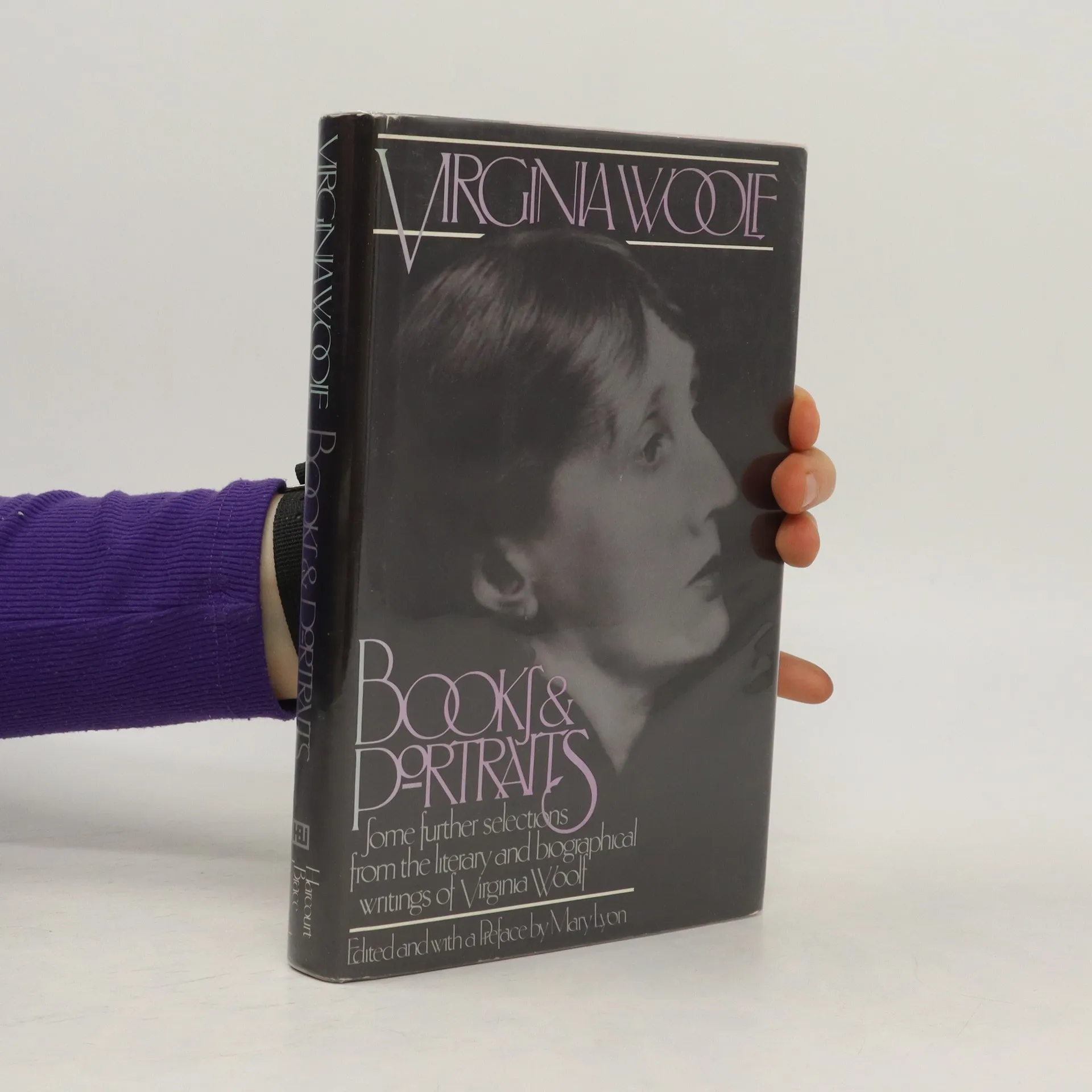
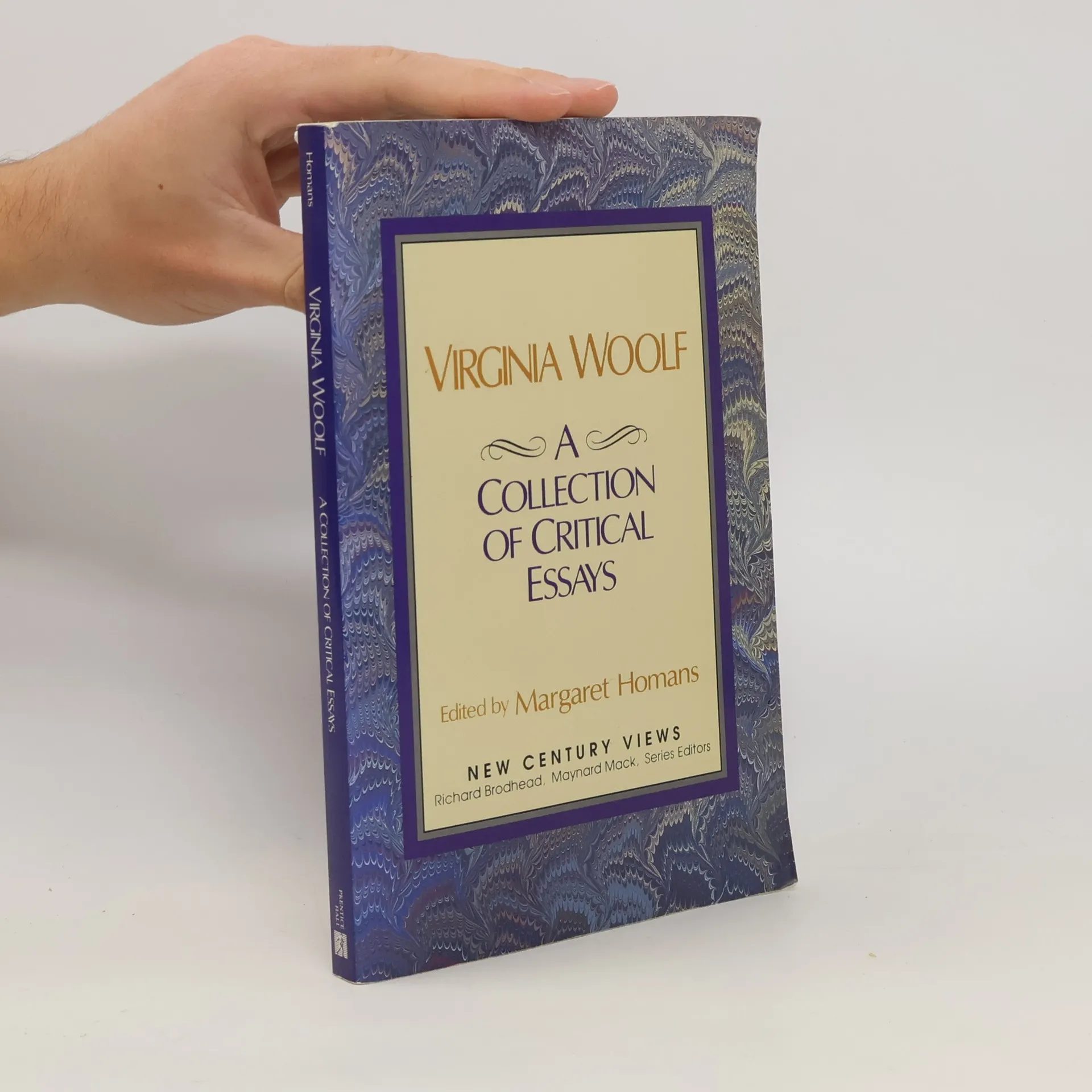
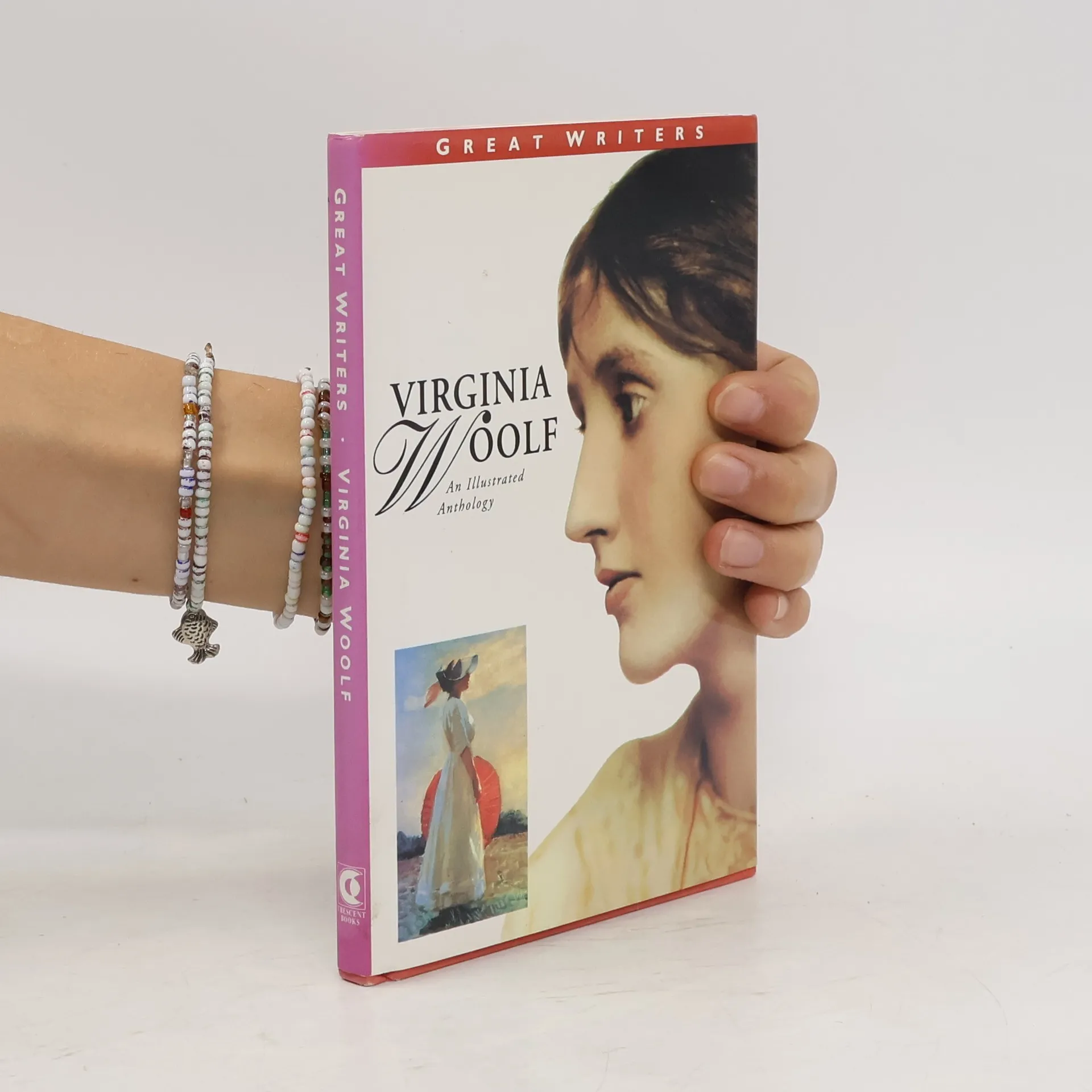
Contains excerpts from the twentieth-century feminist author's novels, letters, and diaries, with descriptive accounts and criticism by her family, friends, and associates.
The second volume covers a crucial period in Woolf's development as a writer. "Her sensibility, her sensitiveness, her humor, her drama... above all her catalytic gifts as a writer seem almost too much for one remarkable woman." Christian Science Monitor
Modelled on her friend Vita Sackville-West's personality, Virginia Woolf tells the story of Orlando, who chooses her own sexual identity as she lives through 3 centuries as both a man and a woman.
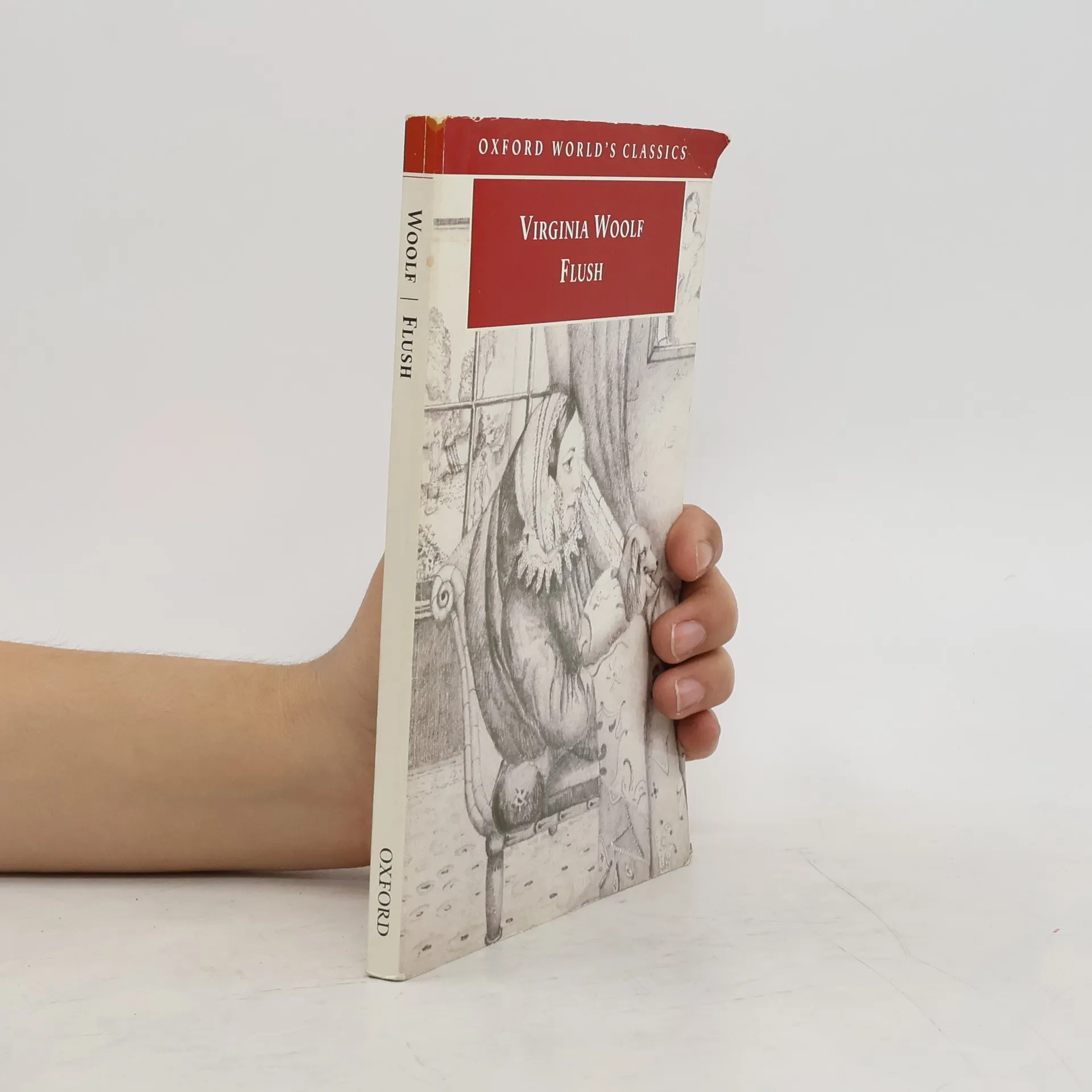
This story of Elizabeth Barrett Browning's cocker spaniel, Flush, enchants right from the opening pages. Although Flush has adventures of his own with bullying dogs, horrid maids, and robbers, he also provides the reader with a glimpse into Browning's life. Introduction by Trekkie Ritchie.
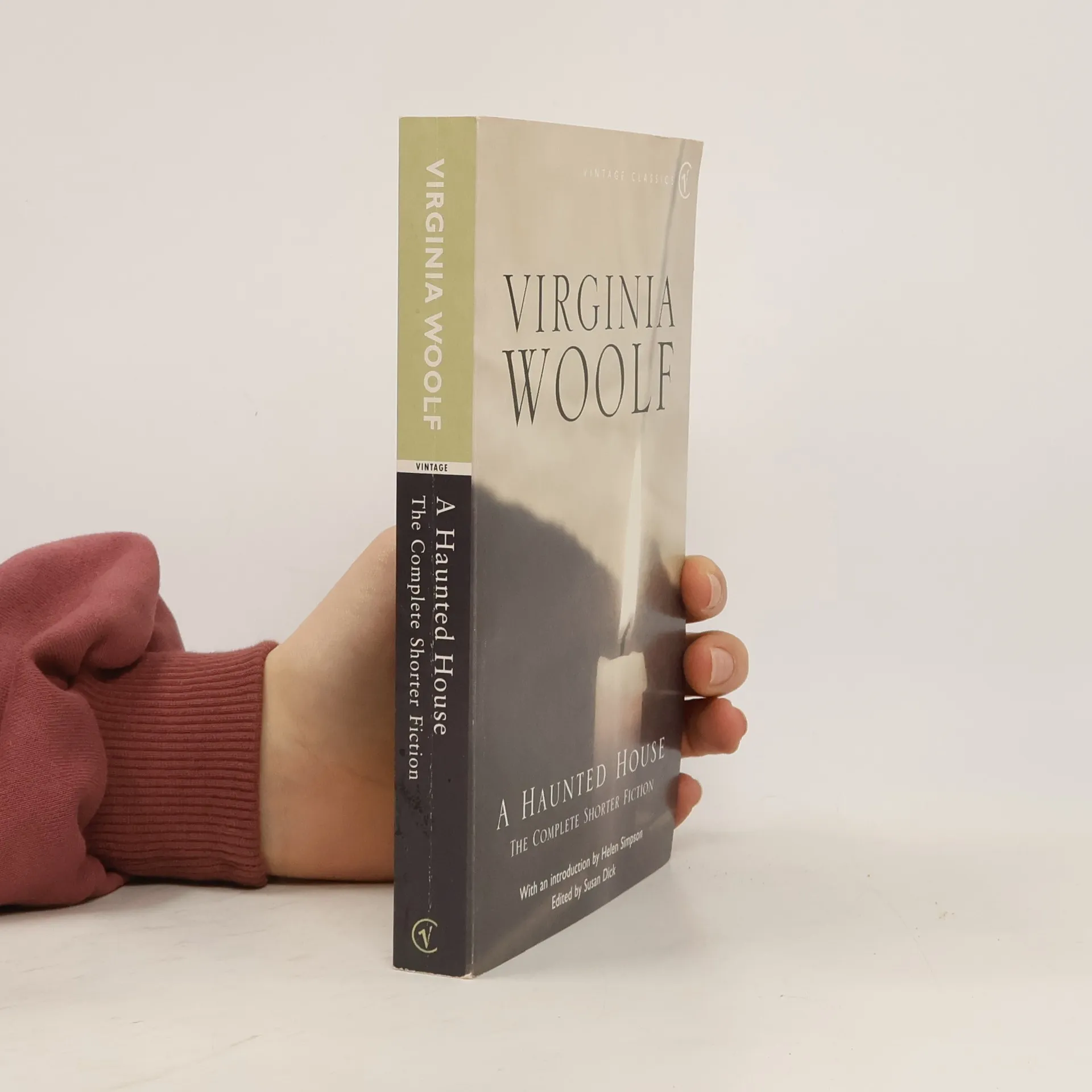
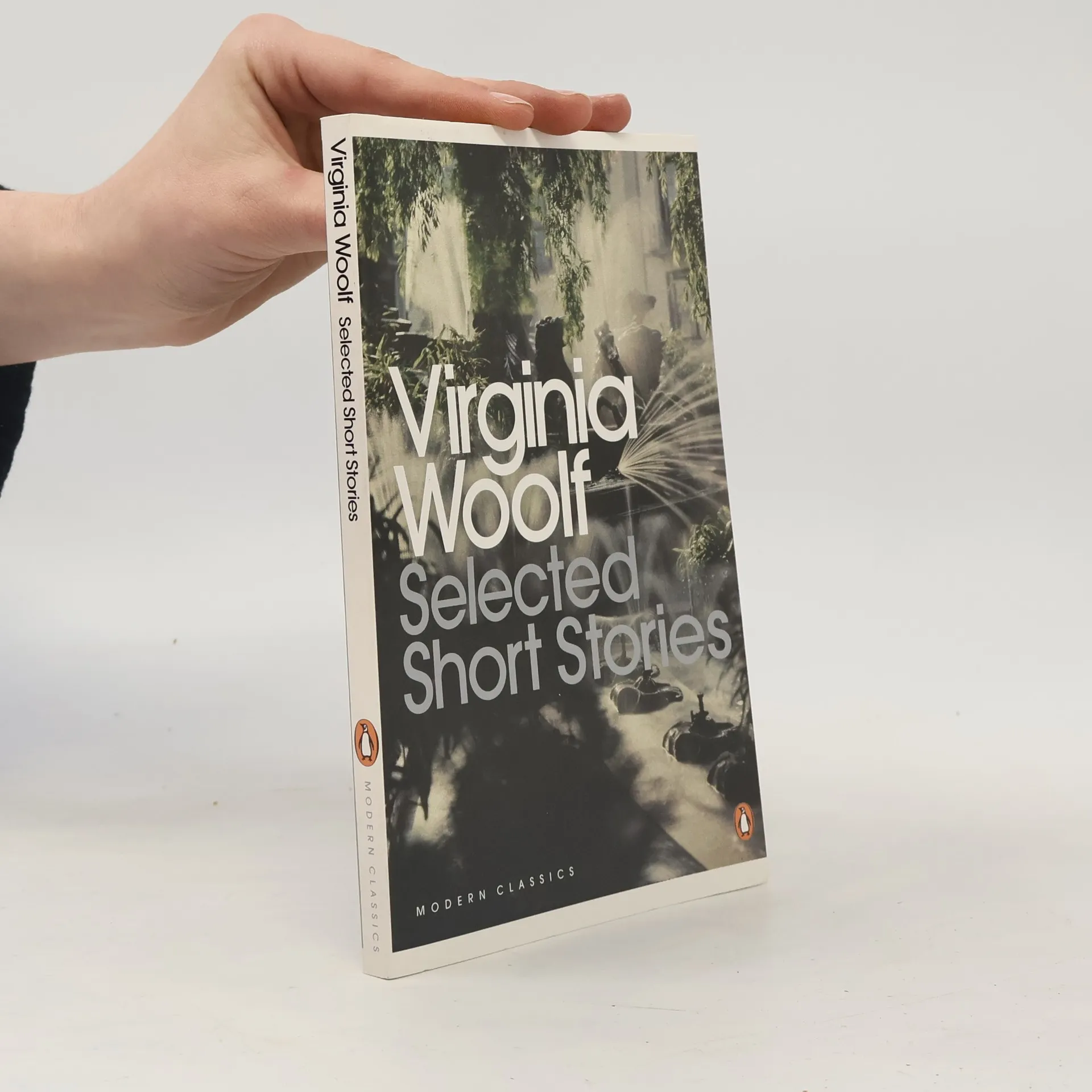
Written between 1906 and 1941 (shortly before her death), this complete collection of Woolf’s shorter fiction offers invaluable insight into her development as a writer, and serves as a fascinating introduction to her novels.
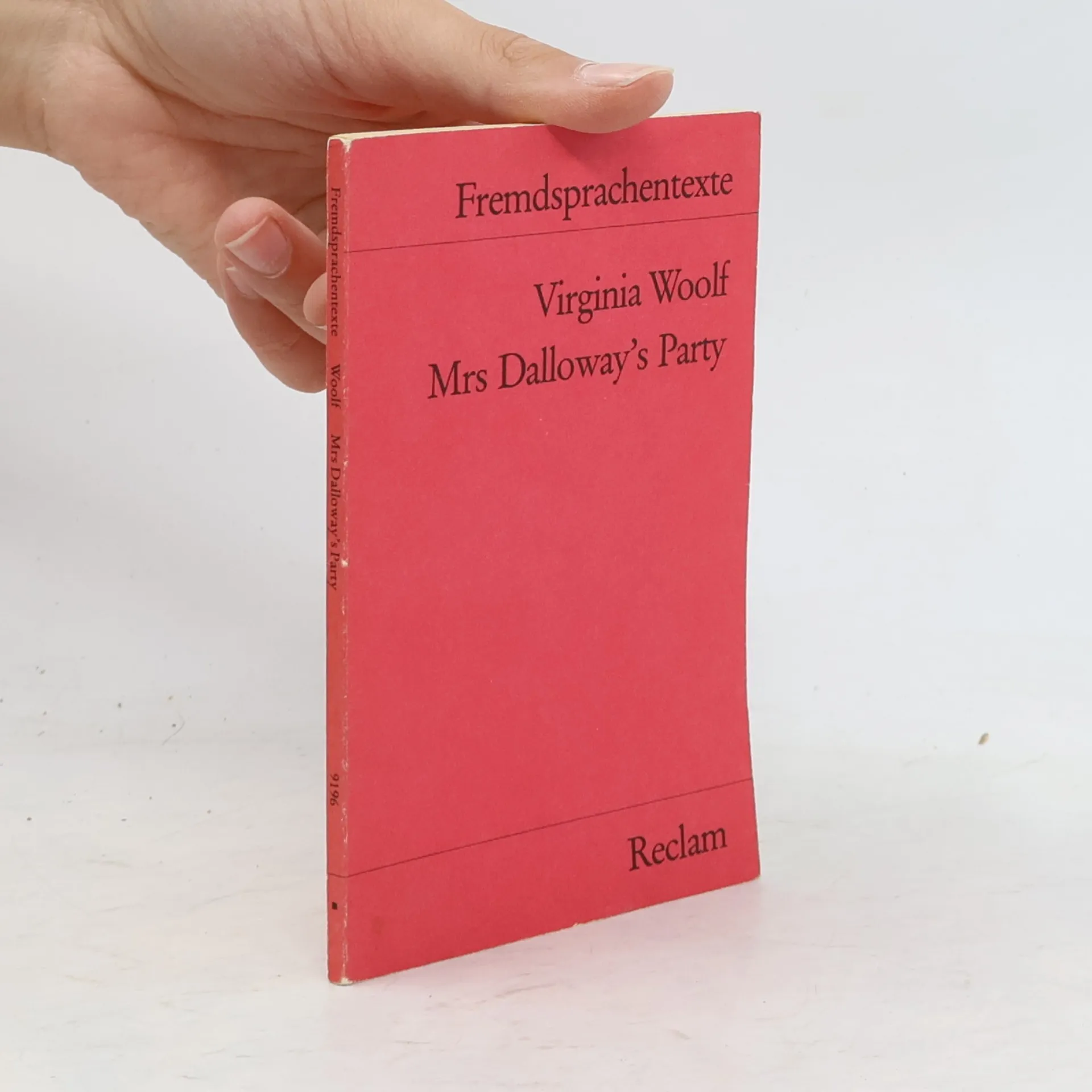
Virginia Woolf ist – neben James Joyce und Katherine Mansfield – die eigentliche Begründerin und erste Vertreterin der Moderne in der Kurzgeschichte Englands. Die hier versammelten Geschichten stammen aus dem Umkreis ihres Romans »Mrs Dalloway« und waren zum Teil ursprünglich als eigene Romankapitel gedacht oder bilden eine Art Epilog dazu. Mrs Dalloway in Bond Street - The Man Who Loved His Kind - The Introduction - Ancestors - Together and Apart - The New Dress - A Summing Up Texte in der Originalsprache, mit Übersetzungen schwieriger Wörter am Fuß jeder Seite, Nachwort und Literaturhinweisen.
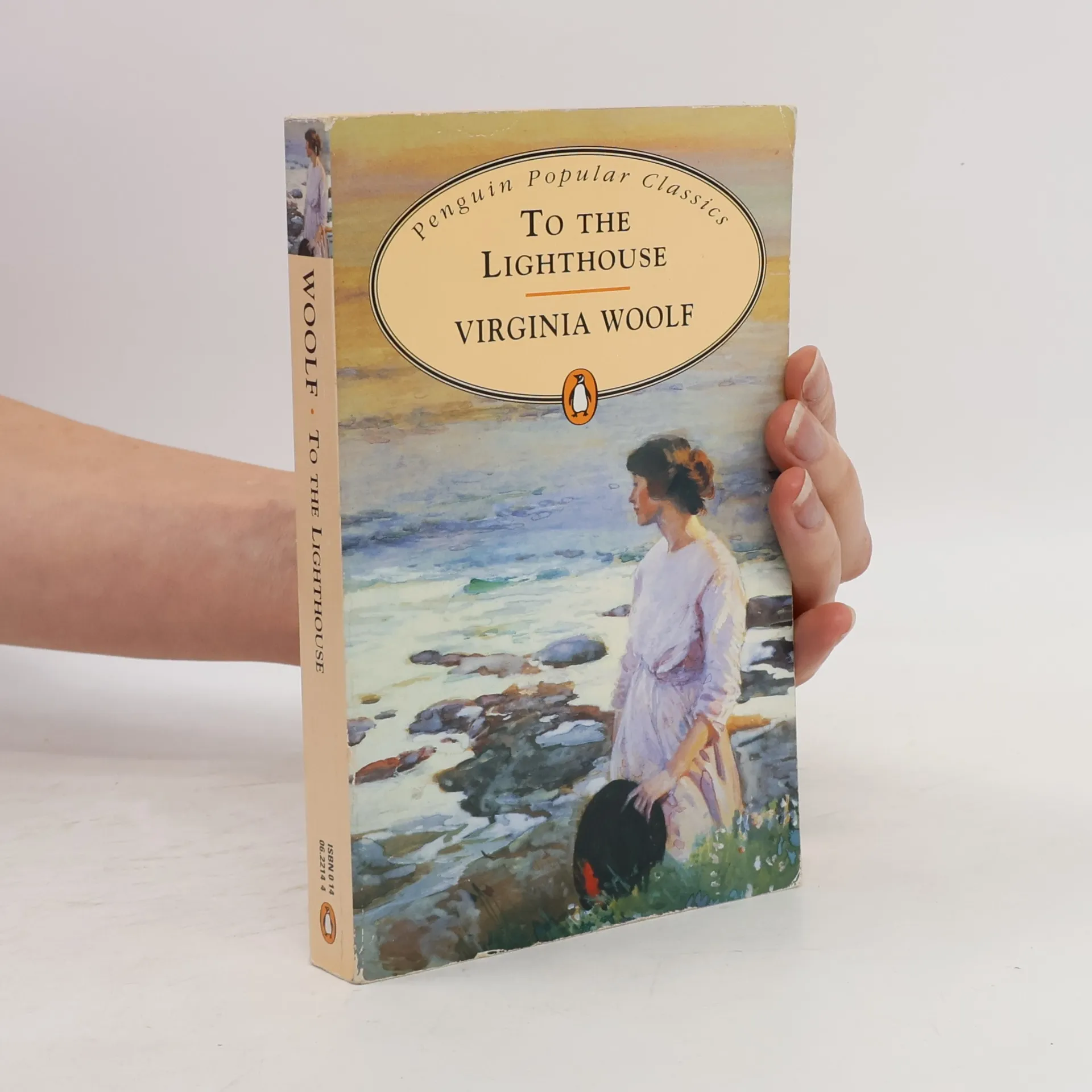
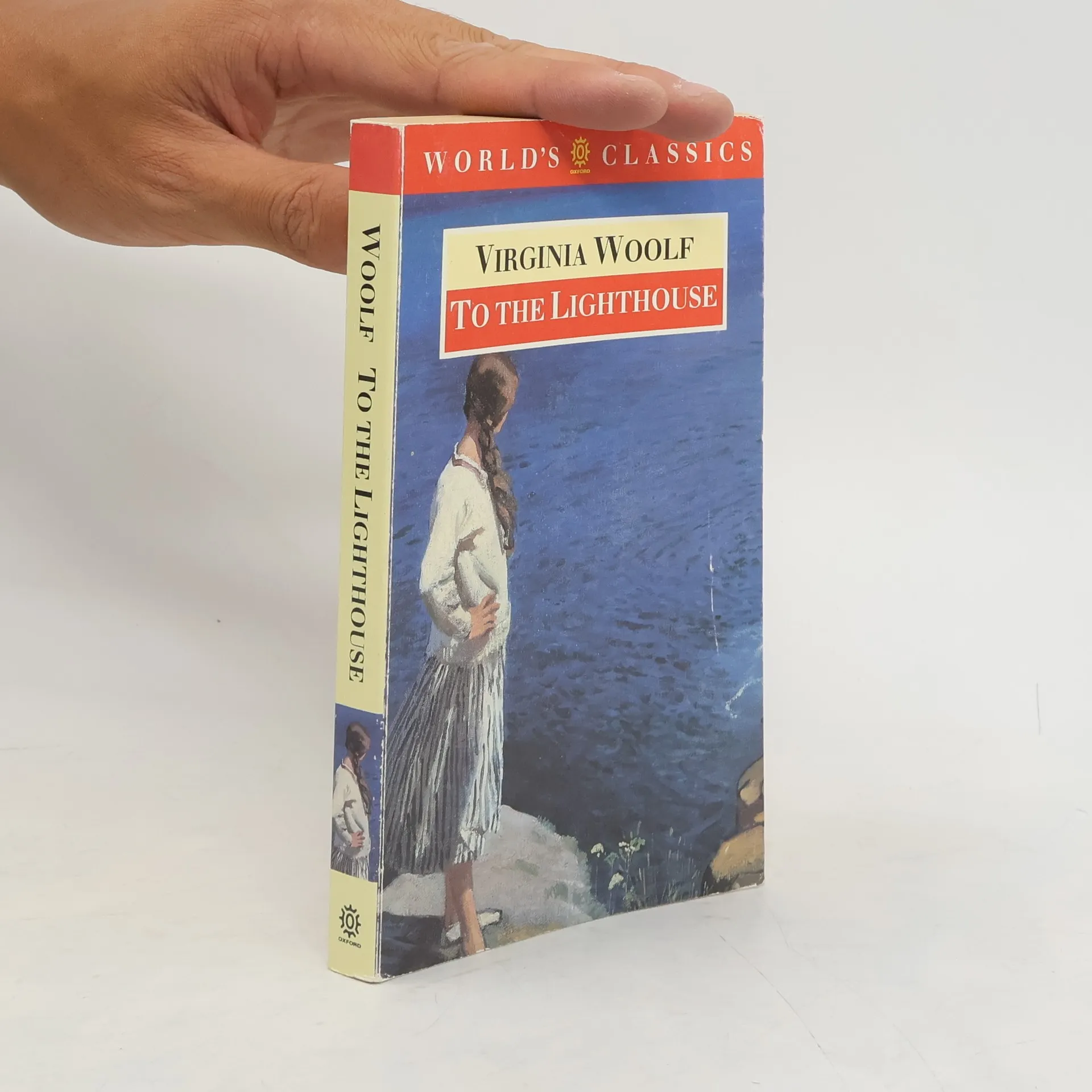
This is the story of the Ramsays, based on Virginia Woolf's own family. Written in the stream-of-consciousness style, the book examines family relationships, the traditional roles of the sexes, the tensions and love between husband and wife and the resentment children can feel for their parents.
Society hostess, Clarissa Dalloway is giving a party. Her thoughts and sensations on that one day, and the interior monologues of others whose lives are interwoven with hers gradually reveal the characters of the central protagonists. Clarissa's life is touched by tragedy as the events in her day run parallel to those of Septimus Warren Smith.
The fifteen stories in this volume include the only collection of short fiction Woolf published in her lifetime, the eight stories published as 'Monday and Tuesday', together with seven later stories. Without these bold and experimental forays into the short story she would never have become the great modernist novelist. Essential to her development as a novelist, these stories are among the most interesting and accomplished fictions she wrote.
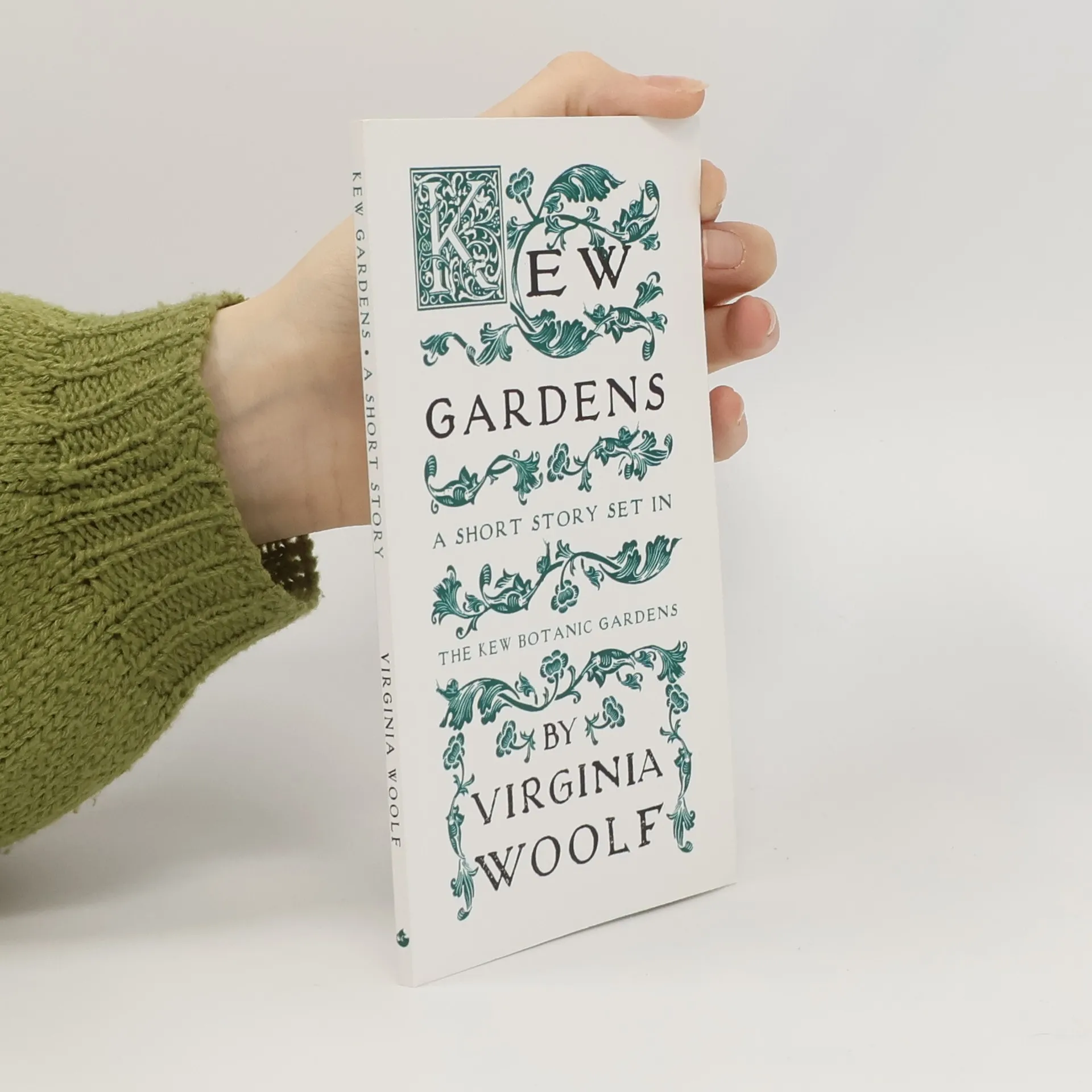
First published in 1921 as part of her ground-breaking short-story collection
Monday or Tuesday, Kew Gardens follows the thoughts of a set of characters
walking past a flower bed in the royal botanic garden on a hot July day.
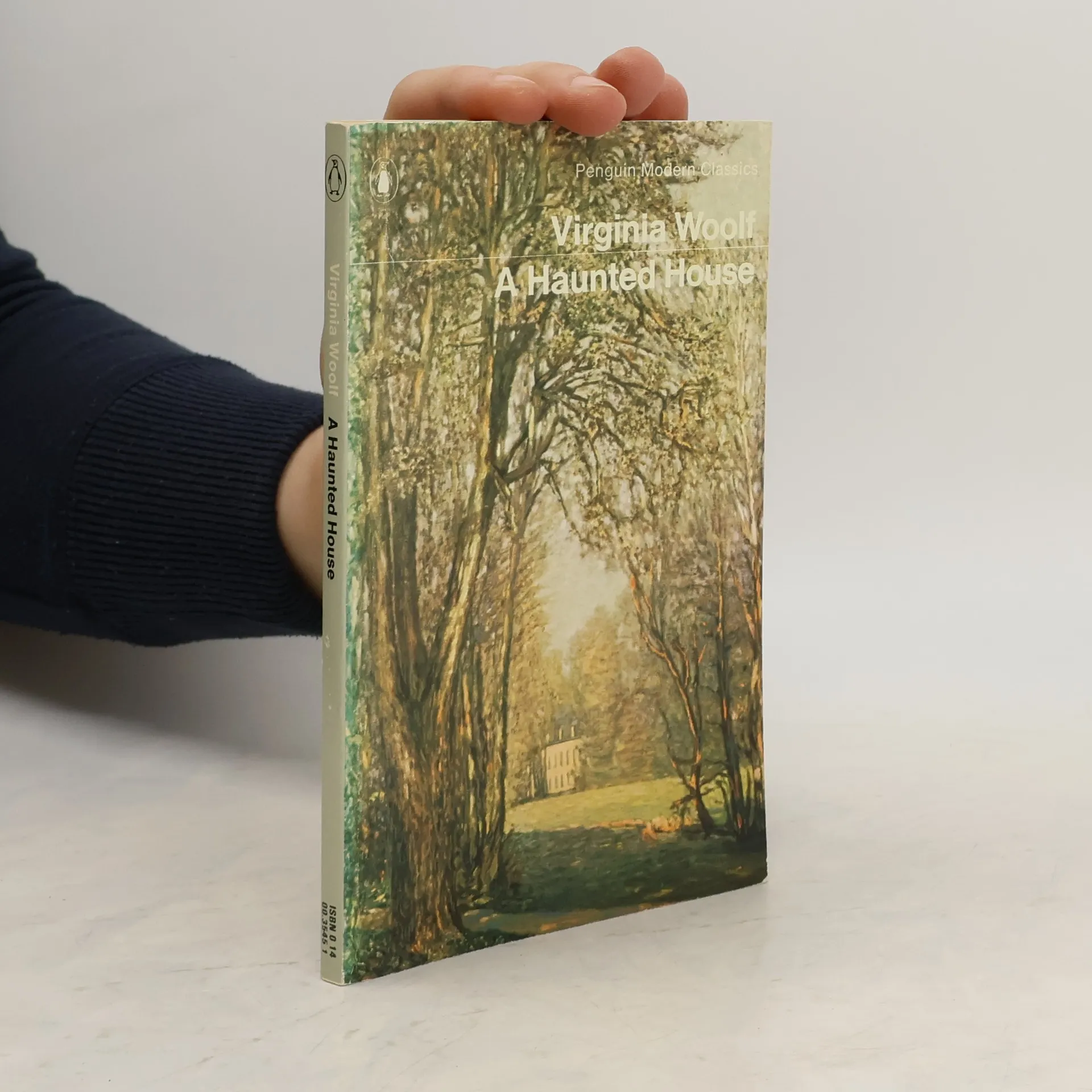
The stories found in A Haunted House reflect Virginia Woolf's experimental writing style and act as an enlightening introduction to the longer fiction of this pioneer novelist. Gathering works from the previously published Monday or Tuesday, as well as stories published in American and British magazines, this book compiles some of the best shorter fiction of one of the most important writers of our time.
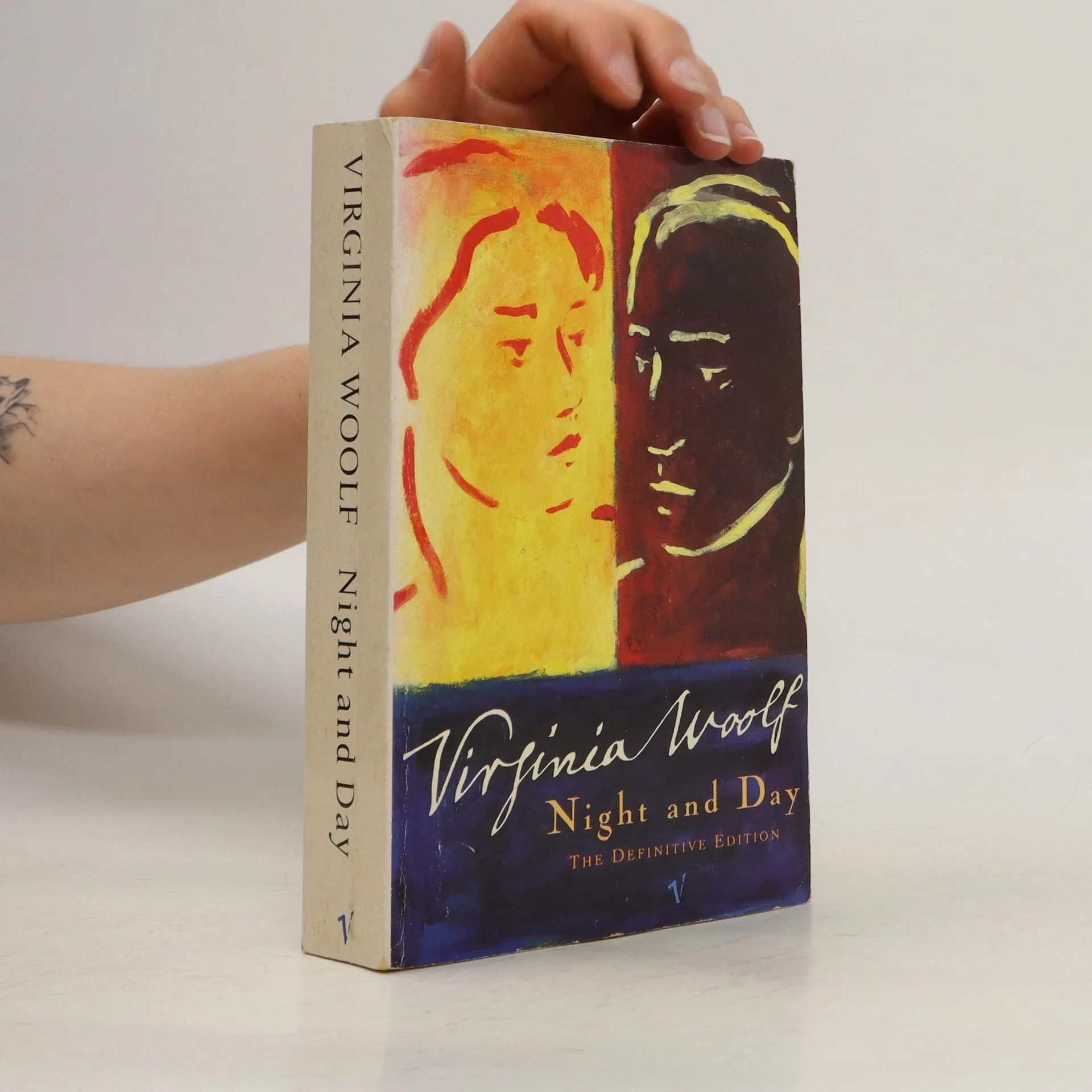
Night and Day, Virginia Woolf's second novel, portrays the author's sister Vanessa in the character of Katharine Hilbery, the gifted daughter of a distinguished literary family who is trapped in a stifling environment and unable to express herself.
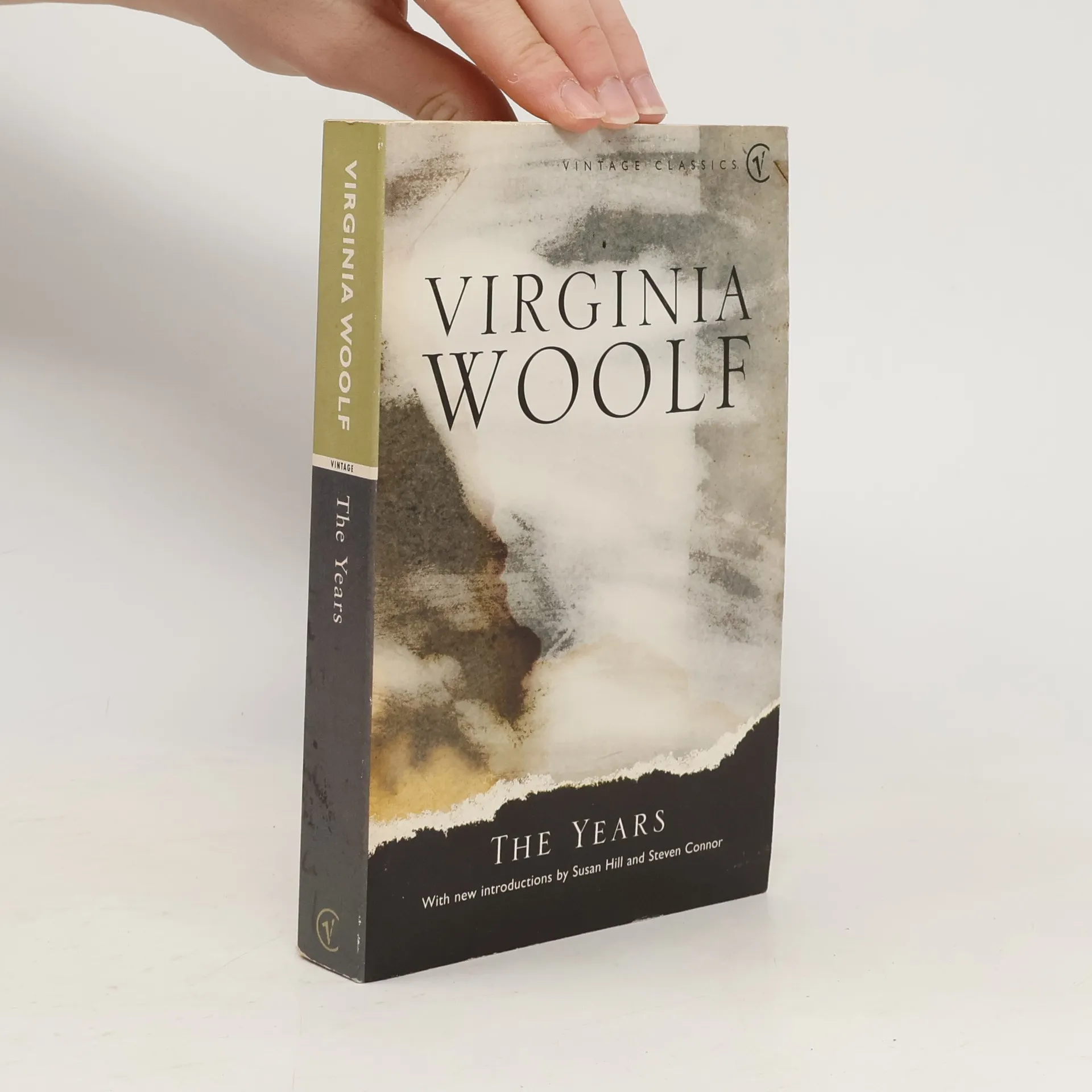
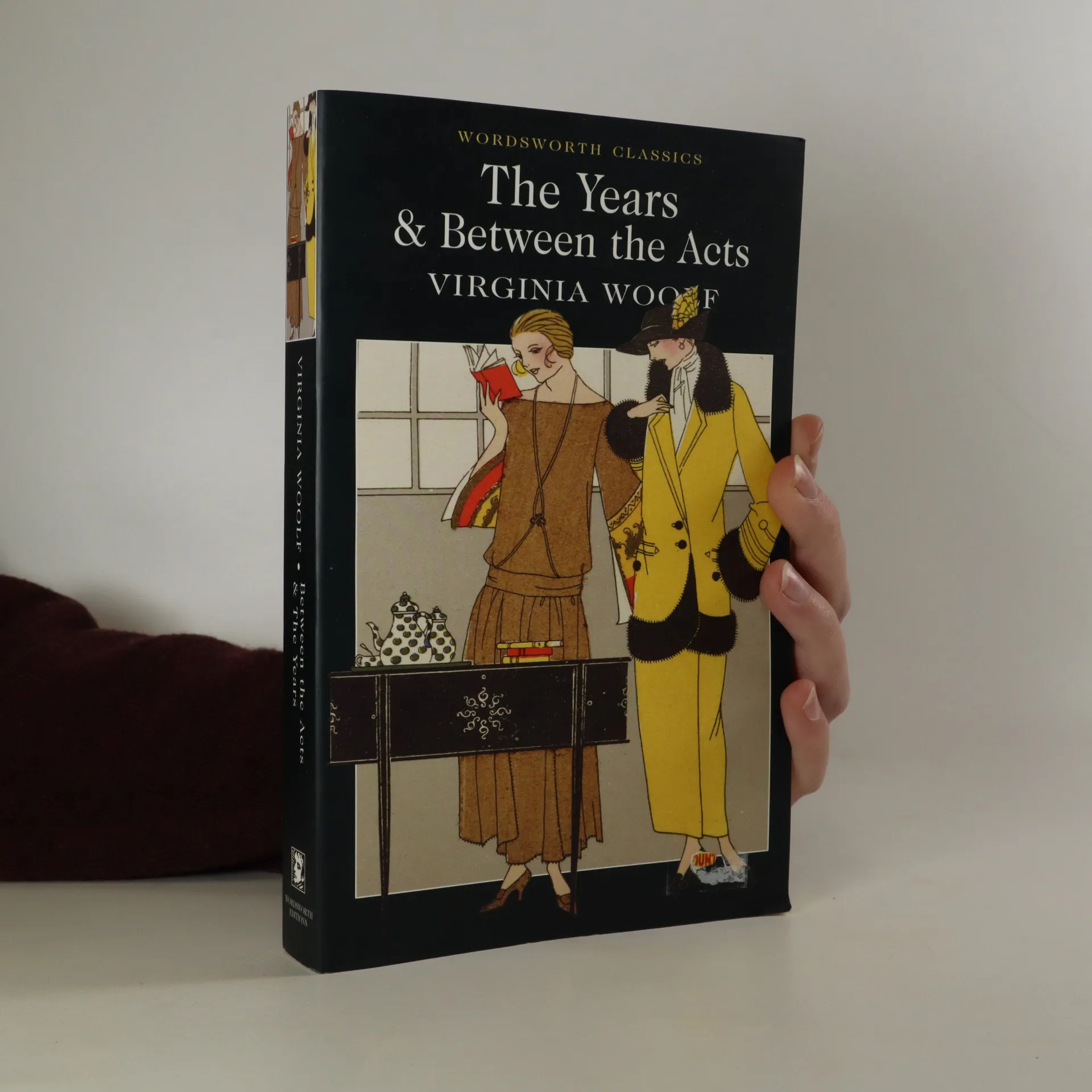
WITH INTRODUCTIONS BY SUSAN HILL AND STEVEN CONNOR The Years follows the lives of the Pargiters, a large middle-class London family, from an uncertain spring in 1880 to a party on a summer evening in the 1930s. We see them each endure and remember heart-break, loss, radical change and stifling conformity, marriage and regret. Written in 1937, this was the most popular of Virginia Woolf's novels during her lifetime, and is a powerful indictment of 'Victorianism' and its values.
Virginia Woolf tested the boundaries of fiction in these short stories, developing a new language of sensation, feeling and thought, and recreating in words the 'swarm and confusion of life'. Defying categorization, the stories range from the more traditional narrative style of Solid Objects through the fragile impressionism of Kew Gardens to the abstract exploration of consciousness in The Mark on the Wall.
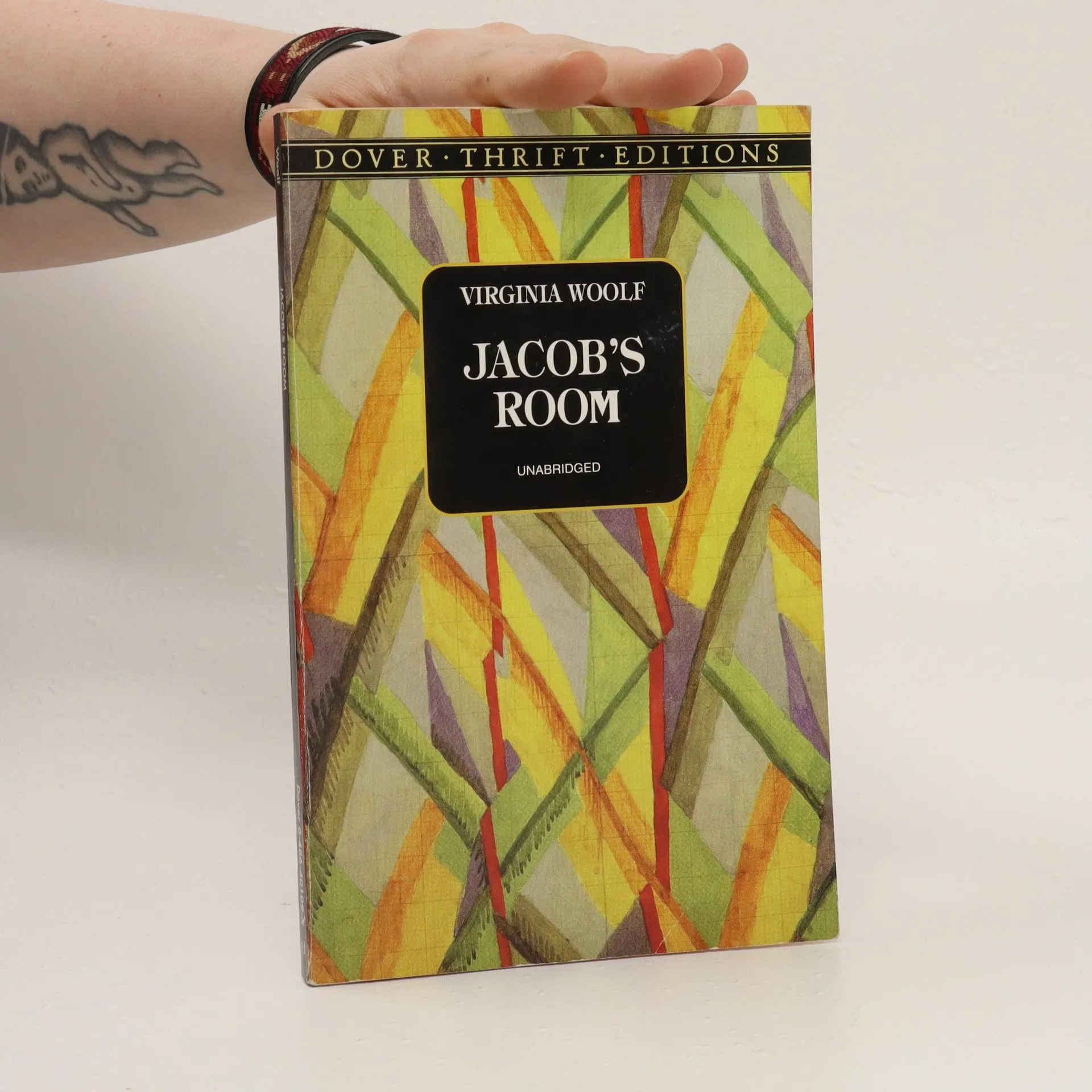
The tale of Jacob Flanders, a lonely young man unable to reconcile his love of classical culture with the chaotic reality of World War I society, unfolds in a series of brief impressions and conversations, internal monologues, and letters. A sensitive examination of character development and the meaning of life.
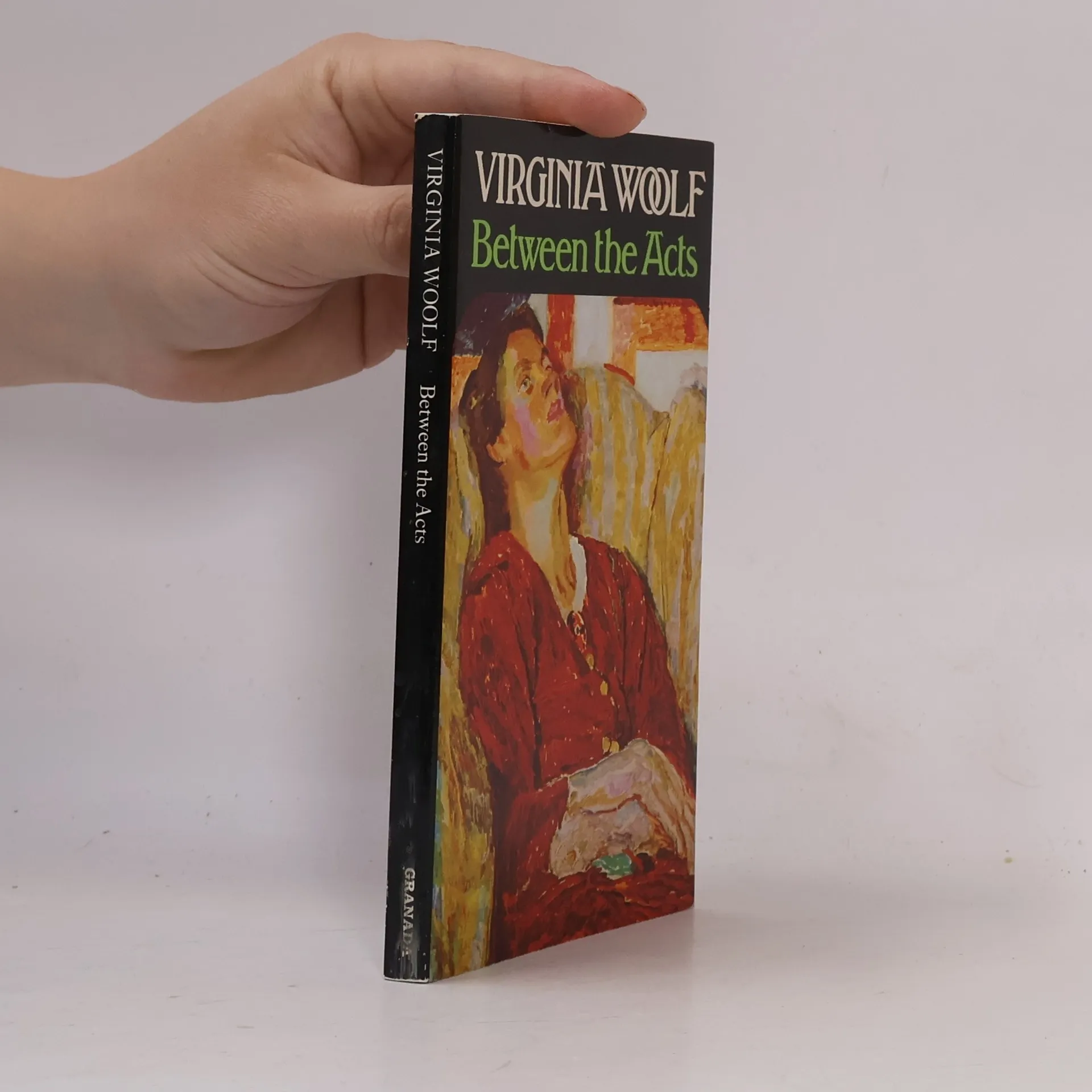
"Virginia Woolf's extraordinary last novel, Between the Acts, was published in July 1941. In the weeks before she died in March that year, Woolf wrote that she planned to continue revising the book and that it was not ready for publication. Her husband prepared the work for publication after her death, and his revisions have become part of the text now widely read by students and scholars. Unlike most previous editions, the Cambridge edition returns to the final version of the novel as Woolf left it, examining the stages of composition and publication. Using the final typescript as a guide, this edition fully collates all variants and thus accounts for all the editorial decisions made by Leonard Woolf for the first published edition. With detailed explanatory notes, a chronology and an informative critical introduction, this volume will allow scholars to develop a fuller understanding of Woolf's last work"--
Disorientation and distraction are central themes in this analysis of Virginia Woolf's short story, which reflects her quest for genuine representation in writing. The ambiguous title suggests uncertainty, mirroring the narrator's confusion about the day of the week. Woolf explores how mundane experiences can both distract from and represent deeper truths, emphasizing the complexity of capturing reality through words. The narrative challenges readers to embrace this ambiguity as part of the human experience.
In Woolf's last novel, the action takes place on one summer's day at a country house in the heart of England, where the villagers are presenting their annual pageant. A lyrical, moving valedictory.
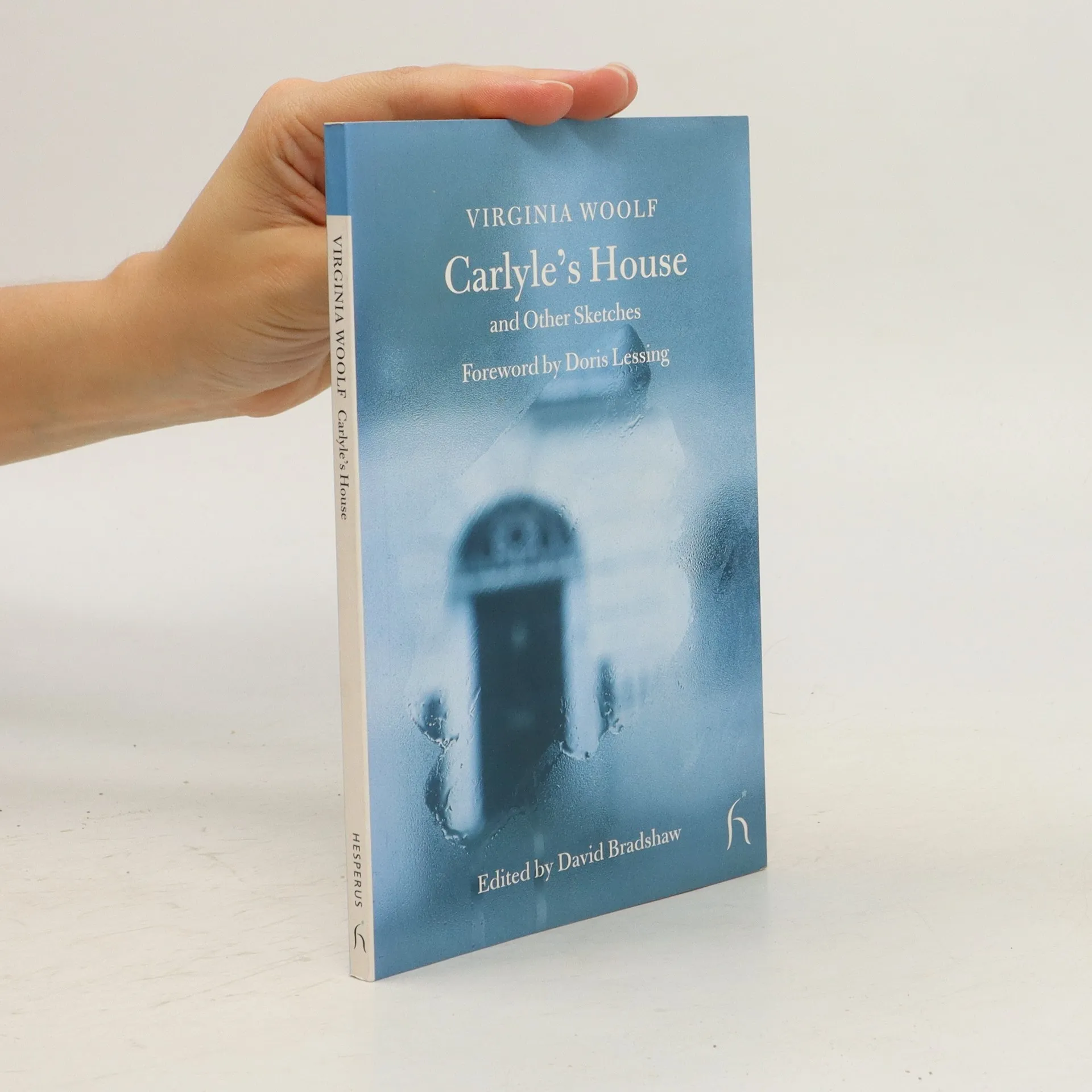
Carlyle’s House and Other Sketches marks the first publication of one of Virginia Woolf’s very earliest notebooks. Recently unearthed from a collection of private papers, it contains a series of six striking and semi–autobiographical sketches, each transcribed and edited by Dr. David Bradshaw. From the cold formality of London town–houses with their rows of austere portraits, to the dull chaos of the academic’s abode, and the eccentric spinster’s Hampstead home, Virginia Woolf paints a series of portraits of everyday life, capturing character and setting in exquisite detail. Experimental in style, and heralding the later masterpieces Mrs Dalloway and To the Lighthouse, this early notebook is quintessential Woolf.
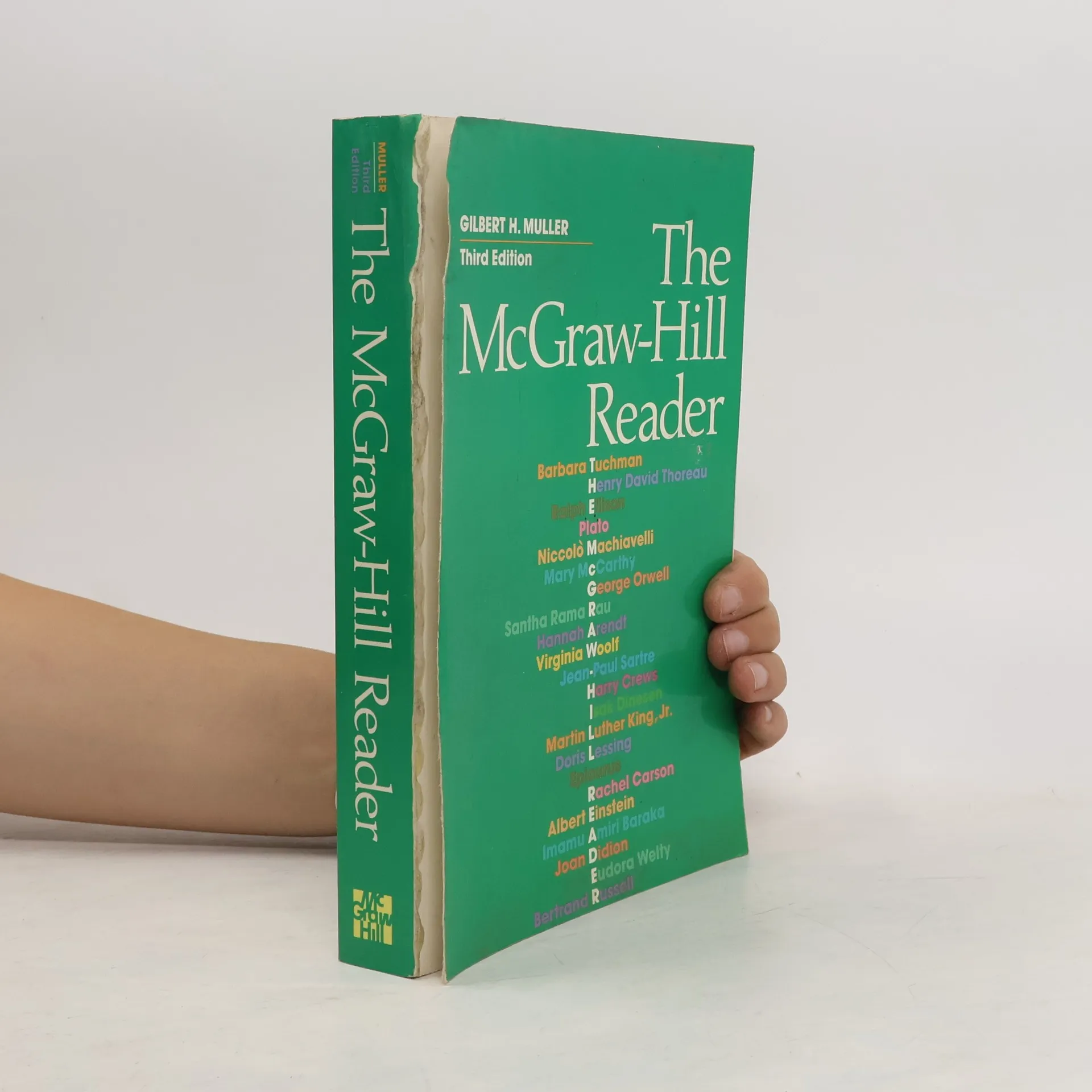
Approaching a liberal arts tradition in the classroom, across the curriculum, and beyond, The McGraw-Hill Reader offers rich and diverse readings in education, the social sciences, business and economics, the humanities, and the sciences. This new eleventh edition offers a new focus on reading and composing across various media; it includes over 100 selections from prominent thinkers and writers; each essay was chosen to provoke critical thought and encourage effective writing.
"To the Lighthouse features the serene and maternal Mrs. Ramsay, the tragic yet absurd Mr. Ramsay, and their children and assorted guests who are on holiday on the Isle of Skye. From the seemingly trivial postponement of a visit to a nearby lighthouse, Virginia Woolf constructs a moving examination of the complex tensions and allegiances of family life and the conflicts within a marriage."--BOOK JACKET.