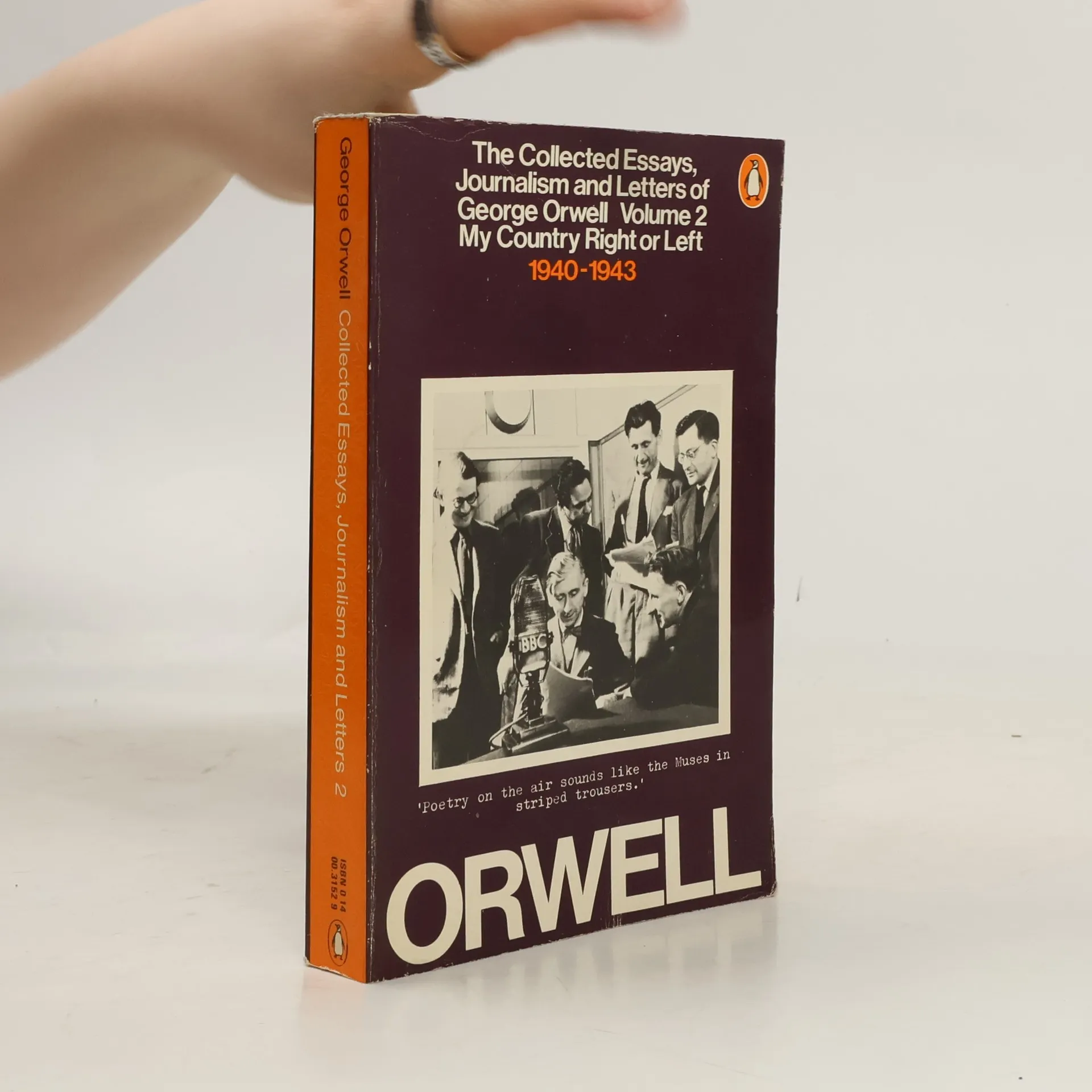
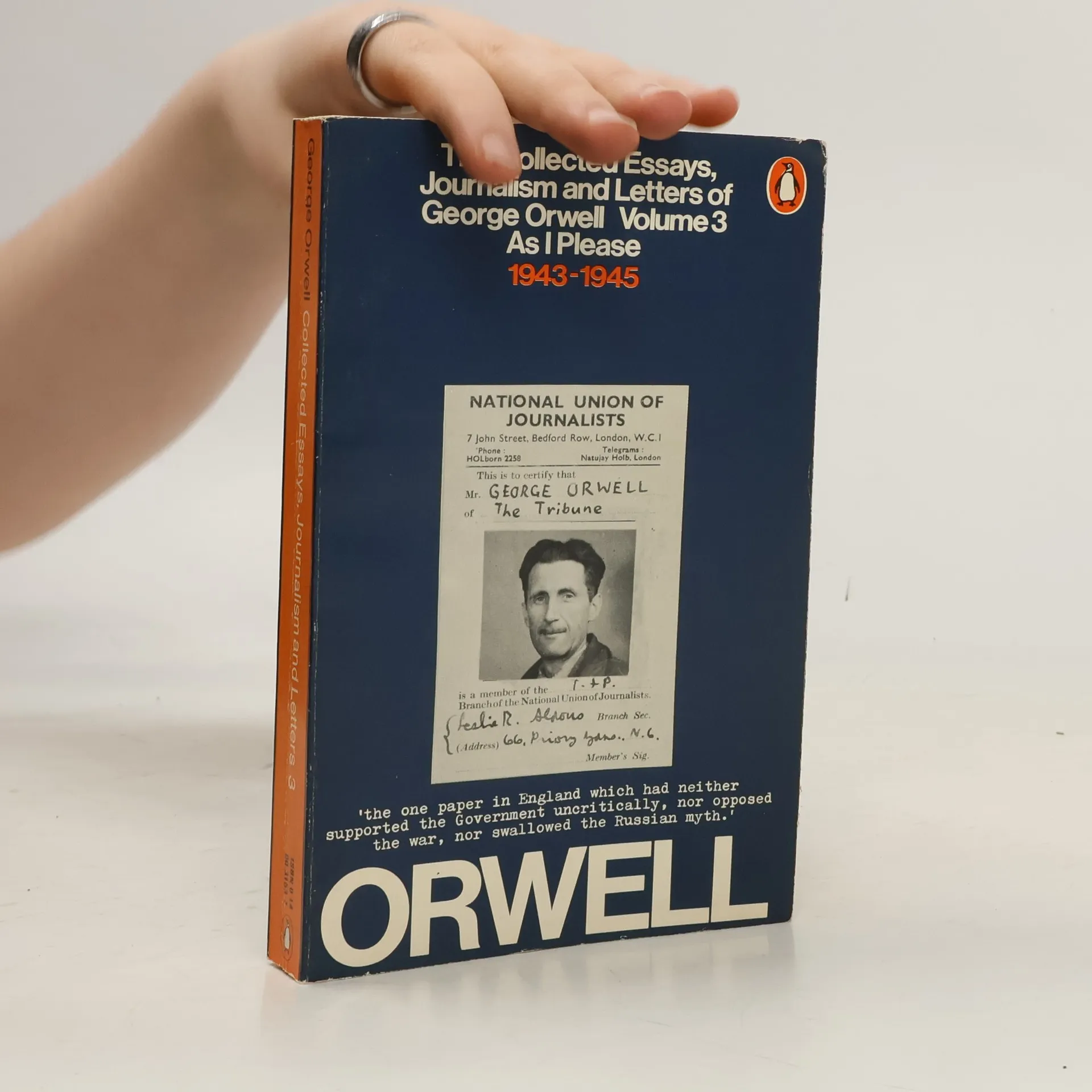
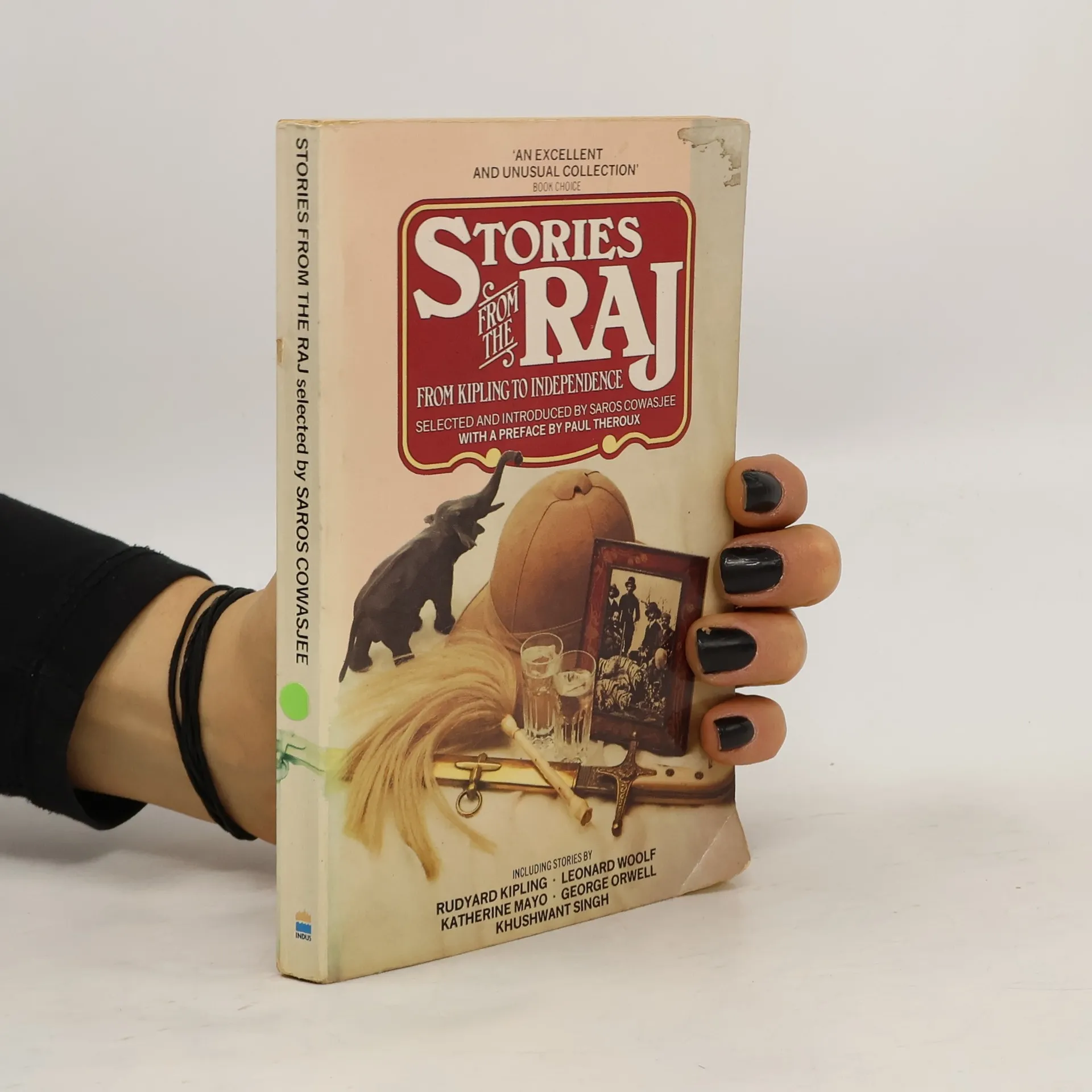
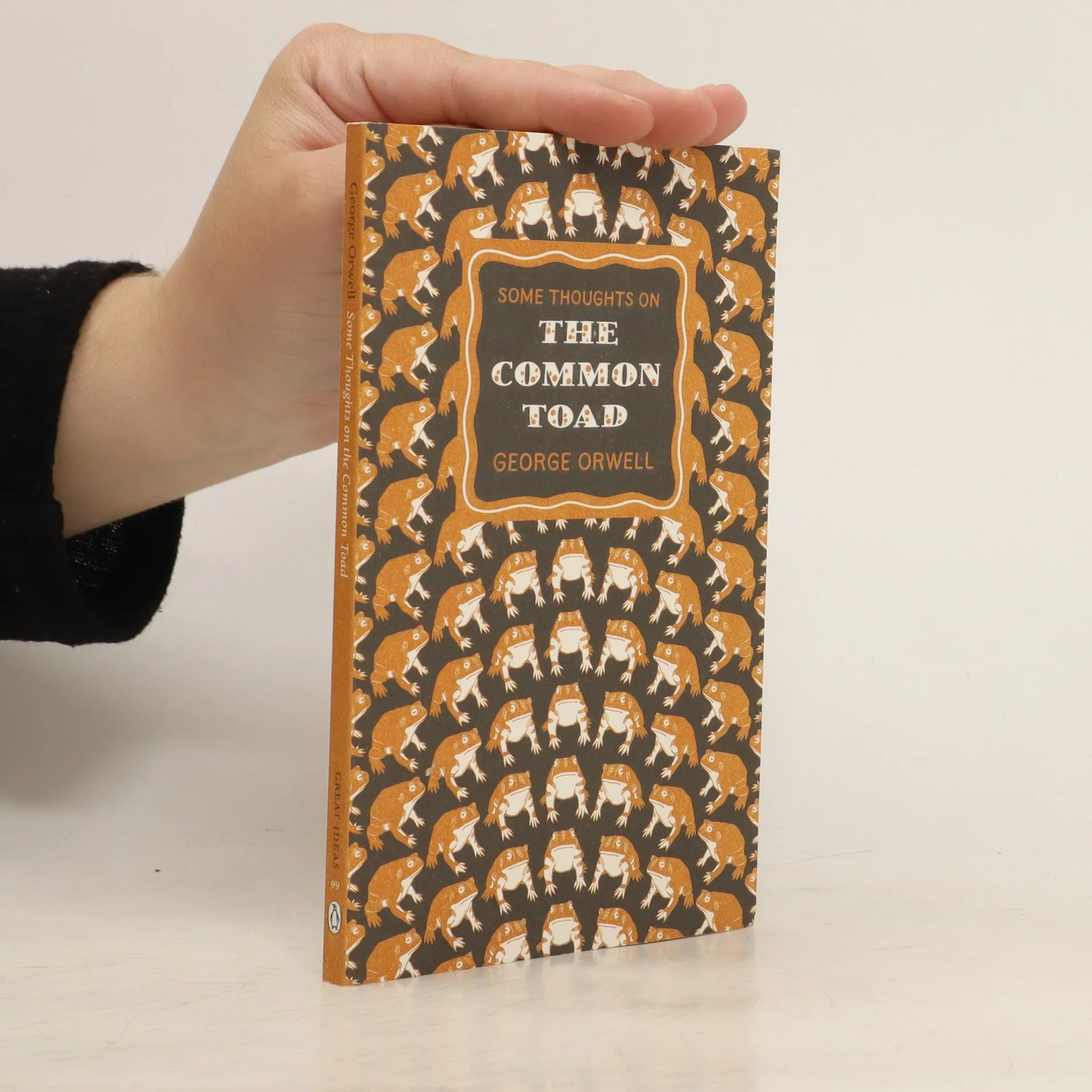
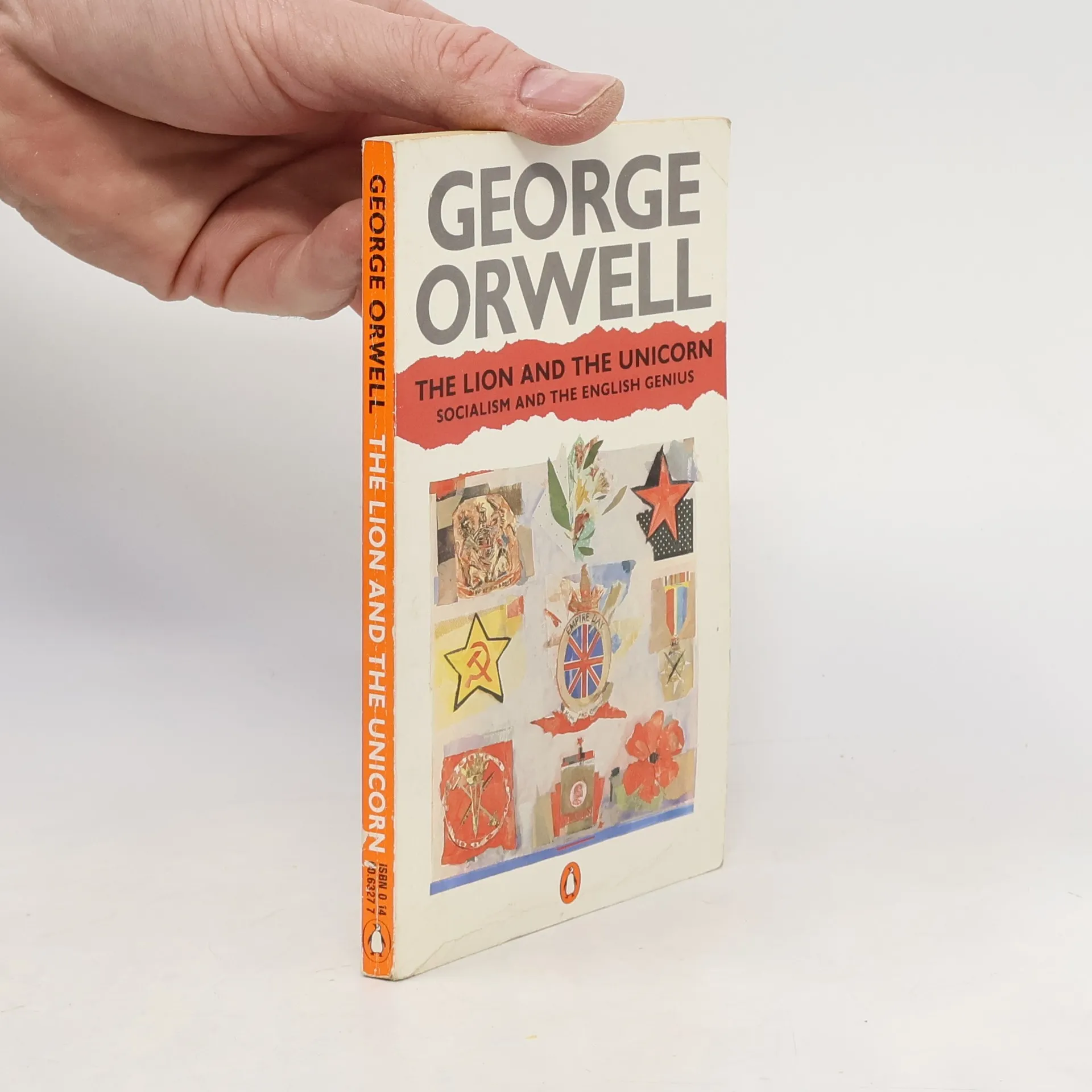
This author is celebrated for his keen intelligence and wit, a profound awareness of social injustice, and an intense opposition to totalitarianism. His work is characterized by a passion for clarity in language and a belief in democratic socialism. Experiences as a police officer in Burma and combat in the Spanish Civil War profoundly shaped his worldview. He is considered one of the foremost chroniclers of English culture in the twentieth century, with an enduring influence on contemporary language and society.
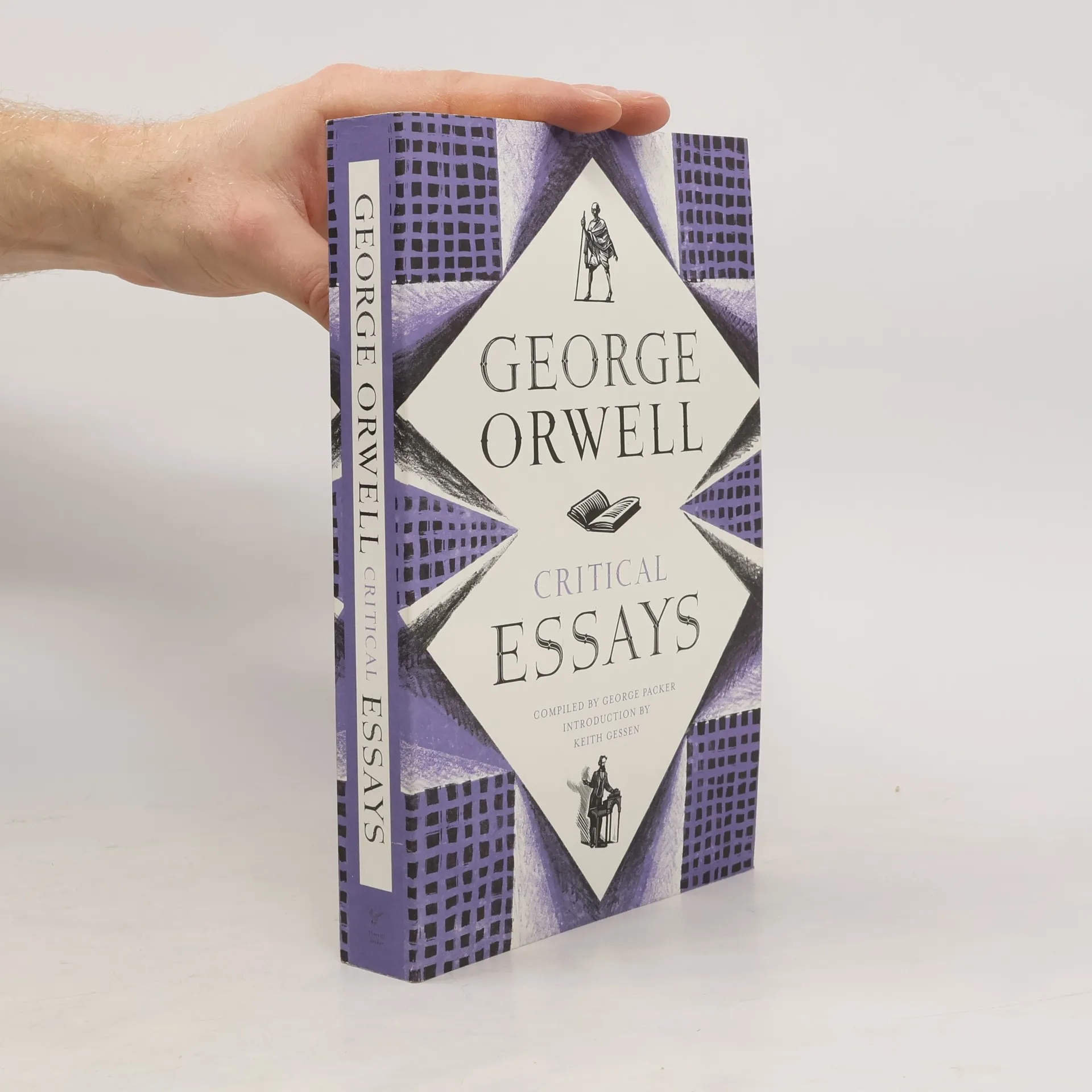
This hardcover edition features a rich selection of George Orwell's literary and political essays, showcasing his impactful writing on social justice, freedom, and truth. Celebrating his centenary, the collection includes over 240 essays, such as "My Country Right or Left" and "Shooting an Elephant," highlighting his enduring relevance.
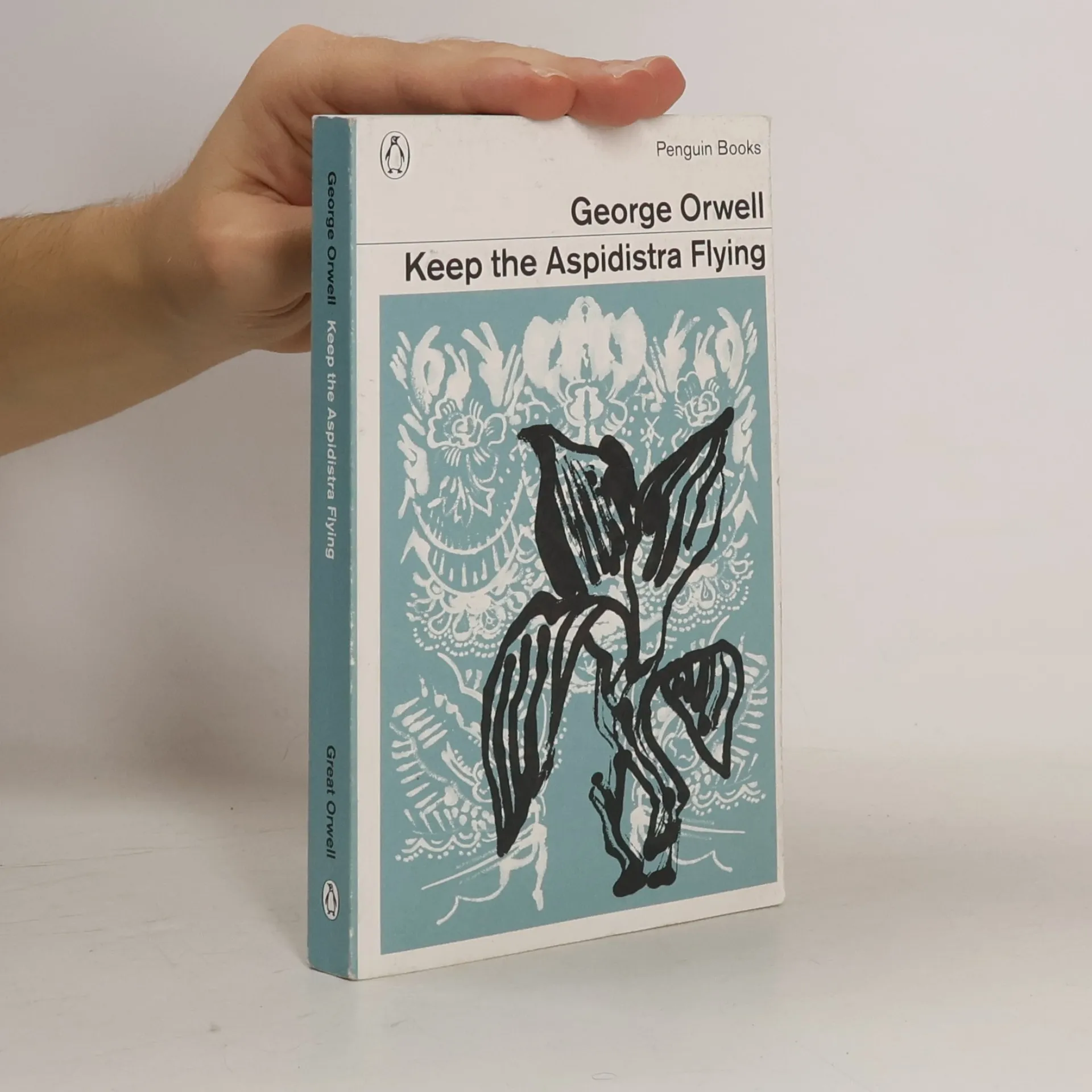
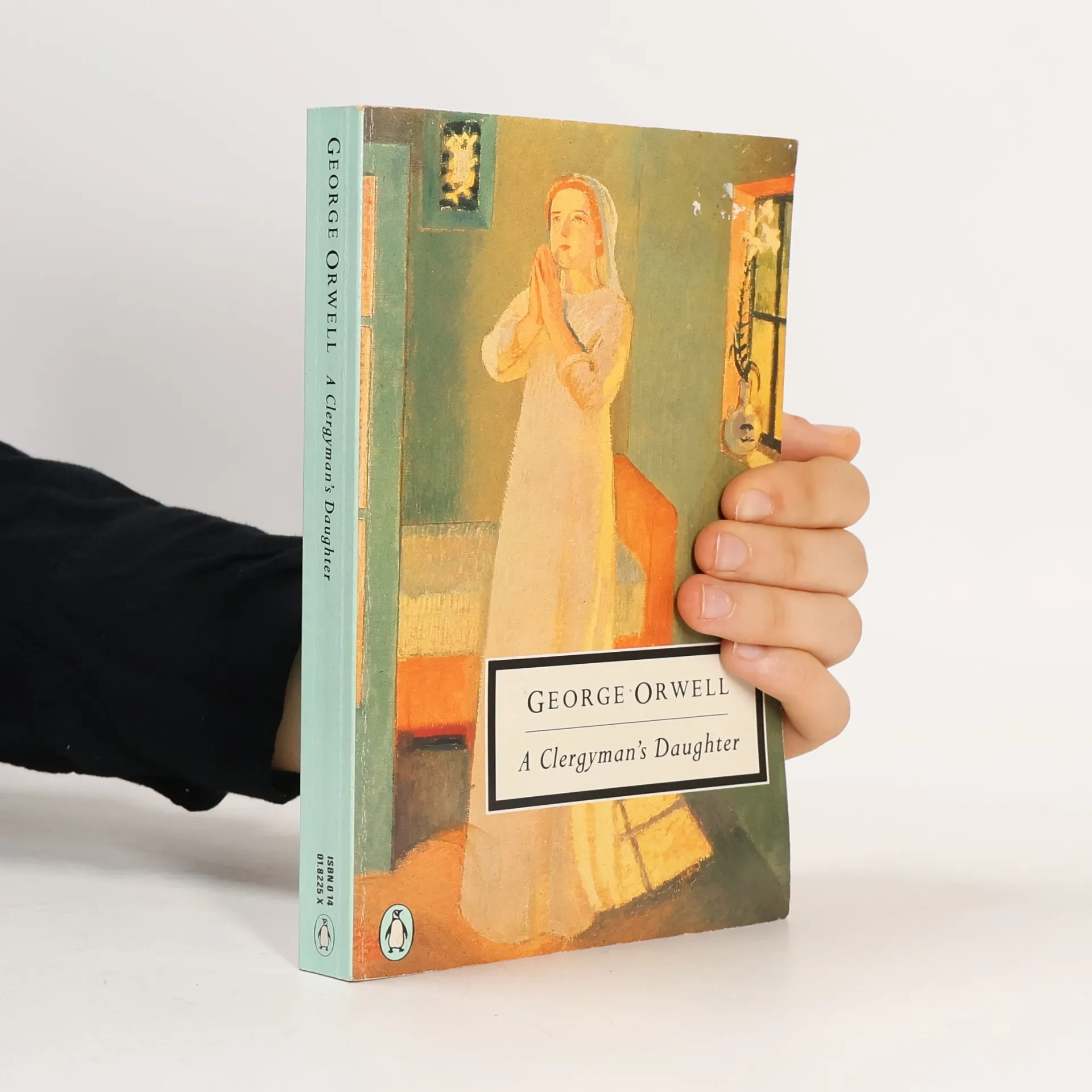
Described by Anthony Burgess as 'the best-loved of all twentieth-century British writers', George Orwell still has as much power to move, amuse and provoke today. His best known novels, Animal Farm and Nineteen Eighty-Four, are two of the most famous, well-quoted and influential political satires ever written. The other novels here are also concerned with individuals at odds with repressive institutions: the corrupt imperialism of Burmese Days, disaffection with materialistic society in Keep the Aspidistra Flying, the perils of modern suburban living in Coming up for Air and the down and out girl in A Clergyman's Daughter. They all display Orwell's deep understanding of human nature, his biting humour and great compassion.
Featuring the column Orwell wrote for the Socialist weekly Tribune, As I Please also includes Orwell's spirited defense of English cooking, notes on the perfect cup of tea, and accounts of the difficulties with - and ultimate success of - Animal Farm.
This selection of George Orwell's writings is intended mainly for sixth forms, adult classes and training college students. It includes the essays Shooting an Elephant, Down the Mine, Marrakech, Why I Write and Boys' Weeklies.
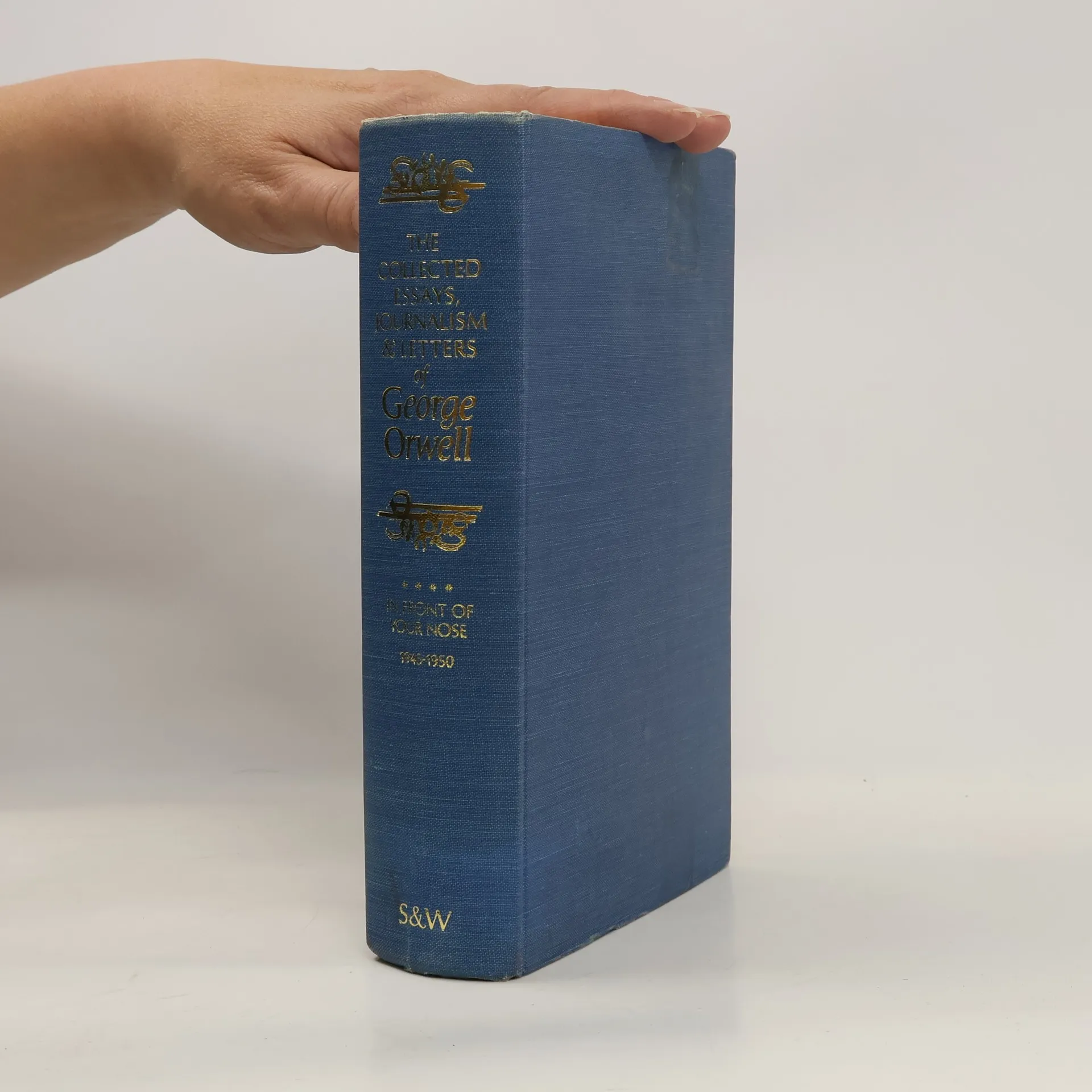
The anthology showcases George Orwell's evolution as a writer and thinker, highlighting his profound insights during a tumultuous historical period. It offers a diverse selection of his works, reflecting his commitment to truth and consistency in his topical writings. The introduction by Richard H. Rovere adds depth to the understanding of Orwell's impact and relevance. Alfred Kazin praises it as a magnificent tribute to Orwell's integrity and intellectual clarity.
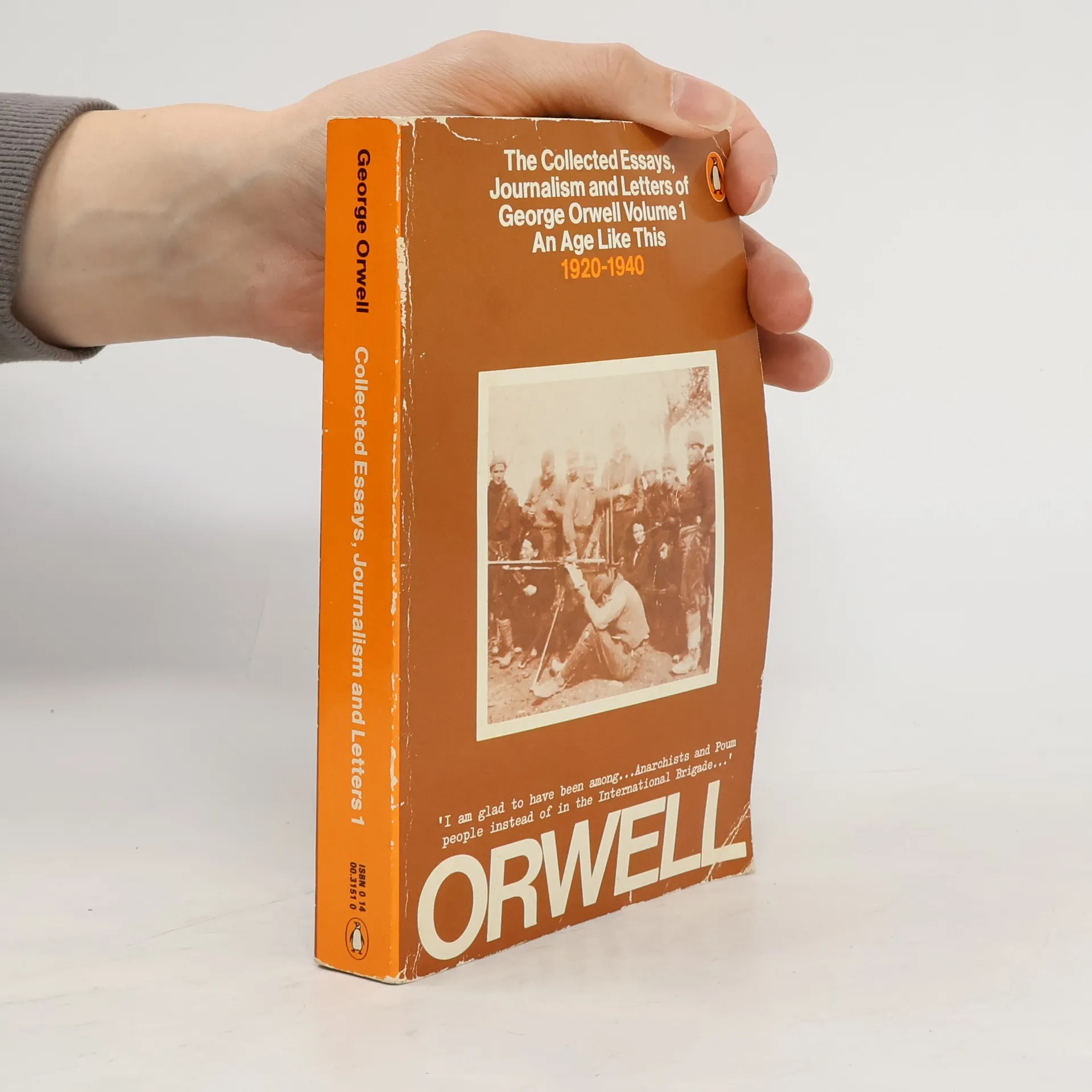
The volume collects together Orwell's writings on his experience of the
Spanish Civil War - the chaos at the Front, the futile young deaths for what
became a confused cause, the antique weapons and the disappointment many
British Socialists felt on arriving in Spain to help. Orwell in Spain also
includes the complete text of the nonfiction masterpiece Homage to Catalonia.
Orwell's classic satire ANIMAL FARM continues to be an international best seller. For the first time ever, ORWELL AND POLITICS brings this major work together with the author's other works exploring the nature of politics and the Second World War.
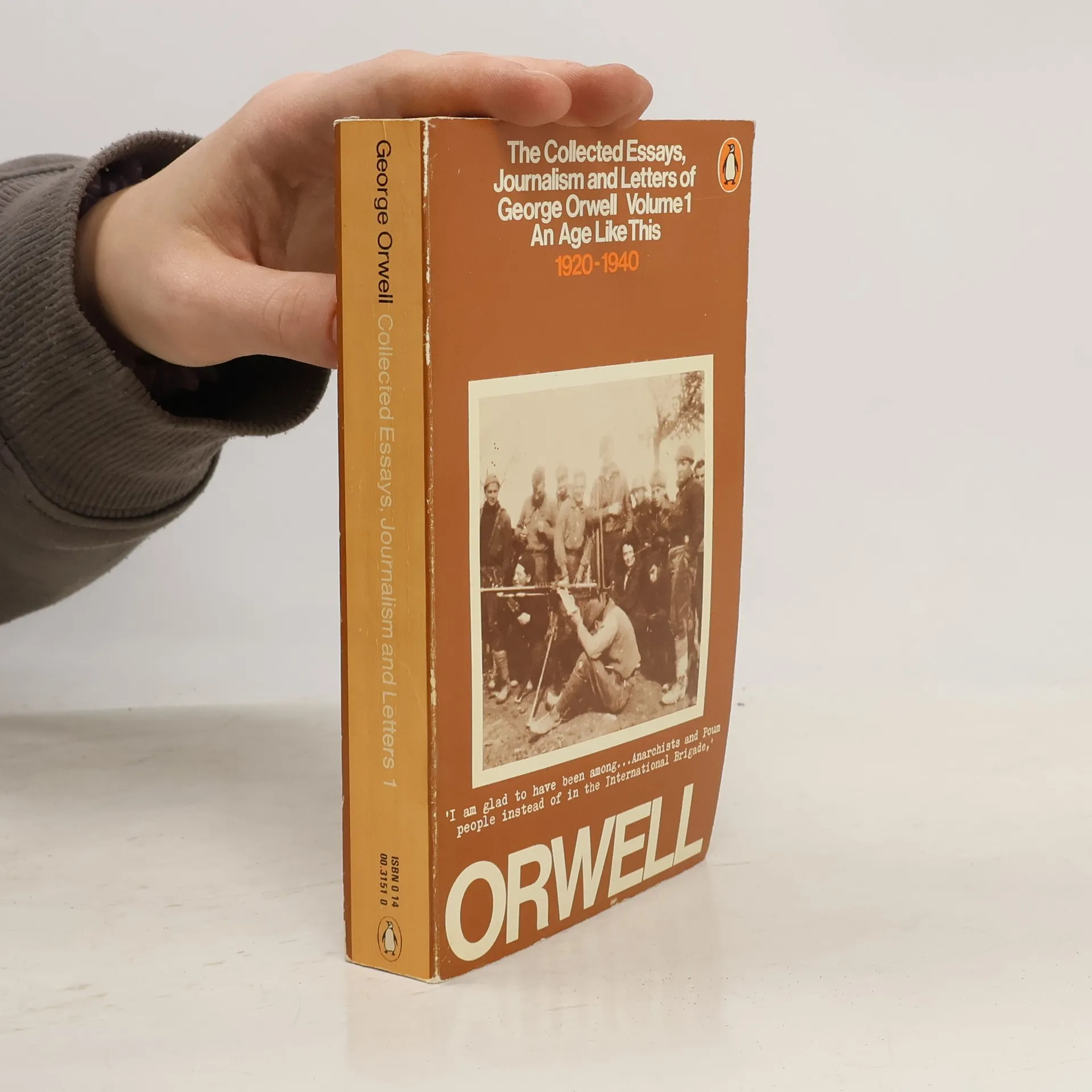
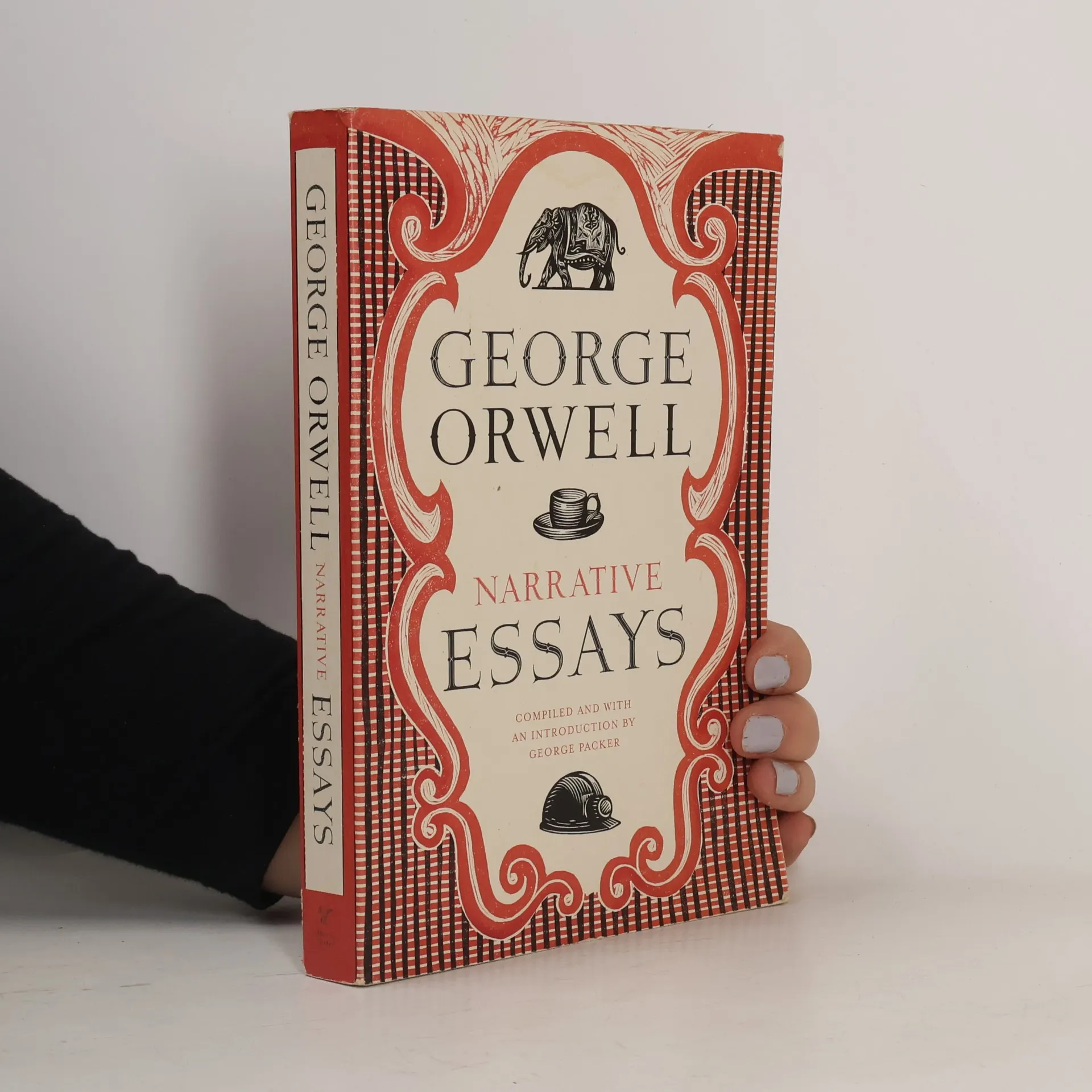
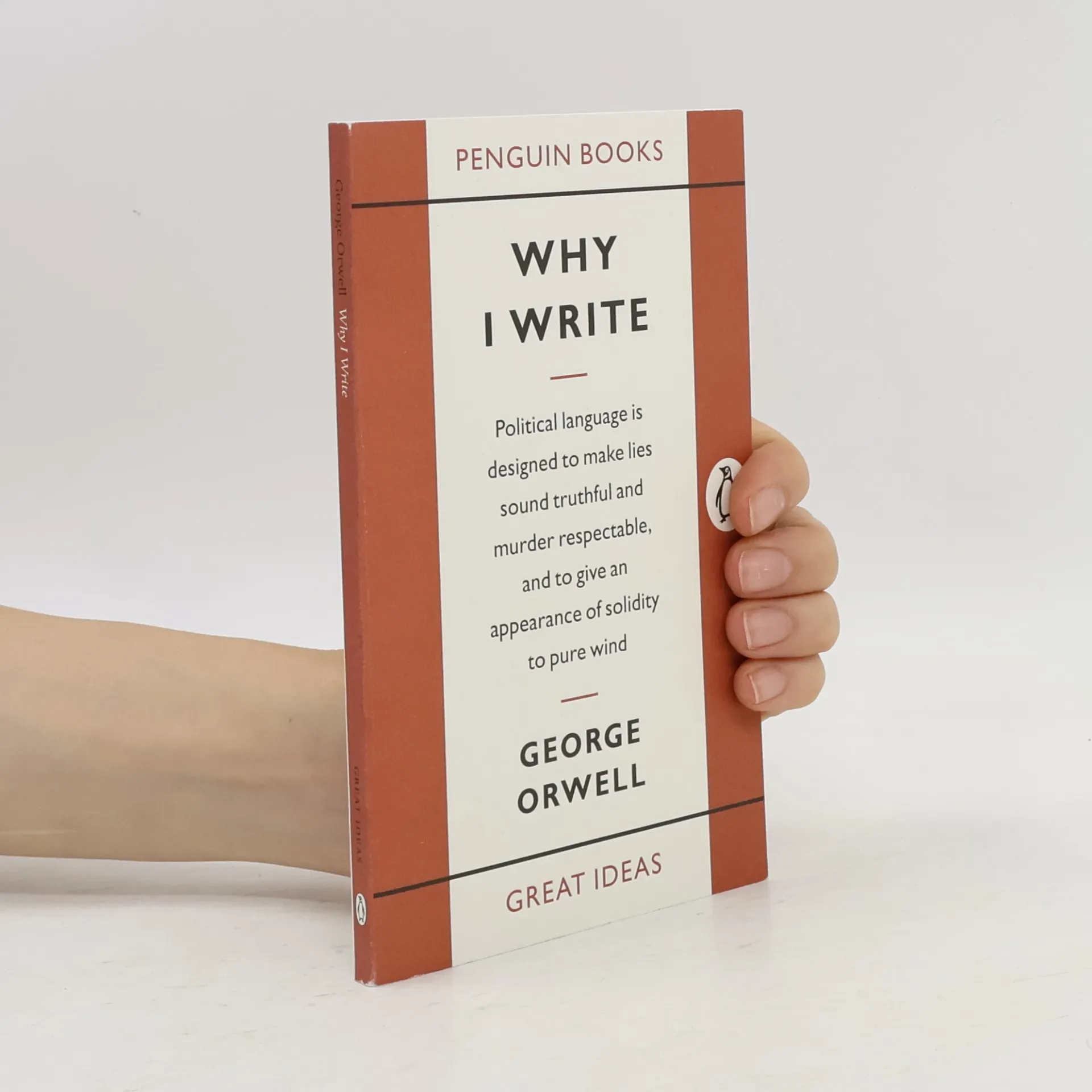
George Orwell was first and foremost an essayist. From his earliest published
article in 1928 to his untimely death in 1950, he produced an extraordinary
array of short non-fiction that reflected - and illuminated - the fraught
times in which he lived and wrote. This book charts Orwell's development as a
master of the narrative-essay form.
The vivid, impassioned writings collected together in this powerful volume
chronicle Orwell's first-hand experiences of life among the underclass of the
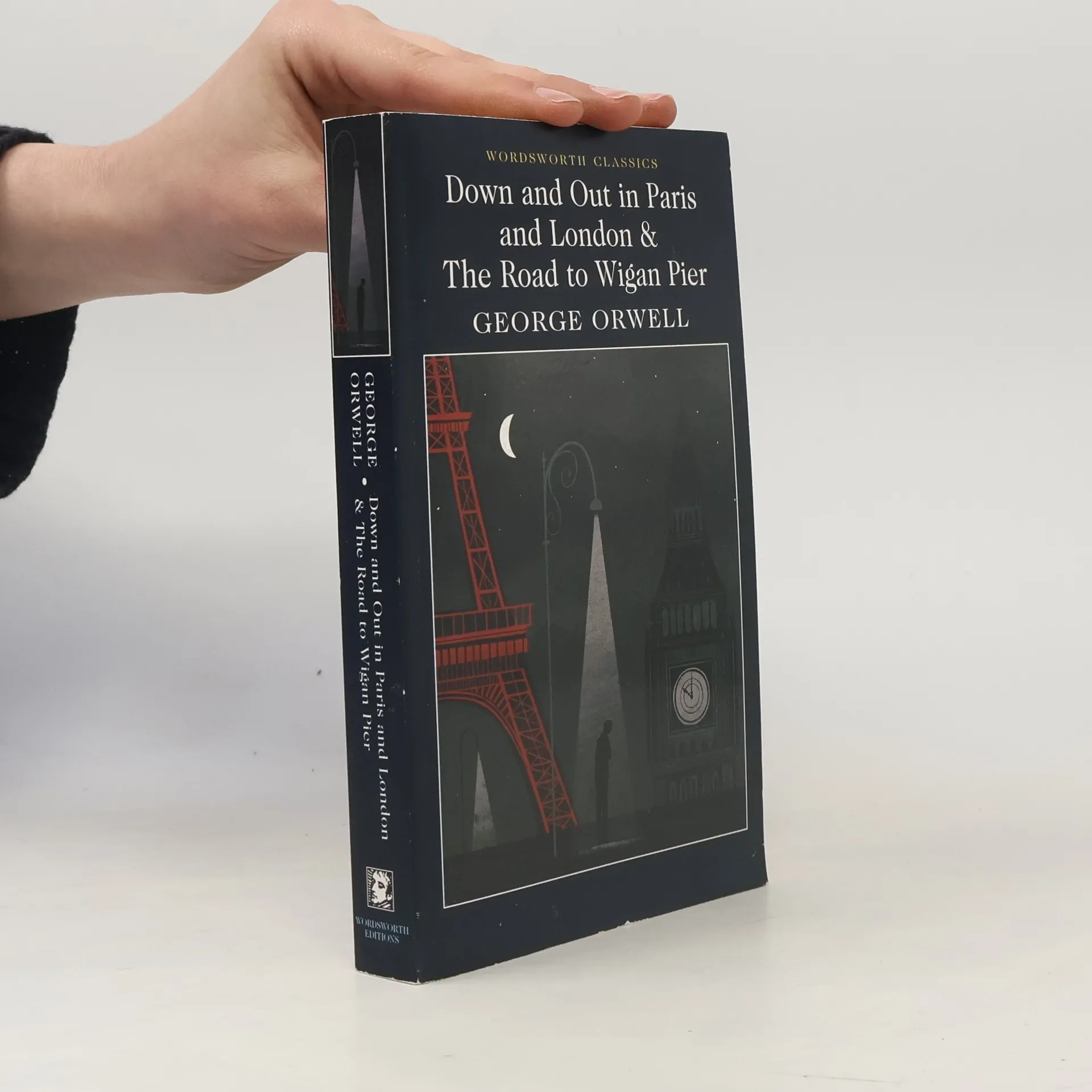
'two nations' of rich and poor. Down and Out in Paris and London is the young
Orwell's memoir of his time as a struggling, often penniless writer, living
among the destitute and dispossessed. Here he exposes a world unimaginable to
most of his readers, one of vile doss-houses, hunger, squalor, and desperate
poverty -- of 'going to the dogs'. There are also articles and letters on
sleeping rough in Trafalgar Square, being arrested for drunkenness, on the
poverty Orwell witnessed in Morocco and India, and his shocking essay, 'How
the Poor Die'.
Inside the Whale discusses Henry Miller's controversial Tropic of Cancer, and
considers the driving power behind the great books of the 1930s. Comparing
Miller with other literary giants, Orwell lambasts the notion that all
literature is good, forcing the reader to think for themselves.
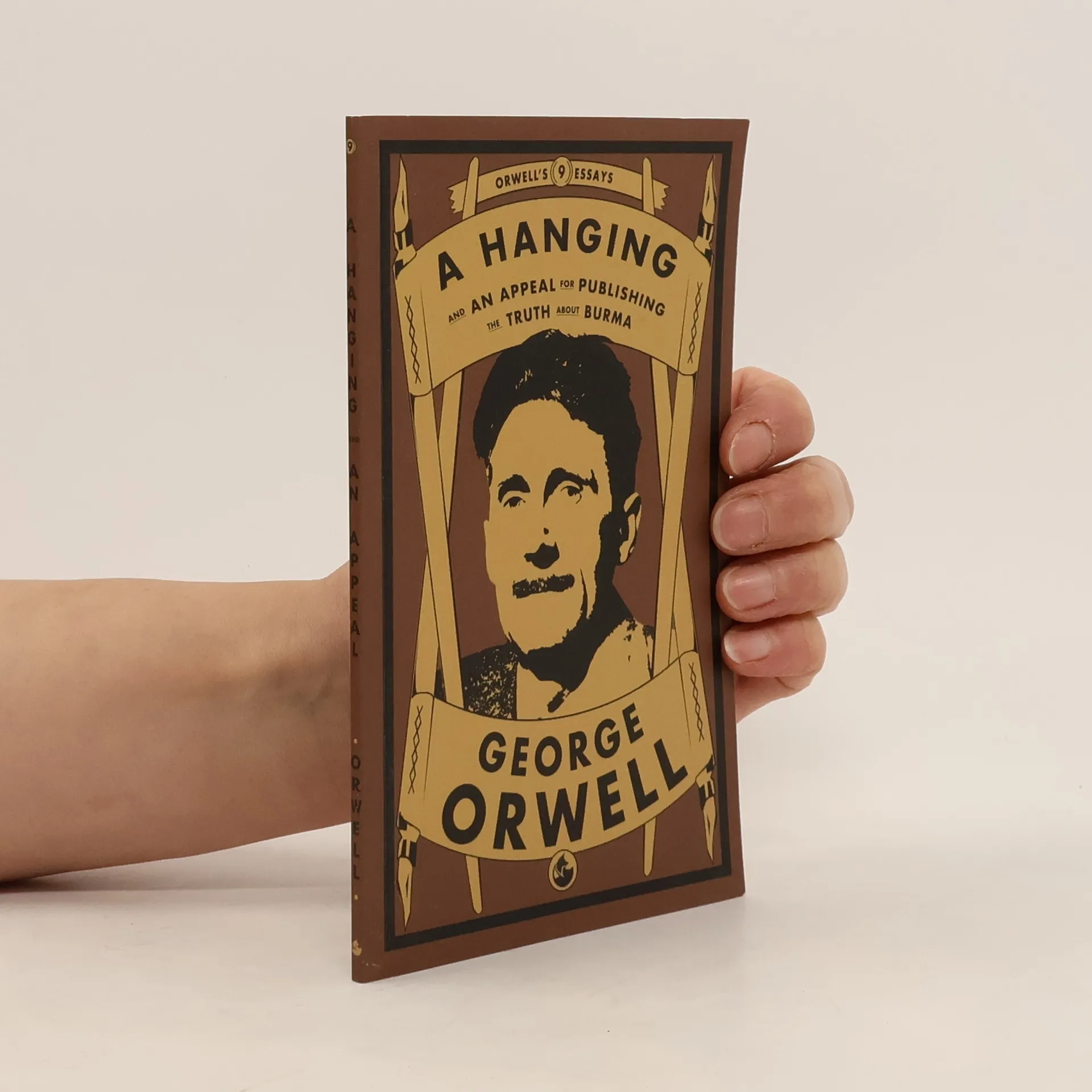
And an Appeal for Publishing the Truth About Burma
40 pages
2 hours of reading
George Orwell set out 'to make political writing into an art', and to a wide extent this aim shaped the future of English literature. While 1984 and Animal Farm are amongst the most popular classic novels of all time, this new series of his essays seeks to bring his writing on politics and literature to a new readership. A Hanging, the ninth in the Orwell's Essays series, tells the story of the execution of an unnamed convict in Burma. With the veracity of the story unknown, but thought to be loosely based on Orwell's own experiences in Burma, the haunting tale leaves the reader contemplating the heavy topic of colonialism, and the right of one to take the life of another.
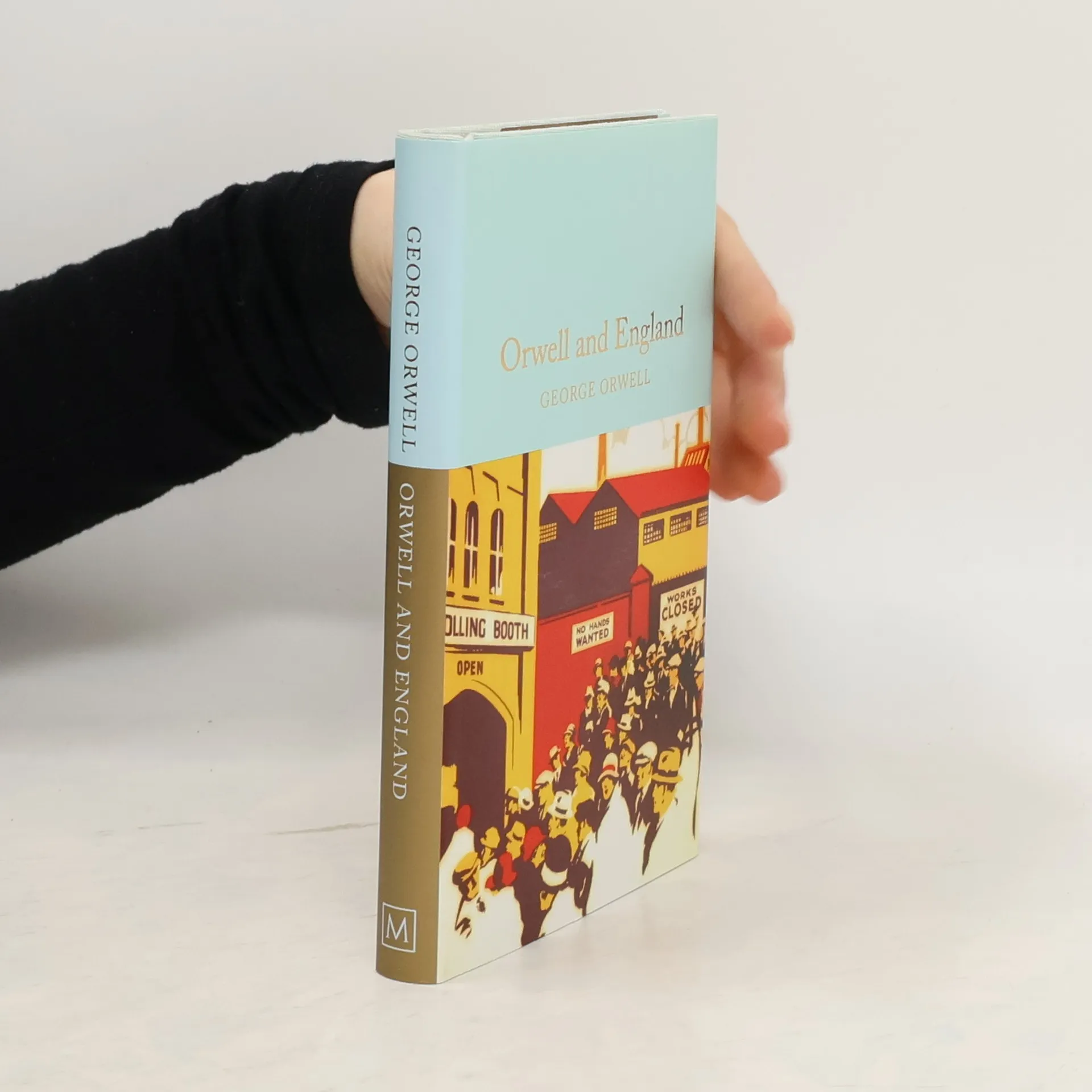
George Orwell, perhaps one of the most perceptive writers of the twentieth
century, wrote extensively about English life and politics. This selection of
his essays and journalism brings together his most provocative and insightful
writing on England and Englishness. Part of the Macmillan Collector's Library;
a series of stunning, clothbound, pocket-sized classics with gold foiled edges
and ribbon markers. These beautiful books make perfect gifts or a treat for
any book lover. This edition is edited and introduced by Professor Michael
Gardiner. Orwell's interests were broad. He often wrote about everyday
concerns such as transport, food and the weather. Turning to social issues, he
exposed the plight of the poor and the unemployed. He dissected the idea of
nationalism and he examined the failings of the Left. What emerges from his
acute observation of English rituals, habits and attitudes is his belief that
these are the very things with which the English people can defend themselves
against oppression. His writing remains insightful and prescient to this day.
show less
Provides an insight into the development and publication of some of the most
important novels in the English language. This title features letters which
sheds light on a love that would haunt him for his whole life, as well as
revealing the inspiration for some of his most famous characters.
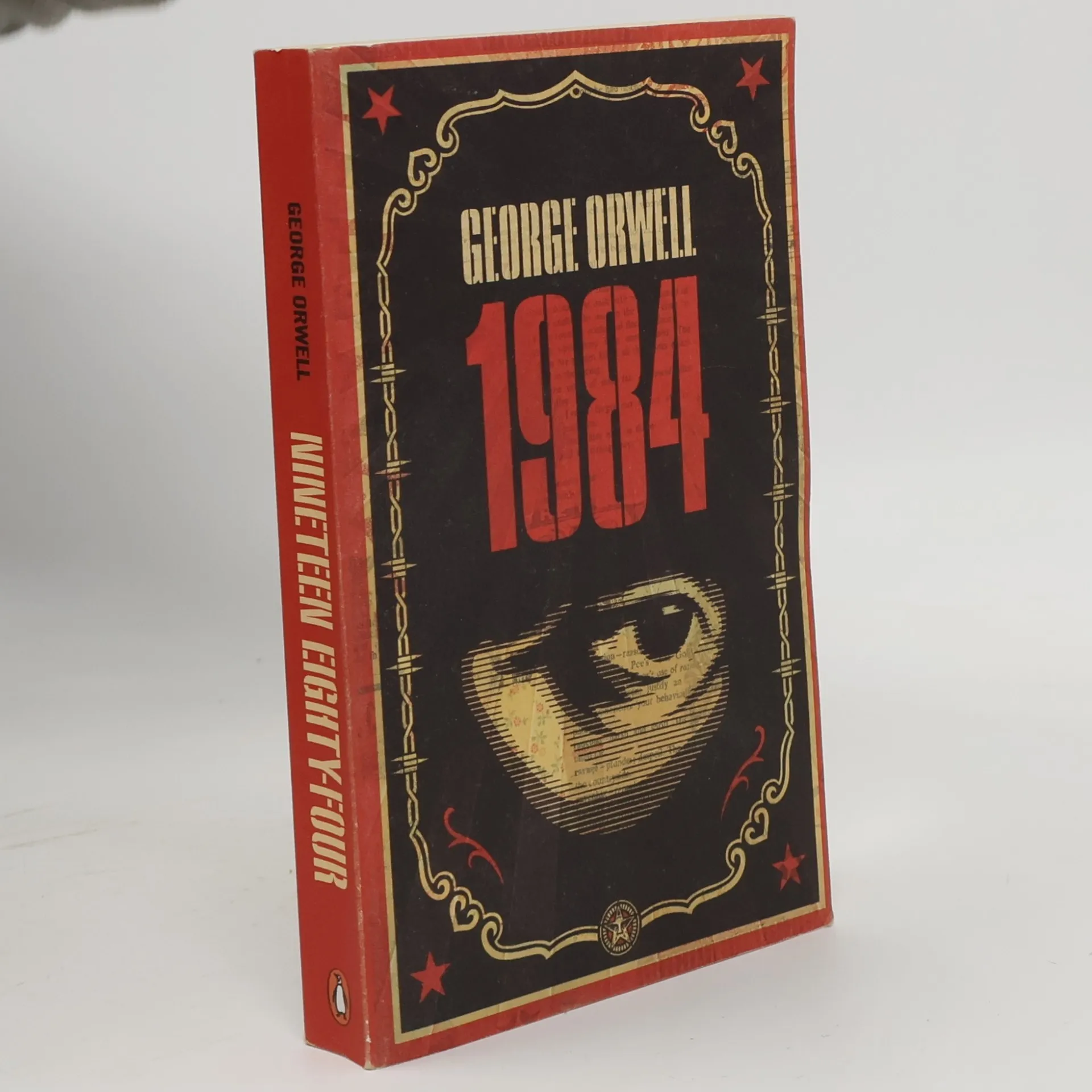
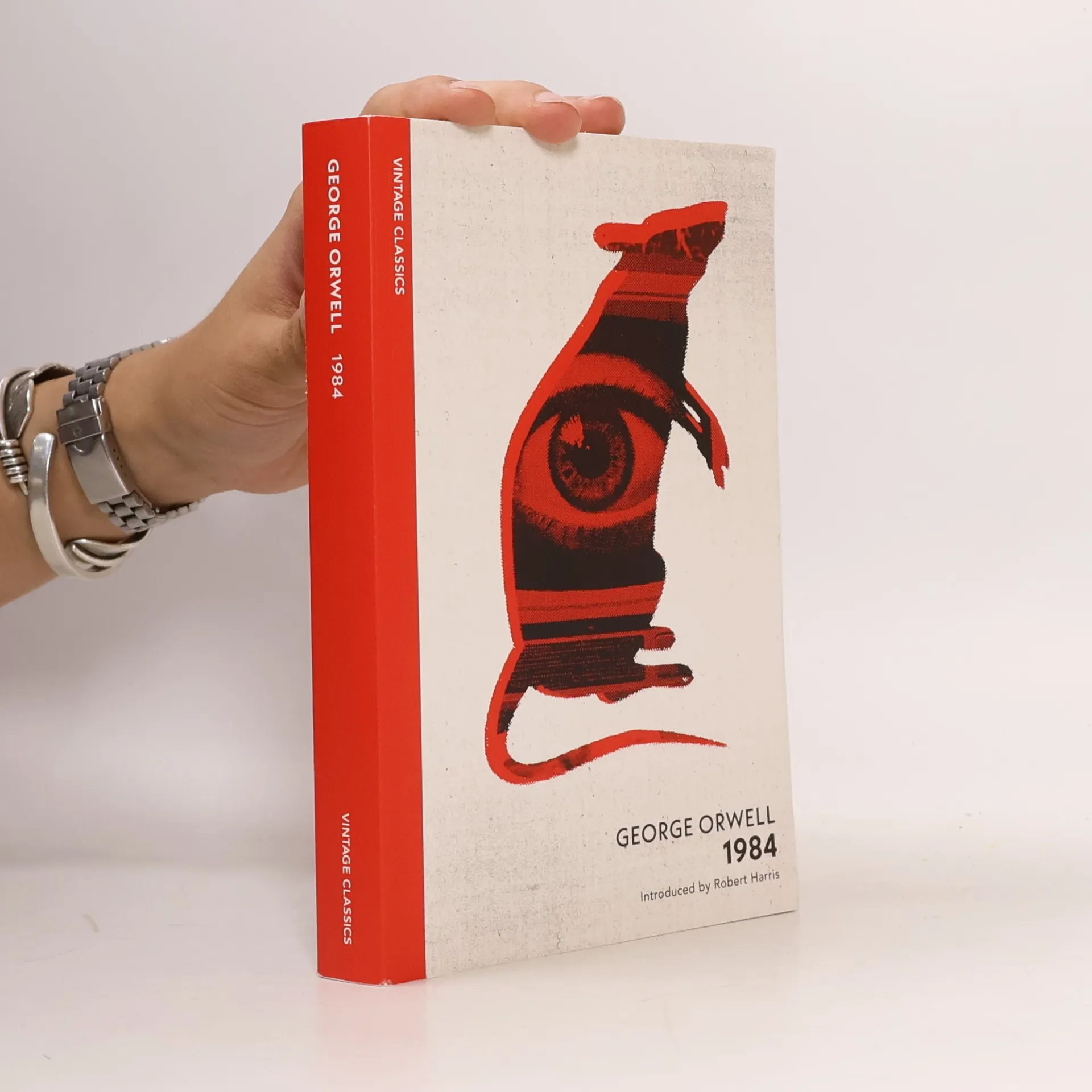
The perfect edition for any Orwell enthusiasts' collection, discover the classic dystopian masterpiece beautifully reimagined by renowned street artist Shepard Fairey Winston Smith works for the Ministry of Truth in London, chief city of Airstrip One. Big Brother stares out from every poster, the Thought Police uncover every act of betrayal. When Winston finds love with Julia, he discovers that life does not have to be dull and deadening, and awakens to new possibilities. Despite the police helicopters that hover and circle overhead, Winston and Julia begin to question the Party; they are drawn towards conspiracy. Yet Big Brother will not tolerate dissent - even in the mind. For those with original thoughts they invented Room 101. . . First published in 1949, 1984 is George Orwell's terrifying vision of a totalitarian future in which everything and everyone is slave to a tyrannical regime. 'Right up there among my favourite books . . . I read it again and again' Margaret Atwood 'More relevant to today than almost any other book that you can think of' Jo Brand COMPLETE THE TRIO WITH SHEPARD FAIREY'S NEW-LOOK ANIMAL FARM AND DOWN AND OUT IN PARIS AND LONDON.
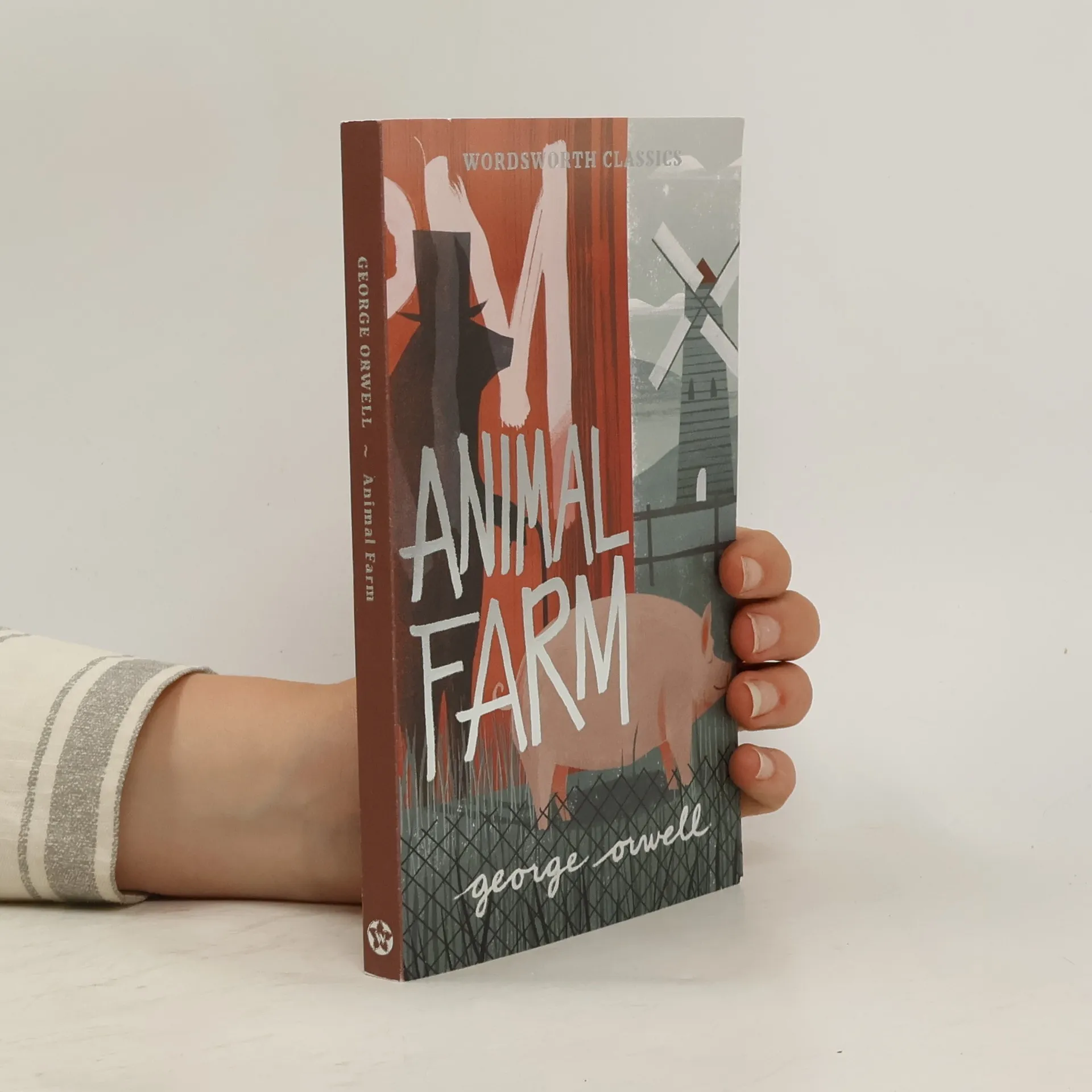
All animals are equal but some animals are more equal than others. When the animals take over the farm, they think it is the start of a better life. Their dream is of a world where all animals are equal and all property is shared. But soon the pigs take control and one of them, Napoleon, becomes leader of all the animals. One by one the principles of the revolution are abandoned, until the animals have even less freedom than before. Animal Farm is one of the classic stories of modern English fiction, and is a powerful study of the use and abuse of political power.
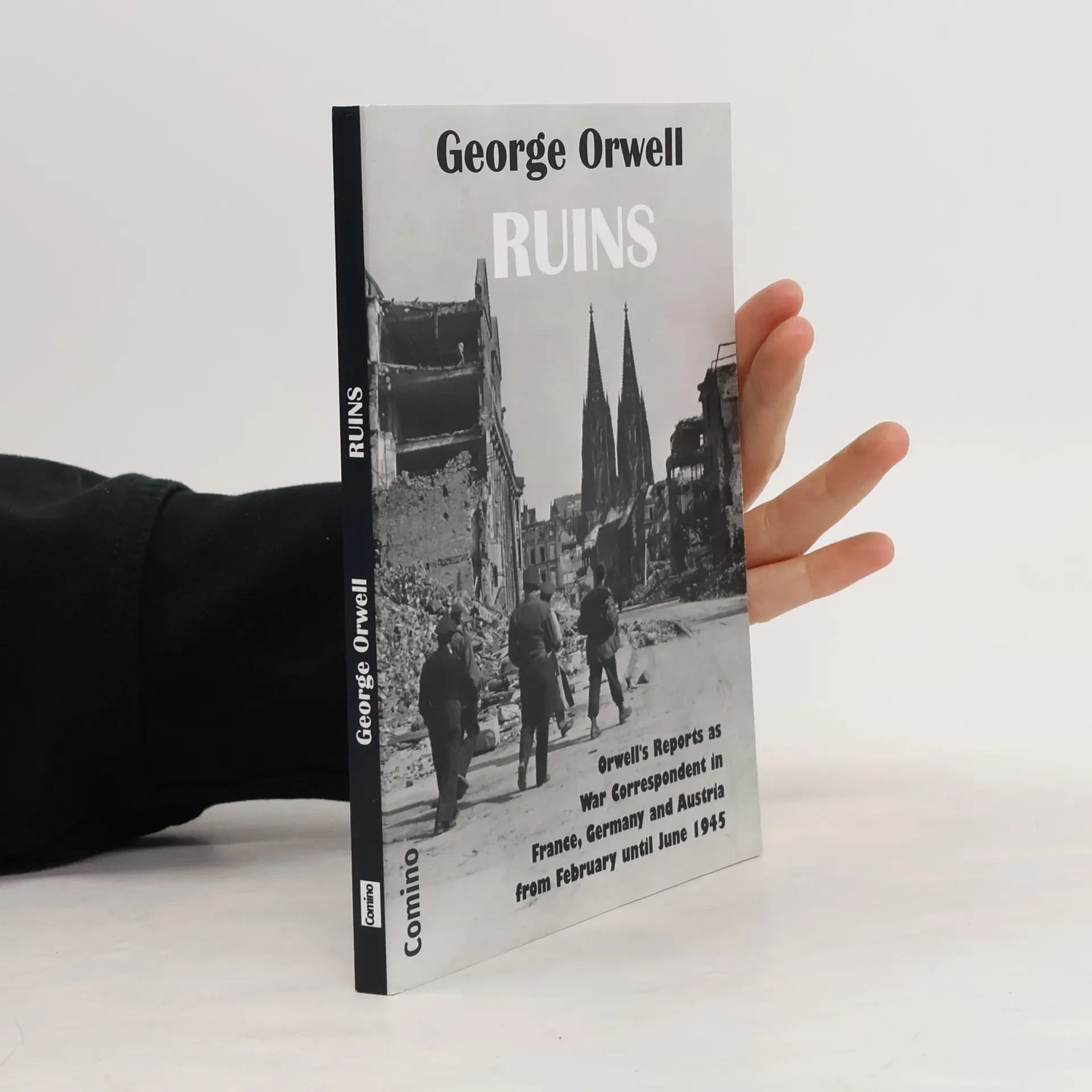
Orwell’s Reports as War Correspondent in France, Germany and Austria from February until June 1945
On 15 February 1945, George Orwell left his desk in London to report as a war correspondent about the advance of the Anglo-American troops on the continent and the effects of the war against Nazi-Germany. Orwell travelled in the wake of the victors through bombed-out German cities. Eight months previously the house he had lived in with his family had been destroyed by German bombs. Between 25 February and 10 June 1945, 20 of his articles were printed - 14 in The Observer und six in Manchester Evening News. Two of them are being reprinted here for the first time. Extracts from essays which relate to this journey and "Revenge Is Sour", his best known essay about his experiences in defeated Germany which appeared in the second half of 1945, are supplemented.
'The feeling that the very concept of objective truth is fading out of the world ... this prospect frightens me much more than bombs'On the 70th anniversary of George Orwell's death, a new collection of his brilliant essays written during the Second World WarFascism and Democracy collects five brilliant examples of Orwell's writing during the darkest days of World War Two. Grappling with the principles of democracy and the potential of reform, the meaning of literature and free speech in times of violence, and the sustainability of objective truth, Orwell offers a compelling portrayal of a nation where norms and ideals can no longer be taken for granted. Like the best of Orwell's writing, these essays also serve as timeless reminders of the fragility of freedom.
'Politics and the English Language' is widely considered Orwell's most important essay on style. Style, for Orwell, was never simply a question of aesthetics; it was always inextricably linked to politics and to truth.'All issues are political issues, and politics itself is a mass of lies, evasions, folly, hatred and schizophrenia.When the general atmosphere is bad, language must suffer.'Language is a political issue, and slovenly use of language and cliches make it easier for those in power to deliberately use misleading language to hide unpleasant political facts. Bad English, he believed, was a vehicle for oppressive ideology, and it is no accident that 'Politics and the English Language' was written after the close of World War II.
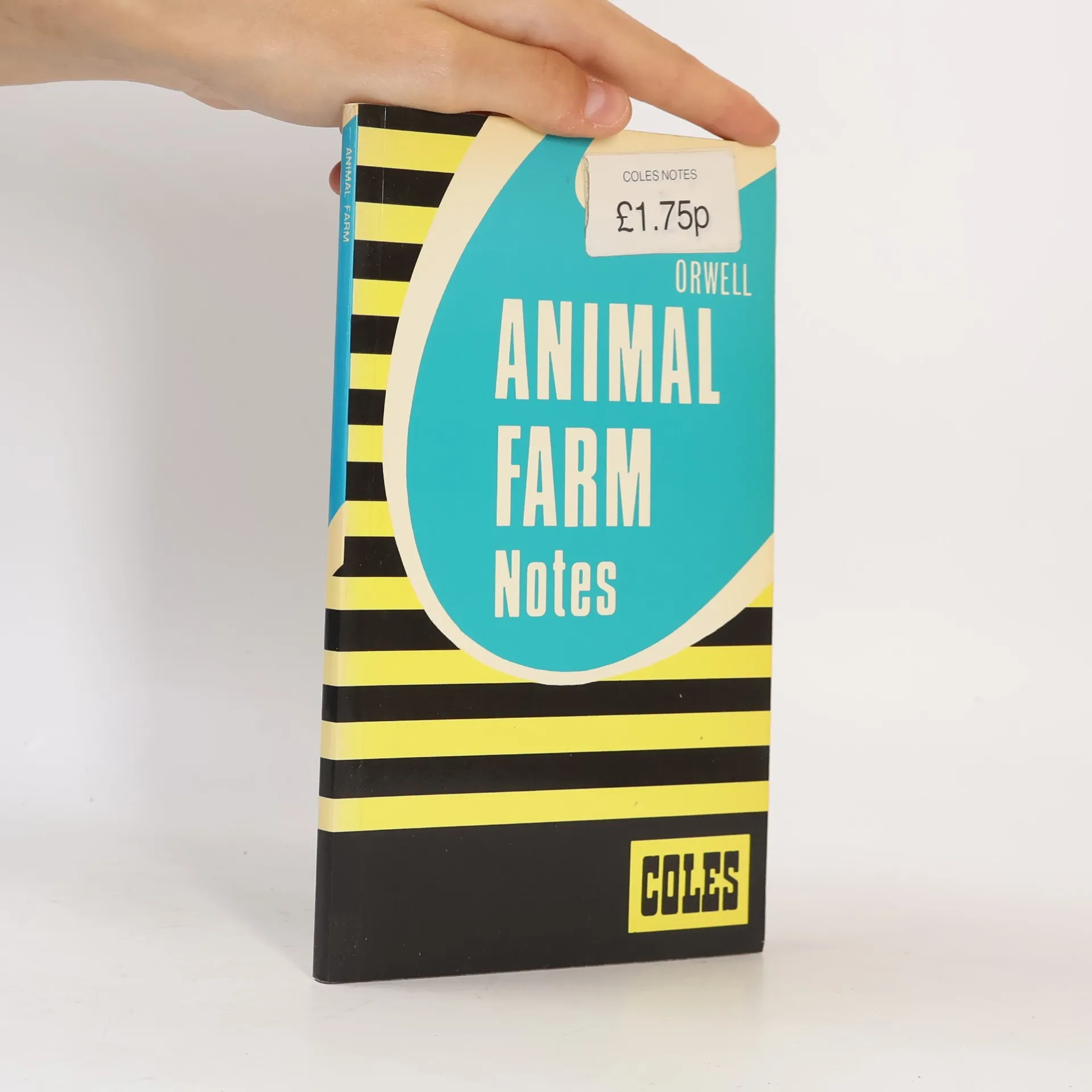
Part of a series of literature guides designed for GCSE coursework requirements, this book contains - author details, background to the work, summaries of the text, critical commentaries, analysis of characterization, and sample questions with guideline answers.
“Freedom is the right to tell people what they do not want to hear.” (George Orwell) This collection contains these essential works of George Orwell: 1984 Animal Farm Essays Homage to Catalonia
A selection of George Orwell's prescient, clear-eyed and stimulating writing on the subjects of truth and lies. With an introduction by Alan Johnson. 'Freedom is the freedom to say that two plus two equals four. If that is granted, all else follows.' This selection of George Orwell’s writing, from both his novels and non-fiction, gathers together his thoughts on the subject of truth. It ranges from discussion of personal honesty and morality, to freedom of speech and political propaganda. Orwell’s unique clarity of thought and illuminating scepticism provide the perfect defence against our post-truth world of fake news and confusion. 'The further a society drifts from the truth, the more it will hate those that speak it.' Includes an introduction by Alan Johnson and passages from Burmese Days, The Road to Wigan Pier, Coming Up for Air, The Lion and the Unicorn, Animal Farm, Nineteen Eighty-Four, Orwell’s letters, war-time diary, criticism and essays including ‘Fascism and Democracy’, ‘Culture and Democracy’, ‘Looking Back on the Spanish War’, ‘As I Please’, ‘Notes on Nationalism’, ‘The Prevention of Literature’, ‘Politics and the English Language’ and ‘Why I Write’.
George Orwell's collected nonfiction, written in the clear-eyed and uncompromising style that earned him a critical following One of the most thought-provoking and vivid essayists of the twentieth century, George Orwell fought the injustices of his time with singular vigor through pen and paper. In this selection of essays, he ranges from reflections on his boyhood schooling and the profession of writing to his views on the Spanish Civil War and British imperialism. The pieces collected here include the relatively unfamiliar and the more celebrated, making it an ideal compilation for both new and dedicated readers of Orwell's work.
Including The Road to Wigan Pier 'No one wrote better about the English character than Orwell' New York Review of Books Much of George Orwell's best writing, brought together in this collection, is concerned with his complex, often contradictory attitude to England. In the brilliantly perceptive The English People, he lists the national characteristics as 'suspicion of foreigners, sentimentality about animals, hypocrisy, exaggerated class distinctions and an obsession with sport'. The Road to Wigan Pier, his blistering account of poverty in the north of England, and many of his essays, attack what he called 'the most class-ridden country under the sun', while other writings here ruminate on the merits of cricket, gardening, roast dinners, pubs, tea and seaside postcards. Edited by Peter Davison with an Introduction by Ben Pimlott
In 1936 Orwell went to Spain to report on the Civil War and instead joined the fight against the Fascists. This famous account describes the war and Orwell’s experiences. Introduction by Lionel Trilling.
This is an alternate cover edition of Shooting an Elephant."Shooting an Elephant" is Orwell's searing and painfully honest account of his experience as a police officer in imperial Burma; killing an escaped elephant in front of a crowd 'solely to avoid looking a fool'. The other masterly essays in this collection include classics such as "My Country Right or Left", "How the Poor Die" and "Such, Such were the Joys", his memoir of the horrors of public school, as well as discussions of Shakespeare, sleeping rough, boys' weeklies, and a spirited defence of English cooking. Opinionated, uncompromising, provocative, and hugely entertaining, all show Orwell's unique ability to get to the heart of any subject.
Part autobiography, this unusual novel follows the experiences of a penniless adventurer, first in Paris in the early 1930s and later in London, where he mingles among tramps and street people. Unabridged.
Whether puncturing the lies of politicians, wittily dissecting the English character or telling unpalatable truths about war, Orwell's timeless, uncompromising essays are more relevant, entertaining and essential than ever in today's era of spin.Contents:"Why I Write", first published 1946"The Lion and the Unicorn", first published 1940"A Hanging", first published 1931"Politics and the English Language", first published 1946
This is an extract from George Orwell's famous record of his experiences in the late 1920s when he lived among the tramps and plongeurs of London and Paris. In this section (Chapters IX to XVIII) Orwell and his friend Boris find work at the hotel X, near the Place de la Concorde in Paris. It includes Orwell's astute observations on the hierarchy and snobberies of the staff, chefs, waiters and dishwashers, and is a vivid account of their life on and off duty.
A frequent commentator on literature, language, film and drama throughout his career, Orwell turned increasingly to the critical essay in the 1940s, when his most important experiences were behind him and some of his most incisive criticism lay ahead.
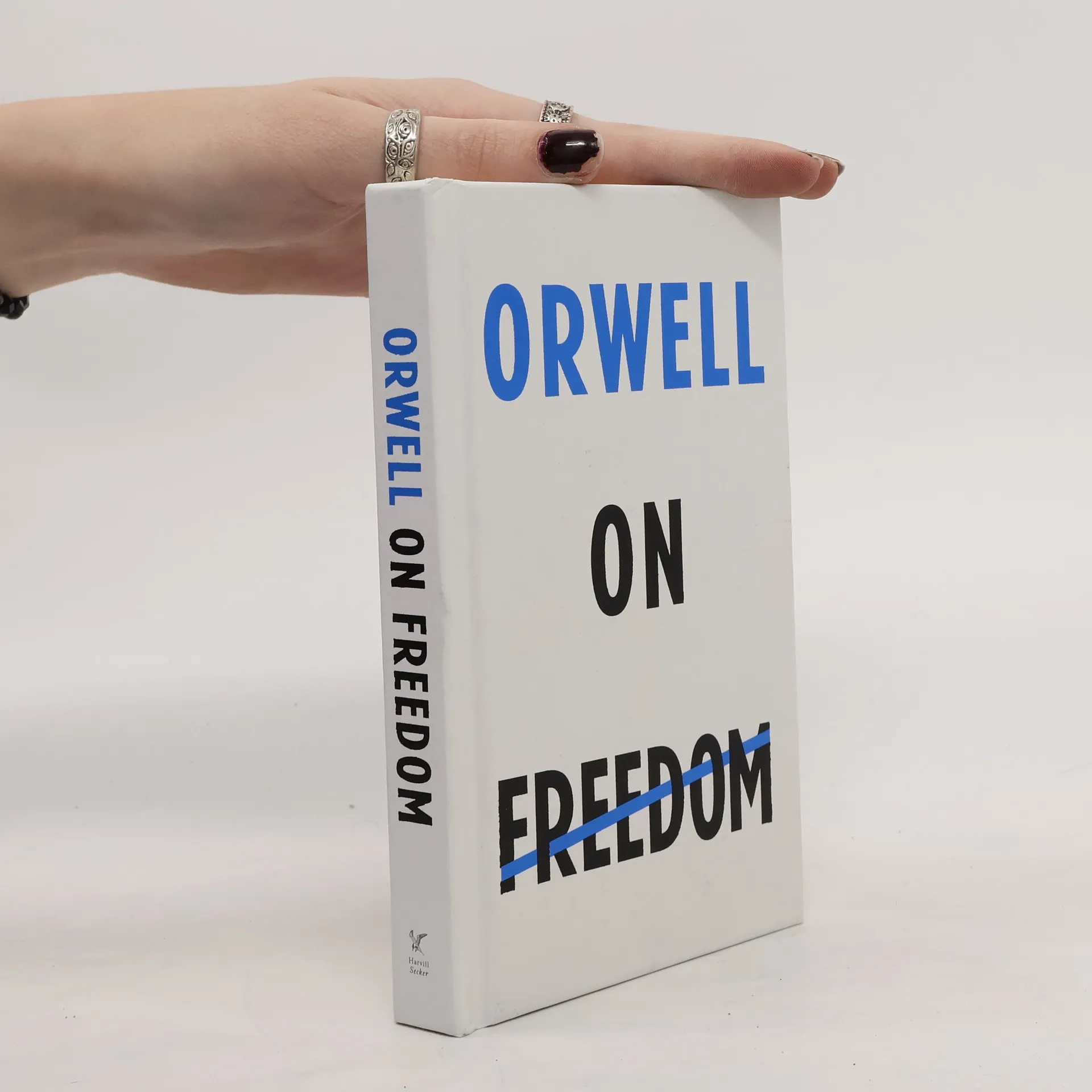
With an introduction by Kamila Shamsie`Freedom is the freedom to say that two
plus two make four. Orwell's ambition to create a fairer and more egalitarian
society is essential inspiration as we strive for freedom and equality in
today's world.
Orwell is renowned for his iconic novels, which reflect his observations of poverty in England and his disillusionment with political events of the 1930s and 1940s. His experiences during the Spanish Civil War, detailed in one of his key works, fueled his disdain for totalitarianism, a theme prevalent in his later writings. This new collection, edited by Professor Richard Bradford and featuring a foreword by D.J. Taylor, compiles Orwell's celebrated novels alongside significant nonfiction extracts from his works on poverty and social issues, including extensive portions from two major texts and the entirety of his account of the Spanish Civil War. Additionally, it includes excerpts from Jack London, who critiqued totalitarianism in his fiction, and Yevgeny Zamyatin, whose work serves as a cautionary tale about a dystopian state. This collection is part of the Flame Tree deluxe Gothic Fantasy series, which explores the origins and cultural themes found in myth, fable, and speculative fiction. The series encompasses a wide range of genres, providing beautifully presented volumes perfect for gifting and offering a lifetime of reading enjoyment.
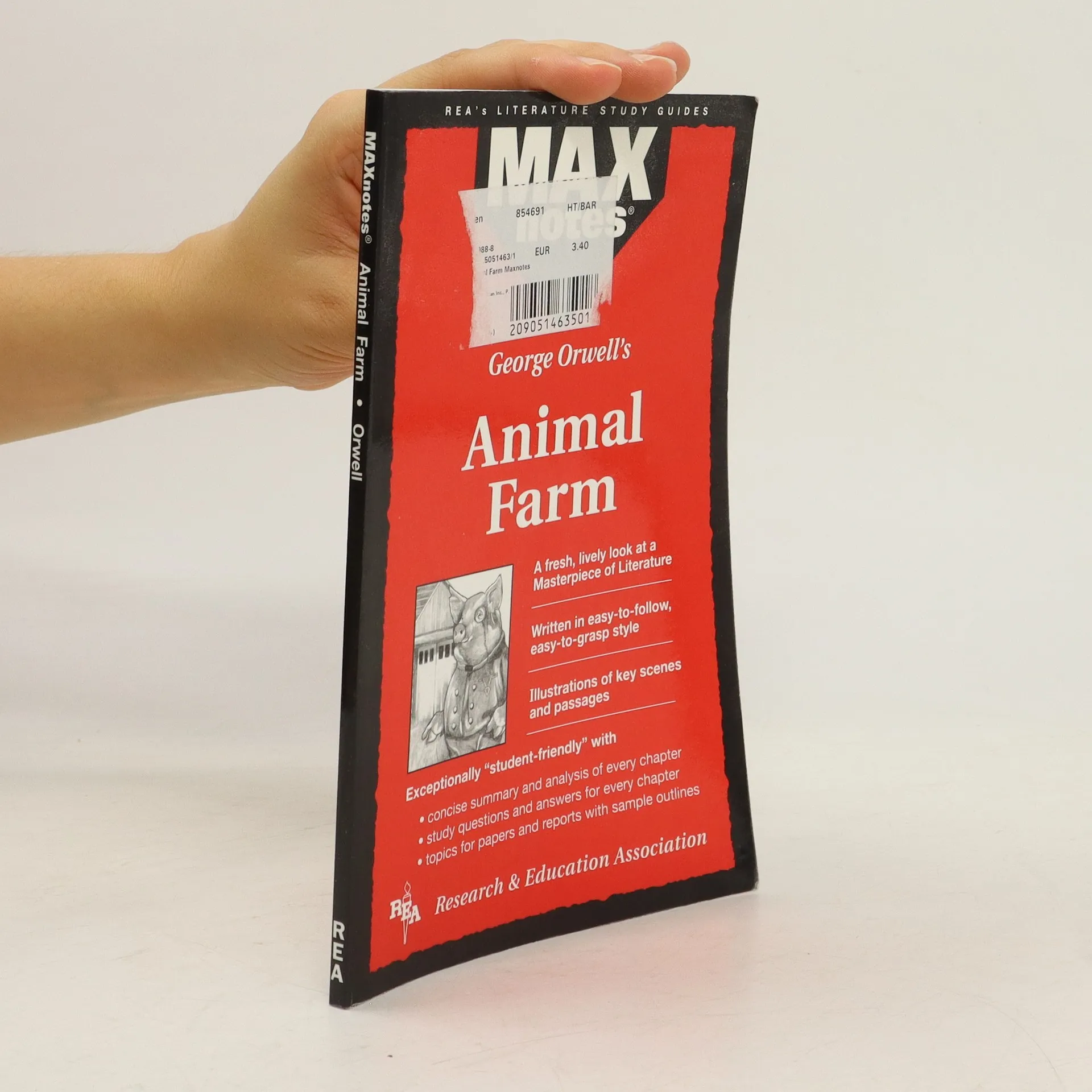
REA's MAXnotes for George Orwell's Animal FarmMAXnotes offer a fresh look at masterpieces of literature, presented in a lively and interesting fashion. Written by literary experts who currently teach the subject, MAXnotes will enhance your understanding and enjoyment of the work. MAXnotes are designed to stimulate independent thought about the literary work by raising various issues and thought-provoking ideas and questions.MAXnotes cover the essentials of what one should know about each work, including an overall summary, character lists, an explanation and discussion of the plot, the work's historical context, illustrations to convey the mood of the work, and a biography of the author. Each chapter is individually summarized and analyzed, and has study questions and answers.
Fearing that England was about to be wiped from the face of the earth by the
Nazi bombers flying overhead, Orwell put pen to paper and set out to make a
record of English culture. England Your England is this record, and is an
important tableau of the nation's history, and demonstrates a resolute refusal
to bow to the threatening forces of Fascism.
In this collection of eight witty and sharply written essays, Orwell looks at, among others, the joys of spring (even in London), the picture of humanity painted by Gulliver and his travels, and the strange benefit of the doubt that the public permit Salvador Dali. Also included here are a mouth-watering essay on the delights of English Cooking and a shocking account of killing an elephant in Burma.
"As I write, highly civilized human beings are flying overhead, trying to kill me." So starts this 1941 essay in which Orwell argues that the outdated British class system was hampering the war effort, and that in order to defeat Hitler, Britain needed a socialist revolution...)Part I: England Your EnglandPart II: Shopkeepers at WarPart III: The English Revolution
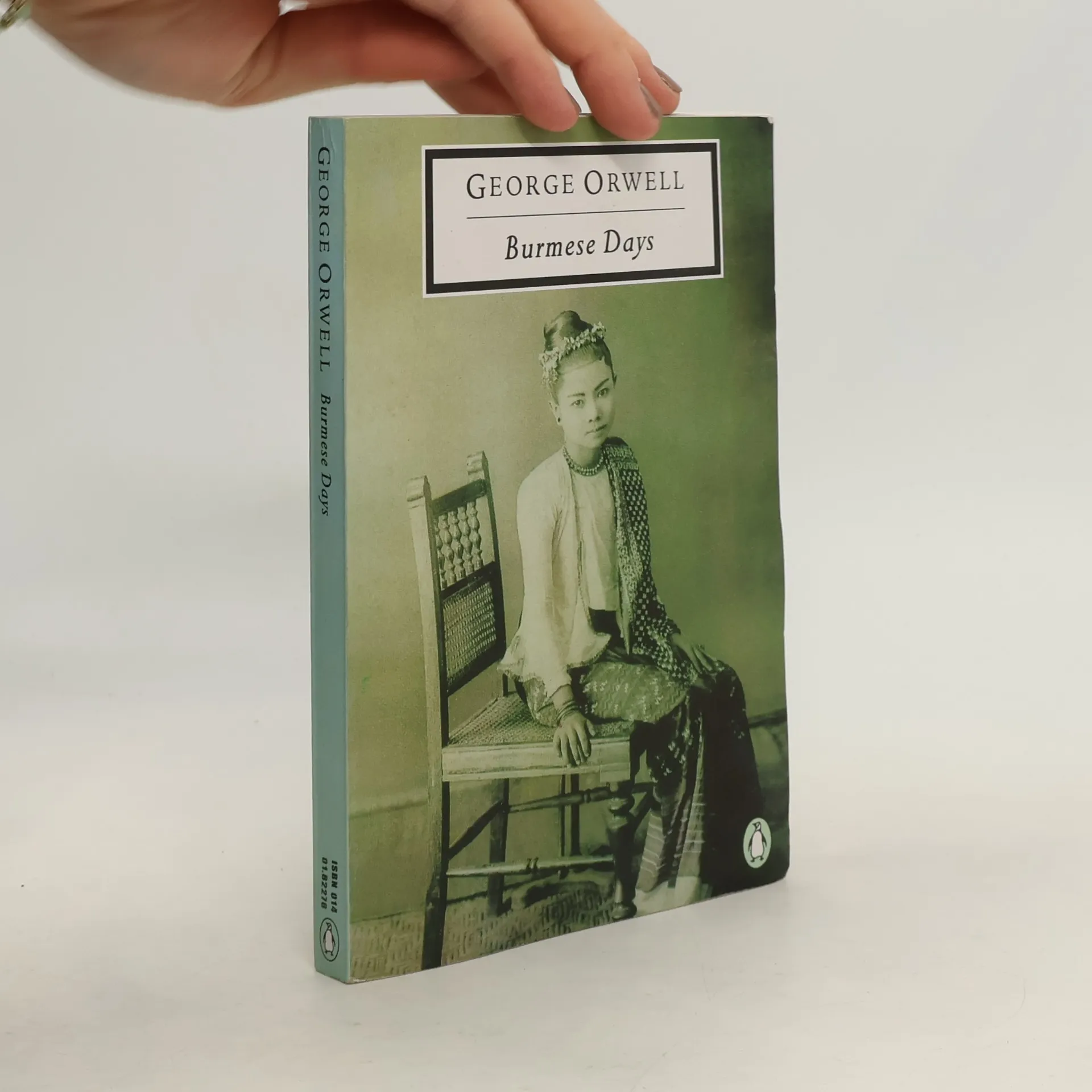
Set in the days of the Empire, with the British ruling in Burma, Burmese Days describes both indigenous corruption and Imperial bigotry, when 'after all, natives were natives - interesting, no doubt, but finally only a "subject" people, an inferior people with black faces'. Against the prevailing orthodoxy, Flory, a white timber merchant, befriends Dr Veraswami, a black enthusiast for Empire. The doctor needs help. U Po Kyin, Sub- divisional Magistrate of Kyauktada, is plotting his downfall. The only thing that can save him is European patronage: membership of the hitherto all-white Club. While Flory prevaricates, beautiful Elizabeth Lackersteen arrives in Upper Burma from Paris. At last, after years of 'solitary hell', romance and marriage appear to offer Flory an escape from the 'lie' of the 'pukka sahib pose'.
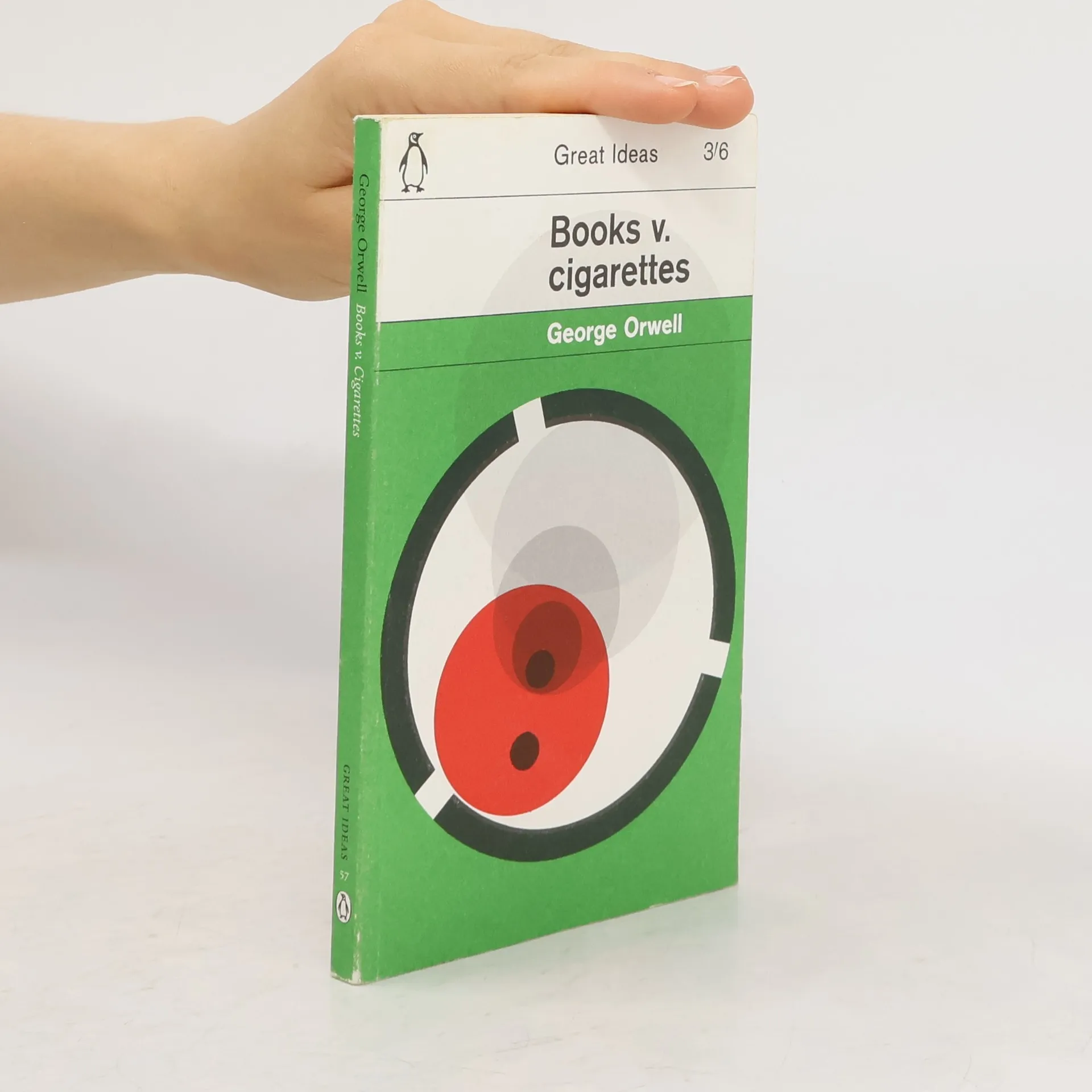
Beginning with a dilemma about whether he spends more money on reading or smoking, George Orwell's entertaining and uncompromising essays go on to explore everything from the perils of second-hand bookshops to the dubious profession of being a critic, from freedom of the press to what patriotism really means.
For an entire generation, the Spanish Civil War was the ultimate test of commitment and courage as Communism and Fascism faced each other across Europe. Nobody wrote more vividly or more painfully about this than Orwell (1903-1950), as he came face to face with the reality of the civil war in Catalonia. "Great Journeys" allows readers to travel both around the planet and back through the centuries - but also back into ideas and worlds frightening, ruthless and cruel in different ways from our own. Few reading experiences can begin to match that of engaging with writers who saw astounding great civilizations, walls of ice, violent and implacable jungles, deserts and mountains, multitudes of birds and flowers new to science. Reading these books is to see the world afresh, to rediscover a time when many cultures were quite strange to each other, where legends and stories were treated as facts and in which so much was still to be discovered.
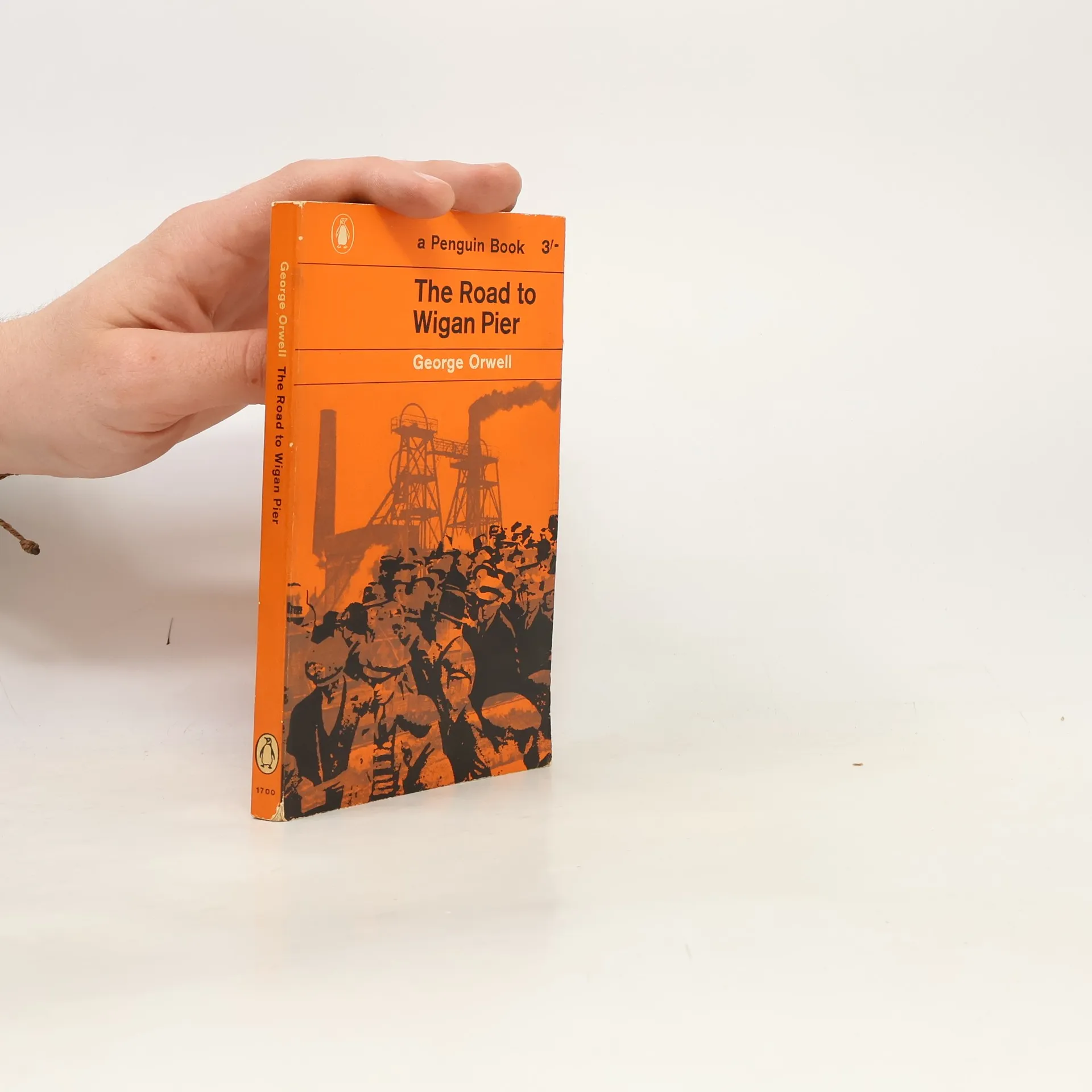
Commissioned by the Left Book club in 1936, George Orwell set out to report on working class life in the bleak industrial heartlands of Yorkshire and Lancashire. The experience profoundly changed him, and in The Road to Wigan Pier he unleased a brilliant and bitter polemic.
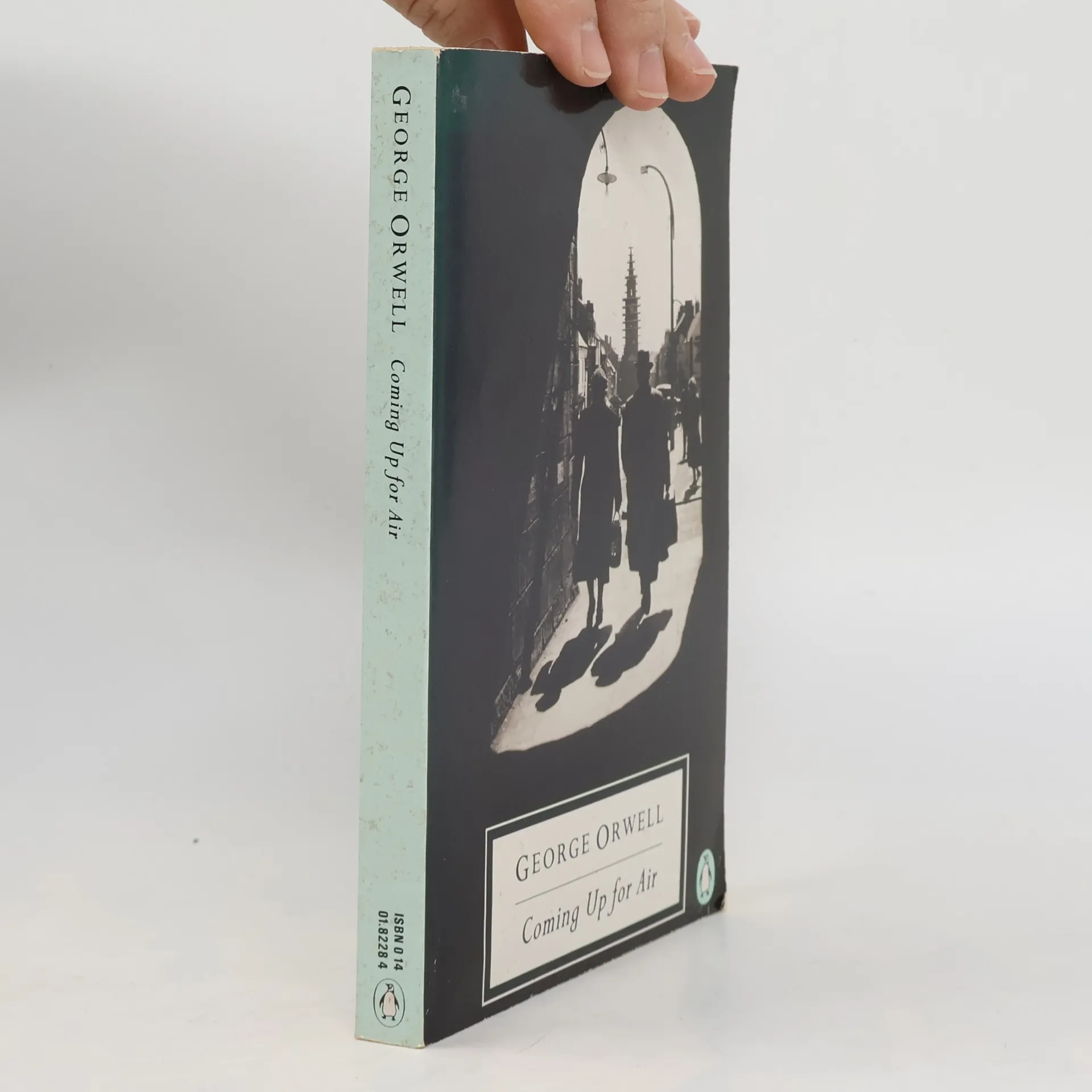
George Bowling, the hero of this comic novel, is a middle-aged insurance salesman who lives in an average English suburban row house with a wife and two children. One day, after winning some money from a bet, he goes back to the village where he grew up, to fish for carp in a pool he remembers from thirty years before. The pool, alas, is gone, the village has changed beyond recognition, and the principal event of his holiday is an accidental bombing by the RAF.
Gordon Comstock loathes dull, middle-class respectability and worship of money. He gives up a 'good job' in advertising to work part-time in a bookshop, giving him more time to write. But he slides instead into a self-induced poverty that destroys his creativity and his spirit. Only Rosemary, ever-faithful Rosemary, has the strength to challenge his commitment to his chosen way of life. Through the character of Gordon Comstock, Orwell reveals his own disaffection with the society he once himself renounced.
Intimidated by her father, the rector of Knype Hill, Dorothy performs her submissive roles of dutiful daughter and bullied housekeeper. Her thoughts are taken up with the costumes she is making for the church school play. Suddenly her routine shatters and Dorothy finds herself down and out in London.
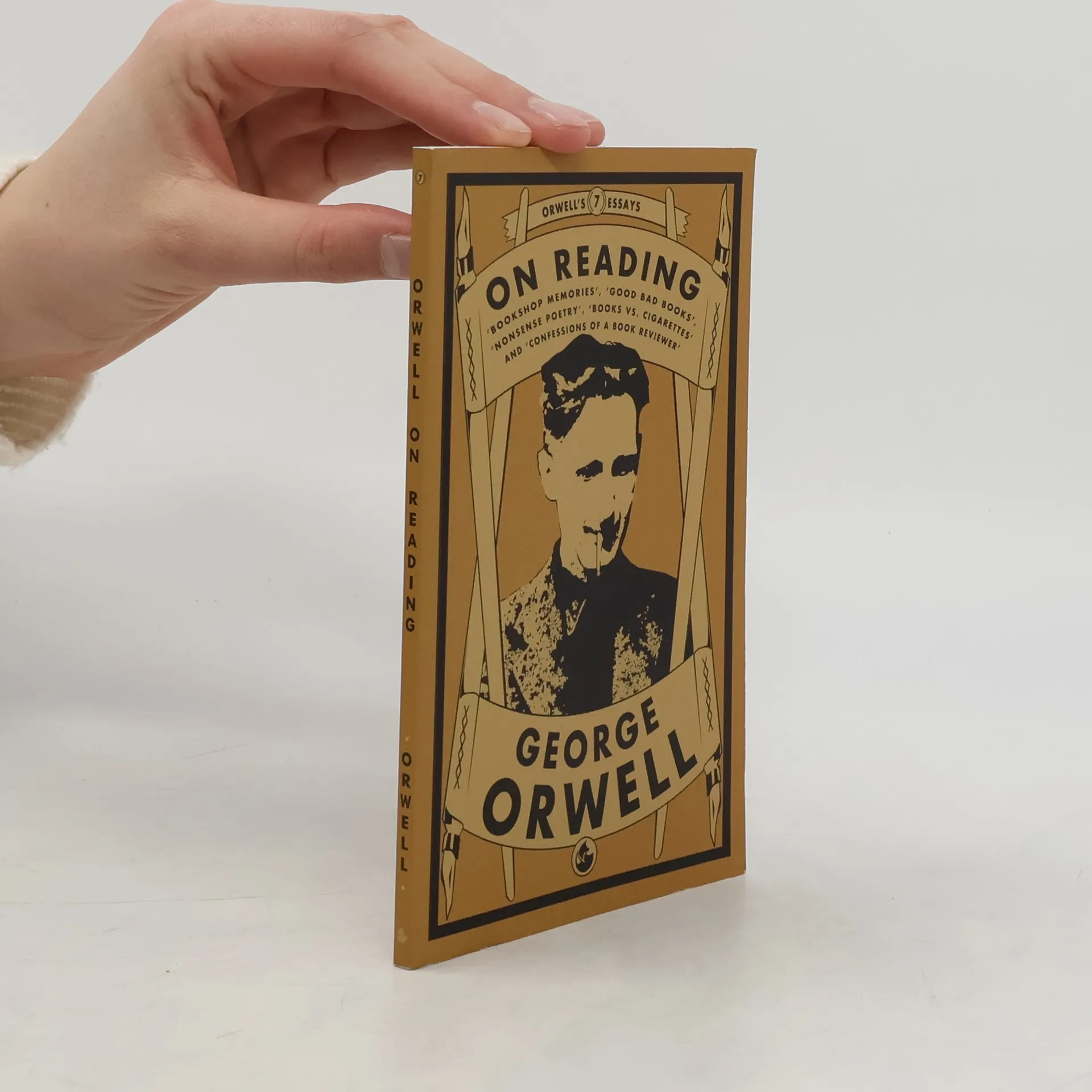
On Reading collects together Orwell's short essays on books - 'Bookshop
Memories', 'Good Bad Books', 'Nonsense Poetry', 'Books vs. Cigarettes' and
'Confessions of a Book Reviewer' - giving a rounded view of the great writer's
opinions on the literature of his day, and the vessels in which it was sold.
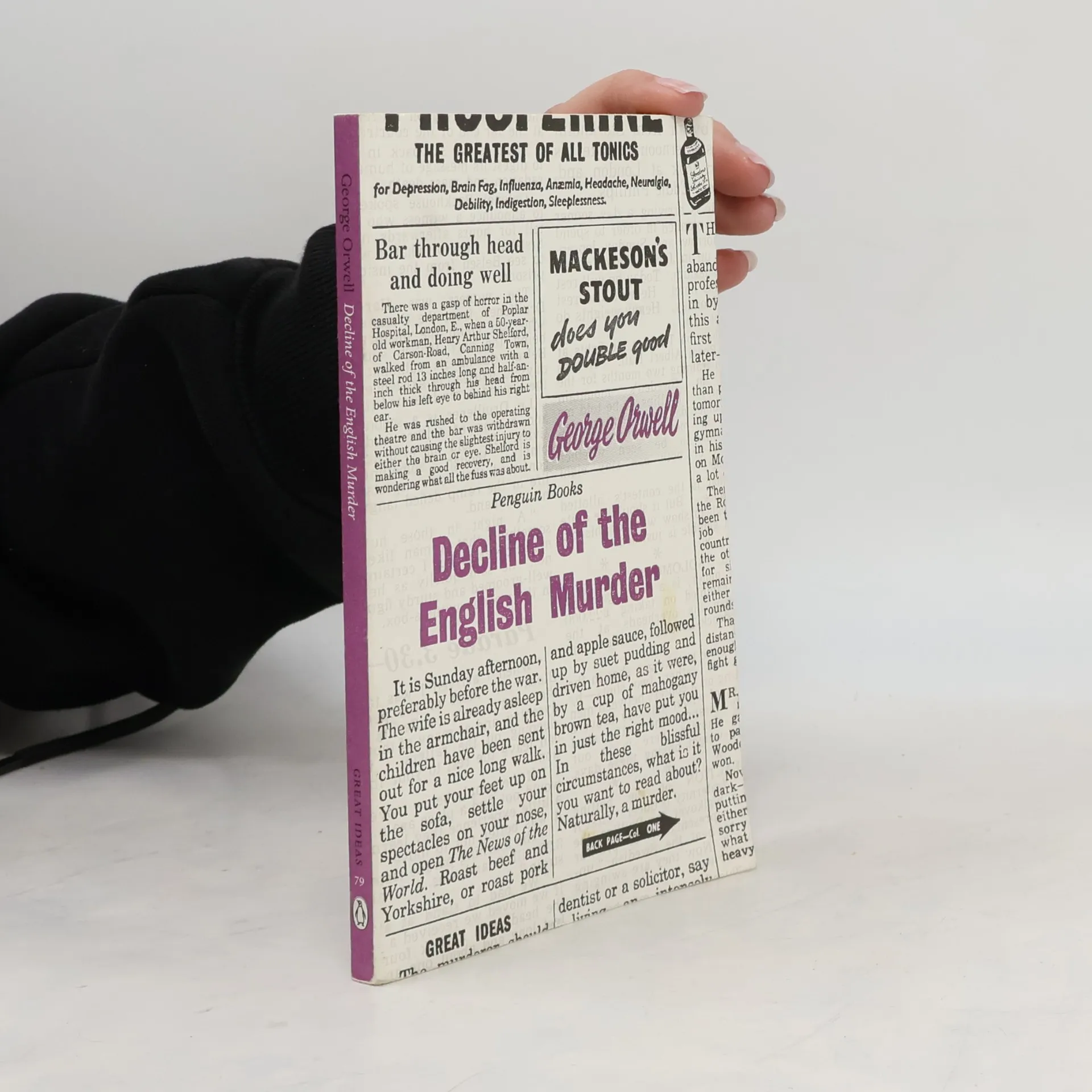
In these timeless and witty essays George Orwell explores the English love of reading about a good murder in the papers (and laments the passing of the heyday of the 'perfect' murder involving class, sex and poisoning), as well as unfolding his trenchant views on everything from boys' weeklies to naughty seaside postcards. Throughout history, some books have changed the world. They have transformed the way we see ourselves - and each other. They have inspired debate, dissent, war and revolution. They have enlightened, outraged, provoked and comforted. They have enriched lives - and destroyed them. Now Penguin brings you the works of the great thinkers, pioneers, radicals and visionaries whose ideas shook civilization and helped make us who we are.
Approaching a liberal arts tradition in the classroom, across the curriculum, and beyond, The McGraw-Hill Reader offers rich and diverse readings in education, the social sciences, business and economics, the humanities, and the sciences. This new eleventh edition offers a new focus on reading and composing across various media; it includes over 100 selections from prominent thinkers and writers; each essay was chosen to provoke critical thought and encourage effective writing.
George Orwell is a difficult author to summarize. He was a would-be revolutionary who went to Eton, a political writer who abhorred dogma, a socialist who thrived on his image as a loner, and a member of the Indian Civil Service who chronicled the iniquities of imperialism. Both the books in this volume were published in the 1930s, a "a low, dishonest decade," as his coeval W.H. Auden described it. Orwell's subjects in Down and Out in Paris and Londonand The Road to Wigan Pierare the political and social upheavals of his time. He focusses on the sense of profound injustice, incipient violence, and malign betrayal that were ubiquitous in Europe in the 1930s. Orwell's honesty, courage, and sense of decency are inextricably bound up with the quasi-colloquial style that imbues his work with its extraordinary power. His descriptions of working in the slums of Paris, living the life of a tramp in England, and digging for coal with miners in the Midlands make for a thoughtful, riveting account of the lives of the working poor and of one man's search for the truth. Our edition includes the following essays: Marrakech; How the Poor Die; Antisemitism in Britain; Notes on Nationalism
Old Major, an old boar, gathers the animals on Manor Farm to share his revolutionary vision, likening humans to parasites and teaching them the song "Beasts of England." After his death, pigs Snowball and Napoleon lead the animals in a successful revolt against Mr. Jones, renaming the farm "Animal Farm" and establishing the Seven Commandments of Animalism, with "All animals are equal" as the core principle. As the pigs assume leadership, they begin to privilege themselves, claiming special food for health reasons. Tension arises between Snowball and Napoleon, culminating in Snowball's expulsion by Napoleon's trained dogs. Napoleon consolidates power, replacing collective meetings with a committee of pigs and taking credit for Snowball's windmill idea. When the windmill collapses, Napoleon blames Snowball, using him as a scapegoat to justify purges against dissenters. The revolutionary anthem is replaced by one glorifying Napoleon, who increasingly resembles a human. Despite hardships, including an attack from neighboring farmers, the animals remain convinced of their progress. Boxer, the workhorse, collapses from overwork, and Napoleon deceitfully sends him away in a van belonging to a knacker. As time passes, the pigs adopt human traits, and the commandments are reduced to "All animals are equal, but some animals are more equal than others." In a final betrayal, Napoleon hosts a dinner with local farmers, and the animals real
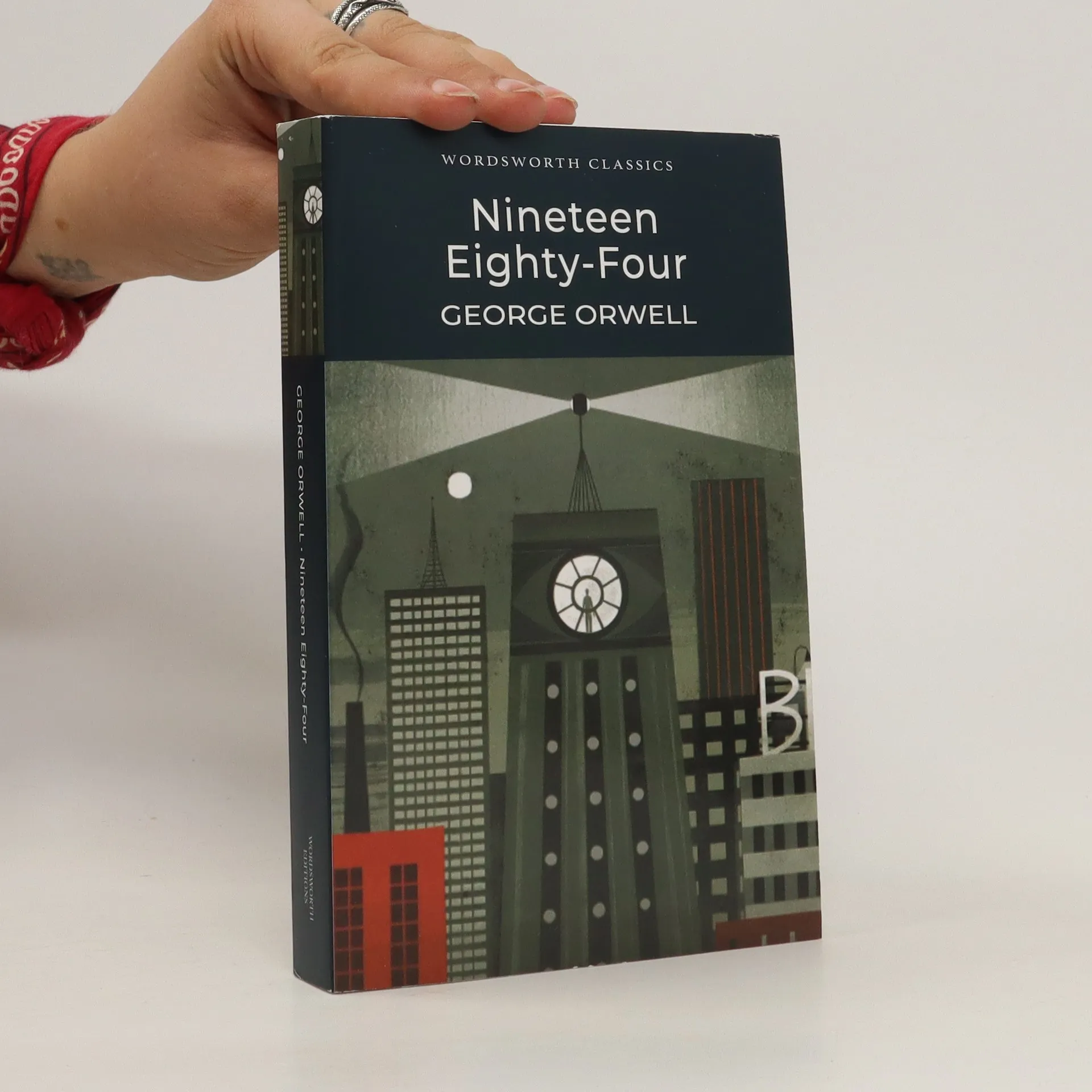
Set in a dystopian London in 1984, the narrative unfolds in a world divided into three superstates: Eurasia, Estasia, and Oceania. Winston, working at the Ministry of Truth, grapples with the oppressive regime's manipulation of history and suppression of free speech. As he erases evidence of past alliances, his growing discontent and the burden of enforced lies intensify. A forbidden romance with Julia sparks his desire for rebellion, challenging the Party's totalitarian control over personal relationships and individual thought.
The narrative follows anthropomorphic farm animals as they revolt against their human owner, aspiring to establish a society based on equality, freedom, and happiness. Their quest for a utopian existence reveals the complexities of power and the corruption that can arise from it, ultimately leading to a poignant commentary on politics and human nature. Through their journey, the animals encounter challenges that question the ideals of their rebellion and the realities of leadership.
The story follows the animals on Manor Farm, who endure harsh conditions and insufficient food under Farmer Jones. In a bid for freedom, they rebel and take control of the farm. However, as the pigs assume leadership, the initial hopes for a better life gradually fade, leading to a return to oppressive conditions reminiscent of their past. This narrative explores themes of power, corruption, and the cyclical nature of oppression.
Englische Lektüre für die Oberstufe. Buch mit Vokabelbeilage
355 pages
13 hours of reading
Winston Smith lebt in einem dystopischen Überwachungsstaat im Jahr 1984. Als
Mitglied der äußeren Partei ist er damit beschäftigt, die Geschichte für das
Wahrheitsministerium zu fälschen. In seinem Inneren ist Smith jedoch ein
Gegner des Systems, weswegen er in einen verhängnisvollen Konflikt mit der
Gedankenpolizei gerät.
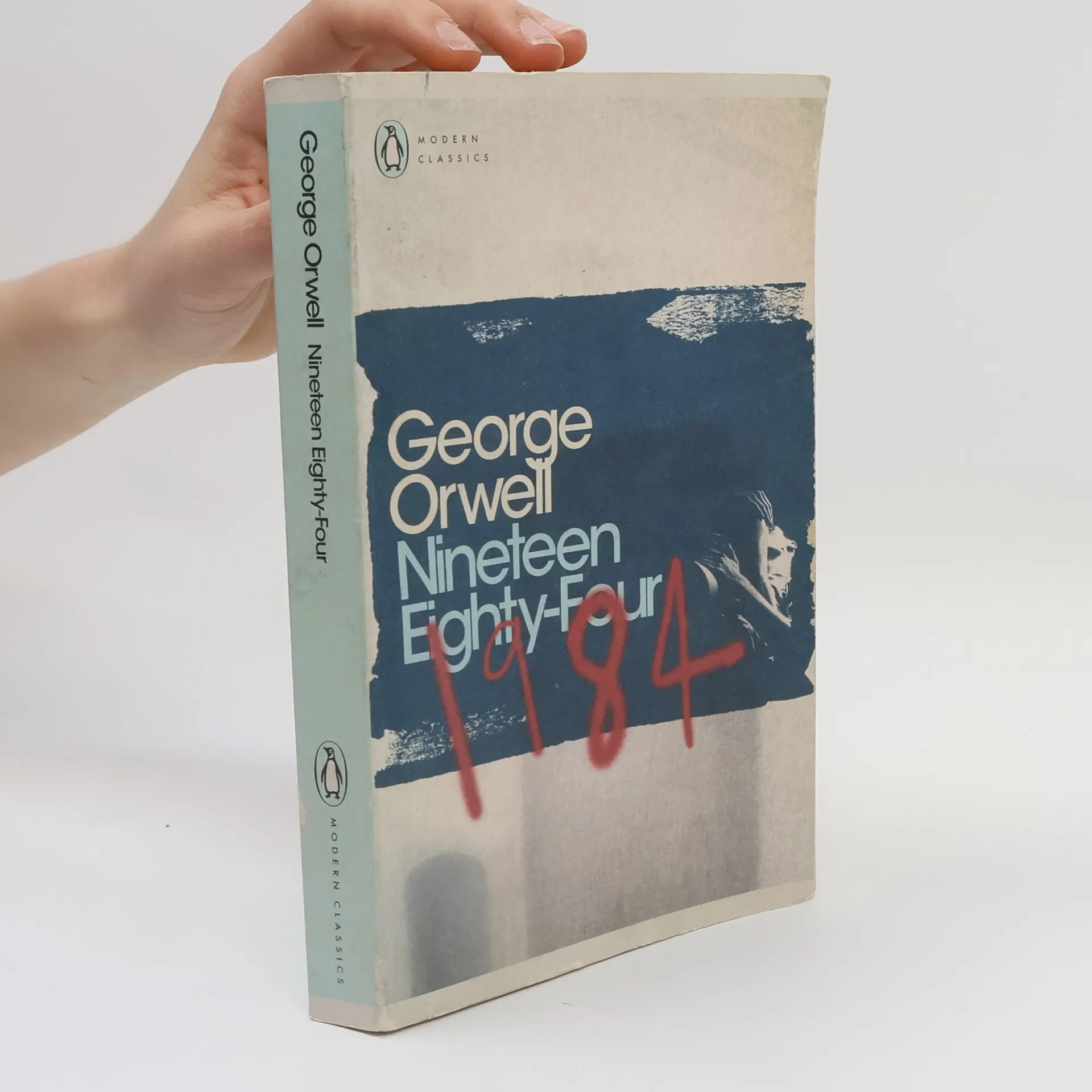
The Thought Police, Doublethink, Newspeak, Big Brother – '1984' itself: these terms have moved from the world of fiction into our everyday lives. They are central to our thinking about freedom and its suppression; yet they were created by George Orwell in 1949 as he conjured his dystopian vision of a world where totalitarian power is absolute.
In 1943, the need for a critique of Stalin's regime became urgent as the Soviet Union allied with Britain against Nazi Germany, leading to censorship and a reluctance among leftist intellectuals to acknowledge the brutal realities of Stalin's rule. Orwell, viewing Stalin as a "disgusting murderer," sought to convey this truth powerfully. He realized that a political essay wouldn't reach a broad audience, and a traditional novel would take too long to write. Instead, he creatively combined the moralism of a "beast fable" with the satire found in Gulliver's Travels. The story features farm animals, led by pigs, who overthrow their human masters, aiming for a utopian society. However, under Napoleon the pig's leadership, their ideals are quickly corrupted, resulting in a new tyranny. Although Orwell faced initial rejection from publishers, the book was finally published in August 1945, after the war ended. It quickly became a seminal text during the emerging "cold war," a term coined by Orwell, and has since been subjected to various attempts to alter its meaning. Today, it serves as a timeless fable about tyranny and corruption. This edition also includes essays on topics such as totalitarianism, art, and the role of the writer.
Ever since its publication in 1948, George Orwell's terrifying vision of a totalitarian regime where Big Brother controls its citizens like 'a boot stamping on a human face' has become a touchstone for human freedom, and one of the most widely-read books in the world. In this new annotated edition Orwell's biographer D. J. Taylor elucidates the full meaning of this timeless satire, explaining contemporary references in the novel, placing it in the context of Orwell's life, elaborating on his extraordinary use of language and explaining the terms such as Newspeak, Doublethink and Room 101 that have become familiar phrases today. This is the essential edition of the essential book of modern times. Annotated and with an Introduction by D. J. Taylor 'The book of the twentieth century . . . haunts us with an ever-darker relevance.' Independent 'The greatest writer of the twentieth century.' Observer
A dystopian masterpiece - the powerful and prophetic novel that defined the twentieth century. The year is 1984. War and revolution have created an unrecognisable world. Great Britain, now known as Airstrip One, is ruled by the Party, led by Big Brother. Mass surveillance is total and The Thought Police ensure no individual thinking is allowed. Winston Smith works at The Ministry of Truth, carefully rewriting history. But Winston dreams of freedom, and of rebellion. It is here that he falls in love with Julia, and starts a secret, forbidden affair with her - but in this world nothing can be kept secret, and they are forced to face consequences more terrifying than either of them could have ever imagined. 'A profound, terrifying, and wholly fascinating book' New Yorker 'No novel of the past century has had more influence than George Orwell's 1984' Atlantic WITH AN INTRODUCTION BY ROBERT HARRIS