Pierre Bergé Book order (chronological)
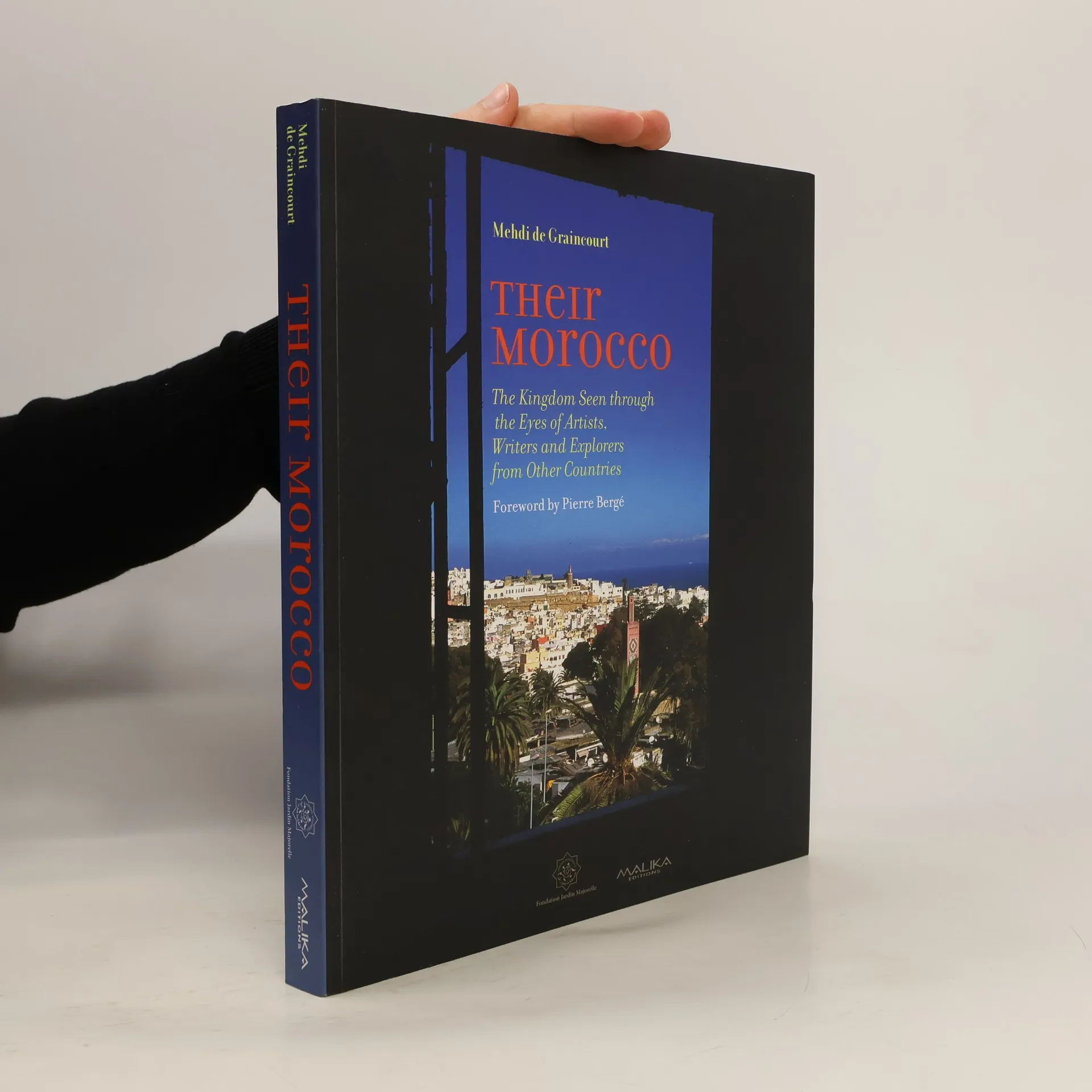
Their Morocco
The Kingdom Seen Through the Eyes of Artists, Writers and Explorers from Other Countries
- 256 pages
- 9 hours of reading
"Over several centuries, Morocco has attracted Western writers, painters, composers, singers and artists. They in turn shared their love for the Kingdom with the entire world. Their impressions and narratives are an essential part of history." --Front flap.
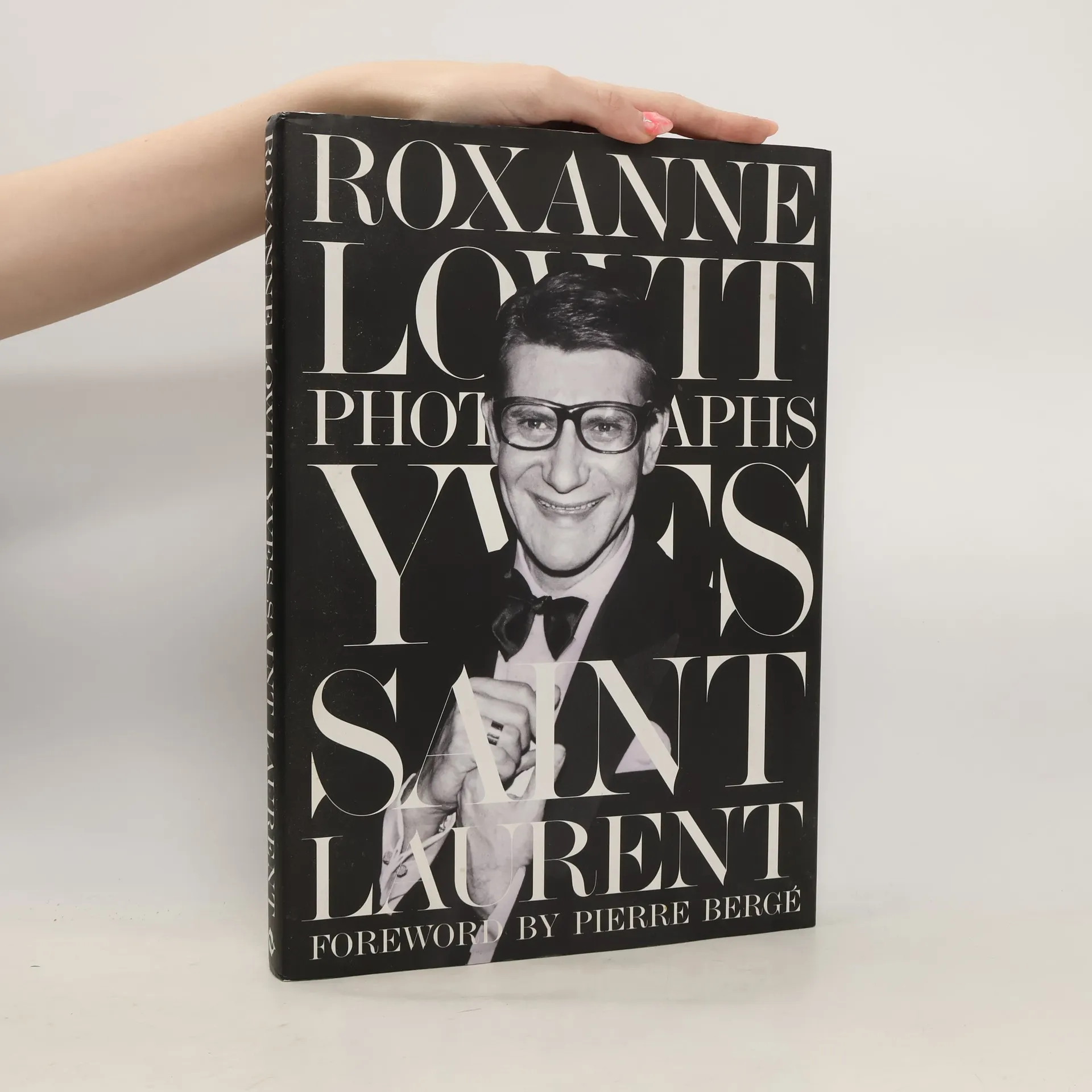
Yves Saint Laurent
- 208 pages
- 8 hours of reading
Yves Saint Laurent is a name synonymous with style, elegance, and high fashion. When he came on the scene at Dior and then started his own line, he quickly changed the way people regarded haute couture and the world of fashion itself. He revolutionized women’s eveningwear when he introduced le smoking , a woman’s tuxedo, and made couture accessible to a younger generation. Yves Saint Laurent is Roxanne Lowit’s personal photographic history of Saint Laurent, the man and the fashion, from 1978, the year she first met him, to the last show he gave in 2002. With contributions from YSL’s muses and admirers, including Catherine Deneuve, Betty Catroux, Lucie de la Falaise, Pat Cleveland, and Valerie Steele, this book represents the backstage experience at YSL’s shows as Lowit experienced them herself. Whether surrounded by beautiful models or peeking at the catwalk from the wings, every moment was a magnificent photo opportunity. Lowit shares magical moments of YSL with the world–intimate, social, absorbed in fashion–and creates a unique portrait of this towering figure of postwar couture.
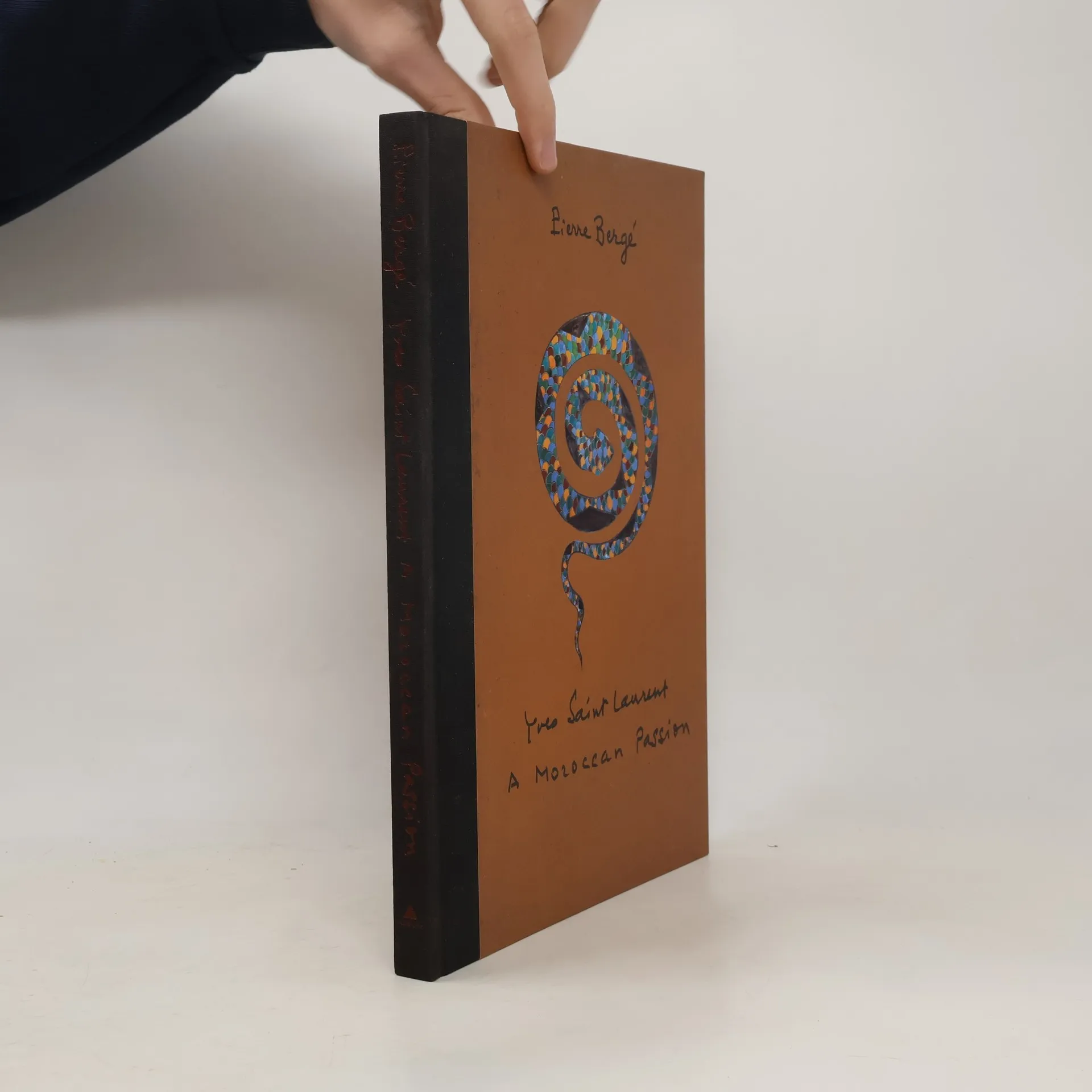
Yves Saint Laurent: a Moroccan Passion
- 92 pages
- 4 hours of reading
Pierre Berge, longtime partner of Yves Saint Laurent in life and in business, remembers their years together in Morocco in this charming, intimate illustrated journal.
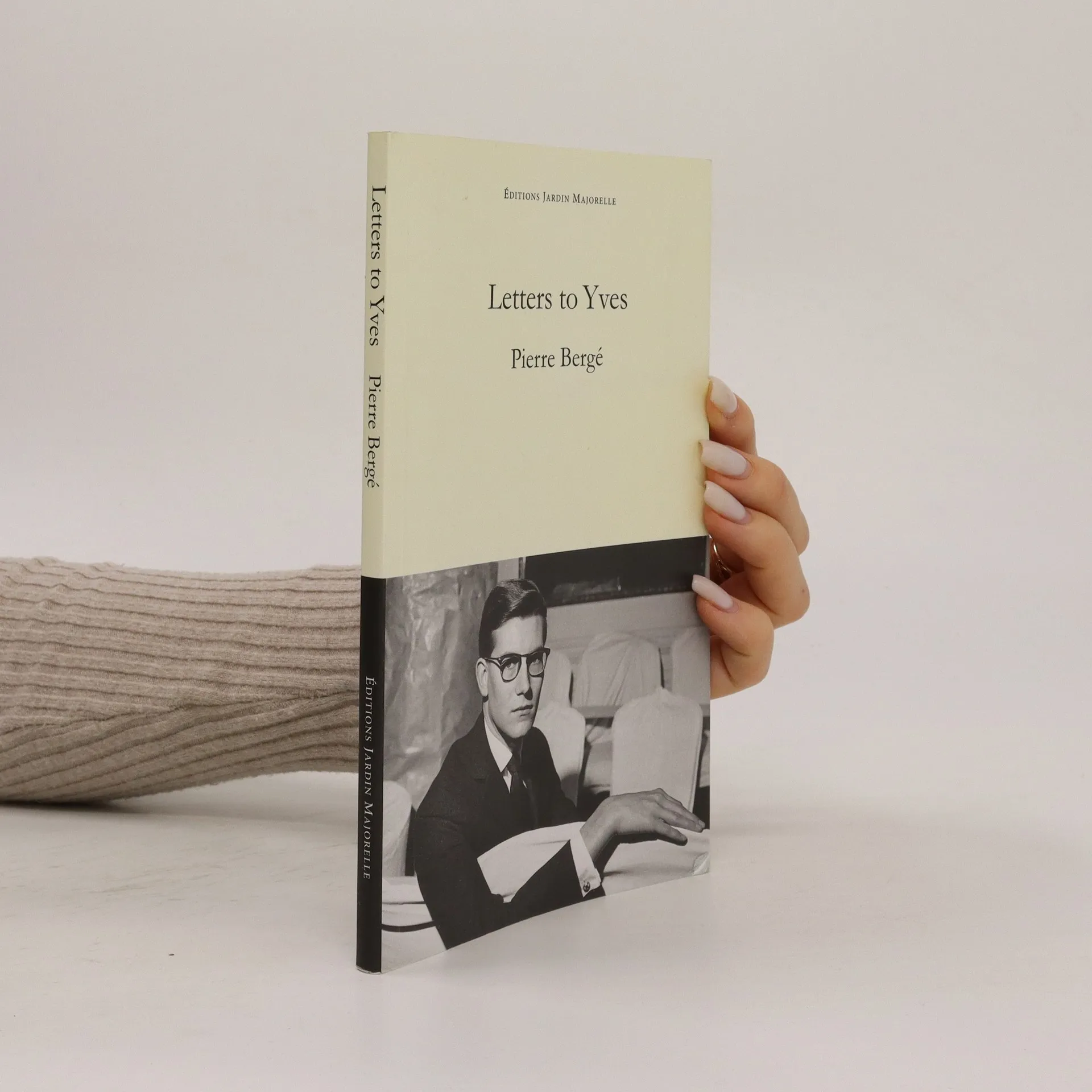
Letters to Yves
- 108 pages
- 4 hours of reading
Pierre Bergé shared his life with Yves Saint Laurent for fifty years. These letters, written to the great fashion designer after his death, relieve the carefree days when they were discovering fame and building their renewed art collection, as well as the bitter ones that followed, filled with drugs and depression. This homage to their passionate, sometimes tempestuous life together is a last and intimate farewell to a towering figure of 20th century fashion.
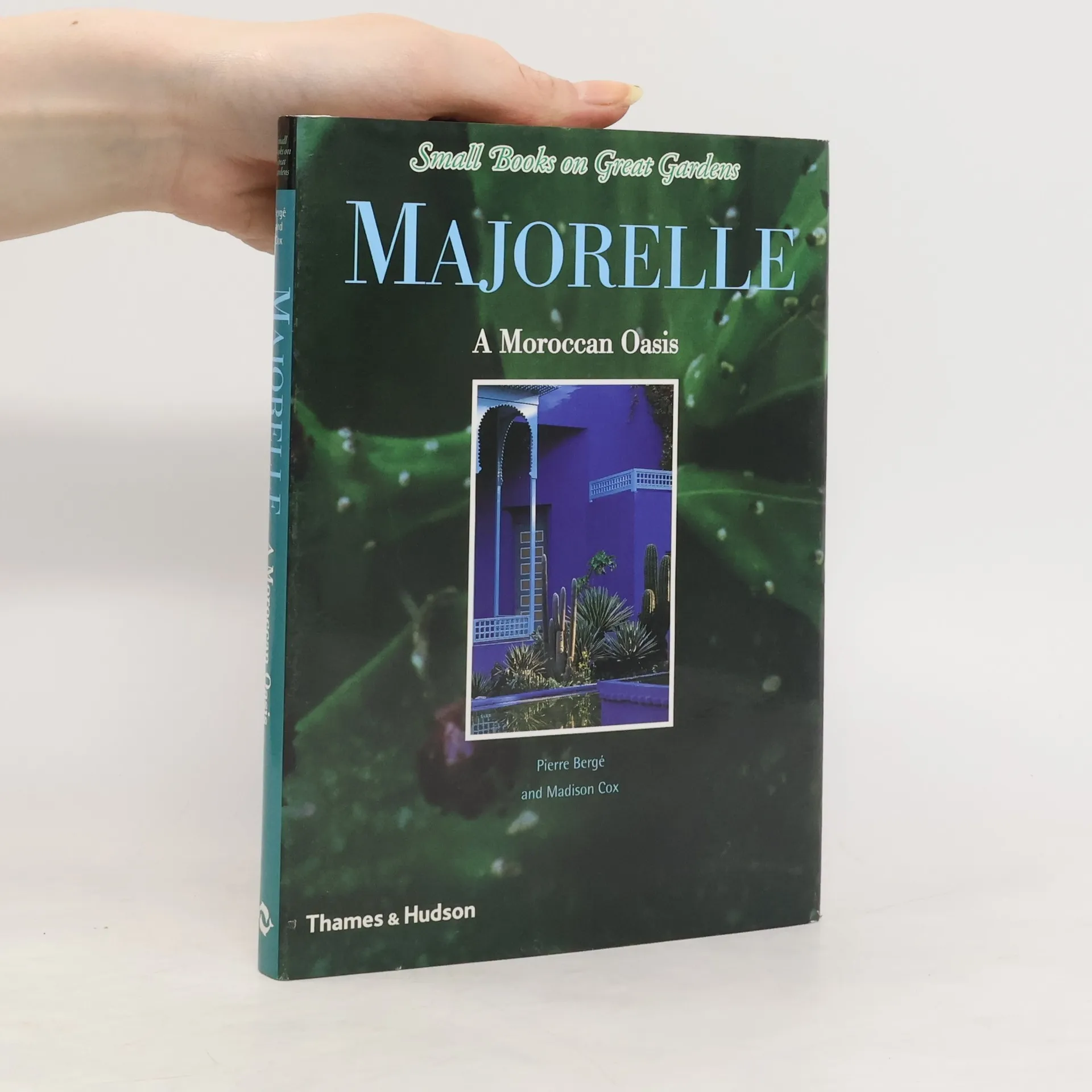
The Majorelle Gardens of Marrakech were laid out in the 1920s by Louis Majorelle, the French decorator, architect and painter renowned for his participation in both the art nouveau and art deco movements. He gave his name to the shade of blue lavishly used to paint the house and ornament the garden decoration. The site has been restored and replanted by the designer Yves Saint Laurent and his partner Pierre Berge in the vibrant primary colours of the original, to which they have added their personal touch. This manual explores the Gardens through photographs and text, and includes garden maps, plant lists and practical information on visiting times and best seasons.
Les jours s'en vont je demeure
- 184 pages
- 7 hours of reading
L'aphorisme de Jean Cocteau nous rappelle qu'en peignant un paysage ou une nature morte, on révèle toujours son propre portrait. À travers mes souvenirs, j'ai cherché à tracer le portrait d'hommes et de femmes qui ont marqué ma vie. Mon itinéraire est une exploration de ceux que j'ai aimés et admirés, et j'ai voulu les éclairer à ma manière. N'ayant jamais tenu de journal, j'ai fait confiance à ma mémoire, qui, comme toutes les mémoires, est sélective. En regardant en arrière, je réalise la chance que j'ai eue de croiser ces personnalités dont je souhaite ranimer les traits, comme un négatif photographique qui se développe lentement. J'espère avoir réussi à donner vie à ce théâtre d'ombres et à ces fantômes qui m'ont accompagné, devenant le sel de mon existence. Dans mes rêves, ils se rejoignent dans une danse merveilleuse et infernale qui ne s'arrêtera qu'avec moi. Ce récit dessine les portraits de figures emblématiques telles que Jean Giono, Jean Cocteau, François Mitterrand, et d'autres, révélant un monde riche en créativité et en émotions.
Erotic Drawings
- 144 pages
- 6 hours of reading
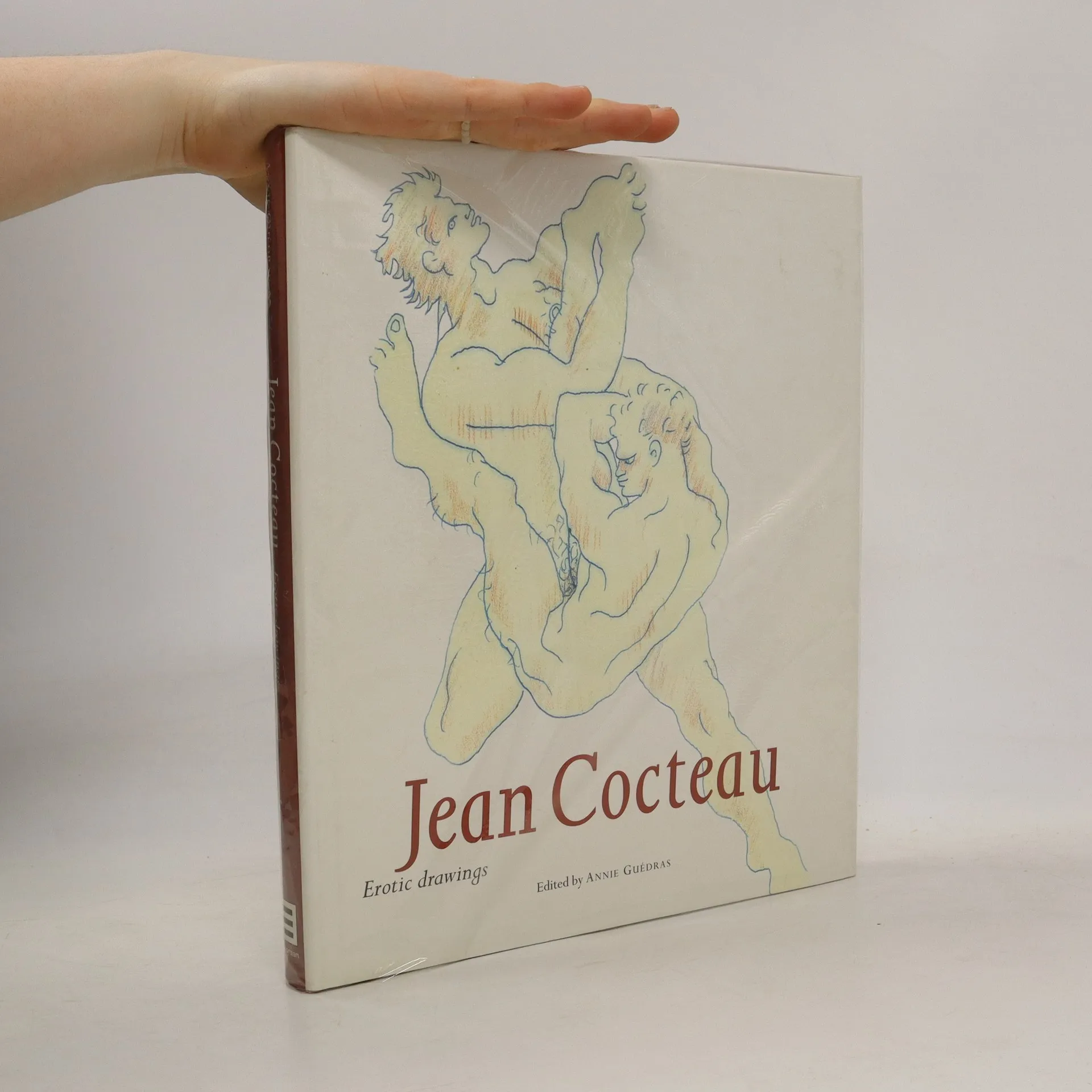
Although better known for his poetry, films and novels, Jean Cocteau experimented with drawing from childhood, and his caricatures have become iconic of his unique vision of people and life. This collection of erotic drawings covers four decades of work.
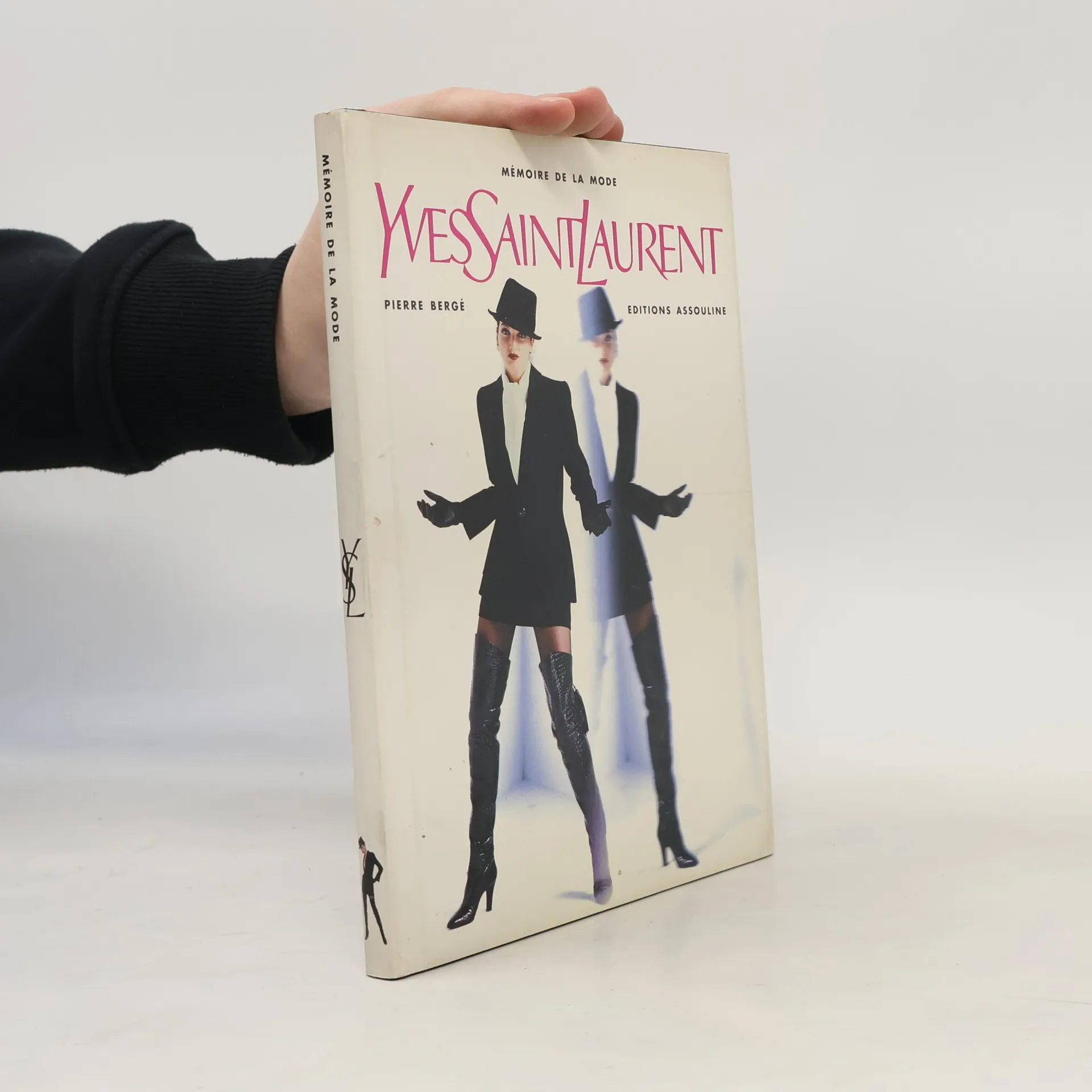
Mémoires de la mode
Yves Saint-Laurent
Timide et reclus, Yves Saint Laurent a quitté son poste de successeur désigné du grand Dior pour se lancer seul après la mort de son mentor. Avec Pierre Bergé, l'auteur de ce livre, il a créé un empire qui a fortement influencé la mode féminine. Il a été l'un des créateurs les plus inventifs, créant des surprises année après année.
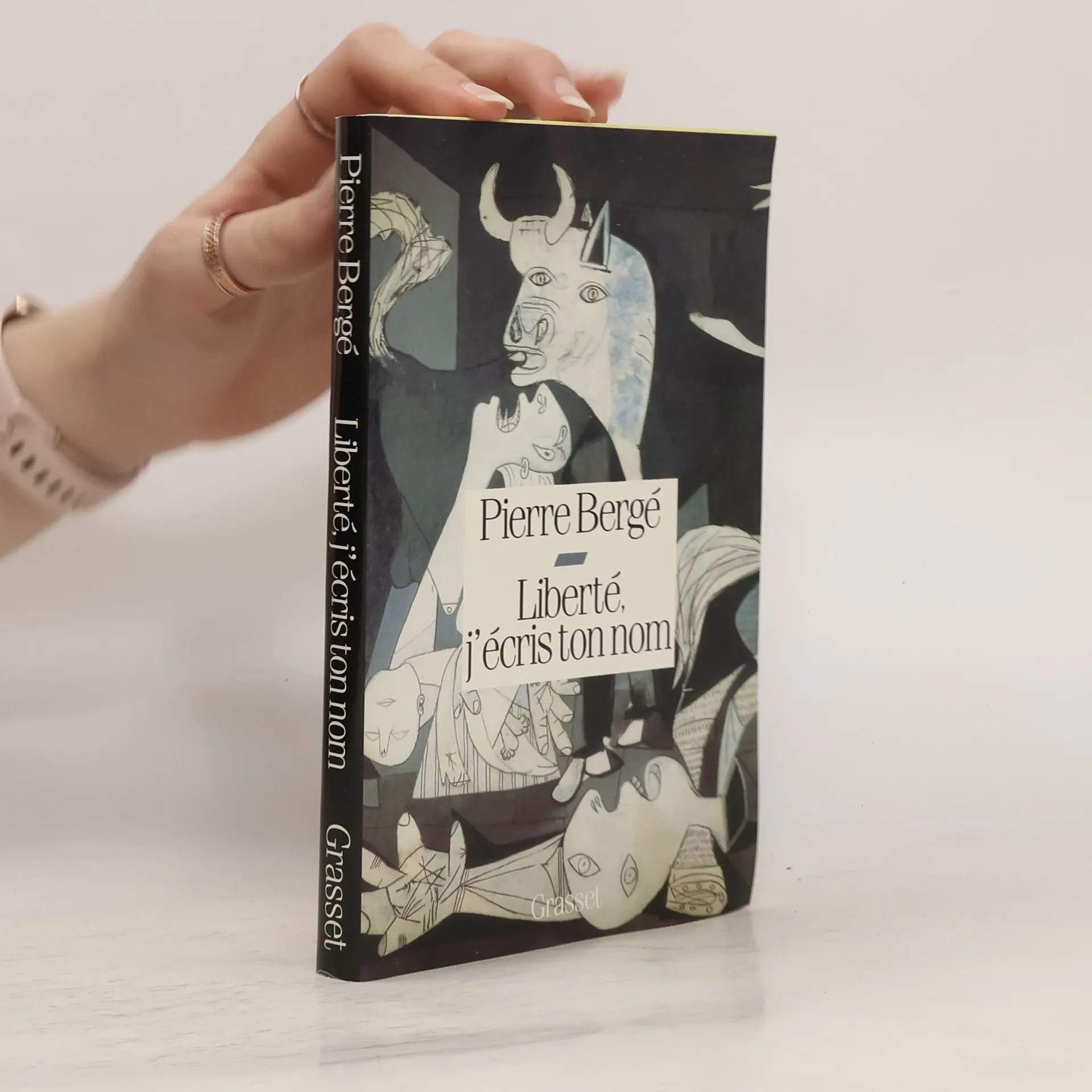
Liberté, j'écris ton nom
- 235 pages
- 9 hours of reading
Mémoires ? Confessions ? Souvenirs politiques et personnels ? Pamphlets ? Programme ? Liberté, j'écris ton nom est un peu tout cela à la fois. Mais c'est surtout le livre d'un homme libre qui dit haut ce que d'aucuns pensent bas et qui ne s'embarrasse d'aucune des prudences ou des pudeurs coutumières du discours politique. Ce livre était en projet depuis de longues années. L'ancien secrétaire de Giono, amoureux de la littérature, avait, depuis longtemps donc, le dessein d'offrir sa contribution au débat public. Sur la guerre et la paix, le racisme et les banlieues, la crise du politique, la morale et l'argent, la culture et l'entreprise, les jeux politiques et leurs rites, François Mitterrand, Michel Rocard, beaucoup d'autres, Pierre Bergé apporte des points de vue originaux, des informations, des analyses.
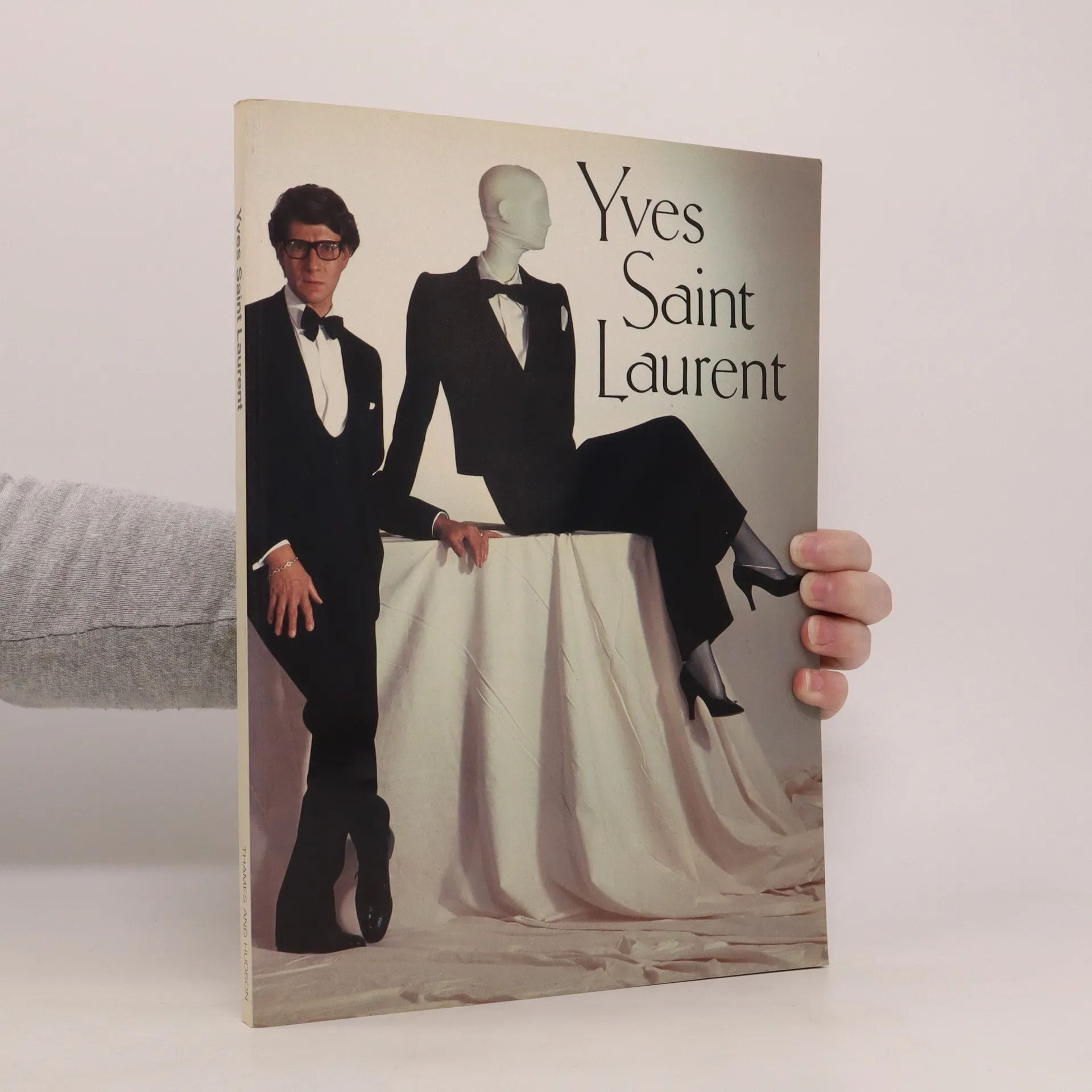
Yves Saint Laurent
- 192 pages
- 7 hours of reading
Catalog of the exhibition held at the Costume Institute of the Metropolitan Museum of Art, Dec. 14, 1983-Sept. 2, 1984. Fashion and the psychology of art / René Huyghe, Académie Française -- Yves Saint Laurent / Yves Saint Laurent -- Yves Saint Laurent: a collage of inspiration / Pierre Bergé -- Yves Saint Laurent / Paloma Picasso-Lopez, Marella Agnelli, and Catherine Deneuve -- Yves Saint Laurent: a chronology -- Yves Saint Laurent / Duane Michals -- Yves Saint Laurent: an illustrated survey.