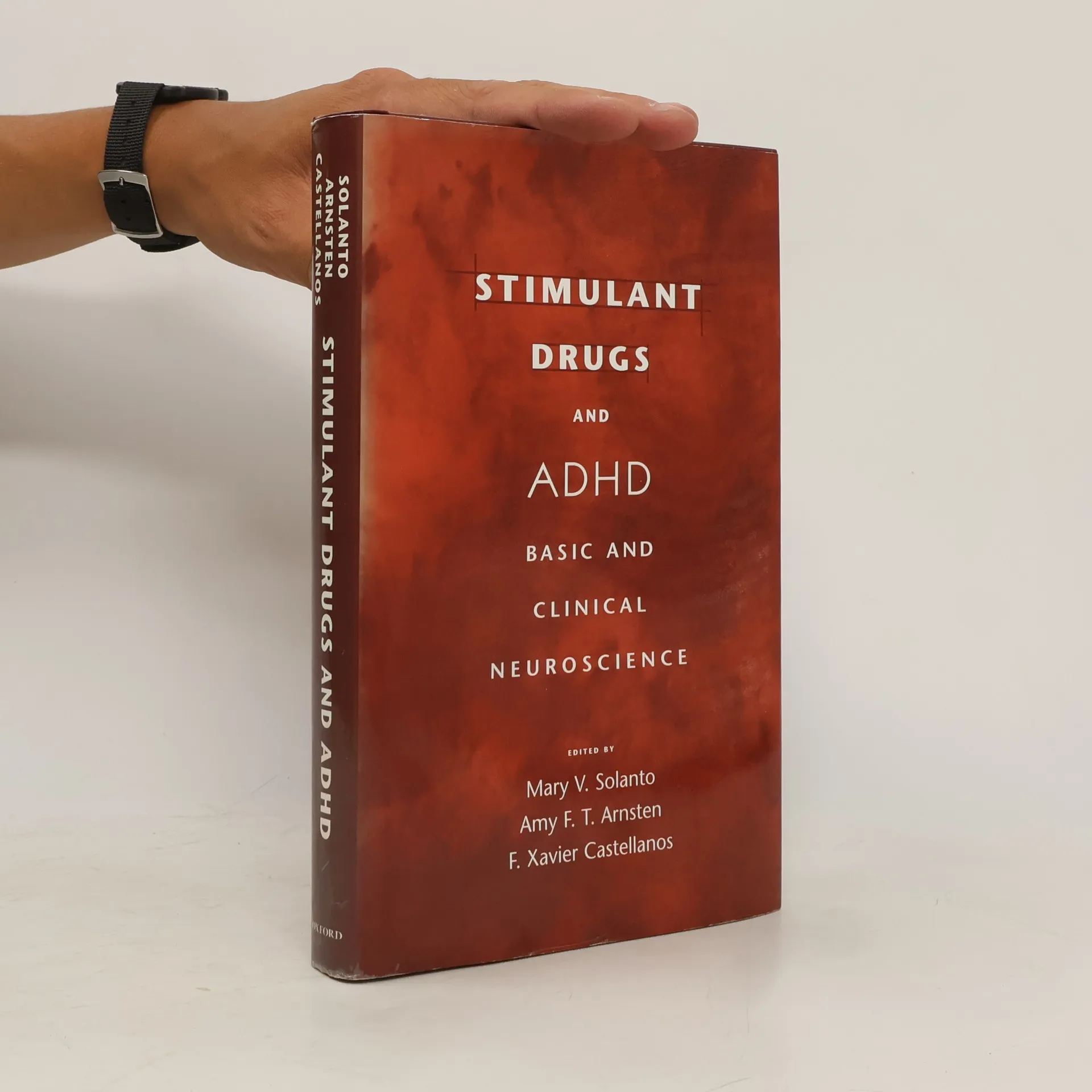
Stimulant drugs are commonly used for treating ADHD in both children and adults, with extensive studies over the past 60 years confirming their effectiveness in enhancing attention span, impulse control, and reducing hyperactivity. However, the mechanisms behind their action in the central nervous system have remained largely unclear. Recent advancements in neuroscience now provide insights into these mechanisms. This volume integrates knowledge from prominent scientists to address the critical question of how stimulants exert their therapeutic effects. Part I offers a thorough overview of ADHD's clinical features and patients' responses to stimulants. Part II explores the neuroanatomy and neurophysiology of dopamine and norepinephrine systems, focusing on their roles in attention, arousal, activity, and impulse control, along with the impact of stimulants on these systems. Part III examines clinical research, including neuroimaging studies, genetics, pharmacodynamics, pharmacokinetics, cognitive function effects, and comparisons between stimulants and non-stimulants in ADHD treatment. Finally, Part IV synthesizes alternative models of stimulant action and proposes key hypotheses for future research. This volume is essential for researchers and clinicians in psychiatry, psychology, neurology, and neuroscience, as well as those involved in developing new ADHD treatments.
Mary V. Solanto Book order (chronological)