The Poor Mouth
- 128 pages
- 5 hours of reading
The classic satire from the renowned comic and acclaimed author of `At Swim- Two-Birds' - Flann O'Brien.


This Irish author is considered a pivotal figure in twentieth-century Irish literature, renowned for his novels that blend bizarre humor with modernist metafiction. His work is celebrated for its intricate wordplay and philosophical depth, offering sharp, often ironic, commentary on society and the human condition. The author masterfully navigates various literary traditions, creating a distinctive voice that is both intellectually stimulating and wildly entertaining. His profound engagement with Irish culture and language contributes to a unique literary output that continues to captivate readers.

The classic satire from the renowned comic and acclaimed author of `At Swim- Two-Birds' - Flann O'Brien.
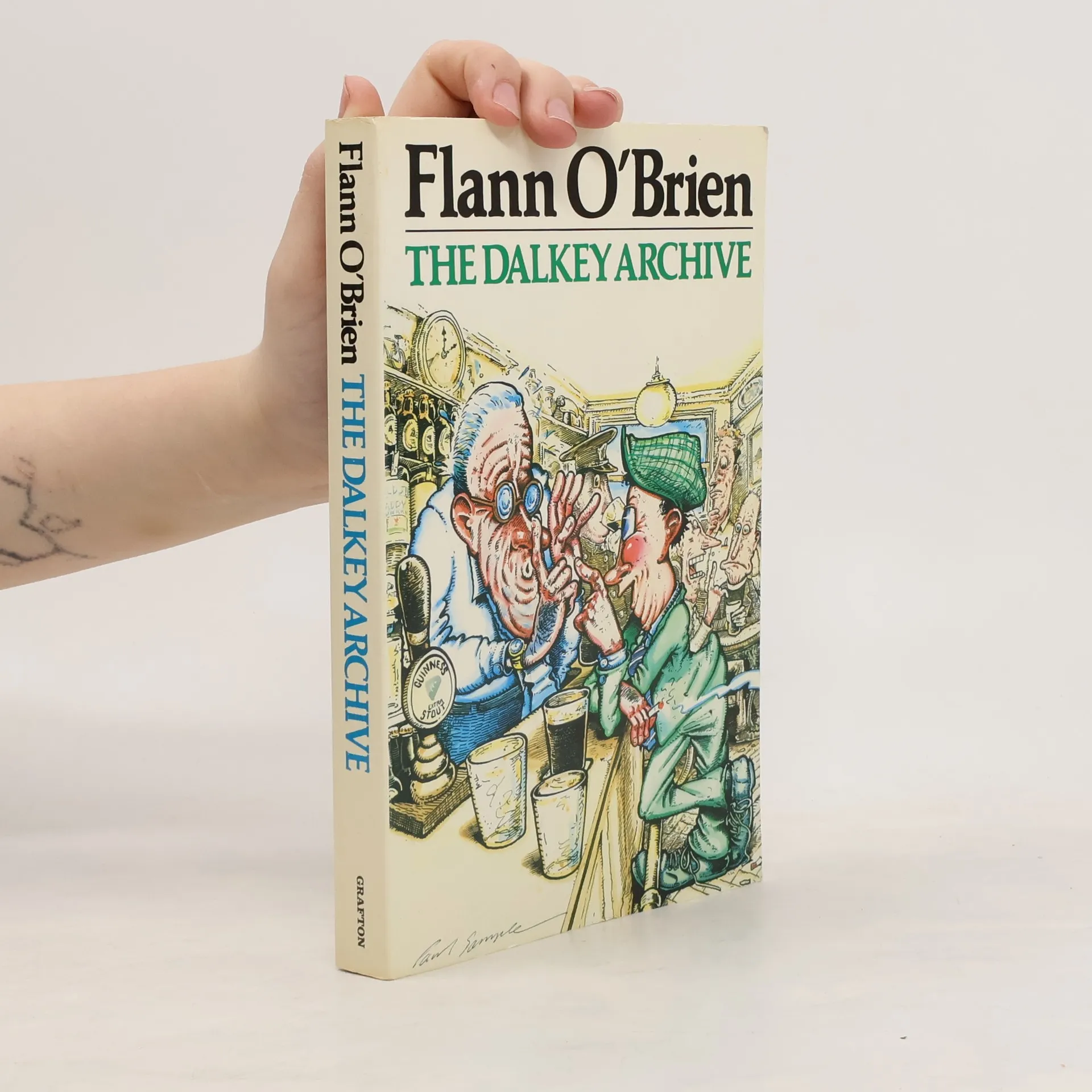
Hailed as "the best comic fantasy since Tristram Shandy " upon its publication in 1964, The Dalkey Archive is Flann O'Brien's fifth and final novel; or rather (as O'Brien wrote to his editor), "The book is not meant to be a novel or anything of the kind but a study in derision, various writers with their styles, and sundry modes, attitudes and cults being the rats in the cage." Among the targets of O'Brien's derision are religiosity, intellectual abstractions, J. W. Dunne's and Albert Einstein's views on time and relativity, and the lives and works of Saint Augustine and James Joyce, both of whom have speaking parts in the novel. Bewildering? Yes, but as O'Brien insists, "a measure of bewilderment is part of the job of literature."
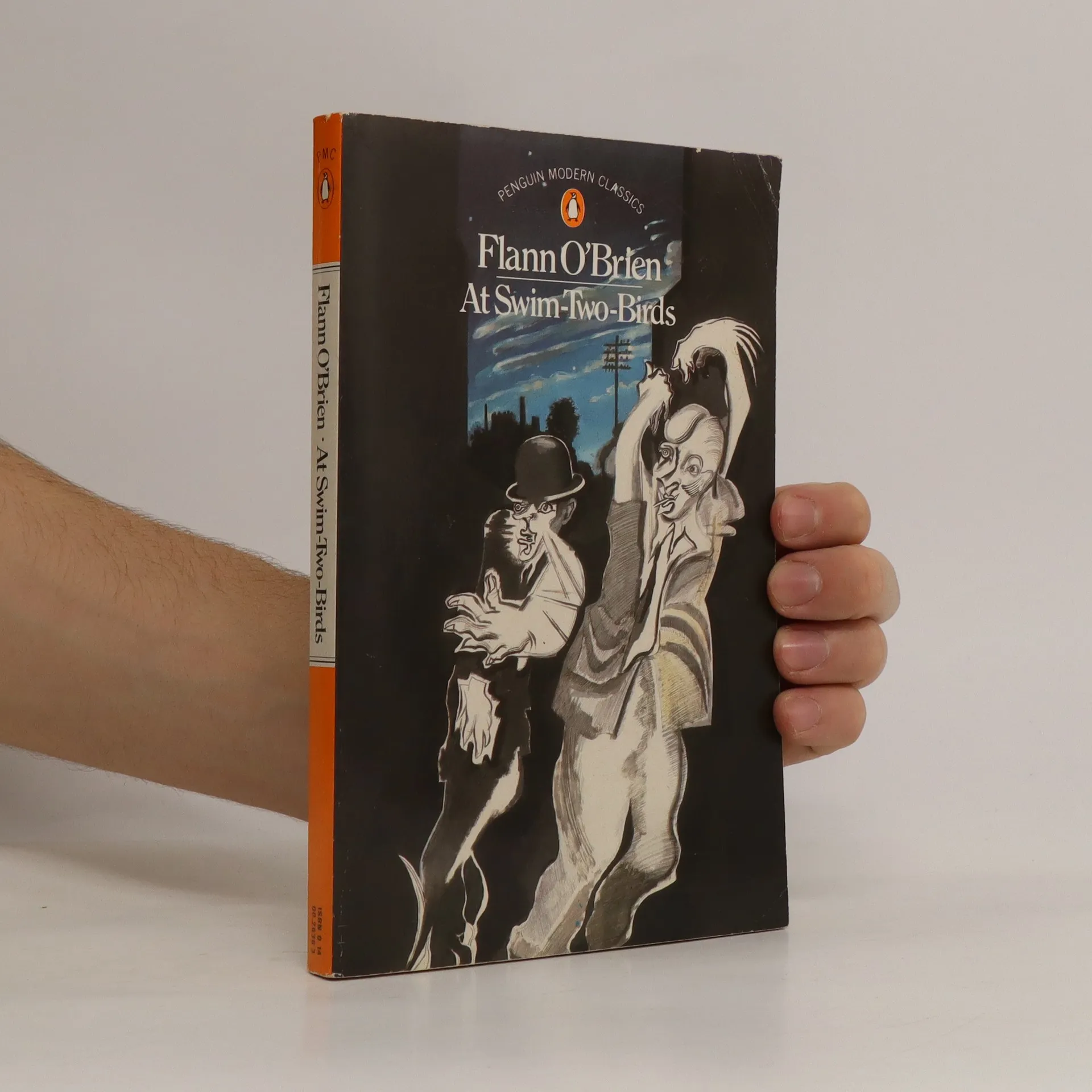
Flann O'Brien's innovative metafictional work, whose unruly characters strike out their own paths in life to the frustration of their author, At Swim-Two-Birds is a brilliant impressionistic jumble of ideas, mythology and nonsense published in Penguin Modern Classics. Flann O'Brien's first novel tells the story of a young, indolent undergraduate, who lives with his curmudgeonly uncle in Dubin and spends far too much time drinking with his friends. When not drunk or in bed he likes to invent wild stories peoples with hilarious and unlikely characters - but somehow his creations won't do what he wants them to. A dazzling work of farce, satire, folklore and absurdity that gives full rein to its author's dancing intellect and Celtic wit, At Swim-Two-Birds is both a brilliant comic send-up of Irish literature and culture, and a portrayal of Dublin to compare with Joyce's Ulysses. Brian Ó Nualláin, (1911-1966), better known by his pseudonym Flann O'Brien, was born in Strabane, County Tyrone, and studied at University College Dublin before joining the Irish Civil Service. Ifyou enjoyed At Swim-Two-Birds, you might like Vladimir Nabokov's Pale Fire, also available in Penguin Modern Classics. 'This is just the book to give your sister if she's a loud, dirty, boozy girl' Dylan Thomas 'That's a real writer, with the true comic spirit' James Joyce, author of Ulysses 'A brilliant, beer-soaked miniature masterpiece' Time
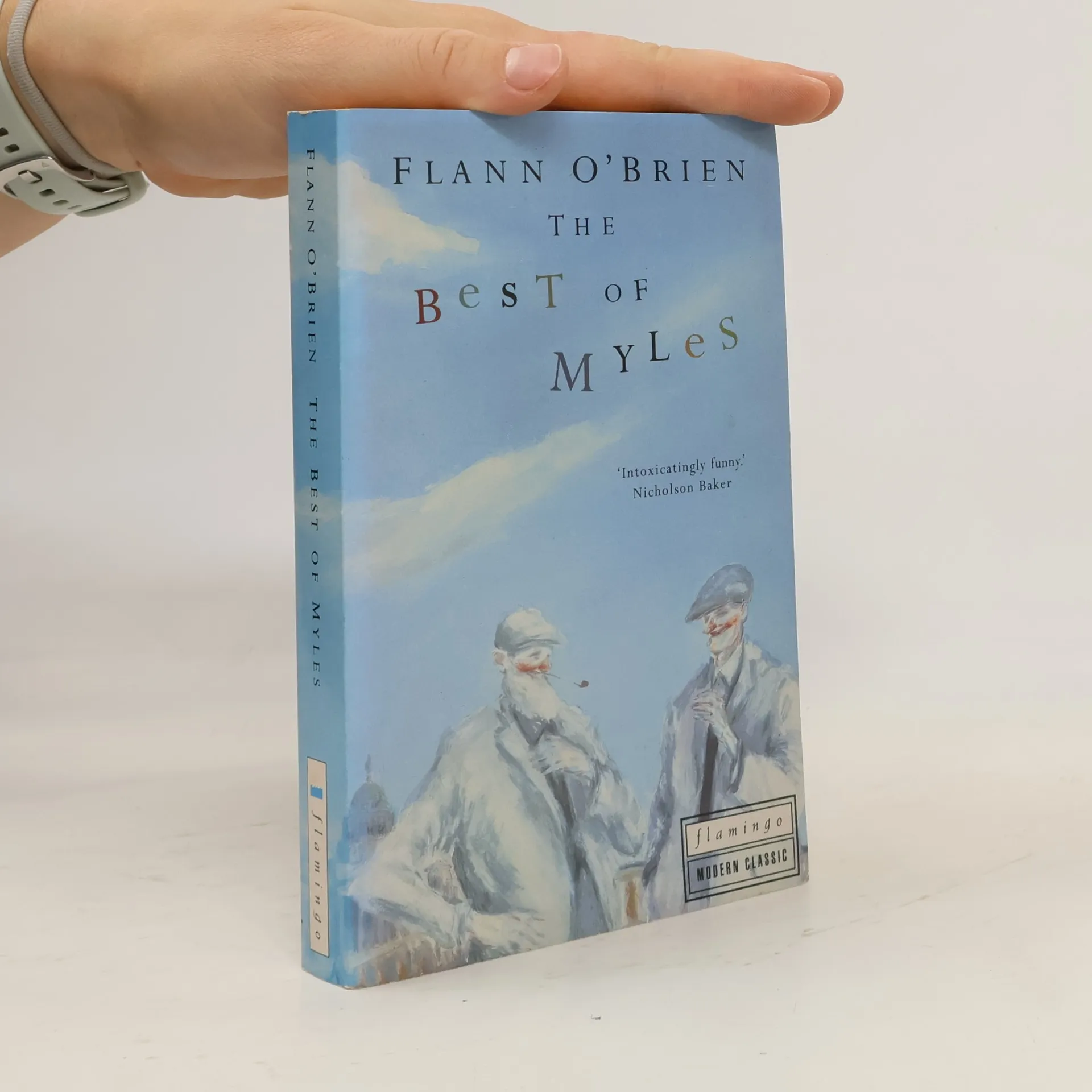
A collection of the best pieces from the first five years of Flann O'Brien's "Cruiskeen Lawn" column, the column he wrote for "The Irish Times" from 1940-66 under the name of Myles na Gopaleen.
Auf Schwimmen-zwei-Vögel. Aus Dalkeys Archiven. Der dritte Polizist. Das harte Leben. Das Barmen. Durst. Trost und Rat. Golden Hours. 8 Bde in Kassette
Der absonderliche Wissenschaftler De Selby erfindet eine Substanz zur Zerstörung allen organischen Lebens. De Selby ist durchaus bereit, von seiner Erfindung Gebrauch zu machen, begnügt sich allerdings vorerst damit, innerhalb einer Woche uralten Malt-Whiskey zu destillieren und, mit Hilfe eines mysteriösen Luftkompressionsverfahrens, in einer Unterwasserhöhle der Dublin-Bay bekannte biblische Gestalten oder frühchristliche Kirchenväter wie den Hl. Augustinus zu beschwören und in theologische Diskussionen zu verwickeln. Außerdem tritt in diesem Buch James Joyce auf, und zwar als ältlicher Pub-Wirt, der empört bestreitet, jemals ein Machwerk wie Finnegans Wake geschrieben zu haben. Vielmehr gibt sich Joyce als Verfasser jener Traktat-Heftchen zu erkennen, die gern an den Eingangspforten katholischer Kirchen ausliegen, und hat nur einen Herzenswunsch - nämlich Mitglied des Jesuitenordens zu werden.
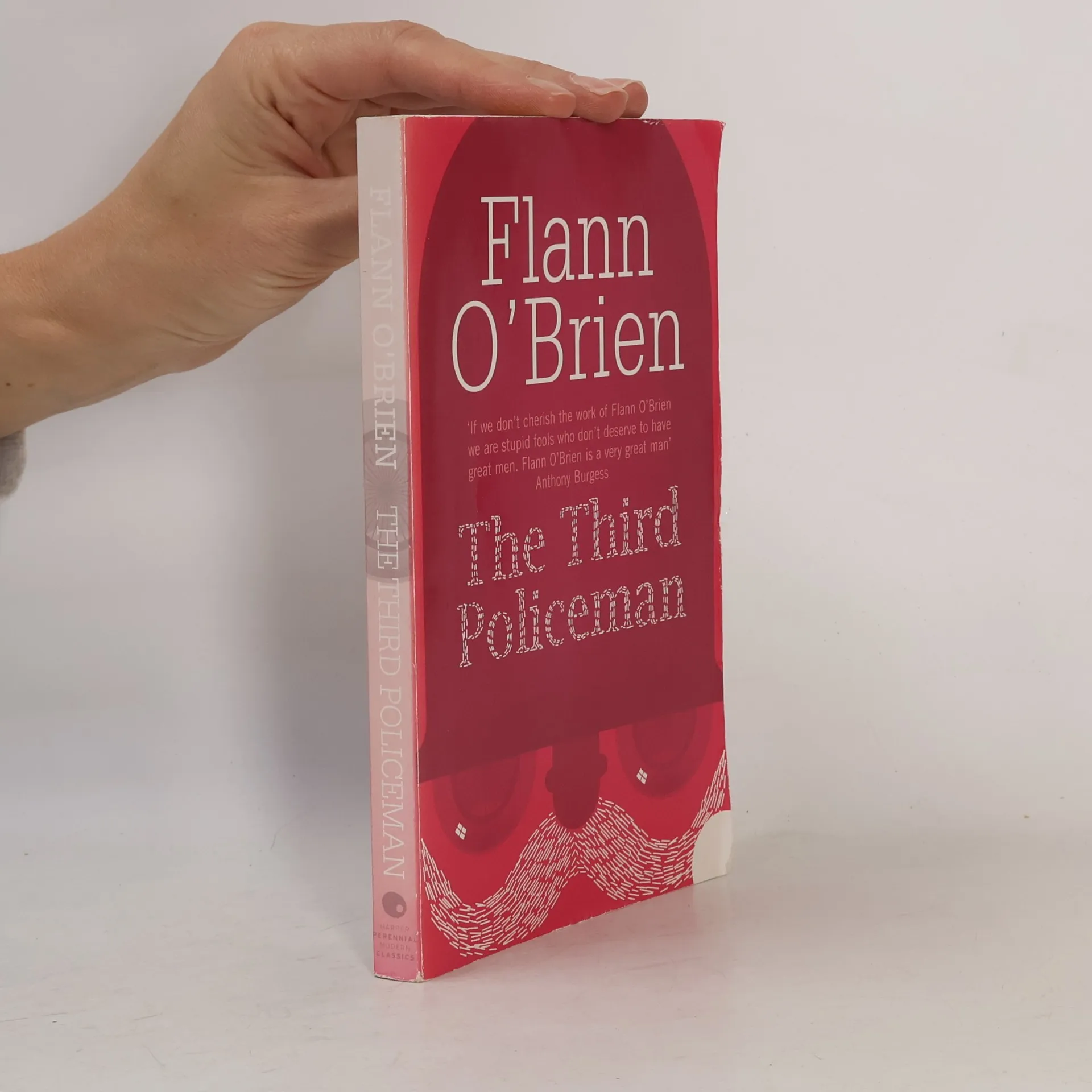
Trzeci policjant to najgłośniejsza powieść w dorobku O’Briena – gorzka, groteskowa i oniryczna, zawieszona pomiędzy przygodami Alicji w Krainie Czarów a thrillerem kryminalnym. To w niej objawia się postać szalonego naukowca de Selby’ego oraz sformułowana zostaje teoria atomowa dotycząca niebezpiecznych związków ludzi i rowerów. Pytania o to, czy Ziemia istotnie ma kształt kiełbasy, czym jest omnium oraz po co wynaleziono skrzynię wodną pozostają wciąż aktualne i nurtują kolejne pokolenia badaczy i komentatorów.
Kolumnen aus der "Irish Times" 1940-1945
Subtitled "An Exegesis of Squalor," this novel is a sober farce set in early 20th-century Dublin, exploring themes of squalor—illness, alcoholism, unemployment, crime, and illicit sex—while also delving into Church history, tightrope walking, and the necessity for public toilets for women. It offers straight-faced entertainment that cleverly conceals wicked satire, showcasing the wit of a renowned Irish writer. The dialogue is exceptional, capturing the vibrant Dublin atmosphere, with characters as rich as good porter. Described as a "sober farce," the book is anything but; it is wild, hilarious, fast-paced, irreverent, and comic, marking a significant addition to Irish literature since the author's debut. The conversations are delightful, reflecting the lively nature of Irish discourse, while the portrayal of a lower-middle-class family's cheerless existence is vividly rendered. The narrative is delivered through the eyes of a small boy, Finbarr, who offers a unique perspective with his limited understanding of adult life, resulting in remarkable insights. The true hero of the story is the Irish version of the English language, showcasing the author's mastery of wordplay, often perceived as outrageous by American audiences. O'Brien's economical technique makes the reading experience fluid and engaging.
A Big Book of Short Stories / Großes Kurzgeschichtenbuch. English-German.