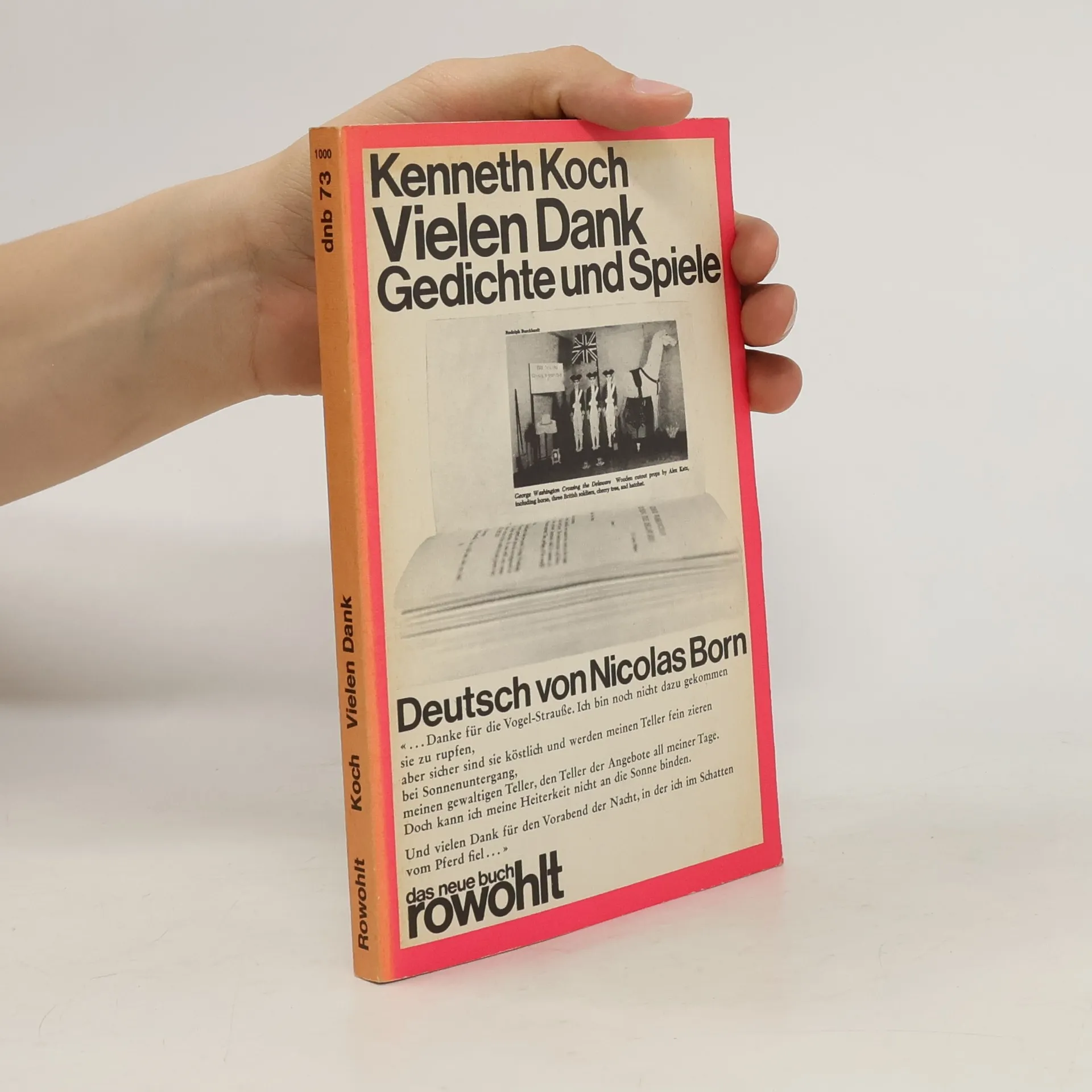
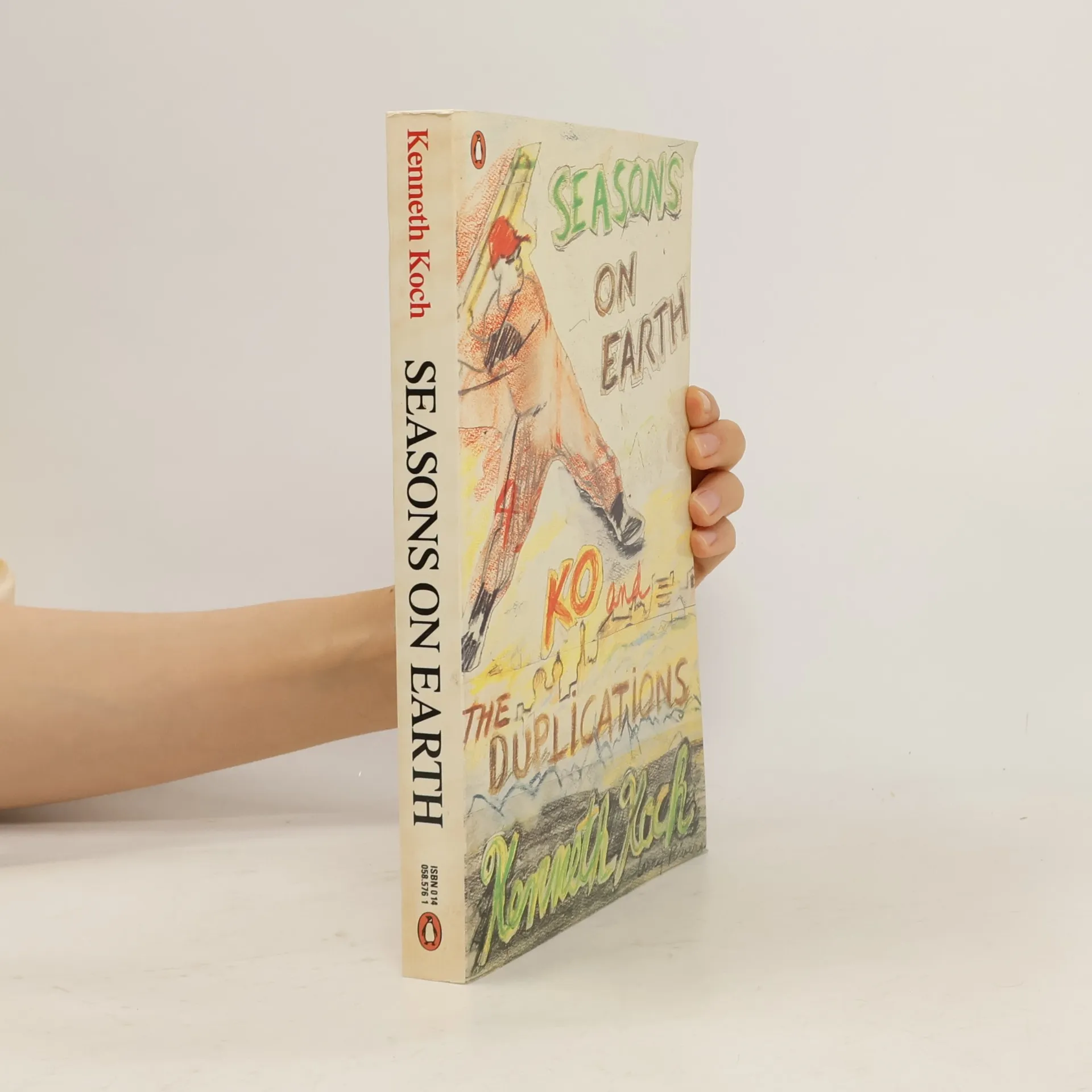
Kenneth Koch was a central figure of the New York School of Poetry, an avant-garde movement that sought to revitalize poetry in the mid-20th century. Alongside his peers, Koch aimed to break free from poetic clichés, drawing inspiration from surrealism and Abstract Expressionism to forge a fresh literary path. He was known for his anti-academic stance and his fervent efforts to champion his own work and that of his fellow poets. His extensive legacy encompasses poetry, plays, short stories, and essays on aesthetics and the teaching of poetry.
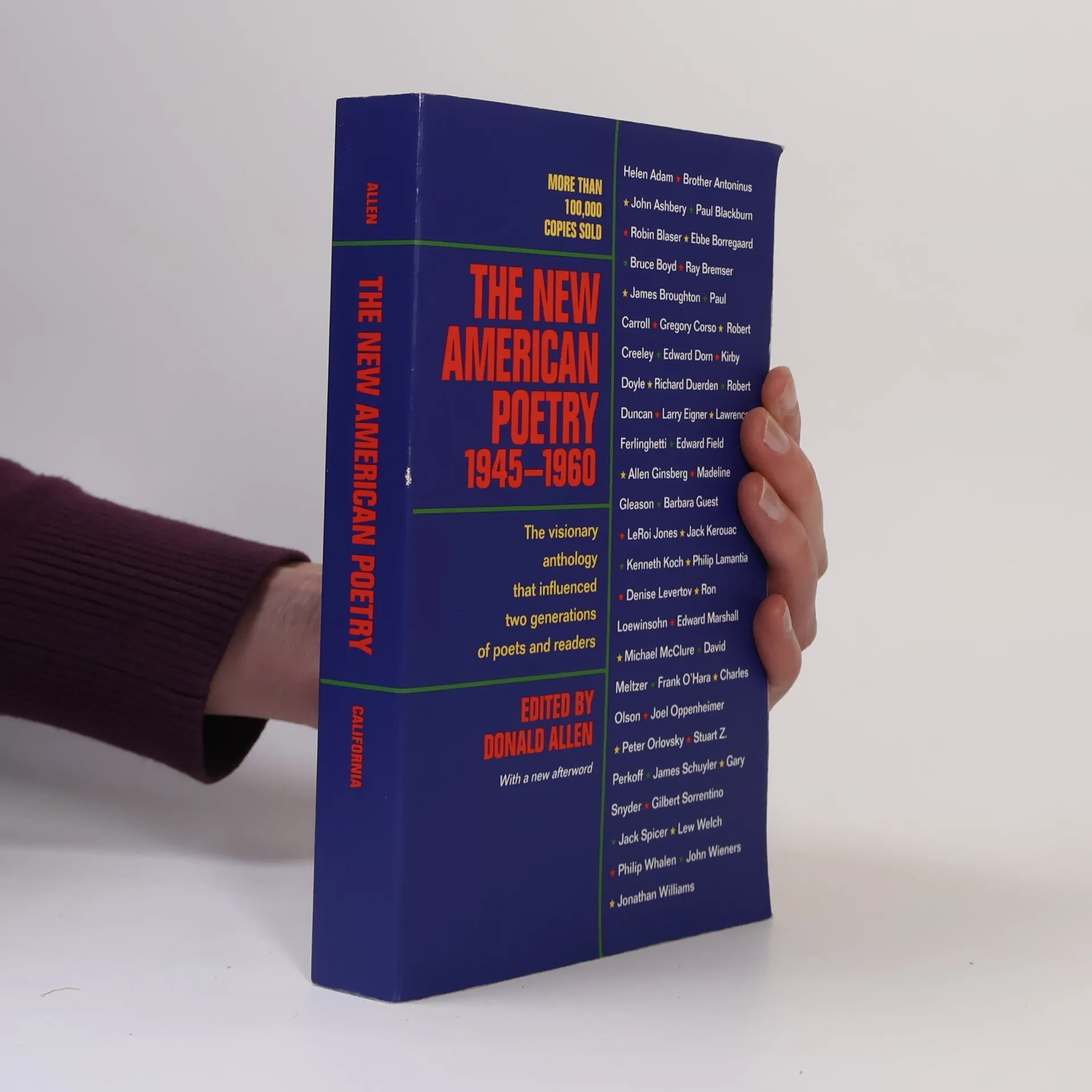
This counter-cultural collection of American verse fits in Robert Lowell's famous definition of the raw in American poetry. Contributors include: Olson; Duncan; Creeley; Guest; Ashbery; Ginsberg; Kerouac; Levertov; O'Hara; Snyder; and Schuyler.
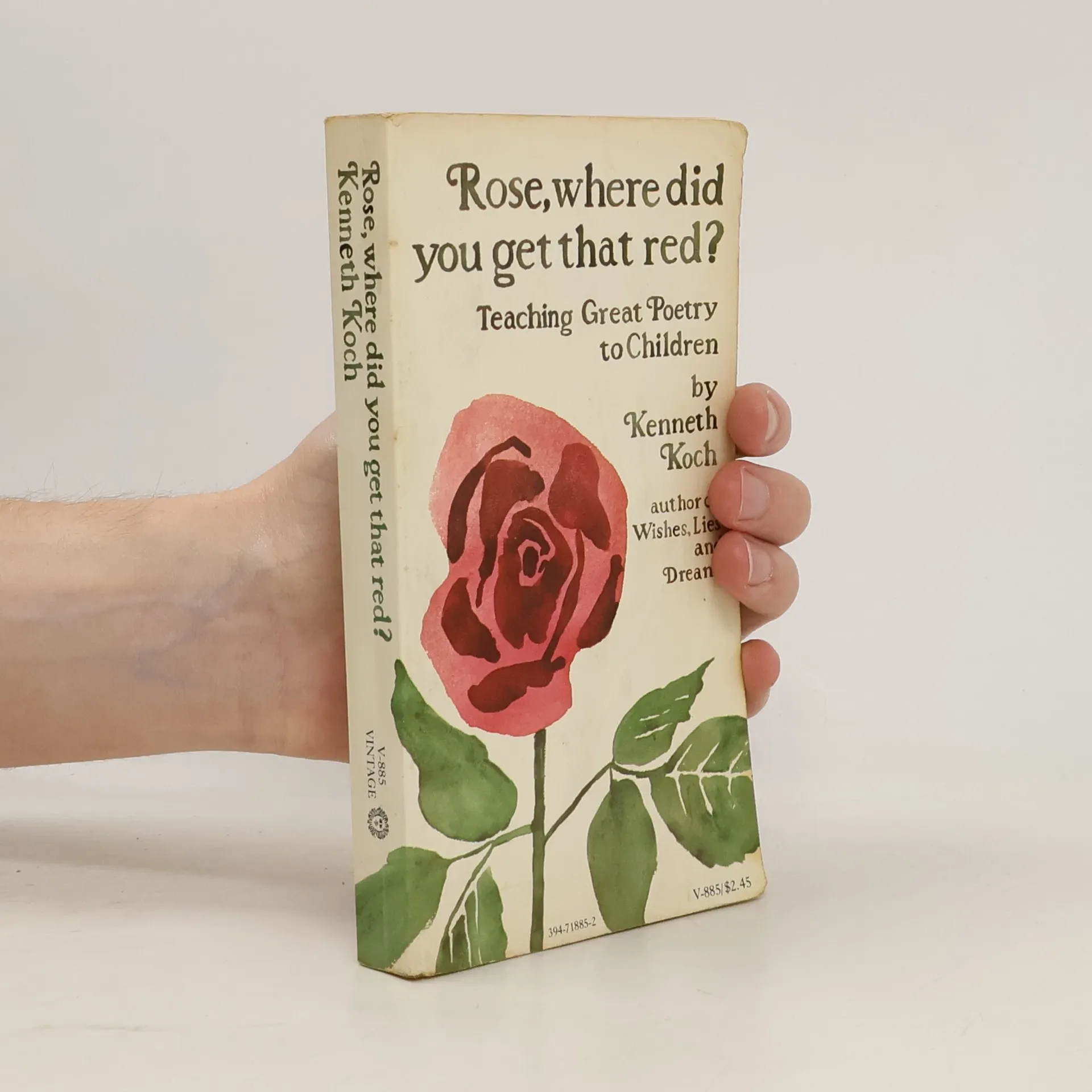
First published to enormous acclaim in 1973, this book became a classic that revolutionized the way children are taught to read and write poetry. The celebrated poet Kenneth Koch conveys the imaginative splendor of great poetry--by Blake, Donne, Stevens, Lorca, and others--and then shows how it maybe taught so as to help children write poetry of their own. For this edition, the author has written a new introduction and a special afterword for teachers.
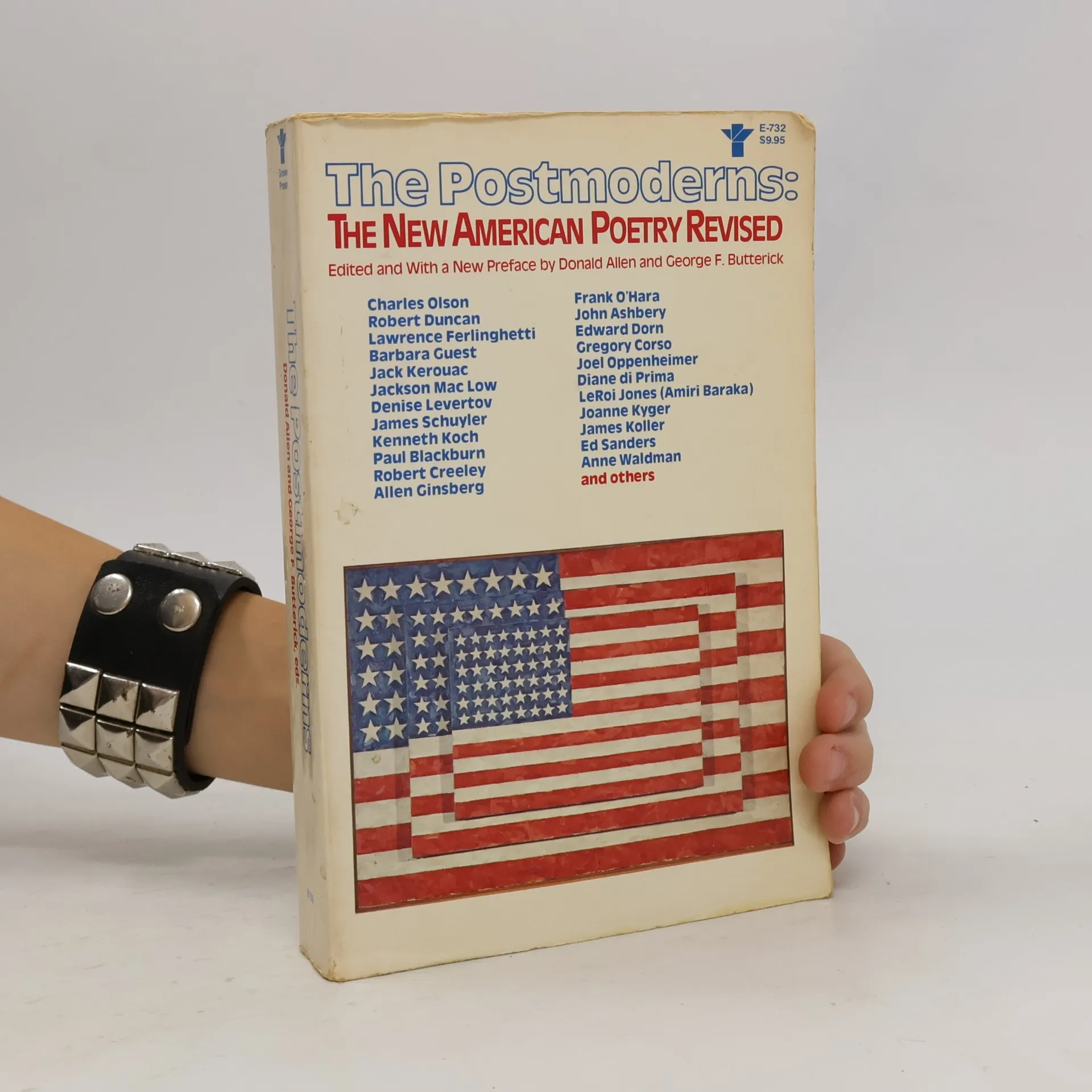
The New American Poetry Revised - Edited and With a New Preface by Donald Allen and George F. Butterick
436 pages
16 hours of reading
This anthology includes many of the major poets to have emerged and gained pre-eminence since World War II, and whose writing reflects not only the significant changes in this nation’s postwar history, and the coming to grips with a nuclear age, but also an entirely new way of looking at and structuring reality. United by their “postmodernist” concerns with spontaneity, “instantism,” formal and syntactic flexibility, and the revelation of both the creator and the process through the writing itself, these 38 poets represent very diverse strains of an essential American individualism. Included are many of the poets whose work first gained widespread national attention with the 1960 publication of The New American Charles Olson, Allen Ginsberg, Paul Blackburn, LeRoi Jones (Amiri Baraka), Denise Levertov, Robert Duncan, and others. Among the poets included here for the first time are Anne Waldman, Diane di Prima, Ed Sanders, Jerome Rothenberg, and James Koller. In addition to a new preface by Allen and Butterick, the book provides autobiographical notes of all the poets and listings of their major works.
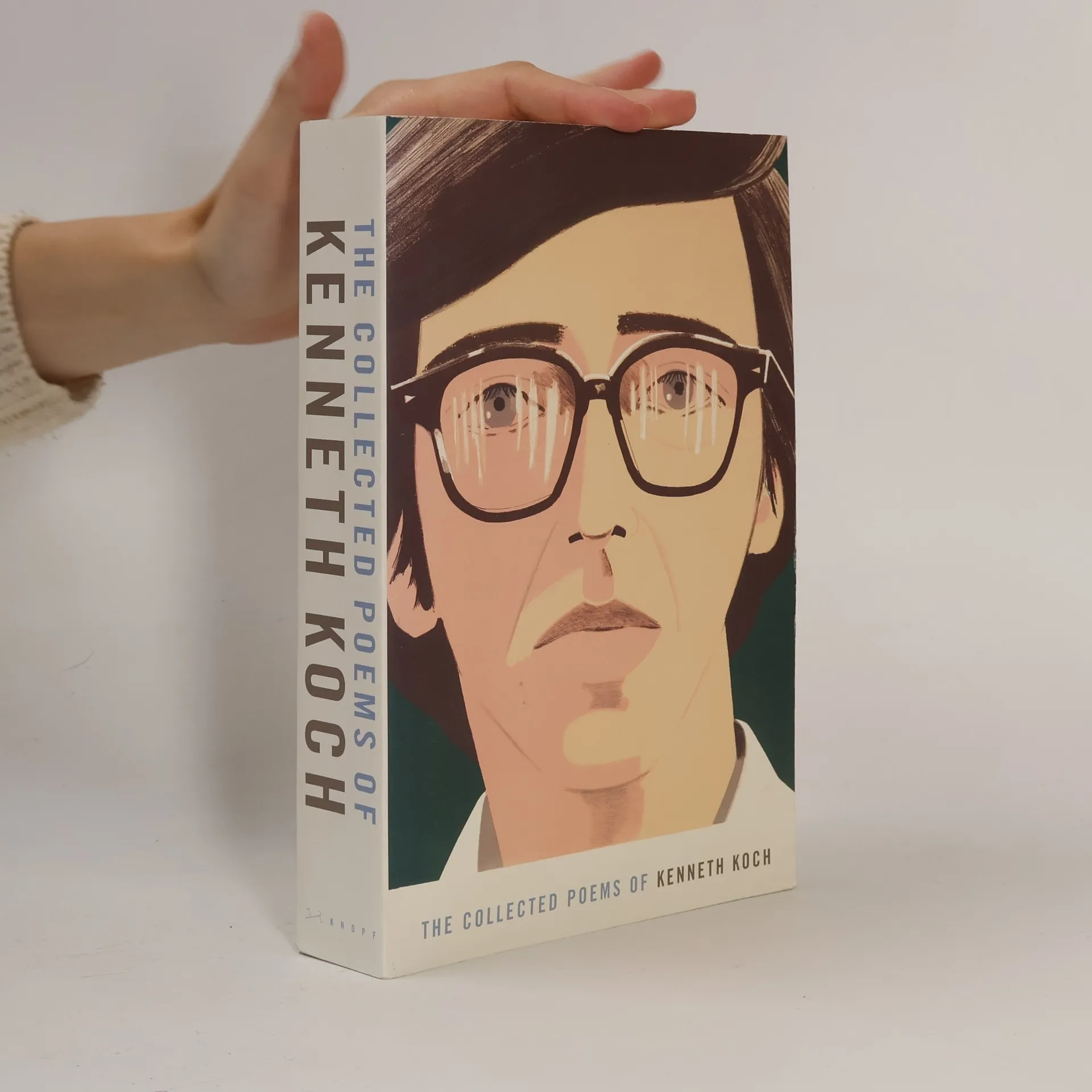
Kenneth Koch, hailed as “one of our greatest poets” by John Ashbery, is celebrated in this comprehensive collection of his ten poetry volumes, spanning from the 1950s to 2002, the year of his death. His work, which has captivated readers for over fifty years, explores themes of friendship, art, and love. As a founding member of the New York School of poets alongside Frank O’Hara and John Ashbery, Koch was an avant-garde playwright, fiction writer, and a pioneer in teaching writing to children, contributing some of the most innovative poems of his generation. His verses revel in the interplay of the mind and heart, exemplified in lines like “O what a physical effect it has on me / To dive forever into the light blue sea / Of your acquaintance!”
The collection features early love poems such as “The Circus” and “To Marina,” alongside comic masterpieces like “Fresh Air” and “The Boiling Water.” Later works, including “One Train May Hide Another” and the elegiac “Bel Canto,” reveal a depth and seriousness beneath their lightness and wit, addressing life’s most significant moments. Charles Simic noted that Koch aimed to push the boundaries of language in poetry. This anthology showcases Koch’s exuberance, humor, and emotional resonance, making a lasting impact on the literary landscape.