


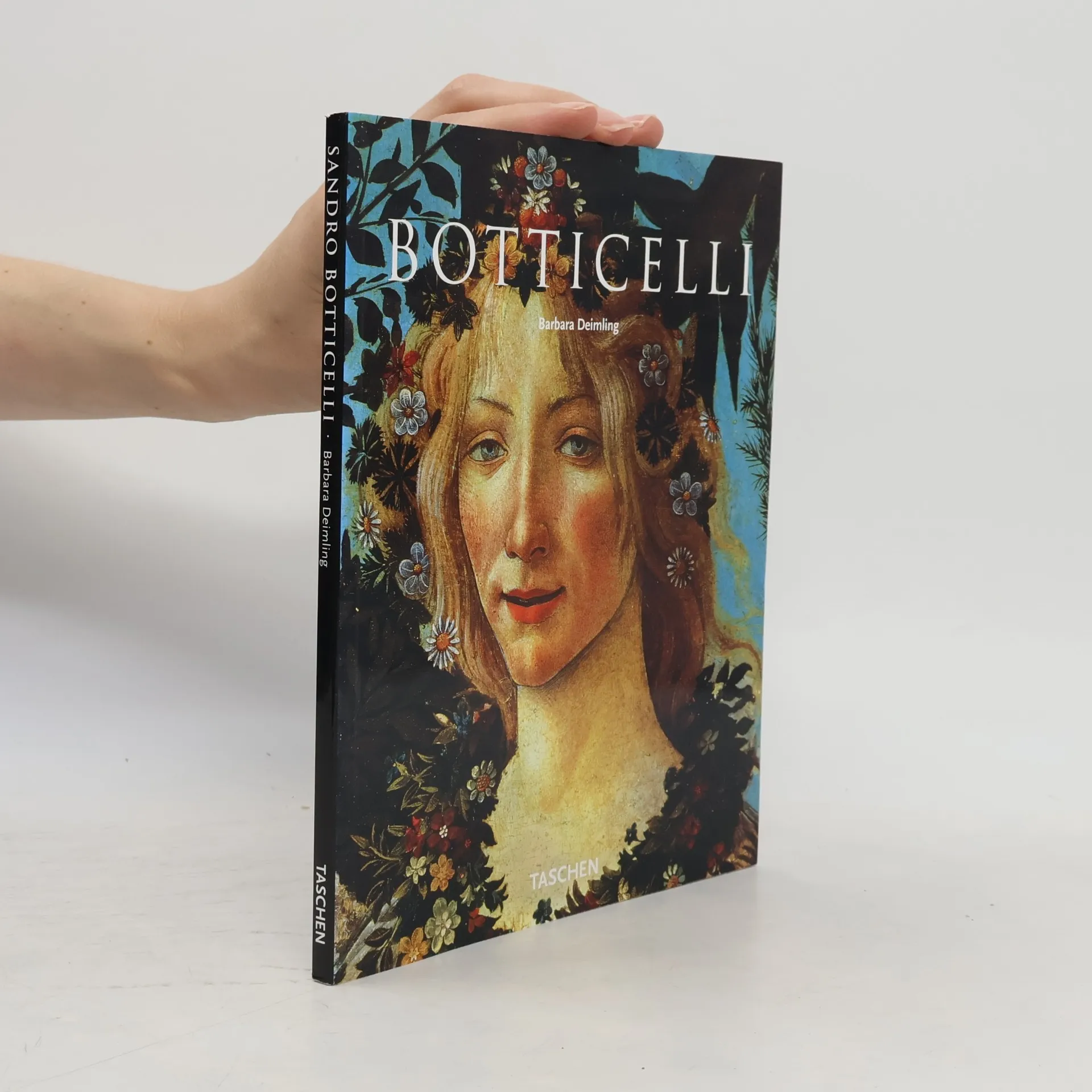
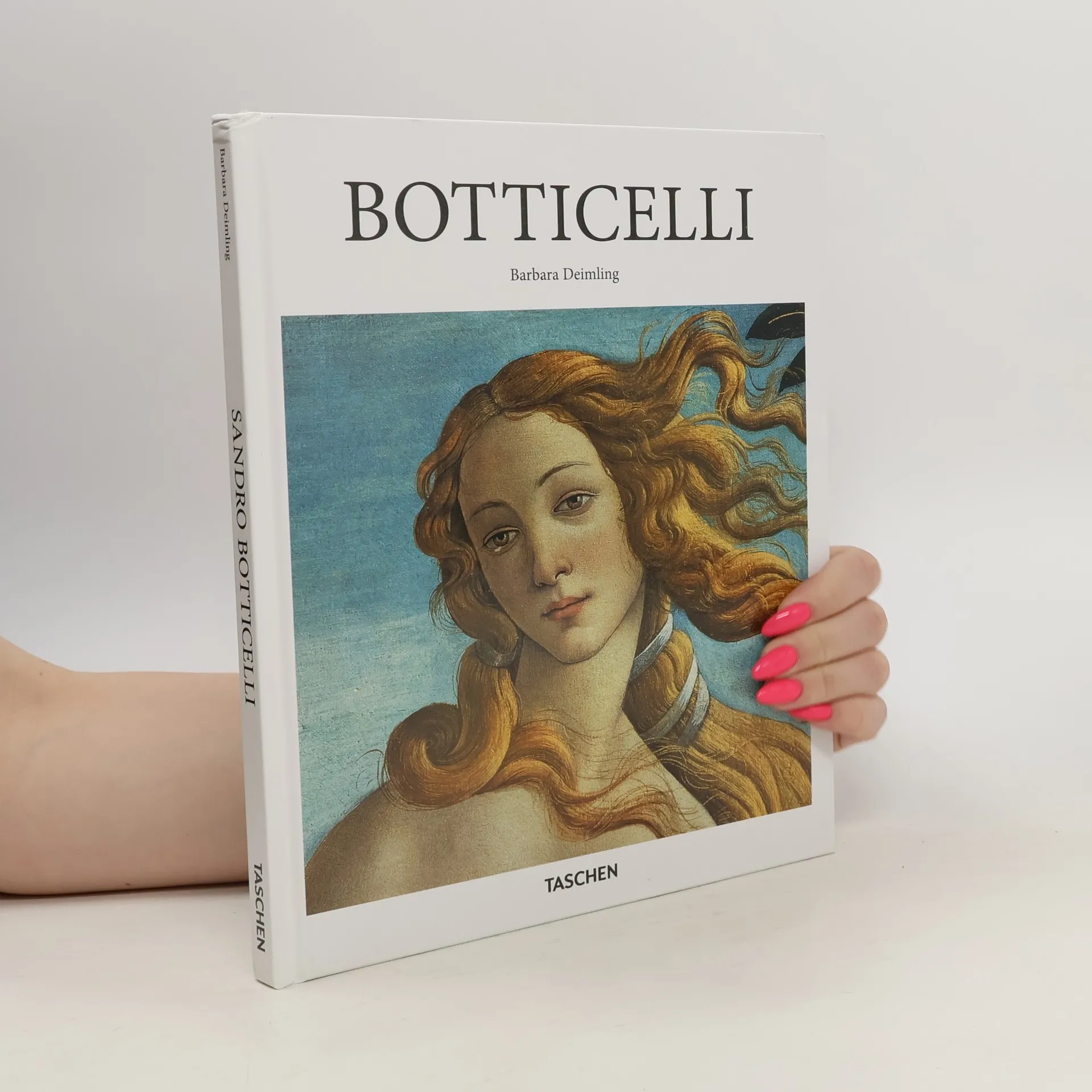
Botticelli
- 96 pages
- 4 hours of reading
With the support of the influential Medici family and contributions to the renowned Sistine Chapel, Sandro Botticelli (1444/45–1510) was positioned for recognition. However, his work remained overshadowed for nearly four centuries until the 19th century, when he began to receive significant art-historical acclaim. Today, Botticelli is celebrated as a pivotal figure of the Florentine Early Renaissance. His iconic secular works, such as The Birth of Venus and Primavera, are often interpreted as allegories of Spring and are among the most famous paintings globally, characterized by their intricate details, graceful lines, and balanced compositions. His arrangements exude fluidity and poise, while his figures embody serenity and sensuality. Venus, in particular, is regarded as an art-historical symbol of beauty—pale-skinned, delicately featured, and imbued with a sense of promise. This essential introduction showcases key works from Botticelli’s oeuvre, illuminating the creation of a Renaissance legend. Through his celebrated mythological and allegorical scenes, as well as his luminous religious works, we delve into his mastery of figuration, movement, and line, which has inspired artists ranging from Edgar Degas to Andy Warhol and René Magritte to Cindy Sherman. Barbara Deimling, who directed the Syracuse University Florence Center from 2000 to 2009, has published extensively on Italian Renaissance painting.